Marten Oscar Trio Loudspeaker Review – Feel the Air Between the Notes

Listening room: the bigger room, 5 m by 6 m with a 4 m ceiling, treated • Placement: about 3 m apart and about 1 m from the wall behind them, listening position at 3.5 m, aimed straight ahead, no toe in
Source and preamplification: MOON 491, streaming Qobuz and TIDAL • Amplification: Yamaha M5000 and Burson Timekeeper Voyager power amplifiers • Cabling: Roboli XLR 2100 interconnects, Roboli HP8000 speaker cables, Roboli Power 5200 power cables
Loaned by: HifiExpert
TLDR
We highly recommend the Oscar Trio to the listener who searches for delicacy, air, and fine detail in music, who spends most evenings listening to predominantly vocal, acoustic instruments, and well-recorded music at low and normal levels, and to the one who appreciates a tight and articulate bass. Played this way, these speakers are a pure joy. Anyone who likes to play EDM music at party levels in a large room will reach their limits fast. For that listener, speakers with bigger woofers, built with other intentions in mind, are a better choice.
Three qualities define the Marten Oscar Trio, but only with the right matching:
- A very delicate, airy top end. High frequencies are reproduced with excellent refinement and a very delicate touch, with plenty of air around voices and instruments. In our chain, the overall tonal balance was tilted slightly towards the bright side. Our sibilance test tracks were absolutely clean regardless.
- An excellent midrange over a tight, articulate bass. Due to the Marten’s genius 2-way design, voices have a natural timbre and rich harmonic details, with the instruments behind them clearly separated. The two 6.5-inch ceramic woofers produce a bass that is tight, fast, and articulate, with surprisingly deep extension in our bigger room. Kick drums have a clean contour and a quick stop.
- Excellent microdynamics, with a ceiling on scale. The smallest changes in intensity, a fingertip on a guitar string or the pedal of a piano, are easy to follow. Macrodynamics are somewhat more limited. At full power, we only measured 108 dB(C) at the listening position, 5 meters from the speakers. Close to that level, the bass thinned out, and orchestral peaks lost some of their scale. Apart from this, we found very little to criticise.
The soundstage is wide and extends past the speakers, with deep layering from front to back. Imaging is pinpoint precise.
System matching is extremely important with these speakers and deserves careful consideration. The two woofers benefit from an amplifier with very good bass control. The tweeter can become harsh and sibilant if paired incorrectly. Our favourite partners were the Moon 461 streamer/dac in combination with the Yamaha M5000.
Introduction
Marten is a family company from the West Coast of Sweden. Leif Mårten Olofsson has built loudspeakers as a hobby since the 1970s. He founded the company in 1998. Today he runs it together with his brothers, Jörgen and Lars. The family history with music goes back even further. In the early 1900s, Leif’s grandfather, Josef Olofsson, built violins, with Stradivarius as his benchmark. Violins, then loudspeakers. It seems the audio drug runs in the family, wouldn’t you agree?!
The Mingus was Marten’s first production loudspeaker, introduced in 1998, the same year Leif Mårten Olofsson founded the company. Since then, the catalogue has grown into five series. In 2014, Marten set up its own recording studio in Gothenburg. The company also has its own record label.
The Oscar series is the entry point into the Marten range. The company traditionally names all of their high-end loudspeaker series after jazz greats, and the Oscar line pays direct homage to legendary Canadian jazz pianist Oscar Peterson. Marten created it to meet the demand for a more affordable loudspeaker, with brand new drivers and a redesigned build. The stated goal is to keep the same Marten house sound regardless of price range. Two models make up the series: the Oscar Duo, which Marten offers with an optional stand, and the Oscar Trio, a slim floorstander. Leif Olofsson designed the Trio as the launch model of the series.
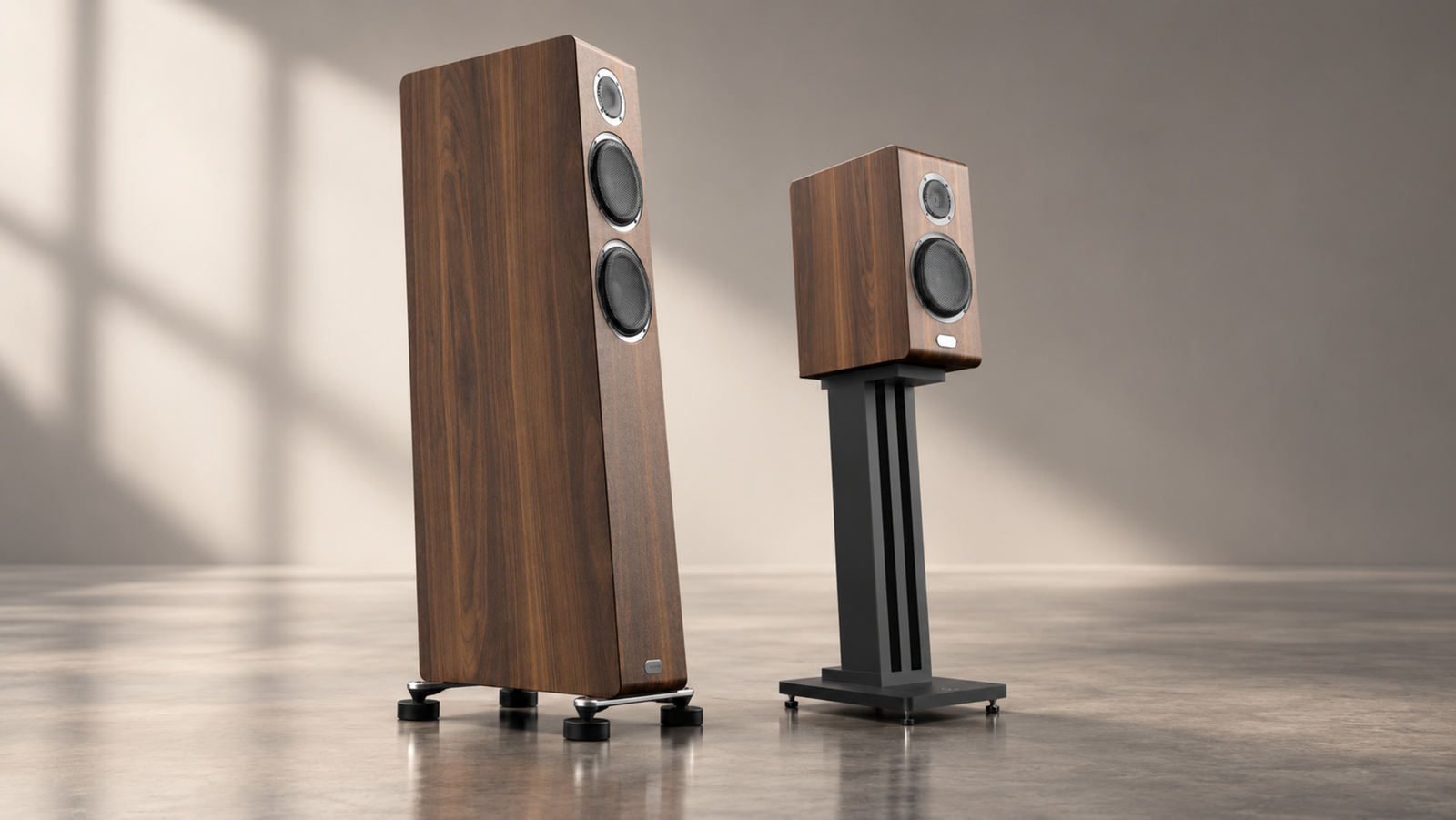
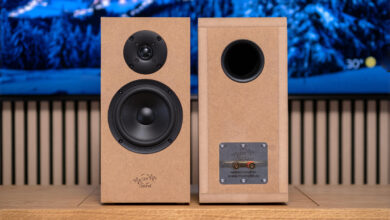
The Marten Oscar Trio and Duo side by side
We have heard larger Marten models at audio shows over the years. Hearing the entry point of the range in our own room, on our own electronics, was something we looked forward to very much.
Keep in mind that every audiophile has a different taste in music, different electronics and a different room. We formed these impressions in one room, on one chain, with two pairs of ears, together with the emotions this music stirred in us. A demo, with your own music, is where the final verdict belongs.
Design, Build and Technology
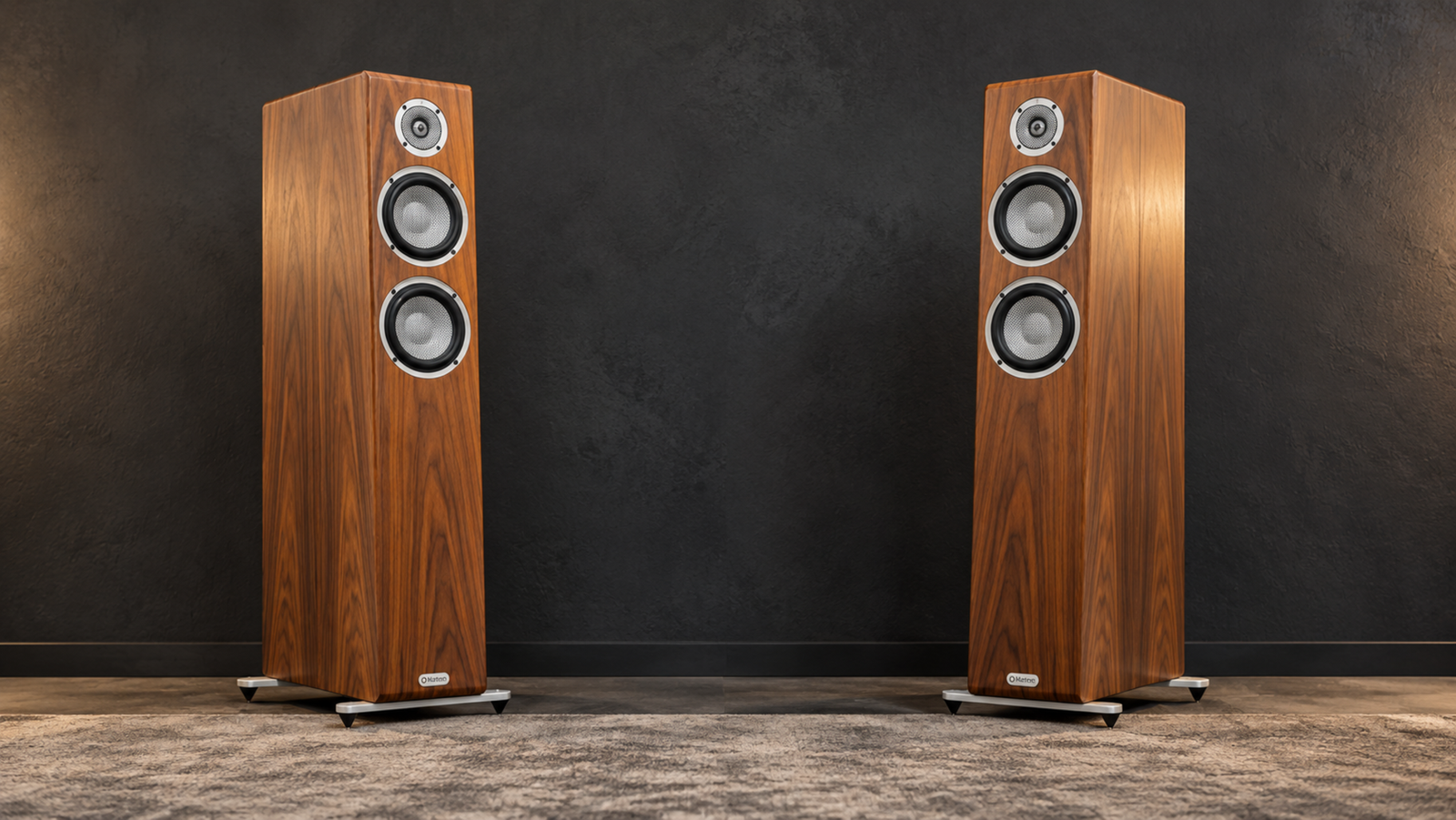
Cabinet and finish. The Oscar Trio is a two-way floorstander, only 20 cm wide, 109 cm tall and 40 cm deep. Each speaker weighs 30 kg. The cabinet is made from 25 mm fibre laminate, available in Matte Walnut, Piano Black or Piano White. Our review pair is Matte Walnut, and the quality of the finish is excellent. The grilles are fixed to the cabinet and cannot be removed.
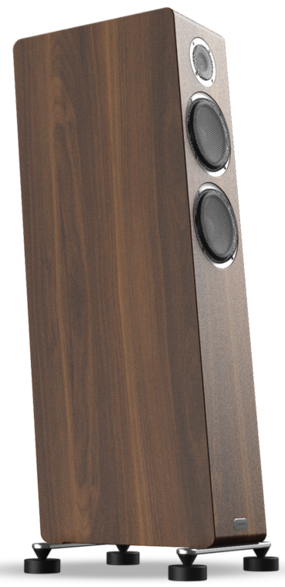
Feet, cones and pucks. The cabinet stands on brushed aluminium feet. Marten includes its own Pucks and Cones with the speakers.
Drivers. The Oscar Trio uses three drivers, hence the name. These are custom units developed with the engineering team behind SB Acoustics, although their lineage is quite easy to recognise. The 6.5-inch ceramic mid/bass driver appears closely related to SB Acoustics’ SB17CAC35, while the ceramic tweeter has similarities to the SB26CDC-C000-4. Both, however, incorporate parts and specifications developed specifically for Marten. According to the company, the ceramic material has a high internal damping factor, the result of a refined electrochemical process. It also has a high resonance frequency, which, Marten says, results in low distortion.
Crossover. Marten sums up its approach as “low order for high dynamics”. The company prefers lower order crossovers, because, they say, higher order designs tend to limit dynamics and detail. The Oscar Trio uses a second-order crossover, with a single crossover point at 2500 Hz. A second-order filter has a slope of 12 dB per octave. It also needs fewer parts in the signal path than a steeper design. With a slope this gentle, the woofers and the tweeter both play, at a falling level, on either side of 2500 Hz, so their outputs overlap and add together around the crossover point. Marten builds the network with copper foil air core coils, Silver/Gold capacitors, and resistors the company calls Supreme. Because the crossover point is this high, the two 6.5-inch woofers cover the bass and the lower and central midrange, where the fundamental frequencies of almost every human voice are. The tweeter covers everything above 2500 Hz.
Bass loading. The cabinet is bass reflex type. The port fires downwards, into the base. Marten specifies a frequency response of 27 Hz to 20 kHz, within ±3 dB.
Wiring and terminals. Jorma makes the internal wiring by hand in Sweden. At the back is a single pair of WBT nextgen terminals, which accept any standard connector. With single wiring only, bi-wiring and bi-amping are out of the question here.
Sensitivity, impedance and power. Sensitivity is 89 dB at 2.83 V and 1 m. Nominal impedance is 6 ohm, with a minimum of 3.1 ohm. Marten rates the Oscar Trio at 250 W and recommends an amplifier of at least 20 W.
Power rating and maximum level. A power rating and a maximum clean level are two separate specifications. For the bass region, the level a loudspeaker can reach depends mostly on how much air its woofers can move, which is cone area multiplied by cone excursion. For the same sound pressure, a woofer has to move four times as far for every octave the frequency drops. Two 6.5-inch cones per speaker have a moderate radiating area for a room of 120 cubic metres like ours.
Measurements
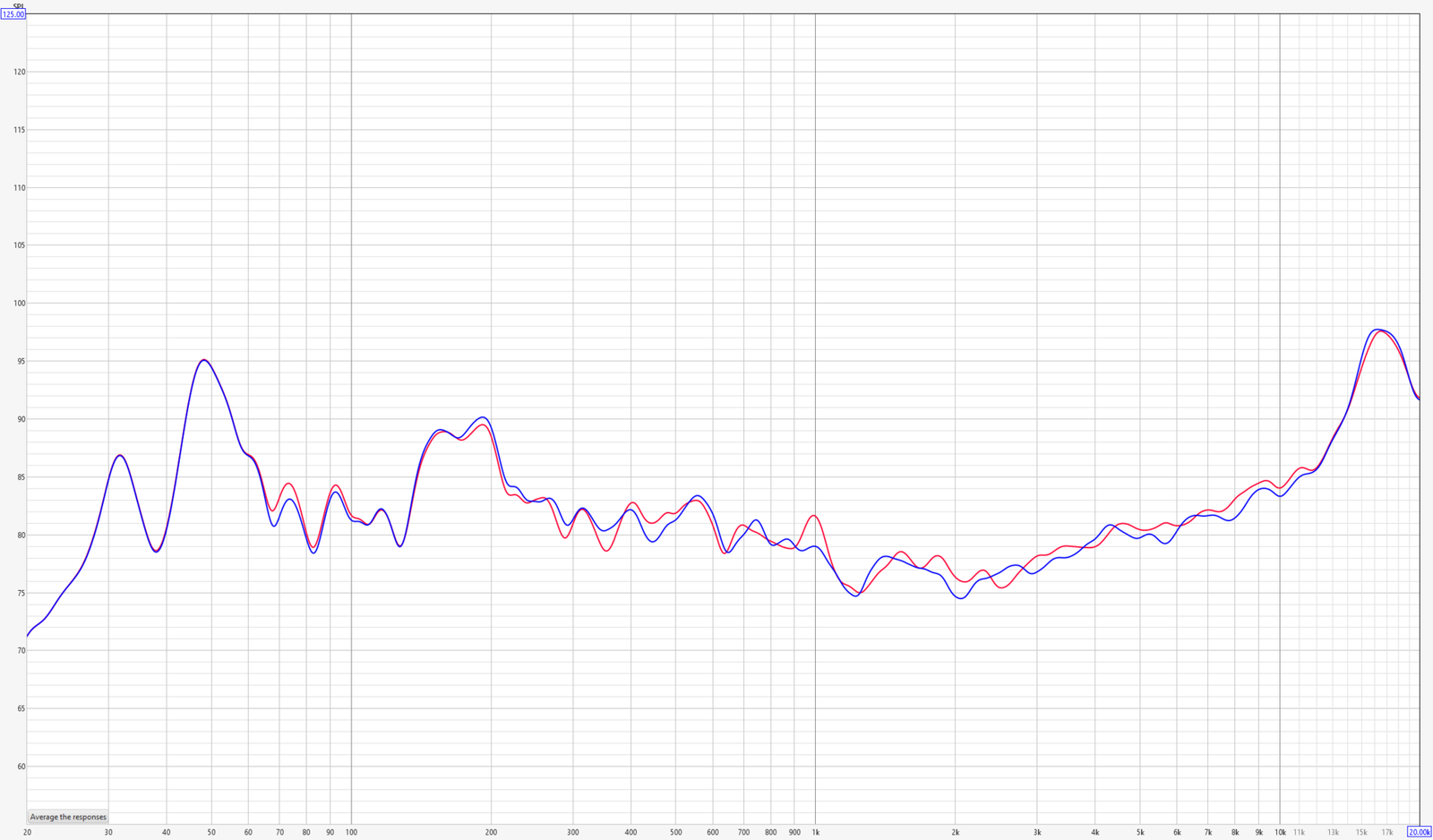
In-room measurements: Red – On Axis ; Blue – Off Axis
Below roughly 200 Hz, an in-room measurement shows the loudspeaker and the room together. The modes of our room add their own peaks and dips there, so this part of the graph describes how the Oscar Trio behaves in our space, at our listening position.
The bass response is very good. In-room, it drops to 28 Hz, with strong output around 32 Hz and 49 Hz. Our room has a hole between 60 and 90 Hz, visible on the graph as two dips, around 65 Hz and 83 Hz. The Oscar Trio sounded full through that region regardless. The physical side of the bass, the part we feel in the body as much as we hear it, was represented very nicely.
Between 150 and 200 Hz, where the chest resonance of a male voice can be felt, we can see a generous lift. The midrange up to about 600 Hz is also a few dB above the region between 1.2 and 3 kHz, around the crossover point. In listening, this energy is audible as gravitas and physicality in voices. We believe part of the reason is the 2-way layout, and we want to applaud Marte for choosing it. In a 2.5-way design, the second woofer plays only the bass, and a single cone reproduces the midrange. In the Oscar Trio, both 6.5-inch woofers play all the way up to 2500 Hz, so there are two cones responsible for reproducing the midrange. For the midrange aspect, this is an excellent solution, and we wish more manufacturers would choose this solution when creating a 3-driver speaker that has all of them sharing the same cabinet.
Above 3 kHz, the response rises steadily by about 6 dB up to 10 kHz. It then reaches a peak around 16 to 17 kHz, roughly 15 dB above the midrange. The graph clearly shows what we heard, these speakers are tuned on the bright side. Between 5 and 9 kHz, where the dreaded sibilance haunts us, the rise is moderate, which is a wonderful thing. Most of the extra energy is in the top octave, above that region, which matches the sparkle and air we heard, with no trace of sibilance on our chain.
A tilt like this makes the choice of electronics critical. With electronics that have an emphasis in the sibilance region, the tweeter can become a tad harsh. After careful pairing, with the MOON 491 and our two power amplifiers, the sparkling and delicate character of the tweeter was fully unleashed. Female voices were wonderfully rendered as a result.
We rarely get a loudspeaker that sounds very good with both female and male voices. Male voices are usually nicer through speakers that are warmer and darker, with a less extravagant tweeter than the one we see here. On the Oscar Trio, with this much energy in the midrange next to the sparkle of the tweeter, both were wonderful. Female voices sounded just as good as male ones.
The two traces also show the effect of toe-in. On axis, the region between 5 and 10 kHz is around 1 dB higher, and there is a small peak of 2 to 3 dB near 1 kHz. On the graph, the difference is small. In reality, listening to them on axis was enough to make the balance too bright. These speakers must be kept firing straight ahead.
Setup, Room and Placement
We used the Oscar Trio in our bigger listening room, 5 m by 6 m with a 4 m ceiling, treated. The speakers were about 3 m apart and about 1 m from the wall behind them, with our listening position at 4 m.
Marten recommends at least 40 cm from the wall behind the speakers, some distance from the side walls, and a listening distance of at least 3 m, preferably 3.5 m or more. Our setup matches the manual pretty closely. The speakers fired straight ahead, with no toe-in.
The pair was used in the showroom, so there was no need for a break-in.
System Matching
The MOON 491 was the best choice for the source and preamplifier among everything we tested, streaming Qobuz and TIDAL. We also tried them with the Gustard R30, and although the midrange had a more harmonious and richer presentation, we found the treble too harsh and sibilant. With the Aurender A1000, the treble was very delicate and smooth, but due to the lack of midrange energy, they ended up sounding thin and way too bright. We also tried a different approach with a Luxman DA-07X DAC connected to a Mac laptop through an HMS Gran Finale 50 USB cable. This combination was extremely detailed, transparent, and precise, with each note occupying a very clearly defined space. The treble was neither sharp nor harsh, but it had a stronger presence and kept drawing attention to itself because of the highly detailed nature of the presentation. The midrange was exceptionally clean and precise, maybe at times too clean, with every element sharply defined. We got the impression that there was less warmth and natural flow than we normally prefer. There are listeners who actively look for this type of sound, and for them this could be an excellent match.
After the source, we paired them with two power amplifiers, the Yamaha M5000 and the Burson Timekeeper Voyager, but also tried experimenting with the Hegel H200 all-in-one. With the latter, the sound was very clean and transparent, almost artificial. These speakers benefit greatly from some warmth in the electronics and even in the cable choice, so we found the Hegel to be a mismatch. A normally priced silver speaker cable was also not a good idea and is not recommended.
The two amplifiers sounded very close, and were both excellent partners. The M5000 was our favourite. With it, the bass had more grip and speed, with better separation between individual low-frequency notes. The soundstage was also more three-dimensional, with a more clearly defined centre image. With the Voyager, the bass had a little less grip, it was a little slower and added a bloom that we enjoyed. That extra fullness made the low end feel more expansive in the room. It was a different presentation but close enough to what we heard from the Yamaha.
On paper, the Oscar Trio is a moderate load. The 3.1 ohm minimum is a good reason to choose an amplifier with solid current delivery and a firm grip on the woofers. More amplifier power has little effect on the maximum level of these speakers.
With the slight bright tilt we heard on our chain, we would be careful with bright sources and bright cables. Taste decides in the end.
Listening Sessions
In a few words, we would describe the Oscar Trio as delicate, airy, detailed, and fast, slightly bright, but still offering an excellent midrange and a tight bass, made for listening at moderate levels.
Voices and Treble
Voices are one of the strongest qualities of the Oscar Trio. We believe the crossover design plays a big part here. Because the two woofers play all the way to 2500 Hz, they are responsible for most of the fundamental energy and tonal body of voices, strings, piano, guitars, and many other instruments. The tweeter mainly handles the upper harmonics and treble.
Sophie Zelmani is a Swedish singer and songwriter. All I See Is You and My Soul Remembers are two of our sibilance tests, her voice soft and very close to the microphone, full of S sounds. With the proper matching, through the Oscar Trio, those S sounds were small, smooth, and clean, in natural proportion with the rest of her voice. The breath around her words had a fine, delicate texture, which speaks a lot for resolution in the upper midrange.

Greg Gonzalez started Cigarettes After Sex in El Paso, Texas. He recorded Affection himself, in Brooklyn in June 2015, and sang it almost in a whisper, surrounded by reverb and guitars full of high-frequency detail. A hard test for any tweeter. His consonants were soft at every volume we tried. The reverb behind him was wide and very detailed, with the guitars distinct from his voice. Cigarettes After Sex can sound dull and very irritating on the wrong system, which makes their recordings a useful test of how delicately a speaker handles material that is unusually recorded.
Dante’s Prayer closes The Book of Secrets, the 1997 album by the Canadian singer, composer, and harpist Loreena McKennitt. Two things inspire the song: a journey on the Trans-Siberian Railway and Dante’s Divine Comedy. It is one of the most emotional songs in our playlist. Her voice was presented with a very natural timbre, with the piano and the choir behind her, each in their own space. The hall around them had plenty of air. We could follow the reverb all the way into silence, which highlights the speaker’s ability to track microdynamic details easily in any recording. Beautiful.
Diana Krall records her version of Temptation, a Tom Waits song, for The Girl in the Other Room, in 2004. It is her first album with a lot of her own songs, several of them written together with Elvis Costello. The recording had a very intimate feeling on these speakers. Her voice was presented close and physical, with rich harmonic details in her lower register. The piano and the bass behind her each had their own place, clearly apart from her voice. That is good news regarding instrument separation.
Céline Dion’s The Power of Love is a cover of the Jennifer Rush song. Her version, from The Colour of My Love in 1993, is a number one in the United States in early 1994. It has huge, sustained vocal notes near the end. Those big notes were clean on the Oscar Trio, with no harshness at the top of her range. The strings and the drums under her were clearly layered, each one clear as the arrangement grew in intensity. Her top notes were a touch bright on our chain, a little more prominent than we would like.
Norah Jones’s Don’t Know Why, written by Jesse Harris, opens Come Away with Me, her 2002 debut on Blue Note. The album and the song win several Grammy awards, including Album of the Year and Record of the Year. On these speakers, her voice was smooth and very detailed, with every breath between the lines audible. The piano had a clean attack and a natural decay. For a vocal miked this close, the S sounds were soft and well integrated. The brushes on the drums had a delicate, airy texture, a lovely showing for the ceramic tweeter.
Inkarnation’s Licht Prakash Light is slow and meditative, full of bells, chimes, and soft high-frequency textures, tracks we test for feelings of air and treble extension. The space around the bells was very open and airy and realistically presented. The top end was extended, with a delicate texture in the top octaves. At higher volume, the upper treble was a bit prominent. At moderate volume, the balance was just right.
Male Voices
Male voices are a good test for the lower midrange, where the chest and the body of a voice are.
You Want It Darker is the title track of the last album Leonard Cohen released in his lifetime, in October 2016, only 17 days before his death. Adam Cohen, his son, produced the title track. Behind Leonard are Cantor Gideon Zelermyer and the choir of Shaar Hashomayim, the Montreal synagogue of his childhood. His deep voice had authority and good chest weight. The lowest part of his register was a bit lighter than we expect from him. The choir and the bass line were clearly separated behind him. The background around his voice was very dark. Haunting and very moving.
Geoff Castellucci is the bass singer of the a cappella group VoicePlay. His solo cover of The Sound of Silence, the Simon & Garfunkel song, reaches notes very few voices can. The lowest notes were audible and articulate, with good chest resonance. The stacked harmonies behind him were layered in depth, one voice behind the other. The very deepest notes were present, and we could even hear the subsonic frequencies that the recording has. Very respectable, for the size of these woofers. They go down to sub-30 Hz, very impressive.
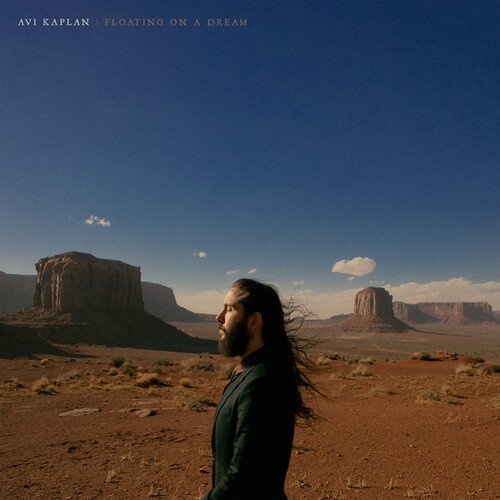
Avi Kaplan also comes from the a cappella world, as the former bass voice of Pentatonix, a group he left in 2017. He has one of the deepest male voices we listen to. On Aberdeen, his low notes had plenty of chest weight, with the grain and the texture of his voice clearly audible. On All Is Well, Avi Kaplan sings together with Joy Williams. On loudspeakers that are a tad darker or warmer, male voices sound better than female ones. In this case, with the duet, Joy‘s voice would have gone in the background. Vice versa, on loudspeakers that are a little bright, a voice like Avi‘s usually sounds thin. With these, the wonderfully tuned Oscar Trio, both performers sounded natural, felt complete, and enjoyable. Avi‘s voice was full of harmonies and weight, with rich chest resonance and at the same time, Joy‘s voice was soft and delicate. A wonderful contrast, and a very good test for male and female voices in one track.
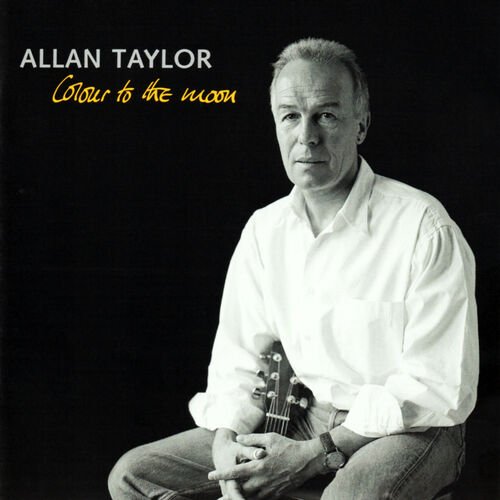
Allan Taylor is an English singer and songwriter who has recorded for Stockfisch, the audiophile label from Northeim, in Germany, since 1995. Colour to the Moon is from 2000, and All Is One is from 2013. His voice was presented close to us, with a very natural texture. On the guitar, every string had a crisp attack and its own decay, easy to follow from the first note to the last. The lower part of his voice was slightly lean. Between the notes, there was only silence, clean and dark. Inter-note silence is one of the strengths of the Oscar Trio.
Hugh Masekela’s Stimela, The Coal Train, is a song about the migrant workers who travel by train to the mines of South Africa. It is a very powerful song. His voice had a lot of texture, with the rasp and the breath clearly audible. The trumpet had bite and body. The percussion was fast and clean, with quick attacks and short decays. At high volume, the big swells in intensity lost some of their size.
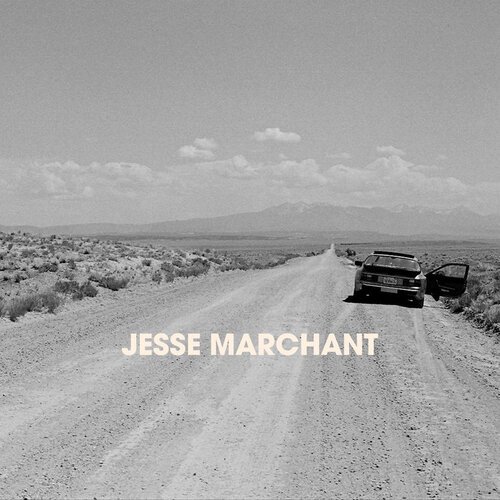
Adrift, by Jesse Marchant, is a slow and dark song, with a heavy bass line under a very close vocal. His voice was present, with every breath and every change in intensity in his phrasing clearly audible. The bass line under him was tight and articulate from the first bar to the last.
Released in 2012, Anastasis marked Dead Can Dance’s return to the studio after a sixteen-year hiatus. Brendan Perry sings Opium. His voice was tonally accurate, deep and natural. The bass layers under him were clearly separated, with the differences in their texture easy to hear. On the Oscar Trio, the same two woofers reproduce the deep bass and the body of Brendan’s voice at the same time, so any intermodulation between them would be audible as a wobble in the voice. At higher levels, his voice was free of any wobble, a strong hint of low intermodulation distortion.
Strings, Brass and Orchestra
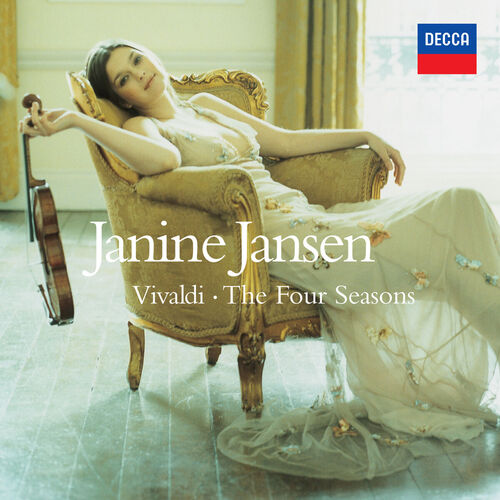
Janine Jansen records The Four Seasons for Decca in 2004, with a chamber ensemble of eight players, herself included. Her violin had a sweet tone, with every fine texture easy to hear. Summer, with its fast, furious passages, was clean and very articulate. The ensemble behind her was layered in depth, each player easy to locate. On her top notes, the violin was a bit bright, a little brighter than we are used to compared to the true sound of the violin.
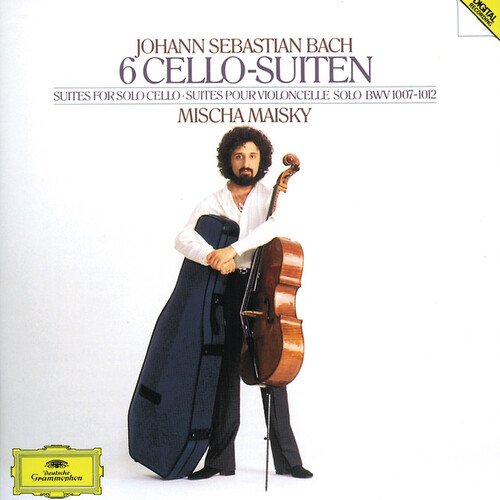
The Prelude from Bach’s Cello Suite No. 1, in Mischa Maisky’s recording for Deutsche Grammophon, is one of our tests for bow and string texture. The bow on the strings was rendered in very fine detail. The wooden body of the cello had a natural resonance, and the upper harmonics were rich, which is good for tonal accuracy in the higher register of the instrument. The lower strings were a bit lean, with less weight than on a warmer loudspeaker.
Jacqueline du Pré records Elgar’s Cello Concerto in 1965, with Sir John Barbirolli and the London Symphony Orchestra, for EMI. Her cello was presented clearly in front of the orchestra. The changes in her bow pressure were easy to follow, a strong point for microdynamics. The intensity of her playing, and all of its emotion, were there. Played loud, the full orchestra was somewhat smaller in scale than the recording.
Italia is from Chris Botti’s 2007 album of the same name, and Andrea Bocelli sings on it. Chris’s trumpet was sweet and smooth, with no harshness, even on the loud, long notes. Andrea’s voice was full-bodied, with weight and presence in the centre of the soundstage. The orchestra around them was wide and deep.
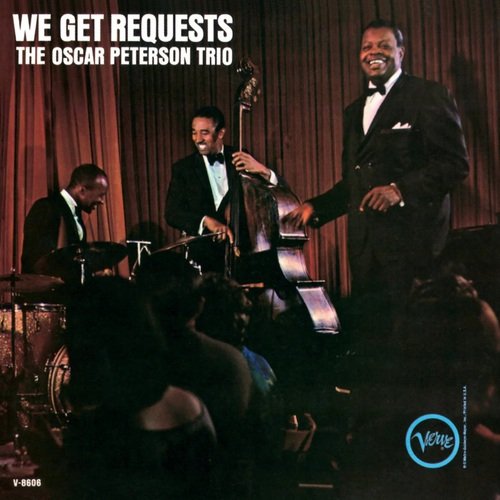
Since these speakers get their name from one of jazz’s greatest pianists, we felt it would be appropriate to spend some time listening to Oscar Peterson himself. We selected We Get Requests (1964), recorded with Ray Brown on double bass and Ed Thigpen on drums. It is a wonderful jazz recording, and the combination of piano, double bass, and percussion gives us plenty of opportunities to examine tonal accuracy, harmonic richness, dynamics, and instrumental separation. Let’s start with Days of Wine and Roses. The track is elegant and relaxed, yet Peterson’s playing has tremendous rhythmic precision, with delicate passages followed by quick piano runs and more forceful chords. Next, You Look Good To Me has a beautiful contrast between the delicate opening and the rhythmic energy that follows. Ray Brown plays his double bass with a bow, producing a sustained, almost cello-like sound beneath Peterson’s delicate piano melody. The contrast between the continuous tone of the bass and the individual piano notes is beautiful. It’s also a demanding test of tonal reproduction, since the double bass needs sufficient harmonic richness to sound convincing, without becoming thick or indistinct. As Brown switches to plucking the strings, the music becomes much more energetic. Peterson’s piano playing grows increasingly playful, Ed Thigpen’s delicate percussion adds to the rhythm, and the interaction between the three musicians becomes the main attraction. There is plenty to listen for here, from the resonance of the double bass to the sharper attacks of the piano and the fine texture of the cymbals. What starts as a delicate, almost classical introduction develops into an incredibly enjoyable jazz performance.
The piano is the main attraction here, and we paid particular attention to the harmonic body of individual notes, the contrast between softer and stronger keystrokes, and how naturally the lower registers integrate with Ray Brown’s double bass. The bass provides a steady rhythmic foundation, with its plucked notes offering a useful test of articulation and tonal weight. Ed Thigpen’s delicate percussion adds another layer, particularly through the cymbals, where fine detail is emphasized. It’s a recording that encouraged us to concentrate on the relationship between the three musicians.
Bass, Dynamics and Scale
Bass notes on the Oscar Trio start and stop quickly, with no overhang and no bloom. In our bigger room, the extension was deep, with subbass audible close to Marten’s 27 Hz rating. From two 6.5-inch woofers per speaker, that is mighty impressive.

Traust and Svanrand are both on Futha, the 2019 album by Heilung, a band that calls its music amplified history. Traust is built on deep ritual drums and layered voices. At normal levels, every drum strike had a clean, fast start and a well-defined body, a very good sign for bass articulation. As we turned the volume towards our highest levels, the drums lost some of their weight and physical impact. Heilung is best experienced at very high volume levels, and these speakers simply lack the size and authority to reproduce the full intensity of their music. The presentation is still very pleasant, but the overwhelming sense of war, raw aggression, and almost animalistic brutality that makes Heilung so special is largely missing. Don’t get us wrong, you can definitely fully appreciate the music in its entirety even without a subwoofer, but due to the small size of the speakers and relatively low power handling, you don’t quite get the visceral experience.
Death Row closes From A Room: Volume 1, the album Chris Stapleton records with Dave Cobb at RCA Studio A in Nashville and releases in May 2017, is a slow, heavy, blues-inspired album with a deep bass line under his voice. The bass line was articulate enough to follow every note. The drums were tight, with a quick decay. Chris’s voice had a natural texture, the grain in his phrasing easy to hear.
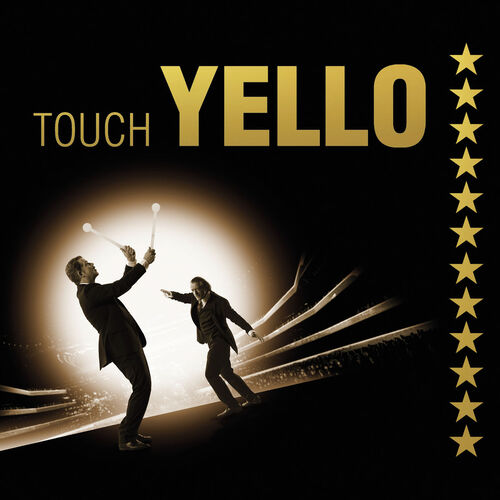
Till Tomorrow is on Touch Yello, the 2009 album by Dieter Meier and Boris Blank, with trumpeter Till Brönner as a guest. The deep electronic bass layers were fast and easy to separate, each with a firm outline. The lowest layers had deep extension in our room. The small electronic effects were placed precisely across the soundstage. Very enjoyable!

Angel opens Mezzanine, the 1998 album by Massive Attack. Horace Andy sings over a deep, slow bass line. That bass line was tight, with a clear pitch on every note. The physical pressure of the lowest notes in the room was modest. When the guitars and drums started, later in the song, the arrangement was clean and uncluttered, each layer easy to pick out.
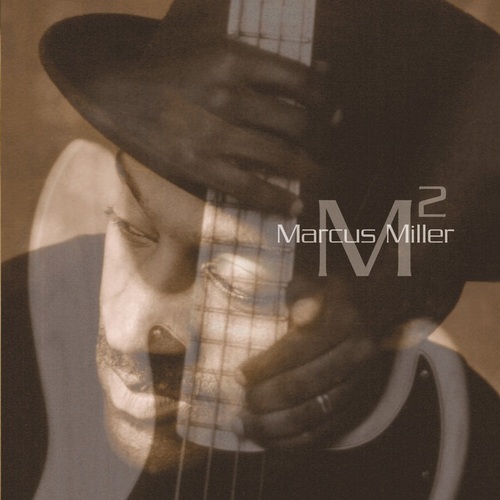
Marcus Miller is a bass player, composer, and producer, famous for his years with Miles Davis. Cousin John is on M², his 2001 album, which won the Grammy for Best Contemporary Jazz Album. The slaps and pops were fast, every pluck with a sharp start and a clean end. Fast passages were very clear at full speed. Speed is one of the strengths of these Oscar Trios.
Leonard Cohen again, through another voice. Jennifer Warnes, who sings backing vocals for him on tour in the 1970s, records Famous Blue Raincoat, an album of his songs, in 1986. The opening drum hits of Bird on a Wire are a bass test many audiophiles know by heart. Each hit had a sharp, fast attack and a short, clean decay. The weight behind the hits was lighter than on bigger speakers. Jennifer’s voice was close and natural.
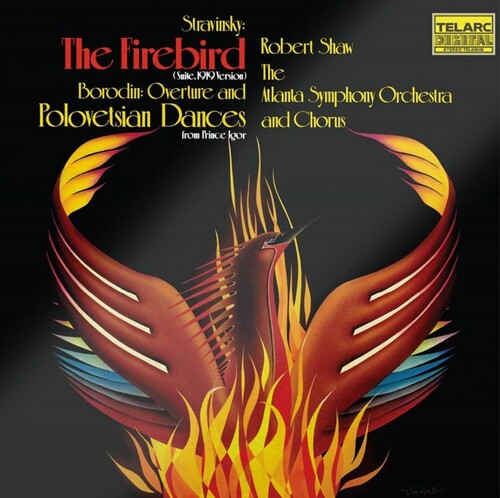
Eiji Oue and the Minnesota Orchestra record The Firebird Suite for Reference Recordings, and the album is released in 1996. It is a very good test of both sides of these speakers. In the quiet passages, microdynamics were excellent, with the softest shadings from the woodwinds and the harp easy to follow. At normal levels, the big crescendos had good speed and precision. Near our maximum volume, the peaks stopped just short of the scale in the recording, but this was understandable given the speakers’ size and physical limitations.
Listening Levels
Regarding SPL, we measured 108 dB(C) at our listening position, 3.5 m from the speakers, with the volume at full power. As we approached that level, the lowest octaves became thinner, and big dynamic swings had less scale than the recordings. The limit is set by the woofers. In a smaller room, the same woofer movement produces a higher level at the listening position.
So who is the Oscar Trio for? If high SPL in a large room is a priority, the ceiling we measured will be important. If you are an audiophile who plays music a bit quieter, at low and normal levels, the Oscar Trio is an excellent choice. At lower levels, the fine detail, the air around voices, and the microdynamics are all there.

Tyler Lyle and Tim McEwan make synthwave as The Midnight. Los Angeles is full of bright synths, retro drums, and saxophone. At moderate levels, it was great fun on these speakers. The synths sparkled, and the saxophone had bite and a full body. A lovely late evening track, at a sensible volume!
Soundstage and Imaging
Yosi Horikawa is a Japanese composer and sound artist who builds music from field recordings. In the Wind is made from small percussive sounds and recorded textures placed all around the listening position. On these speakers, each of those sounds had a pinpoint position, several of them outside the speakers. The quieter sounds further back had a believable distance from us, which tells us a lot about positional precision.
On Bubbles, Yosi uses small balls bouncing on different surfaces, wood, glass, and metal among them. Every bounce had a crisp outline and a pinpoint position. The distance of each one from us was easy to judge, and some of them were placed past the speakers, at the very edges of the soundstage. Wood, glass and metal were easy to tell apart, a strong result for timbre in the upper frequencies.
Anette Askvik is a Norwegian singer, pianist and songwriter. Liberty opens her debut album of the same name, recorded in Oslo with producer Øystein Sevåg and released in 2011. Her voice was pinpoint precise in the centre, with air and silence around it. The instruments around her extended past the cabinets. On this track, like on many others, the speakers disappeared.
The Desert is part of Armand Amar’s score for HOME, the 2009 documentary by Yann Arthus-Bertrand, filmed almost entirely from the air and released in cinemas, on television and online on the same day, World Environment Day. The duduk and the flutes were presented in front, with the space of the recording layered deep behind them. The reverb tail was long and very detailed. It was a delight to liste to the whole album.
Detail and Microdynamics
Nils Frahm records All Melody, his 2018 album, in Saal 3 of the Funkhaus in Berlin, a former East German broadcast building where he builds his own studio. The piano had a beautiful texture. In the softer moments, the mechanical sounds of the hammers and the pedals were clearly audible and very pleasant, creating a very intimate atmosphere, together with the ambience of the room around the instrument.
Says is from Spaces, the album Nils released in 2013, built from live concert recordings. The piece starts with quiet synthesizer arpeggios and ends in a big climax. Every note of the arpeggios stood apart, precise and clean. At normal listening levels, the build-up had good scale, with the intensity increasing naturally towards the climax. Small noises from the audience were audible during quieter moments, adding a convincing sense of intimacy and space to the performance.
Govi’s Euphrates is built around a nylon string guitar. Each plucked note had a precise attack and a long, natural decay, with the small changes in intensity from one note to the next easy to hear. The silence between the notes was just as dark as on Allan Taylor’s recordings.
Patricia Barber records Modern Cool in Chicago in 1998, for Premonition Records. It is a well-known recording among audiophiles. On Company, the brushes and the percussion were crisp, with every small sound in the mix easy to hear. Her voice had good, natural texture. The track did not feel congested or annoying at any time, even though it’s filled with a lot of information.
Naturaleza, by Danit, is a song for acoustic guitar and voice. Every pluck on the strings had a clean, precise edge, with rich harmonics around it. The vocals were clear and airy. Again, a pleasant track to listen to.
Final Thoughts
We believe the Oscar Trio is made for listeners who want to hear every small detail in a recording without sacrificing the emotion and musicality that make listening so enjoyable. Their strengths become particularly apparent at sensible volume levels, where subtle changes in dynamics, fine instrumental textures, and harmonic richness can be appreciated without having to push the speakers particularly hard. If this is what you value most or search for in a loudspeaker, then the Oscar Trio is a treasure.
Marten’s love for jazz is no secret. The company has named its loudspeakers after some of the greatest jazz musicians of all time, including John Coltrane, Charles Mingus, Charlie Parker, and, of course, Oscar Peterson. After spending time with the Oscar Trio, we can understand why. There is something about their presentation that feels particularly well suited to this kind of music. The delicate piano passages, the natural resonance of a double bass, the subtle presentation of the percussion, and the interaction between musicians are reproduced with a level of refinement that makes jazz, vocal, and acoustic recordings especially rewarding. We suspect this kind of listening experience is very close to what Leif Olofsson had in mind when working on these speakers.
That also explains why we wouldn’t recommend them to someone whose main priority is electronic dance music at very high volume levels. If you are looking for a club-like experience, with enormous bass pressure, physical impact, and the kind of dynamics that you can feel throughout your body, the Oscar Trio is simply not the right tool for the job. They can certainly play electronic music and make it very enjoyable, but they lack the size and authority to reproduce its full physical intensity. Larger floorstanders with greater bass capabilities would be a much better choice here.
System matching is extremely important, particularly in the treble area. We recommend pairing them with an amplifier that has sufficient current delivery and good control over the woofers, along with warm electronics that complement their revealing character. Give them a well-matched system, listen at sensible volume levels, and concentrate on the qualities they do best. Under those conditions, the Oscar Trio can be a deeply satisfying loudspeaker, one that rewards careful listening and makes you appreciate the smallest details in your favourite recordings.
We would like to extend our deepest gratitude to HifiExpert for their trust and for lending us the Oscar Trio for this review.
Pros
- Very delicate, refined high frequencies, with plenty of air
- Excellent midrange, with natural timbre and rich harmonic details
- Tight, fast and articulate bass, with deep extension
- Wide soundstage past the speakers, with deep layering and pinpoint imaging
- Excellent microdynamics, a pleasure at low and normal listening levels
- Slim cabinets with an excellent finish
Cons
- Limited maximum SPL and macrodynamics in a large room, limited by available power
- If not matched accordingly, can sound harsh and annoying
- Price