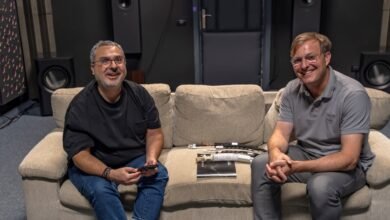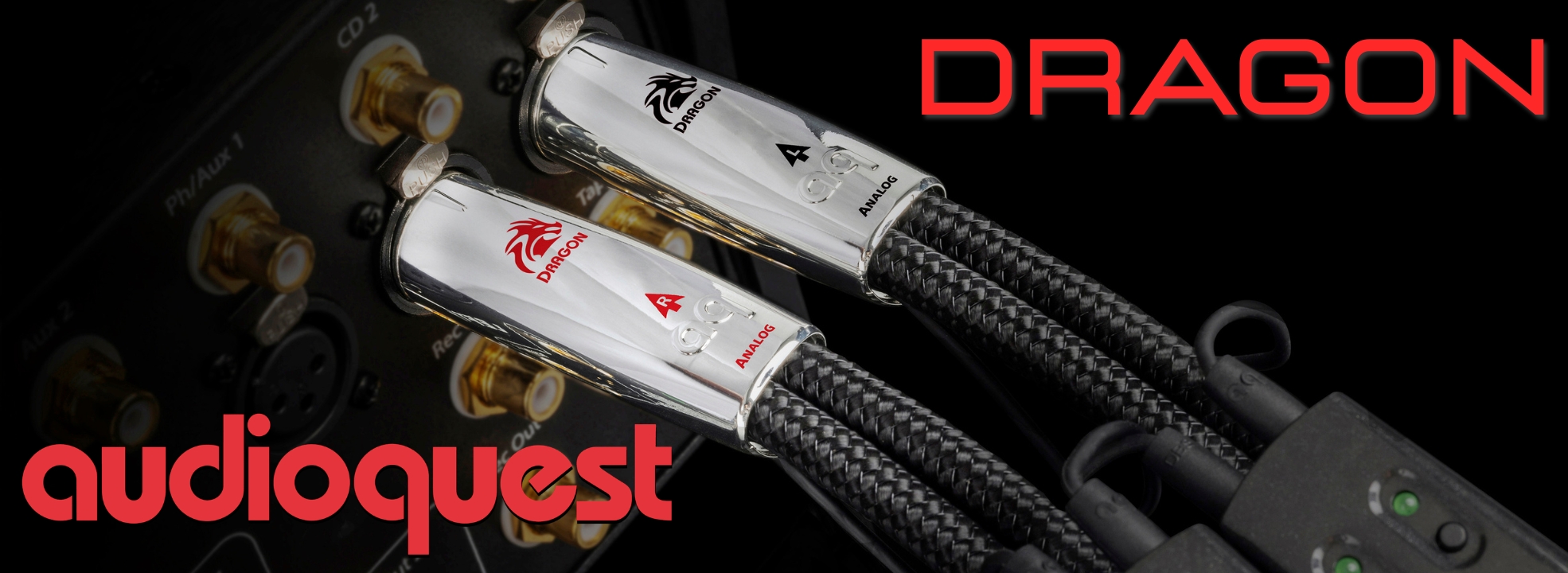
Introduction by Cătălin Cristescu, the rest of the article is written by Sandu Vitalie.
Wise Power
It all started in the morning with an unusual call from my dear friend and partner, Sandu Vitalie, the face behind SoundNews. It was unusual because most of the time we talk in the afternoon, after we finish our daily work, or take a break and continue into the evening, often until late at night. It is what it is, and we sometimes get so absorbed in the excitement that we do not feel the toll of a full day of writing, taking pictures, editing, and comparing things until we have a chance to take a break, take some rest, and make a phone call. But this time, my phone rang in the early hours of that morning, and I could hear and feel a fresh, bombastic Sandu on the other end. If you had known Sandu, you would have known he is a big guy, quite tall and, most of the time, soft-spoken, more of a gentle giant, always thinking twice before saying something. Usually, especially when he is not having more than a few beers, he is probably the total opposite of me, always arguing with a smile on his face, never thunderous, and always polite. I can get caught up easily by excitement, and I always feel the need to explode in a colorful way, burning like a firework, big, shining, and with a bang. So, hearing Sandu try to keep his feelings at bay, with palpable emotion, was quite a surprise. He even asked me if I was sitting down…
Trying new stuff always has a downside for us, even if it seems like a heavenly job from the outside. We love what we do; do not get me wrong. It is just that it becomes harder and harder to be truly impressed by new equipment. It becomes a rare event, and when it happens, we try to hold on to it and have no choice but to rave about it. The cost itself does not have an immediate impact on our evaluation; we hope we’ve become wiser and will not fall so easily for all the glamorous, trendy new discoveries. The subject of this story is also quite complex and controversial, not because of the product itself but because it is always put in the context of price. The cost of the product is a different story, sometimes unrelated to sound quality. Not this time around. This time, Sandu’s pure joy and excitement were real and anchored in reality.
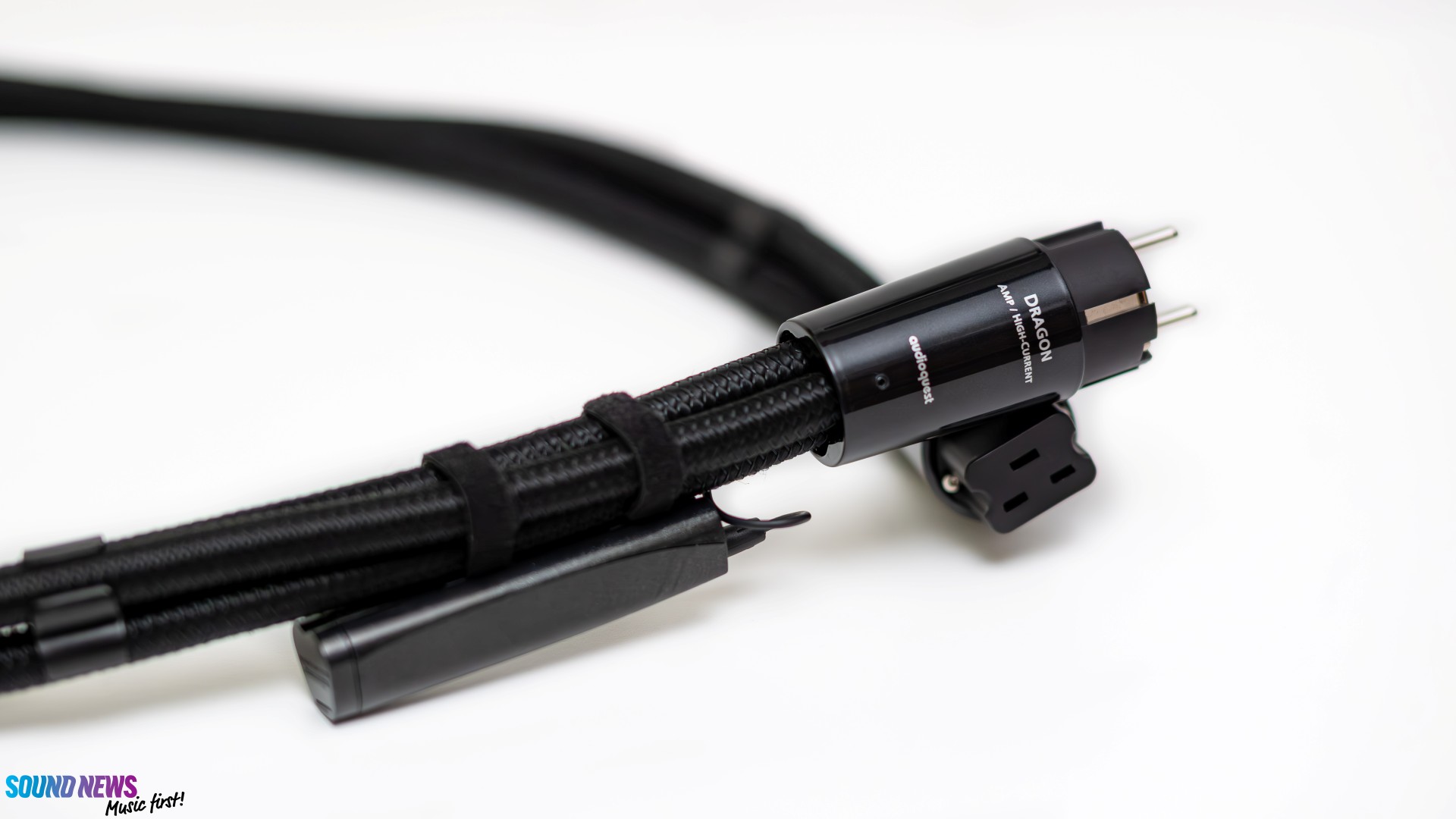
Without trying to hide his enthusiasm anymore, he told me in almost one breath about the new power cable he tested in his system last evening, the lower noise floor, thunderous bass, silky smooth highs, and the refinement brought by such great separation and cohesion of instruments. From a single power cable, used as the main one to drive the whole system. After 10 minutes of elation, he had not mentioned the cable’s name yet. I was smiling this time around, hearing my friend so enthusiastic about it. I was happy for his joy, knowing that yes, it is again one of those rare moments when we get something special here, we have made a new discovery. When he finally stopped for a breath, I asked what he was talking about. Then it was revealed – he was so genuinely animated by a high-current power cable from Audioquest, one of the Mythical Creatures series, the one and only top-of-the-line, cost-no-object Dragon itself. Wow… that was more than fire, more than ashes, more than flying. It was wisdom combined with infinite raw power.
Dragons are powerful, mythical creatures, present almost everywhere in global folklore, across almost every continent and every culture. Sometimes, I hope there is a reason for the truth behind it: that these magnificent creatures really existed in some form, somehow. It has to be. What is extraordinary about Dragons compared to other mythical creatures is the intelligent portrayal of the beasts. These aren’t dumb, fire-breathing, four-legged, huge-winged, evil, powerful predators. The Dragons were always intersecting with humanity throughout the stories, forging a partnership with us. These awe-inspiring creatures will never submit to humans, but they can help pursue aligned intentions as true partners. Dragons do not need us for food or safety, but for a higher order of purposes, and no Dragon can ever be enslaved. Working together with humans can create the impression of infinite power, but there is a clear meaning behind the alliance. Dragons can roar, burn, dismantle, destroy, and transform everything to ashes in seconds, but at the same time, they can travel with a wandering human on their back in total silence with only the wind hissing on their wings. They can be summoned, forge alliances, friendships, and achieve various goals.
The idea behind this brilliant naming goes far beyond a simple marketing stunt. The Mythical Creature series reflects the rarity of the metals used in its creation, materials that form powerful and highly complex structures, refined through years of iteration toward a near-perfect result, backed by extensive scientific research and a blend of advanced technologies. Forged in fire and extreme conditions, shaped and refined around an indestructible core, with raw power coursing within and a dark, meticulously treated exterior, the Dragon stands as the apex of these creatures, born to rule them all. At its heart lies a pure silver core (Solid Perfect-Surface Silver), complemented by an intricate internal topology (ZERO-Tech, eliminating characteristic impedance and preventing current compression). Add to that the EMI-active-rejection field and advanced noise dissipation system (the proprietary Dielectric Bias System), alongside carefully engineered connectors, and the result is clear. The AudioQuest Mythical Creature Dragon cables are designed for maximum transparency and minimal distortion, a true pinnacle of AudioQuest’s cable technology.
We knew all about these highly advanced technical qualities, witnessing demonstrations at various HiFi shows featuring full looms of AudioQuest cables in extremely high-performance systems. We just did not have the chance to listen to one in our systems. Not until now. Luckily, my dear friend has finally met one of these mythical creatures and was astonished by the sheer force and control it provides as the main power cable in his system. I still remember his words: “You have to listen to this! When can you come? You have to tell me that I am not crazy; you have to try it yourself. Come later today, don’t waste a minute.” – This was something new coming from him, and I knew we had something here, something big. The minute I finished my daily meetings, I jumped into my car, and 30 minutes later, we were sharing his sofa, both with perplexed smiles on our faces. God, he was entirely right. The transformation in his system was perfectly audible, and for the first time, I felt that the listening volume no longer mattered. He even turned with a grin, asking me if I knew how loud we were listening. Well, I did not suspect that we had reached almost 70% from the immense headroom (1000W per channel) of his Chord Electronics ULTIMA 3 monoblock amplifiers. I was astonished by the massive wave of sound hitting us without any trace of harshness or distortion. I could even understand his question. The level of control, especially in the lowest octaves, was just incredible. The boominess that sometimes appears in his place after a specific sound level has completely vanished. For the first time, we could feel that the room was somehow helping us, not working against us. I was very impressed and started to be suspicious, even feeling like I was witnessing an elaborate trick here. But no, I double checked. Only the first power cord, the main one coming from the wall to the power distributor, was changed to an AudioQuest Dragon high-current variant.
My friend was kind enough to let me try this cable at my place in the beautiful box provided by the manufacturer. I repeated the experience at my place and listened to music until 4 AM that same night. Sometimes we get so lucky to find a component so transformative that it becomes almost unbelievable. It was one of those rare events, and we were almost pretty sure of what was about to come… Only weeks later, my friend managed to borrow a full set of AudioQuest Dragon cables, complete power lines for high-current, a source for not-so-power-hungry components, speaker cables, and, later, a loom of balanced XLR interconnects. This was just the beginning of a new journey. We were excited for months, sharing impressions and conducting various tests. A clear idea was about to be born in the fire of this experience, a bold and powerful one. I would not spoil his story now, but I can tell you that this discovery still had the biggest impression on us, even after so many months. This was truly revelatory, and even if we knew a lot about AudioQuest, using their digital cables for years, we still did not expect such a transformative event. The Dragon is a one-of-a-kind creature; it’s unique from every perspective, born to dismantle any preconceptions; it’s a true force of nature. You have no chance of subduing this creature.
There is an elegant way to fly with these Dragons, a sky-high dance with incredible synchronization and tactility that’s sometimes felt rather than heard. The sensitivity and agility of these powerful creatures are astonishing. There were moments when we forgot their raw inner power and felt only their emotional, highly sensitive sides, only to be reminded seconds later of their spectacular dimensions and unimaginable force. We witnessed a highly intelligent spectacle; it was unprecedented and unlike anything else we had before. The beauty melted into the strongest skeleton ever to exist, the fire mixed with precision and refinement, and the speed carried incredible detail and force. I am telling you, a Dragon is like nothing you could ever have witnessed!
AudioQuest
Before we dive into the dragons themselves, it’s worth stepping back for a second and looking at the man who started it all. William E. Low, or simply Bill Low, as he prefers to be called, is one of the true pioneers of modern audio cabling. Back in 1980, when audiophile cables were barely a concept and often treated as an afterthought, he founded AudioQuest with a simple yet slightly rebellious idea: cables are not just accessories, they are components.
At a time when most were trying to match impedance with questionable results, Bill took a different path. Without formal electrical engineering constraints holding him back, he leaned into a more empirical, almost experimental approach: listening, testing, and then refining. That mindset ended up shaping what we now take for granted, the idea that cable geometry, conductor purity, insulation materials, and noise dissipation can audibly influence a system.
From a modest start in Santa Monica as a specialty audio retailer, AudioQuest quickly evolved into something much bigger. What began with speaker cables expanded into a full ecosystem of signal and power solutions, power conditioning, vibration control, and even portable audio gear like the wildly successful Dragonfly DACs. But at its core, the mission never changed: reduce noise, preserve signal integrity, and let music breathe as freely as possible.
For more than three decades, Bill Low was the sole designer behind AudioQuest products. His work laid the foundation for everything that followed, from early multi-strand designs to more advanced conductor technologies and dielectric strategies. Then, in 2012, a key moment occurred: Garth Powell joined the company, bringing deep expertise in power design, helping refine critical technologies such as ZERO-Tech and RF/Noise Dissipation. Together, they pushed AudioQuest into an even more mature and technically focused era.
Fast forward to today, and AudioQuest isn’t just another cable company; it’s one of the defining names in high-end audio connectivity. Their designs are no longer about whether cables matter, but rather how much noise can be removed and how far transparency can be pushed even further.
And that brings us, naturally, to their most ambitious creations yet, the Mythical Creatures series…where names like Dragon aren’t chosen lightly. Because when you’re chasing the last few percent of performance in a high-end system, you’re no longer playing with accessories. You’re dealing with creatures of a very different kind.
Audioquest Mythical Creatures: Dragon
Today, I’m not going to review a single power cable, but an entire HiFi chain wired with Audioquest Dragon cables, starting with the Dragon Source and High-Current power cables, to XLR interconnects, and Speaker Cables, and let’s briefly talk about the advanced technology present in each one of them.
Under the Dragon Scales
Before you even plug them in, the Dragon series makes one thing very clear, these aren’t cables in the traditional sense. They’re carefully engineered systems designed to fight a very specific enemy, the noise in all its forms. And once you start peeling back the layers, both literally and figuratively, you begin to understand why AudioQuest has been obsessing over the same core principles for more than four decades under the guidance of William E. Low.
Conductors
At the very core of every Dragon cable sits a mix of Perfect-Surface Silver (PSS) and Perfect-Surface Copper+ (PSC+) conductors. Now, we’ve all heard about better metals before, but AudioQuest’s angle is slightly different. Instead of focusing purely on conductivity, they’re chasing surface perfection. Why? Because at audio frequencies, especially when high-frequency noise rides along the signal, current tends to travel along the surface of the conductor. Any microscopic irregularity acts like a tiny diode, introducing distortion and time-domain errors. The idea here is quite simple: the smoother the surface is, the less damage is done to the signal.
ZERO-Tech
If there’s one technology that defines the Dragon speaker and power cables, it’s ZERO-Tech. In simple terms, traditional cables have a characteristic impedance, and that impedance can interact with the signal in ways that subtly compress dynamics and smear transient information. ZERO-Tech aims to eliminate that interaction entirely. Instead of trying to manage impedance, AudioQuest essentially removes it from the equation, allowing current to flow unrestricted, uncompressed, and uncolored. In practice, this translates into something you’ll recognize instantly in a resolving system: faster transients, more explosive dynamics, and a sense of effortlessness that’s hard to un-hear once experienced.
RF/ND-Tech
Here’s where things get really interesting. Most cable designs focus on shielding, keeping external noise out. AudioQuest goes a step further with what they call RF/Noise-Dissipation Technology (RF/ND-Tech). Instead of just blocking noise, these cables are designed to absorb and convert RF energy into heat, effectively removing it from the signal path. This is achieved through multiple layers of carbon-loaded materials, graphene-infused shielding, and carefully tuned dissipation networks. And here’s the kicker, RF noise doesn’t just affect digital signals, it modulates analog signals too, riding along as a kind of invisible distortion. So, when you lower RF noise, you’re not just lowering background noise, you’re improving sound’s clarity, you enhance spatial cues, and detail retrieval.
DBS – Dielectric Bias System (72V)
One of the more controversial but undeniably unique technologies in AudioQuest’s arsenal is the Dielectric-Bias System (DBS). In a typical cable, the insulation (dielectric) surrounding the conductors can store and release energy, causing time smearing. It’s subtle, but in high-end systems, subtle is everything. DBS applies a constant 72V bias to the dielectric, keeping it in a pre-polarized state. The result? We get less energy storage, faster signal settling, and a lower phase distortion. In simpler terms: a cleaner, more stable signal transmission, especially noticeable in note trails, decay, and focus.
Directionality
Every Dragon cable is directional, and I know how silly that sounds. While that might raise eyebrows, the reasoning is grounded in how conductors and shields are manufactured. During production, metals develop a directional grain structure, and AudioQuest accounts for this when terminating the cables. More importantly, the shielding is designed so that noise is drained in a specific direction, rather than floating freely along the cable. Think of it less as signal direction and more as noise management with intent.
Geometry & Separation
Another recurring theme in the Dragon lineup is physical separation. You’ll notice this especially in speaker cables like Dragon ZERO, where positive and negative conductors are split into separate runs, and this isn’t just for show. By increasing spacing and optimizing geometry, AudioQuest reduces magnetic interaction between conductors. Capacitance and inductance effects are reduced, thus lowering the crosstalk within the cable itself.
Test Equipment
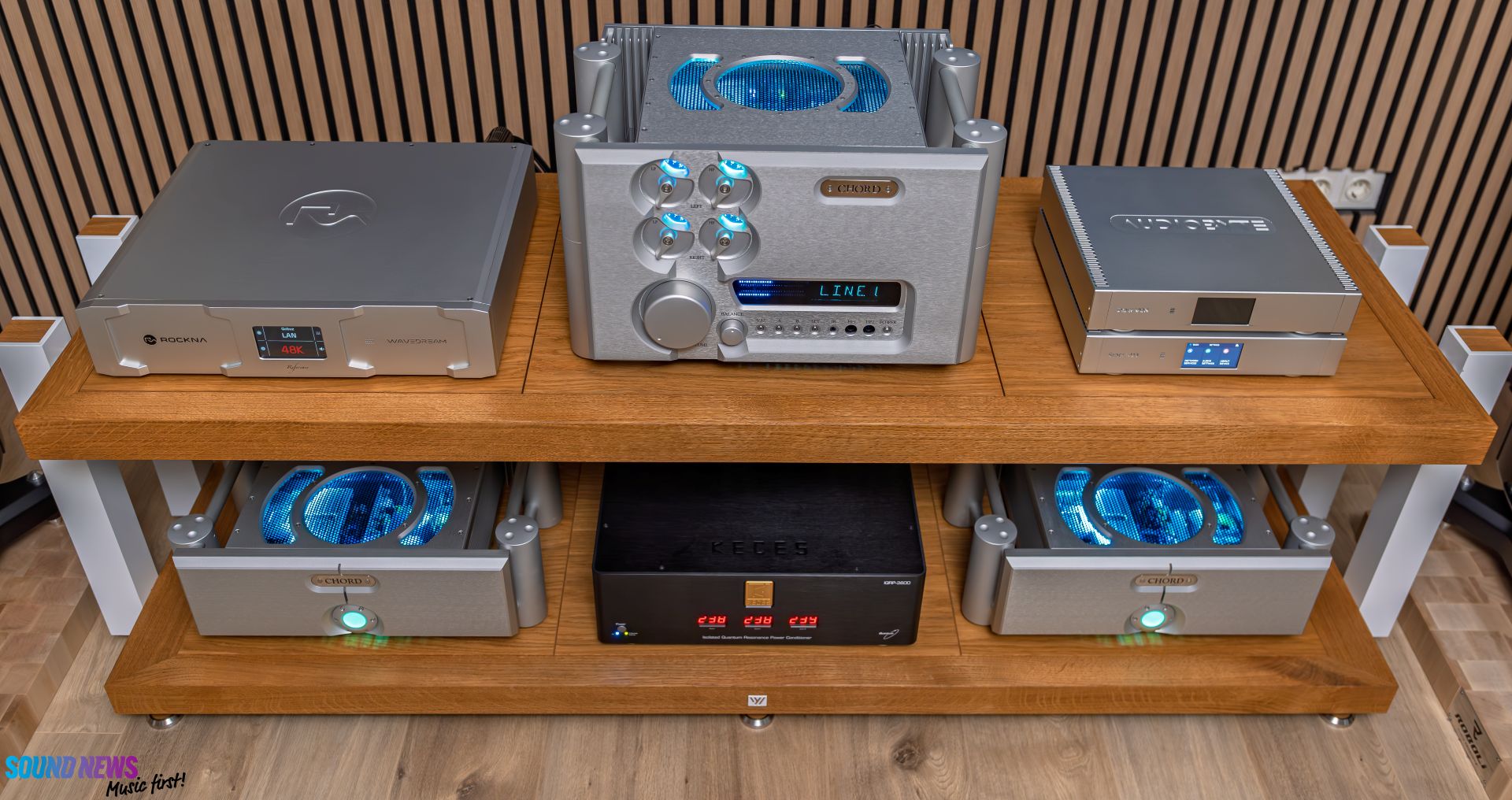
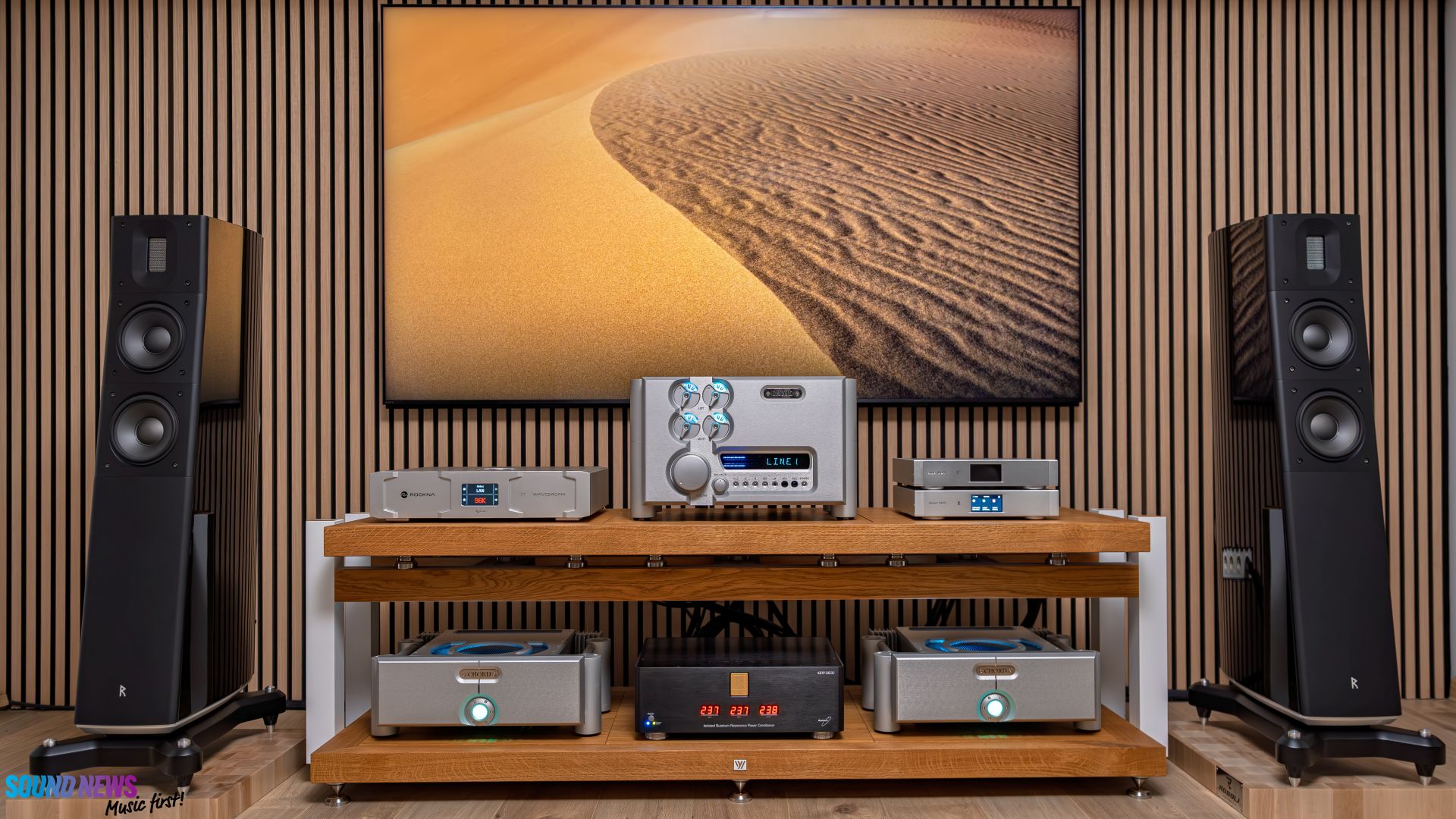
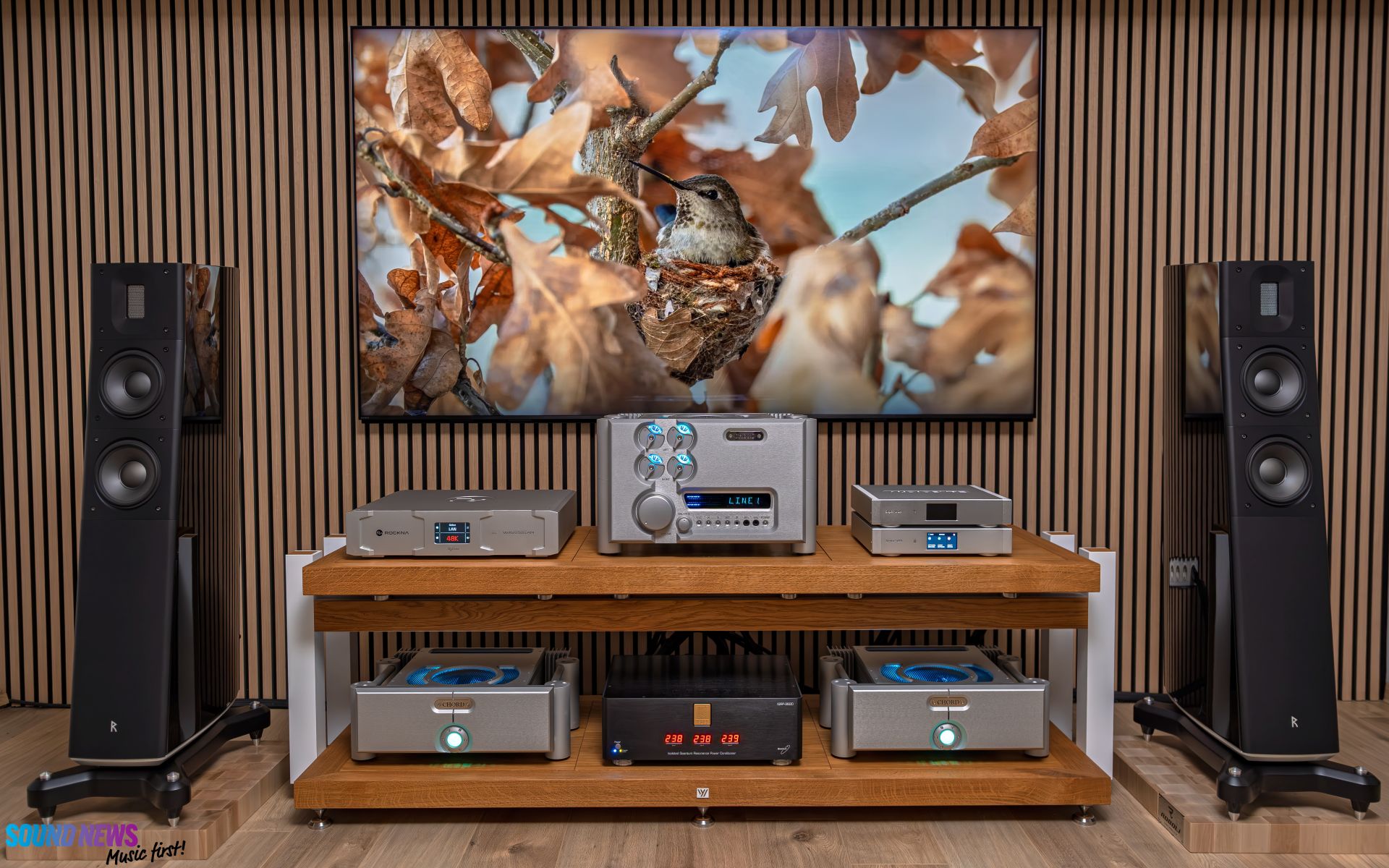
To put the AudioQuest Dragon Series through its paces, I fired up my daily driver setup. At the front of the chain sat the Ansuz D3 Ethernet switch, feeding the mighty Rockna Wavedream Reference Signature, handling both digital-to-analog conversion and streaming duties without breaking a sweat.
From there, signal duties were handed over to the Chord Electronics ULTIMA PRE, which in turn commanded a pair of Chord Electronics ULTIMA 3 amplifiers, which drove my trusted Raidho TD 2.2 speakers, a pair that doesn’t forgive, forget, or hide anything upstream. Everything was anchored into the Keces IQRP-3600, quietly doing its job in the background like a good referee should.
Once I had a clear baseline, I started introducing the Dragon cables one by one. Not because I enjoy making my life harder, but because I wanted to understand all of the individual contributions. And yes, each cable left its own fingerprint on the sound, but it didn’t take long to realize that this wasn’t a one plus one equals two kind of situation. Somewhere around the second cable, things started to click into place in a way that felt…intentional. The improvements weren’t just stacking; they were interacting, amplifying each other in ways that made the whole system feel more coherent and alive. By the time the full loom was in place, it became pretty obvious. This wasn’t about individual upgrades anymore; it was about unlocking a completely different level of performance.
Sound Impressions
I. Dragon Variable Current (High Current) C19
Before I go ALL-IN with sound impressions, I have a single confession to make. But wait! Scratch that, make them two! (1) I never reviewed a cable in more than 15 years of writing about all things HiFi…not because I didn’t believe in them or didn’t experience firsthand the added benefits, but because I didn’t like the negativity that surrounded such articles, let alone video reviews that felt like shooting themselves in the foot. When I first got into this wonderful hobby of ours, I was your typical 20-year-old music lover, stubborn, curious, and, most importantly, broke. I was saving every penny for rock gigs, then for cassettes, CDs, anything that could feed the addiction. Only much later did actual audio gear start sneaking into my life…and even then, it came slowly. Hit pause here, fast-forward a few years, and only then could I maybe justify spending a few extra bucks on a pair of cables, usually because the stock ones were already falling apart or losing contact at the worst possible moment.
So yes, I ignored HiFi cables for a very long time. And if you’re doing the same right now, I get it. There’s no shame in that game. My wake-up call came much later, and yours might come sooner…or never. And that’s perfectly fine. But if you’re here, reading this, then maybe there’s at least a tiny bit of curiosity left in you, and if that’s the case, I hope this article nudges you just enough to start experimenting. In my case, I had to set my priorities straight first. Step one was figuring out what kind of sound I actually enjoy (after flirting with quite a few speaker brands before settling on Raidho). Step two was building a system around them that could squeeze every last drop of performance out of those drivers, which was a long, exhausting, occasionally frustrating, but ultimately fun and addictive journey. And only after all that…only then did I start looking at tweaks. The weird stuff. The “this can’t possibly make a difference” category. The things that, on paper, sound more like audiophile folklore than actual engineering.
That’s where cables lived in my mind. Right next to snake oils, virgin tears, magic stones, contact cleaners, demagnetizers…you name it. All promising sound descending from the heavens, all filed neatly under maybe later.
(2) Reason no.2 is that I never quite enjoyed reading cable reviews, and the names attached to such articles often looked like buffoons to me. Over time, I didn’t just avoid those pieces; I avoided entire publications that featured cable reviews. When the words used to describe the changes felt so miraculous and overblown, I couldn’t help but laugh, further distancing myself from what felt like fairy tales… and from ever trying those so-called miracle cables that promised revelation.
I’m a rational-thinking man, and fairy tales don’t interest me that much anymore. My son is 12 years old now. I don’t read him bedtime stories these days, and somewhere along the way, I made a quiet promise to myself: no matter what, I would never review a HiFi cable in my entire life, regardless of cost or hype.
And yet… here we are. Now that I’ve written those words down, imagine how confusing this feels. After years of dismissing HiFi cables, here I am, openly talking about them. I’ve become exactly what I once avoided…a HiFi cable reviewer. But truth be told, I never saw myself as a “reviewer” anyway. I’m more of a storyteller. And this time, I decided to make an exception for my tribe, because every preconception I had about HiFi cables was completely shattered by AudioQuest and their Dragon Series.
Before meeting the Dragons, I was a happy Crystal Cable Monet user for more than two years, and some of those cables are still part of my system today. The Monet series was the first time I said it out loud: Wait a second…there’s more sound in my music. I could hear deeper, explore further, uncover nuances that simply weren’t there before, all while reducing listening fatigue in a very real way.
That experience alone forced me to admit something I didn’t want to admit: I was wrong. In a properly built HiFi system, where the electronics are already doing the heavy lifting, cables don’t just make a difference; they can make a meaningful one. Slowly but surely, I started upgrading one cable at a time. Interconnects, power cables, Ethernet, USB, HDMI, and within a year, my entire system was wired with the Monet series.
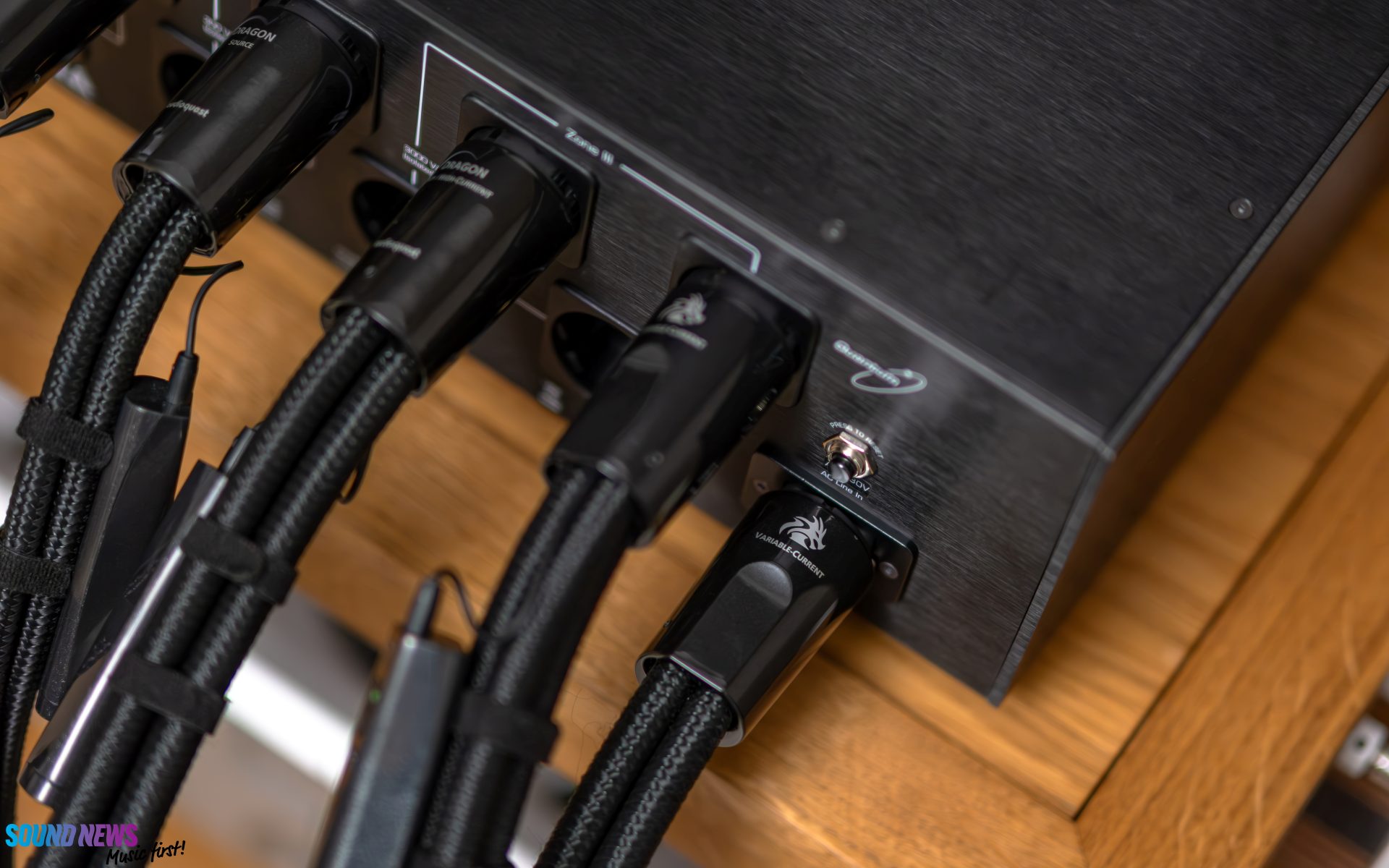
But there was a catch. The one cable I completely ignored was the power cable feeding my Keces IQRP-3600 power conditioner from the wall. That lone soldier remained a custom DIY creation, not because I didn’t care, but because the conditioner uses C19 (20A) sockets instead of the more common C15 (16A) ones. So, with the help of my good friend Cătălin, the same guy who wrote the beautiful intro to this article, we built something ourselves. Thick Neotech copper conductors, top-tier Furutech connectors…a proper, no-nonsense cable.
And I used it for about three years without questioning it. Even though, if you think about it, my entire system was being powered through that single cable. Was it luck, coincidence, or just fate playing tricks on me? I’m not sure. But everything changed the moment I borrowed the massive T+A M 40 HV amplifiers from the fine gents at www.tehnicavizuala.ro. For the life of me, I couldn’t fully understand what the fuss was all about. They sounded good to me, sure, but not mind-blowing.
Then Joseph, their sales director, casually suggested something simple: “Try powering them with the AudioQuest Dragon High Current C19.” I swapped the cables. And just like that, everything changed. What followed was a complete U-turn in my understanding of those amplifiers. The grip over the speakers tightened dramatically. The stage opened up. New layers of information started surfacing. What once felt polite and slightly restrained, especially in high-bias Class A mode, turned into something far livelier, more explosive, more awake. Dynamics improved substantially, bass gained authority, the noise floor dropped, and resolution climbed higher.
All of that…from a power cable swap?! And then a thought started creeping in. A quiet, persistent what if. What if I changed the DIY cable feeding my power conditioner with the same Dragon High Current C19? Would I get a similar transformation…or was that a one-off moment? A minute later, the cables were swapped. I hit play. And what followed felt like waking up from a dream I had refused to believe in for years. I just sat there. Frozen. Not moving, not analyzing, not overthinking. Just smiling and gently tapping my feet like an idiot who just discovered music all over again. Fifteen minutes later, I couldn’t hold it in anymore, so I called Cătălin. That moment happened somewhere in the fall of 2025, and I think the rest is history.
From that point on, we both started replacing all of our cables, one by one, with AudioQuest Dragon. And every single time, the effect was eerily consistent. Improvements didn’t just stack; they multiplied. What started as slightly better resolution turned into crystal-clear realism. What began as tighter driver control evolved into some of the most controlled, articulate bass I’ve ever experienced anywhere, be it at home or on a show floor. With every cable added, the stage expanded, the sound relaxed, the music breathed easier. But all of that would still be incomplete without mentioning one crucial thing – dynamics. Especially down low, where power, control, and speed collide…that’s where things got truly addictive. But wait, this is just the beginning of my adventure.
II. Where’s the Subwoofer?!?
As you already know, I use a moderately sized pair of Raidho TD 2.2 loudspeakers. It’s a 2.5-way design and, by definition, these weren’t really made to awaken powerful bass notes, let alone subterranean rumbles that shake the room and your inner organs. Only a 6.5” woofer and a half are dealing with the bass region and, as you can imagine, they shouldn’t be able to bypass the laws of physics and acoustics…or maybe they can?
A good friend of mine knows my system inside and out, coming over on weekends to enjoy good music with a bottle of aged wine and the occasional heated debate. My friend, however, doesn’t believe much in HiFi cables, and that’s exactly why I prepared a little trap for him. I told him that I made one significant change to the system and gently asked if he could guess what the added component was and what it did to the sound. No hints, no clues, just music.
After less than five minutes of listening, he suddenly jumps from the couch and shouts out loud: “Where’s the subwoofer?! Did you hide it behind the sofa on the right?” At that moment, I knew I got him! I took the blindfold off and showed him the only change I made to the system, swapping my DIY cable with an AudioQuest Dragon High Current C19. At first, he didn’t believe it. He looked behind the speakers, behind the rack, even behind the curtains as if I was hiding a compact subwoofer somewhere in plain sight. But the trap worked beautifully, because less than a month later, he was rocking an AudioQuest Dragon power cable in his own system.
The increase in dynamic range and sheer fun factor was so obvious, so immediate, that the entire evening quickly turned into a bass-fueled marathon. We went from electronica to rock, chasing that newfound weight and authority like kids discovering volume knobs for the first time. And yet, even after hours of listening, we were still scratching our heads, still refusing to fully accept that a simple cable swap could have such a profound impact.
The only explanation I can come up with is that my DIY cable was seriously limiting current delivery for the Chord Electronics ULTIMA 3 amplifiers. In other words, they were never truly unleashed. They were playing, but they weren’t breathing fire. And that changed instantly. What I was hearing before were just hints of those 40 Hz notes…maybe brushing 35 Hz on a good day. But now? I wasn’t just hearing those notes; I was feeling them with my whole body. The sound gained mass, weight, and a physical presence that bordered on brutal at times, yet it never lost control. It was tighter, faster, more disciplined, like the amplifiers suddenly remembered what they were capable of all along. At that point, I thought this was the end of the story. A nice twist, a surprising result, something to write home about. But as it turns out…I was only scratching the surface.
III. Dragon Source (Constant Current) C15 Cable
Now that a single Dragon cable was feeding my power conditioner and, in the process, quietly unshackling my power amplifiers, letting them grip the speakers with far more authority, I started asking myself the obvious next question. What about everything downstream of the conditioner? Would the cables feeding my DAC, streamer, and preamplifier bring a similar transformation? Would I hear meaningful changes there as well, or were my Crystal Cable Monet cords already doing enough? Was I about to chase diminishing returns…or open another door?
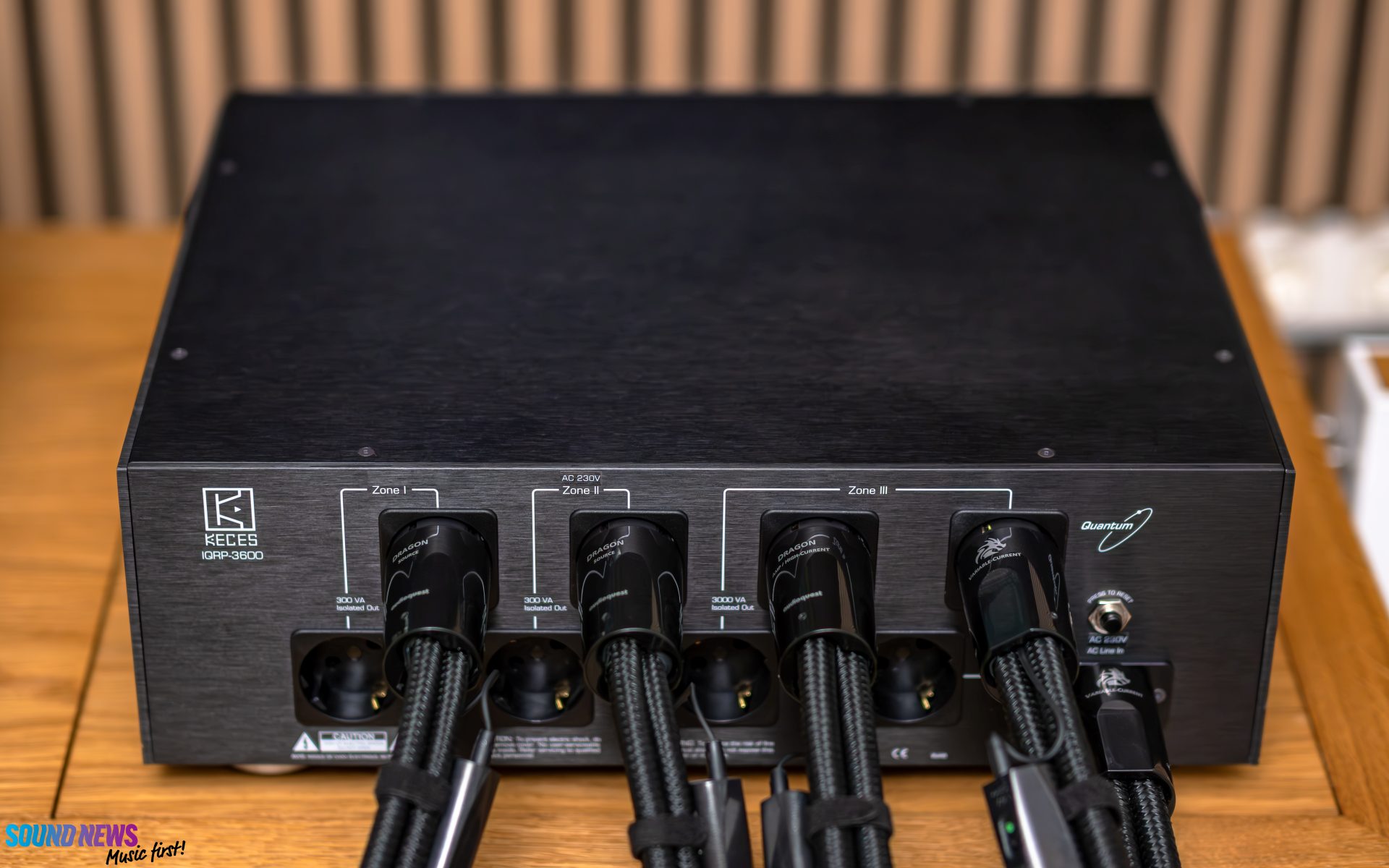
I called Joseph. Once again, he came to the rescue, sending over two 1.5-meter-long Dragon Source cables for evaluation. Dangerous move, in hindsight. Since my power amps use C19 sockets, the C15 Dragon Source cables were perfectly suited for the rest of the chain: my Rockna Wavedream Reference Signature, the ONIX XTS20 CD/SACD transport, and the Chord Electronics ULTIMA PRE. And that’s exactly how I deployed them one by one, then together, just to see where the story goes.
Now here’s where things get interesting. Compared to the Dragon High Current cables, which already use a generous amount of solid silver, the Dragon Source takes things to another level. We’re talking 100% Perfect-Surface Silver conductors. No copper blend, no compromise. Just pure silver from end to end. Of course, there’s a catch. These are thinner cables, clearly not designed to feed hungry power amplifiers. And honestly, that made perfect sense to me. These are meant for low-level signal components, where purity, finesse, and tonal accuracy matter more than brute force. A different battlefield requires different weapons.
With everything wired up, it was time to listen. This time, I had my best listening partner by my side, my 12-year-old son, who, believe it or not, already has his own HiFi battle station. A DAC, a headphone amplifier, and two HiFi-grade headphones…I might have accidentally created a headphile and music lover in the house. But a useful one, because for about a year now, most of my serious comparisons happen with him in the room. Fresh ears, no bias, brutally honest feedback.
We picked four test tracks, two from Qobuz streaming, two from SACD, and hit play. One of the first tracks on rotation was Wolf Totem by The HU. I know that track inside and out, every drum hit, every chant, every layer of energy. And almost instantly, I knew I was on the right track. The first thing that jumped out at me was tonal purity. Everything sounded cleaner, more refined, and truer. Dynamics improved as well, but not in the explosive, kick-you-in-the-chest way the High Current cable did. This was a more subtle, more elegant kind of improvement, like removing a very thin veil you didn’t even know was there.
I have to be honest, though, the impact wasn’t as dramatic as what I experienced on the power amplifiers. That change was borderline shocking. This one was…different. More nuanced, more about refinement than revelation. But make no mistake, the changes were absolutely there. The Dragon Source cables continued building on the same foundation laid by the rest of the Dragon loom. Compared to the Art Series Monet power cables, resolution and articulation stepped up another notch. Micro-details were easier to follow, textures felt more organic, and more believable. And yet, the most meaningful improvement wasn’t in resolution. It was in coherence. Everything started to lock into place. The musical picture felt complete, stable, like an artist finally stepping back and saying: That’s it. It’s done! Nothing felt exaggerated, nothing felt missing. Just a beautifully balanced presentation. A lower noise floor played a big role here. Micro-dynamics improved, focus sharpened, and the entire presentation gained a sense of immediacy that felt incredibly natural. Notes started and stopped with greater precision, decays lingered just a bit longer, and spatial cues became easier to decode.
Staging and imaging? Noticeably better. Not in a bigger for the sake of bigger kind of way, but more precise, more believable, most likely a direct result of improved timing and reduced noise. And then something interesting happened. I stopped analyzing the music, I stopped thinking about cables or tweaks. I just sat there, listening, letting the music flow without questioning it or dissecting it. There was a calmness to it, a sense of confidence that everything was exactly where it should be. And that’s a rare feeling in this hobby, the feeling that nothing is out of place, nothing needs fixing, and for a brief moment, that was more than enough for me.
IV. Dragon XLR Interconnects
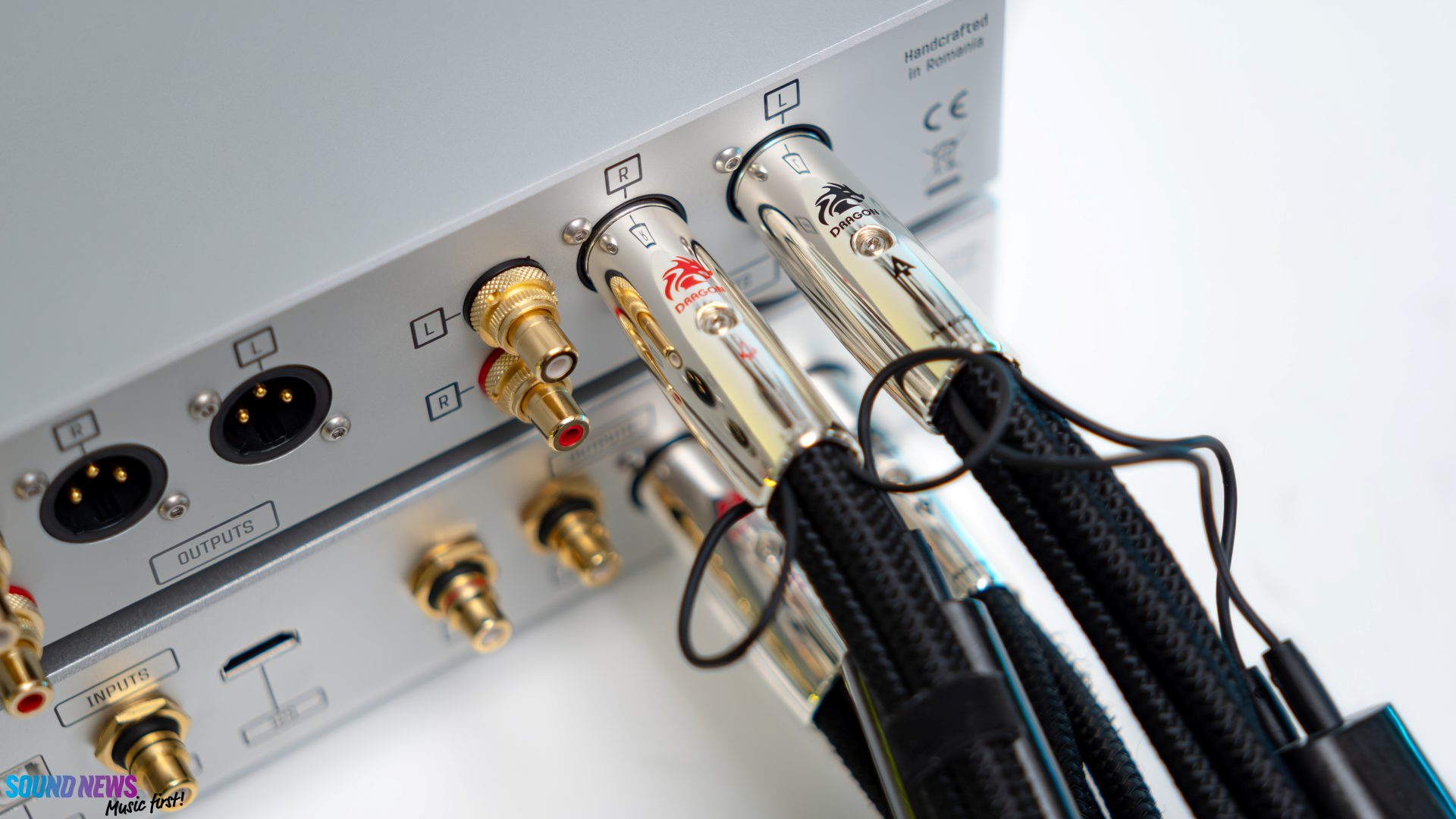
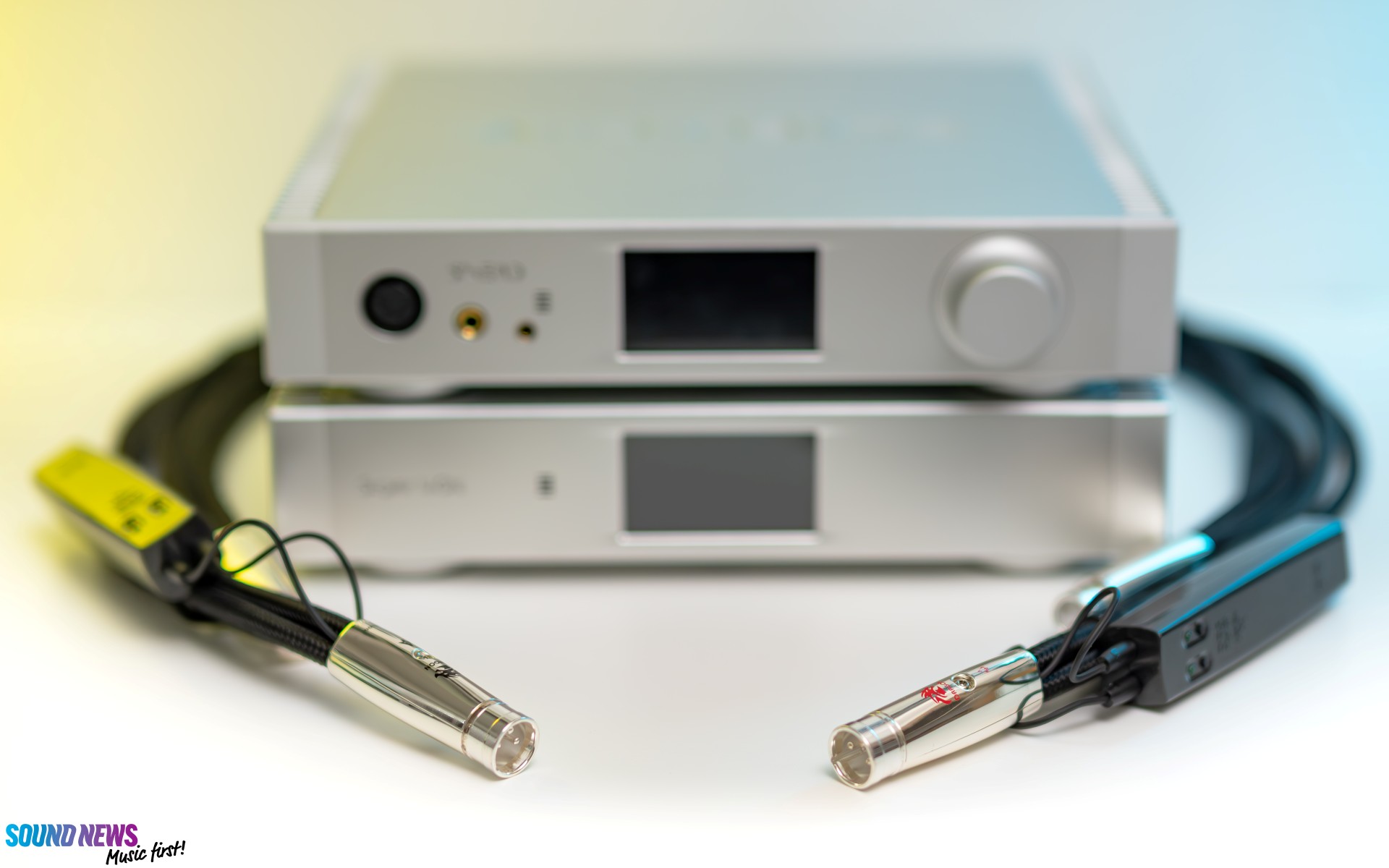
About two months later, I added two sets of Dragon XLR interconnects, and that was a genuinely scary moment. We’re talking about 12.999€ for a 1-meter-long single pair, and I needed two pairs…my wallet was already screaming in agony, running away and playing a hide-and-seek game with me. It was both funny and terrifying at the same time, because I already knew what would follow if the changes were anything like what I experienced with the Dragon Source and High Current cables. I could clearly picture my future self, happier, sure… but probably missing a kidney along the way.
By that point, I had been living for more than two months with four Dragon power cables in my system. But you know how it goes, the HiFi itch doesn’t go away, it just evolves. And when the local AudioQuest dealership is only a few blocks away, resistance becomes futile. I grabbed my jacket, and about an hour later, I was back home, inserting two pairs of Dragon XLR interconnects into my system. What could possibly go wrong? I told myself. This time, instead of chasing thunderous bass lines on room-shaking electronica, I decided to slow things down. Lower revs, more finesse, reaching for a couple of SACDs that lean more into mood, tone, and refinement rather than brute force. First up was Unplugged by Eric Clapton (Mobile Fidelity Sound Lab pressing), followed by The Dave Brubeck Quartet via Analogue Productions.

Hitting play on Old Love by Eric Clapton, the first thing I observed was that, probably for the first time, I could hear the tape noise of the recording. It wasn’t bothering at all; it was kind of pleasing to experience the detail retrieval of such proportions, where not only the music itself no longer hides behind a curtain, but also the tape hiss itself. As the track slowly unfolded, I observed that I’m getting a somewhat deeper, taller, and wider stage that has grown in all directions. This wasn’t a subtle effect at all; the imaginary blobs of sound that I had before now vanished completely. The sound was no longer emanating from my speaker’s woofers, but from the back wall itself. It was weird at first, but so interesting later on, because now I was curious how the rest of my CDs and SACDs would sound. If you have ever experienced Raidho TD speakers, you already know that they will paint a huge picture if you offer them the proper power and headroom. They might look small in these pictures, but the sound they produce is quite unbelievable in terms of scale and sheer realism. But with the Dragon interconnects in place? It’s like I’m once again upgrading my speakers, this time around going for a slightly bigger 3-way TD 3.2. Perhaps, what was a lot more puzzling to me wasn’t enhancing the grand scale of things, but letting me more easily focus on every element playing in the background. It could be just a kid screaming in joy, or maybe a percussion element that I didn’t hear before. Slowly, but surely, I was getting a stronger impression of what these interconnects were doing to the music. And the shocking truth is that they were not enhancing anything; they were just removing every obstacle that was present in the past. Effortlessness kicked in in full swing; micro-details weren’t just obvious, but part of the equation, and the spatial cues finally had a strong meaning to me. The change was spectacular and in no way minor, as I had hoped in the back of my mind.

Moving on to Strange Meadow Lark and then Take Five by Dave Brubeck Quartet, once again reinforced my initial impressions. The tape hiss was even more obvious than ever, but not in an aggressive type of way. I was glad to hear it, because I knew this was the dynamic ceiling we have on this recording. It’s like measuring contrast on a professional calibrated monitor. Although this is still a digital recording later decoded by my Rockna DAC, the sound reminded me a lot more about spinning vinyl than SACD. I can’t quite put it into words, but there was a sense of calmness and order that I hadn’t previously heard on this record. A feeling of sounding right from the start, without ever wanting for more. I went much higher on the dial, just out of curiosity, and while the tape hiss intensified, the music flowed as gracefully and as peacefully as it did on much lower SPL. I was surprised that I didn’t get any compression artifacts and could push the volume much higher. This album made me feel happy and, dare I say, alive in flesh and bones, because I have never heard this album as vividly real-sounding before. In any showroom or show floor filled with exotically expensive HiFi components, that’s how much better the sound got with these interconnects in place.
Slowly but surely, a clearer picture started to emerge. By combining Dragon power cables with Dragon interconnects, I was getting more blackness, more silence between the notes, and in return, a lot more music. And at that point, only one question remained. What happens when I take this even further? Will the Dragon ZERO speaker cables push things another notch…two notches…or completely flip the script?
V. Dragon ZERO Speaker Cables
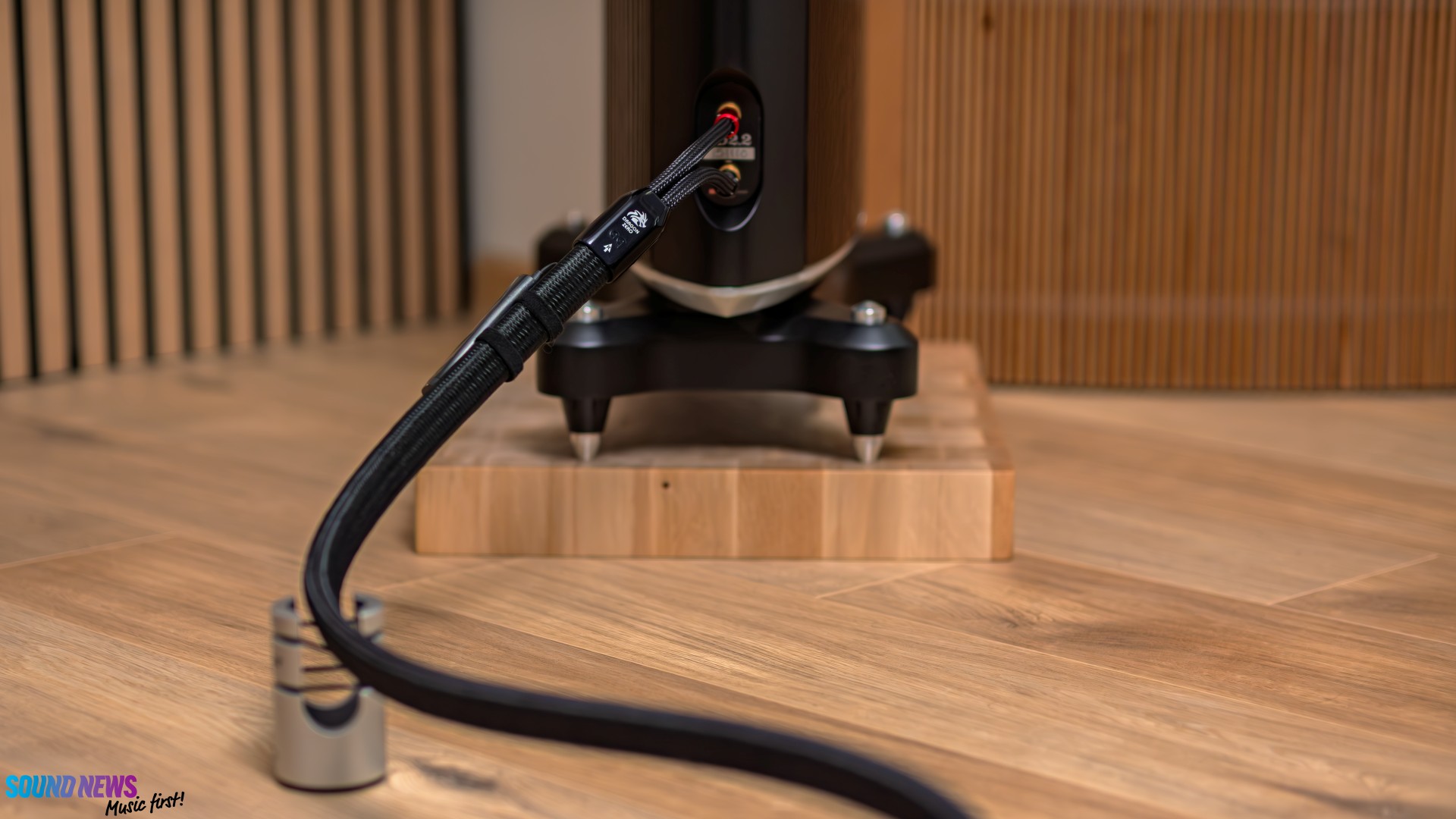
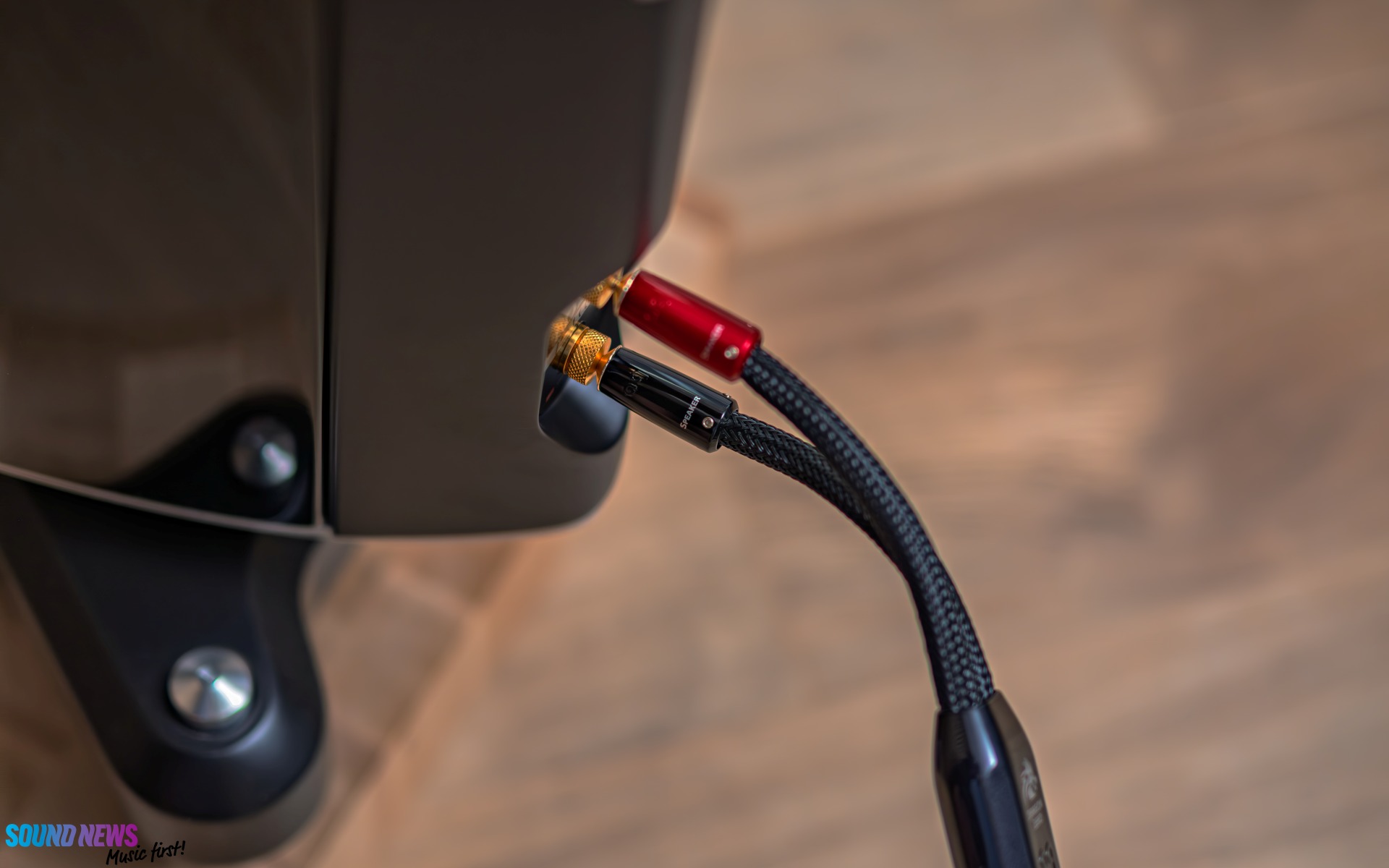
The thickest speaker cables I ever wired my system with were the Kimber 8PR (High Current) that I used in tandem with my former KEF Reference 3 loudspeakers. People who came for a visit were always joking that I had not one but two pets around the house that looked more like boa snakes than ordinary cables. You should have heard the same people later joking about the ZERO cables: Were you the one who cut the cables beneath the Atlantic Ocean? No wonder internet access is ~4 times faster in Romania than it is in the USA… These kinds of jokes never stop around here.
Now back to my story, I nose-dived into all things Crystal Cable and have used a solid collection from their portfolio, first with their Reference2 series and then with the Monet, which sincerely are world-class cables by every metric and standard available. I loved everything about the Monet. Their refinement was unmatched up to that point, so much so that you would never believe pure silver is their only conductor. Every silver cable I tried prior to them was too aggressive and treble-intensive for me. But the Monet? It was silky smooth, so easy on the ear, while still boosting inner detail and resolution more than anything else. And I was a happy camper. I didn’t need anything else. They sounded so good to me that my cable search was completely halted, and, for more than two years, I didn’t try a single speaker cable; that’s how impressive they sounded to me.
However, already rocking a couple of Dragon power cables and two pairs of Dragon XLR interconnects, the what-ifs started to eat me again…from the inside. Leather jacket on, horns high, testosterone levels bursting through my nose! This is it! This is the last stretch, the last curiosity, the last adventure I want to have with these cables in my hand. I had to hear the Dragon ZERO speaker cables. Said and done, a day later, I was again inserting them into my system. On that same day, I was also installing 11 acoustic panels I purchased from Form At Wood, and there will be a day when I’ll discuss the complete sonic overhaul of my HiFi room, but right now, let’s focus on the main attraction.
You might have observed by now that we have two new writers on board…but instead of writing separately, as normal people would do, they write these articles together. They’re twin brothers, and nothing can separate them, not even this website and online publication! We thought it would be unusual, but also incredibly cool to have their articles published as “Hurba Brothers,” and it stayed that way. I will call them The (Chemical) Brothers from now on. These guys are crazy about bass…The Craziest People I Ever Met About Bass, kind. Every time they came over, they talked about one thing only: the kick, as they called it. I have lots of kick, I replied back to them, but their faces were always telling a different story. At the end of the day, non-verbal communication is estimated at ~60%, and their disappointment about not getting enough kick from my HiFi system could be clearly read on their faces.
But then again, I use a 2.5-way pair of speakers with only a 6.5” woofer and a half handling the bass. I can’t bypass their limitations, I told them. The Brothers, however, kept pointing toward one thing in the room. They were pointing toward my speaker cables, which, truth be told, were skinnier and thinner compared to my former Kimber cables. From that point onward, I made a promise to myself that every speaker cable swap needed to be done with the brothers in the same room.
I took a deep breath and exhaled in relief. Dragon ZERO went in, and Monet went out. This is it! This is the kick we were talking about! Can you feel your chest getting a gentle massage from the bass? This is the kick we wanted to experience! I’ll keep it brief. The ZERO cables didn’t bring massive amounts of additional information; I was already getting that from the Crystal Monet. I didn’t feel that the music became smoother or more refined. Again, I already had that. Not even the noise floor dropped or changed in any meaningful way, because the Dragon power cables were already taking care of that. However, there was undeniable, palpable, and clear evidence that the bass had started shaking the foundation of this building.
The unusual part, however, is something else entirely. How is it possible that the bass energy intensified and, both subjectively (as heard) and objectively (as measured), I was getting more bass energy and impact, yet the sound became even tighter and more controlled than before? That part I still cannot fully comprehend.
Getting crazier bass deliveries was an amazing feeling, because I was no longer smiling once or twice a day; I was smiling at every track that played from that very moment, completely reshaping my thoughts about sub-bass delivery in this room. But all of that didn’t come at a cost! On the contrary, the sound became even tighter and grippier than ever before, and for a pair of speakers like mine, that part was a blessing, because I was no longer thinking about upgrading them in the future. I got all the bass energy, kick, and control I wished for and, as you can imagine, I simply couldn’t go back!
My Conclusions
From a cable-agnostic and cable-mocking guy to a cable believer is a very long journey. It’s almost unbelievable, but it’s all true. I hope you’ll appreciate the honesty of this article, because it wasn’t sponsored in any way by AudioQuest in any form or shape. They did, however, help me by loaning these cables with the support of their excellent local dealer, www.tehnicavizuala.ro. These are my own adventures, my own tests, in my own room and HiFi system, and yes, I juggled with my own funds. At the end of the day, I wasn’t only shocked by every change and positive effect these cables had on my system, but I was compelled to buy them one by one, because I simply couldn’t go back to the sound I had before. The dramatic change in how dynamics were rendered, combined with a pitch-black background and quite possibly the most resolving system I’ve heard to this day, was too big to ignore. Yes, I bought them one by one, and I still have a few cables I want to add somewhere in the future. And you know what? Cătălin Critescu, who wrote the introduction to this article, also bought a couple of Dragon cables and is slowly rewiring his entire system, just as I did. Once you experience the added benefits firsthand in your own system, it becomes almost impossible to go back to the less impressive sound you had before.
If there’s somebody from AudioQuest reading these words, then you have my deepest sympathies and appreciation. A humble bow to your entire team of nerdy geniuses for coming up with such a marvelous line of HiFi cables that can only be described as Unlimited. There’s no limit in dynamics, resolution, and effortlessness with these; you simply experience your system unshackled by the limitations set by current flow and the nasty critters that pollute it. With your permission, I have a few suggestions for you as a team. I would love to see Dragon Ethernet, USB, and Toslink cables. Diamond models are awesome, I get that, but I would love to see Dragon technology implemented in all of the digital cables you’re offering. Last but not least, the HiFi headphone market is still largely unexplored by you, yet it’s booming year after year. I would love to see a Dragon ZERO headphone cable that delivers zero compromise with top-of-the-line desktop headphones. I would buy at least two such cables, and I know many more who would do the same.
The hard truth is, however, not so rosy. These are some expensive HiFi cables, and honestly, I won’t recommend them to you if you are still juggling gear or speakers. If you’re still upgrading your components or are undecided about what speakers to get, it would be wiser to target more affordable cables from their portfolio. If you just started this hobby or have only a few years invested in it, I suggest having a look at their Monsoon, Blizzard, or Thunder cable lineup. If you have already climbed the tallest peak and need the best cables to fully unlock the potential of your system, only then does the Mythical Creatures series make a lot of sense to explore. Be it Thunderbird, Firebird, or Dragon, all of them will push your system to the extreme, and if you’re hunting only for the best, then Dragons will soar high and guard your HiFi system. As previously mentioned, this is the first cable review I have ever published, but I feel like I’ve got the hang of it. I liked the experience, even if it took me more than six months to build everything and try every possible combination.

Considering the limitless potential of these cables, I feel at ease offering our absolute highest Editor’s Choice Award to the great minds of AudioQuest. Congratulations to the team, and I’m looking forward to your next mythical creatures. There’s hope that my headphones will also be powered by top-of-the-line AQ cables somewhere in the future. One can only dream.
If you have any burning questions, please let me know in the comments section below, and don’t forget to smash that Subscribe button on YouTube; it means a lot to me. That’s all for now, folks. Sandu signing off!
AudioQuestDragon Pricing:
- 1.0M DRAGON HIGH CURRENT IEC15 – 5,999 EUR
- 1.0M DRAGON SOURCE IEC15 – 4,999 EUR
- 2.5M DRAGON ZERO – 35,300 EUR
- 1.0M DRAGON XLR – 12,999 EUR
- More information on: https://www.audioquest.com/
ASSOCIATED EQUIPMENT:
- HiFi Racks: WoodYard Suspended Triple & Baby Modular
- CD/SACD Transport: Onix XST20
- Network Switch: Ansuz PowerSwitch D3
- DAC & Wired Streamer: Rockna Wavedream Reference Signature, AudioByte SuperHUB
- Preamplifiers: Chord Electronics ULTIMA PRE
- Power Amplifiers: Chord Electronics ULTIMA 3 (X2)
- Headphone Amplifiers: Feliks ENVY Susvara Edition, Audiobyte SuperHEAD, Enleum AMP-23R
- Loudspeakers: Raidho TD 2.2
- Headphones: HiFiMan Susvara OG, Susvara Unveiled, T+A Solitaire P, Bandoss Avija, Audeze LCD-5S, Sennheiser HD800S & many more
- IEMs: FiiO FX17, HiBy Zeta 2, Meze ASTRU
- Interconnect Cables: AudioQuest Dragon XLR (X2)
- Speaker Cables: AudioQuest Dragon ZERO 2.0m
- Headphone Cables: Crystal Cable Absolute Liberty (X2)
- Power Cables: AudioQuest Dragon Source (X2), AudioQuest Dragon High Current (X4)
- Ethernet Cable: Crystal Cable Da Vinci
- HDMI Cable (I2S): AudioQuest Dragon
- Balanced Isolation Power Conditioner: KECES IQRP-3600