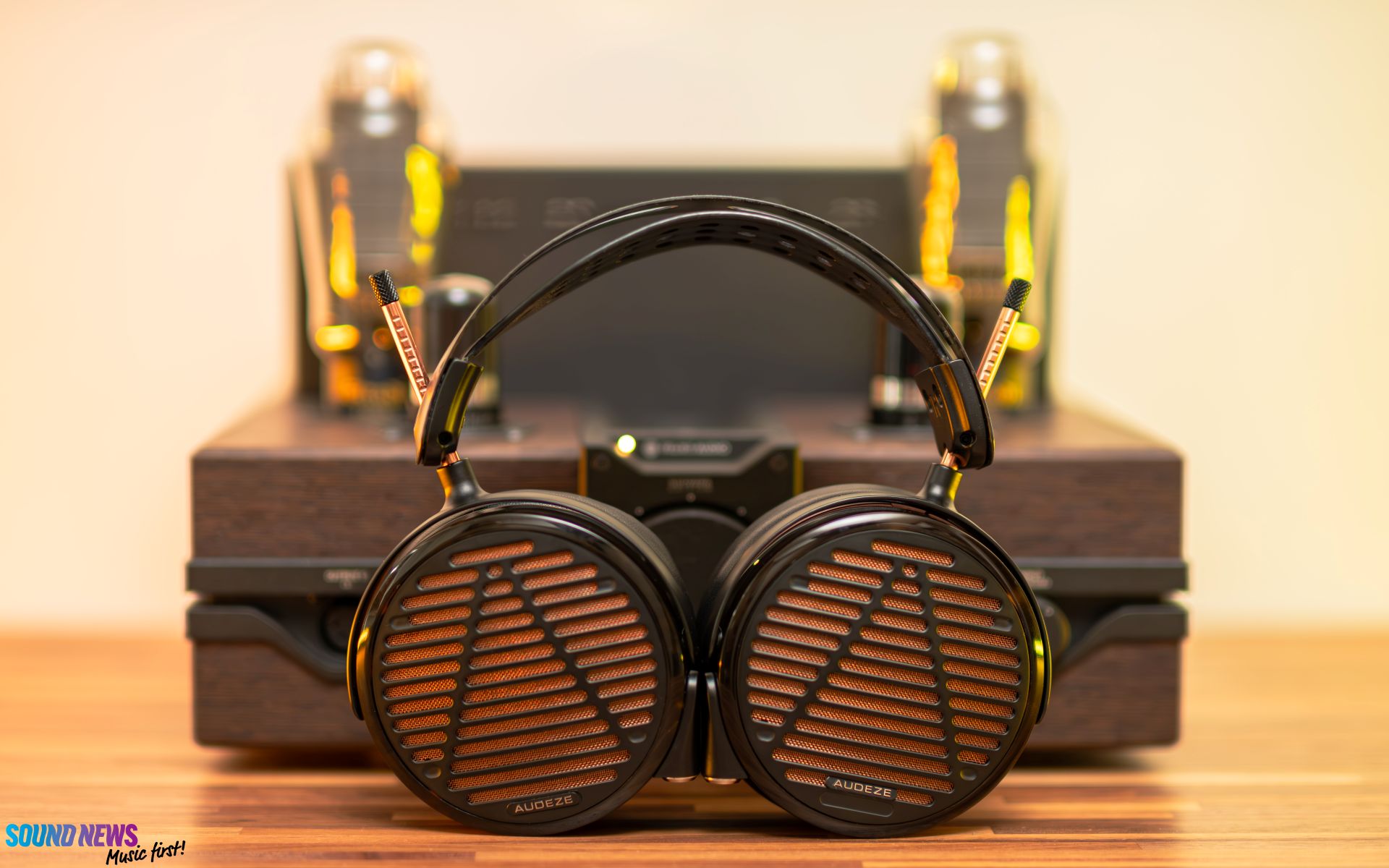
Audeze LCD-5S Review – The Return of the King

There are a few HiFi brands in this hobby that followed me for so many years that writing about them no longer feels like covering audio gear, but like catching up with an old friend. Audeze is surely one of them. I still remember the first time I heard their opening road headphones that started it all, and that feeling never quite left me. While it wasn’t the super-limited, almost do-it-yourself looking LCD-1 that was sold in a jiffy at an audio event eons ago, it was the LCD-2, the OG that started it all for me. I joined the planar mafia that day, and since then, I’ve been climbing the ladder, and someday I’ll reach the Godfather title. There was something different about planar headphones versus everything I had before, something meatier, weightier, and far more emotional than what I was hearing from most of the competition at the time. Their headphones didn’t just play music; they were pouring it into my veins with such force that staying indifferent was never an option.
As many of you already know, I’ve had a long and beautiful relationship with the LCD series. Starting with the older LCD-2 and going all the way to the mighty LCD-4, those headphones kept reminding me why I fell in love with music and personal audio in the first place. They were never about chasing sterile perfection or impressing people with a fancy graph. They were about tone, substance, body, and that impossible-to-fake feeling that the music had real flesh and blood around it. The LCD-4 in particular stayed glued to my headphone wall for years, not because it was perfect, but because it had something that is getting rarer these days: soul. Big, bold, beautiful, intricate soul.
And then Audeze did something I didn’t fully expect. They didn’t simply polish the old recipe and call it a day. They took a sharp left turn with the LCD-5, rethinking not only its comfort and industrial design, but also the very essence of its sound. It was faster, leaner, clearer, more technical, and much more honest than the old guard. For some people, that was exactly the upgrade they were hoping for. For others, it felt like part of the old magic was being left behind. I think I was standing somewhere in the middle, impressed by what it could do, but still missing a little of that thick, juicy, and unmistakably Audeze flavor I grew up with.
When I heard about the LCD-5S just a month ago, I got that familiar itch again.
You know that feeling when a company revisits an already accomplished design and adds a letter at the end, like smartphone brands have done so many times by now? Sometimes it means a slight revision, and other times…almost nothing. A tiny refresh, a silent update, a cleaner production run, and off you go. But sometimes, that extra letter means somebody behind closed doors was still not fully satisfied. It means there was more performance to squeeze out, more refinement to chase, and maybe a little more heart to put back into the final result. And that is exactly what made me so curious about the LCD-5S.
At this level, I’m no longer chasing a bit better or slightly improved; after so many years of polish, I want to be surprised. I want to feel that jolt in my chest when a familiar track suddenly wakes up in a different way. I want to hear technical progress, of course, but I also want that emotional spark, that goosebump-inducing quality that separates a very good flagship from one you end up remembering for years. If I’m paying summit-fi money, then I want summit-fi emotions in return, which were sadly missing on the original LCD-5.
That’s what this review is all about. I want to see if the LCD-5S is merely a more polished LCD-5, or the headphone that the LCD-5 always needed to be in the first place. I want to know if it keeps that lightning-fast technical prowess, if it regains some of the body and engagement older Audeze lovers were secretly craving, and above all, if it can still make me forget I’m analyzing sound and simply lose myself in music. Last but not least, the competition didn’t sleep all of these years, and I want you to know how they compared with the incredibly tight competition that is now stronger than ever before.
So, let’s take a deep breath and do this properly. This is the Audeze LCD-5S, and I have a feeling this story will be a very personal one.
Build Quality & Looks
The moment I took the LCD-5S out of its case, I had that déjà vu feeling, but not the kind that makes you bored…more like the kind that makes you smile, because you know exactly where you are, but something feels just a little different this time around.
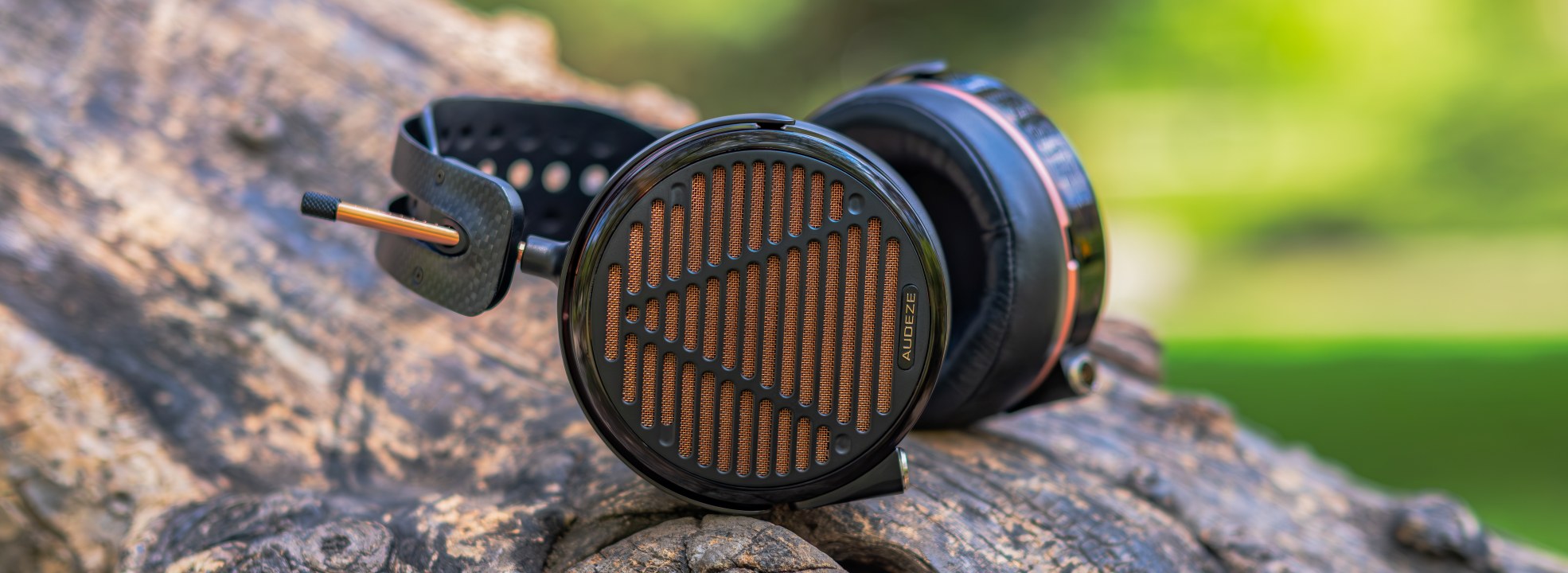
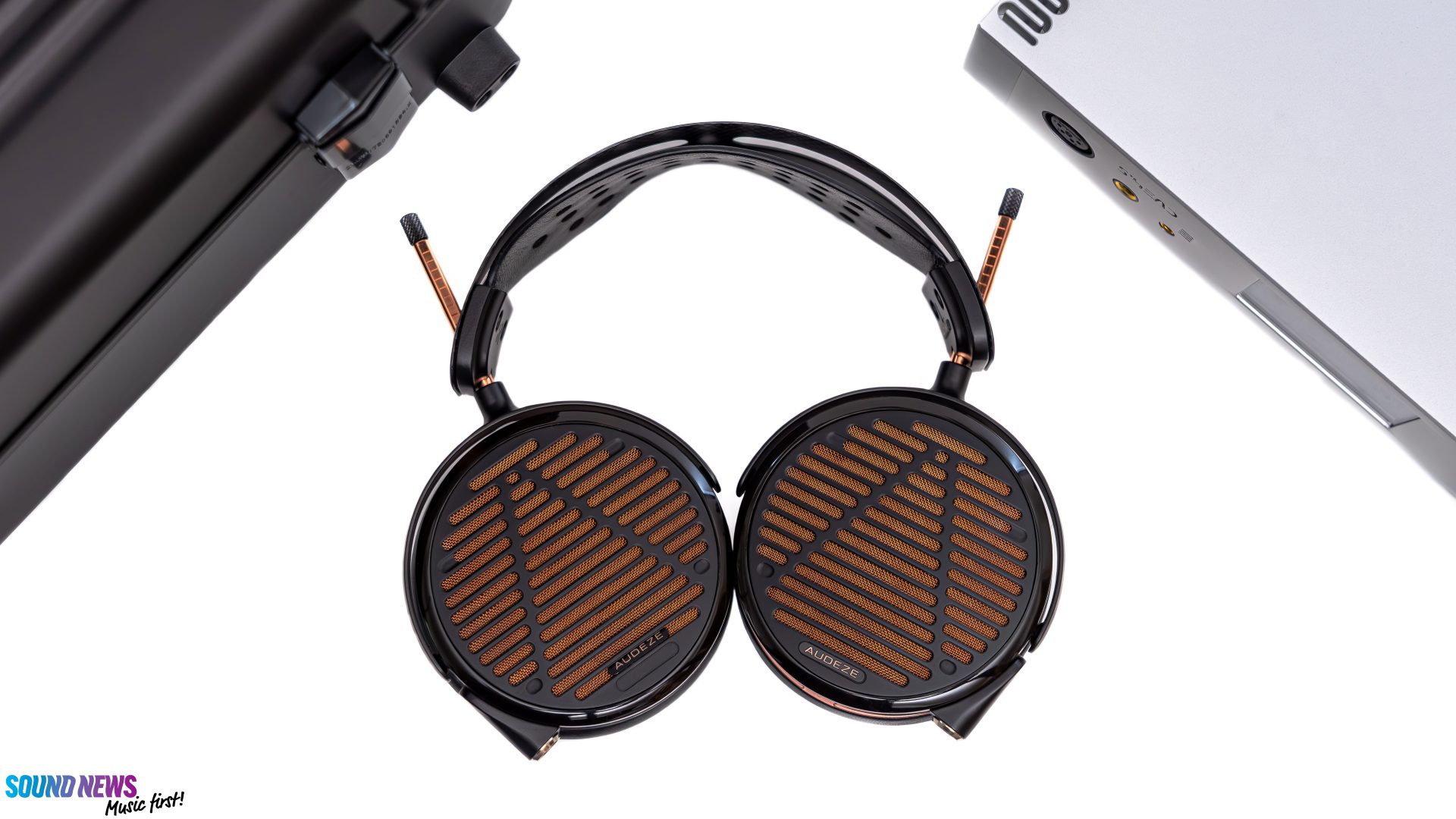
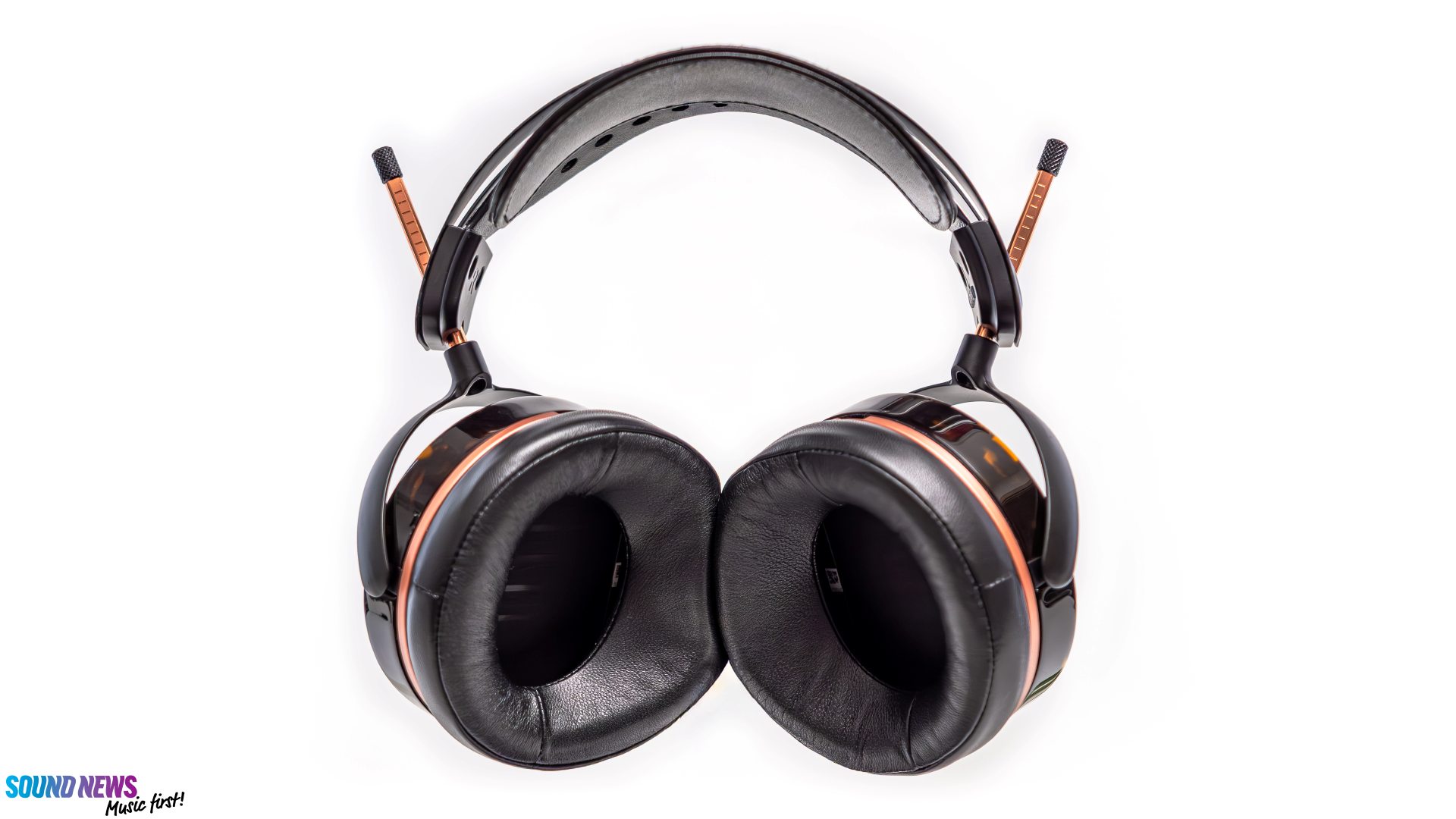
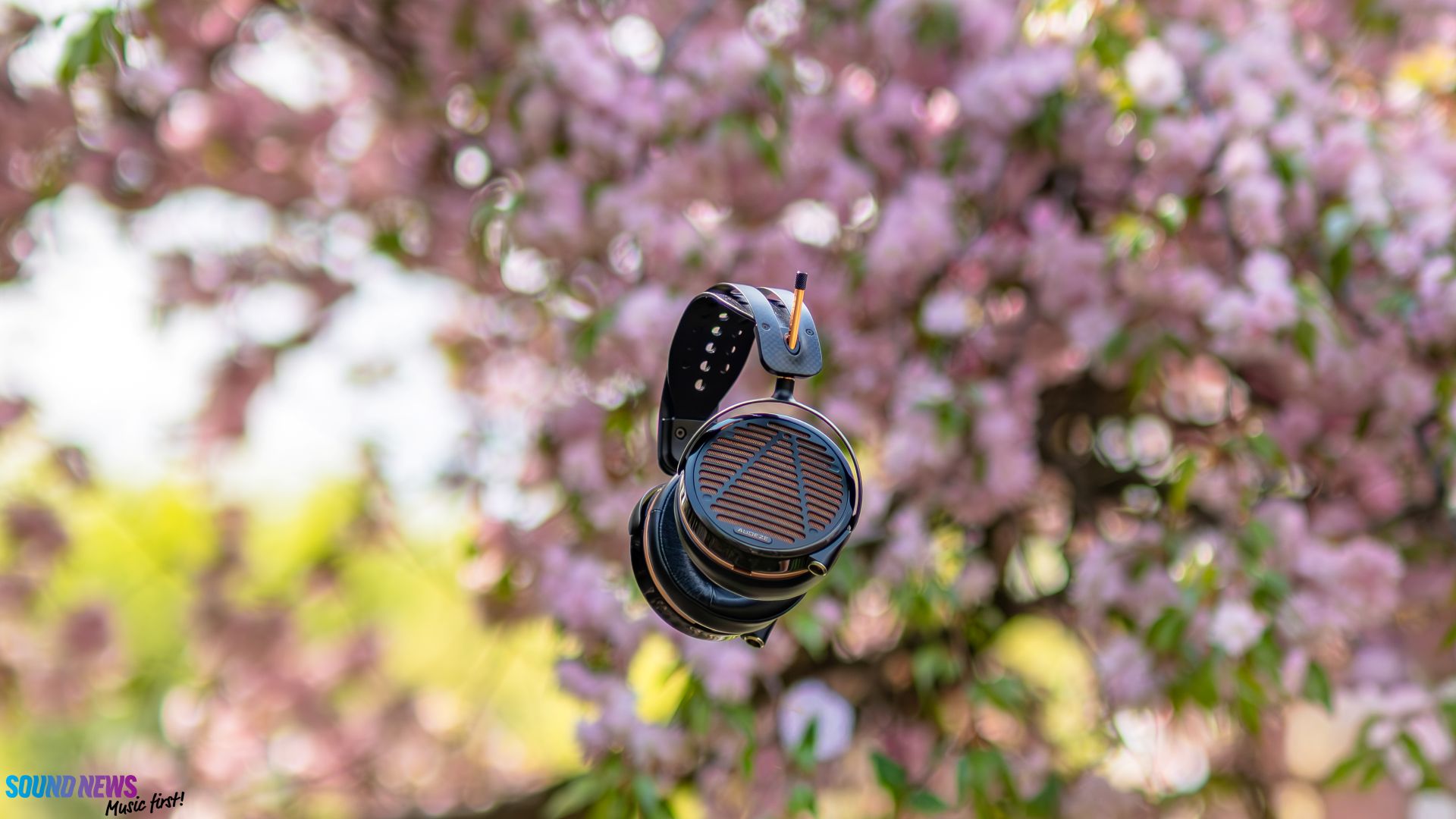
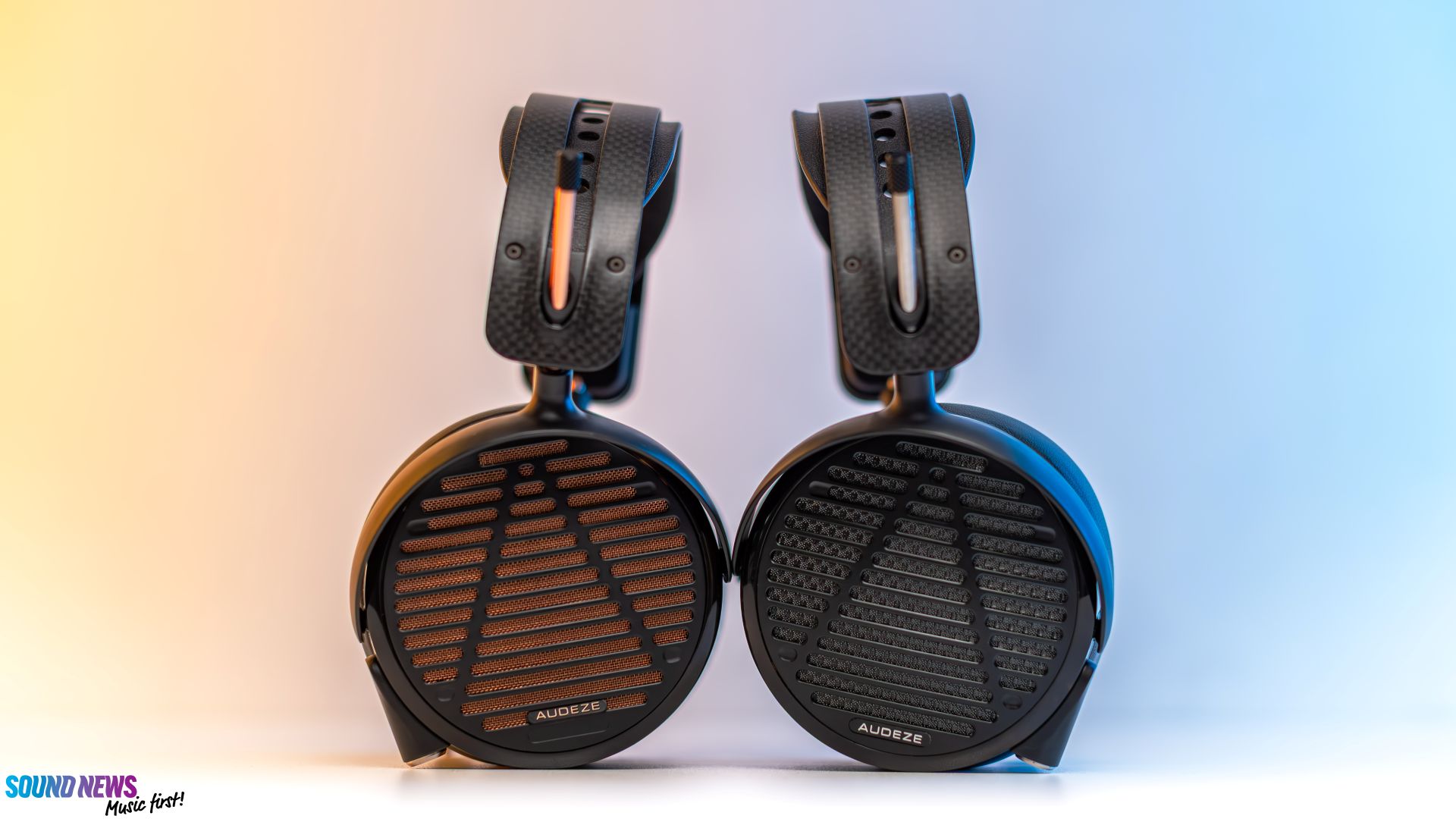
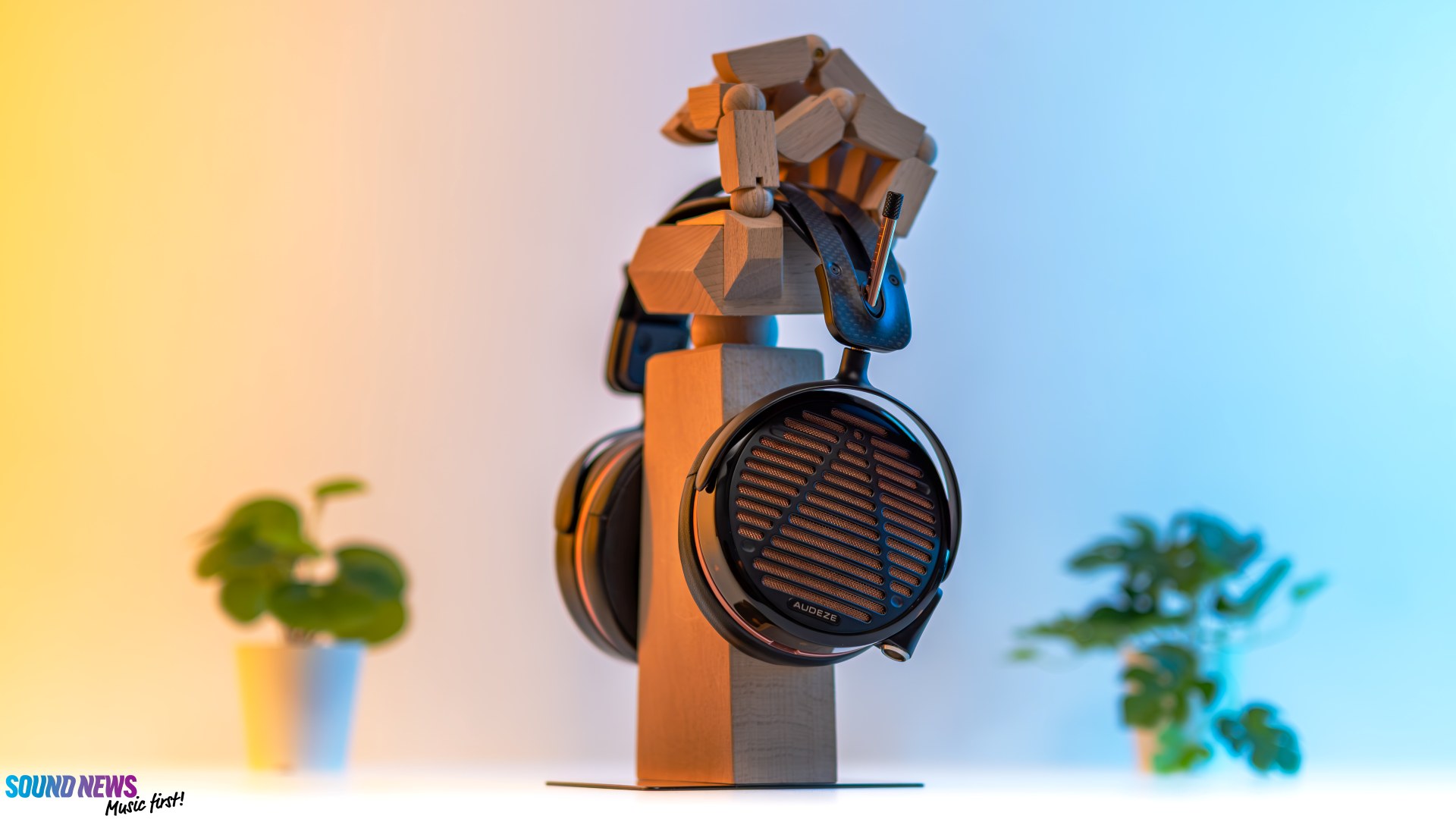
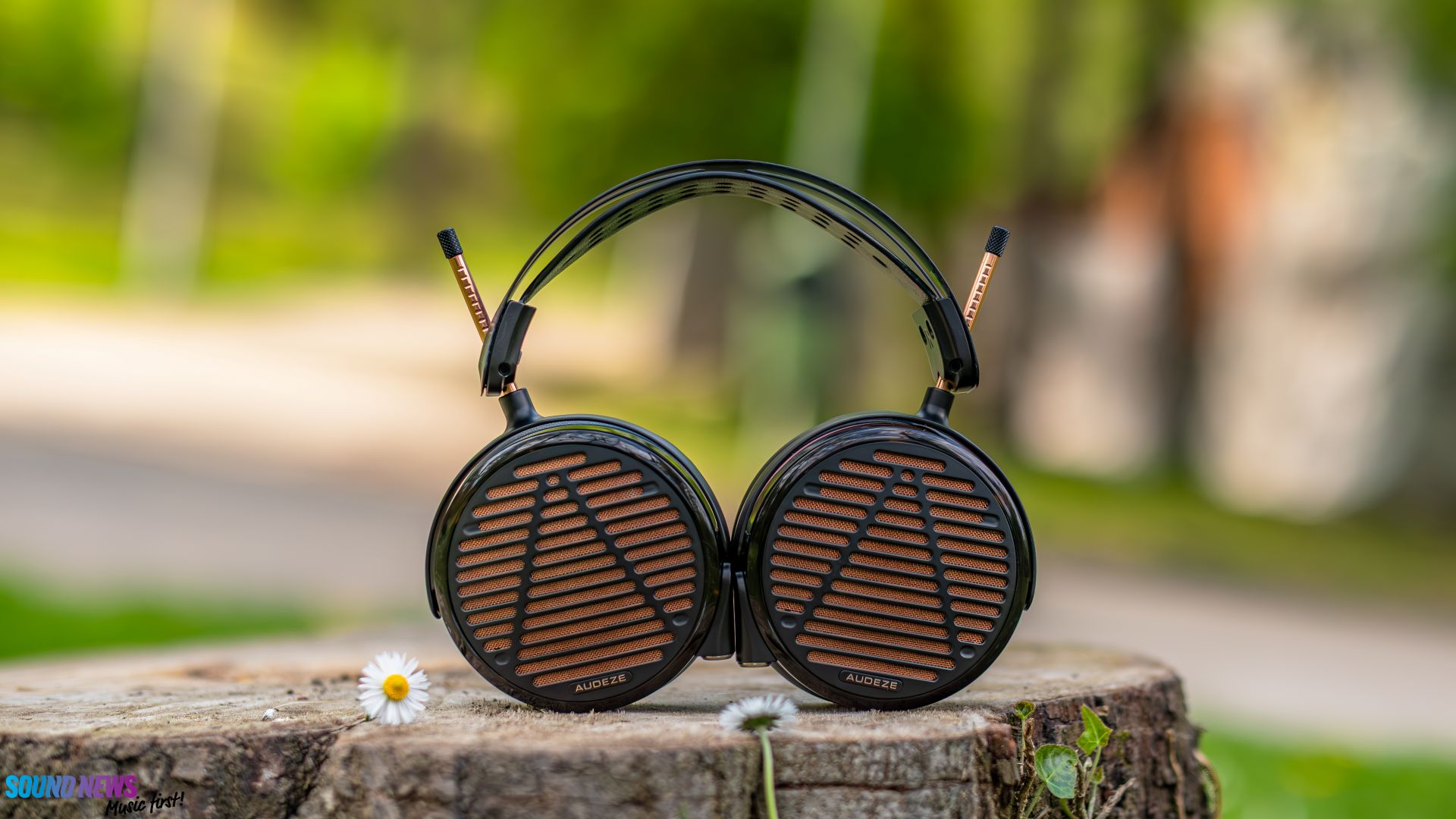
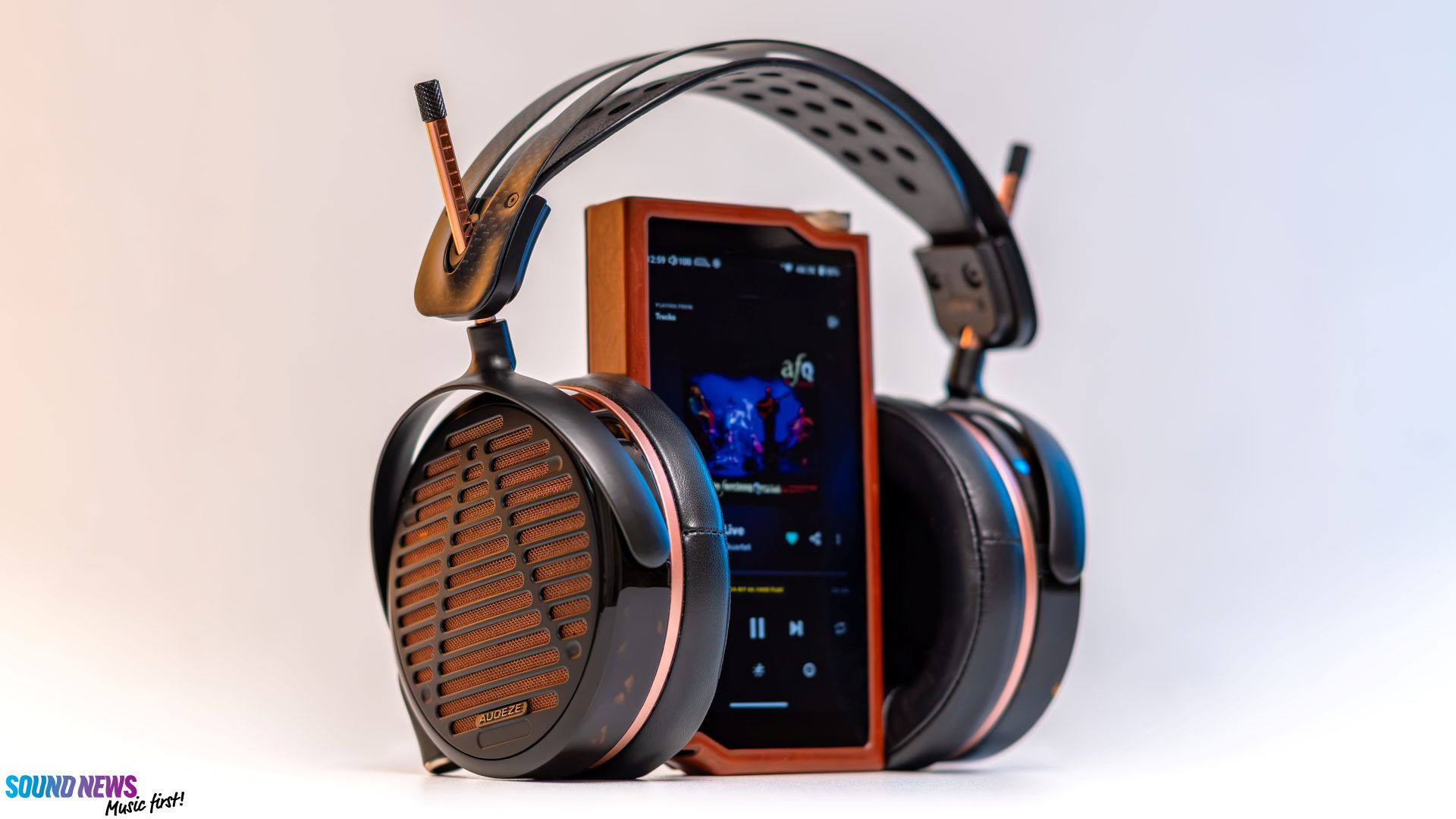
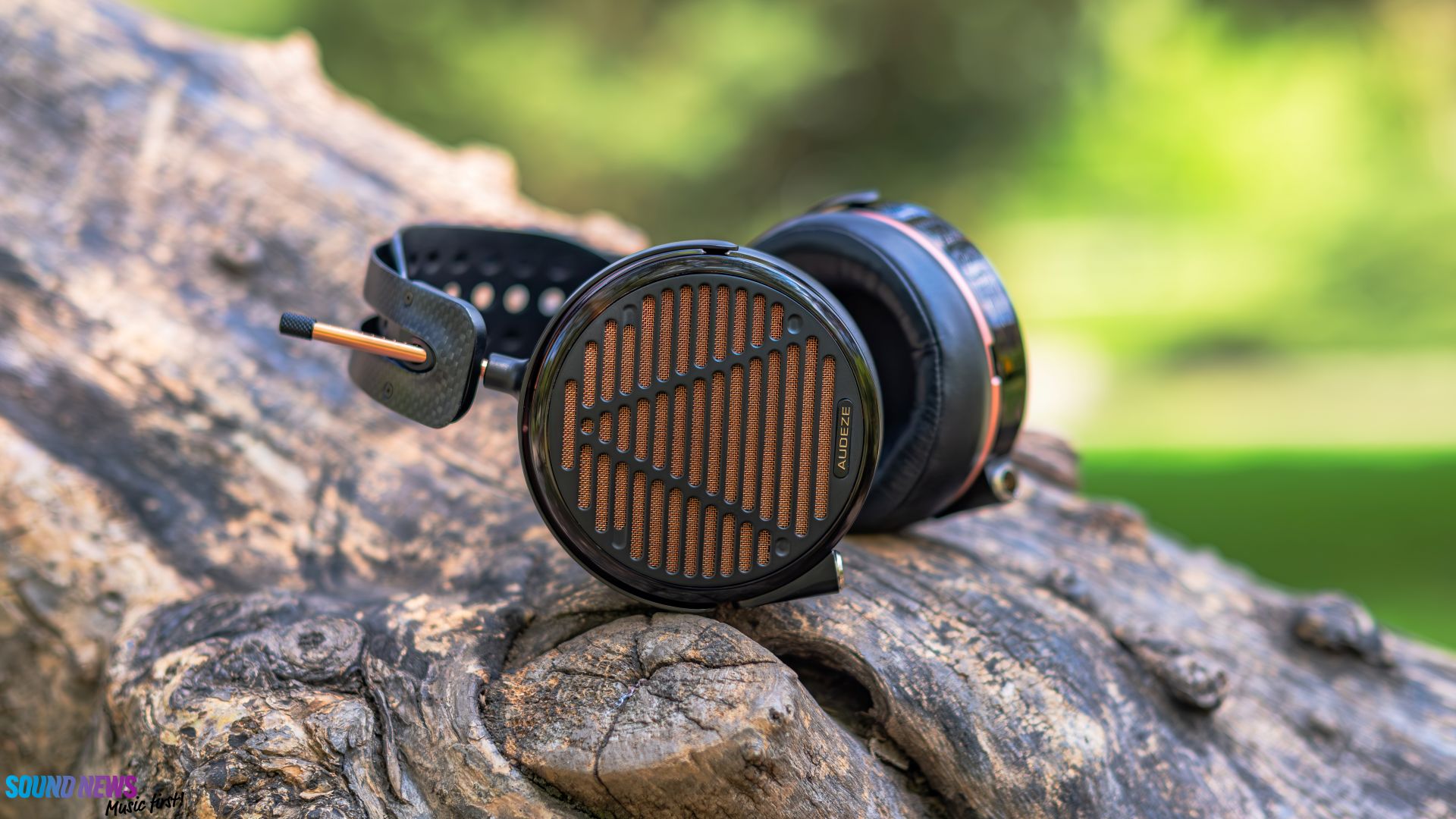
If you’ve handled the Audeze LCD-5 before, then the overall design language of the LCD-5S won’t come as a surprise. Audeze didn’t suddenly go back to massive wooden cups or that old-school rebellious chrome finish we once associated with the LCD-4. That chapter seems to be closed for now. Instead, they kept moving forward with the lighter, more modern, and more ergonomic approach that started with the LCD-5, but with a few subtle refinements that become more obvious the longer you spend time with them. Black accents were replaced with copper ones, and what was once one of the stealthiest-looking headphones now started drawing some attention…and even appreciation. The gentle dance of colors between copper and black suits this pair of headphones quite well. And I have to say…this design grew on me more than I expected.
At first glance, they still look like the rebellious child of the LCD family. Gone are the exotic wood grains that made every LCD unit feel like a unique piece of furniture. In their place, we get those acetate cups that might not scream luxury in the traditional sense, but feel incredibly solid, well finished, and, quite scratch resistant, I must add. Pick them up, and the first thing that hits you is the weight…or better said, the lack of it.
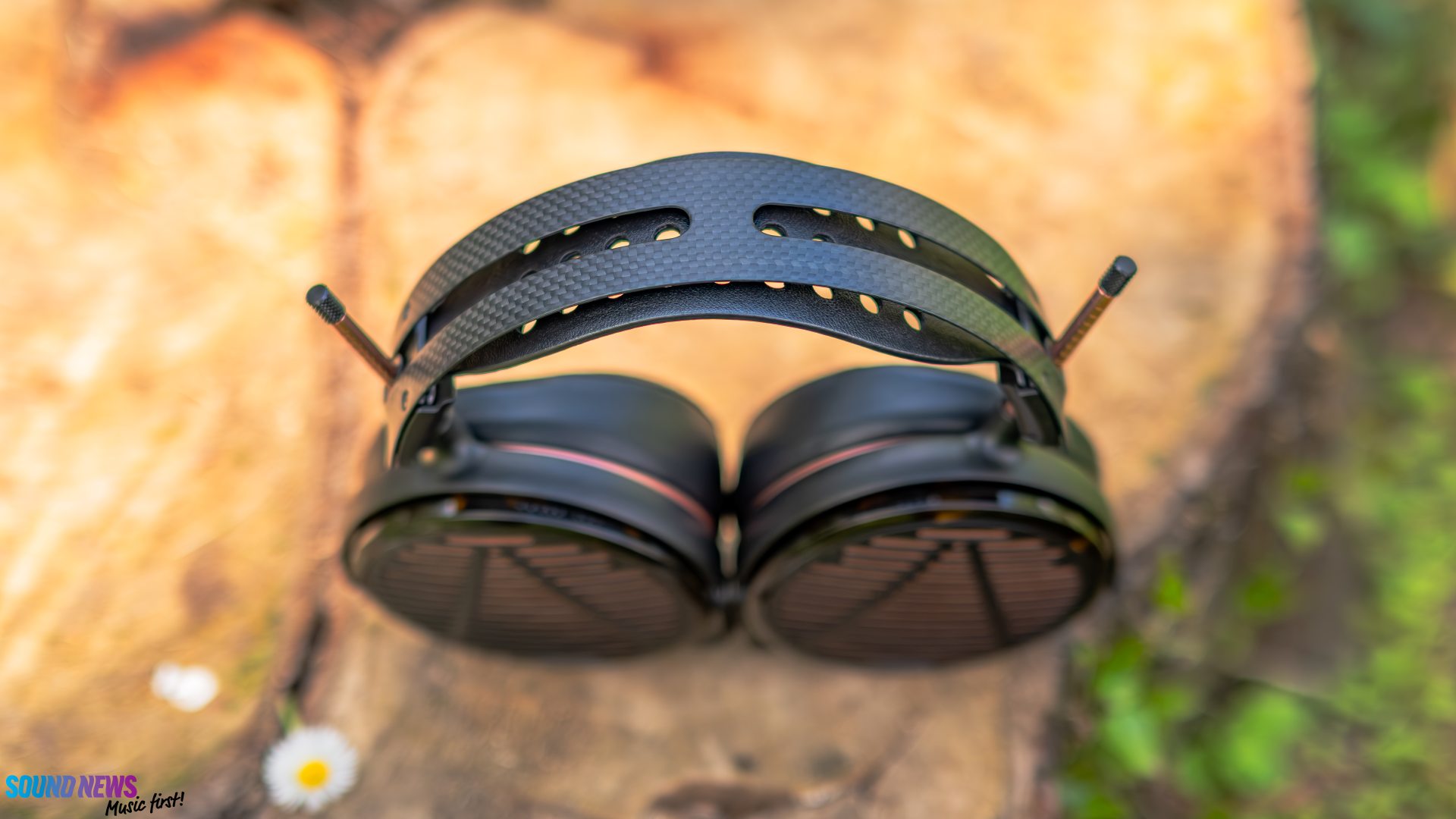
If you have ever spent serious time with older Audeze flagships, you know exactly what I’m talking about. From 690 grams on the LCD-4 to 475 grams on the LCD-5S, Audeze clearly put these on a strict diet, and that can only be translated into longer music listening or gaming sessions. With the LCD-4…well, let’s just say that neck muscles were part of the experience, but with the LCD-5S, the whole story changes. The chassis feels lighter, tighter, and more controlled, as if every gram was questioned and optimized. Magnesium, acetate, aluminum, carbon fiber, and real leather, it’s all here, working together to create something that feels both sturdy and surprisingly easy to live with.
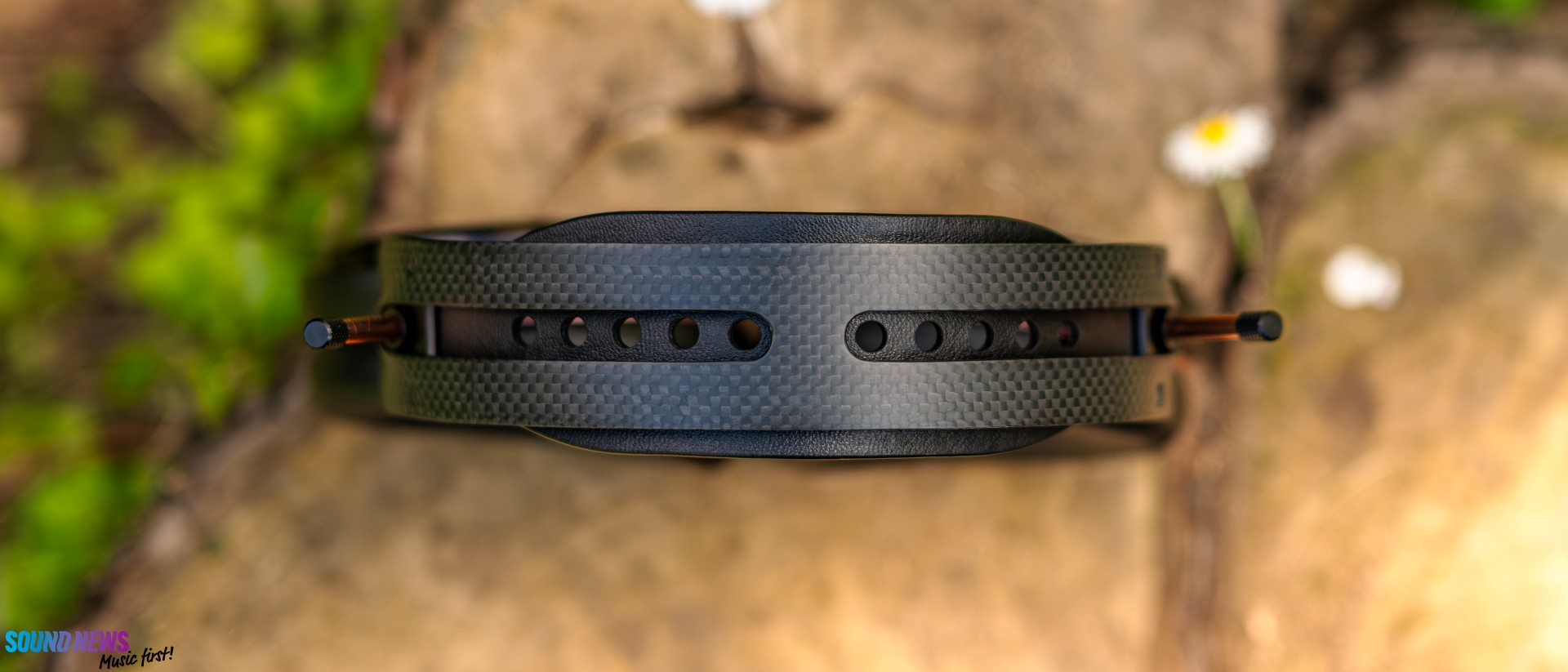
Build quality, as expected at this price point, is top-notch. Nothing rattles, creaks, or feels out of place. You can tell this is a headphone designed to survive years of use and abuse without losing its composure. Even after extended listening sessions, they still feel as tight as they did on day one.
The headband system is still one of my favorite parts. It distributes weight evenly, doesn’t create pressure hotspots, and after a bit of adjustment, it simply disappears from your awareness. I still wish the clamping force were a touch more forgiving out of the box, but once dialed in, it becomes a non-issue for me. It’s one of those give it a few minutes and forget about it situations.
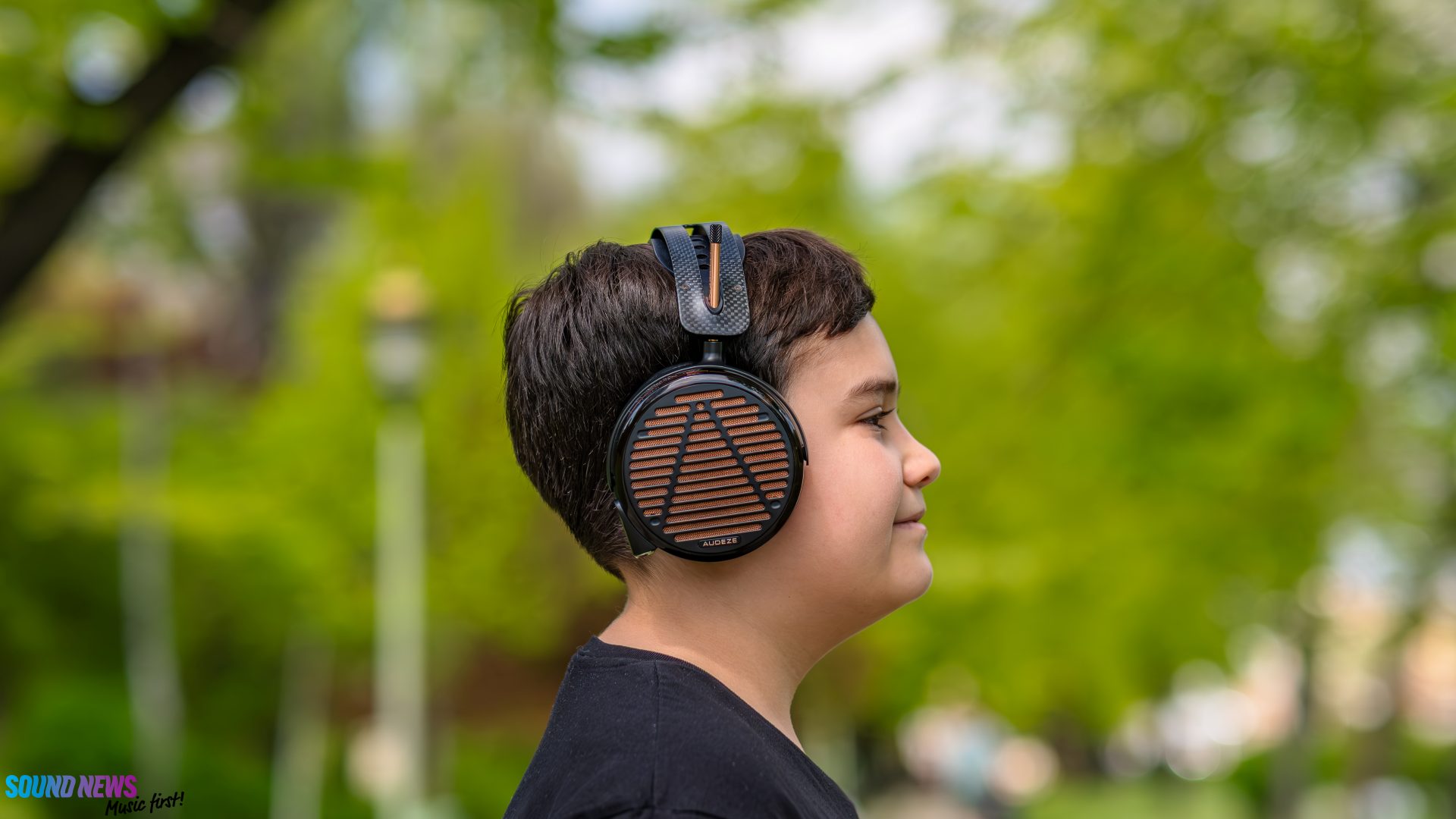
While the ear pads follow the same philosophy, they have a new geometry. They still “sit” on your ears rather than surround them completely, as it would happen with the OG LCD lineup. The on-ear design is now more gentle on your ears, and the whole experience is no longer as tiring long-term. True, they don’t engulf your ears as older LCD designs did back in the day; they create a very natural seal and position the drivers in a way that feels deliberate.
As for the cable, Audeze continues to take things seriously. You’re not getting an afterthought here, but a properly built, high-quality cable that matches the level of the headphone. It’s thick, sturdy, free of annoying microphonics, and it’s flexible enough when headbanging during longer listening sessions. I still wouldn’t call the 6.35mm jack my favorite choice in the world, but you can also order them with a 4-pin XLR jack if you need.
Long story short, the LCD-5S doesn’t try to win you over with nostalgia. It doesn’t chase that old LCD look, nor does it apologize for moving away from it. Instead, it doubles down on a more modern, refined, and user-friendly design that, in time, made a lot of sense to me. It may not be love at first sight for everyone, especially if you’re coming from the classic Audeze aesthetic, but give it some time…and you might find yourself appreciating it more than you initially thought.

Comfort Level
As you can imagine, the comfort level is a very subjective thing. We have different head sizes and use headphones differently throughout the day. I might use them for two to maybe three hours straight when I’m in deep “writing more”, while others might use headphones occasionally for a couple of minutes, up to one hour.
I will, however, mention that the LCD-5S are a tad more forgiving for elven ears of Rivendell. The new earpad geometry isn’t a marketing stunt, but a real-time comfort enhancer. They are still sitting on my ears, and I feel them more like on-ear headphones, rather than like over-ear cans, but honestly…they don’t bother me as much. The memory foam inside the ear-pads is very soft, and so is the leather grain. Combine everything with a 475-gram body weight, and we arrive at one of the lightest full-sized planar headphones available on the market.
Compared to the Audeze LCD-5 and especially to older LCD designs, the LCD-5S feels noticeably more relaxed on the head. The weight distribution is simply better, and I’m not sure if the updated earpad geometry is to hail here. These don’t press down on the top of your skull like the T+A Solitaire P; instead, they kind of rest there. Secure, but not so demanding as other headphones are.
That said, it’s not a featherweight either, and I wouldn’t call it invisible in the way some ultra-comfortable headphones are, such as the Sennheiser HD800S and HiFiMan Susvara Unveiled. You still know you’re wearing a flagship planar, but the difference is that it no longer reminds you every few minutes. It lets you focus on the music instead of constantly adjusting it like you’re trying to find a pain-free position.
Clamping force is still part of the story, and I think this will be one of those love-it-or-tweak-it situations, depending on your head shape. Out of the box, it leans a bit on the firmer side, especially compared to something like a Sennheiser HD800S, but nothing dramatic. A small adjustment of the rods, a bit of fine-tuning, and it settles into a much more natural grip. In my case, after dialing it in, I stopped thinking about it entirely, which is exactly what I want from a headphone at this level.
And here’s something I always pay attention to: heat generation, especially in the summertime, and fatigue over time. Open-back design helps a lot here, and the LCD-5S behaves exactly how you’d want it to. No sweaty ears, no uncomfortable warmth building up after an hour or two. It stays breathable, which makes a bigger difference than most people realize until it’s not there.
Of course, not everything is perfect. If you have a larger head or prefer a very loose fit, you might need a bit more time to get everything dialed in just right. All things considered, I will write this down without hesitation: this is an Audeze headphone I can actually wear for hours without thinking about taking it off.
Tech Inside LCD-5S
Now, if you’ve been around planar-magnetic headphones for a while, you already know that the magic doesn’t really happen on the outside. You can admire the finish, the new materials, and the weight reduction, but the real story is always hiding beneath the grilles.
At its core, this is still a full-sized open-back planar-magnetic headphone, built around Audeze’s in-house driver technology. But just like with the Audeze LCD-5, they didn’t simply reuse an older formula and tweak it here and there. They went back to the drawing board and, after years of R&D, came out with a driver that looks familiar, but behaves differently in practice.
We’re still dealing with a relatively compact 90mm planar driver compared to older Audeze designs, which is part of the reason these feel lighter right out of the box. But the real trick lies in how that diaphragm is being controlled. Audeze continues to use their Fluxor magnet array, paired with those updated Fazor waveguides, all working together to guide the sound more efficiently toward your ears while reducing unwanted reflections and distortions along the way.
But what really fascinates me here is how they’re handling the voice coil design. That parallel Uniforce approach, where trace widths are varied across the diaphragm, might sound like marketing jargon at first, but it actually serves a very real purpose. It helps maintain a more uniform force across the entire surface of the diaphragm, which translates into a clearer pistonic movement of the driver, lower distortion, and a better sense of control, especially when things get busy in the music.
Another big piece of the puzzle is the magnet structure itself. Audeze moved away from those heavy double-sided magnet arrays we saw in older flagships and continued refining the single-sided approach. And that’s not just about shaving off weight; it also changes how quickly the driver reacts, starts, and stops.
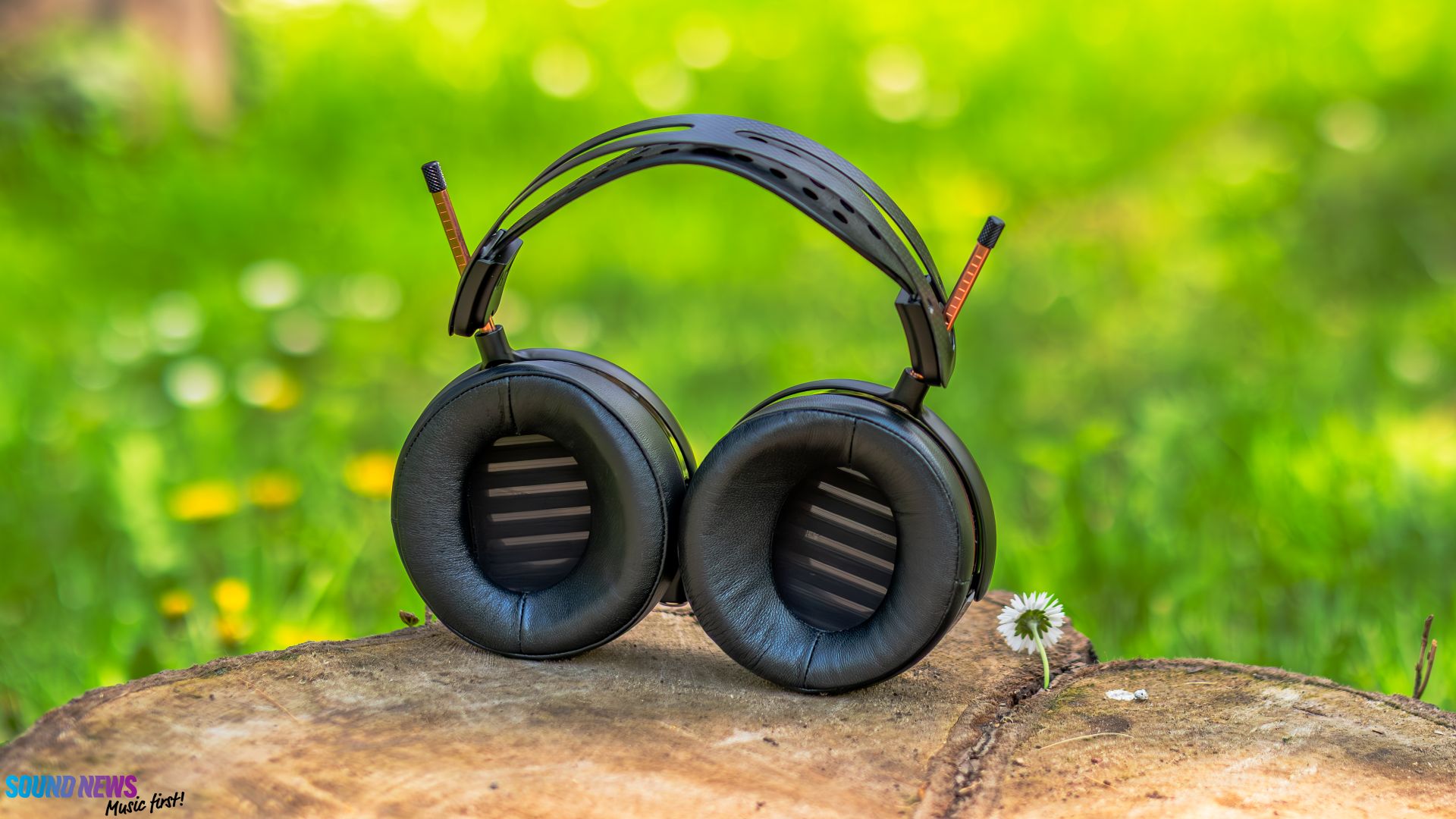
The biggest improvement thought was the adoption of the SLAM Technology (Symmetric Linear Acoustic Modulator), and you can read more about that in their dedicated article right here. Without going too much into the nerdy stuff, the SLAM technology ensured that symmetrical and uniform forces are applied to the diaphragm, which in turn significantly reduced distortion, improved the tightness of the bass, and the sound’s transparency and openness. SLAM isn’t only about the bass quantity, but more about its control. Their CRBN2 e-stat headphones were the first cans to get the SLAM treatment, and the LCD-5S is the second headphone from their entire portfolio.
Impedance and sensitivity are also playing a very important role here. Just like its predecessor, the LCD-5S doesn’t behave like the old-school Audeze beasts that needed a small power plant to wake up. These will need a single mW of power to reach 90 dB, and the recommended power level is 500mW up to a maximum of 5Watts (or 5000mW for you, portable-fi afficionados). So yes, it’s much easier to drive, more forgiving in terms of source and amplifier pairing, and far more flexible in real-world use.
Test Equipment
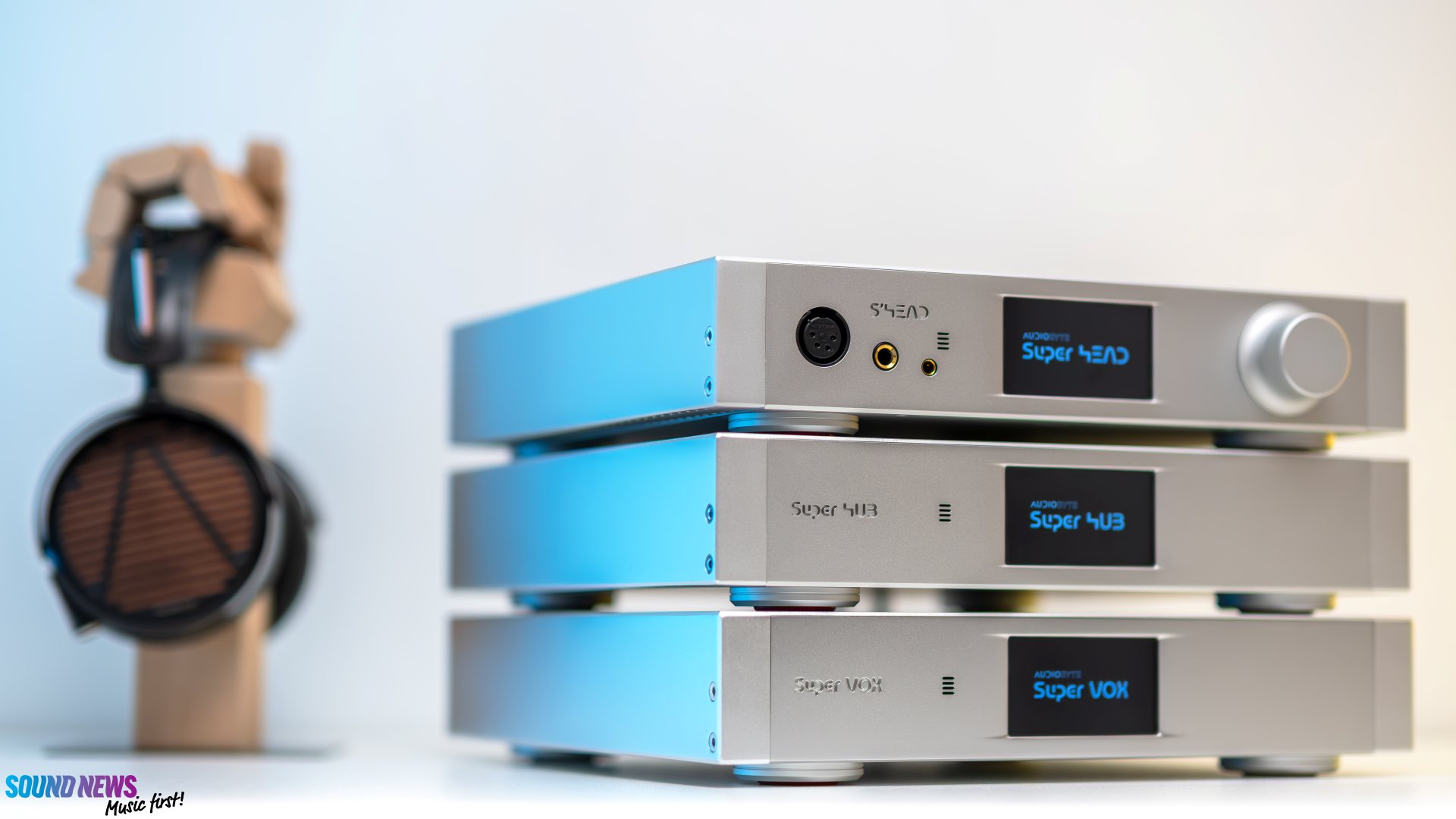
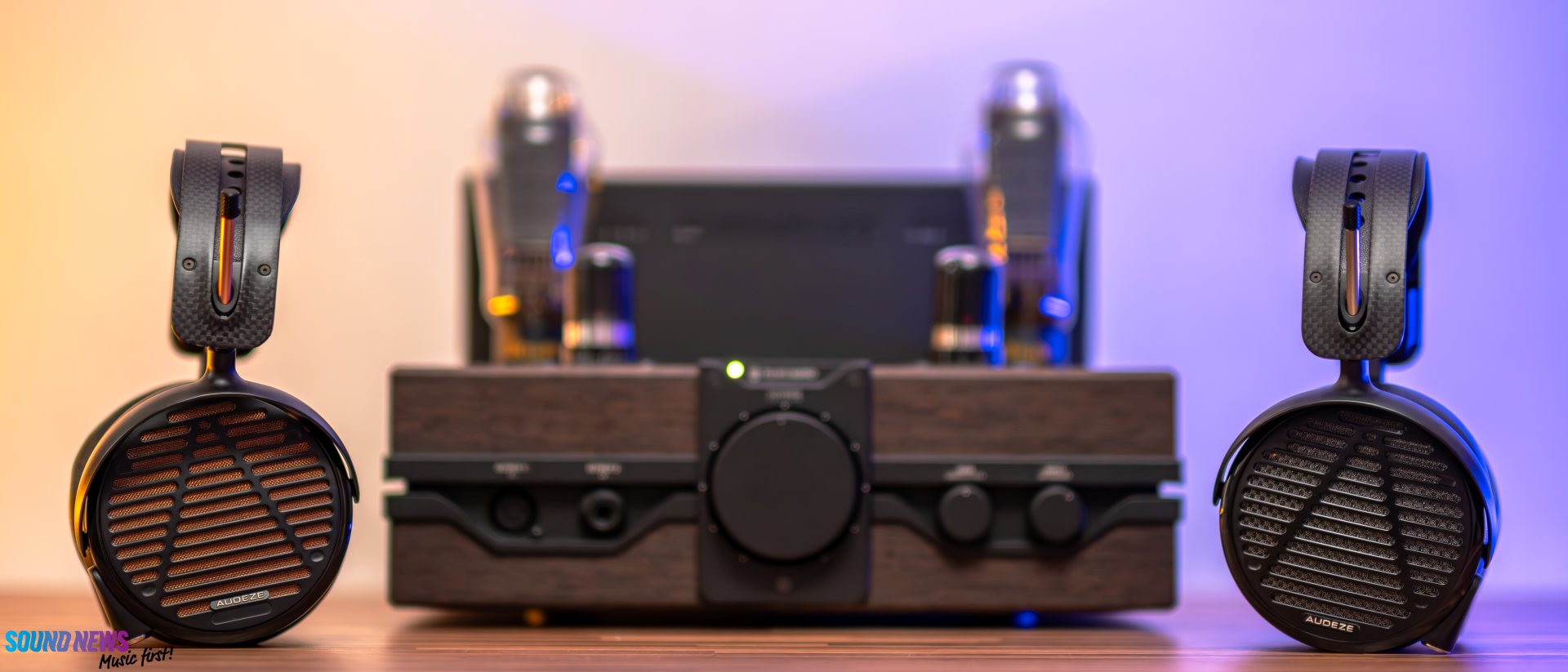
A flagship pair of headphones will need a flagship headphone setup to shine at its best, and that’s why I went a little overboard with electronics. I used a Rockna Wavedream Reference Signature DAC and streamer ($27.000), followed by a couple of headphone amplifiers of a similar quality. The marvelous Feliks Audio ENVY Susvara Edition (€13.000) is supposed to squeeze the last drop of performance out of them, and this is what I’ve used most of the time. A pair of solid-state amplifiers was also used to strengthen my initial impressions in the form of the Audiobyte SuperHEAD ($4000) and Enleum AMP-23R ($6800). All cabling used was of AudioQuest Dragon breed (power, interconnects, and digital cables). A KECES IQRP-3600 balanced power conditioner powered everything mentioned above, and with that out of the way, I’m ready to hit some eardrums!
Sound Performance
I. Preliminary Sound Impressions
If you go back and re-read my in-depth Audeze LCD-5 review, which I published back in 2022, you’ll immediately sense a bit of…disappointment. After owning every single planar headphone from their LCD line-up and living with the LCD-4 for a substantial amount of time and then purchasing two more sets to feed my insanity, my expectations weren’t high, but blown out of proportion! Sure, there were more technical-sounding headphones out there, truer to the original intent of the mixing and mastering engineer…but when it came to funky times, to an ear-to-ear smile…nothing did it better than a pair of Audeze headphones.
Alas, the LCD-5 was completely different. The midrange bloom was still there, and the sound weight everybody expected was lingering in the background…but the sub-bass and the soundstage? Missing in action. I remember writing my final conclusion and feeling a genuine sense of disbelief. On one hand, I was happy that Audeze could finally compete with the fastest and most resolving planar headphones out there, which are very real and meaningful improvements, but on the other hand? I really missed the bass line…That heavy, punchy low-end rattling my skull. And the open, wide soundstage? Almost completely gone. I loved them and hated them at the same time, yet tons of HiFi publications and YouTube channels were calling them The Headphone Of The Year, for reasons that never fully resonated with me.
I’m sorry, but honesty will always be part of me and of this publication. That’s not going to change anytime soon, and I hope you’ll appreciate that. In time, I accepted the fact that this is the new Audeze, and from that moment on, all their future headphones would likely follow the same path, having smaller drivers, less impressive bass delivery, and a more restrained presentation when it came to stereo imaging and 3D effects. That, my friends, is the sole reason why from 2022 to the present day we didn’t cover another pair of Audeze headphones…because I thought I already knew what would follow.
It so happens that I tried their CRBN2 e-stat headphones on multiple occasions, driven by overkill amplifiers at various HiFi shows, and they sounded nothing like the LCD-5. The stage, the openness, the 3D effects…even the bass was on another level. So, when I saw the same SLAM technology baked into the LCD-5S, my curiosity levels went through the roof! Could things get better…or much better this time around? A few weeks later, a courier knocks on my door, with an Audeze sticker proudly sitting on the box. I unwrapped them in a jiffy. I didn’t care about the extra accessories, the fancy cable, or the white gloves. Even the much nicer copper accents didn’t matter at that moment. The only thing that mattered to me was their sound. Could they win me over…again, as they did so many times in the past? Would my search finally be over? Questions were flooding my mind, but at the same time, I felt incredibly lucky to have the LCD-5S in my hands, ready to write what might be the first in-depth review. After a few rounds of back-and-forth comparisons with the original LCD-5, I have some very good news to share with you. They fricking SLAM! HARD! The notorious Audeze bass lam every serious headphile knows about is finally back! The sub-bass is considerably more powerful this time around, and that single change alone already flipped the script for me. The LCD-5 could sound borderline boring on less impressive gear, while the LCD-5S is anything but boring. In fact, it’s the complete opposite.
The more music I listened to, the more everything started to click into place. Not only did the bass quantity improve, but so much more came along with it. And perhaps the most important part? You no longer need to EQ them to achieve a perfectly balanced bass line. But the real magic lies in the control that needs to be tight and articulate, with a layered bass that reveals details the original simply glossed over. Personally, I like to play a bit louder, especially when it comes to electronica, rock, and metal. I mean, how can I headbang at 60 dB? That’s simply not happening. Give me 90 dB, or better yet, 95 with peaks touching 100 dB for a few milliseconds…that’s my definition of fun! The problem is, at those levels, plenty of drivers start losing control, reaching a breaking point where distortion creeps in and everything starts falling apart.
The LCD-5 handled that better than most, but it wasn’t perfect. Some irregularities could still be measured and even heard when pushing things hard enough. That’s no longer the case here. The SLAM technology eliminates those weaknesses. I can no longer hear dynamic compression artifacts at 100 dB peaks, and more importantly, distortion doesn’t build up nearly as fast. Folks…I’m not sure you realize what I’m witnessing right now. This is something special. This is The Headphone to get if you like to push the volume a little higher, just like I do. Fancy some wild electronica or metal packed with double drums? You owe it to yourself to hear these. They were made for this kind of music.
II. Resolution & Detail Retrieval
Since the release of LCD-5 in 2022, a lot has changed in the headphone kingdom. Back in the day, the LCD-5 was already competing with the big names in terms of resolution and detail retrieval, but in four years, things moved forward at a steady pace, and the OGs no longer compete with the best of the best. Top-of-the-line headphones aren’t quite there yet with top-flight loudspeakers; I can still hear a bit more nuance and additional micro-details with reference loudspeakers than with headphones, but I feel the gap is shrinking day by day. Just take a look at the T+A Solitaire P, HiFiMan Susvara Unveiled, and RAAL Immanis; they’re all incredibly resolving and will highlight additional information in a direct comparison with the good old LCD-5, and that’s probably another reason why Audeze engineers went back to their labs and started tinkering again.
You see, when discussing the updated LCD-5S, the first thing we need to do is detach frequency response from resolution, as these two notions are entirely different things and, more often than not, have nothing in common. A highly accentuated treble response has nothing to do with resolution…that’s a rookie mistake right there. And a super-powerful bass delivery has nothing to do with its layering and definition, I hope you understand where I’m going with this. The funny thing is, if I look at the LCD-5 from a frequency response standpoint, then it’s a bit more energetic in the treble versus a somewhat calmer and easier-on-the-ear LCD-5S, but when it comes to resolution? You won’t believe it, but it’s the other way around. Ever tried entry-level DACs and headphone amplifiers from Topping and SMSL released in the last five years or so? They are trying to trick you into thinking that a highly pitched treble equals higher resolution, but that was more of a marketing stunt, and many fell for it.
This time around, we have a much more evolved sound on the LCD-5S…and let me explain. For starters, the weird shoutiness and unnatural pitch and vocal cord vibration around 800 Hz to about 1 kHz (the soprano range) are no longer plaguing the LCD-5S. The soprano has the highest vocal range with the highest tessitura (which we tend to call texture), which can overload plenty of speakers, let alone headphone drivers. With SLAM technology baked in, the diaphragms are now moving in sync with the analog signal; we no longer get a tonal shift at higher volumes, and things remain in control, without badly affecting resolution due to added distortion. More importantly, the LCD-5S doesn’t just retrieve more information; it presents it in a more organized, layered, and intelligible way, making complex passages easier to follow and far more believable.
The lesson is quite simple here: we no longer get a weird pitch on the LCD-5S, shouty vocals, or an out-of-tune midrange delivery. Treble isn’t as sharp as it previously was in small doses; instead, we get a much more predictable pair of headphones that never alters its voicing depending on volume or music type. And yes, there are fewer distractions and more music on the LCD-5S, and that’s pretty obvious from the first minutes of play, without any kind of driver burn-in.
III. Dynamics & Transient Response
There’s one thing that didn’t change much from the Audeze LCD-5, and that’s their incredibly fast and snappy transient response. If it ain’t broke, don’t fix it, right? The original LCD-5 already brought a substantial leap in speed compared to anything Audeze had done before, and the LCD-5S feels just as nimble and alive, snapping into action without a moment’s hesitation. There was a time when I could say similar things about the LCD-4…but this one feels cut from a different cloth altogether. You only start caring about speed when it’s missing. Once it’s there, fully present and uncompromised, it stops being a luxury and becomes the new normal. That’s exactly how the LCD-5S feels on my head.
I’m into all kinds of stuff, nerdy, weird, old, new, and for me, snappy transients are no longer optional; they’re a requirement. Whether we’re talking headphones or loudspeakers, that sense of immediacy, that instant start-and-stop behavior, is something I simply can’t live without anymore. These are still lightning-fast-sounding headphones, easily among the quickest Audeze has ever produced, and in many ways, they carry forward that same “electrostatic-like” behavior when it comes to attack and decay. Notes don’t linger longer than they should, never blur into each other, and don’t lose their contour once the music becomes loud and demanding. Everything starts and stops with precision, almost instantly, giving you that clean, well-defined leading edge followed by a very controlled and tidy decay. Compared to older Audeze designs, the difference remains quite obvious. That slightly slower, thicker, and more relaxed presentation of the past is no longer the default behavior here. Instead, the LCD-5S feels tight, snappy, and highly disciplined across the entire frequency range, maintaining composure even in the busiest musical passages.
Even though they are fairly sensitive and won’t require absurd amounts of power to get going, they still respond very well to a stronger current delivery. There’s a clear difference between decently driven and properly controlled, and you’ll need a beefy amplifier, ideally biased into Class-A operation if absolute control is what you’re chasing for. Portable devices will do a respectable job, no doubt about it, but stepping up to a capable desktop amplifier brings noticeable gains in dynamics, authority, and overall grip.
I had very satisfying results with several portable DAPs such as the FiiO M33 R2R and HiBy RS8 II, but once connected to a proper desktop chain like the Audiobyte Super stack, things started opening up further. Dynamics gained more contrast; bass lines carried more weight, and the entire presentation felt more effortless than before. Clean and powerful solid-state amplifiers handled them beautifully, and that extra layer of refinement and control they bring along is hard to ignore once you hear it.
But here’s the kicker. I originally gave the LCD-5 a perfect 10 out of 10 for speed, but only 8.5 points when it came to bass slam and overall impact. As I already hinted, the LCD-5S pushes things further in that regard. It sounds punchier, more visceral, more grounded, and it’s my pleasure to say that this time, they climb up to a solid 9.5 in the slam department. Way to go, Audeze!
IV. Stereo Imaging & Soundstage
Alright, lads, the only chapter where I won’t rave so hard like it’s 1999 again will be this chapter. Because, truthfully, the LCD-5 and the LCD-5S use similarly sized drivers and advanced technologies. Their cups didn’t change, the air travel wasn’t compromised or improved, and thus, I feel that both are more similar than different in this regard. As a small reminder, Audeze changed direction with the OG LCD-5, going for smaller drivers and a more compact acoustic chamber. The result was a presentation that felt more focused, more intimate, and a bit closer to the listener. Stereo imaging improved along the way, but that massive soundstage of the LCD-4 was no longer part of the equation. The LCD-5S follows the same general philosophy, but here’s where things get interesting.
It feels like Audeze managed to open things up just a little bit more. Not dramatically, but enough to notice it without trying too hard. There’s a bit more air in between the notes, a bit more breathing room around instruments, and the stage stretches a touch further in all directions. If I had to put a number on it, we’re probably looking at a 10 to 15% increase in perceived width and openness compared to the original LCD-5. That might not sound like much, but in practice, it adds a welcome sense of ease to the presentation. The stage is still not as vast or exaggerated as something like the Sennheiser HD800S and T+A Solitaire P do on a good amp, but it no longer feels as brutal and, in your face, as it was before. Instead, it strikes a more balanced approach, combining precise imaging with a slightly more spacious layout.
Instrument placement remains one of its strong suits, and that shouldn’t surprise anyone; this was always Audeze’s superpower. Everything is clearly defined, easy to locate, and focused within the stereo field. Musicians don’t blur into an ugly mess, and even in complex arrangements, each element keeps its own space without collapsing into congestion. Of course, we’re still talking about headphones here, and there are physical limitations to how far you can push this slightly exaggerated concept. No matter how advanced the design is, the drivers are still sitting very close to your ears, so expectations should always be kept in check. The difference between open-back and closed-back designs remains far more significant than the gap between most flagship open-backs.
That said, if you want to squeeze a bit more space out of them, there’s still a trick that works every single time: a good transformer-coupled tube amplifier. Not hybrids, not half-measures, but real, full-blooded tube designs, ideally biased into Class-A operation. Those tend to loosen things up, expand the stage and inject more air between the notes, making the presentation feel a bit larger, deeper, and more holographic. If you need specific examples, that’s exactly what I’ve heard on the Feliks Envy Susvara Edition, Cayin Soul 170HA, and my (now sold) Trafomatic Primavera had similar traits.
In the end, the LCD-5S doesn’t try to be the biggest-sounding headphone out there. Instead, it refines the LCD-5 approach, adding a touch more openness and breathing room while keeping that excellent imaging and control intact. It’s a subtle improvement, but one that makes long listening sessions feel just a tad easier on the ear.
Frequency Response
V. Bass
From a measurement standpoint, there’s a roll-off from 20 Hz to 60 Hz, and while I can clearly see it on the screen, it feels like a glitch in the Matrix…because I cannot hear it. In fact, the original LCD-5 didn’t have a roll-off there, yet they sounded considerably less enjoyable and far less physical in the bass region. Not only can you not hear the intricate layering and stratification that the 5S brings forth so easily, but the physical manifestation of the bass is not even close in the slightest. I can groove to electronic tracks with a stupid smile on my face on the newest addition to the family, while that would feel kind of boring and too linear for my taste on their predecessors. What’s a bit unusual, to say the least, is that the massive improvement in the bass slam department actually happens in the sub-bass region, the same region that is slightly rolled off on my test rig, but until I take delivery of the updated MiniDSP EARS PRO with IEC 60318-4 couplers, I can’t publish measurements that don’t follow any international standards. Don’t worry, the EARS PRO is just around the corner, and I’m going to update my article once I perform some proper measurements.
Disregarding measurements entirely, with the right amplifier, these will deliver the thunder on bass-intensive tracks and will sustain bass notes for as long as they need to, and in this regard, I find them similar to the Bandoss Avija and T+A Solitaire P, which are my go-to bass-head headphones. The quality of the bass is pretty much on par with both of these, and that’s the biggest compliment I can offer to a pair of headphones that are considerably more affordable than their competition. And if you’re coming from the LCD-4, then expect a similar bass quantity while also getting a substantial improvement in layering and micro-detail, because there’s a significant difference in how the bass is rendered. And now that the LCD-5S is finally rocking the legendary Audeze bass, the tonal balance shifts accordingly, and I’ll mention with confidence that this is the frequency range that will impress you the most. With the bass slam now back in place, the music’s weight and oomph are once again part of my audiophile diet, and I won’t just hear those notes; I will also feel them, with my skull rattling to the rhythm of the music. In the usual Audeze fashion, there’s a straight line from 50 Hz to around 1 kHz and, as you can imagine, everything that has to do with bass and midrange is a chef’s kiss on this particular model. There is a good extension; nothing seems to leak or intertwine with the lower midrange. I hear a lot of depth in the lowest registers, and the overall presentation feels cleaner, with the sense of tactility remaining intact. Overall, I’m dealing with a highly resolving bass region that’s also on the thicker, full-bodied side this time around, which makes me quite happy.
VI. Midrange
After living with the LCD line for so many years of my life, how could I forget that lush, organic, sweet, and unmistakably Audeze midrange? Many brands have come close, and some even achieved a similar midrange density and lushness (I’m looking at you, Meze Audio), but the original gangsters that started it all are still Audeze. And now, with all of the shoutiness and upper midrange clipping thrown out of the window…Audeze has finally returned to their roots…bloody roots, sounding much closer to the LCD-2, 3, and 4 than to the 5 in this regard. Once you start playing all sorts of acoustic music, with lots of percussion, wind instruments, and vocals, you simply cannot ignore the organic texture all of these provide. You don’t just listen to them; you relive the moment that same recording was made. It’s almost like bending reality and transporting yourself back in time. You start dissecting every intricacy, feeling every tiny frequency shift and timing nuance, while imagining the pitch of the instrument changing on the fly. I don’t think you can do better than this in terms of how real the midrange is portrayed, but who knows what the future holds? Maybe Audeze will resurrect the legendary LCD-4; many folks are awaiting its return. Maybe others will try to outperform these guys at their own game, but until that happens, the Audeze warmth remains unique.
Doing back-and-forth comparisons with the original LCD-5, it becomes obvious that the 5S is more predictable, especially when you go a little louder on the dial. Their predecessors were shifting the tonal balance slightly once you pushed the SPL higher, especially in the upper midrange, where some irregularities appeared, and some of the naturalness went out of the window. The barrel-like echoing of the LCD-5 is no longer present on the newest model, and the overall experience feels more natural and closer to the real thing.
My life is always guided by causality, and yours probably works the same way. I have observed that depending on what music works best on a particular set of headphones or loudspeakers, I tend to build a specific playlist that I enjoy a lot more. With the Susvara Unveiled, my playlist was filled with big orchestras and classical music; the openness and stereo separation were really something else, but on the LCD-5S? My playlists consist mostly of acoustic, rock, metal, and tons of electronica…What can I say, these will definitely rock your world and will pump the right energy straight into your bloodstream.
VII. Treble
I feel that I have arrived at the biggest difference between these two and, again, I start getting a strong sensation of déjà vu. Why? Because their treble definition is much closer to the LCD-4 rather than to the LCD-5. Some might say it’s a reshaped LCD-4 that leans more on the darker side of things. Objectively, the whole treble region, but especially the most sensitive part of our hearing (between ~3 and 6 kHz), has dropped by around ~8 dB or so, and yes, the overall treble quantity is not on the same level as the rest of the frequency response. The cool part is that the massive dip the LCD-4 had around 3.5 kHz is no longer that obvious, so plenty of information is still preserved in that region. If you ever found the LCD-5 a bit tiring during long listening sessions and sometimes even leaning toward the hotter side of things, closer to, say, a pair of HiFiMan Susvara than to the classic Audeze house sound, then all of those feelings will no longer ambush you with the LCD-5S on your head. The entire treble region is never aggressive or clinical, but rather smoother, gently rolling off some of that energy, like pouring down an aged wine down your throat. We get a ton of refinement in return, but we lose a bit of energy in the process, though it’s not something to be worried about. The last thing I want to mention is the upper treble extension, which is slightly better than that of the LCD-5. In fact, I’ve never seen such an impressive extension on any Audeze headphones, and I’m glad there’s still some driver movement around 20 kHz and above that point.
Slowly but surely, a clear picture starts to emerge. We get a stronger and more physical bass delivery, with a mild improvement in its layering and detail. We get a much more controlled midrange that will no longer deform the diaphragm at high SPL, and lastly, the treble feels calmer and more refined, without piercing your eardrums with one hundred needles per second. The change isn’t small, and I’m glad Audeze is finally back on track, as the LCD series now feels complete, top to bottom, with a consistent tuning across their entire range.
VIII. Comparisons
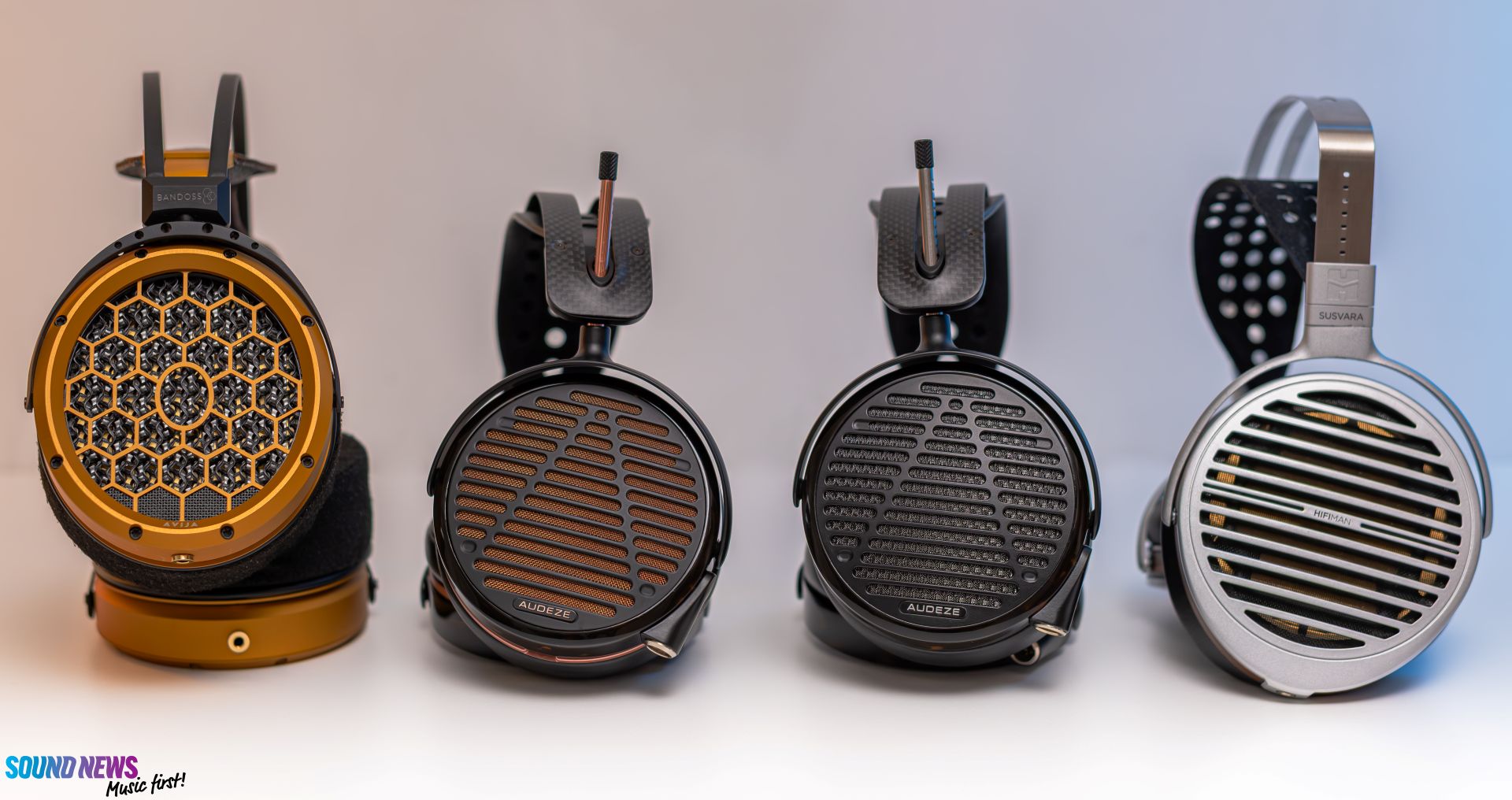
Audeze LCD-5S ($4500) VS Audeze LCD-5 ($4500) VS HiFiMan Susvara OG ($6000) VS Bandoss Avija (5,000)
From my personal headphone collection, I feel that all of these sit at the very top. I decided not to include the T+A Solitaire P and the HiFiMan Susvara Unveiled, because both are almost twice the price of the LCD-5S, and that doesn’t feel like a fair comparison. However, I need to clearly state that all four headphones I’m comparing right now belong firmly in the upper echelon, offering little to no compromises, which I’m going to discuss right now.
Before I go, if you’re a manufacturer, distributor, or reseller and my words might offend you in some way, then please accept my apologies, but understand that I need to stay true and honest to my readers and viewers. My opinions are always my own, and that isn’t going to change anytime soon. I’ll be as objective as possible, without taking my personal preferences into account. If you’re an avid reader, please enjoy the showdown.
All my comparisons are done in the morning, after a hot shower, two puffs of Audispray, a hot coffee, and after volume matching them at 90 dB with the MiniDSP EARS. All of these are mandatory, as I know my hearing and mood will be at their peak.
1. Design, Build, and Comfort
With all due respect to HiFiMan, the Susvara (and the Unveiled for that matter) isn’t built to a similar level as the rest of the headphones in this test. The steel frame is thinner; the headband isn’t made from high-quality leather, it has already started decomposing in my case, and I will need to replace it soon. The same can be said about their ear pads, which are fine, but don’t use high-quality leather, not having a truly premium feel to them. And please don’t get me started on the wooden veneers…I simply don’t like them, and seeing them peeling off somewhere in the future is one of my nightmares. Let’s be honest, the Susvara doesn’t look like a $6000 pair of headphones. The Bandoss Avija is, without a doubt, the craziest-looking when it comes to tight tolerances, as if a craftsman or a madman built them from scratch, and as I’m typing this, the Avija is still being refined on a daily basis. I should receive a lighter revision somewhere in the upcoming weeks, which I’m quite excited about. Every single element screams high quality on the Avija, and I have similar thoughts about the LCD-5 and 5S. While acetate doesn’t sound that enticing, its resilience cannot be denied, and it looks quite spectacular once sunlight hits its surface. Combining carbon fiber, a strong metallic frame, a thick leather headband, and real leather ear pads, I simply cannot complain about their looks and feel once I touch them. They look like flagship headphones, and that’s all you need to know. Comfort-wise, this is where the Susvara pulls slightly ahead, as there’s no clamping force whatsoever, with one caveat: they don’t sit as firmly on my head, especially when I’m really enjoying my tunes (read: when I’m headbanging). The Avija is trading blows with the LCD-5S in this regard, where I feel a firmer grip on the Avija, including a stronger lateral clamping force, while the LCD-5S doesn’t wrap around my ears, but rests firmly on them. The original LCD-5 is less comfortable due to the smaller surface area of the ear pads touching my ears, and let’s check the first results.
- Audeze LCD-5S: 9
- Audeze LCD-5: 8.5
- HiFiMan Susvara: 8.5
- Bandoss Avija: 9.5
2. Sensitivity & Amp requirements
I’ve sent a 300Hz sinewave at 90dB to the LCD-5S, and that same sinewave was recoded at 97dB on the LCD-5 (easier to drive). I’ve got 84.9 dB on the Avija (harder to drive than both), and I’ve got only 81.4 dB on the Susvara, which seems much harder to drive than anything else I have on hand. Do note that I’m not discussing their declared sensitivity; this is real-time data measured with my own equipment. The Susvara is the most amp-dependent headphone I have, and that led me to some monster-sized amplifiers I purchased down the line, but it seems that the original LCD-5s are much easier to handle, hence not requiring massive (and uber expensive) amplifiers to unleash their fullest potential. Portable devices work great with the LCD-5 and 5S; you will need a beefier DAP for the Avija, and I believe only two of them can work with the Susvara.
- Audeze LCD-5S: 9
- Audeze LCD-5: 10
- HiFiMan Susvara: 7
- Bandoss Avija: 8
3. Frequency Response
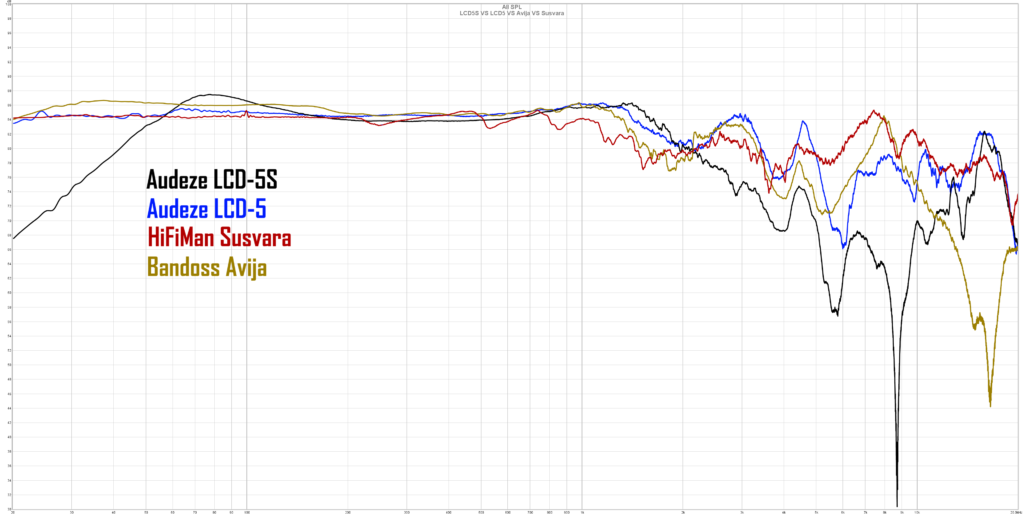
Please take this reading with a pinch of salt, because it was made with a non-industry standard MiniDSP EARS, but you can still draw some meaningful conclusions from this graph. To me, the Susvara followed by the LCD-5 offer the most complete frequency response top to bottom. Avija follows next with a mild roll-off in the upper treble region, which many of you might actually enjoy, and with the LCD-5S, we have a roll-off in the sub-bass region and another one between 8 and 9 kHz, hence scoring a bit less in this comparison. Please take into consideration that, subjectively, I have a different picture in my mind, and sometimes these graphs don’t make a lot of sense to me. That’s precisely why actual sound impressions matter a lot more than mere measurements.
- Audeze LCD-5S: 8.5
- Audeze LCD-5: 9.5
- HiFiMan Susvara: 10
- Bandoss Avija: 9
4. Dynamics & Transient Response
When it comes to transients as a whole, the Avija, together with the LCD-5S, are leading the pack, always snapping into action, delivering a powerful and impactful bass with every beat, although, with the right setup, Avija are ever so slightly better, especially in the sub-bass region, getting slightly ahead of the competition. Susvara needs a beefy amplifier to awaken snappier dynamics, but even then, they don’t reach similar heights as the 5S and Avija do. While the LCD-5 are as lightning fast as the rest of the cans in this showdown, they won’t deliver powerful uppercuts and feel featherweight when it comes to slam and impact.
- Audeze LCD-5S: 9.5
- Audeze LCD-5: 8
- HiFiMan Susvara: 9
- Bandoss Avija: 10
5. Soundstage & Stereo Separation
When it comes to soundstage, stereo separation, and perceived depth, from all of these, the Susvara is slightly pulling ahead. Having their drivers almost exposed to the elements, I believe it’s only normal that their sound would easily float outside my head and be a bit more enveloping, scoring top points in this test. The Avija is next, and as mentioned in their dedicated review, these are more impressive in terms of depth and layering rather than width, getting moderately smaller-sounding. The LCD-5S comes next, and after doing a couple of back-and-forth comparisons, they seem closer to the Avija than to the original LCD-5, still sounding open, offering a precise location of the notes…with only one caveat: every action happens closer to my face with little to no sounds escaping my peripheral vision. The Last on this list is the LCD-5, which, as you already know, isn’t that airy, getting close and personal most of the time.
- Audeze LCD-5S: 9
- Audeze LCD-5: 8
- HiFiMan Susvara: 10
- Bandoss Avija: 9.5
6. Resolution & Sound’s Transparency
When it comes to detail retrieval, all of them are regarded as highly resolving, unearthing absurd amounts of information, so much so that most of the time you will be limited by your gear (Streamer, DAC, Headphone amplifier) and much less by the headphones themselves. Still, there is a small difference, and I feel that the Susvara are only slightly pulling ahead of the competition. Avija and LCD-5S are in second place, where I feel that only minuscule intricacies are lost in transit, and it’s a slightly bigger gap versus the original LCD-5, where the bass and the upper midrange regions aren’t as clean and sharply defined.
- Audeze LCD-5S: 9.5
- Audeze LCD-5: 9
- HiFiMan Susvara: 10
- Bandoss Avija: 9.5
7. Tone & Timbre
The most difficult part I left for last, and that’s where most of my subjectivity will creep in. You can’t really measure tonal balance, or how natural and believable a pair of headphones or speakers will sound; only the miraculous power of human perception can make such bold claims. This is where I believe the Audeze LCD-5S pulls ahead, shining brighter than the rest, sounding closer to a reference pair of loudspeakers. You might disagree, and that’s totally fine, but I get the most believable and true-to-life sound from the LCD-5S. You might think that the LCD-5 would follow next, but that’s not entirely true. If you’re past your 30s or well into your 40s, then the upper treble region will slowly start to bother you during long listening sessions. It will happen mostly when there’s a substantial rise somewhere in there, or when the drivers start clipping or distorting at higher volumes. There’s a reason I don’t use Focal or Final headphones, because they tend to clip and distort once you go past 95 dB, with peaks reaching 100 dB. Luckily, that’s not the case with the headphones on this list, but I feel that the LCD-5 is a bit less consistent than the rest and can sometimes annoy you with treble-intensive tracks or highly pitched female vocals. HiFiMan Susvara and Bandoss Avija don’t have identical tonalities; there’s a bit more bass on the Avija, and the vocals can feel slightly more emotional on the Susvara. Despite their differences, both the Susvara and Avija sound quite natural, and neither becomes bothersome during long listening sessions.
- Audeze LCD-5S: 10
- Audeze LCD-5: 8
- HiFiMan Susvara: 9
- Bandoss Avija: 9
8. Final Results
- Audeze LCD-5S: 64.5 points
- Audeze LCD-5: 61 points
- HiFiMan Susvara: 63.5 points
- Bandoss Avija: 64.5 points
My Conclusions
Alright, lads, let’s draw some meaningful conclusions together. Looking back at the original LCD-5, you could immediately feel their need for speed, offering lots of resolution, a tight presentation, and impressive measurements that made previous Audeze flagships look a little outdated. But somewhere along the way, part of the magic went missing. The thunder down low, the meat on the bones, and the fun factor…weren’t on the same level as all of the LCD-series cans. I waited for weeks for the unmistakable Audeze grin, but weeks passed, and nothing happened. I even swapped a couple of amplifiers, hoping that I could make them livelier, but that feeling never came. Luckily, the LCD-5S brings those feelings back, and that, my friends, is the whole story in a nutshell.
But this is not just a bolder, sweeter-sounding, or more comfortable LCD-5. It feels like Audeze listened to all of our feedback carefully, went back to the drawing board, and came out with the answer that’s now sitting on my desk, wearing copper accents and making me replay all of my childhood beats. The bass kick is finally back where it belongs in the first place. It’s always punchy, tactile, layered, and properly controlled even on a few portable DAPs such as the FiiO M33 and HiBy RS8 II. The midrange feels more stable and believable, no longer pushing the occasional shoutiness or tonal weirdness that could appear on the original LCD-5 when pushed a little harder. The treble is now smoother, more refined, and easier to live with, while still preserving plenty of information. Add a small but welcome improvement in openness and stereo separation, and suddenly the LCD-5S becomes a much easier headphone to recommend to both measurement-loving nerds and old-school Audeze heads.
Is it perfect? Of course not! The soundstage still won’t challenge an Erzetich Charybdis, a T+A Solitaire P, or a Sennheiser HD800S, and if you want the biggest cinematic bubble around your head, this won’t be the final boss. It still sounds more focused than gigantic. But the best part? They cost exactly as much as the original LCD-5 did back in 2022. And while $4500 aren’t exactly peanuts money, this is still one of the most “affordable” pairs of flagship-grade headphones available on the market right now.
For me, the LCD-5S finally connected two worlds that felt separated for a while: the old Audeze warmth and the new Audeze precision. The 5S is now lightning fast, highly resolving and properly controlled, but also punchy, refined and so emotionally engaging! It no longer asks me to choose between the fun and the truth, between technicalities and goosebumps. It gives them both, and that’s exactly what a summit-fi pair of headphones should do.

The original LCD-5 impressed my brain. The LCD-5S impressed my brain, my ears…and then went straight for the heart. And that’s why, without overthinking it too much, the Audeze LCD-5S receives our highest recommendation and a well-deserved Highly Impressive award. Congratulations to the team, and I’m looking forward to what’s coming next.
If you take the plunge and have some burning questions, feel free to drop me a line in the comments section below. That’s all for now; Sandu is signing off! 🤜🤛
PROS:
- Premium build quality and craftsmanship, using only top-tier materials
- New earpad geometry improves comfort, clamping force is no longer an issue, and they’re surprisingly lightweight for an Audeze
- Top-tier resolution and detail retrieval, easily among the most resolving headphones I’ve tested
- The classic Audeze magic is back, with a lush, textured, and incredibly believable midrange
- Refined and fatigue-free treble delivery, ideal for long listening sessions
- Improved tonal balance versus their predecessors, no more shoutiness or upper-midrange grain
- Dynamics reach over 9000! Finally delivering a proper slam in the lowest octaves
- Holographic imaging with a noticeable improvement in soundstage and note separation
- Consistent performance at higher SPL, without tonal shifts or driver breakup
- Excellent stock cables, well-built with high-quality conductors and minimal microphonics
- While far from affordable, they remain among the more accessible flagship headphones
CONS:
- Some will miss a bit of sparkle and bite compared to the LCD-5
- Soundstage isn’t the widest in the headphone realm
- Clamp and fit may not suit everyone
ASSOCIATED EQUIPMENT:
- HiFi Racks: WoodYard Suspended Triple & Baby Modular
- CD/SACD Transport: Onix XST20
- Network Switch: Ansuz PowerSwitch D3
- DAC & Wired Streamer: Rockna Wavedream Reference Signature, AudioByte SuperHUB
- Preamplifiers: Chord Electronics ULTIMA PRE
- Power Amplifiers: Chord Electronics ULTIMA 3 (X2)
- Headphone Amplifiers: Feliks ENVY Susvara Edition, Audiobyte SuperHEAD, Enleum AMP-23R
- Loudspeakers: Raidho TD 2.2
- Headphones: Audeze LCD-5S, LCD-5, HiFiMan Susvara OG, Susvara Unveiled, T+A Solitaire P, Bandoss Avija, Sennheiser HD800S & many more
- IEMs: FiiO FX17, HiBy Zeta 2, Meze ASTRU
- Interconnect Cables: AudioQuest Dragon XLR (X2)
- Speaker Cables: AudioQuest Dragon ZERO 2.0m
- Headphone Cables: Crystal Cable Absolute Liberty (X2)
- Power Cables: AudioQuest Dragon Source (X2), AudioQuest Dragon High Current (X4)
- Ethernet Cable: Crystal Cable Da Vinci
- HDMI Cable (I2S): AudioQuest Dragon
- Balanced Isolation Power Conditioner: KECES IQRP-3600