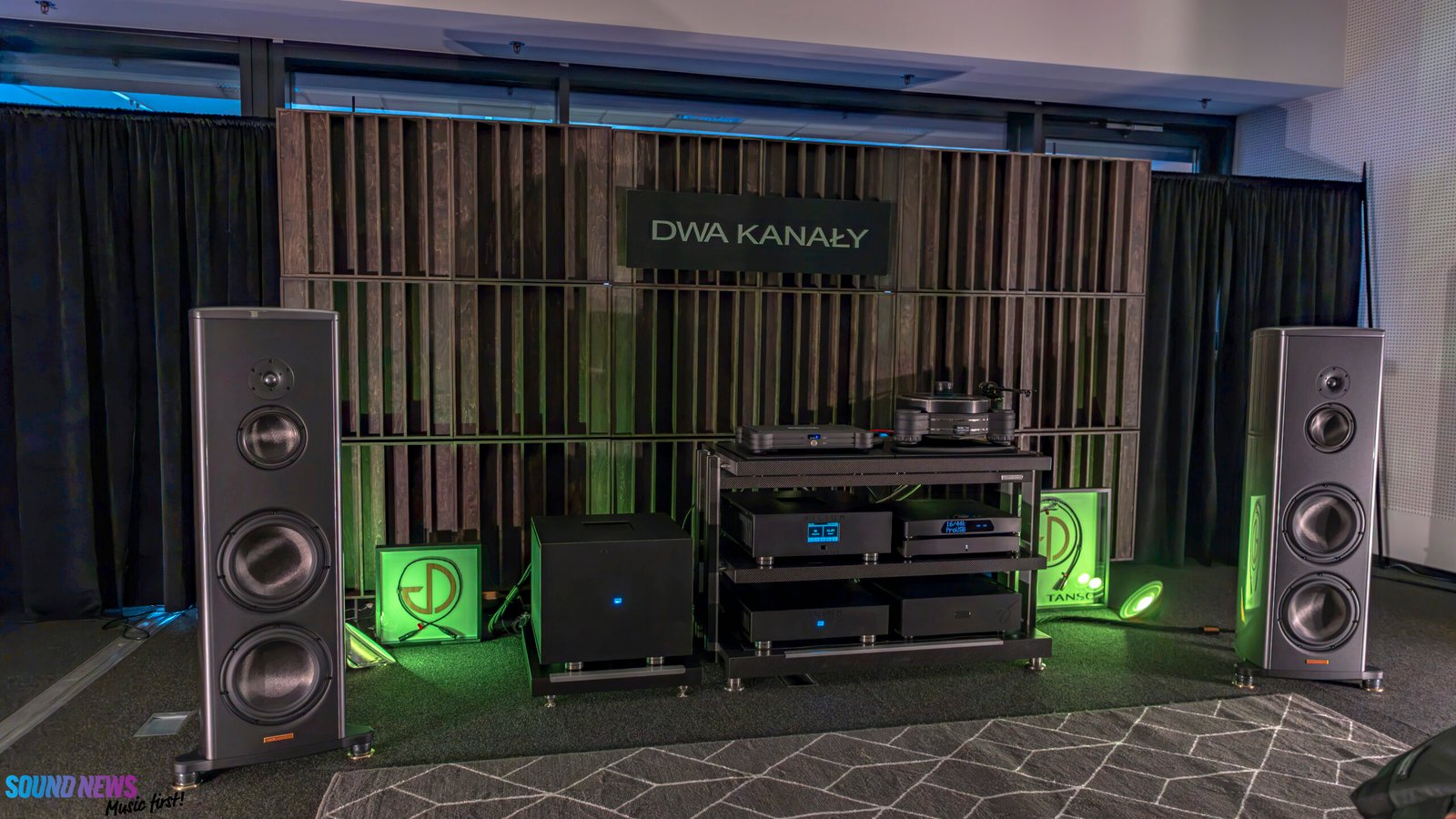
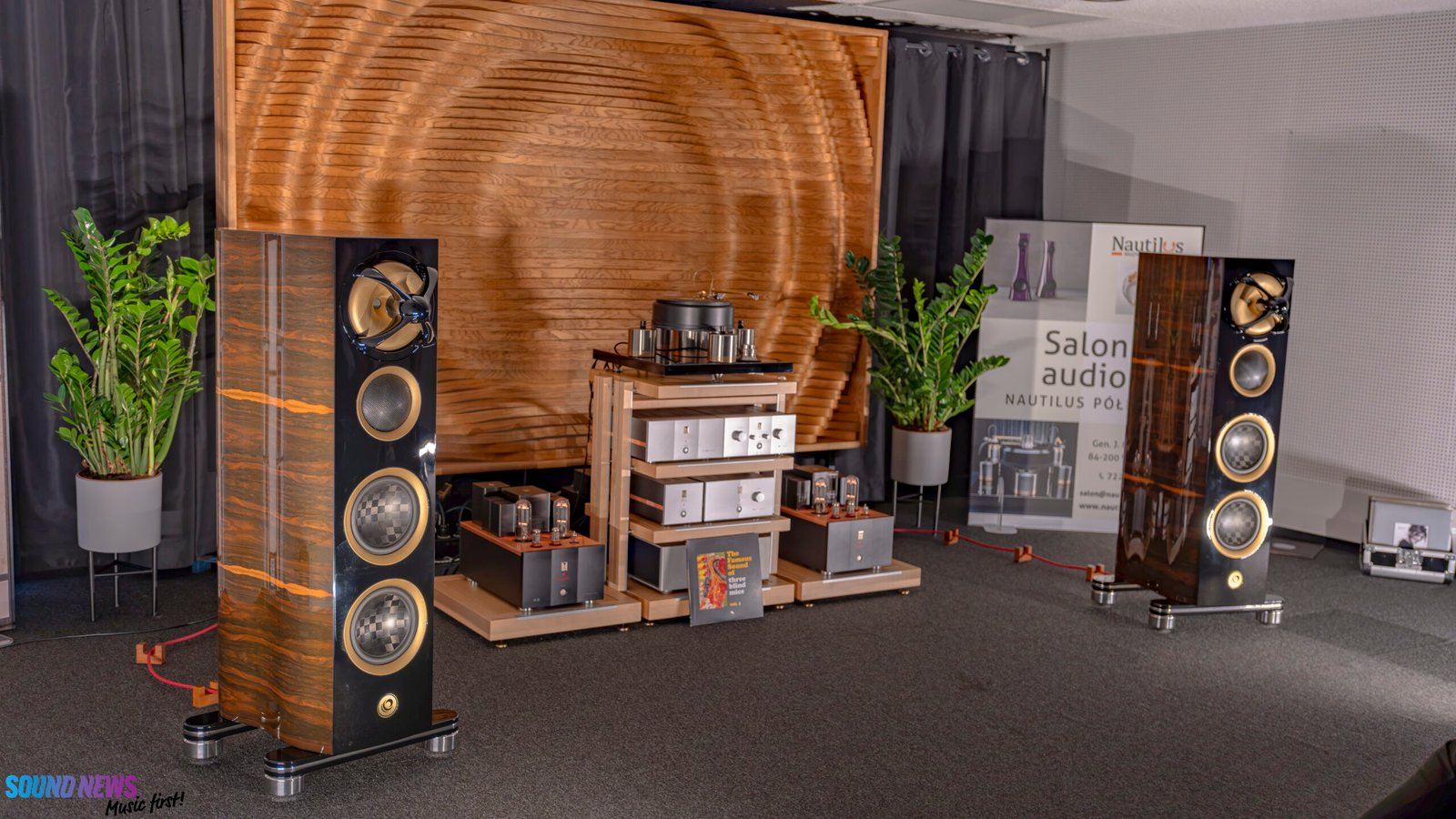
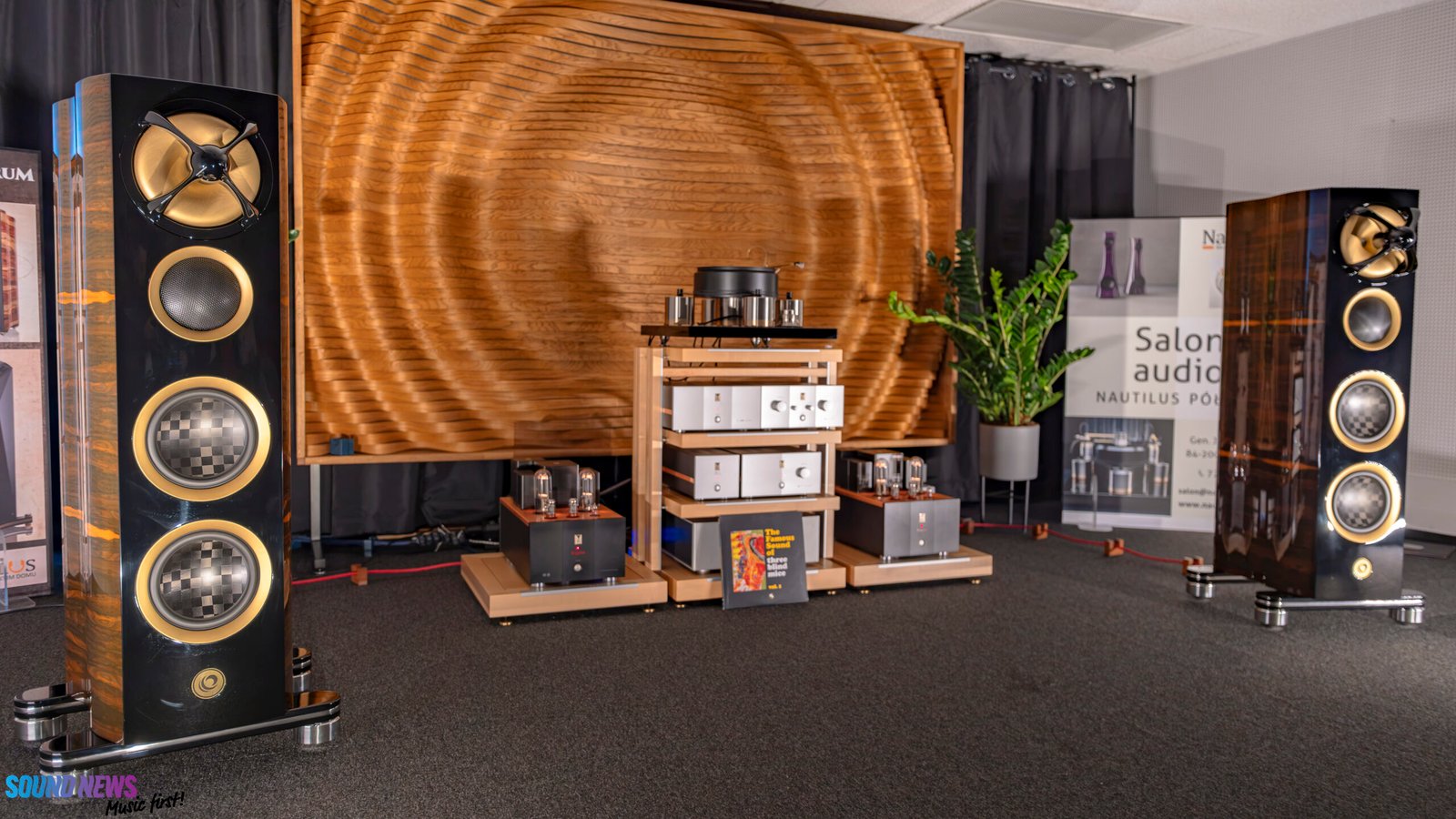
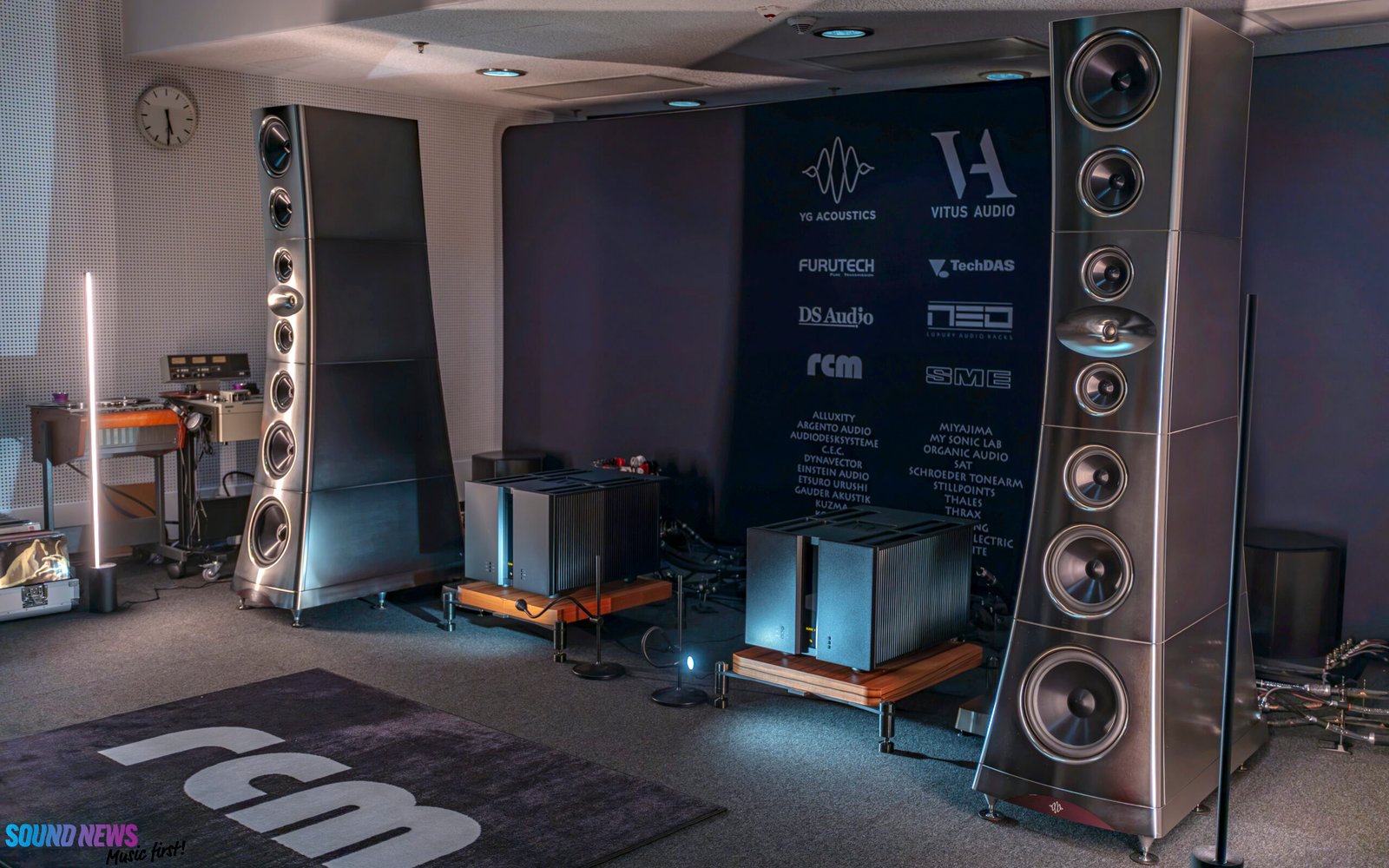
Audio Video Show Warsaw 2026: Best of Show, a Noteworthy Launch and Honorable Mentions

Introduction
Every year we leave Warsaw saying the same thing: it can’t get any bigger than this. And every year, the Audio Video Show politely proves us wrong.
The 28th edition took place from 23 to 25 October, once again spread across three venues: the PGE Narodowy stadium and the Golden Tulip and Radisson Blu Sobieski hotels, linked by a steady stream of free shuttle buses. The numbers speak for themselves. According to the organizers, 262 exhibitors brought almost 700 brands to 196 demonstration rooms, the highest number in the show’s history. The show welcomed 20,865 visitors over three days, another record, and 228 accredited journalists, 87 of them from international media. We were proud to be among them.
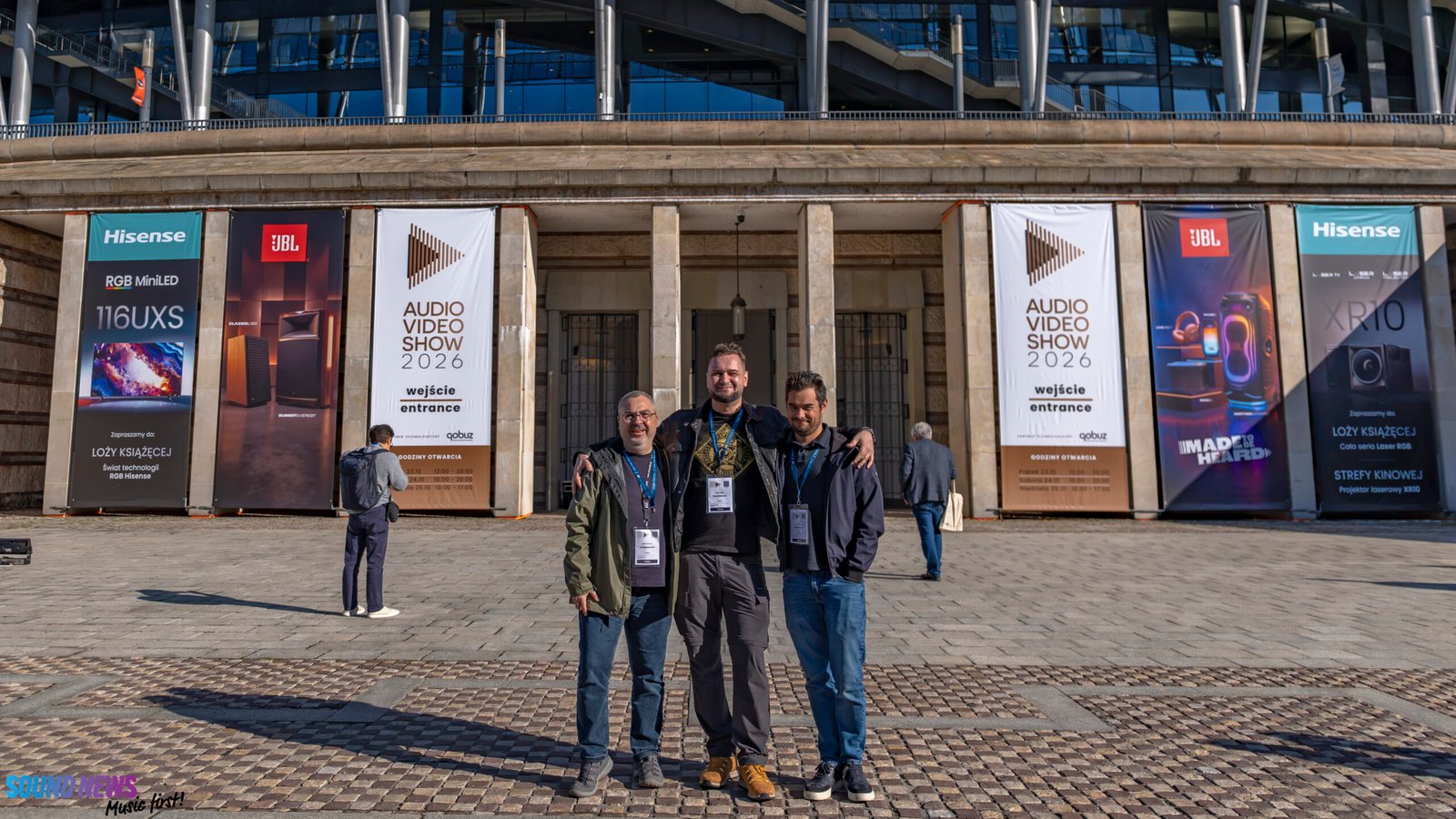
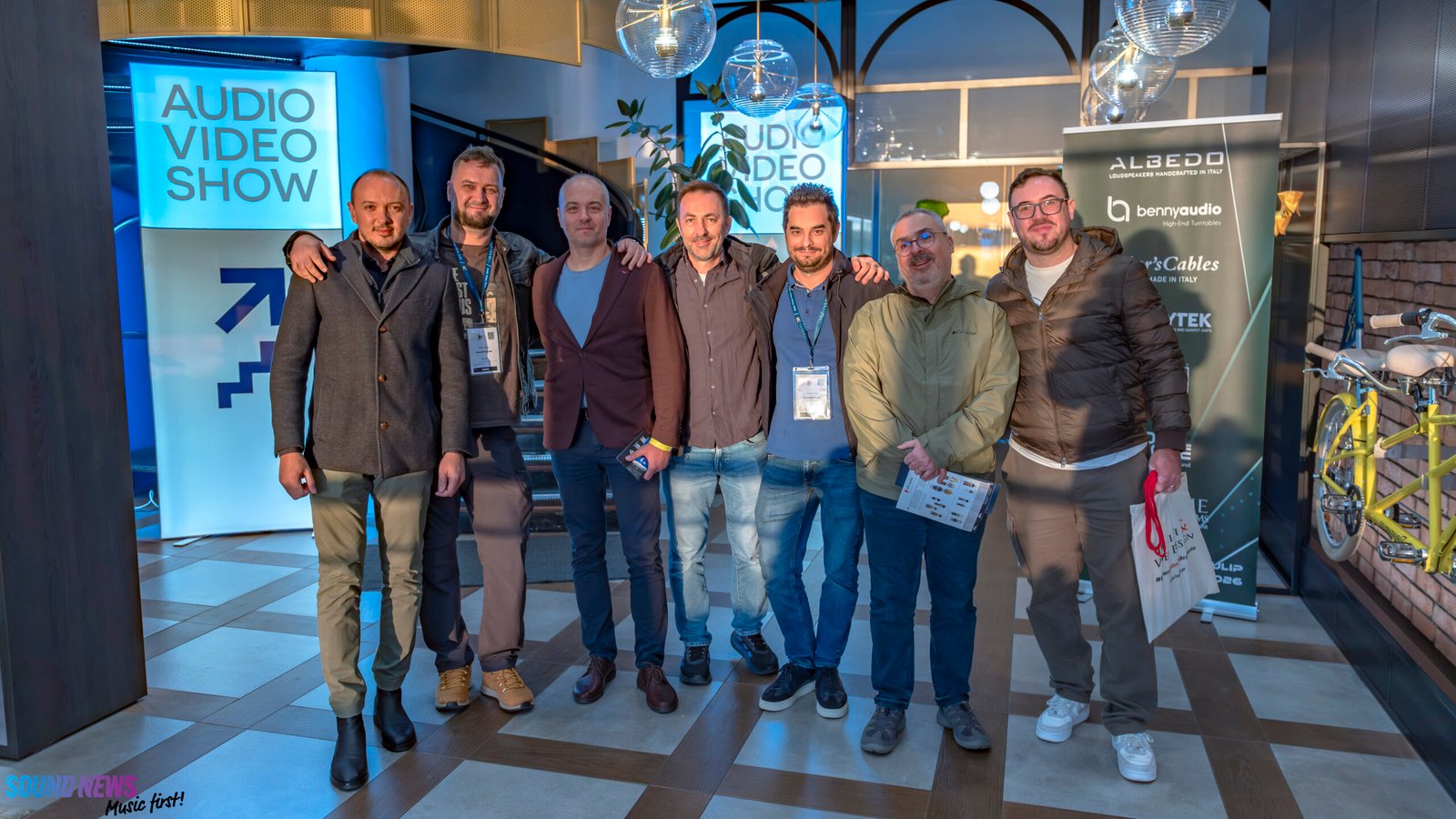
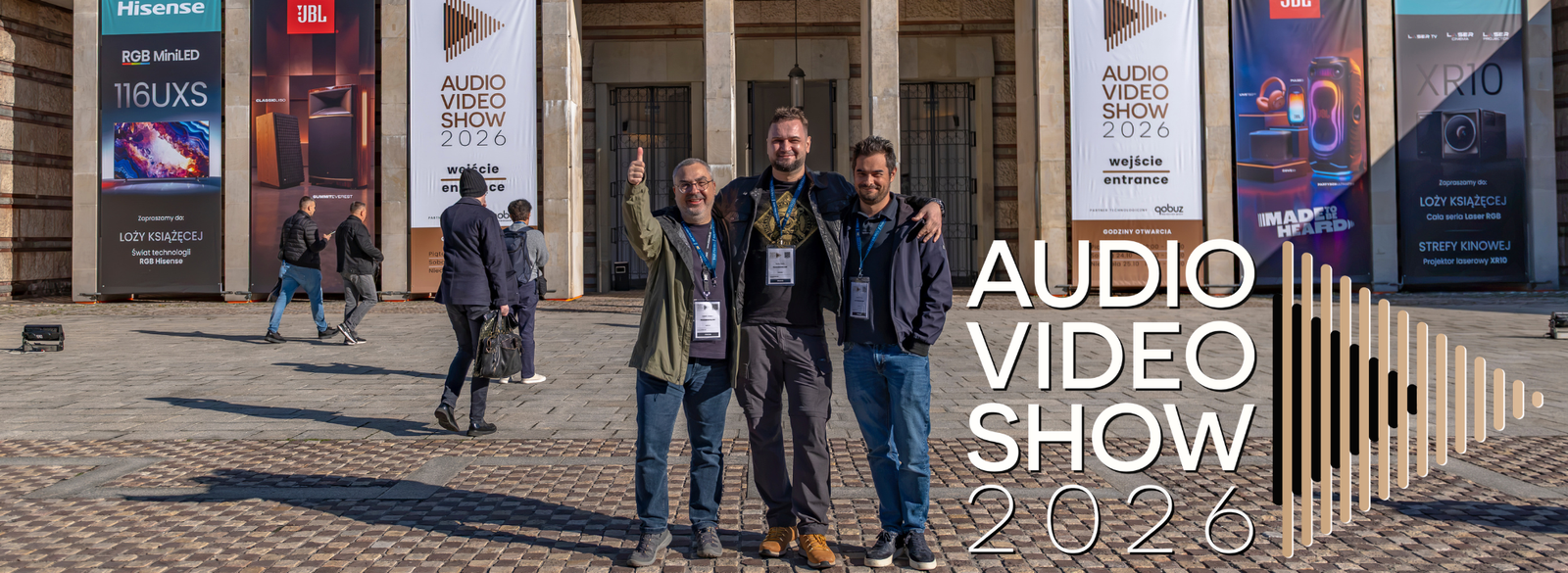
This year, Soundnews came to Warsaw as a team of three: Sandu, Cosmin (one half of the Hurba Brothers) and Catalin. Three people sounds like a lot until you look at a map of 196 rooms and realize that, even split three ways, it is still more music than three days can hold. So we did what any sensible team would do. We divided the stadium and the hotels between us during the day, then met every evening over Polish beer and pierogi to compare notes, swap recommendations, and send each other back to the rooms we couldn’t stop talking about.
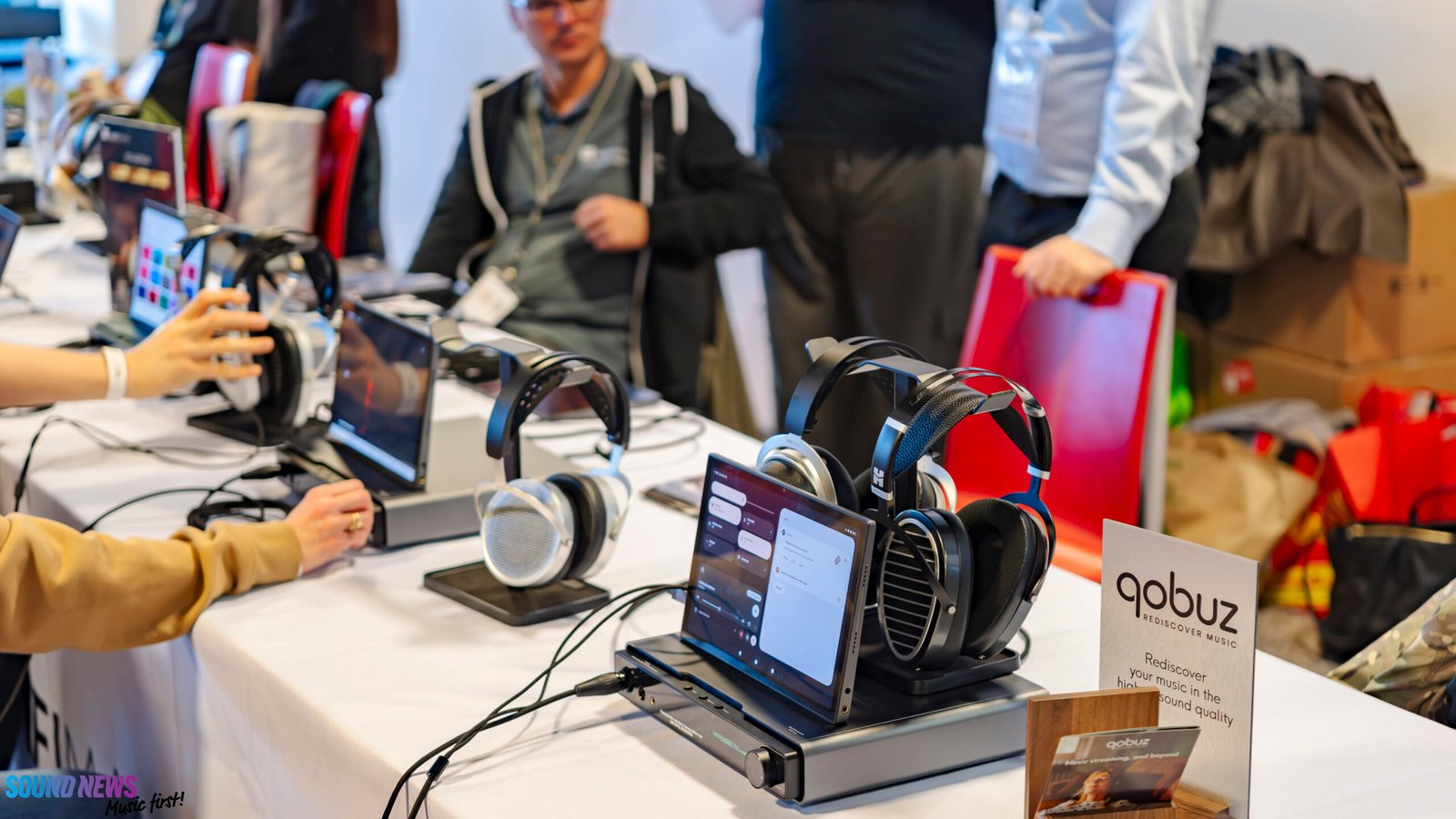
What struck us most this year was not only the size. It was the maturity. The show felt better organized than ever, with clearer signage, a show guide that actually helped, a vinyl fair that kept growing, and a Headphone Zone with more than 50 manufacturers and distributors. The newly opened upper floor of the stadium, which still felt a little empty last year, was full of life. And the level of ambition in the big rooms went up again. Warsaw hosted the most expensive system ever presented publicly in Poland, and several others in the same stratosphere.
But the real secret of the Audio Video Show has not changed, and we hope it never will. It is the audience. Young, curious, patient people who queue at the door of a room, sit in silence for a whole track, and then stay in the corridor to argue about what they just heard. That energy is contagious, and it is the reason we keep coming back. One last word before we start. Three of us traveled to Warsaw, but this report speaks with a single voice. Every room on the following pages was heard by more than one of us, and every choice was debated, sometimes loudly, until all three of us agreed. Who typed which paragraph no longer matters. What you are reading is what Soundnews heard, and what Soundnews stands behind.
Best of Show
Ubiqaudiolab and Wilson Audio Autobiography

Some rooms impress you with a price tag. A few impress you with a sound. Very rarely, a room impresses you with both, and then with something you did not expect at all: care. The Ubiqaudiolab room in Paris B, at the PGE Narodowy stadium, was all three, and when the three of us sat down to choose our Best of Show, it took about thirty seconds.
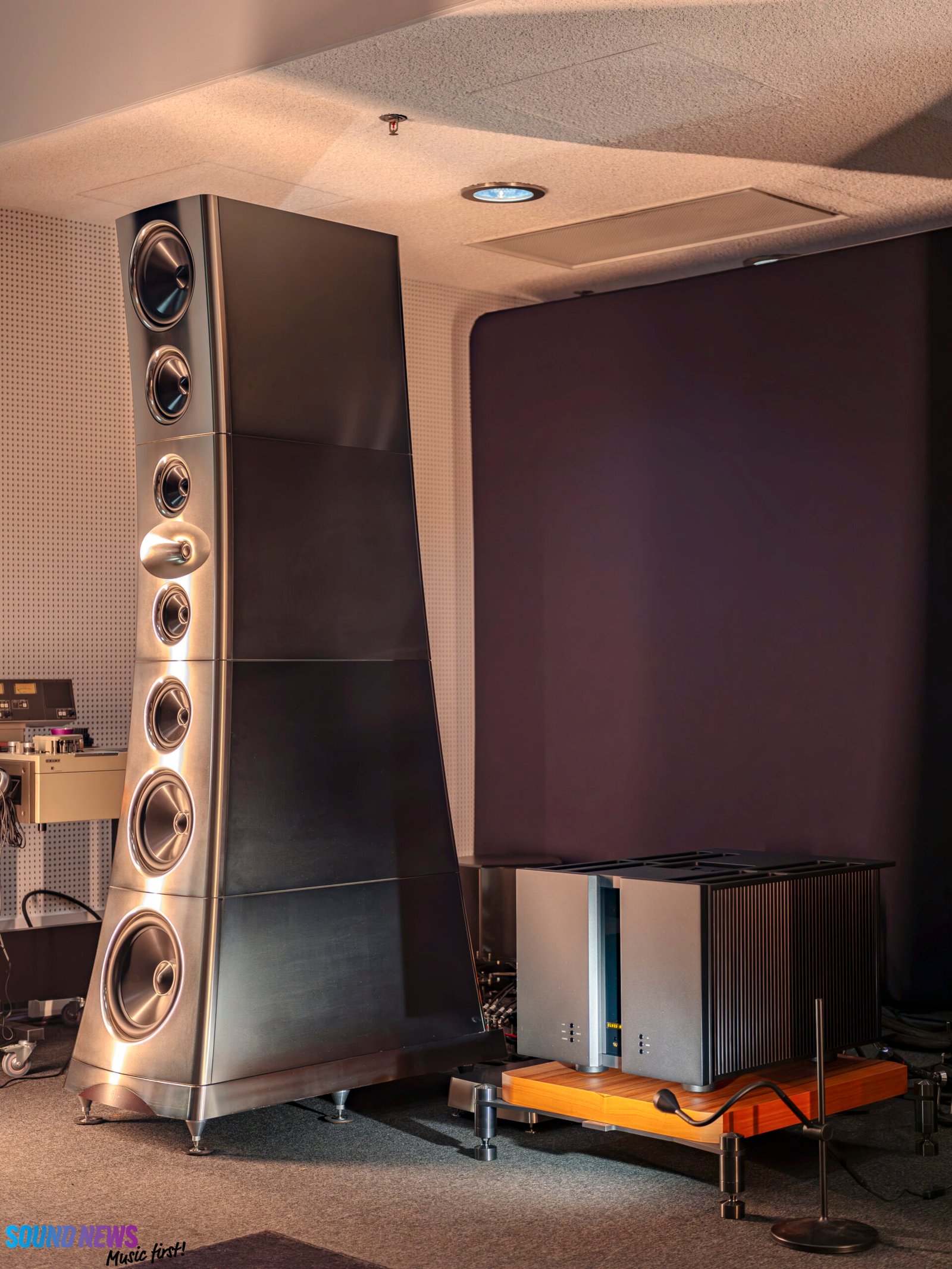
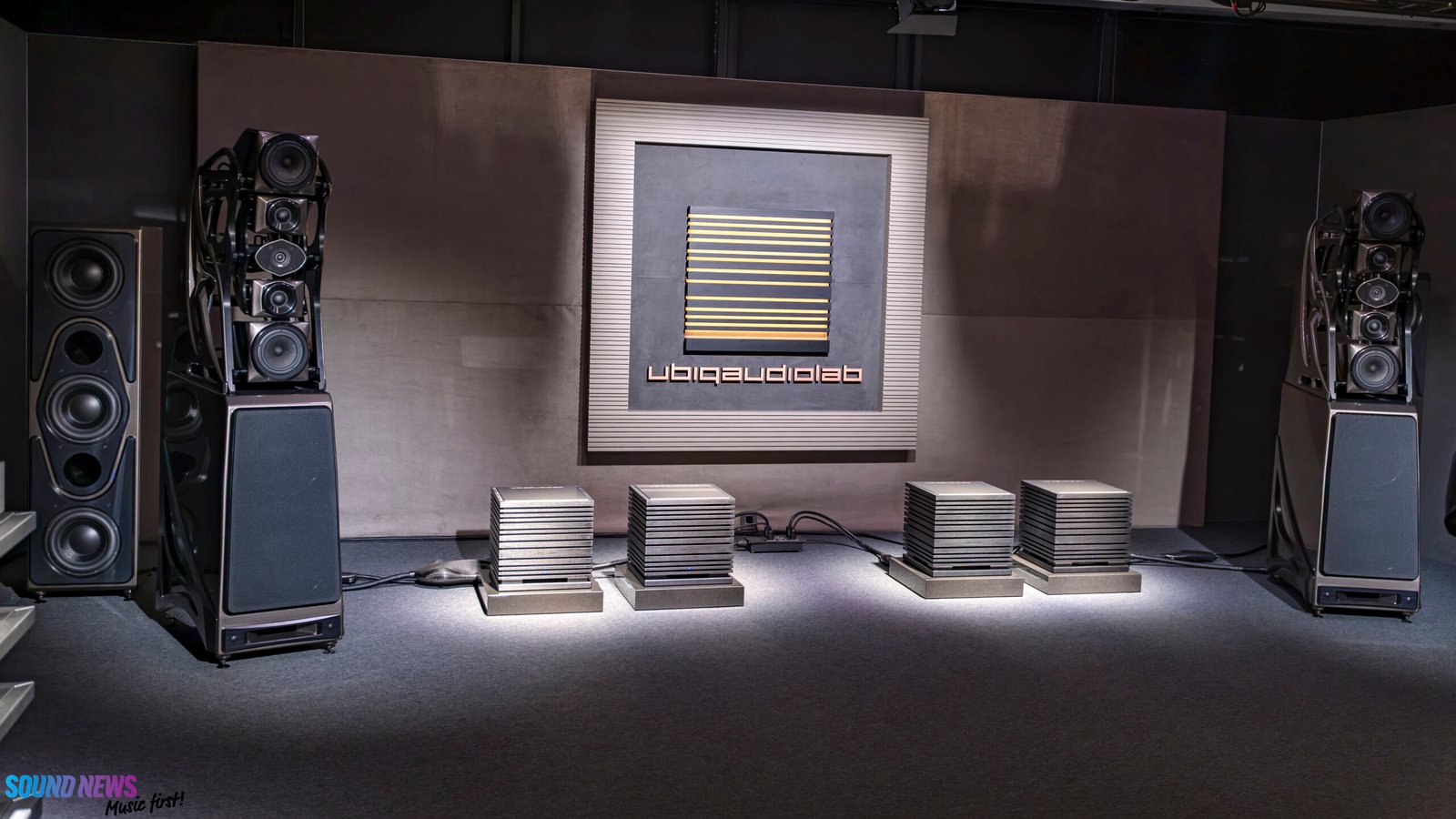
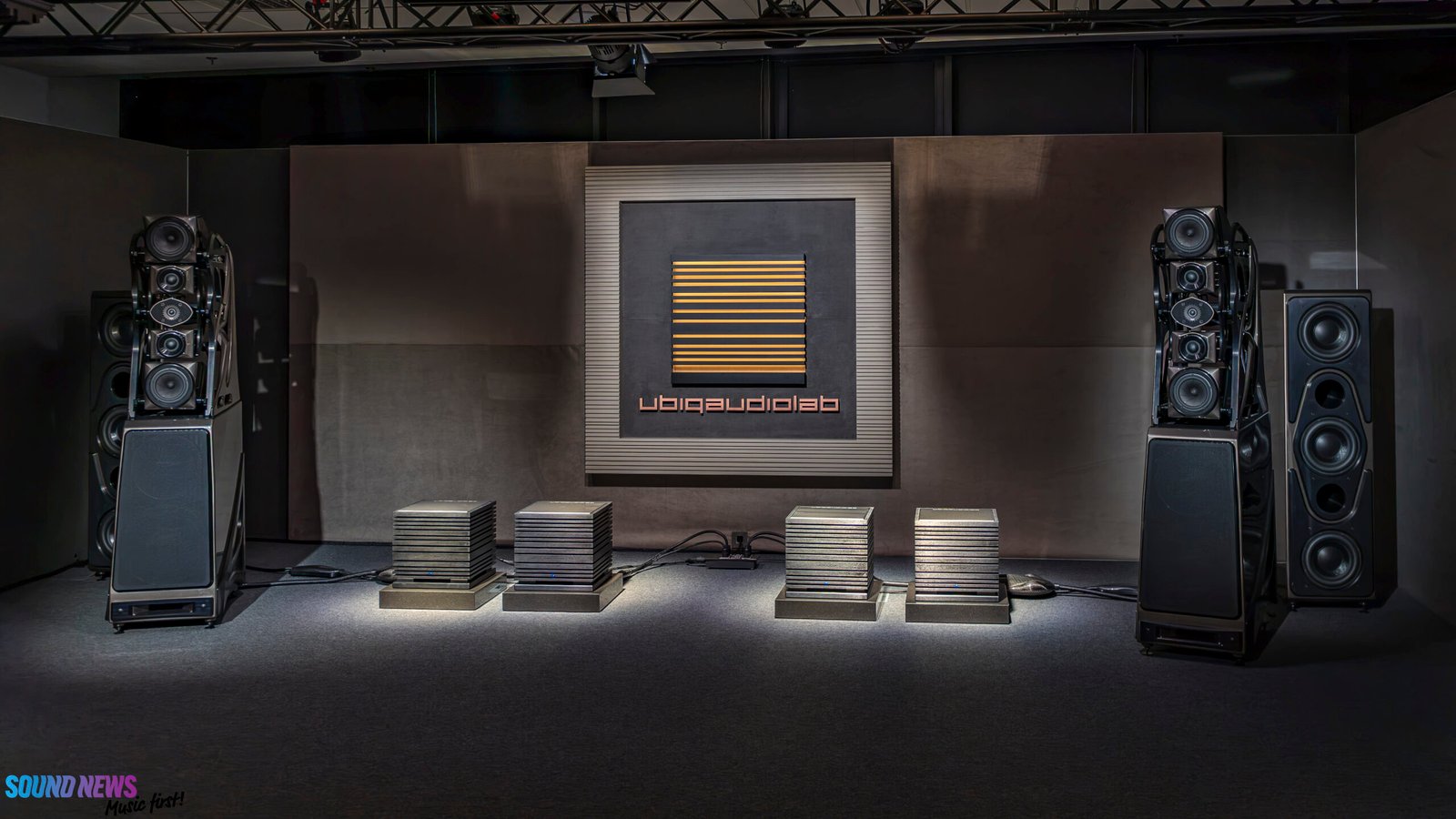
On paper, this was the most expensive system ever presented publicly in Poland, valued at around PLN 10 million (roughly €2.3 million). It was also the first time Wilson Audio’s new flagship, the Autobiography, played in a fully working system at a show. In Vienna, earlier this year, it had only been on static display. And it was the world premiere of the Slovenian company’s new collection of amplifiers.
A room inside a room
The first thing you noticed, before a single note played, was the room itself. Or rather, the room inside the room.
The space Ubiqaudiolab was originally given was not ideal for a system of this scale, so they built their own. A metal framework, clad in an acoustically transparent fabric with an Alcantara-like finish, created a completely independent listening room within the exhibition space. All the acoustic treatment lived in the cavity between the original walls and the new structure, invisible to visitors. Above the listening area, carefully calculated diffusers controlled the reflections from the existing ceiling.
The aesthetic concept, the interior construction and the visual identity were designed by Akrapovič Kreativa, working closely with Igor Kante of Ubiq Audio Lab. The acoustic design and engineering were handled by Absolute Sounds, the renowned UK distributor. The whole room was first built and tested in Slovenia, then dismantled, transported to Warsaw and reassembled on site in less than 24 hours, after two months of planning.
You could feel the result the moment you sat down. The room was quiet, controlled, and calm in a way showrooms almost never are. The 40-person limit at each planned audition also helped a lot with the sense of representation, the quietness, and the uniqueness. Even the lights dimmed in sync with the music’s start. It sounds like theatre, and in a way it was. But it was theatre in the service of listening.
Ubiqaudiolab: a new name to remember
If you have not heard of Ubiqaudiolab yet, you will. The company is based in Ljubljana and is part of the Akrapovič Group, the Slovenian name best known for high-performance exhaust systems for motorcycles and cars. Igor Akrapovič, himself a passionate music lover, was there in person, and it was clear how much this project means to him. The brand’s logo even echoes the dragon from Ljubljana’s coat of arms.
Warsaw saw the launch of a complete collection:
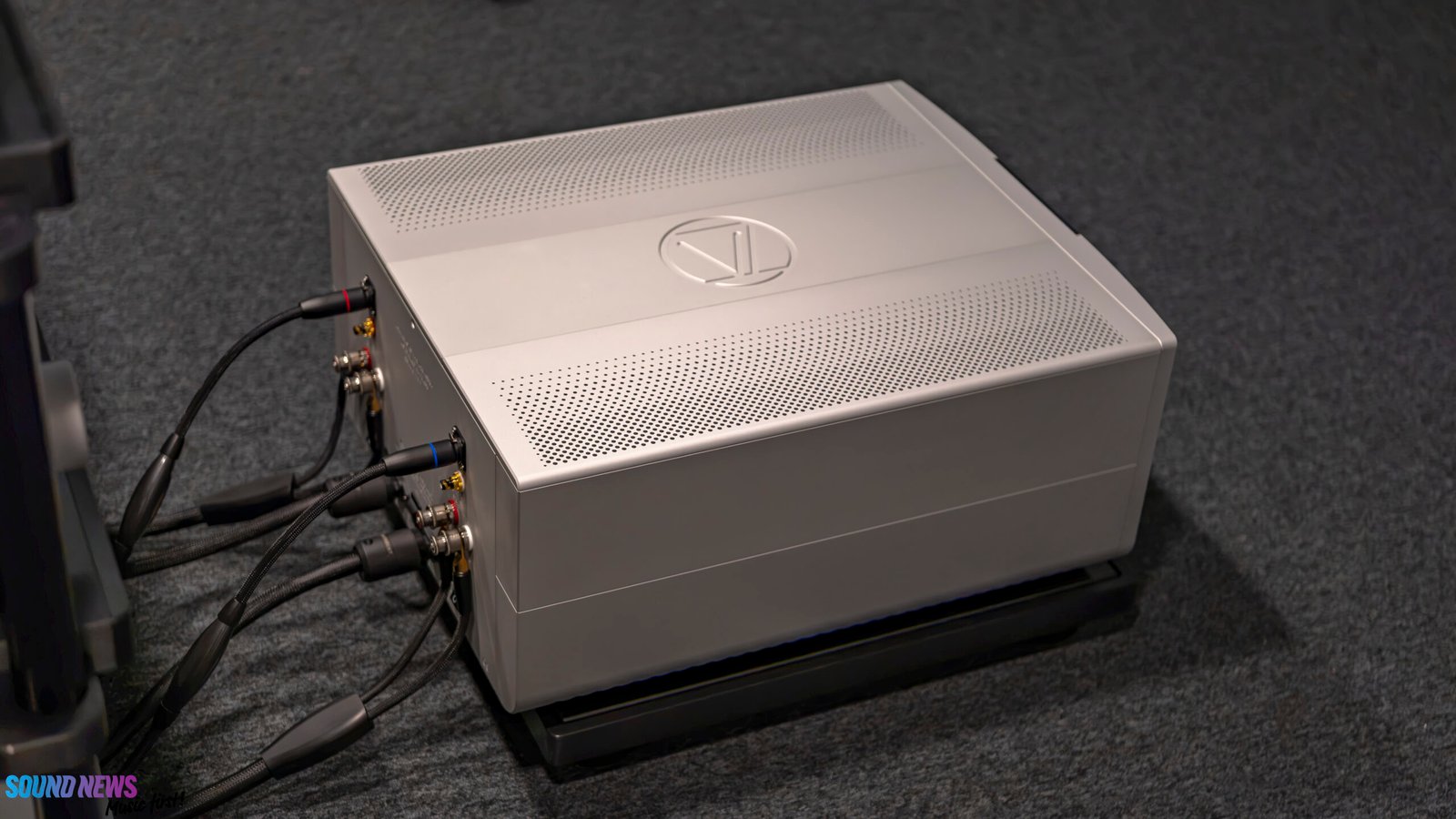
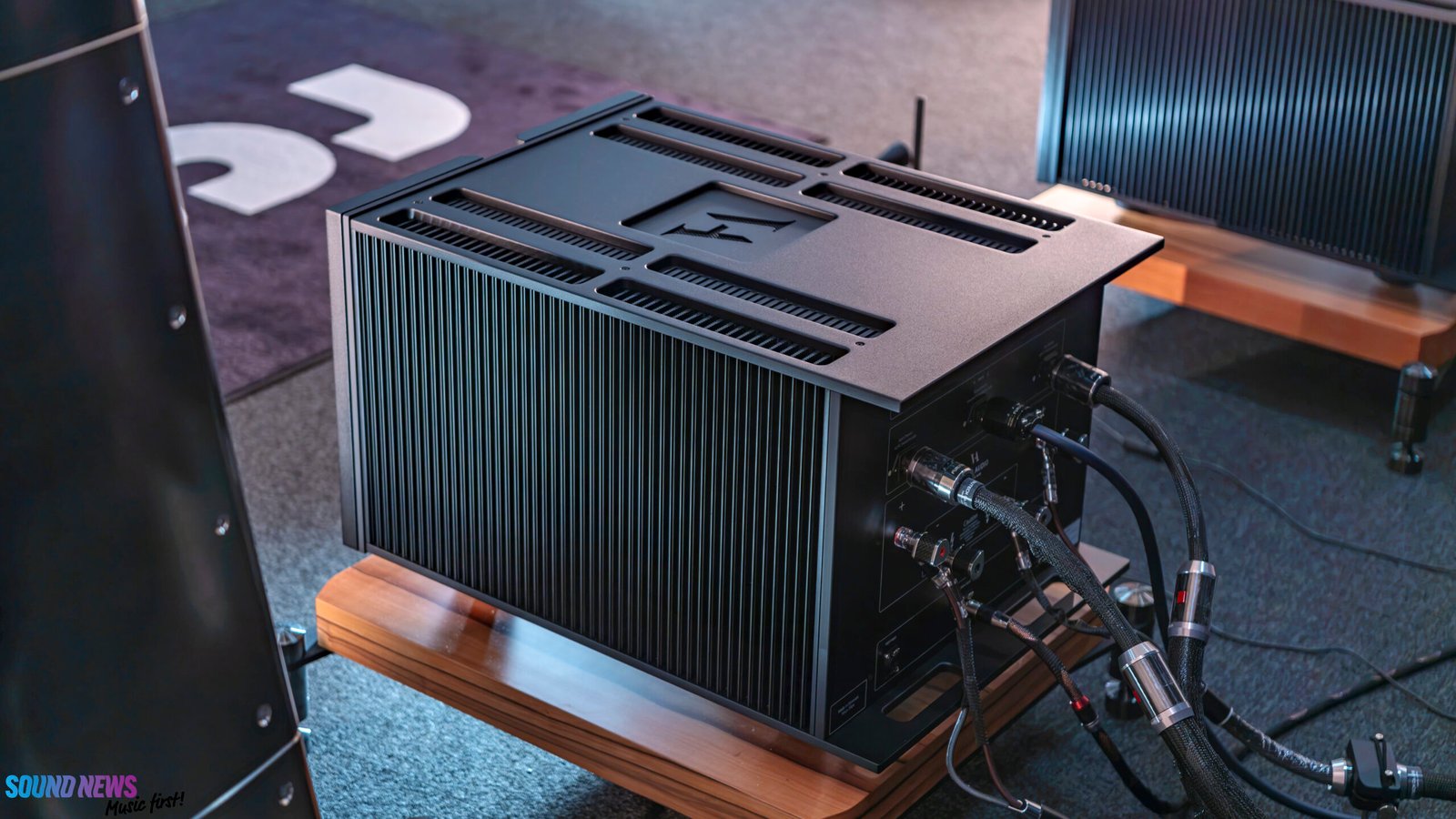
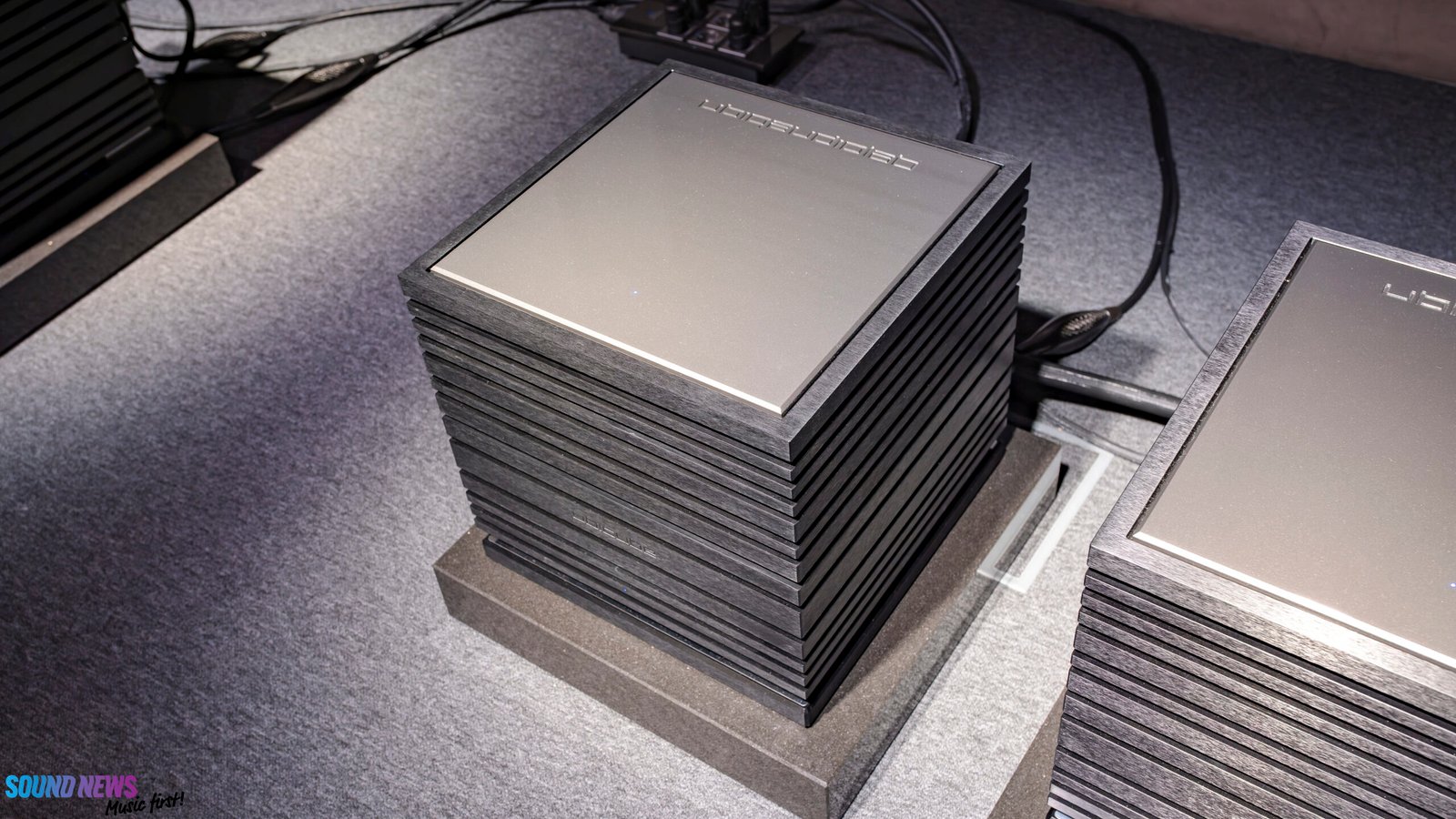
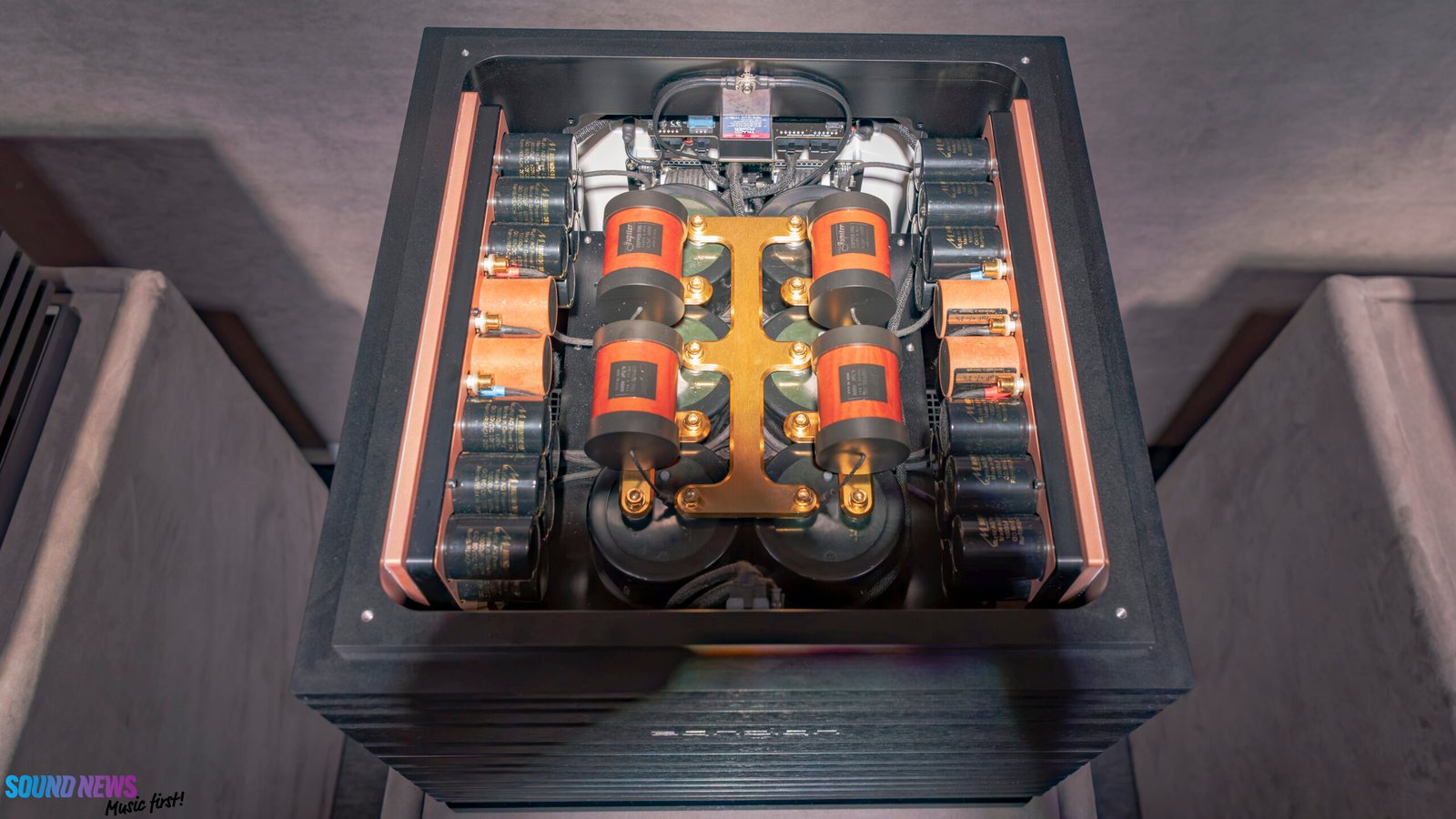
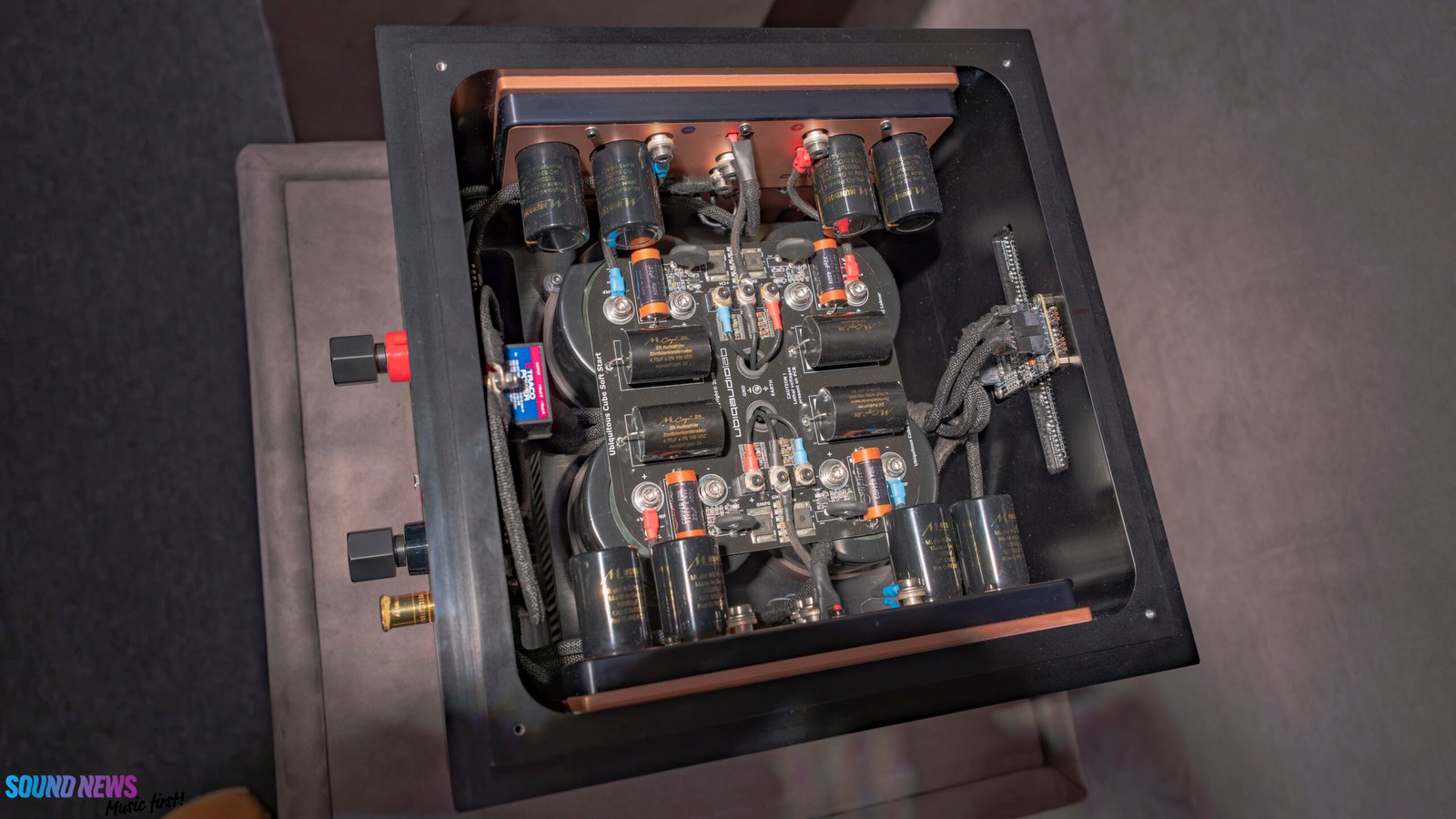
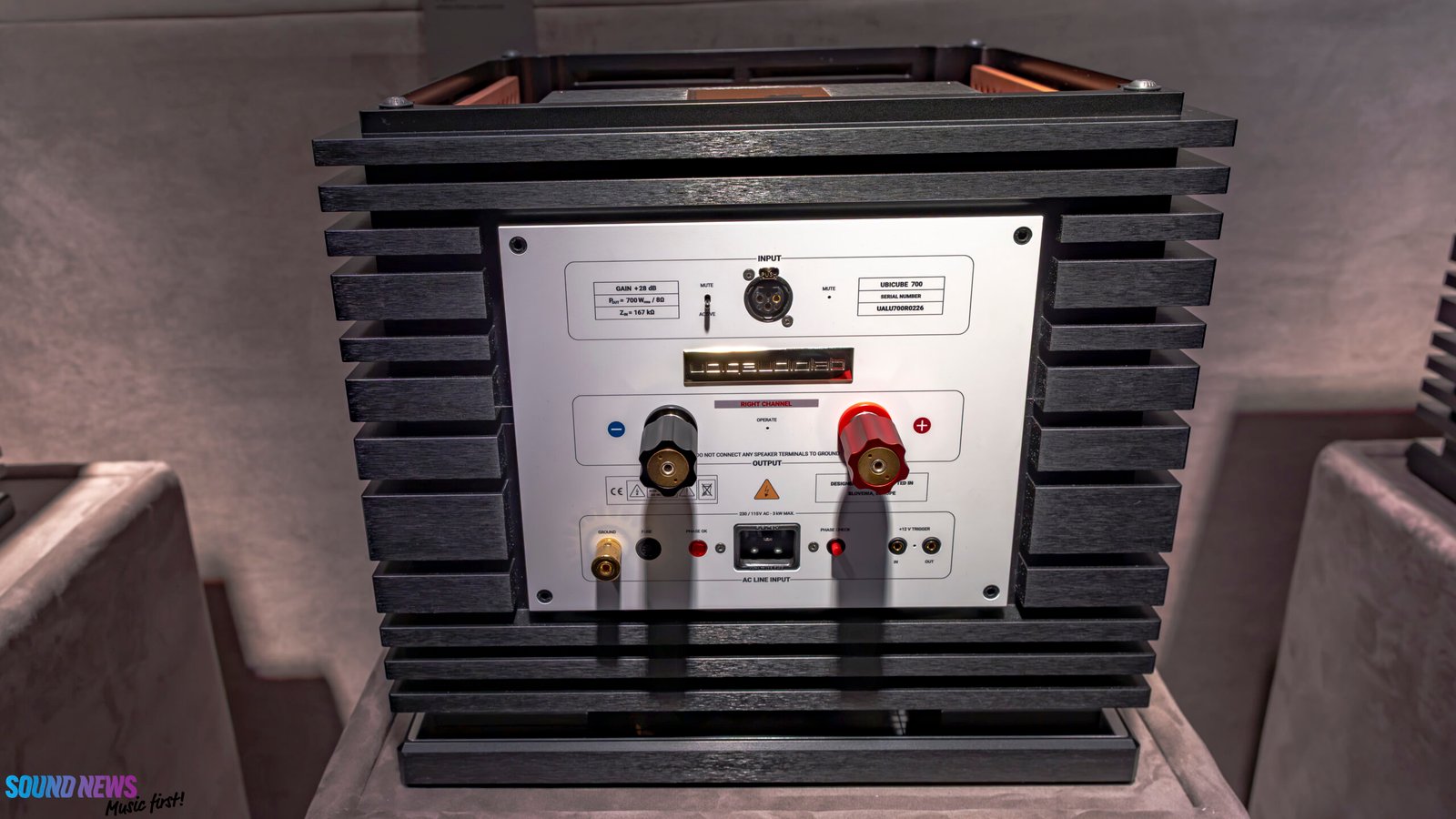
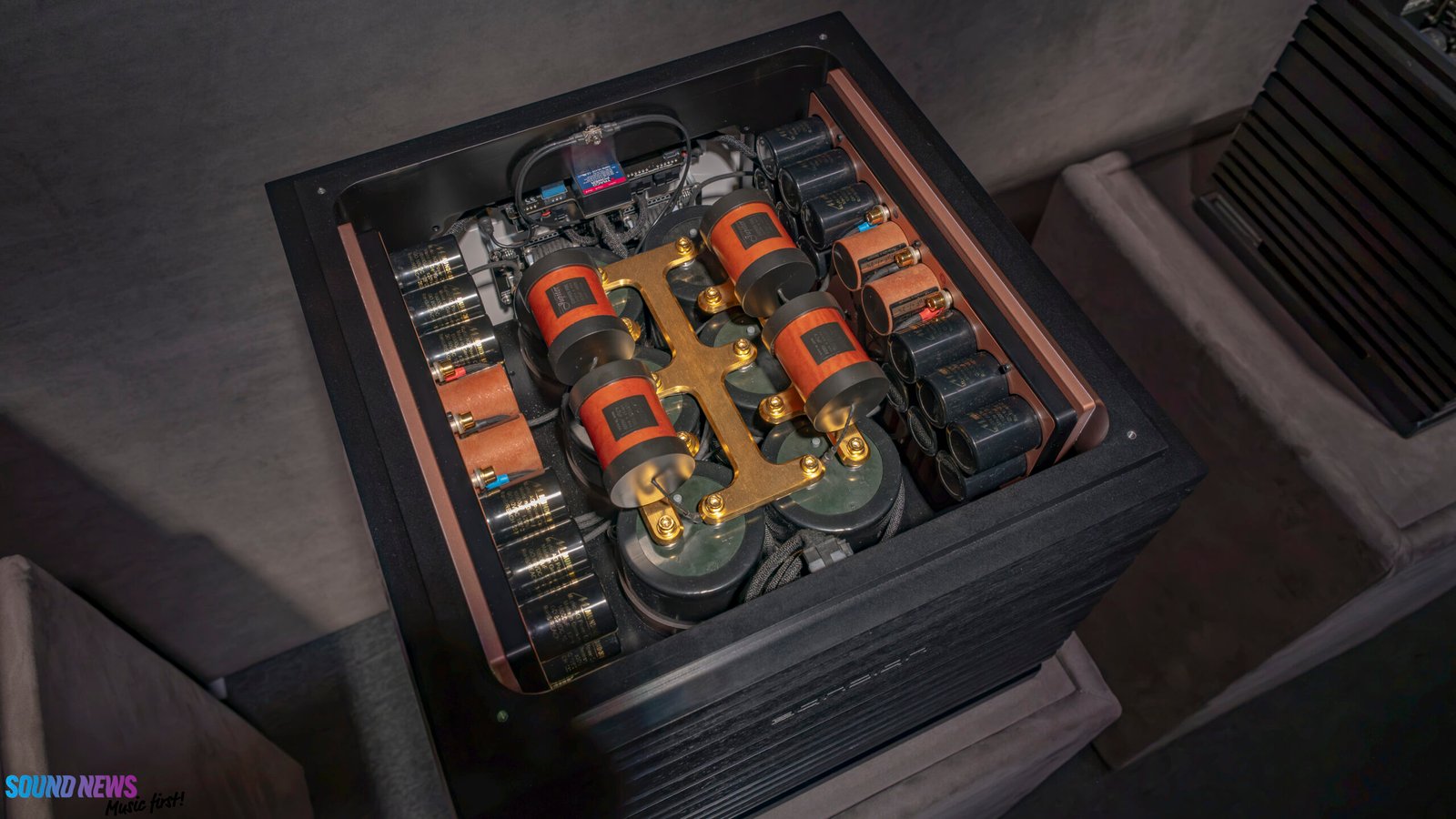
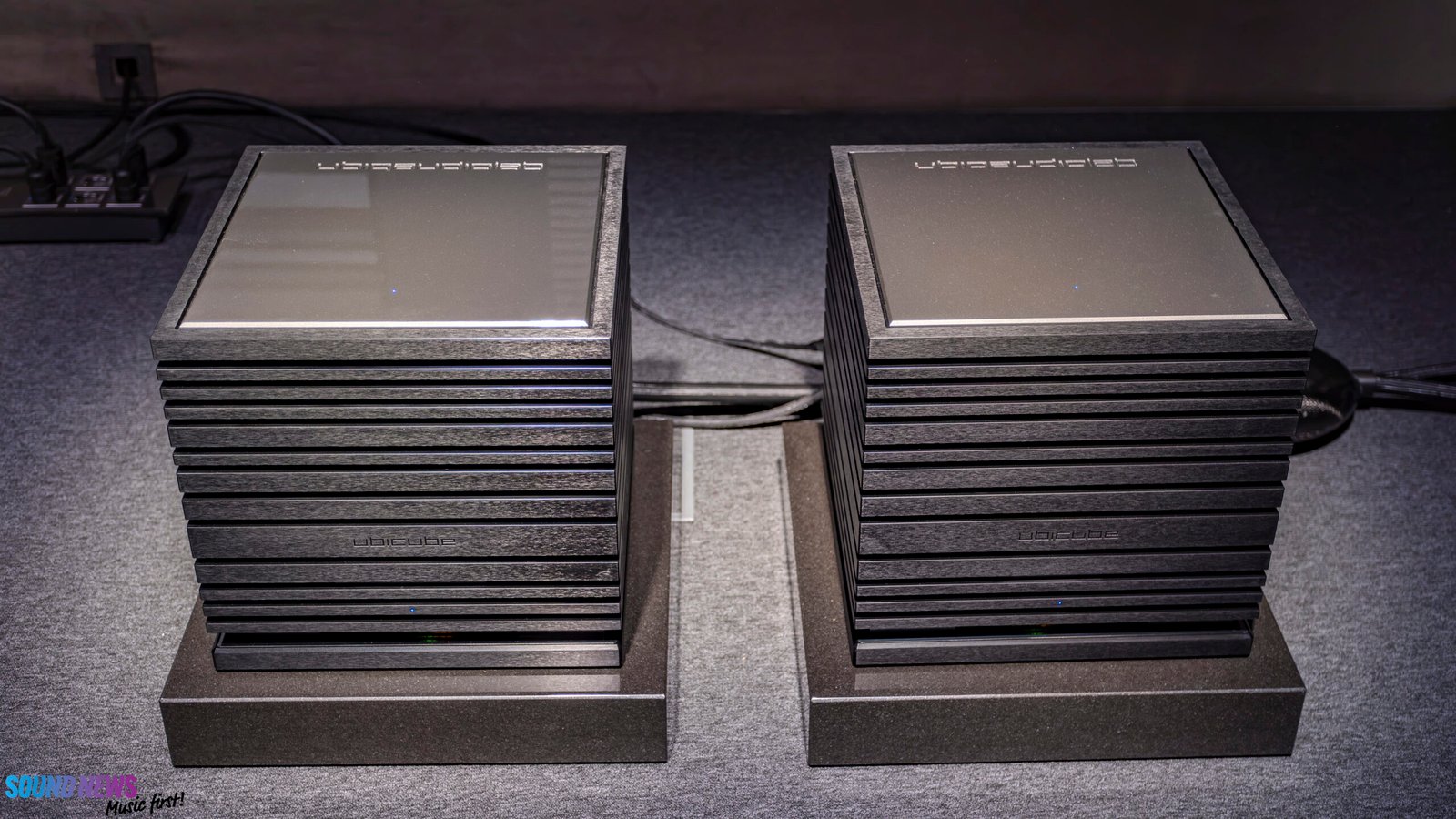
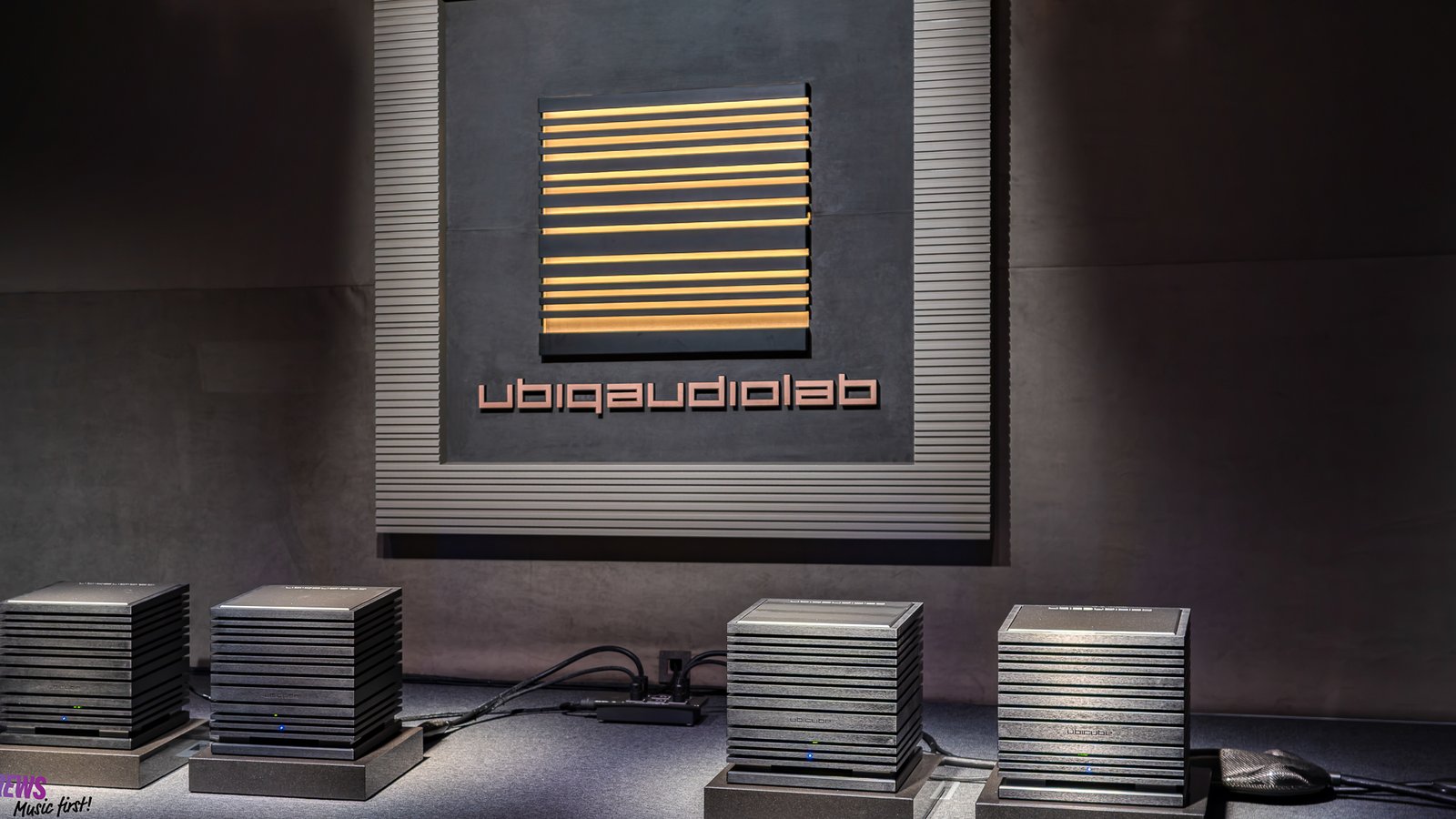
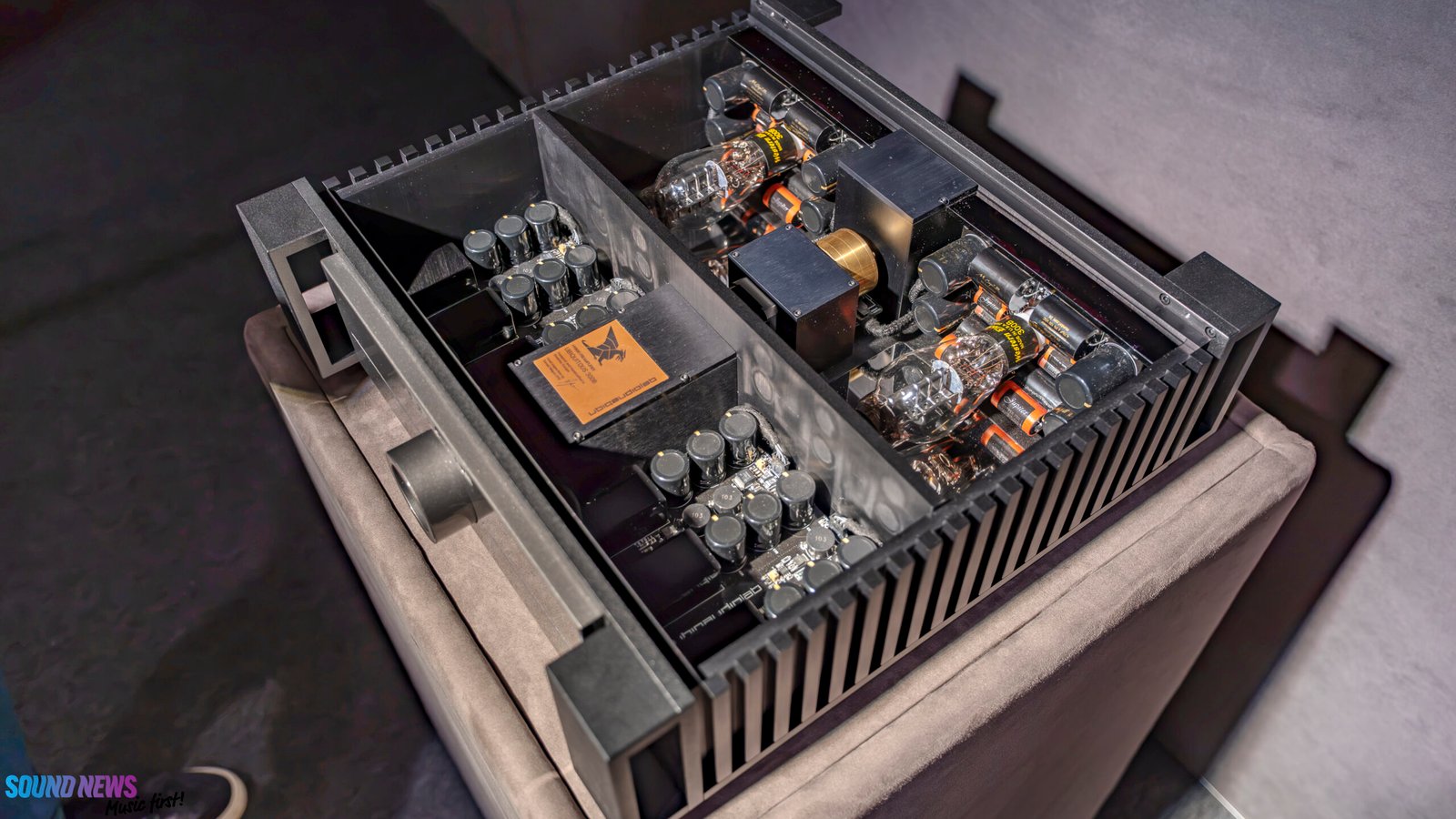
- Ubicube 700, the flagship mono power amplifier: 700 W into 8 ohms, 1,200 W into 4 ohms and 2,000 W into 2 ohms, in a bridged monoblock configuration, with a DC-coupled, fully symmetrical J-FET class A input stage and a high-bias class A/B output stage built on hand-matched (1%) lateral MOSFETs. The solid aluminum monocoque chassis measures 432 mm on each side and weighs 101 kg. Inside, an oversized Mundorf capacitor bank and Jupiter and Duelund copper-foil capacitors, and on the outside, a 73 dB-range VU meter that stays invisible until the amplifier is switched on. €190,000 per pair.
- Ubicube 400 (400 W into 8 ohms, 47 kg, €135,000 per pair) and Ubicube 200 (200 W into 8 ohms, 28 kg, €90,000 per pair), the same architecture in smaller cubes.
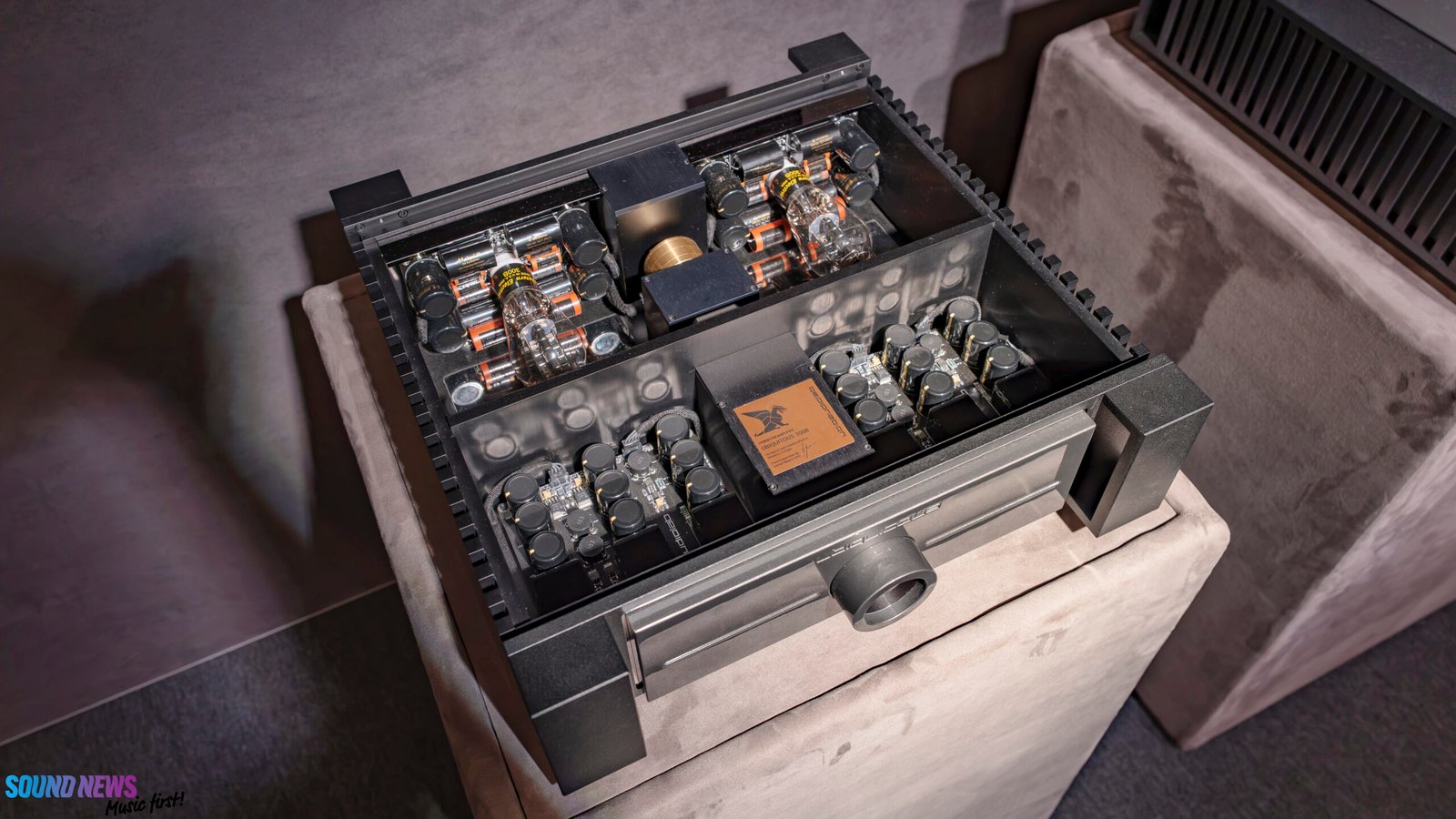
- Ubiquitous 300B preamplifier: a dual-mono class A design with a single current-producing Western Electric 300B per channel, used in a single-ended intermediate gain stage, after a fully balanced J-FET class A input. Volume is handled by an ALPS RK501 potentiometer, driven by a stepper motor in 330 steps of 0.3 dB each. Five balanced inputs, two variable and one fixed balanced output. €75,000.
These are not shy objects. The Ubicube is a sculpted aluminum cube with a hand-brushed finish worthy of a fine watch, and the preamplifier has a single central rotary control and nothing else to distract you. Very Slovenian, very precise, very confident.
The system
- Digital source: dCS Varèse digital front end, Antipodes Oladra server and player via USB
- Analog source: Döhmann Helix One turntable, Reed 5T tonearm, Analog Relax EX1000 cartridge, HSE ML7 phono stage
- Preamplifier: Ubiqaudiolab Ubiquitous 300B
- Power amplifiers: four Ubiqaudiolab Ubicube 700, two for the main loudspeakers and two for the subwoofers
- Loudspeakers: Wilson Audio Autobiography, with two Wilson Audio Subsonic subwoofers and the Wilson Audio XO crossover low-passing the subwoofers, while the Autobiography ran full-range
- Cabling: Transparent Audio Magnum Opus interconnects, loudspeaker cables, and power cables throughout
- Support: Finite Elemente Pagode racks
Music, served with intention
One more detail made this room different from almost every other at the show. Instead of the usual playlist of demo tracks, Ubiqaudiolab hosted a series of 40-minute “Music Tasting” sessions, led by the Italian music critic Marco Cicogna.
Based in Rome, Marco has been writing monthly classical music reviews for the Italian magazine Audio Review since 1989. He is accredited with the Orchestra dell’Accademia Nazionale di Santa Cecilia, reviews Berlin Philharmonic recordings for Italian audiences, and still attends concerts in many of Europe’s great halls every season. In other words, he knows exactly what the real thing sounds like.
His program in Warsaw moved from intimate solo piano to jazz trios, male and female voices, big band, film scores, choral works and full symphonic music, with a special focus on Chopin, a lovely tribute to the city hosting the show. The point was not to show off the system. It was to let the system show the music.
How it sounded
We can not separate the sound from the whole representation, because it was a spectacle, a fantastic event, and we’ve seen two sensational actors on the stage: Marco Cicogna and Ricardo Franassovici (Absolute Sounds Chairman). Marco enlightened us with extraordinary examples of real instruments played by the most acclaimed musicians, and Ricardo turned it into a live show where the music stood for what it was, not the recording quality. With his never-ending exuberance, Ricardo danced, sang, and enthralled the audience like no one else.
We have heard many big Wilsons over the years, and many big systems that impressed us for five minutes and tired us in ten. This one did the opposite. The longer we stayed, the less we thought about the equipment. And that alone is the biggest appreciation one can give to a state-of-the-art system. The first thing was scale without strain. The Autobiography, helped by the Subsonics, filled the room with a sense of size that felt natural rather than forced. An orchestra was the size of an orchestra, with real depth behind the speakers and air between the sections. And yet a single piano, in one of Marco’s Chopin selections, was not inflated into something it was not. It stayed a piano, in a room, with the decay of every note fading slowly into a completely black background.
The second thing was the midrange. There was a warmth and a density to voices that we did not expect from 2,000-watt amplifiers, and we suspect the Western Electric 300B in the preamplifier had a lot to do with it. Voices had chest, breath, and presence, without any softness or veil. You can feel the absolute effortlessness of the system, something we never heard before at this level of performance. The sound was truly free of any restraints, of any boundaries; probably this is primarily the place from which all this naturalness came. Truly outstanding, this system was the best system we ever heard at any show.
And then there was the vinyl. The Döhmann Helix One, Reed 5T and Analog Relax EX1000 chain was, quite simply, one of the most convincing analog sources any of us has heard at a show. The sense of flow, the natural timbre and the way the music seemed to breathe on its own made it hard to go back to digital, even with the excellent dCS Varèse waiting in the rack. It is easy to be cynical about a PLN 10 million system. But here, every decision, from the room to the music, served one purpose: to bring the listener closer to the performance. That is exactly what high-end audio is supposed to do. Our Best of Show, without hesitation.
ZenSati with Acapella Sphäron Excalibur, Energèia and MSB

ZenSati, the host of London B
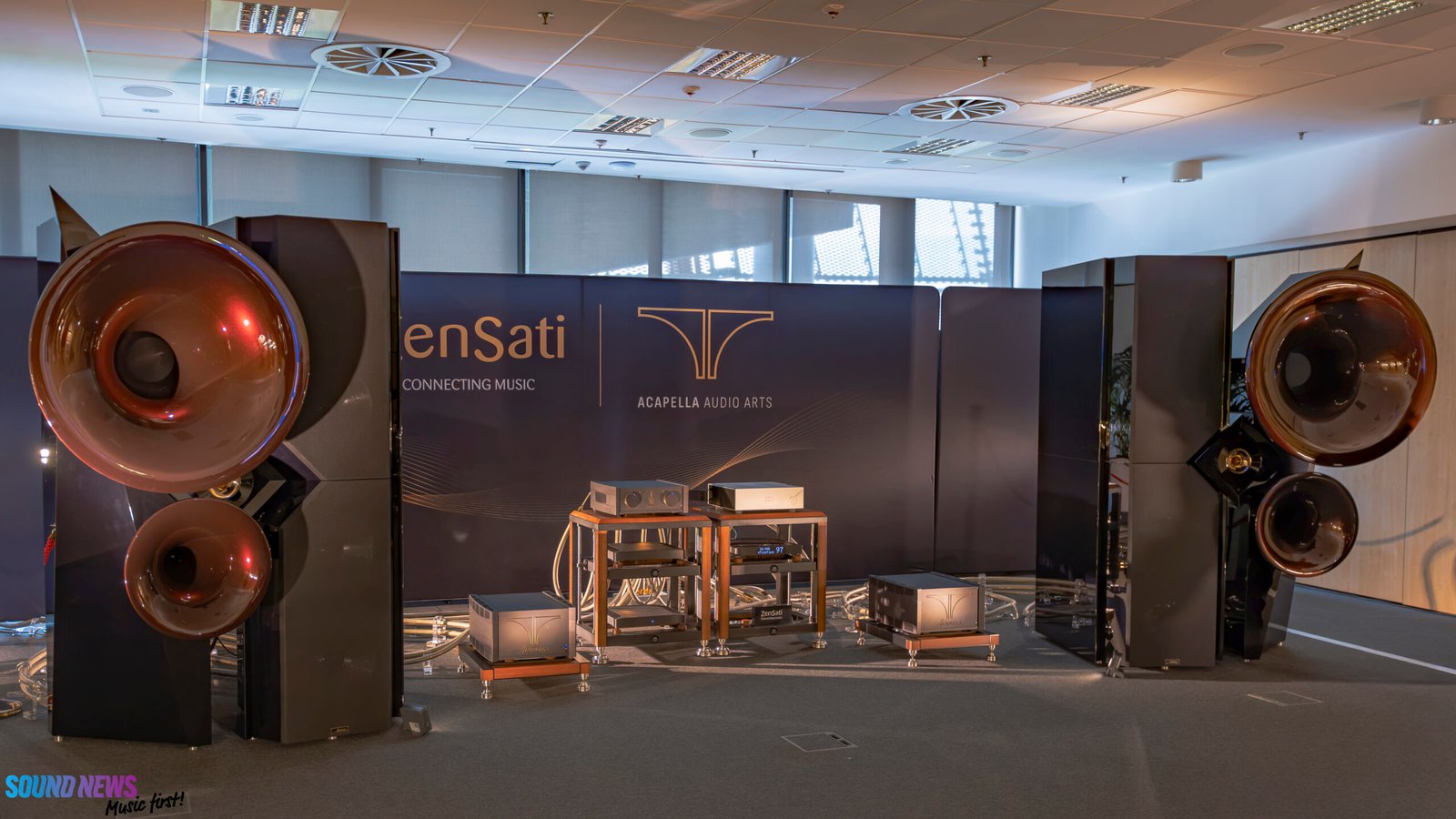
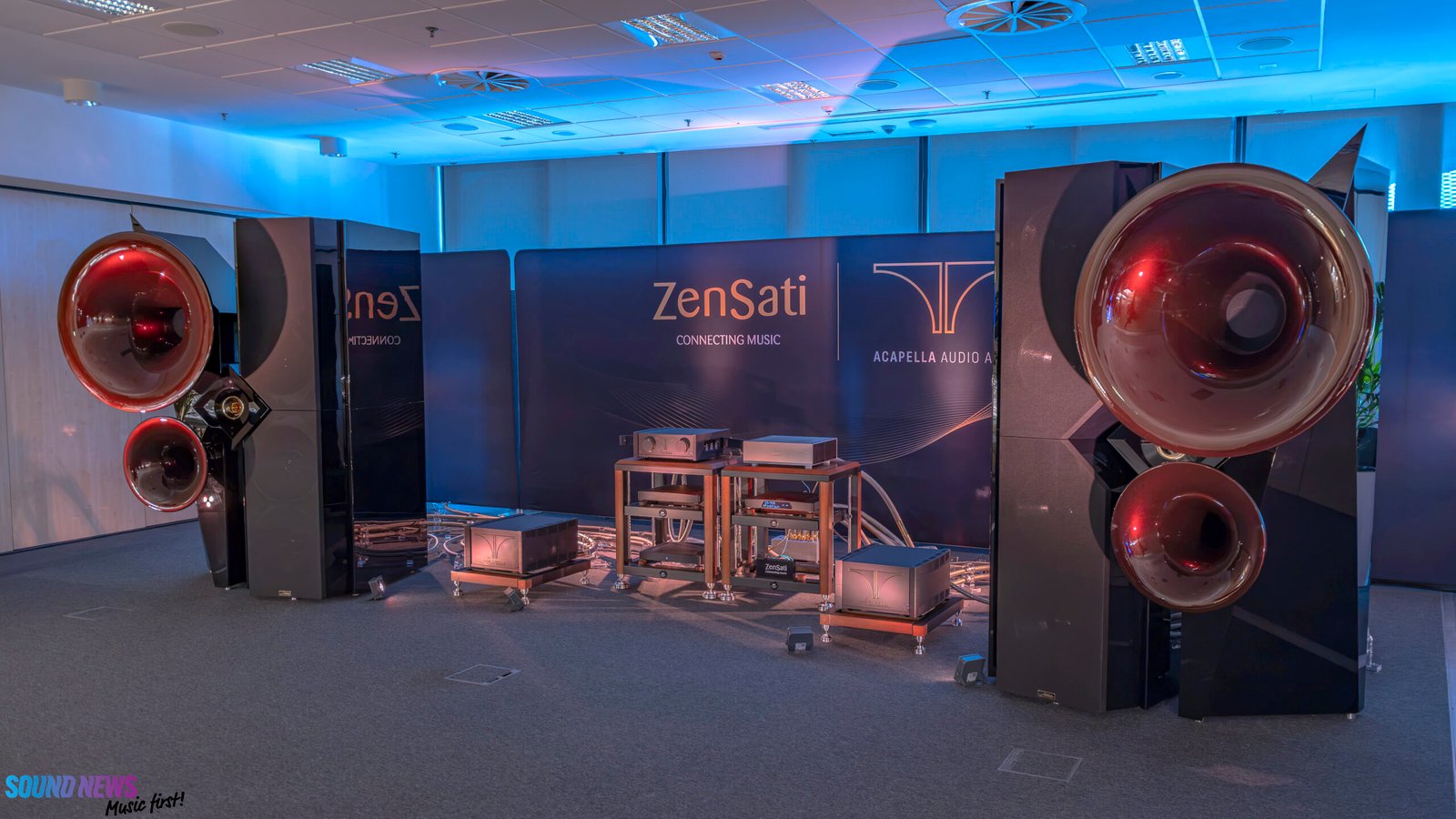
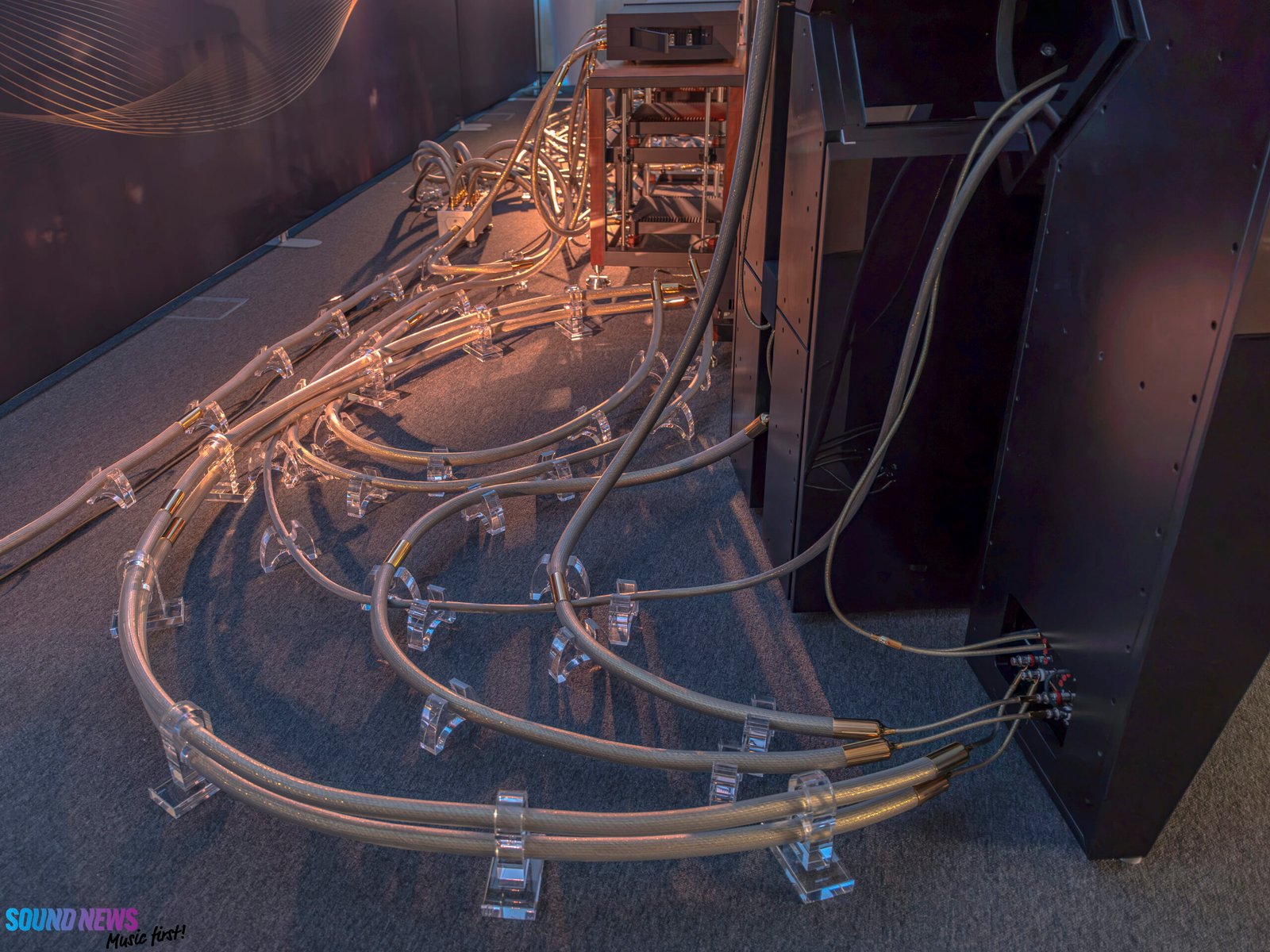
ZenSati, the awesome Danish cable maker, hosted the London B room at PGE Narodowy. Its cables were in several rooms of the show, at the stadium and at the Radisson Blu Sobieski. In London B, ZenSati cabling connected every component of the system built around the Acapella Sphäron Excalibur.
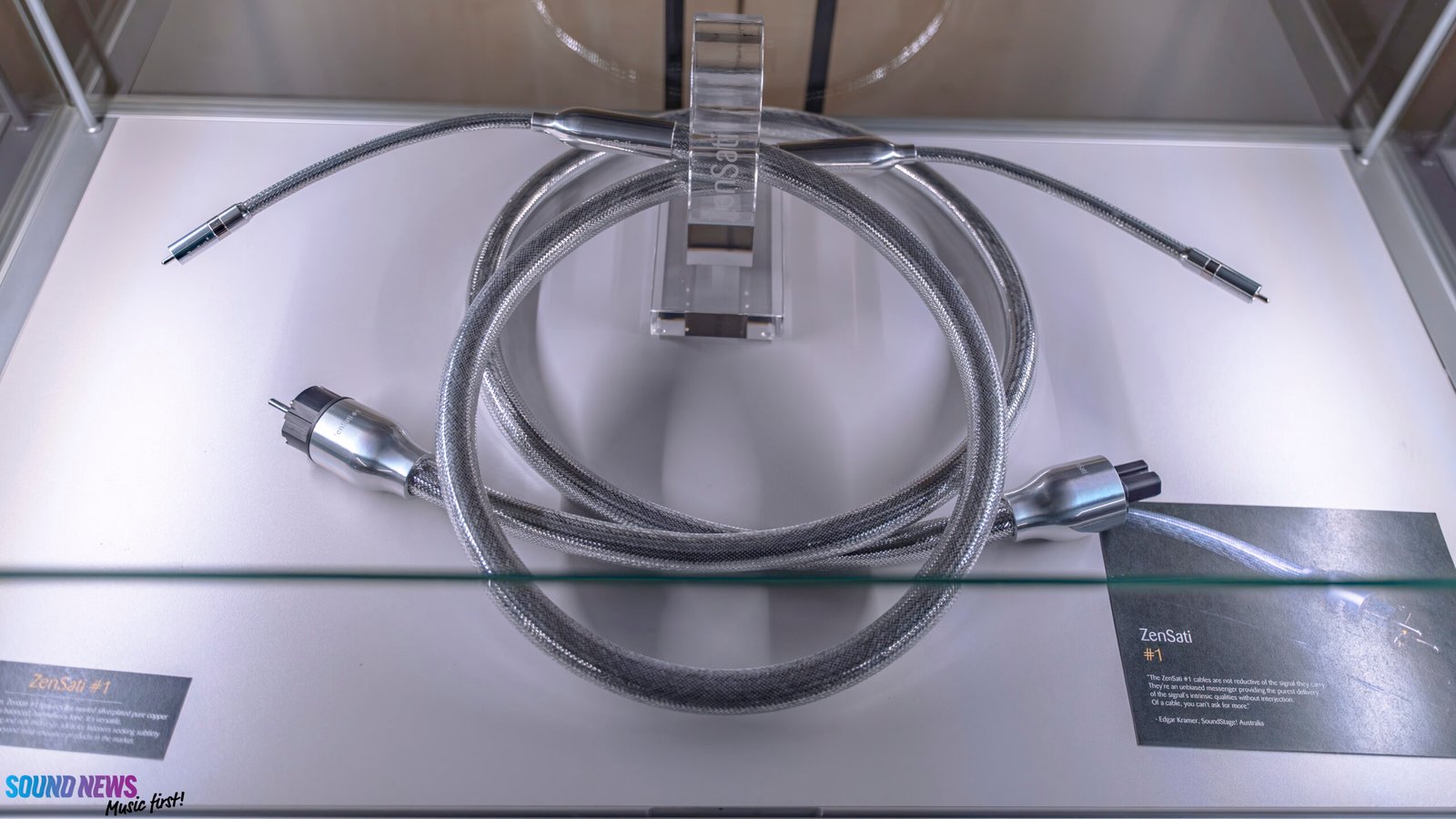
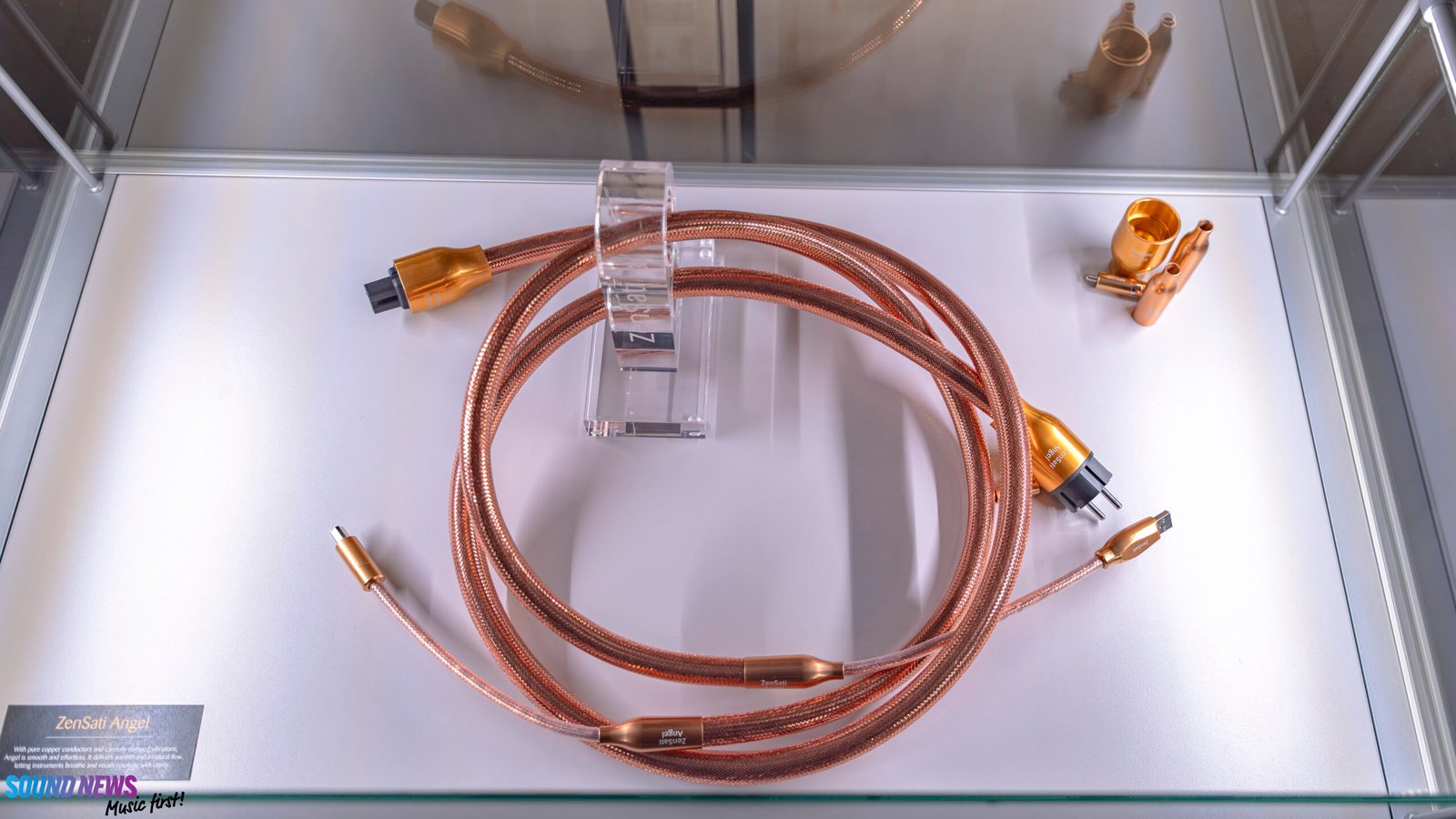
The company was founded by Mark Johansen, a multi-instrumentalist. ZenSati builds its cables in its own facility in Denmark. Each cable is assembled by hand from more than 100 parts, sourced from 25 suppliers around the world. The conductors are flat and twisted, protected by a patent and made exclusively to ZenSati specifications. Air is used as the dielectric, with the conductors isolated in FEP tubes. Depending on the model, ZenSati uses high-purity copper, silver, or gold-plated copper. ZenSati says its goal is speed and neutrality.
The range includes Authentica, Angel, Cherub, Seraphim, sILENzIO and X, in ascending order of price. At the sILENzIO level, a 2.5-meter pair of loudspeaker cables costs €34,815.
Seven generations of the Sphäron
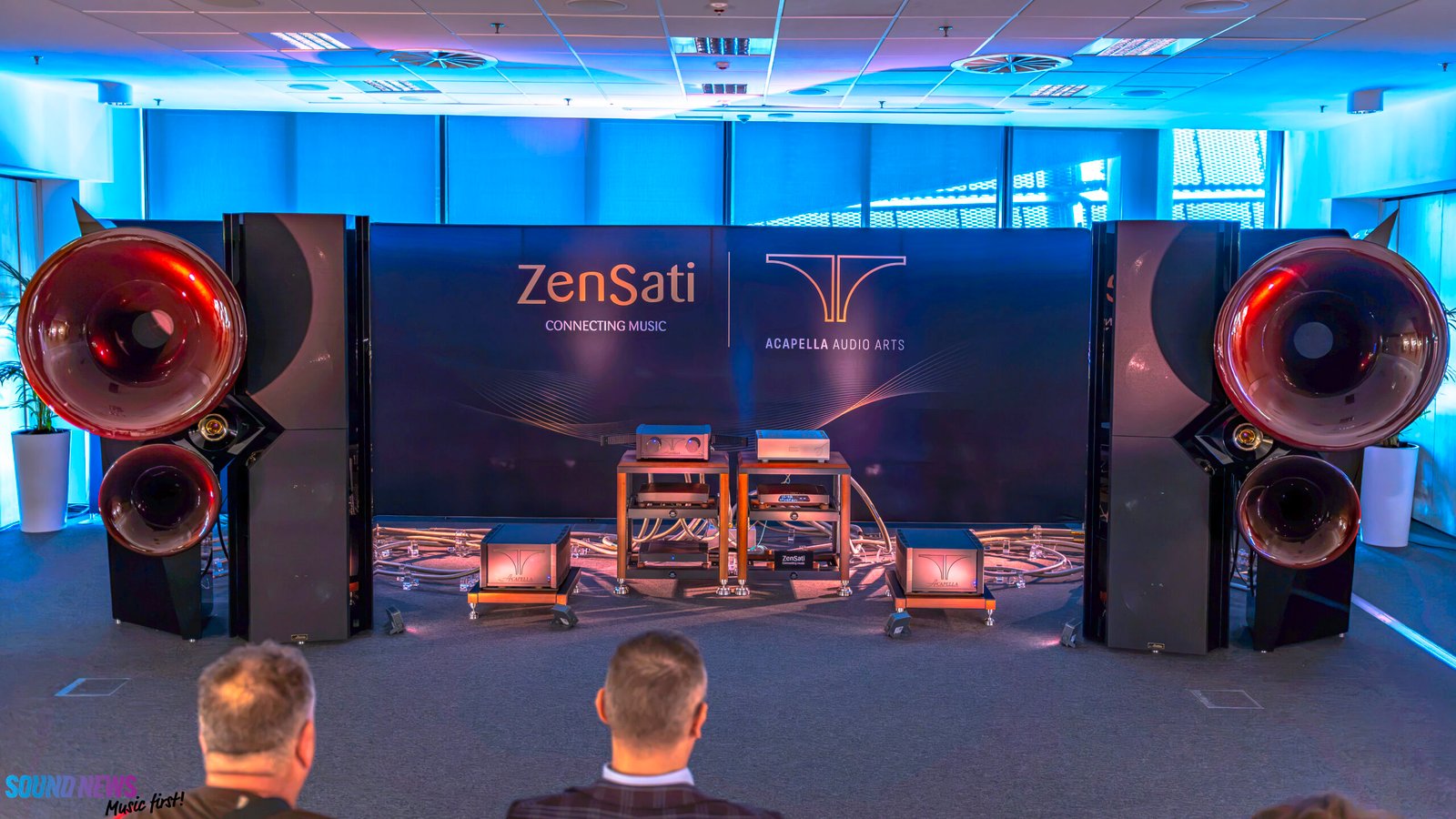
The first Sphäron was introduced in 1978. Acapella Audio Arts, the family company from Duisburg founded by Hermann Winters and Alfred Rudolph, builds it to this day. Richard and Robert Rudolph have joined the management, with Richard following in the footsteps of his father, Alfred, as a developer. The Sphäron Excalibur Mk VII presented in the London B room is the seventh generation of that first design. It is what Acapella calls the largest system in its standard portfolio.
It is a four-way system, 2.30 meters tall. Four 18-inch woofers reproduce the bass, a 12-inch driver loaded by a 1,050 mm spherical horn covers the lower midrange, and an 8-inch driver in a 580 mm spherical horn handles the midrange. Above them is Acapella’s ion plasma tweeter, which moves the air with a massless plasma flame. The ION TW1S, the S standing for spherical, was already part of the Acapella range in the 1980s. Acapella says both the spherical horn and the ion tweeter add very little coloration of their own, and that the spherical horn is used for its highly dynamic sound. It is a philosophy very close to the speed and neutrality ZenSati aims for.
Acapella specifies 100 dB sensitivity, an impedance of 6 to 8 ohms and a transmission range of 15 Hz to 40 kHz, with a continuous power rating of 250 W and a peak rating of 1,500 W. The recommended listening distance is 5 to 15 meters. Acapella quotes 120 dB(C) at 7 meters in a typical listening room. The loudspeaker itself is a purely analog design, built to last for decades, with digital sources upgraded around it as technology moves on. The loudspeakers alone are valued at around €890,000. The complete system in London B was valued at more than €1.75 million.
Horns are used in concert sound reinforcement for a simple reason. At that sensitivity, 1 watt produces the level a 90 dB loudspeaker reaches with 10 watts, so the amplifier has an enormous reserve left for the peaks. Acapella says that with 1,000 W or more, the Sphäron Excalibur recreates the experience of standing close to a symphony orchestra, in the front row of a rock concert or in the middle of a club.
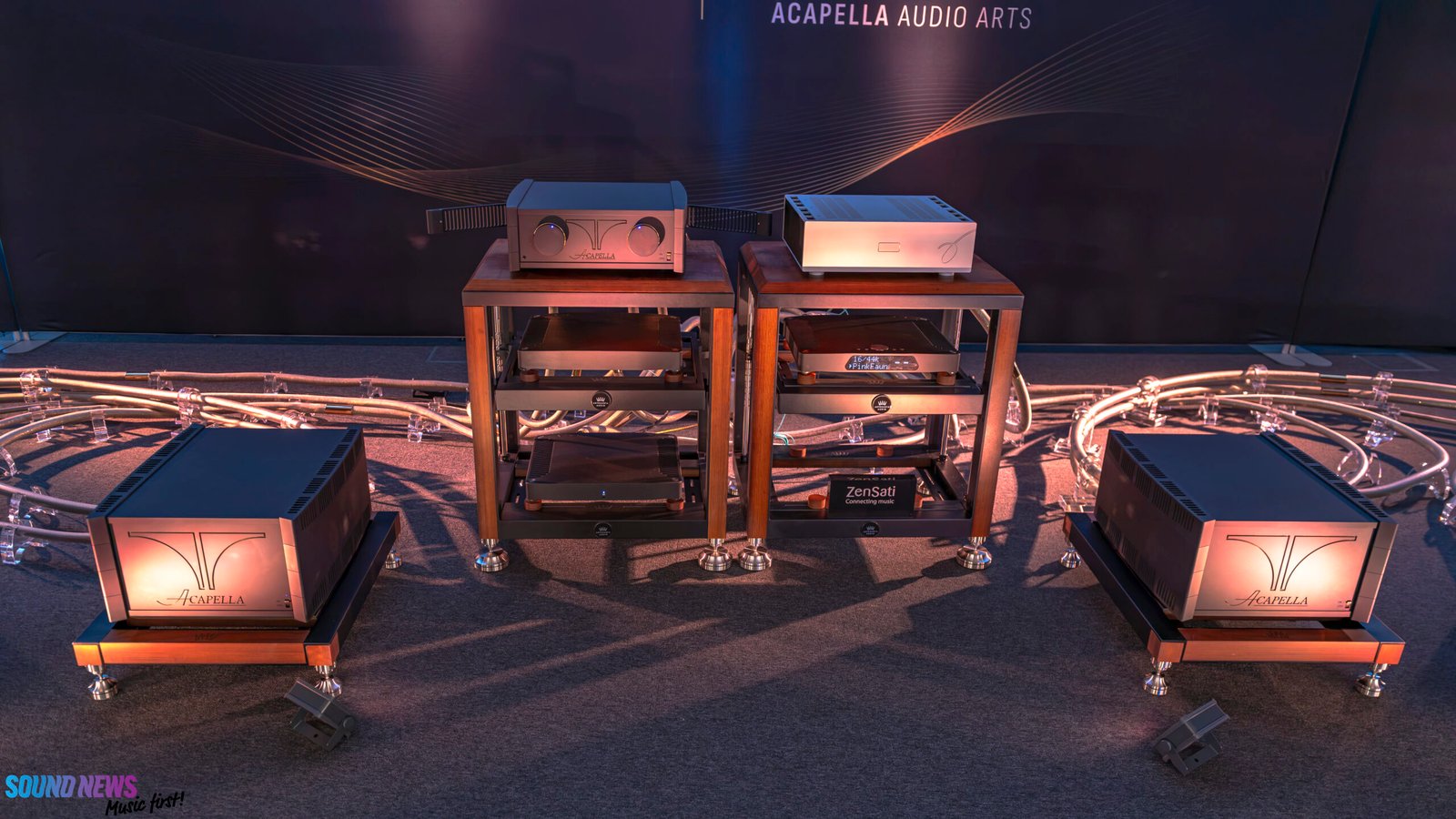
Acapella also builds its own amplification, and the Energèia Reference electronics are handmade in Germany. The Cascade, the reference DAC of the Californian company MSB Technology, is also the DAC in Acapella’s own showroom system near Munich. The Pink Faun Ultra 2.16 server comes from the Netherlands.
The system:
- Cabling: ZenSati throughout
- Loudspeakers: Acapella Sphäron Excalibur Mk VII
- Amplification: Acapella Energèia Reference
- DAC: MSB The Cascade
- Music server: Pink Faun Ultra 2.16
In front of the orchestra
Scale is one of the hardest qualities to reproduce at home, and we have written about it in our loudspeaker reviews more than once. We have also stood close to large concert sound systems many times. The physical sensation of that sound pressure is rare in a listening room.
In the ZenSati room, we listened to classical music, and we felt as if we were seated in front of a live orchestra.
The comparison with concert PA systems, that we made in the Göbel room, is even more fitting here. The dynamics and the scale of the sound were beyond almost anything we have experienced from a hi-fi system, at a level we have heard mostly from big concert rigs. The contrast between the quiet passages and the crescendos was enormous. Acapella describes this ZenSati pairing as the detail and refinement of an audiophile system combined with the dynamics of a large professional sound system. The second half of that description matches what we felt very well.
At a great concert, there is a certain moment when the whole orchestra plays at full force, and the body feels the music as much as the ears do. We experienced a moment like that in the ZenSati room, in Warsaw.A lot of classical music lovers would leave room London B as moved as we were. Such an enjoyable experience, and a Best of Show pick for the ZenSati room without any second thoughts!
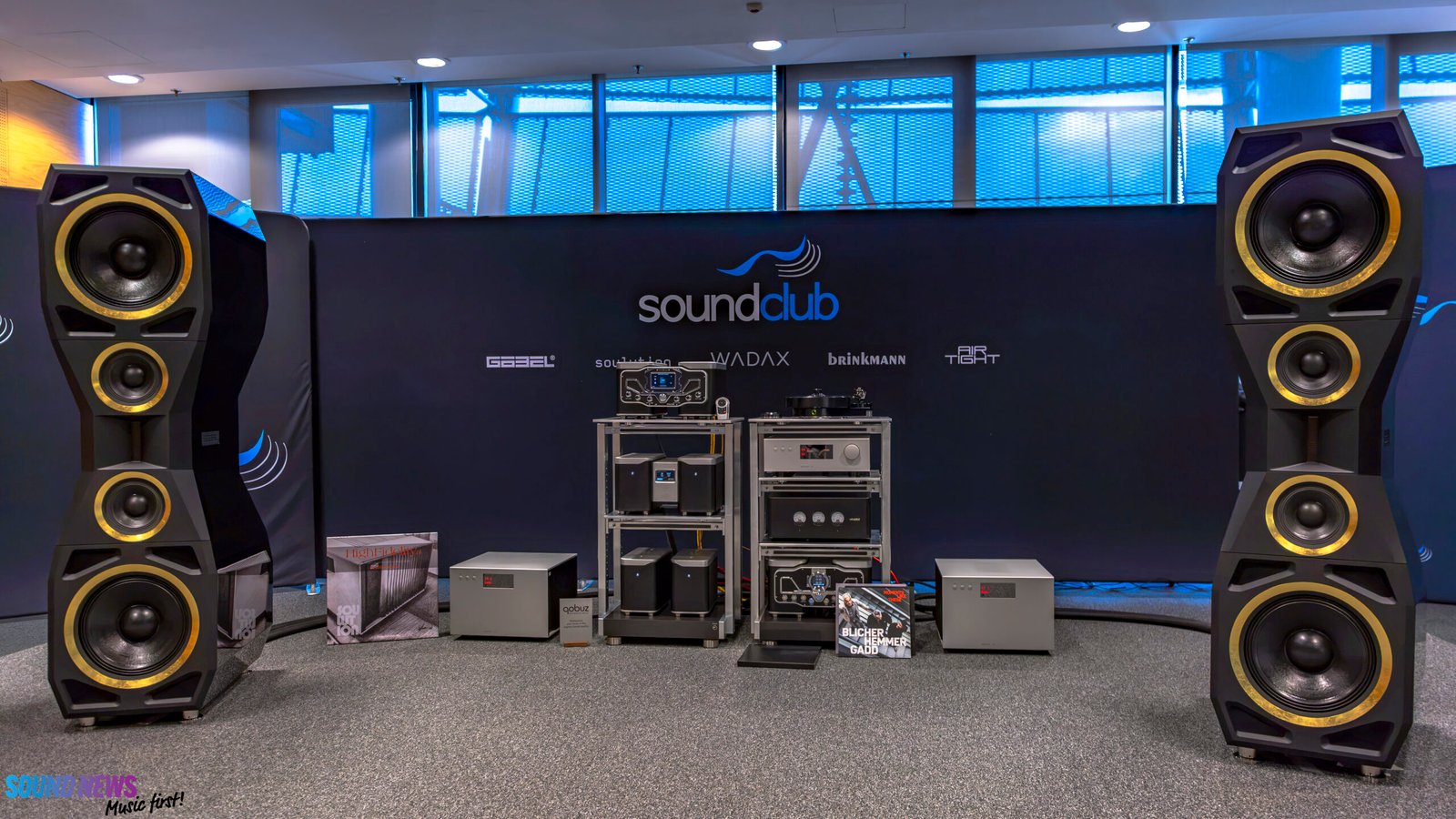
Goebel Divin Monarque with Soulution amps and Wadax

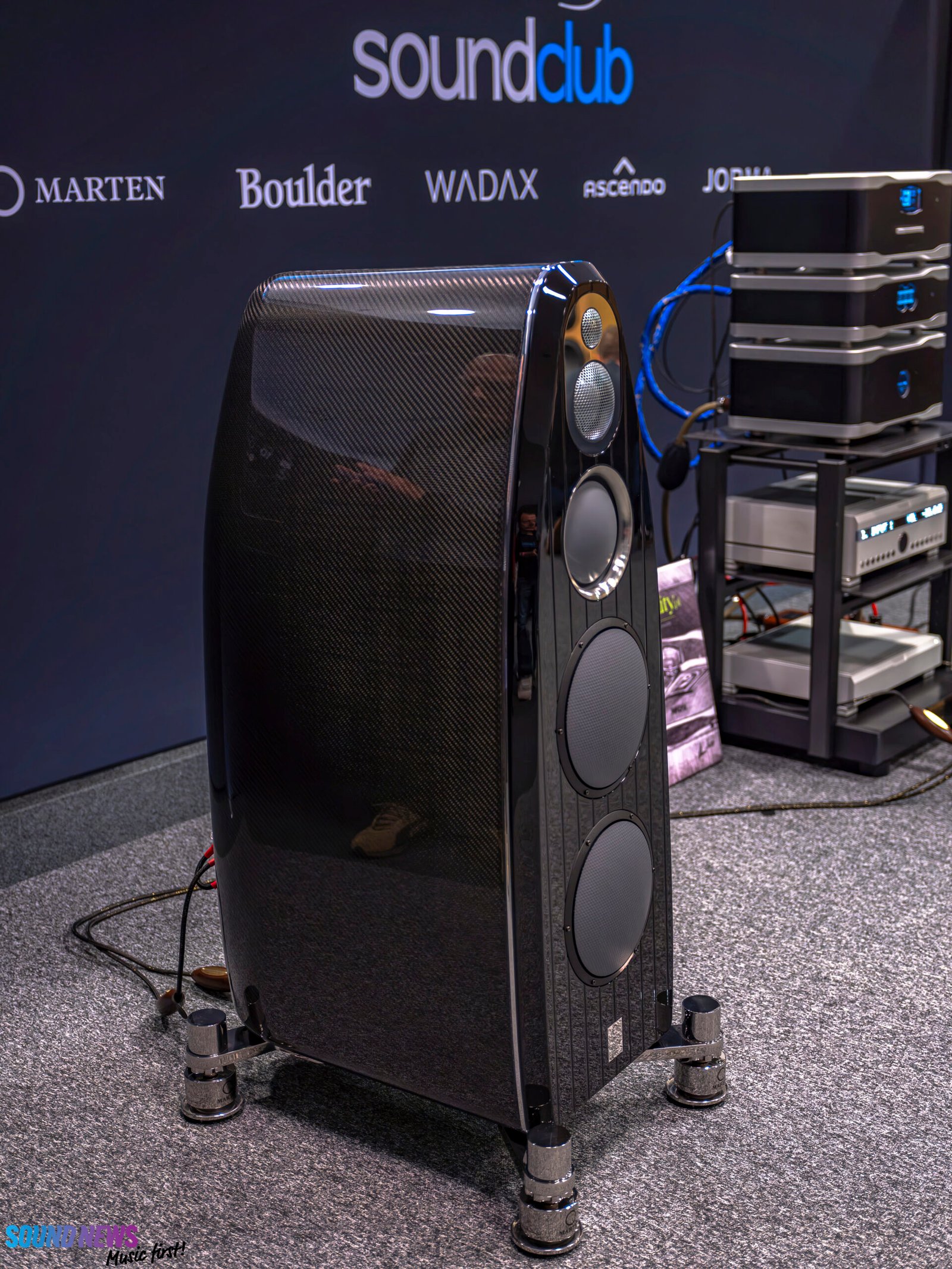
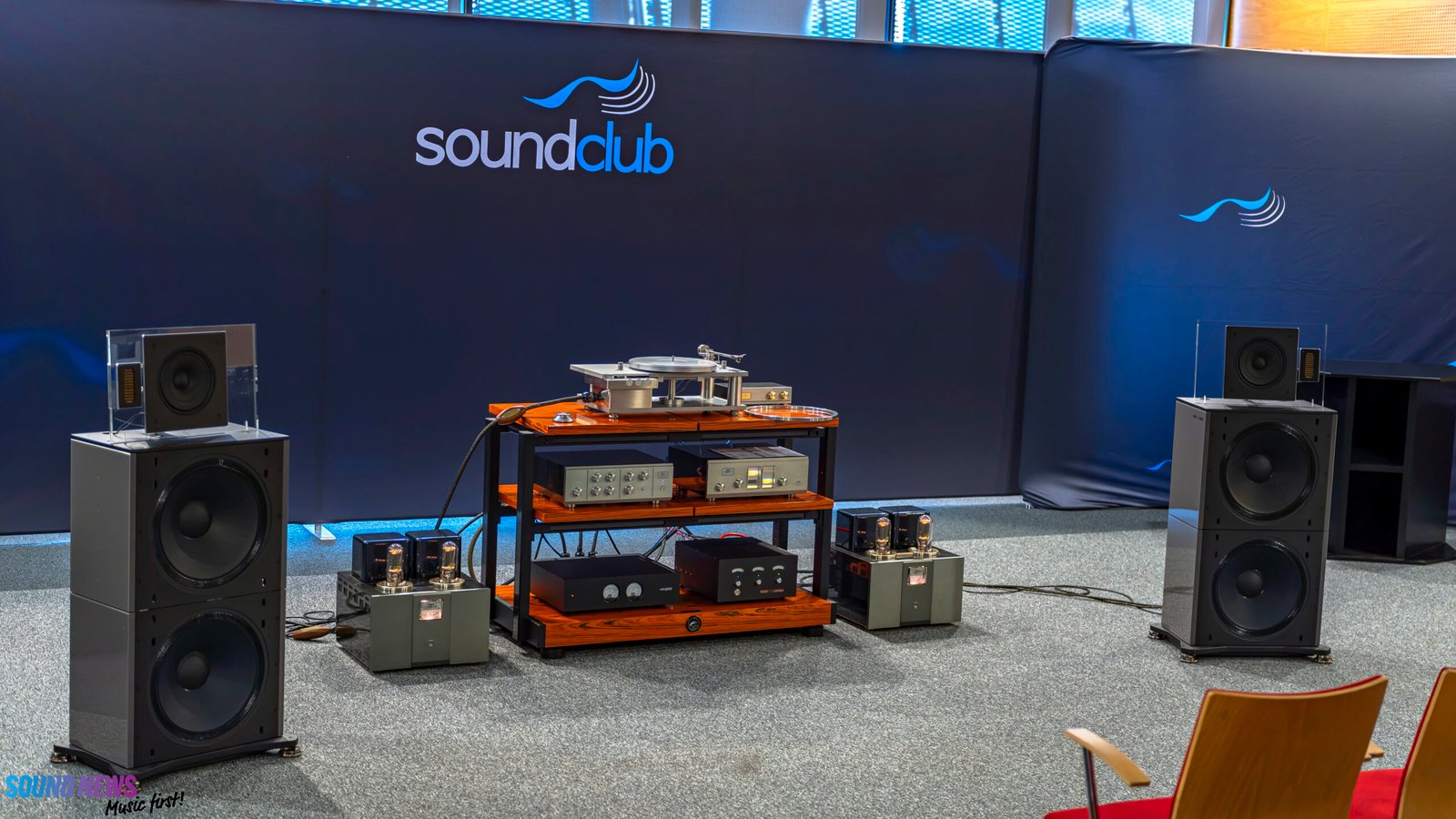
The Barcelona room at PGE Narodowy was shared by two systems taking turns, an hour each. One of them was the Marten and Boulder system you can read about in our Honorable Mentions. The other one, built around the Göbel Divin Monarque, is one of our picks for Best of Show.
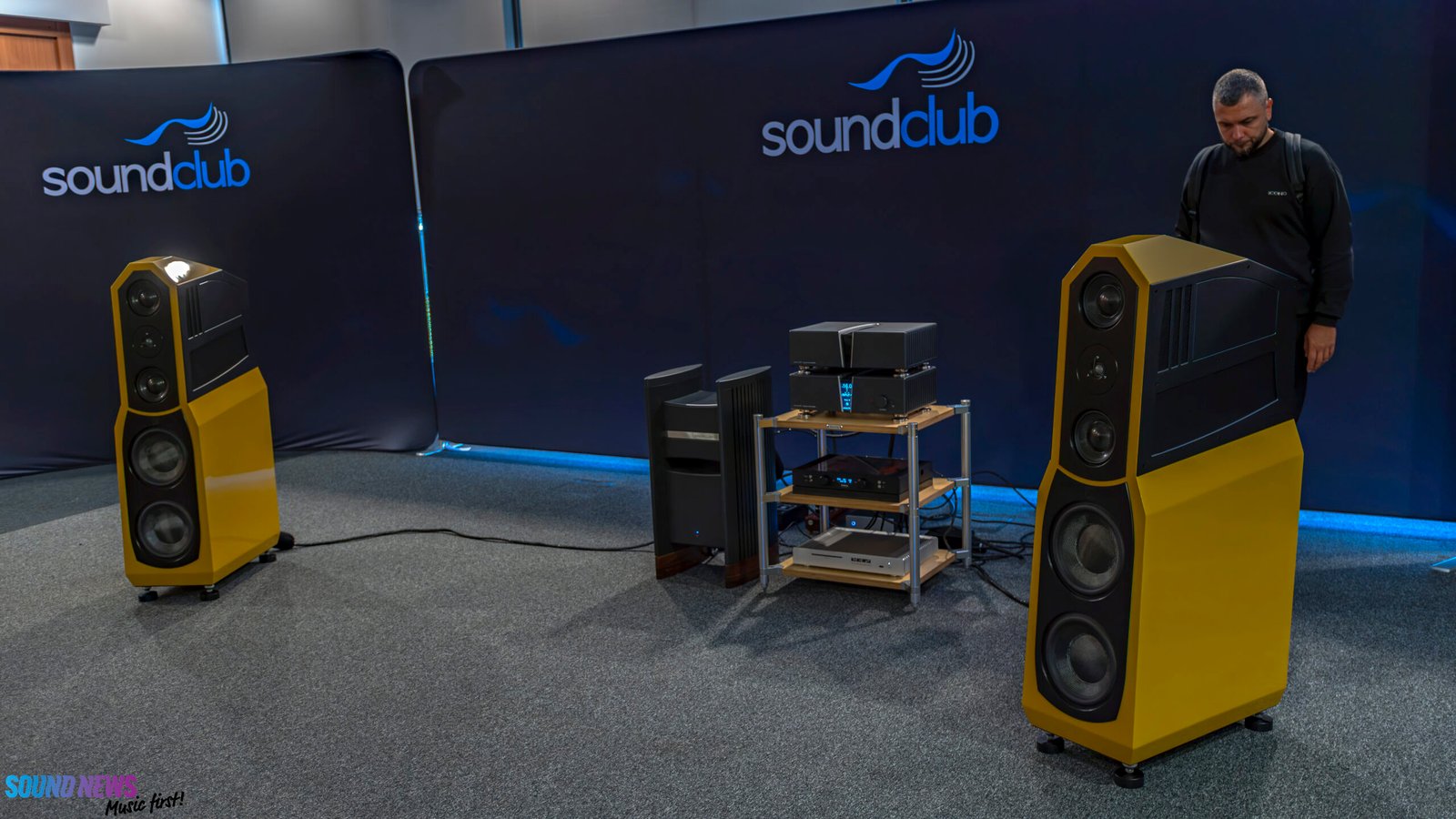
Göbel High End is based in Alling, near Munich, and builds its loudspeakers in Germany. Oliver Göbel was in Warsaw in person, together with SoundClub, the brand’s Polish distributor. The room was packed for most of the show. The Divin Monarque is a new model in the Divin range. It had its world premiere at High End Vienna in June, with a complete Wadax system as its source. The two companies have a long history together. The Atlantis Reference DAC from Wadax was first shown in Hong Kong, playing through Göbel’s Divin Majestic.
Each Monarque is a single enclosure, 194 cm tall and weighing 380 kg. It is shipped in a flight case with integrated casters, so the speaker is ready to play once it is out of the case. Two long-throw 15-inch woofers, two 8-inch midrange drivers, and an AMT tweeter in a large aluminum waveguide are arranged symmetrically, all of them Göbel’s own drivers. Göbel specifies 96 dB sensitivity, a frequency response from 21 Hz to 24 kHz, and a nominal impedance of 4 ohms, with a minimum of 3.2 ohms at 64 Hz. The price starts at €469,000 per pair.
Last year, Göbel played the Divin Noblesse in Warsaw with a pair of Divin Sovereign subwoofers. This year, the Monarque played on its own, full range, with its woofers reproducing all of the bass.
The amplification used was from the Swiss brand Soulution. The 717 is the reference power amplifier of the 7 Series, a stereo design that can also be bridged to mono, rated at 2 × 150 W into 8 ohms, 2 × 300 W into 4 ohms and 2 × 600 W into 2 ohms. Its output doubles each time the impedance halves. It weighs about 50 kg. The layout is dual mono throughout, with power supplies included. Each channel has 16 power transistors working in Class AB, with a circuit that measures the current of every transistor and adjusts its bias. Four switched-mode power supply modules feed the output section. Soulution says their output impedance is low enough to make big storage capacitors unnecessary, and quotes impulse currents of more than 400 A, a pulse power above 2 × 6,000 W and a damping factor above 10,000.
With the impedance minimum of the Göbel situated in the bass region, current delivery is very important, so this pairing makes a lot of sense.
The preamplifier used was the 727, the reference preamplifier of the same series. Its volume control uses relay-switched, high-precision metal foil resistors in 80 steps of 1 dB, with a separate resistor network for each channel. A second, IC-based path is used only during volume adjustments, so every step is free of clicks. The output section works in Class A, with a bandwidth from DC to 20 MHz.
The digital source used was from the Spanish manufacturer Wadax, their Atlantis Reference front end. Atlantis is the flagship range of Wadax, with a DAC, a disc transport for CD and SACD, and a server designed by the same engineers who design the DAC. Göbel also makes cables, and every cable in the system was from Göbel, specifically the Lacorde Statement series. The electronics were installed on Franc Audio Accessories Alumaster racks, made from aluminum blocks and carbon fiber.
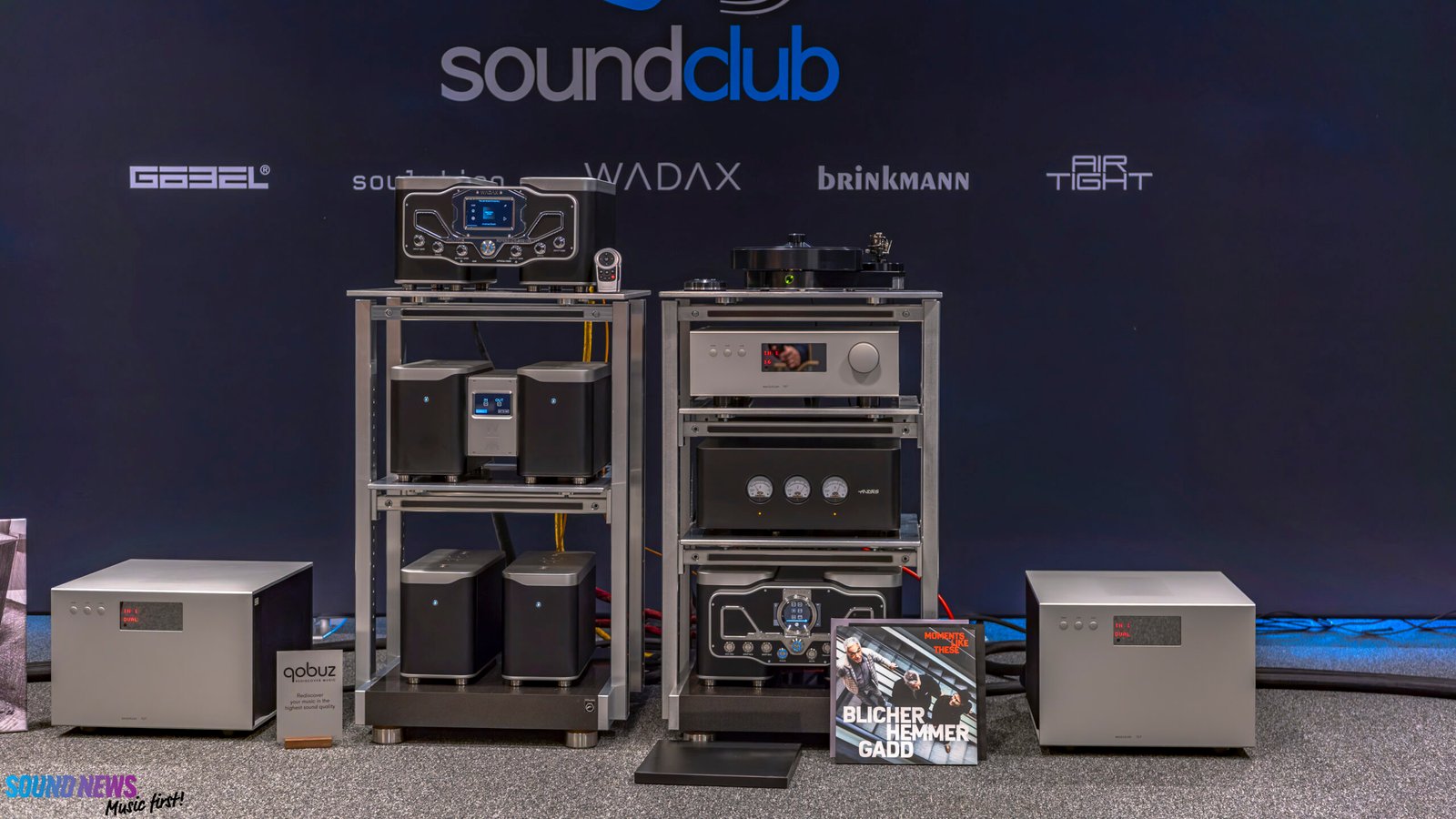
The system
- Loudspeakers: Göbel Divin Monarque
- Preamplifier: Soulution 727
- Power amplifier: Soulution 717
- Digital source: Wadax Atlantis Reference digital front end
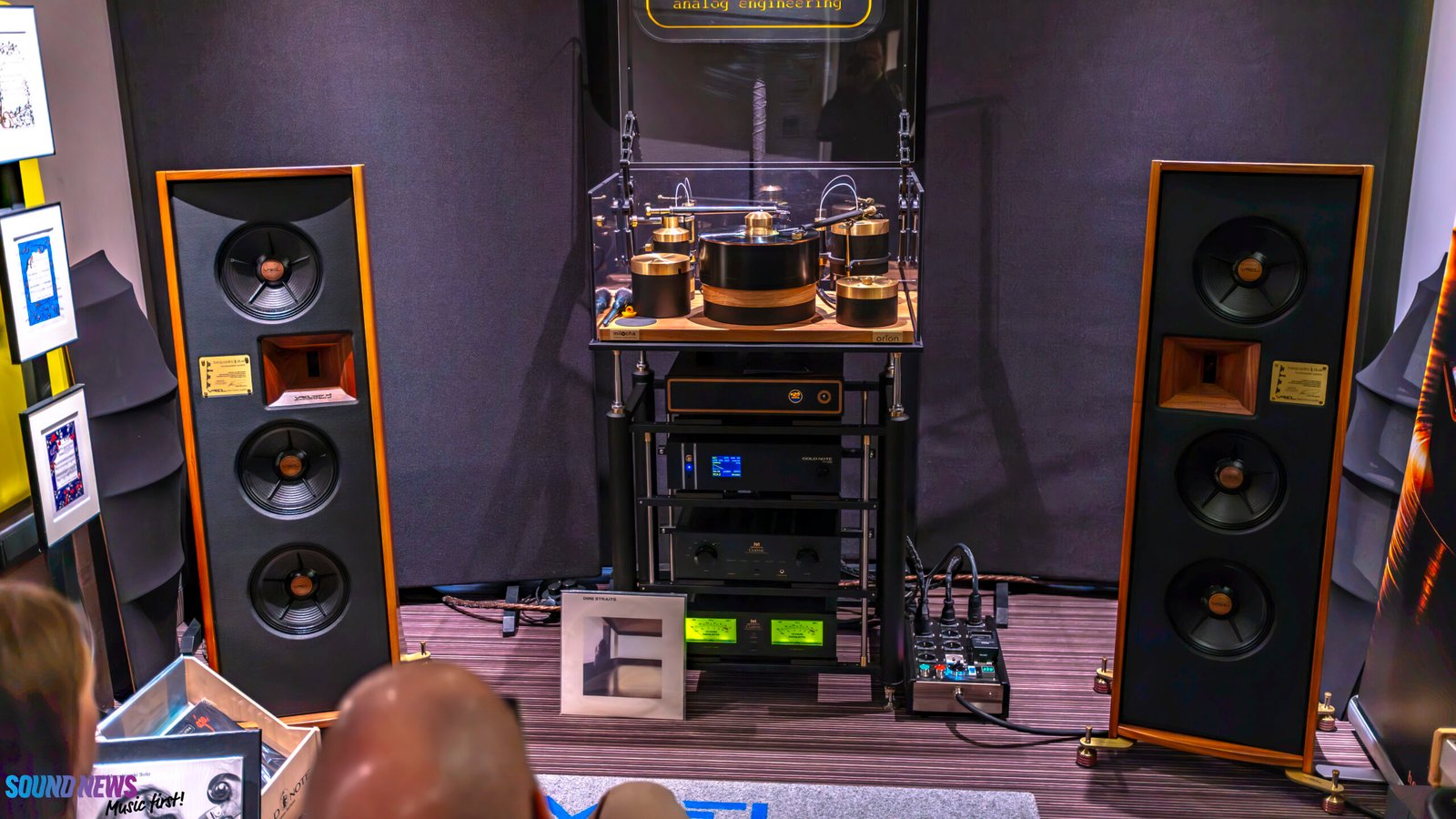
- Analog source: Brinkmann turntable
- Cabling: Göbel Lacorde Statement
- Support: Franc Audio Accessories Alumaster racks
Show listening is often done in a hurry, with people walking in and out, a door opening every few minutes and there’s always someone speaking. On Sunday afternoon, the last day of the show, i was fortunate enough to spend the last 2 hours in the Barcelona room, late in the day, when visitors were starting to leave the stadium in large numbers. For about 45 minutes, with surprisingly very good music on the playlist, it felt as if the Göbel system played only for me. It felt like an awesome private audition, and I consider myself very fortunate to have had it.
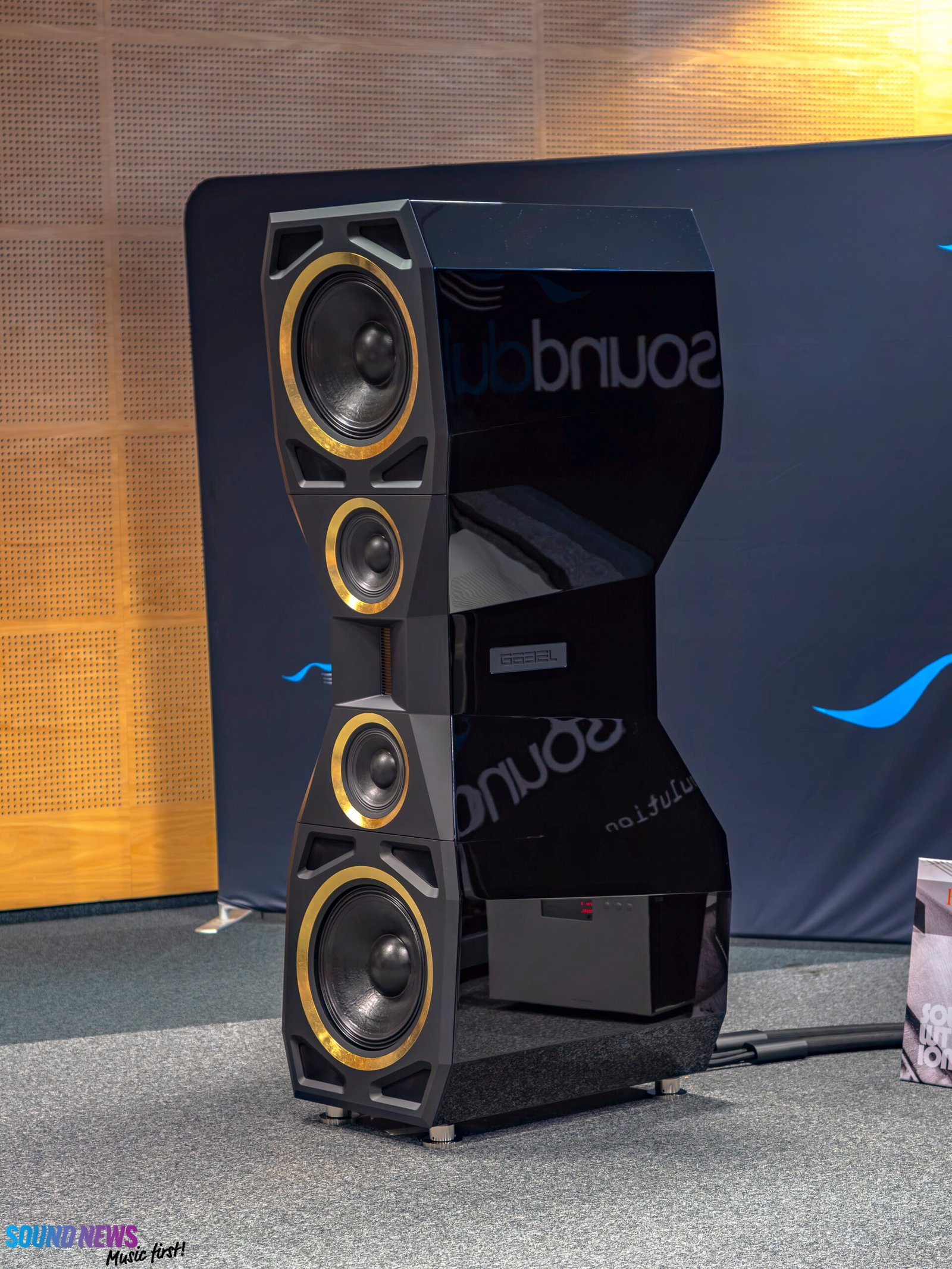
These speakers sounded truly as big as they are.
Dreamer’s Wake by Rival Consoles is a fine example of a track that can convey how large and big a speaker can make the atmosphere. Ryan Lee West, the man behind Rival Consoles, released it in 2018 on Persona, an album inspired by the Ingmar Bergman film of the same name. It is among the calmer, more meditative pieces on that record. On the Goebel system, I felt the bass of this track through my entire body, with all of my being. The extraordinary power and dynamics of the Soulution 717 were obvious. The two woofers per side have a very large cone area, and with that high sensitivity, only a fraction of the amplifier’s power is needed even for a high listening level.
We all know that a certain sound, especially one like this, has a price. We know that a system of this kind is out of reach for almost all music lovers, ourselves included. In Warsaw, I understood that, sometimes, without spending a lot of money, there is no way to hear music like this.
The room itself was very big. The system played in an almost open-space ambiance, which was a great advantage. But a space this big can only be filled by a capable system. The Göbel and Soulution combination was more than capable, and the sound was wonderful and big.At home, or in a dealer’s listening room, we sit a few meters away from the loudspeakers, close enough to hear the finest details of a recording. In Barcelona, that intimate distance was there together with the scale of a concert. What we heard felt like a live performance, with all the audiophile qualities of a hi-fi system in place: the finesse, the resolution, and the natural timbre that a PA system rarely has, at any volume. A very easy pick for our Best of Show.
Noteworthy Launches and Experiences
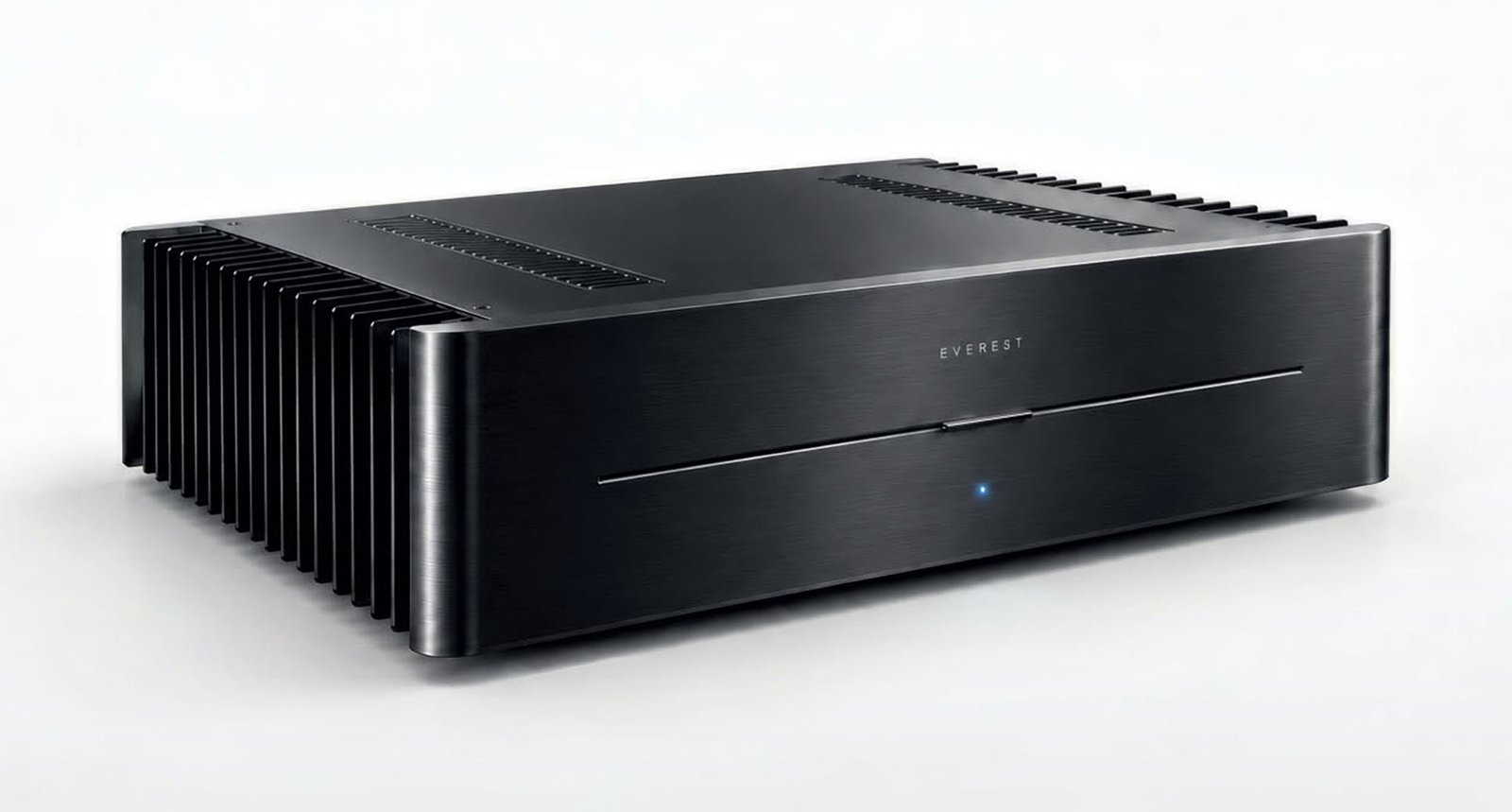
Everest Audio Labs Ascent
There is one launch at this year’s show that deserves a chapter of its own, partly because of the product, and partly because of the man behind it.
Everyone in the audio industry knows Adam Mokrzycki as the founder and organizer of the Audio Video Show. Fewer people know that, for most of the past two decades, the show was not even his main job. Adam also ran a language school for 20 years, growing it to nearly 200 employees and the number two position on the Polish market, and that business took around 80% of his time. The Audio Video Show was, above all, his passion project.
Last December, Adam sold the language school to an investment fund. Not the show, he is quick to reassure everyone. And since, by his own admission, he is not very good at having too much free time, he founded Everest Audio Labs, a company that designs and builds music servers, together with its own USB and Ethernet cards.
The choice was no accident. Adam has been building music servers as a hobby for 15 years, first for himself, then for close friends. Along the way, he designed the first SuperKomputer server for his good friend Łukasz Fikus of LampizatOr, a project that LampizatOr later continued to develop with its own team. The passion for servers stayed with Adam, waiting patiently for a little more free time.
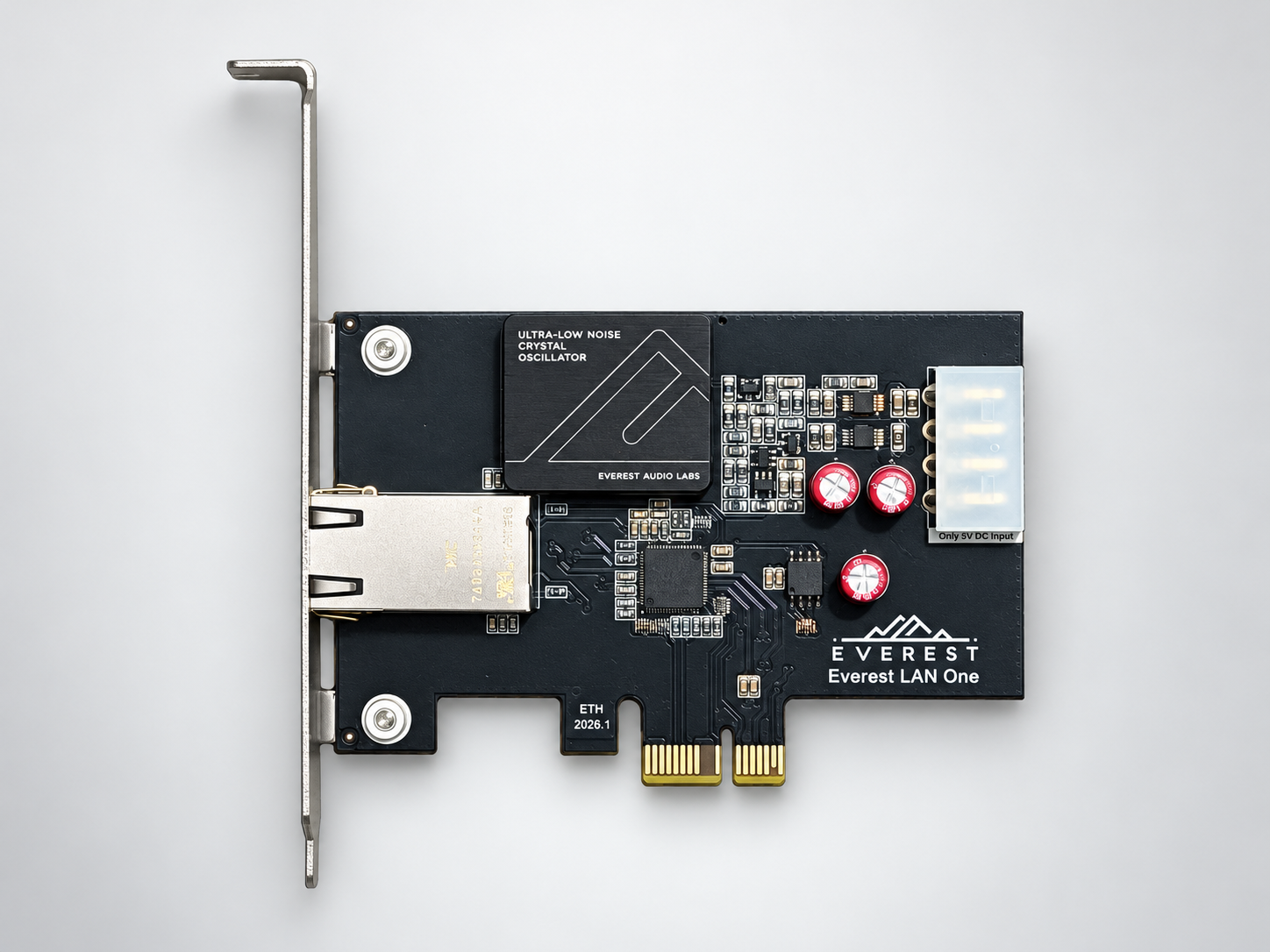
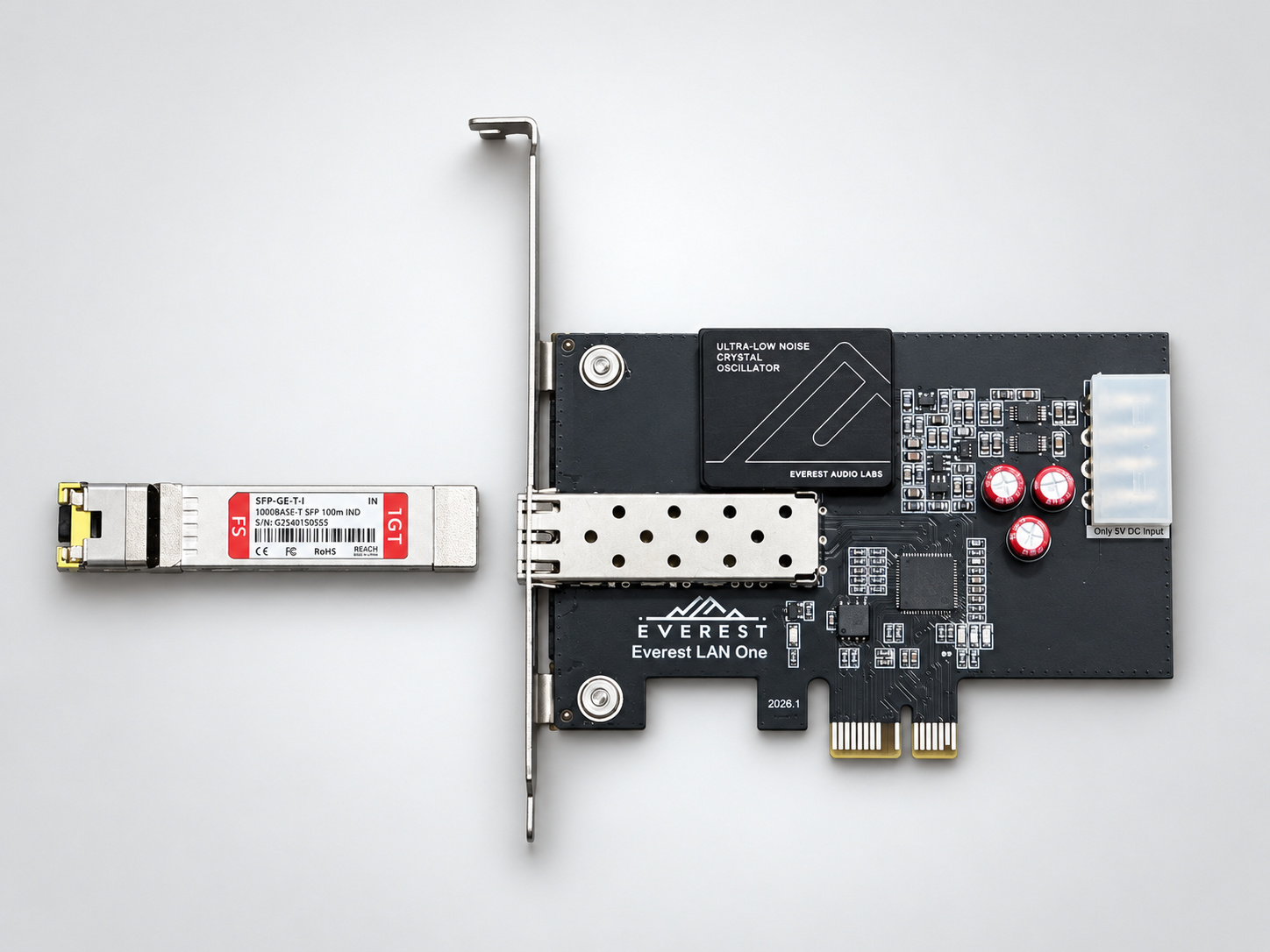
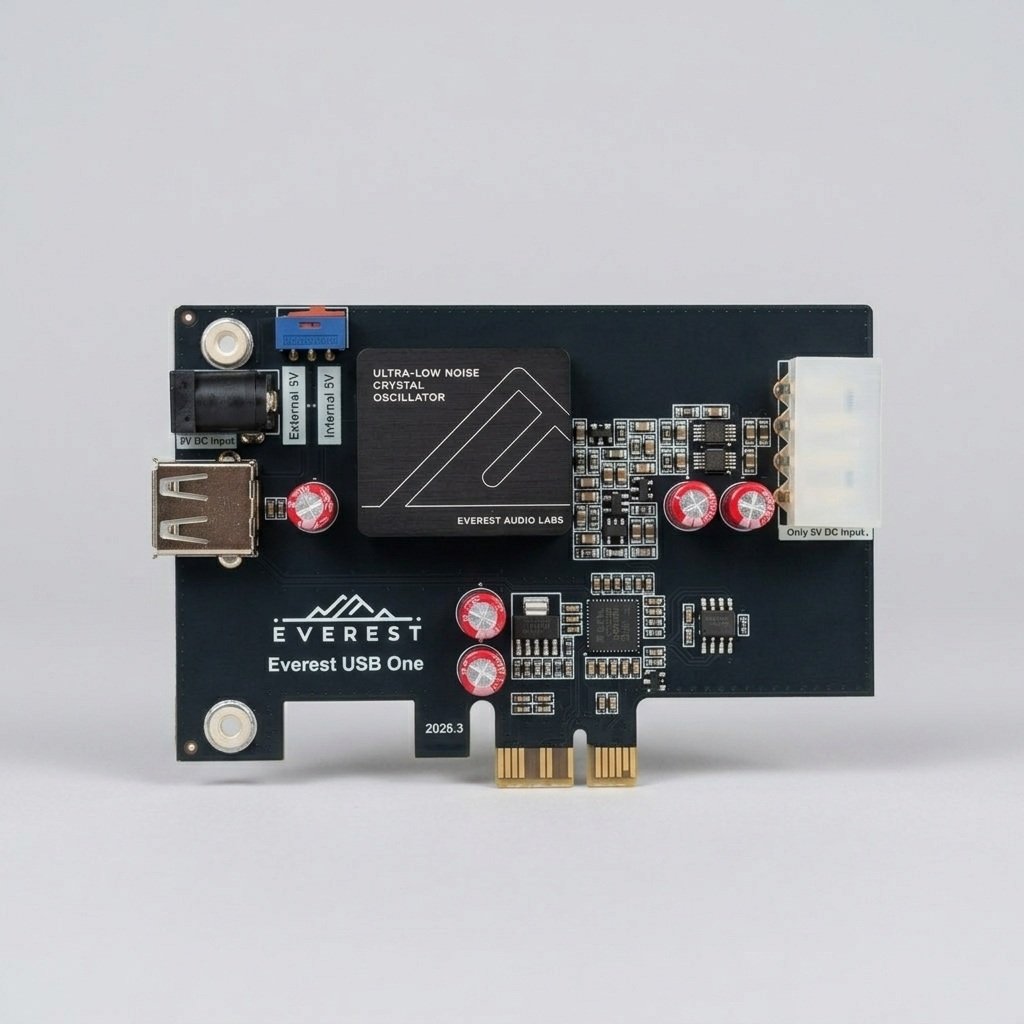
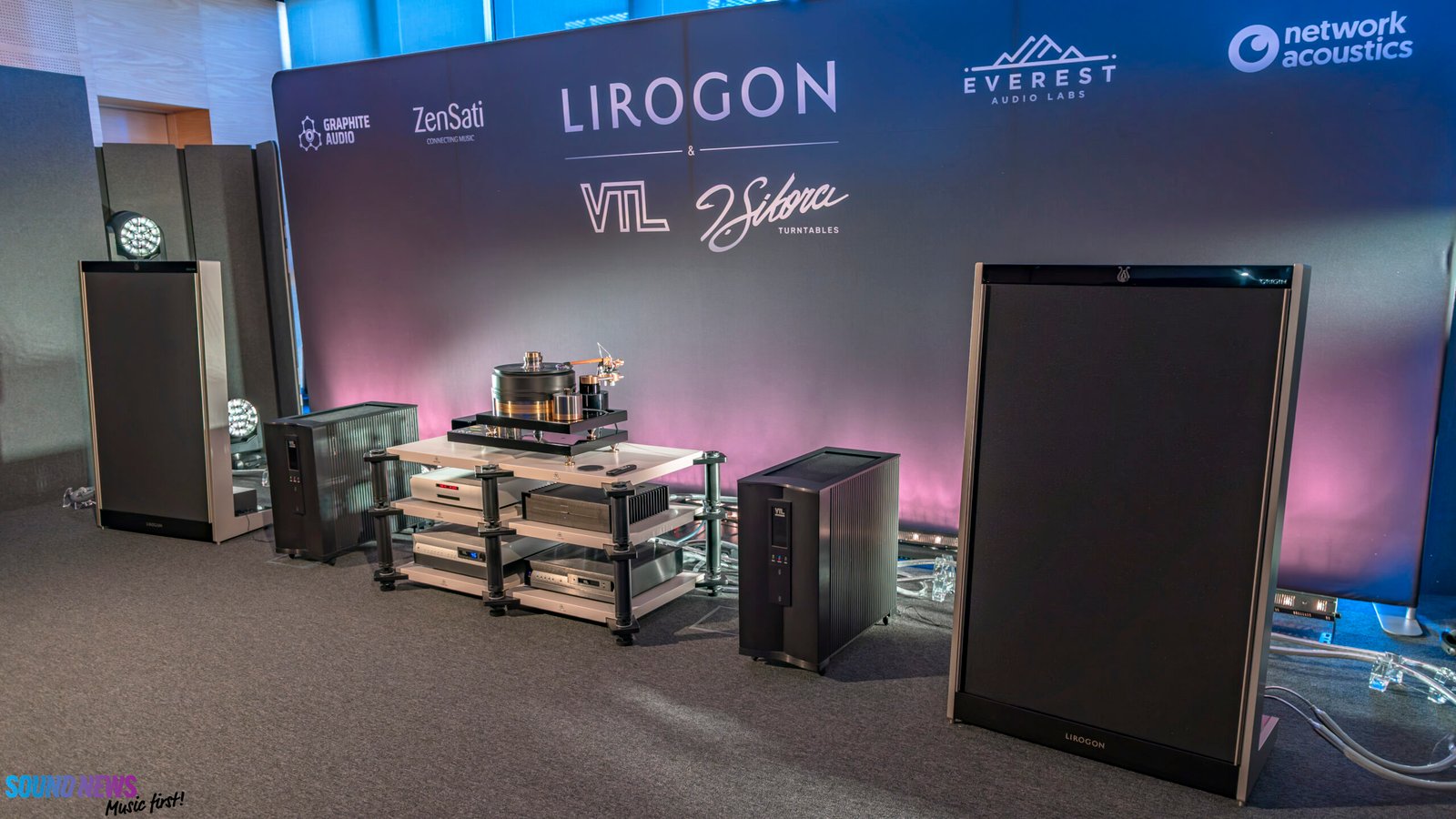
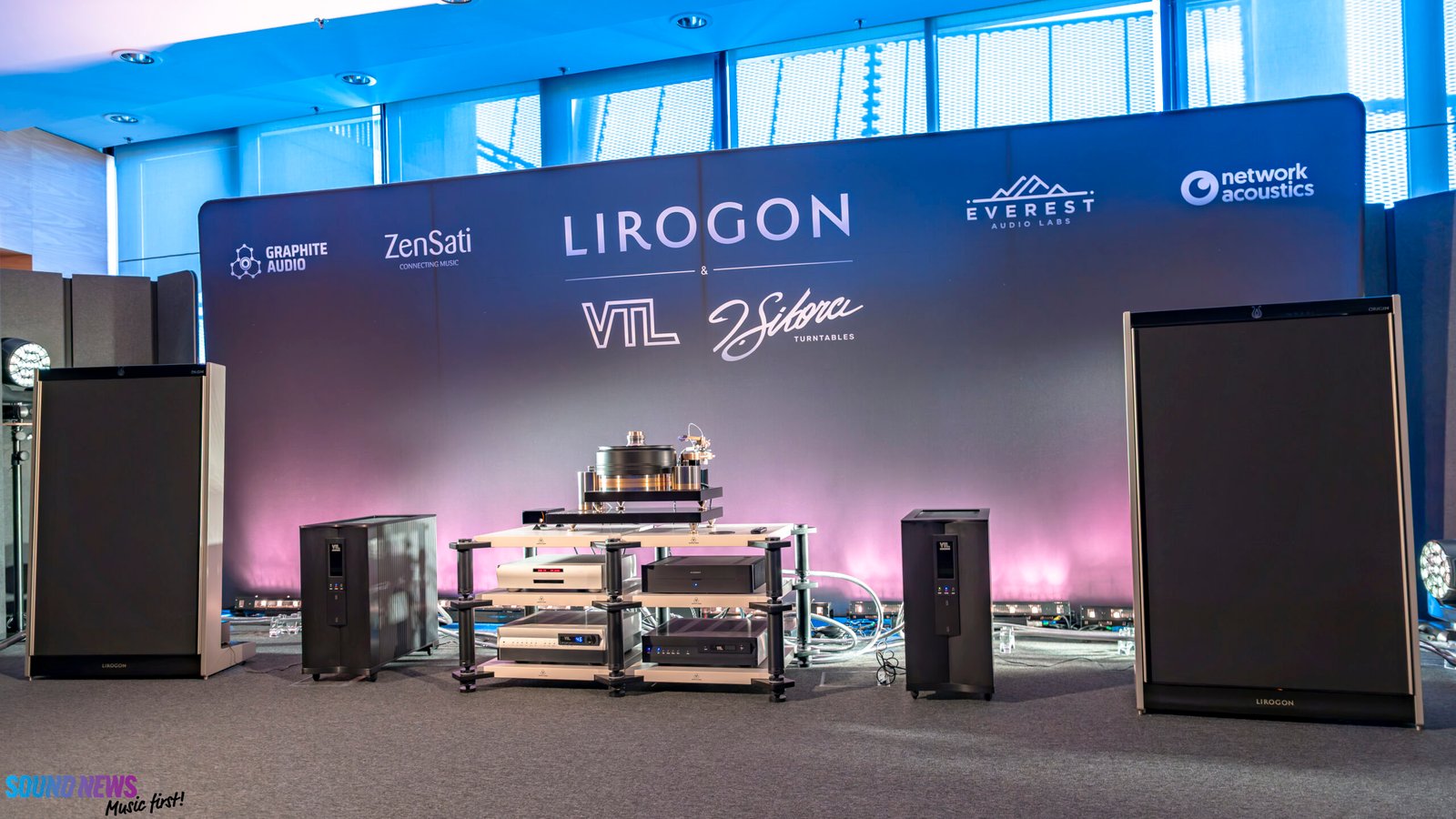
The first result is the Everest Audio Labs Ascent, which made its debut in Warsaw and could be heard in three very different systems:
- Paris A at PGE Narodowy, with VTL electronics and Lirogon loudspeakers
- Room 306 at the Radisson Blu Sobieski, with BonaWatt
- Room 327 at the Radisson Blu Sobieski, with ADMD
Ascent is the first model in a planned family of servers, and Adam is already looking further ahead. For the show in Vienna, Everest Audio Labs is preparing The Everest, a much larger and more ambitious design that will feature the company’s own Ethernet card and an even more advanced USB card, called USB Apex. Both cards are already finished, and according to Adam, developing them was the most challenging part of the whole project. That gives him the confidence that The Everest will be ready for its debut in Vienna.
It takes a special kind of person to organize one of the largest audio shows in the world and, in the same year, launch a product at it. We know how much Adam has given to this industry over the years, and we are genuinely curious to hear what happens when that passion is poured into a box of its own. We will be following Everest Audio Labs closely, and we hope to bring you a proper listening impression soon.
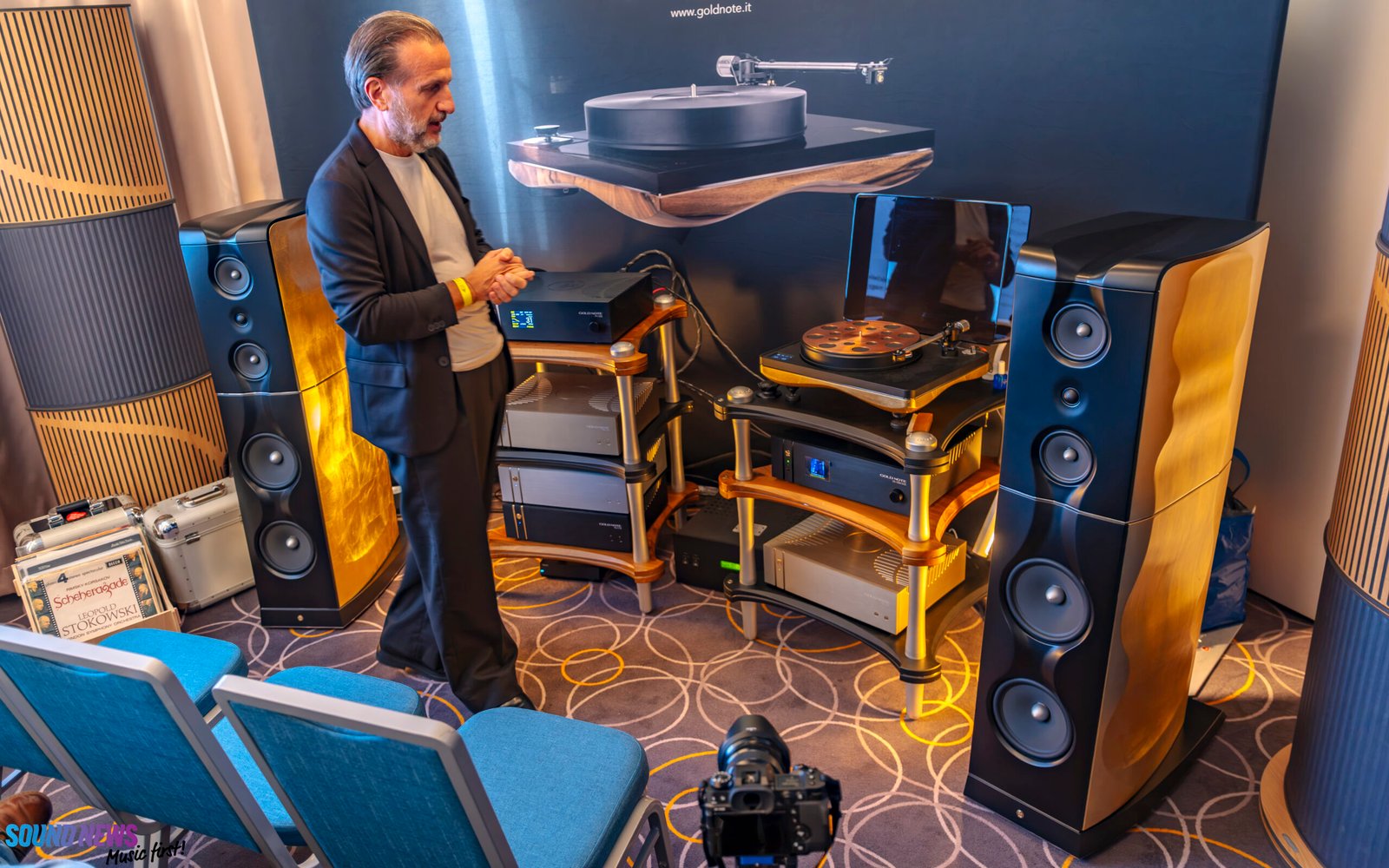
The Gold Note Experience: A Different Idea of Better Sound
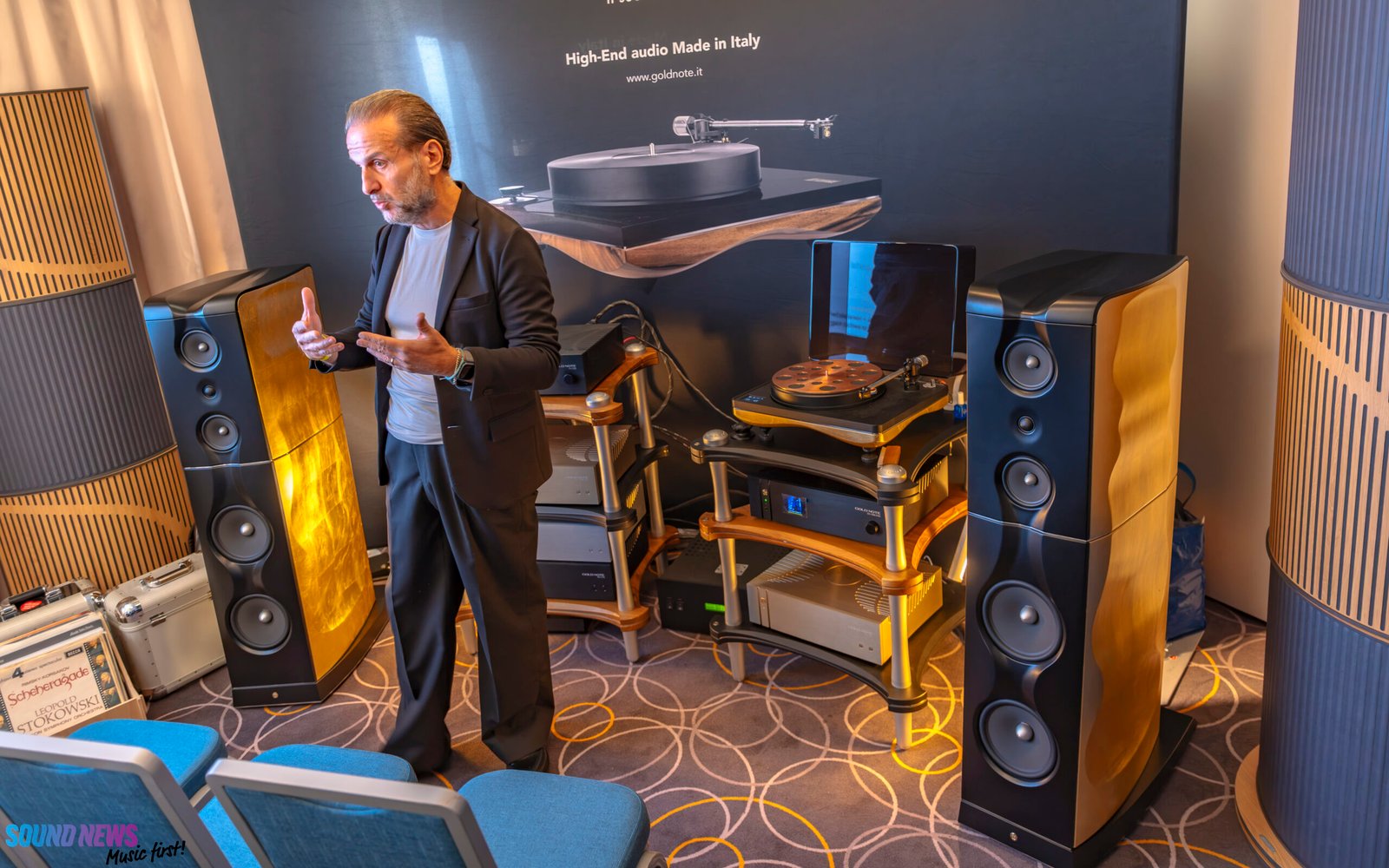
Some of the most memorable moments at a big show happen far from the big rooms. Up at the Radisson Blu Sobieski, in Room Arkadia 1, Gold Note and its Polish distributor Delta-Audio did something refreshingly different. Instead of an open door and a revolving crowd, they offered the Gold Note Experience: guided listening sessions of about an hour each, with only 12 seats and a little standing room, free of charge but by reservation.
The sessions were led by Gold Note founder Maurizio Aterini and the team who traveled from Tuscany, together with Maciej Grabałowski and the Delta-Audio team. They were held in English, with Polish support and Polish slides. After a first edition in Italy in September, Warsaw was the Gold Note Experience’s first stop abroad.
The title of the experience says it all: a different idea of better sound. Gold Note’s argument is that chasing a universal “better sound” is the wrong goal. Every recording is the result of artistic, technical and production choices that give it its own identity, and a system should not reinterpret that identity, soften it or impose a character of its own. Its job is to extract the truth contained in the recording, and to let each recording sound like itself.
That is also why Gold Note does not think in terms of isolated products. Sources, electronics, power supplies and loudspeakers are designed together, as one ecosystem. The team presented two technical pillars behind the idea: in the analog domain, the use of the correct equalization curves for each record, and in the digital domain, a database of reference recordings the company knows inside out, from the artist’s intention to the studio techniques, instruments and microphones used.
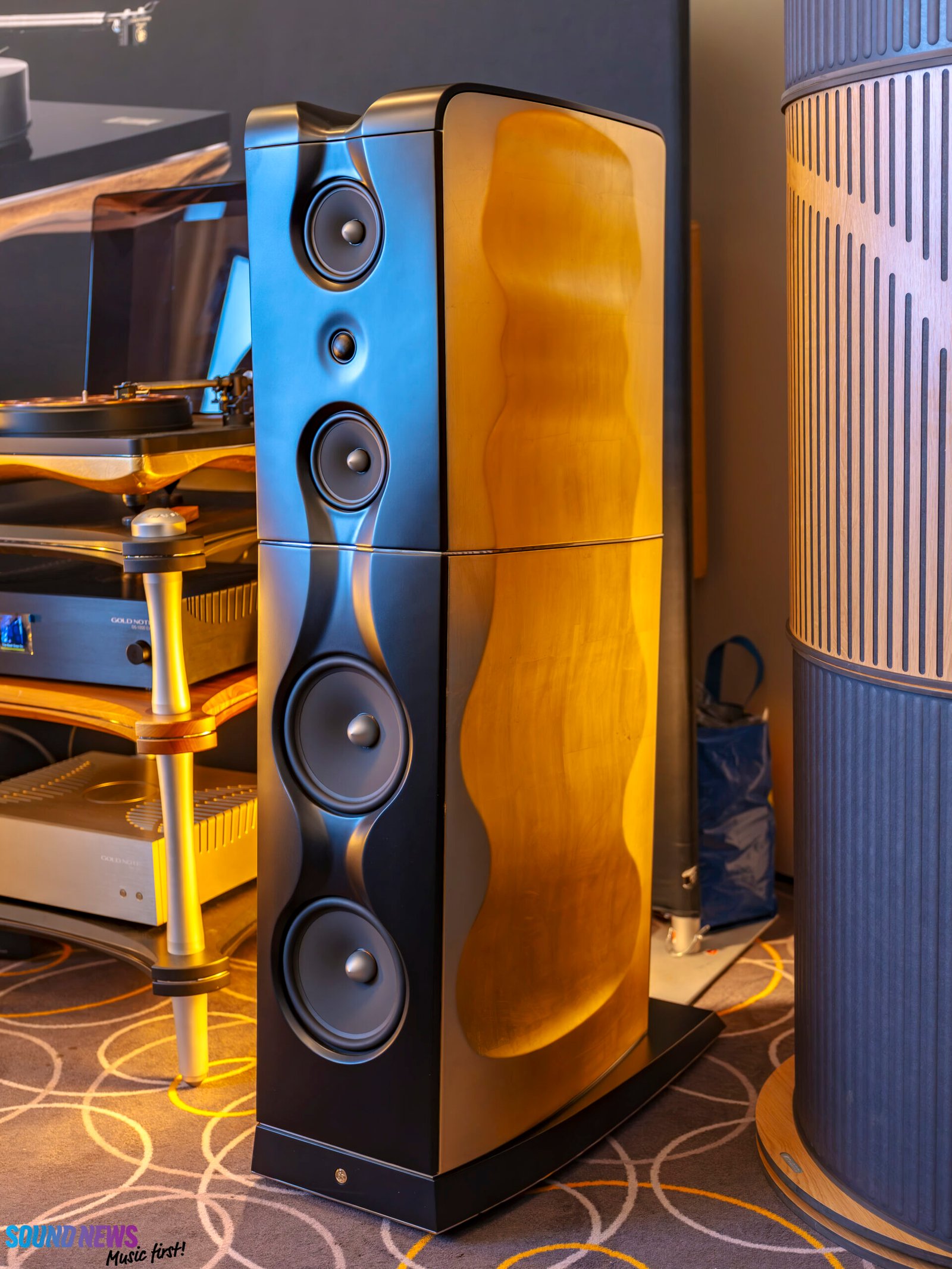
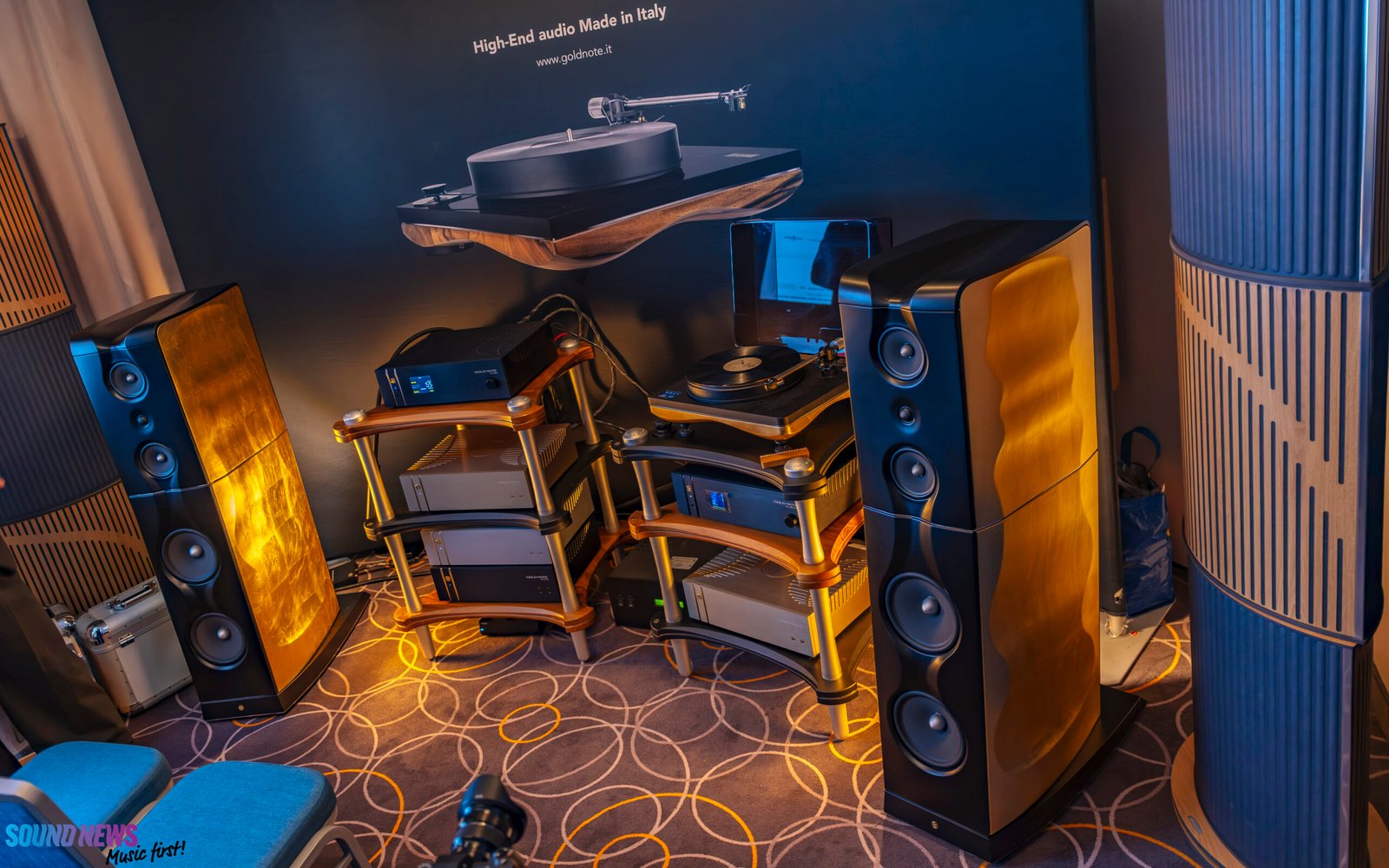
The system in Arkadia 1 was Gold Note from end to end:
- Turntable: Mediterraneo X, with the Da Vinci cartridge
- Phono preamplifier: PH-1000 LINE with the TUBE-1012 tube output stage
- Digital: DS-1000 EVO streaming DAC, with the PSU-1250 external power supply
- Amplification: two PA-1175 MKII power amplifiers
- Loudspeakers: XS-85
What we loved most was the format itself. Twelve people, one hour, and a designer explaining his thinking, with the music there to make a point rather than to impress. In a show with 196 rooms, that kind of focus is a luxury. It is also, we suspect, the future of how high-end audio will be presented.
Honourable Mentions
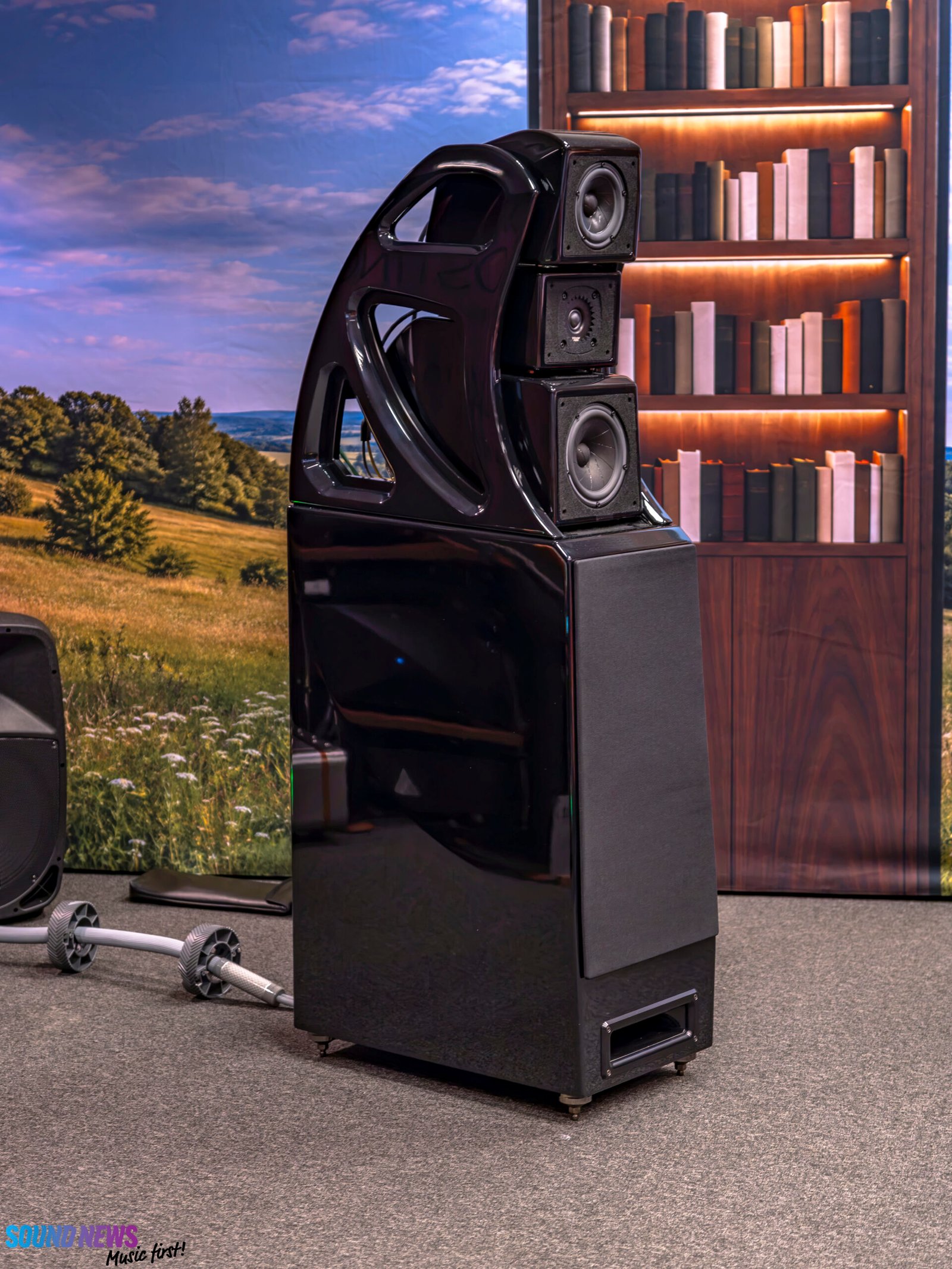
The Wilson Audio Rooms
There is a reason Wilson Audio rooms are always full in Warsaw. This year, four different Wilson loudspeakers played in four very different systems, and the Autobiography was only the beginning. We should admit a personal interest here: a pair of WATT/Puppy 50th Anniversary Edition is the heart of Catalin’s own reference system, so Wilson is a sound we know intimately. But what fascinated all three of us was how differently the same loudspeaker family can sound with different electronics. And it sounded spectacular each time.
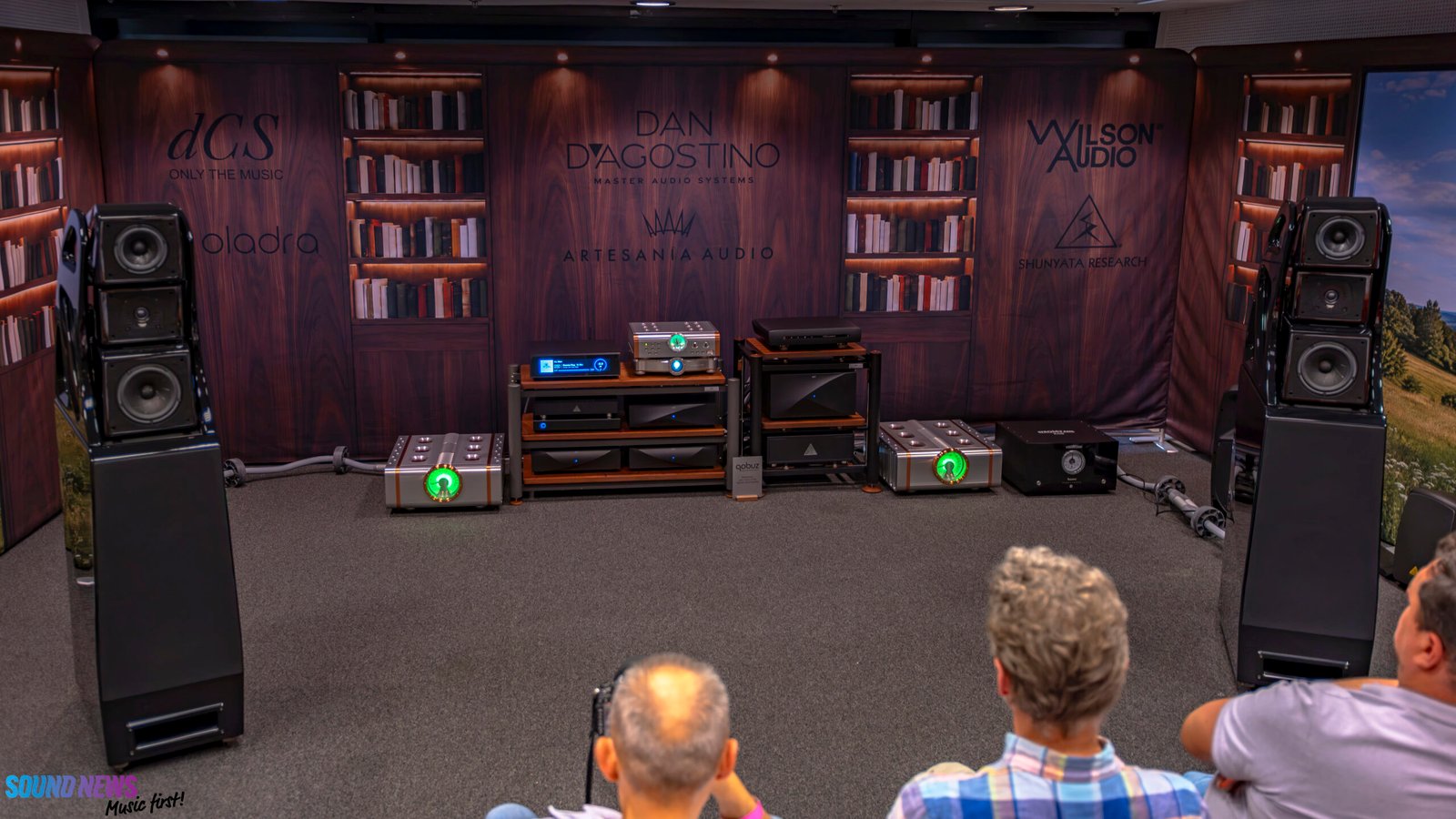
Alexx V with Dan D’Agostino and dCS
The Audiofast room in Studio TV2 was, once again, one of the hardest rooms in the stadium to get into. Every seat was taken, people were standing along the walls and in the doorway, and there was a queue in the corridor.
The Wilson Audio Alexx V were driven by the new Dan D’Agostino Relentless 800 monoblocks, which deliver an astonishing 1,200 W into 8 ohms each, with a revised input stage developed for better dynamics and bass control. The source was a full dCS Varèse system, and the cabling, as is customary in Wilson rooms, came from Transparent Audio.
The result was exactly what you would hope for from this combination: enormous dynamic headroom, a deep and physical bass that stayed controlled even at high levels, and a wide, layered soundstage. The D’Agostino amplifiers gave the Alexx V a grip and authority that made large-scale music sound effortless, and the Varèse kept everything clear and finely resolved.
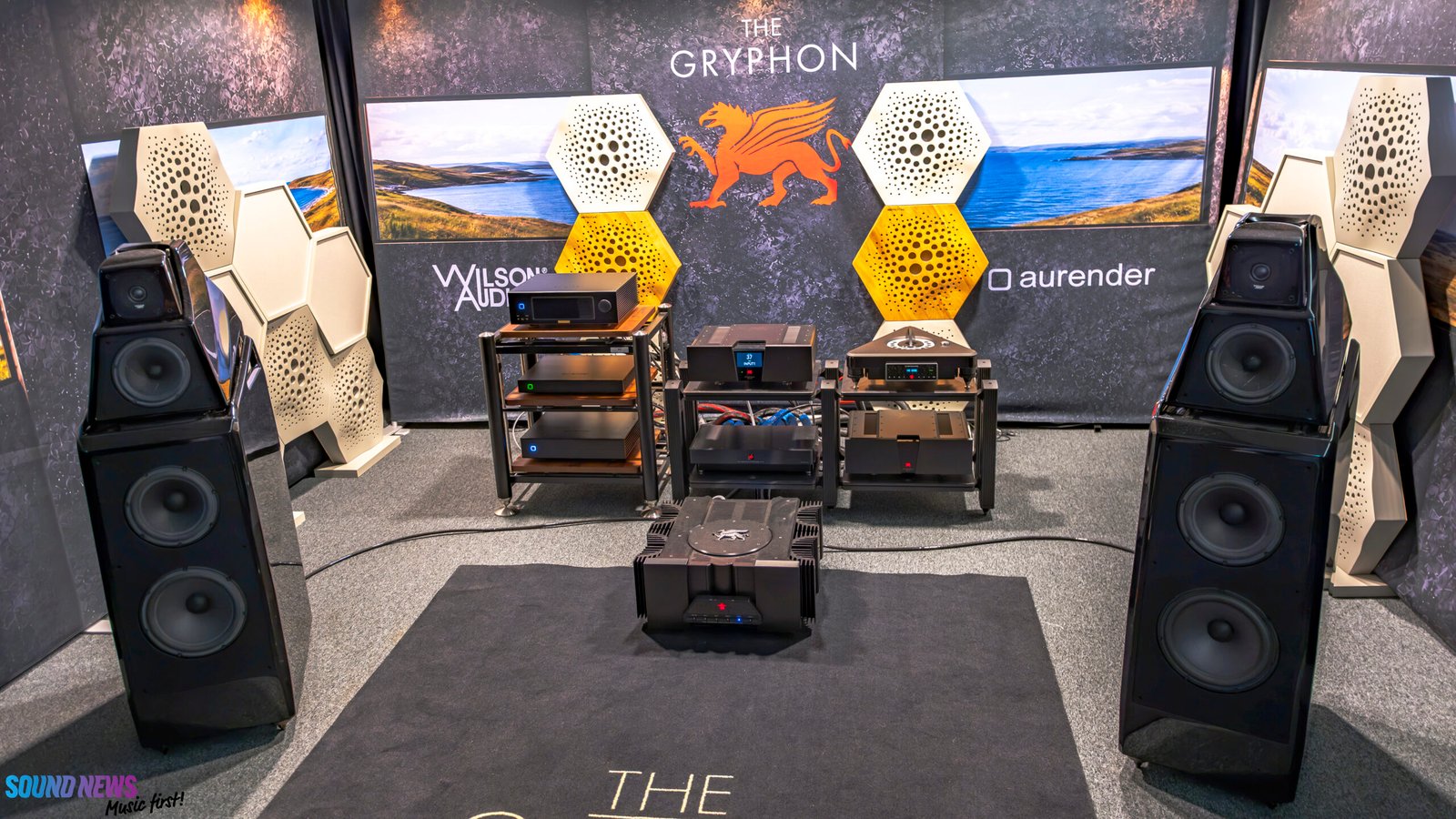
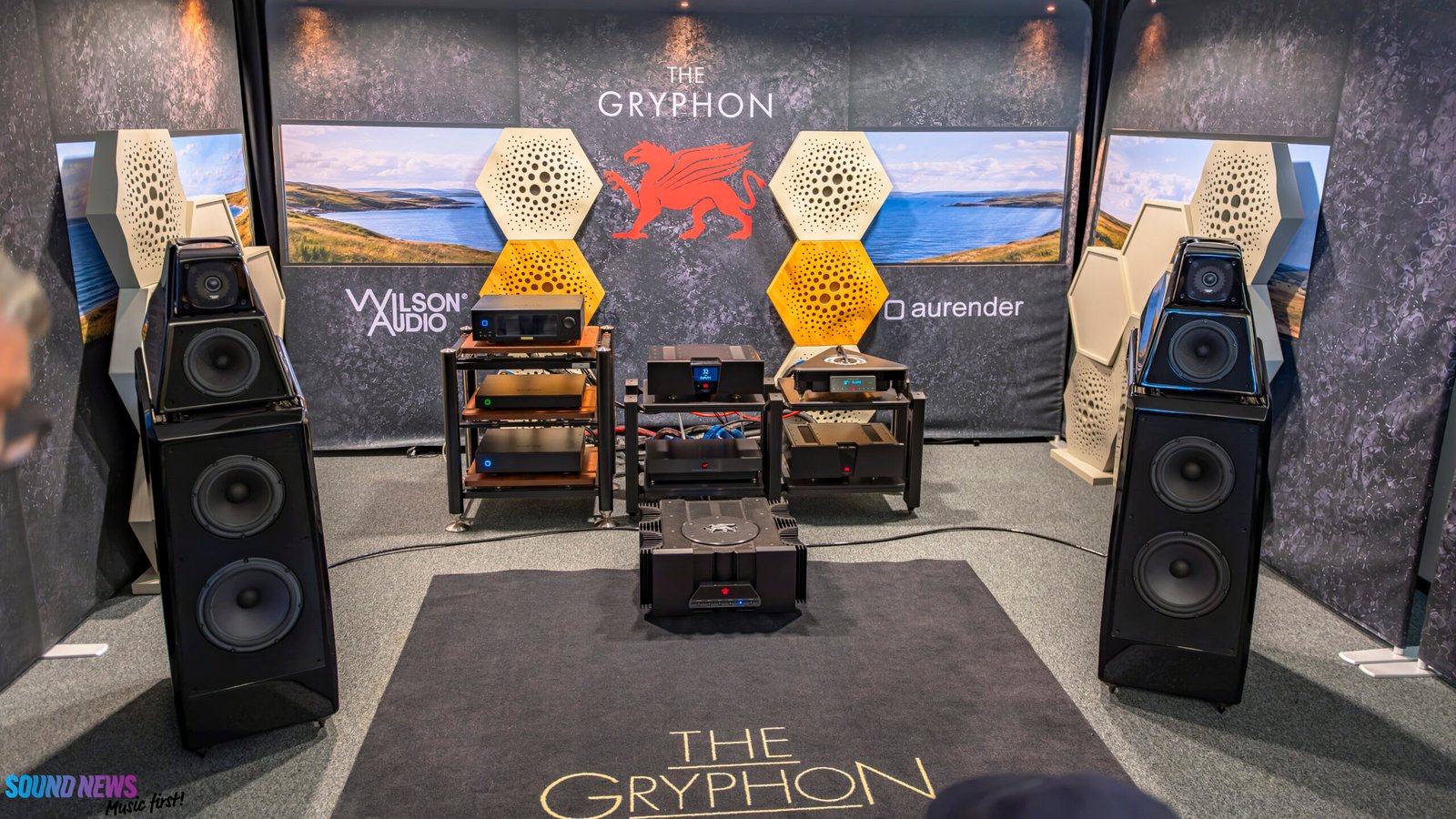
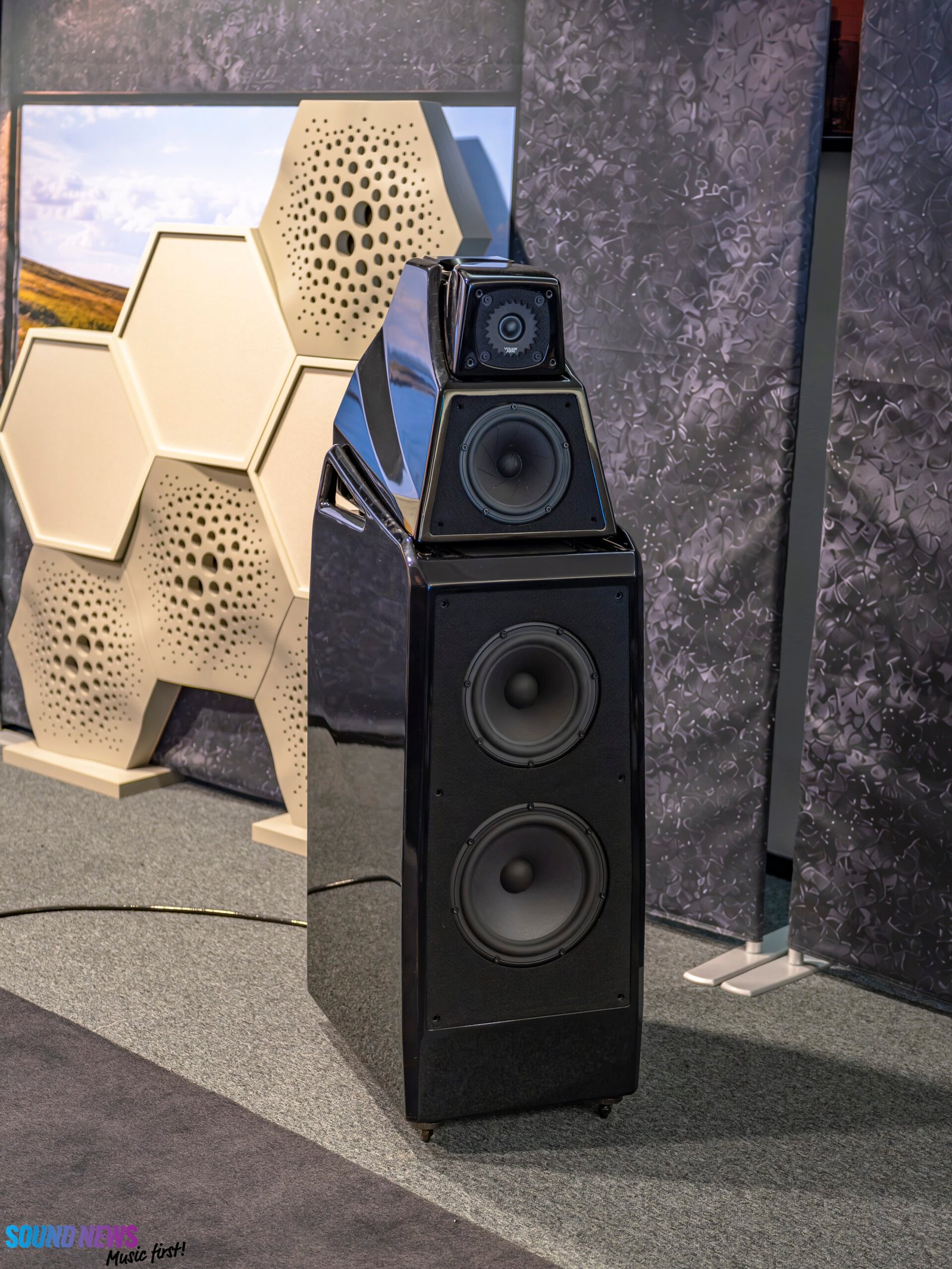
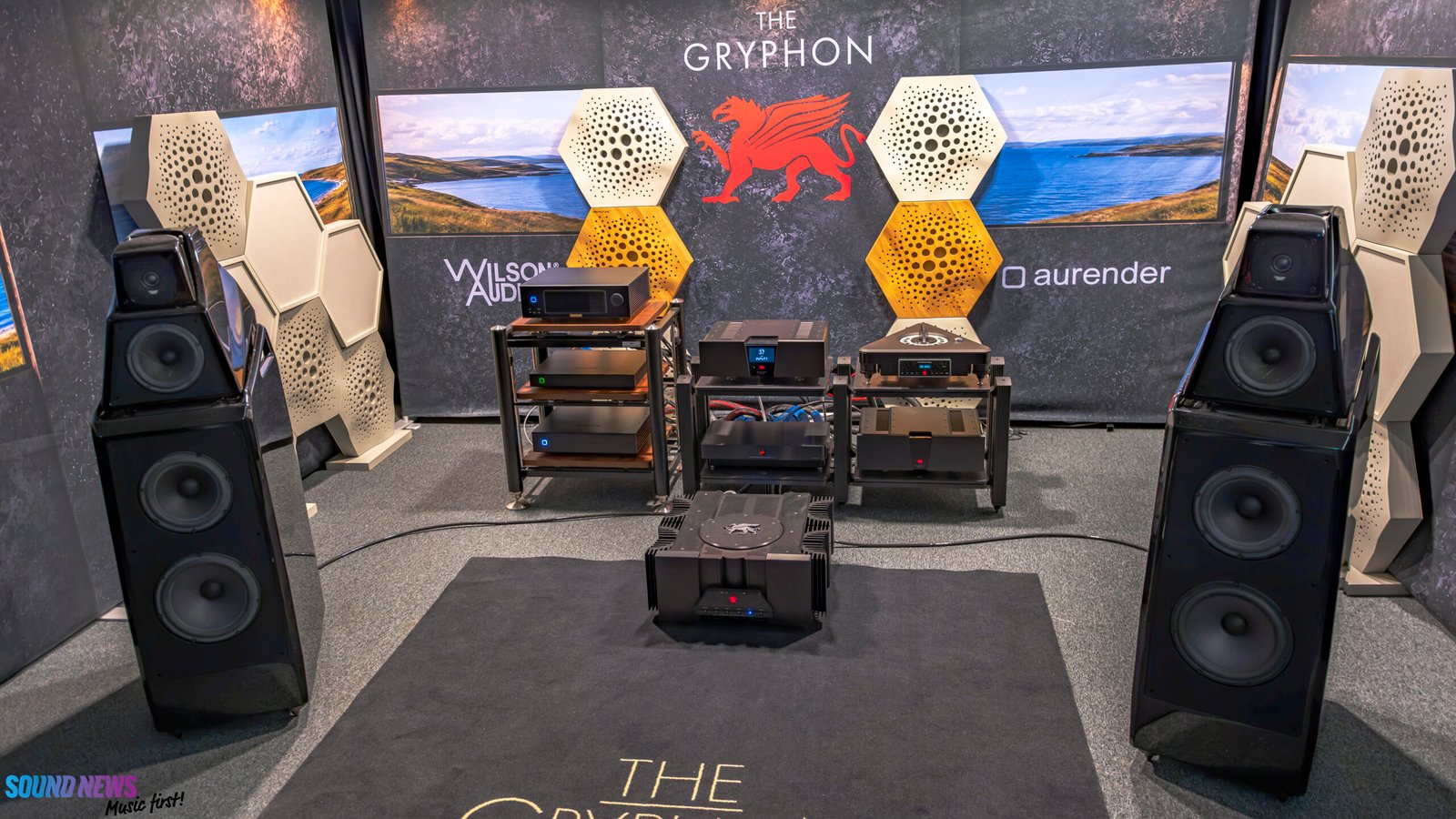
Alexia V with Gryphon Antileon Revelation
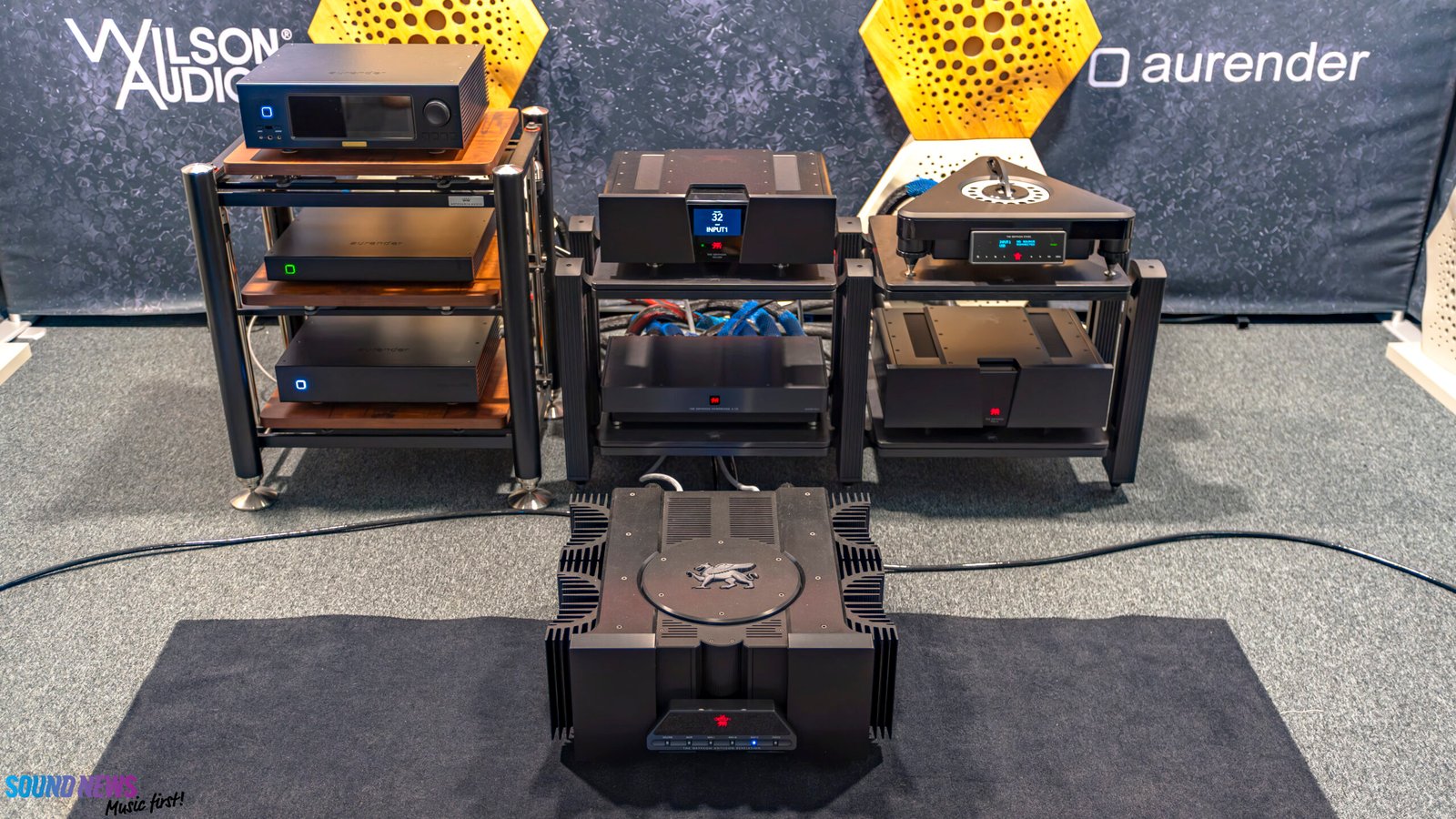
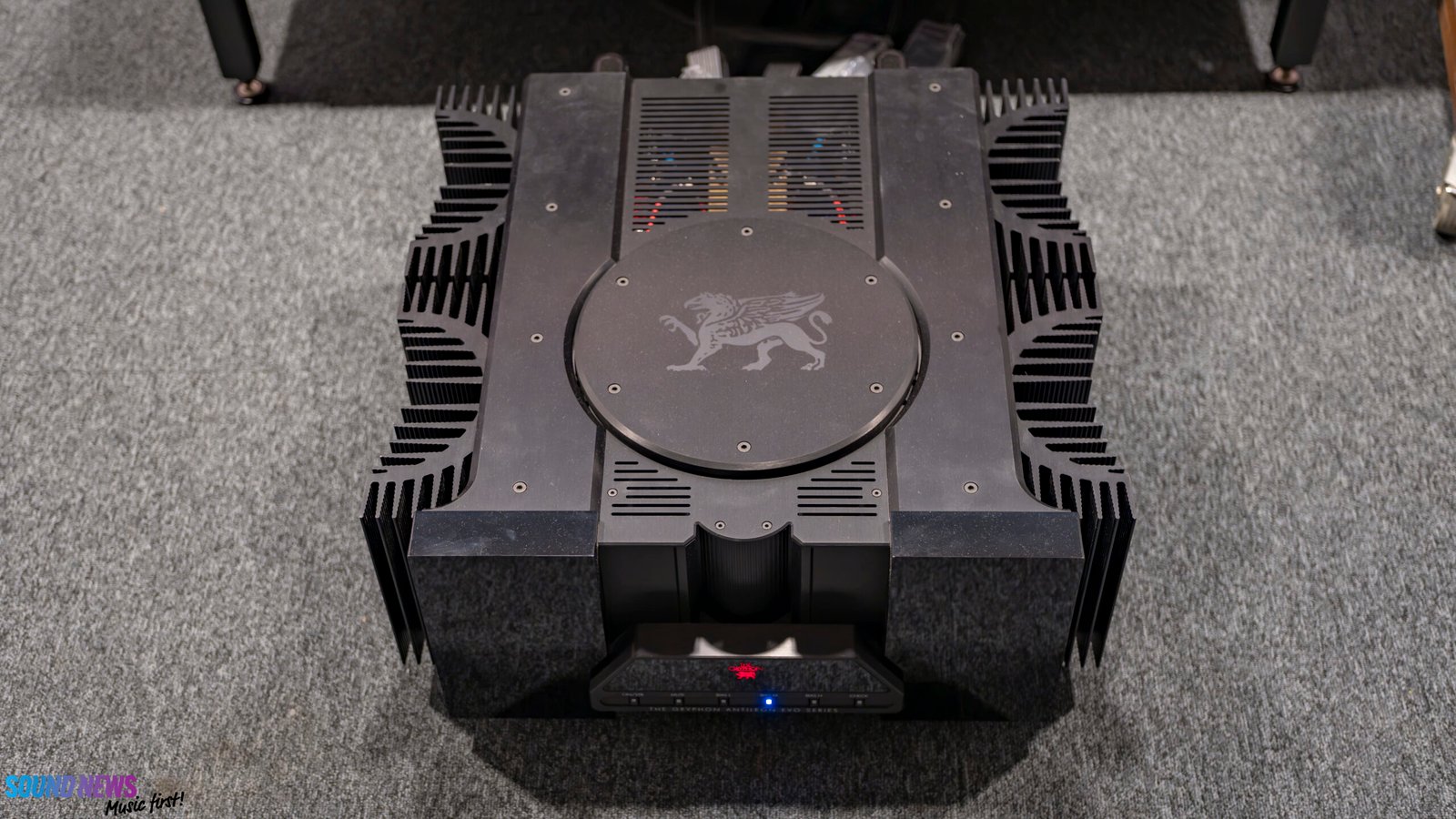
The Alexia V room was, for us, one of the most balanced systems of the show. The loudspeakers were driven by the Gryphon Antileon Revelation, the Danish brand’s new class A stereo power amplifier, with a Gryphon Helios preamplifier, a Gryphon Ethos CD player, Aurender streaming, and Gryphon PowerZone power distribution and cabling.
The Antileon Revelation is a fantastic amplifier, and it showed. Class A warmth and richness, combined with the iron grip Gryphon is known for. The Alexia V sounded full-bodied and dynamic, with natural timbres and a beautifully coherent presentation from top to bottom. It was a system that had clearly been put together with thought and care, and you could hear it.
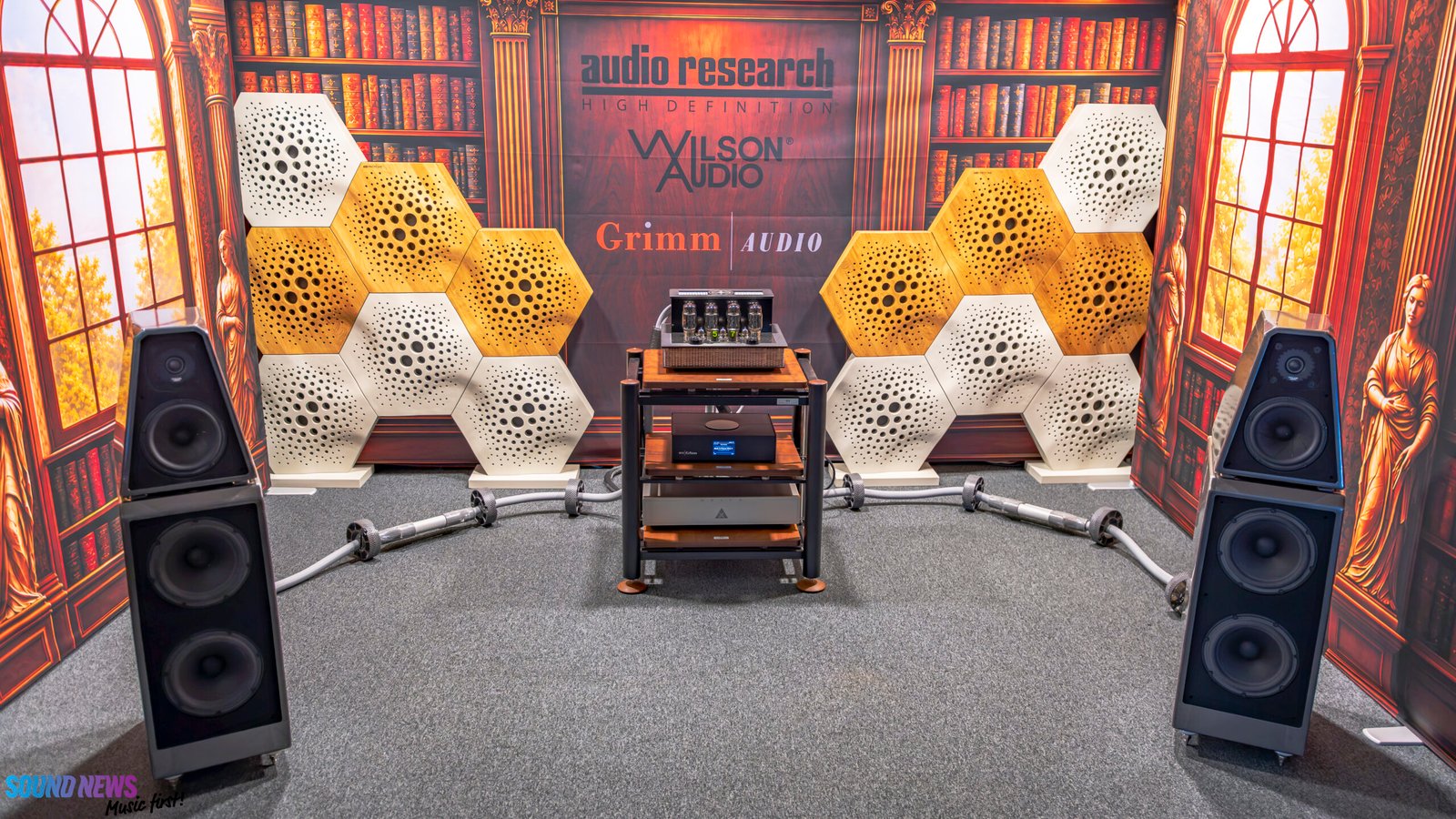
WATT/Puppy with Audio Research I/70
And then, a very familiar pair in an unfamiliar system: the same loudspeakers Catalin lives with at home. Always a strange and slightly emotional experience.
Here, the WATT/Puppy 50th Anniversary Edition were driven by the Audio Research I/70 integrated amplifier, with Grimm handling streaming and conversion, and Shunyata Research cabling and power treatment throughout. A compact system by Warsaw standards, and a refreshingly real-world one.
What a lovely match. The Audio Research tubes gave the WATT/Puppy a wonderful midrange bloom and harmonic richness, while the speakers kept the precision, speed, and focus they are famous for. Voices were natural and present, the soundstage had depth, and the whole presentation had an ease that made us want to stay for one more track. It was a reminder that you do not need a PLN 10 million system to enjoy the Wilson magic.
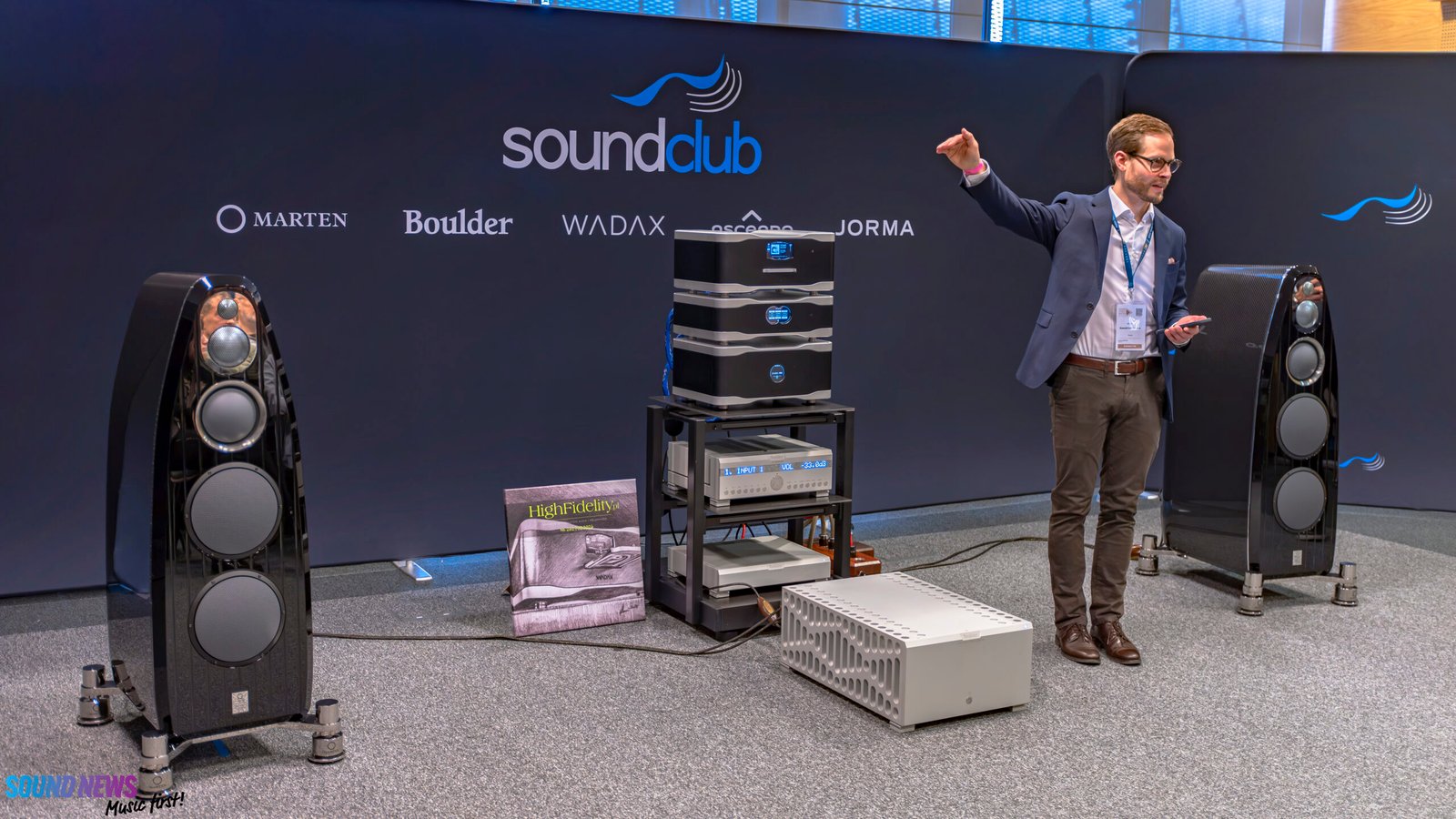
Marten Coltrane Quintet with Boulder
The Barcelona room at the stadium was shared by two very different systems, taking turns for an hour each: Göbel’s monumental Divin Monarque on one side, and the Marten Coltrane Quintet on the other. It made for an unusual experience: depending on when you walked in, you heard a completely different show.
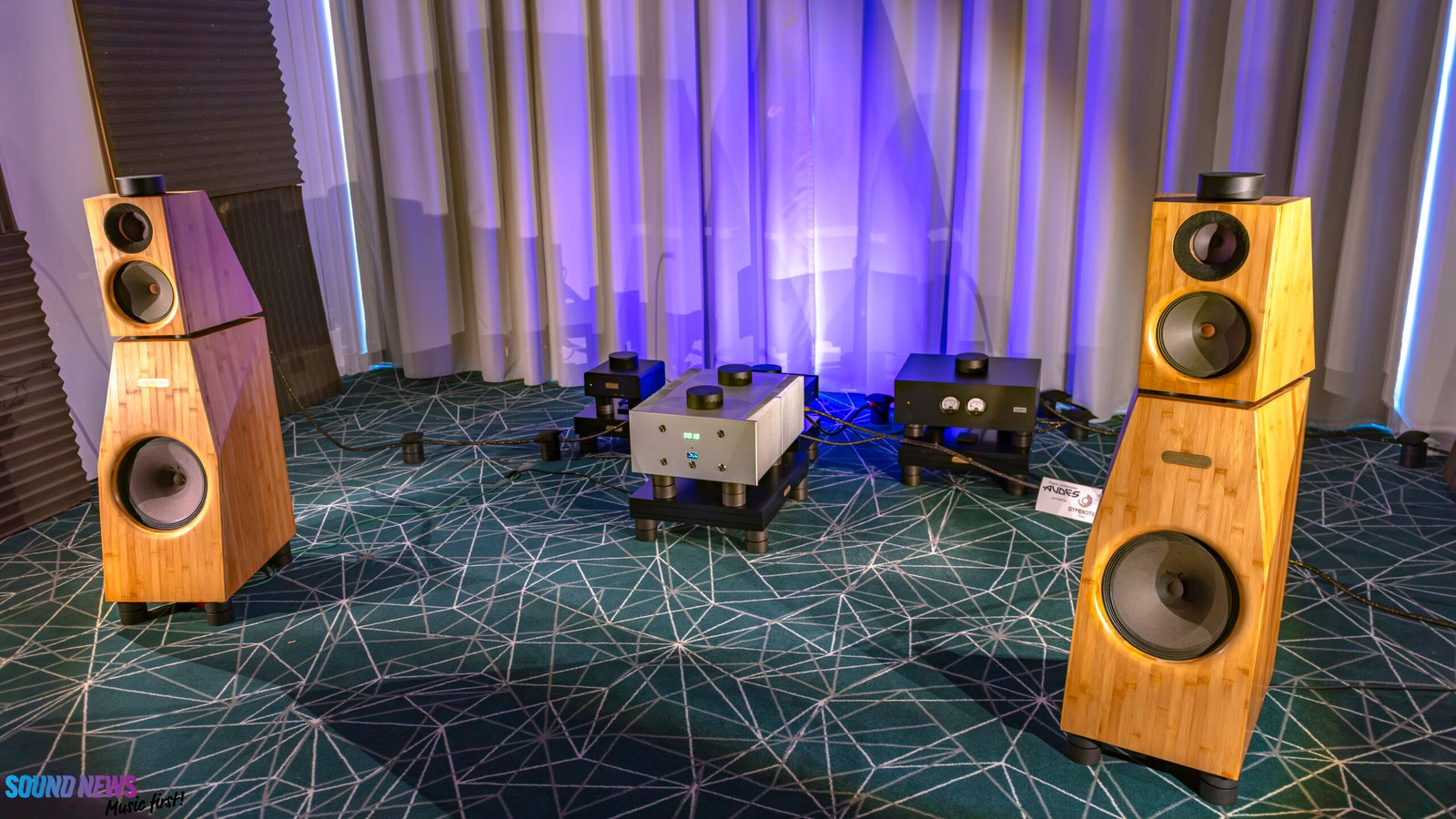
The Coltrane Quintet was making its Polish premiere, priced at PLN 830,000. It is a four-way design with a diamond tweeter, a beryllium upper-midrange driver, a carbon mid-bass driver, and two 10-inch aluminum sandwich woofers. It was driven by Boulder electronics, the 2160 stereo power amplifier and the two-box 2110 preamplifier, with a Wadax Studio three-box digital front end (player, clock and power supply).Marten and Boulder are a combination that we have never heard. The Swedish loudspeakers bring speed, transparency and that wonderful diamond-tweeter air. The American electronics bring power, control and a sense of unshakeable authority. Together, they delivered a sound that was clear, fast and dynamic, with a precise, holographic soundstage and a deep, tight bass. Detail was abundant, but never clinical, and the system stayed composed even at very high levels. The best sound we have ever heard with Marten loudspeakers.
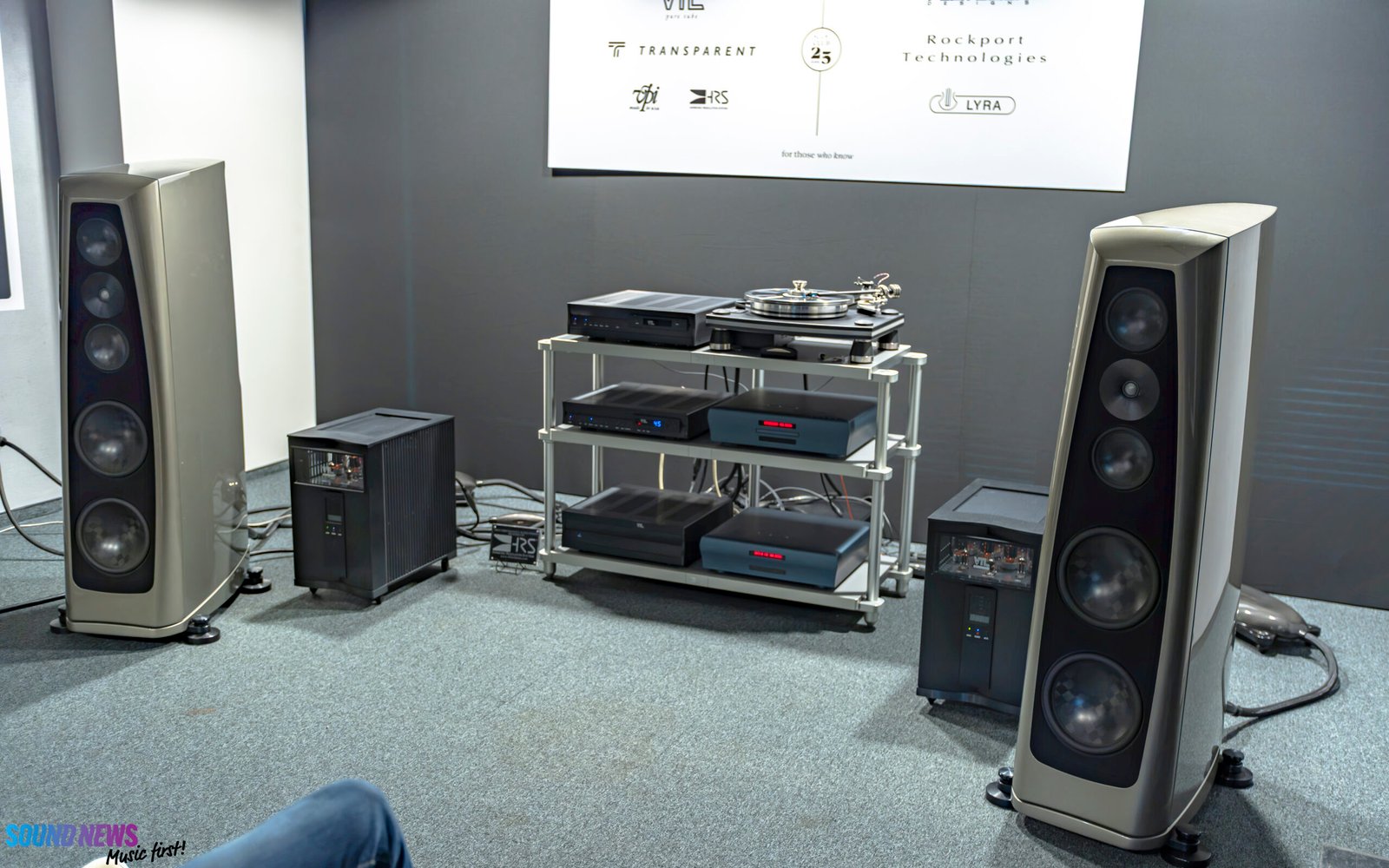
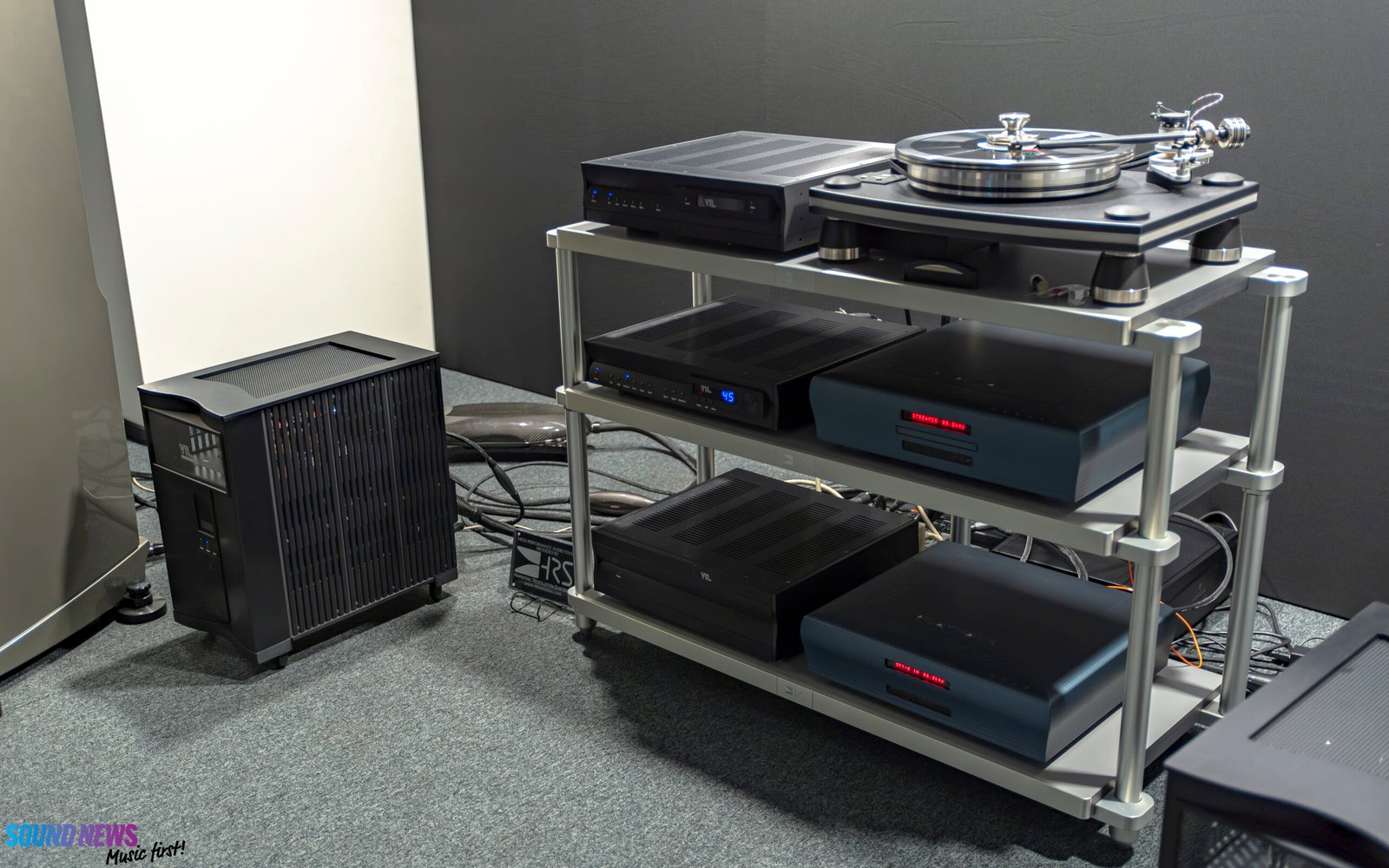
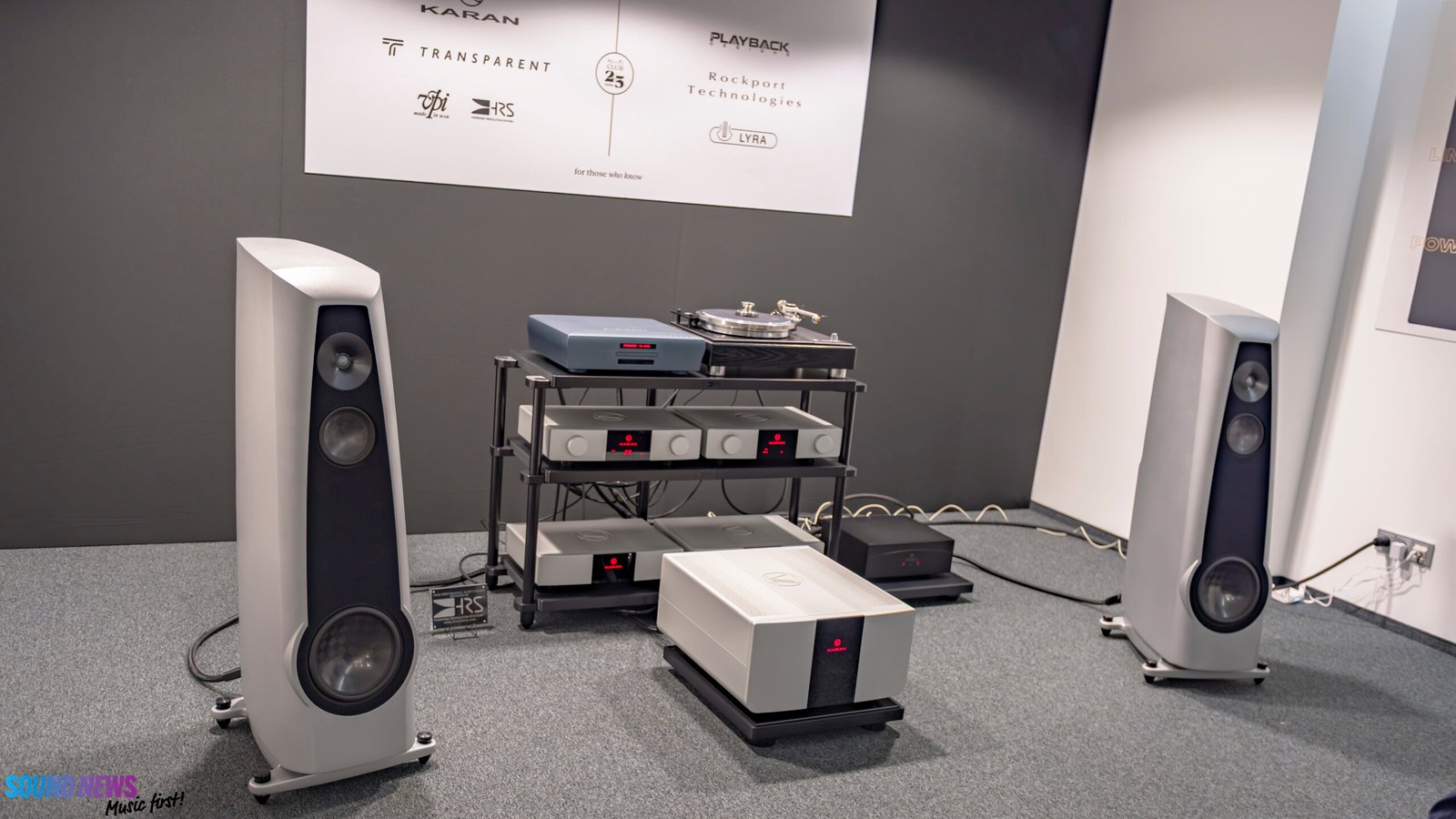
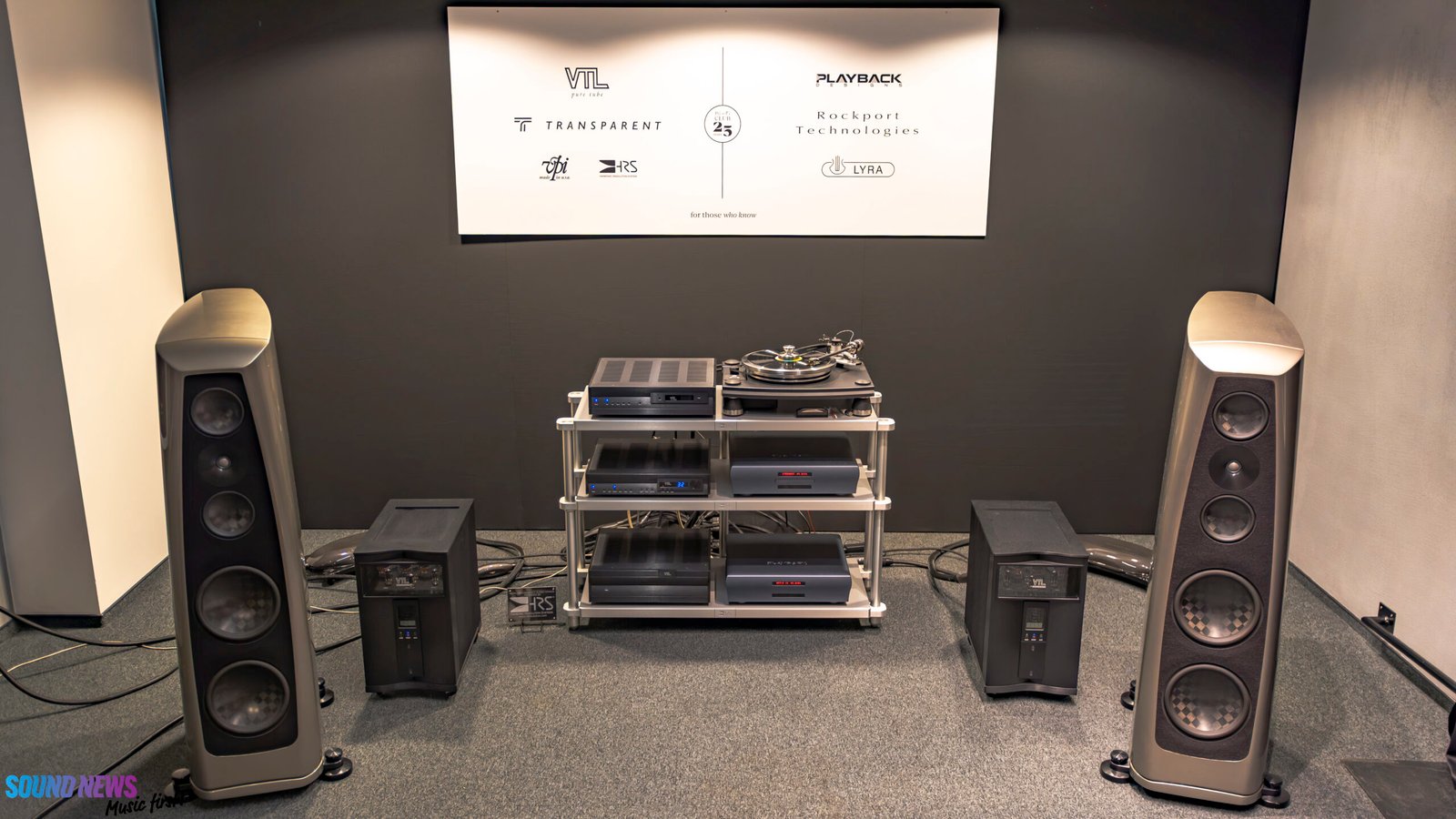
Rockport Technologies Lyra with VTL
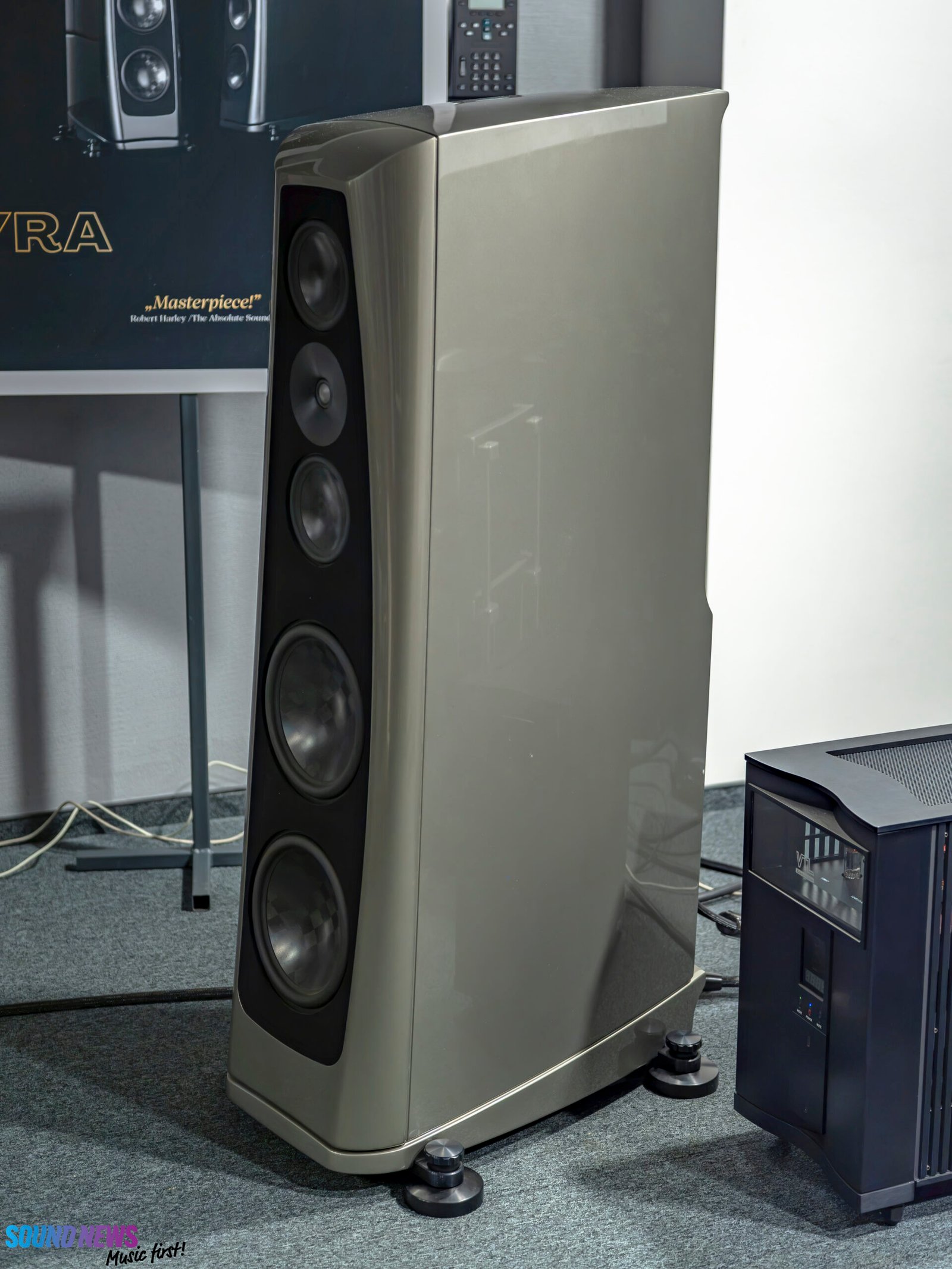
HiFi Club presented the Rockport Technologies Lyra in the Rome B room at the stadium. The Lyra is the company’s flagship from Maine, a three-and-a-half-way design in which the two midrange drivers work together at the bottom of their range, with Rockport’s own carbon fiber sandwich cones. Rockport specifies 4-ohm nominal, 90 dB sensitivity at 2.83 V, and a response of 20 Hz to 30 kHz. Each speaker weighs 560 lb, around 254 kg. The Polish price is around €265,000. Only classical music was played in the room, which is a „delicate” choice at a hi-fi show where a lot of people with a very broad range of listening preferences attend.
Natural timbre is high on our list of priorities. Classical music is where it is easiest to judge, since most of us know how a violin, a cello or a grand piano sounds in a concert hall. With VTL valve amplification, the Lyra sounded wonderful, and we enjoyed our time in Rome B very much.
- Loudspeakers: Rockport Technologies Lyra
- Power amplifiers: VTL Lohengrin reference monoblocks
- Preamplifier: VTL TL 7.5 Series III
- Phono preamplifier: VTL TP 6.5 Series II
- Analog source: VPI Dragon turntable with a Lyra Etna cartridge
- Digital source: Playback Designs MPS 8
- Cabling: Transparent Audio
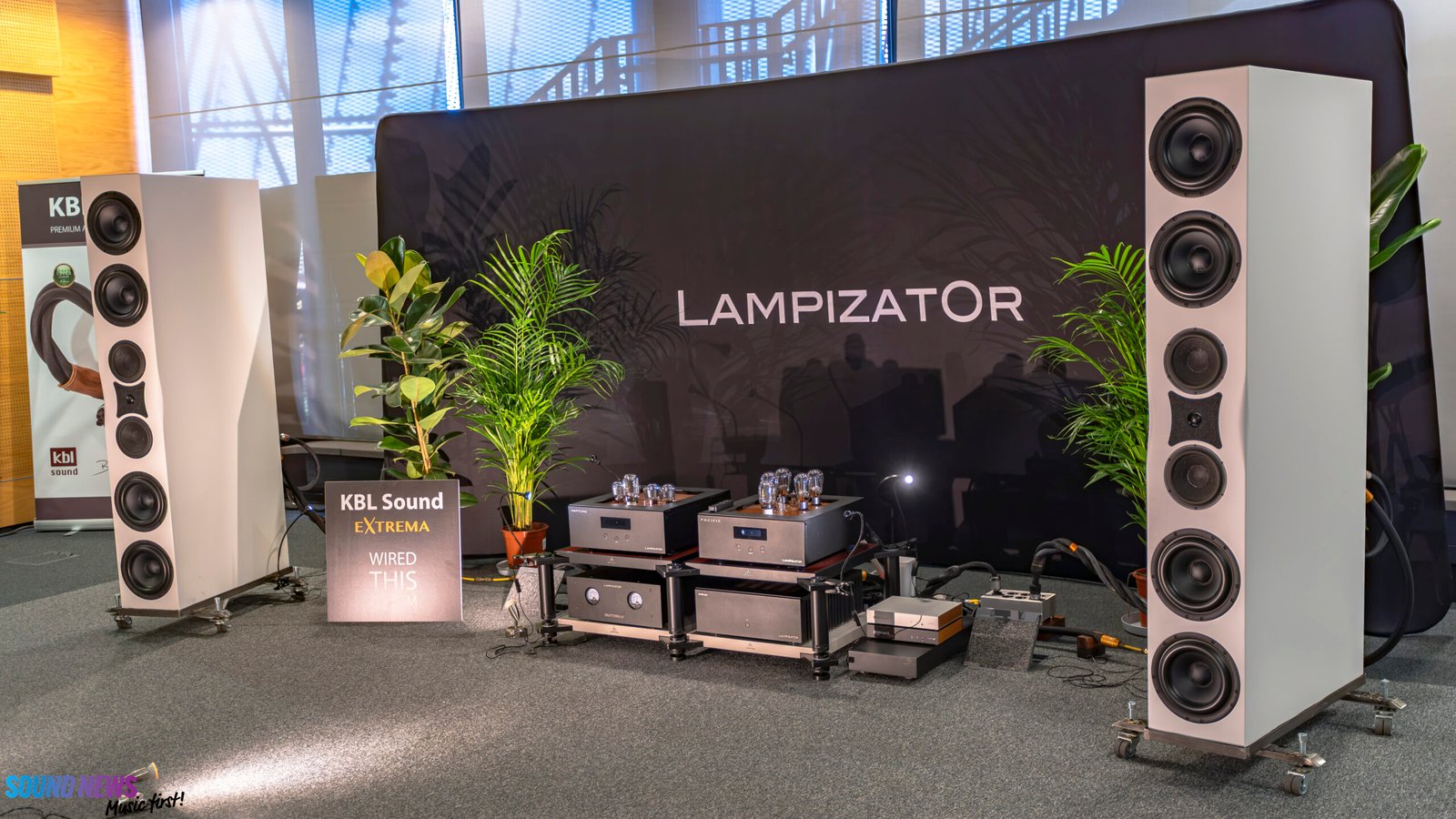
LampizatOr, Sveda Audio, and KBL Sound
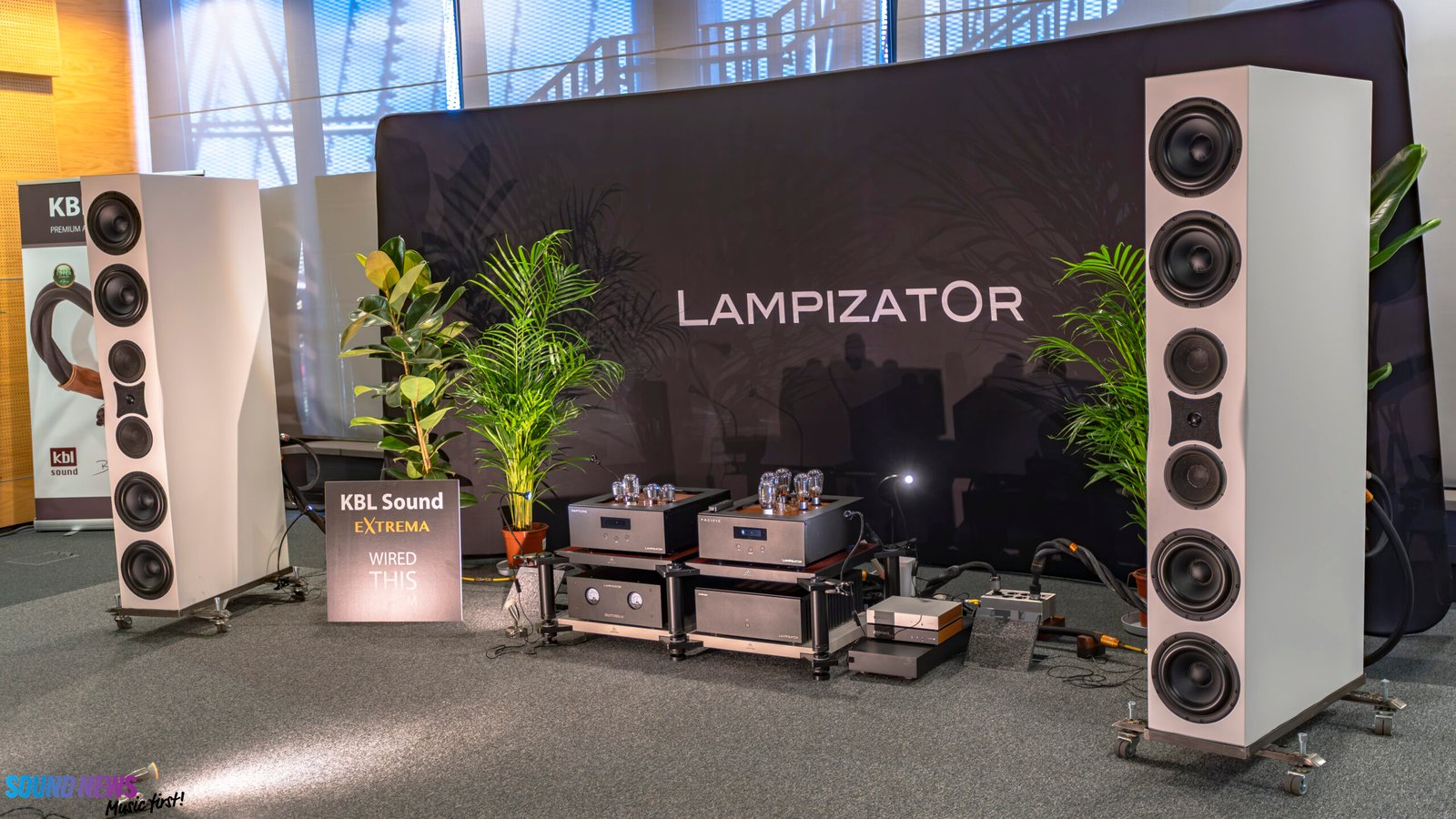
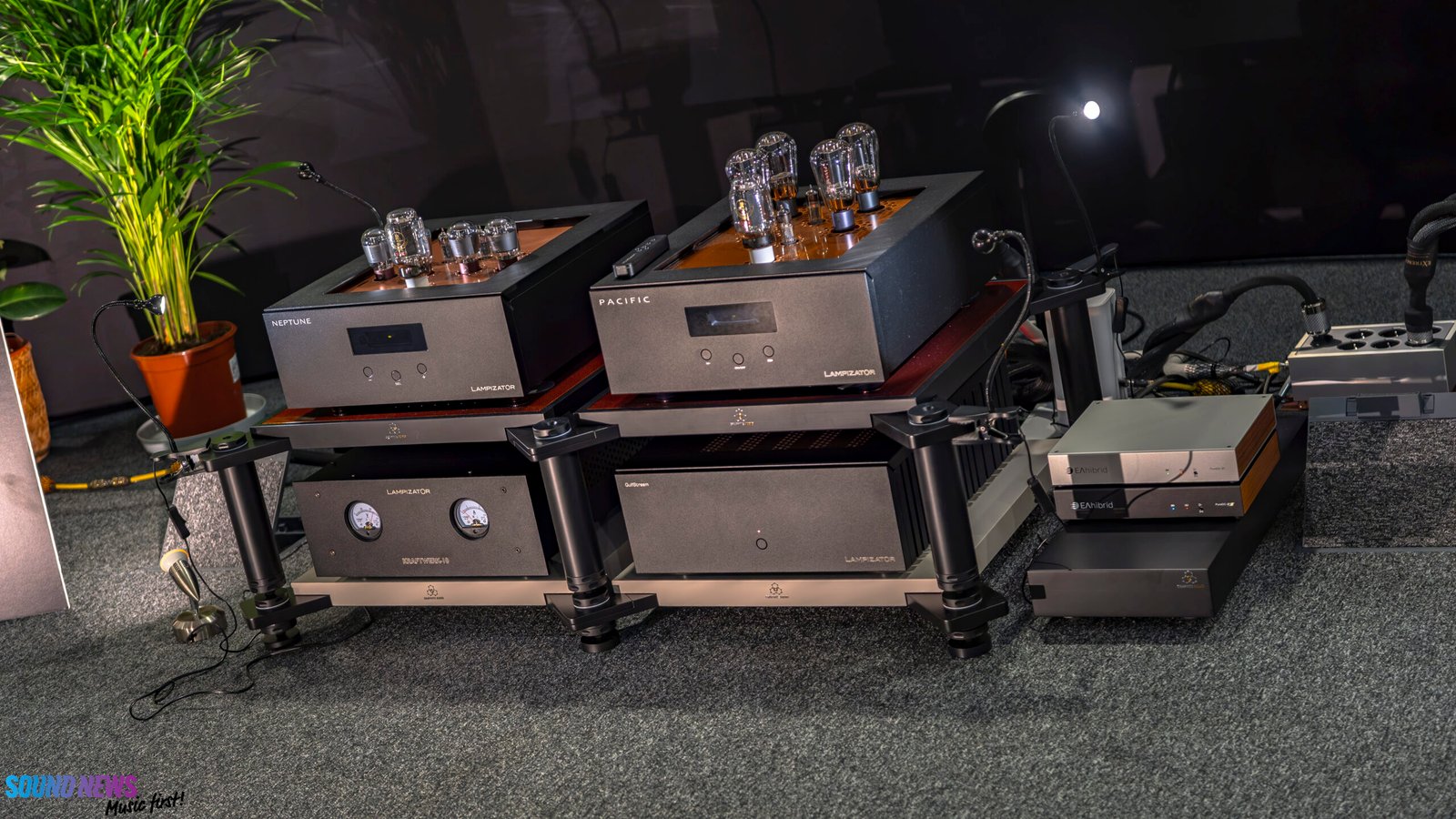
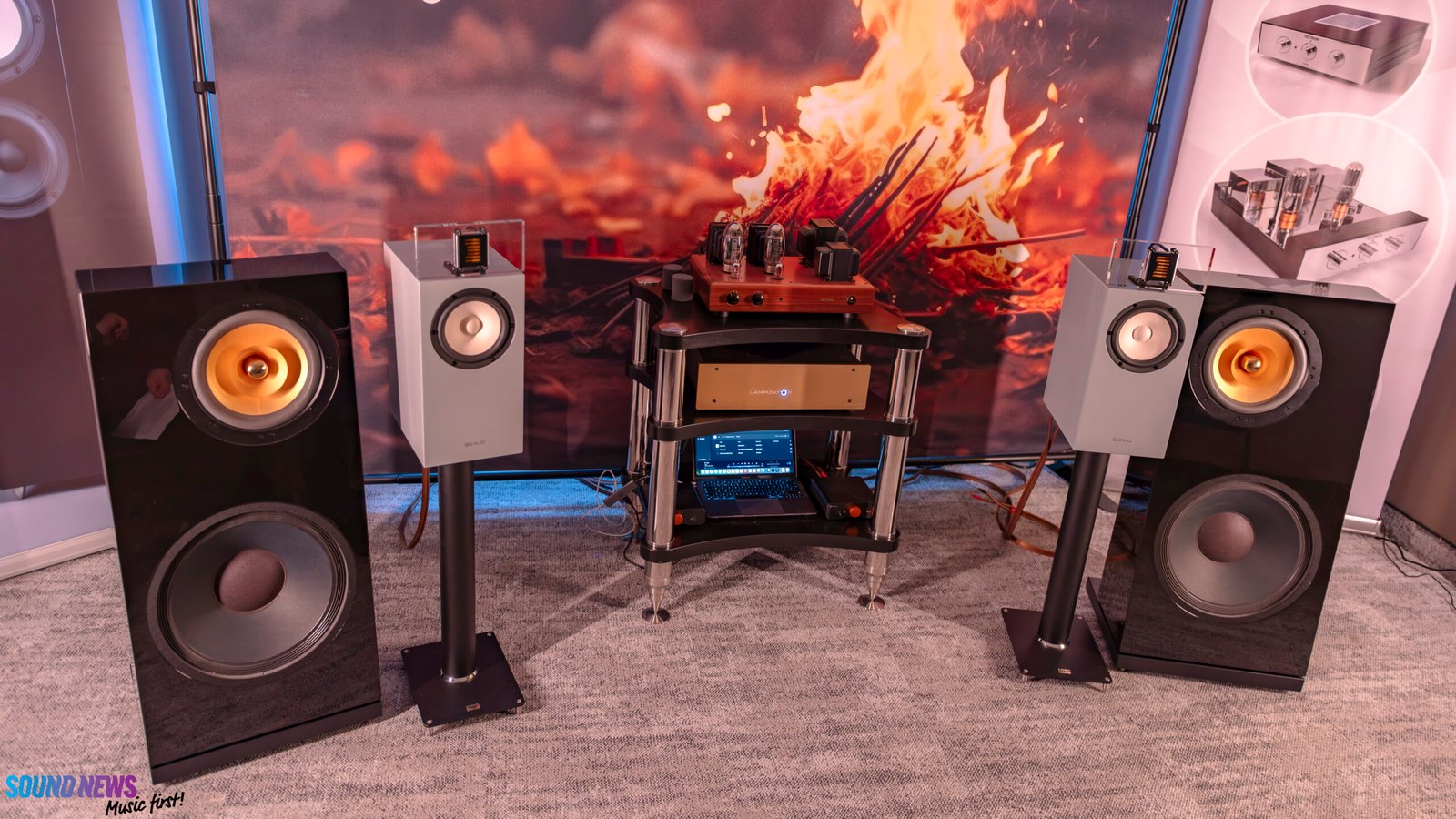
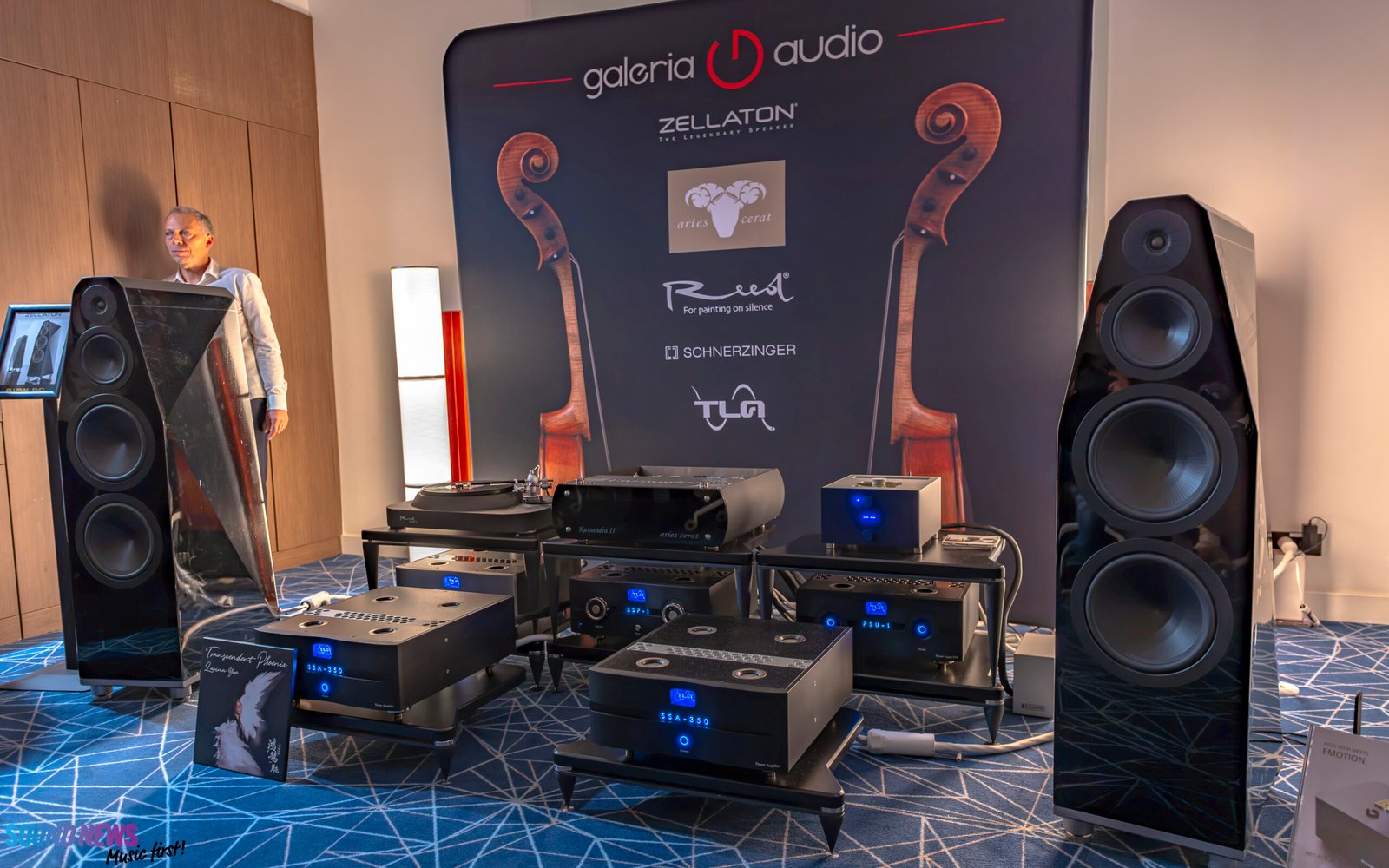
Warsaw A, at the stadium, hosted a system made by three Polish companies. LampizatOr, the company of Łukasz Fikus, had three premieres in the room: the Pacific 5 tube DAC, shown for the first time anywhere and priced at €33,210 in the configuration on display, the Neptune 2 balanced tube preamplifier and the GulfStream 2 music server, new to Poland. The Neptune 2 was connected directly to the Sveda Audio Gabi, very large active loudspeakers designed by Arek Szweda, with KBL Sound cabling throughout.
In Warsaw A, the Gabi loudspeakers sounded complete, with everything one would want from a big, high-end system, in a very short chain. It’s our feeling that many audiophiles underestimate active loudspeakers. These shouldn’t be underestimated, but given their size, posture, and specifications, it is understandable. This room was a strong argument for how a proper active speaker should be built, and that is why it gets an honorable mention.
- Loudspeakers: Sveda Audio Gabi, active
- Music server: LampizatOr GulfStream 2
- DAC: LampizatOr Pacific 5
- Preamplifier: LampizatOr Neptune 2
- Power conditioning: Kraftwerk10
- Network: EAhibrid PureDC B1 switch and LAN cables
- Cabling: KBL Sound power cables and interconnects
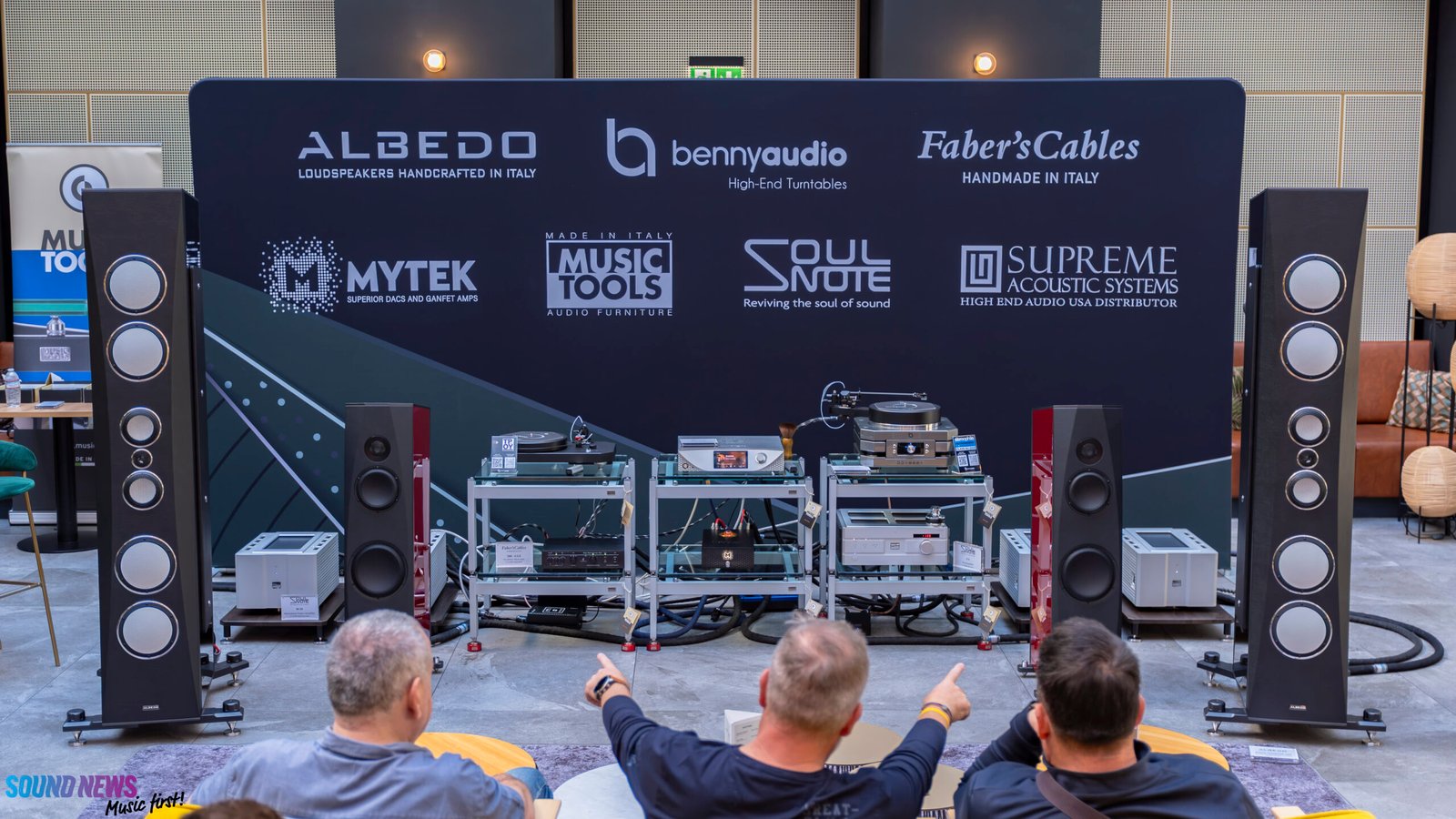
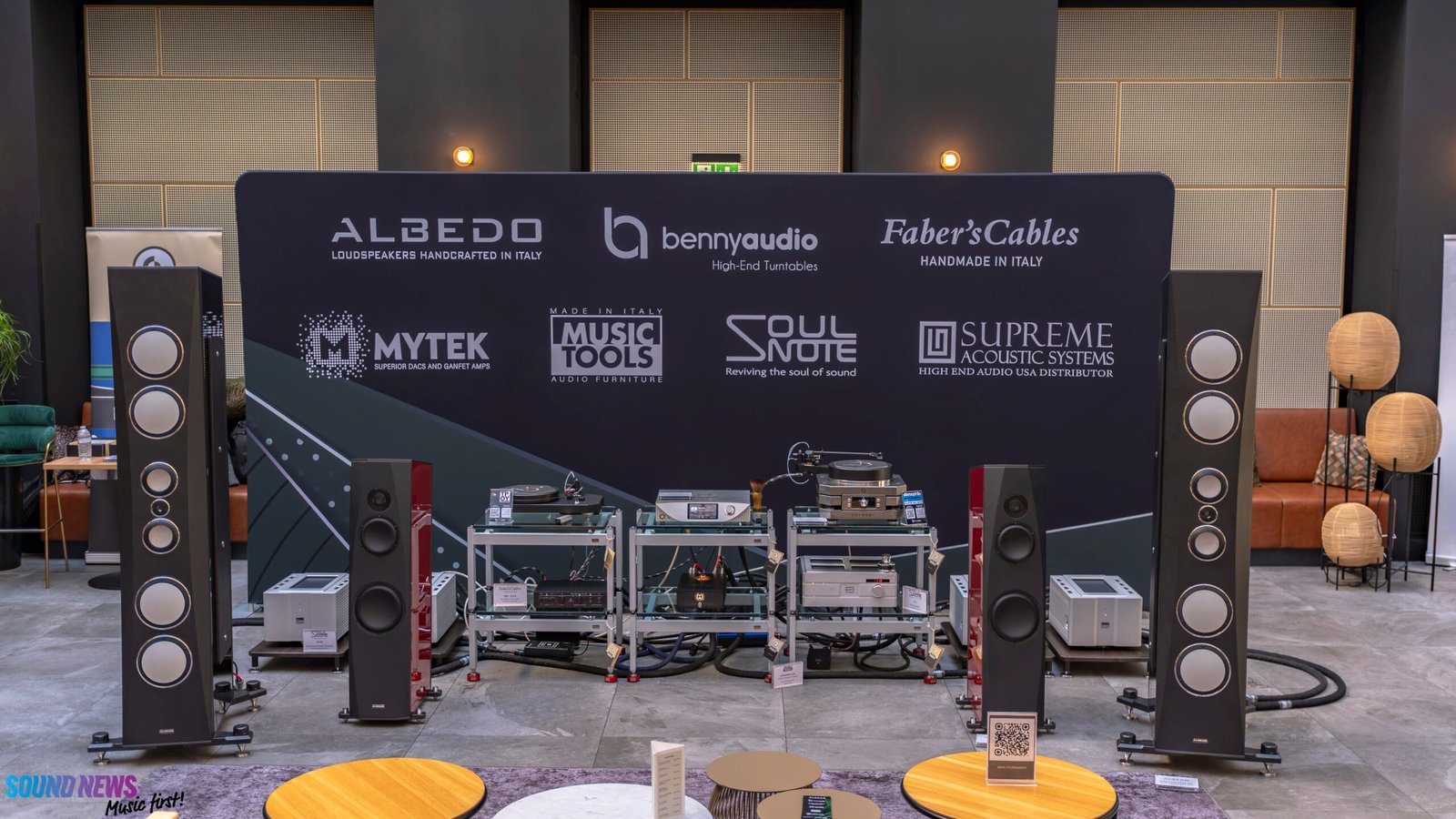
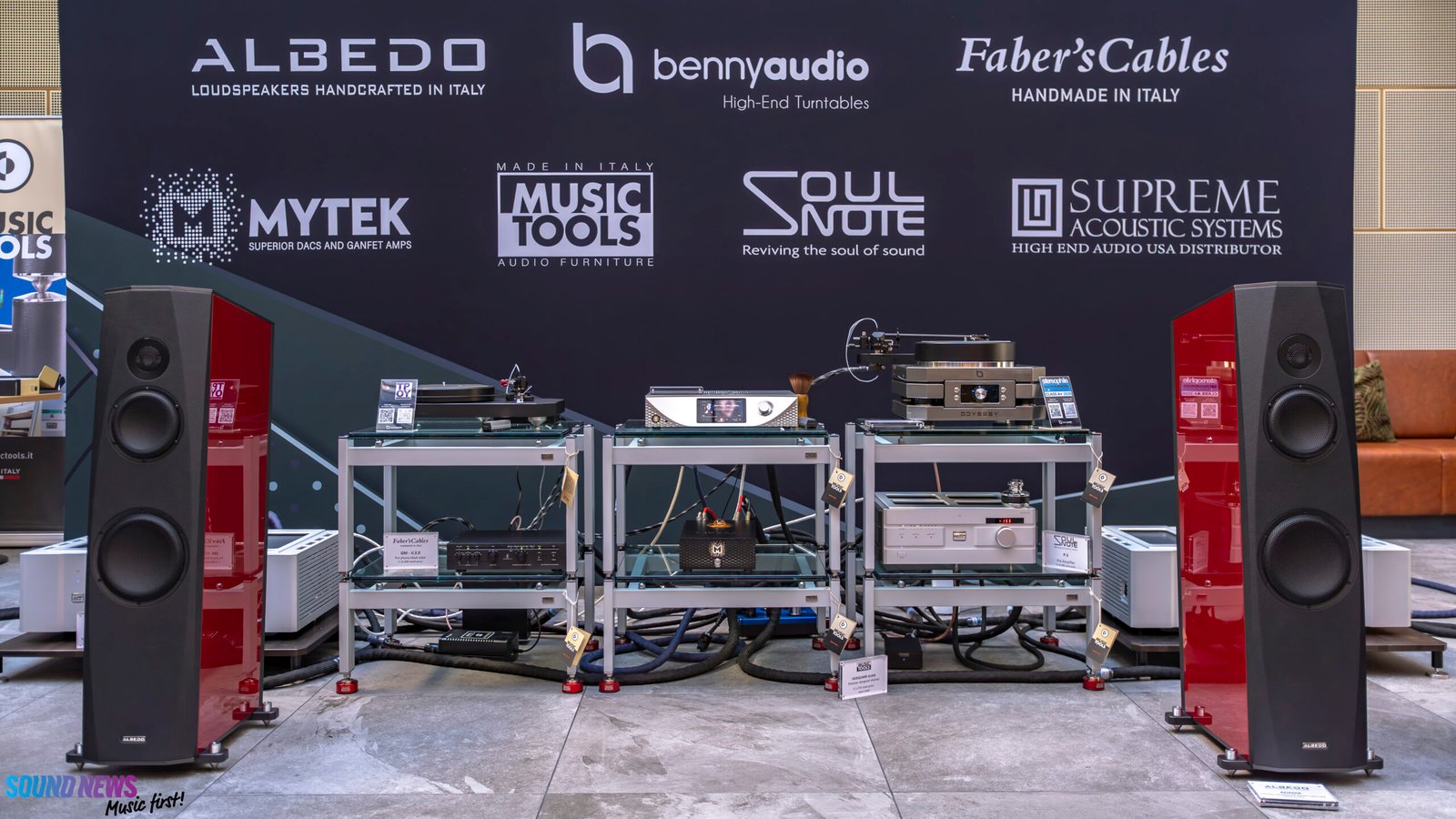
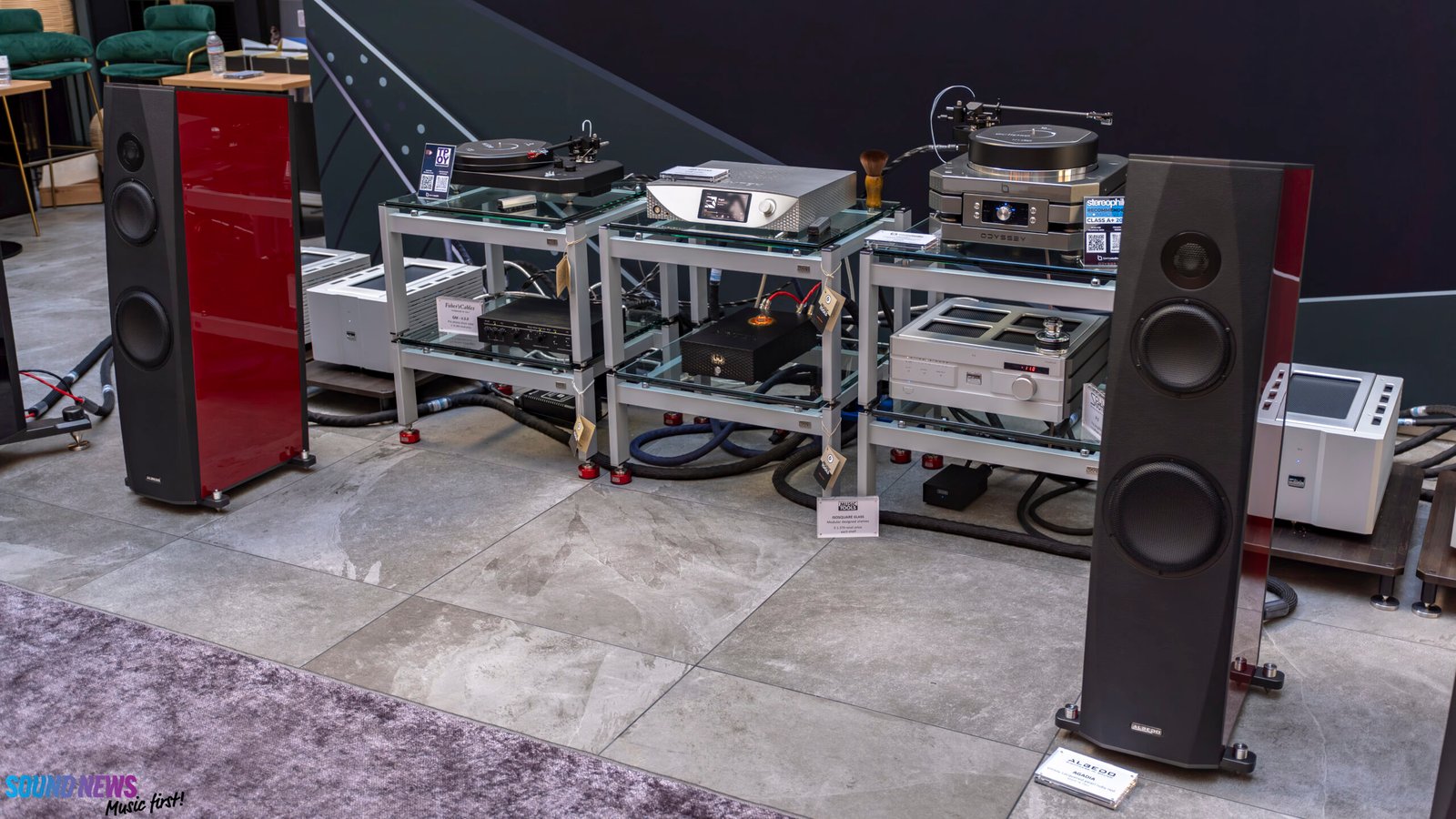
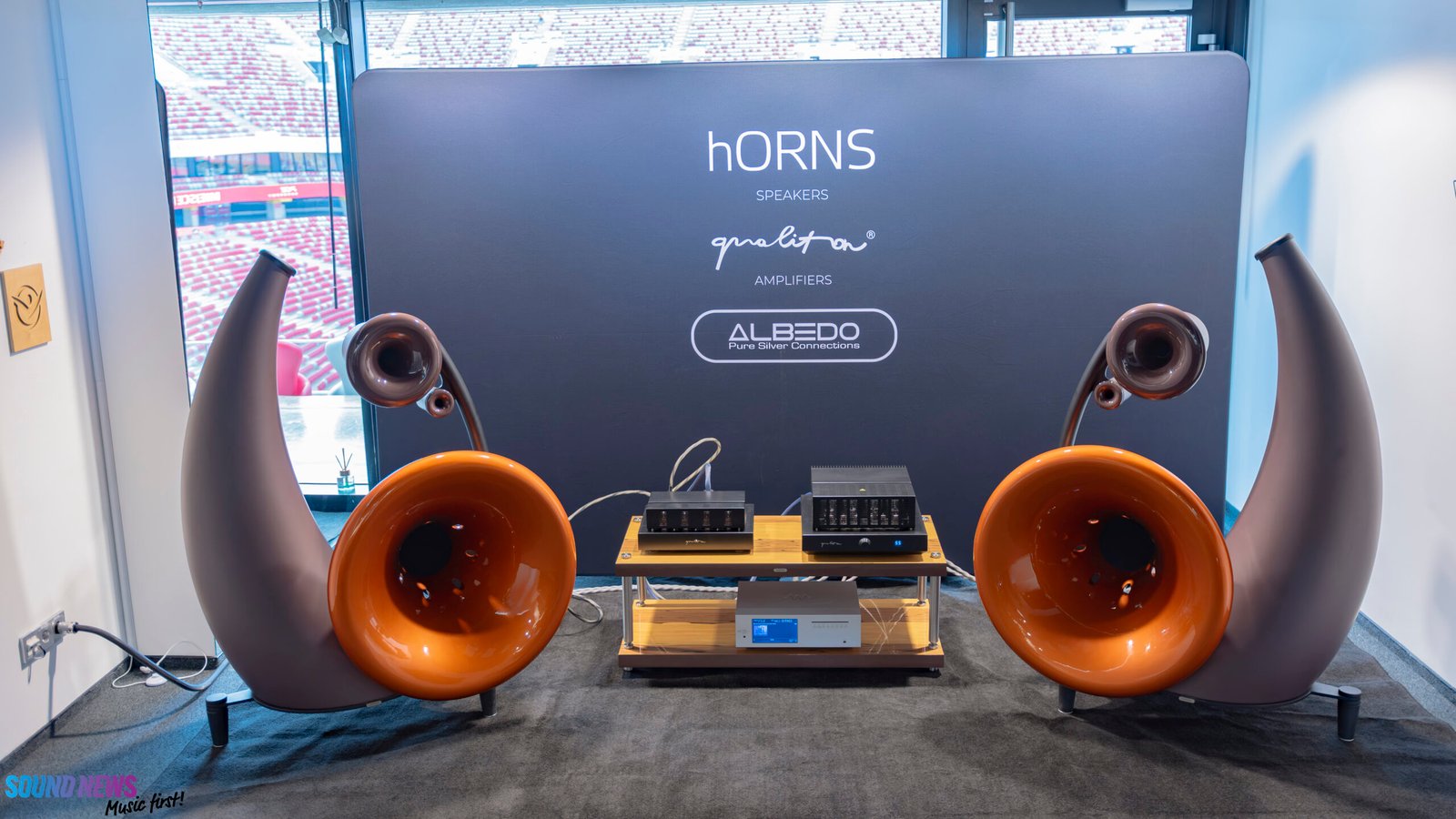
Albedo Atesia Diamond SGS with Soulnote
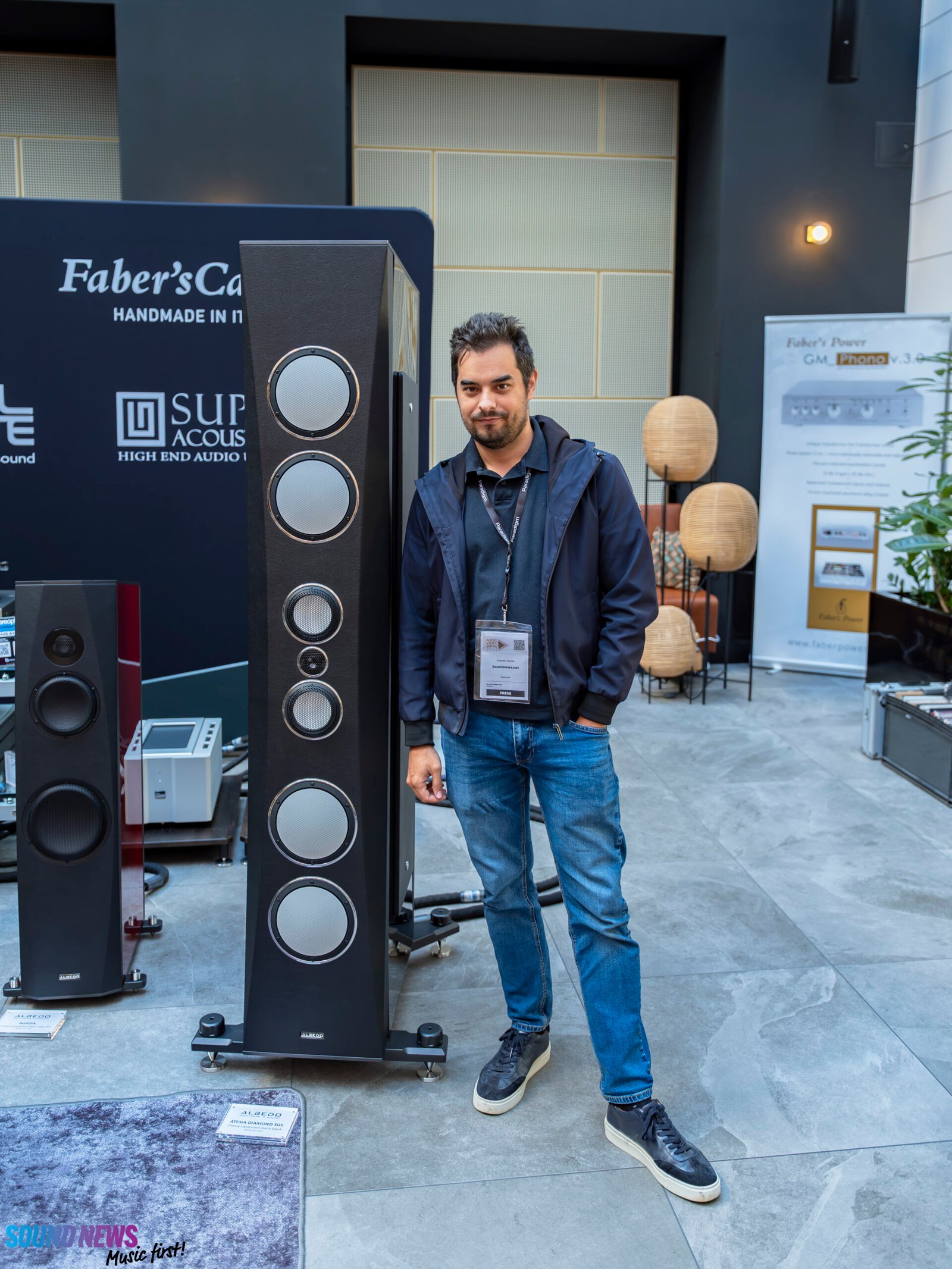
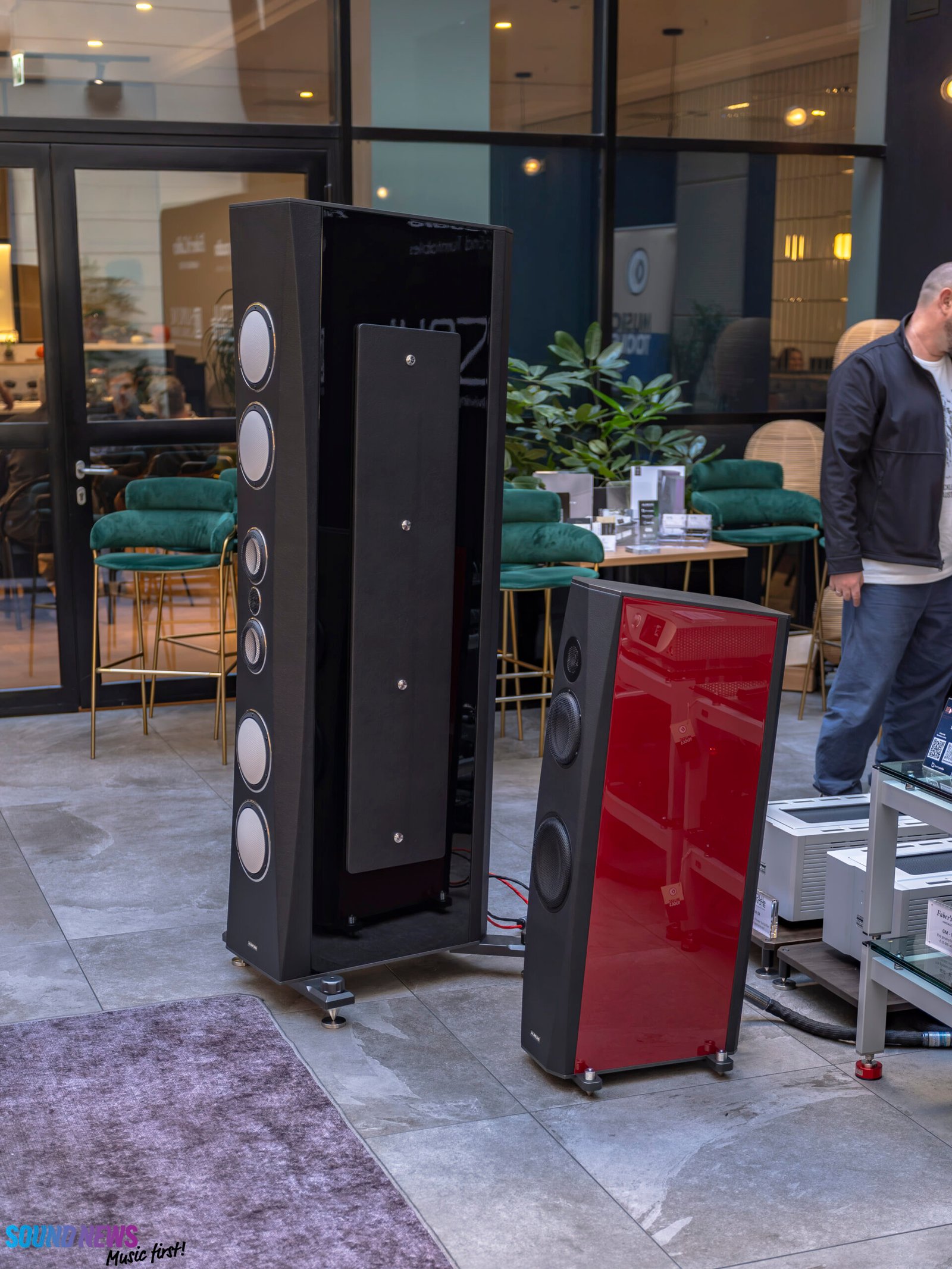
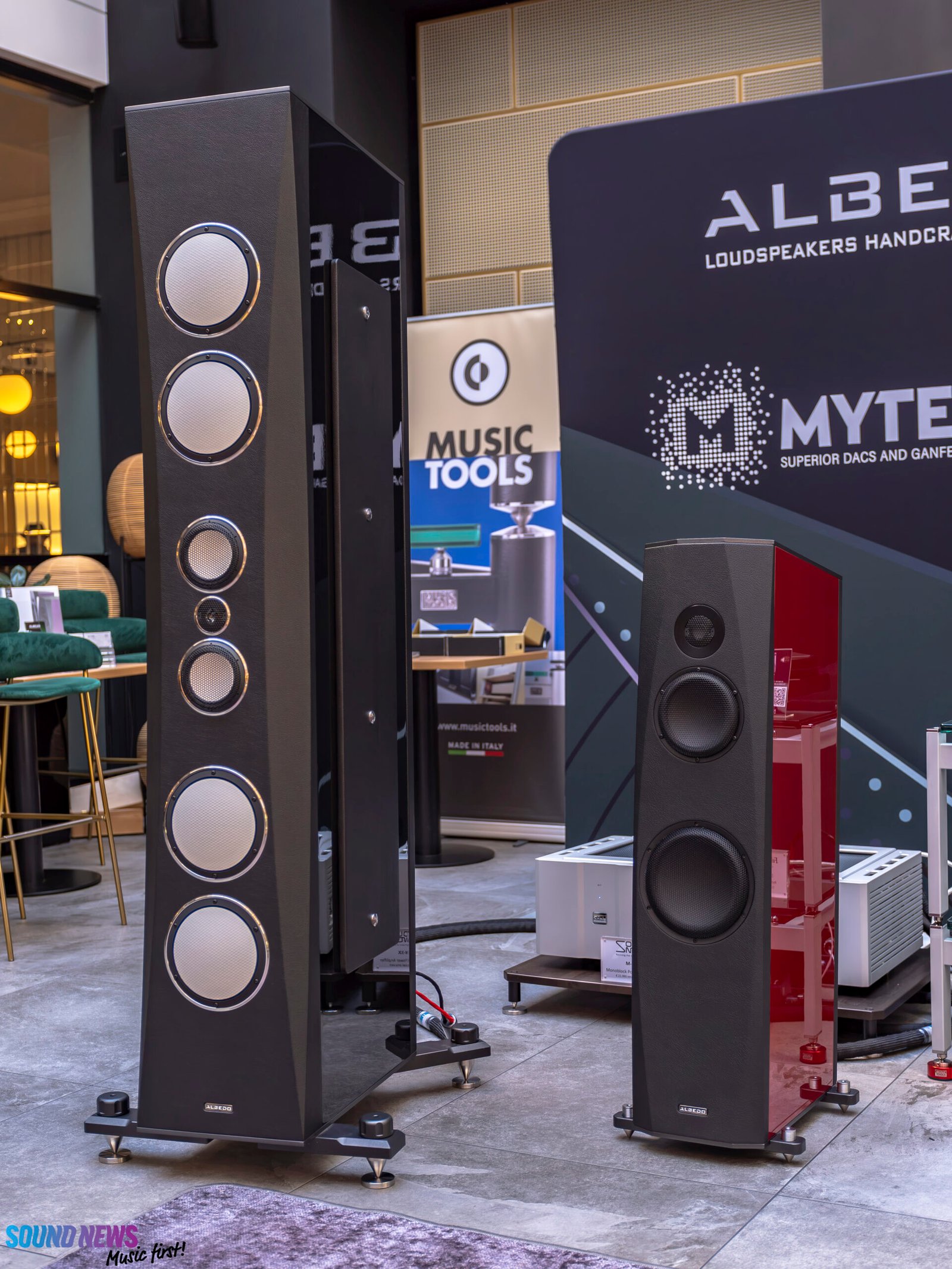
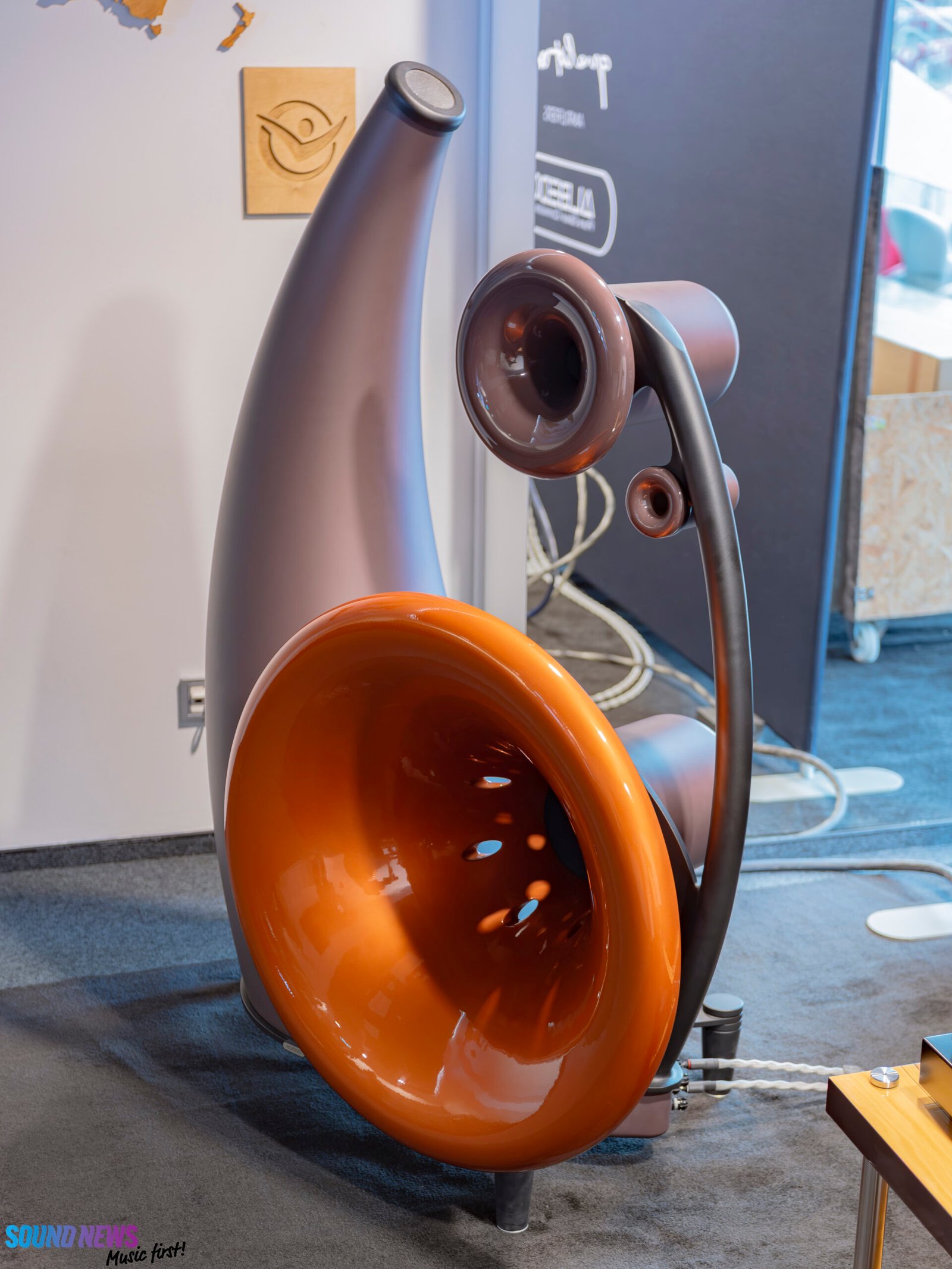
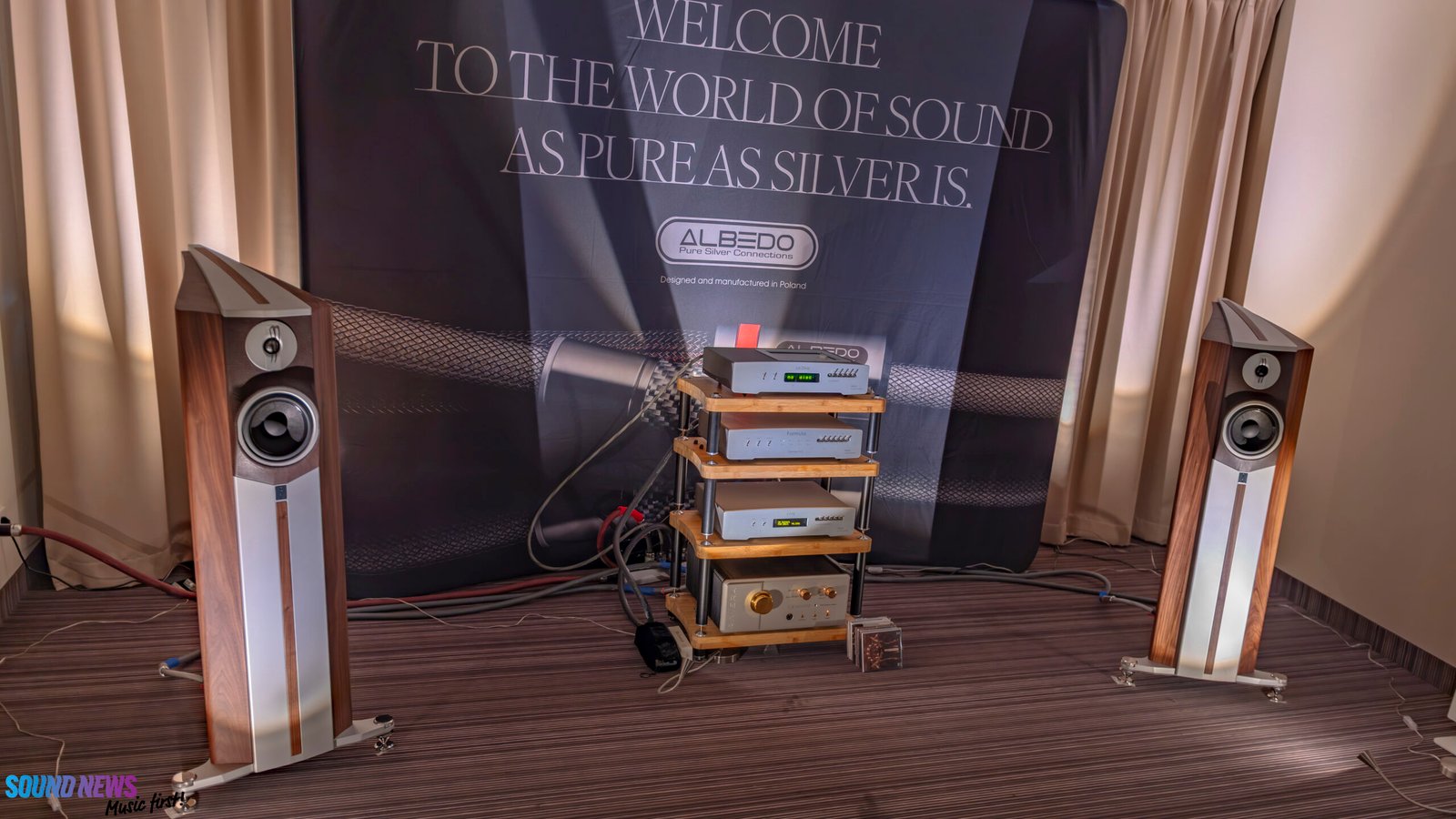
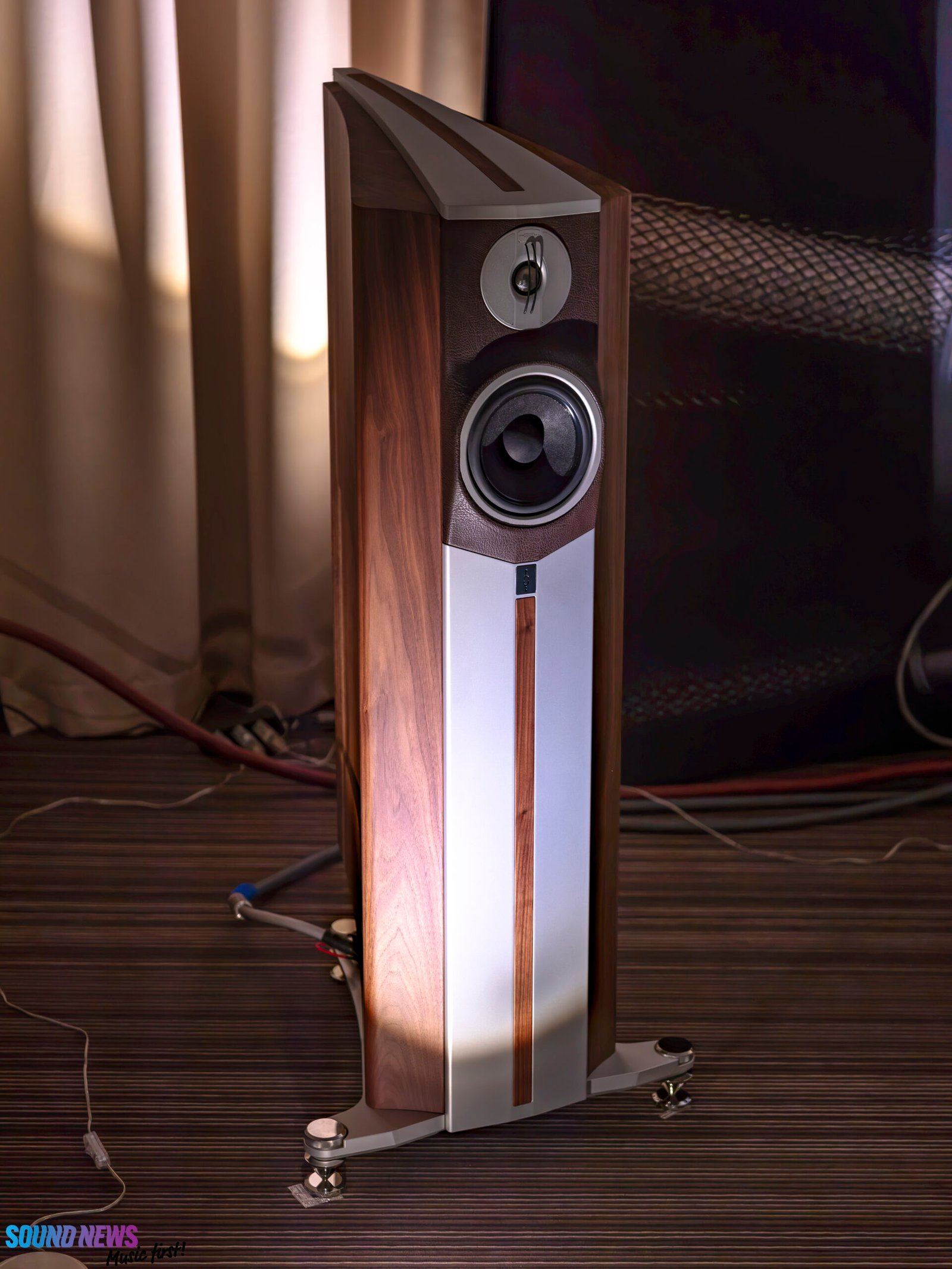
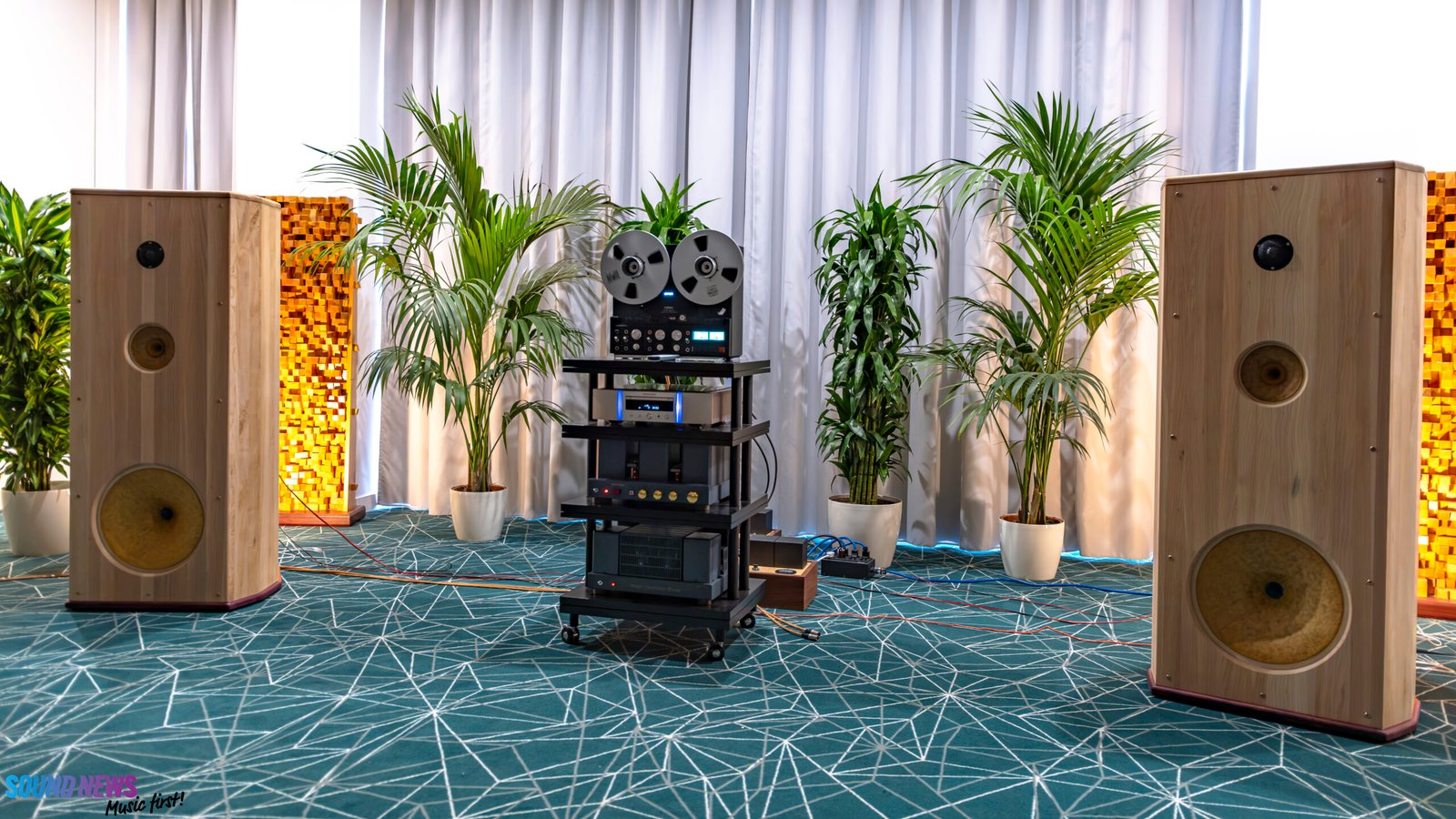
The Albedo Atesia Diamond SGS had its Polish premiere in the Patio Bar, a new listening space on the ground floor of the Golden Tulip. Albedo Audio handcrafts its loudspeakers in Italy, and the Atesia is the flagship of the range. It is a three-and-a-half-way design, around 1.9 meters tall and weighing 215 kg.
The bass of the Atesia was very good, and it covered the entire space. Four 8-inch woofers per side add up to a lot of cone area, and the twin transmission lines also reinforce the lowest octaves with their own output.
The sound was smooth, a quality that suits a room with that much glass. The treble was easy on the ears, and it was also detailed, transparent, with a sense of purity. Albedo says the diamond inverted dome of the tweeter keeps distortion extremely low and widens the off-axis dispersion. The two midrange drivers use pure ceramic membranes. Microdetails’ rendition was very good, as expected from a system priced so high. We also appreciated that the volume was really high, almost reaching the audible distortion point of the amplifiers.
Smoothness and detail together is a combination we really like!
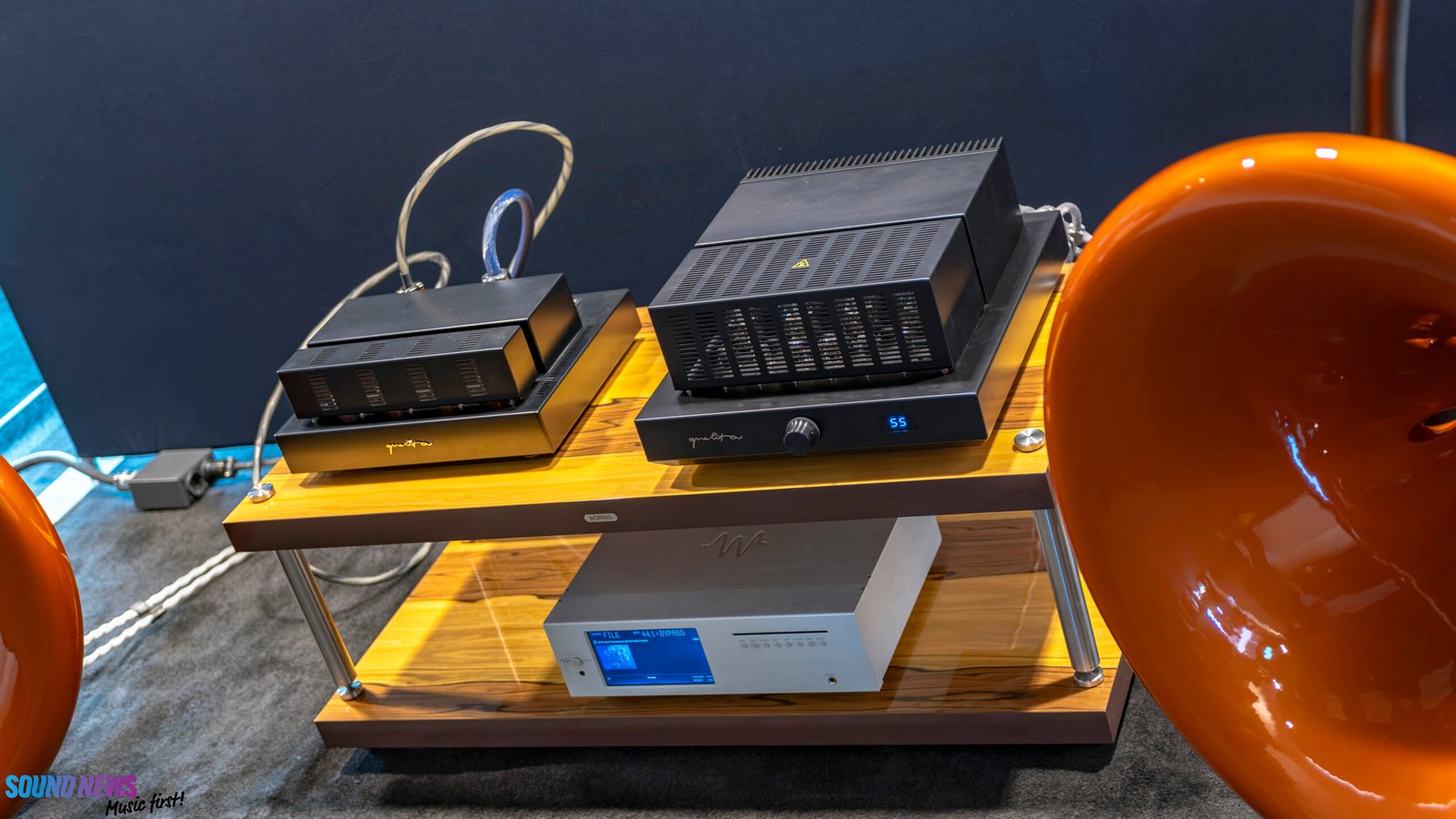
- Loudspeakers: Albedo Atesia Diamond SGS
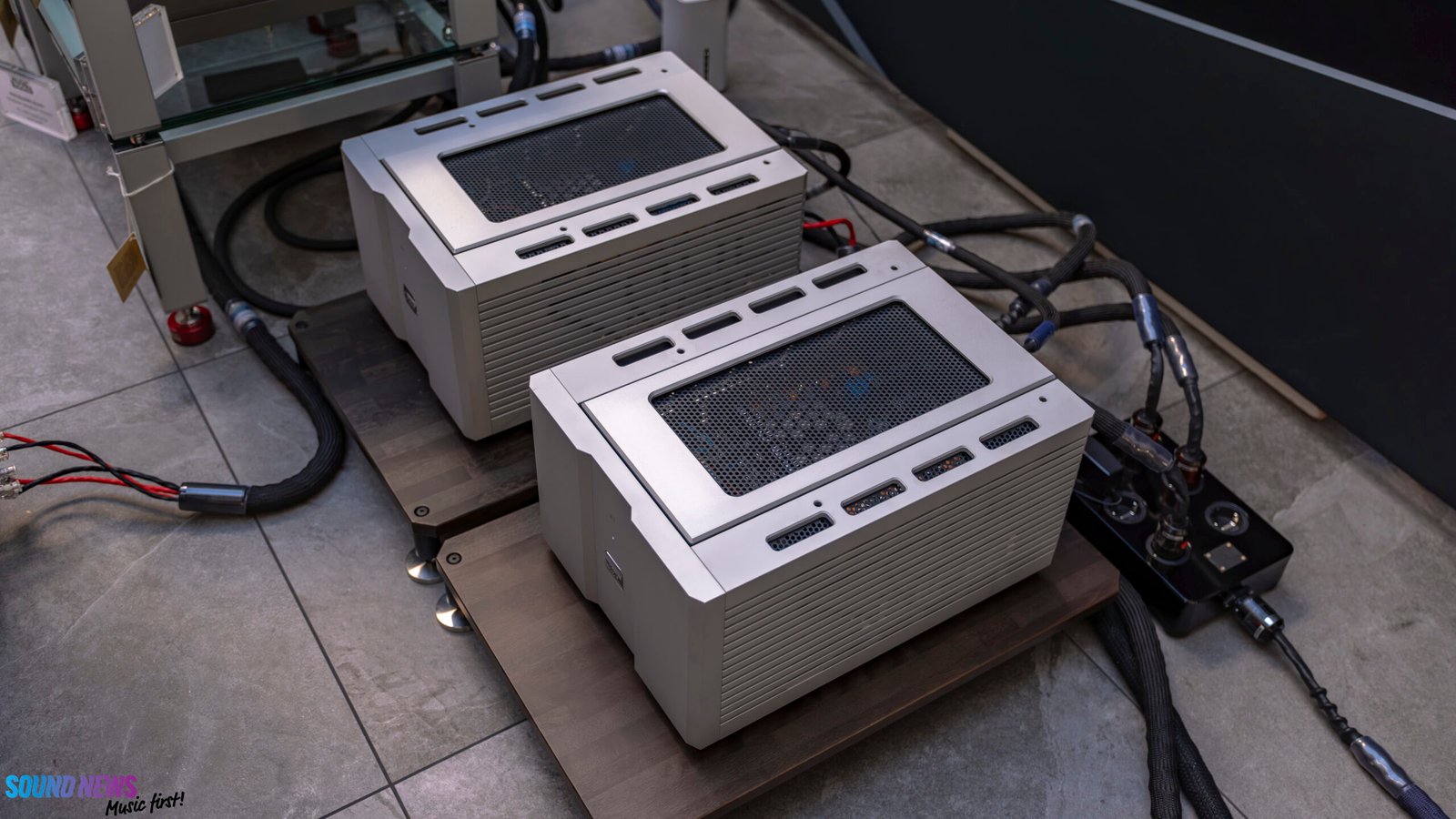
- Amplification: Soulnote
- Streamer: Mytek
- Analog source: BennyAudio Quest turntable with a 10-inch tonearm
- Phono preamplifier: Faber’s GM Phono v3
- Cabling: Faber’s Cables
- Racks: Music Tools
The room has no belief cue, since the honorable mentions chapter already has one in the Sveda section.
Final Thoughts: A Year That Felt Like Ten
Every year, Warsaw brings something new. Something trendy, something flashy, a new finish, a new name to remember. Every year we hear incremental improvements in the sound: better equipment, more care for the rooms, smarter speaker positioning, calmer and better-organized demonstrations. And every year we climb one more step on the long path to audio nirvana, ours and yours, dear readers. Sometimes it is a small step, sometimes a slightly bigger one. That is how progress usually works in high-end audio: patiently, one refinement at a time.
But once in a while, and only very rarely, we see and hear something that breaks the pattern. Not a step, but a leap. Not an upgrade, but a disruptive change.
This was one of those years. The 2026 edition was about excellence, about no-limits, top-of-the-line, full-force demonstrations. And two rooms in particular went where no one had gone before: Ubiqaudiolab with the Wilson Audio Autobiography in Paris B, and ZenSati with the Acapella Sphäron Excalibur in London B. They went so far that, sitting in those rooms, we had the strange feeling that many years had passed since last year’s edition, not just twelve months.
What set them apart wasn’t only the price, although both systems lived in a stratosphere very few of us will ever visit. It was the ambition behind every single detail. Ubiqaudiolab did not accept the room it was given, so it built a new one inside it, first in Slovenia, then once again in Warsaw, in less than 24 hours. The lights softened with the first note, the audience was kept small, and the music was chosen and introduced like a concert program, by people who clearly love it. In London B, ZenSati and Acapella put a full orchestra in front of us, at full scale and full force, with the kind of physical impact we know from the concert hall and almost never feel in a listening room. One room won us over with naturalness and calm; the other overwhelmed us with scale and dynamics. Both made us forget, for a while, that we were at a hi-fi show at all.
These systems were not just a demonstration of what can be realized. They were events in themselves, perfectly calculated and staged, from the acoustics to the playlist to the very last cable. We cannot separate this year’s show from these two truly shining stars. They showed us the future, the path, and the unlimited possibilities that open up when no one sets a limit.
Will most of us ever own a system like these? Of course not, and that includes the three of us. But that was never the point. Statement systems and statement rooms are where new ideas are born and where the bar is raised for everyone else. What we heard in Paris B and London B will find its way, step by step, into products, rooms and systems that many more music lovers can enjoy at home. That is how this industry moves forward, and that is why rooms like these matter far beyond their price tags.We started this report by confessing that every year we leave Warsaw saying the same thing, that it can’t get any bigger than this, and that every year the Audio Video Show politely proves us wrong. This year, it did more than prove us wrong. It moved the goalposts. So this time we will not make any predictions. We have learned our lesson. We will only thank the organizers, the exhibitors, and the distributors for three unforgettable days, and say that we can’t wait to see what Warsaw has in store for 2027.