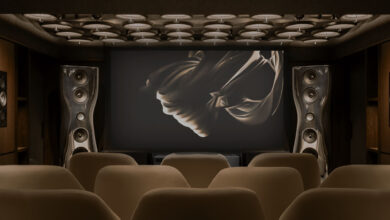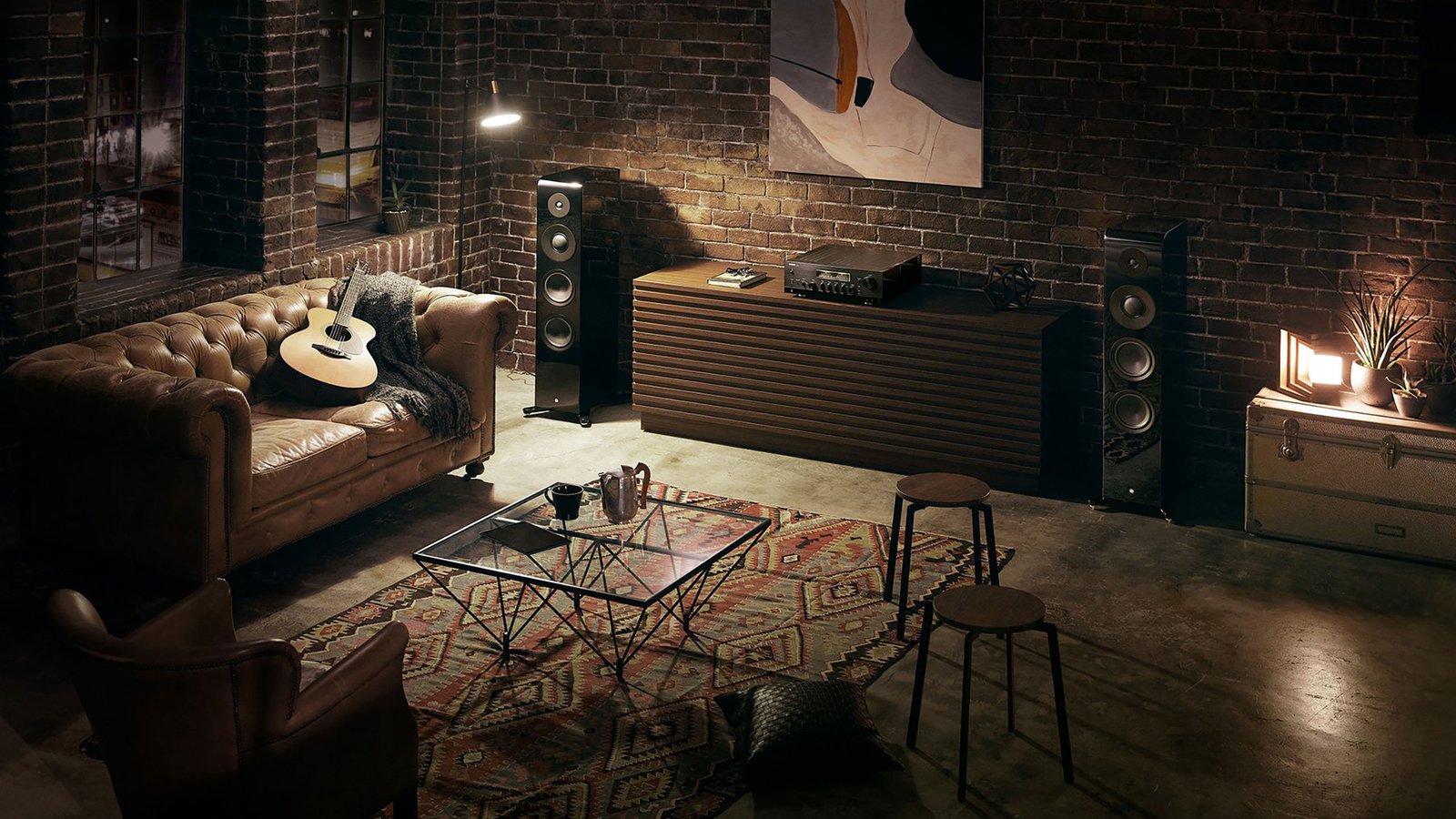
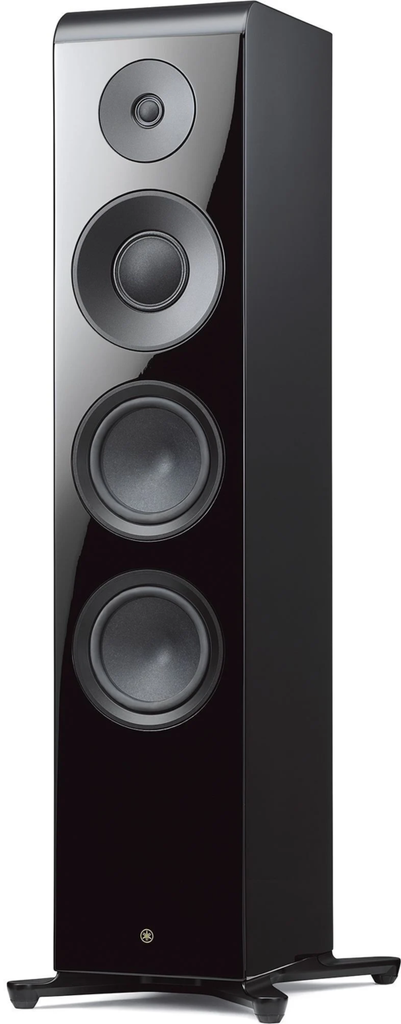
Product reviewed: Yamaha NS-2000A three way bass reflex floorstanding loudspeakers (stereo pair)
List price: 7,398 EUR per pair, 3,699 EUR each (figure taken from European retail listings, please confirm against your local dealer)
Review date: 19 August 2026
Time with the speakers: One month, fully broken in
Listening room: Our large listening room, 5 m x 6 m with a 4 m ceiling, acoustically treated
Listening position: 3.7 metres from the front baffle
Placement: 1 metre from the rear wall, 1 metre from the side walls, 3 metres apart, on the supplied spikes. Toe in, toe out and parallel firing all tried
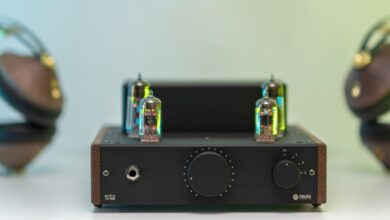
Amplification: Yamaha A-S3200 integrated, Tsakiridis Devices Aeolos Ultra tube integrated
Sources used: Aurender A1000 streamer and server, streaming at full resolution
Cabling: Realcable CHEVERNY speaker cables, ZenSati Razzmatazz RCA interconnect, HMS Armonia Carbon power cables on every device, HMS Gran Finale 50 network cable
Grilles: Both on and off, measured and listened to in each configuration
TLDR:
What stood out most about the NS-2000A’s sound signature after spending weeks listening to them every day? Three things:
- Revelation. The NS-2000A has a bright character, with the speaker’s emphasis being clearly on the higher end of the frequency spectrum, making music sound more airy than it probably is. Every sound coming through these speakers is so smooth, delicate, and accurate that we find it hard to describe it without feeling like an exaggeration. The finest details in a mix are brought forward with an airy and very delicate touch, giving the NS-2000A a bright but remarkably smooth character. What makes this especially impressive is how this delicacy avoids sibilance. With this much treble energy, openness, and presence, you would normally expect poorly recorded vocals, aggressive cymbals, or hot mastering to become tiring rather quickly. But this never happens here. The top end stays vivid, extended, and illuminated, and remains refined even at higher listening levels. Pulling off this combination of brightness, air, and resolution without crossing into harshness is one of the NS-2000A’s most remarkable achievements.
- Dispersion. We generally prefer a more controlled dispersion pattern, especially in a normal living room. Very wide dispersion sends more treble energy toward the side walls and leaves you with fewer options to fine-tune the tonal balance through toe-in or toe-out. The NS-2000A has an exceptionally wide radiation pattern and maintains a remarkable amount of high-frequency energy even far off-axis. This makes their complete absence of sibilance even more impressive: there is a lot of high-frequency energy reaching both you and the room, yet the sound remains airy, delicate, and remarkably smooth. We spent many hours on toe-in and toe-out, and we came away with no meaningful change, because the speakers sound the same whether you aim them at your nose or parallel to each other. That is an engineering achievement, yes, but it is also a warning, and we will explain why in detail later in the review.
- All good things come to an end, so naturally, there are a few trade-offs. The downside is that, with NS-2000A being very bright speakers, that same broad dispersion makes the brightness difficult to get rid of. Toe-out only goes so far when the tweeter remains this energetic off-axis, so in a lively or untreated room, the treble balance is very dominant. The overall tonal balance is tilted towards the bright side, with vocals and instruments presented at a slightly higher pitch than usual. The energy around 16 kHz is elevated enough that even a sensitive ear will feel it. Every flaw in a poor recording is fully audible, and an untreated room amplifies what is already the dominant trait of this speaker. Matching equipment is crucial with these speakers, getting it wrong can turn them into a very bright and hot mess.
The reproduction of female voices through these speakers is divine. Music we have heard countless times on many different systems has rarely sounded this delicate, airy, and smooth. Even though the upper octaves come with increased energy, the NS-2000A manages to present all of it without any trace of sibilance. That combination is truly remarkable, because the treble remains vivid, open, and highly detailed while preserving a sense of refinement, smoothness, and delicacy that makes even familiar recordings feel fresh again. More extraordinary still, even if the speaker is brighter than average, it carries absolutely no trace of sibilance. We used the hardest sibilant recordings we could think of and came away with nothing to complain about.
The bass is excellent. Subbass goes down to an audible, discernible 29 Hz in room, and on recordings with strong low-frequency content, the kick hits with impressive chest-thumping force. We even measured 108 dB C at the listening position 4.5 metres away.
We kindly recommend these to a very particular listener who treasures information. The NS-2000A will likely appeal most to someone who enjoys female vocals, guitar, wind instruments, violin, and certain piano recordings, listens in a well-treated room, and is prepared to balance their brighter character with warmer electronics such as Yamaha’s own A-S3200, together with a warmer DAC, the now-famous R2R Gustard R30 worked wonderfully with them, and of course warmer-sounding cables. These are wonderful speakers to enjoy at lower volume. That elevated top end means all the detail, the dynamic swing, all the microdynamic information you would normally have to turn the volume up to hear is there at whisper levels, late at night, with the house quiet and everyone asleep. That listener is going to be very happy with them.
Introduction
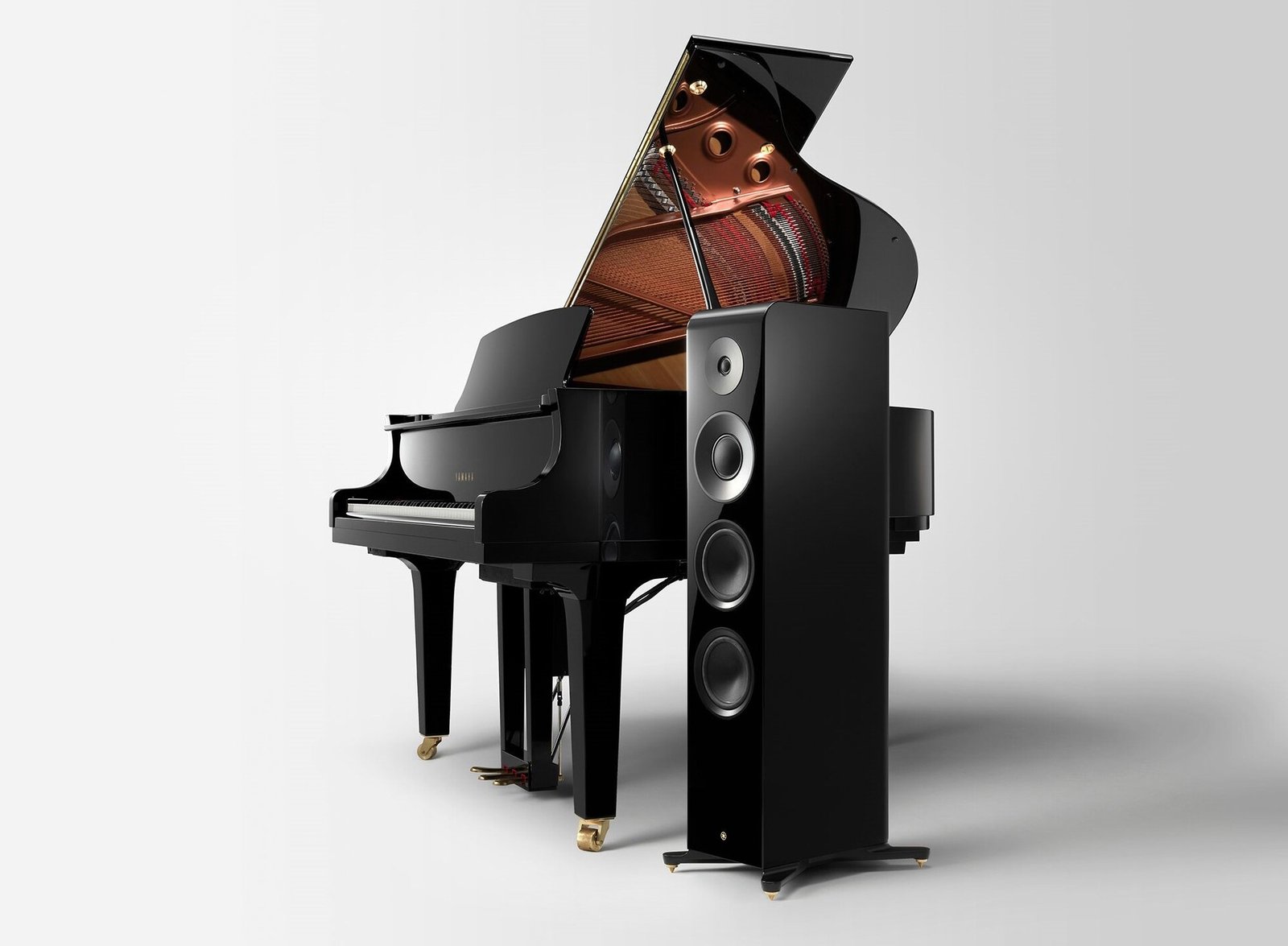
Yamaha may well be the only company in the world building both grand concert pianos and high-end audiophile gear under the same roof.
The NS series goes back a long way. The NS-1000M launched in 1974. It used beryllium dome midrange and tweeter, and it became one of the most argued-about loudspeakers ever built, often used and seen as both a studio monitor and a normal living room loudspeaker. Four decades pass. The NS-2000 is a modern three-way, four-driver floorstander in a bass reflex cabinet, and Yamaha asks 7,398 EUR for the pair.
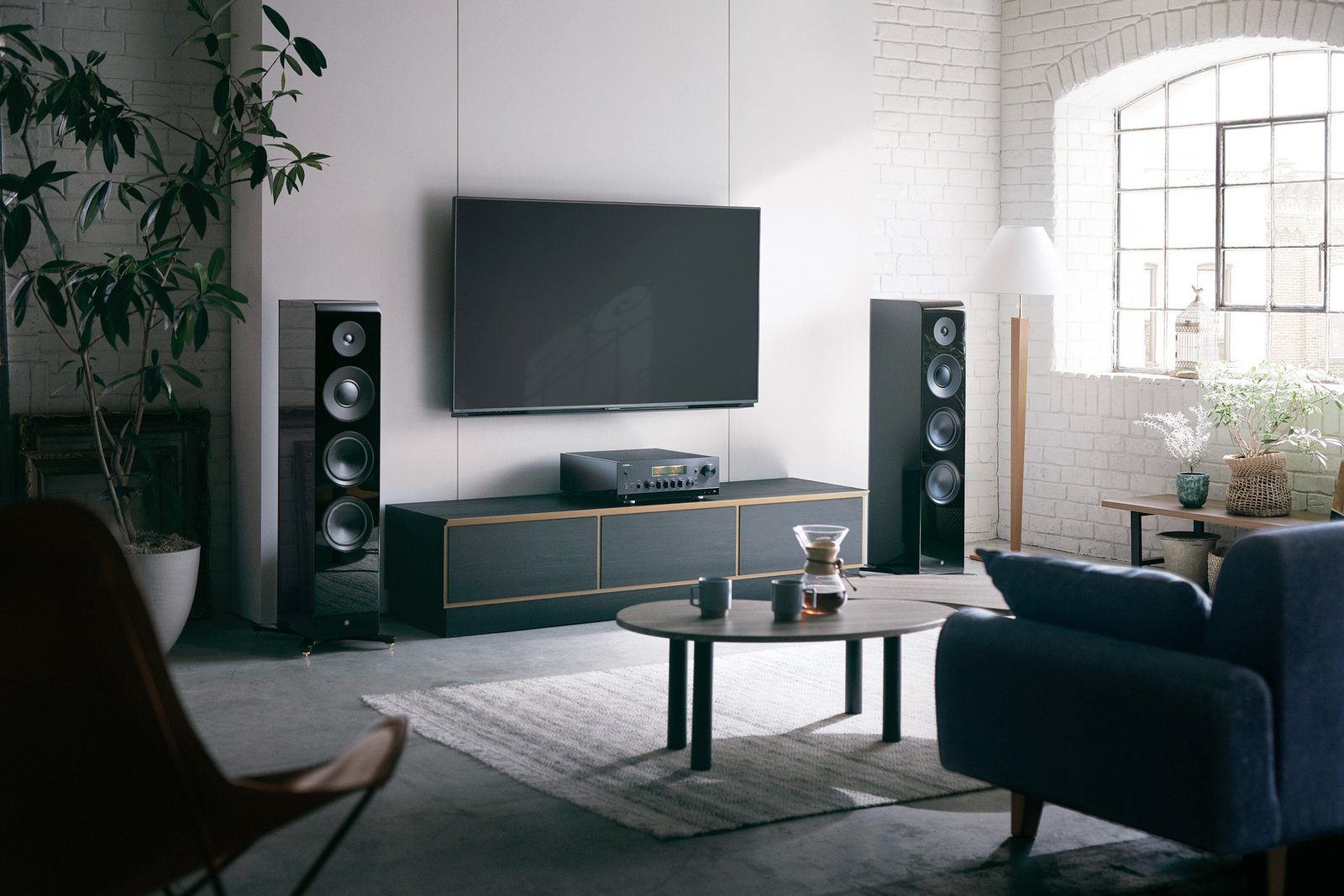
Before we fall into subjective impressions, keep in mind we all listen differently, we own different electronics, and we own houses and apartments with rooms that share nothing with each other. Our measurements are taken in our room, and they describe it. What follows is our journey with these speakers for almost a month: how they sounded to us, how they made us feel, and where they frustrated us. If it speaks to you, book a demo and let your own ears settle the matter.
The Harmonious Diaphragm, and the spruce
Every drive unit in this speaker uses the same diaphragm material, which Yamaha calls the Harmonious Diaphragm. The name describes the goal. One material is used from the lowest driver to the highest, so that the handoffs between them add no change of character.
The material blends two very interesting things:
The first is Zylon, a PBO fibre combining tensile strength, stiffness and low mass with good thermal stability that keeps its behaviour consistent as the voice coil heats up under heavy load. Yamaha has worked with Zylon in their flagship, the NS-5000, and the motive behind it is the same one that had them use beryllium in the 1970s. The diaphragm needs to be stiff enough to behave as a piston within its working band, light enough to start and stop without hesitation, and self-damped enough that it does not ring when it breaks up.
The second material is spruce, but not just any spruce. Yamaha uses the same spruce that goes into the soundboards of their grand pianos.
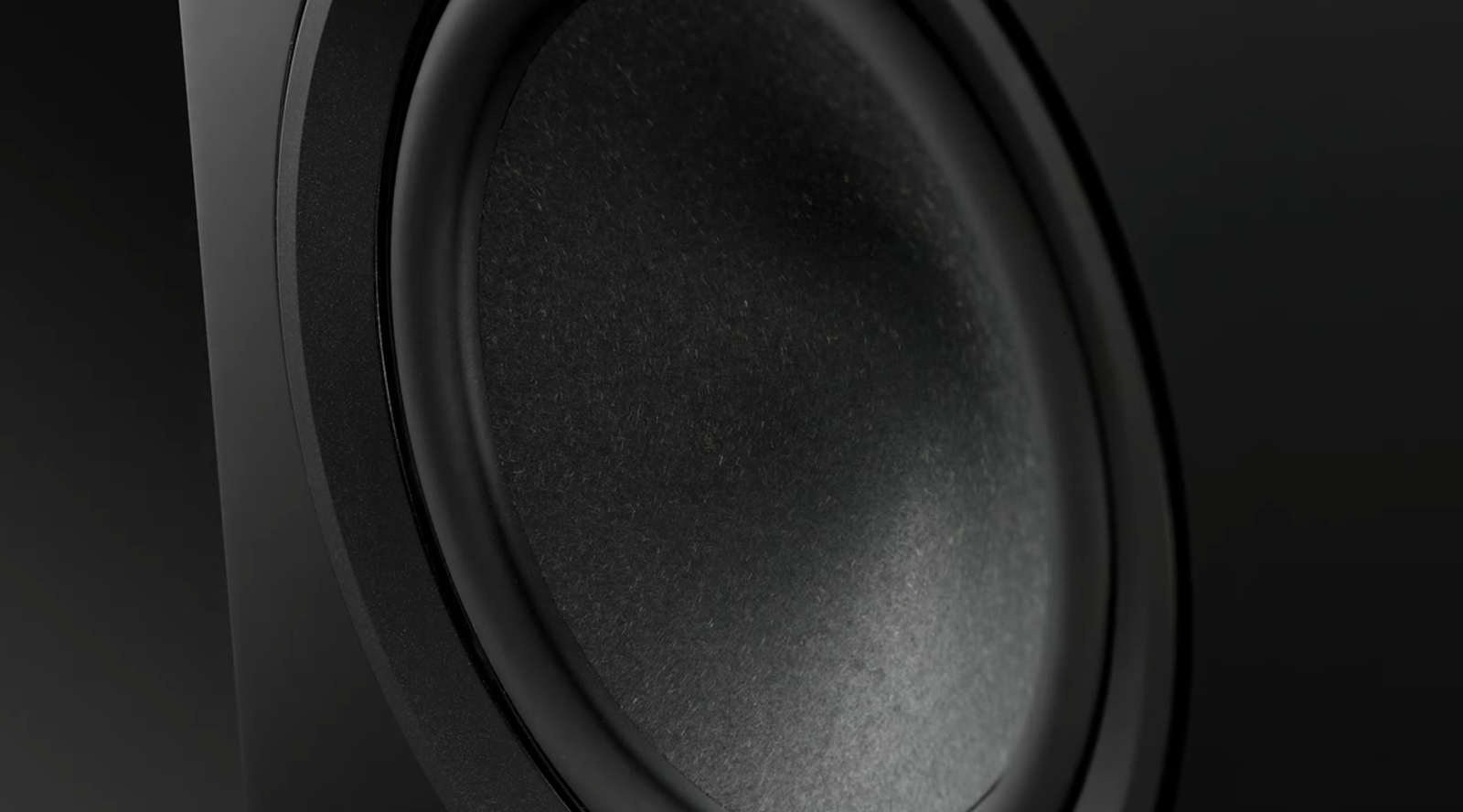
We find this decision from Yamaha very interesting. It’s one that separates a company that specialises in building loudspeakers from a company that crafts musical instruments. A piano soundboard is a resonant surface whose whole purpose is to take mechanical energy and turn it into moving air with a tonal signature the piano maker has spent a century refining. Yamaha takes that same spruce and blends it into the diaphragm material, which means a piece of a grand piano is moving air inside every driver in this cabinet. Maybe that is where the NS-2000A gets the particular transparency and tonality it has.
The driver complement is a 3cm (1-1/4″) dome-type tweeter, an 8 cm (3-1/4″) dome-type midrange, and two 16 cm (6-1/2″) cone-type woofers. The dome midrange deserves the utmost respect, because dome midranges have become rare these days. A dome radiates far more evenly off-axis than a cone covering the same frequency spectrum. This is one of the reasons the NS-2000A behaves the way it does in room. The dispersion chapter further down will make that case even more obvious.
R.S. Chamber and the Acoustic Absorber
Two patented Yamaha technologies handle the unwanted resonances. Both of them share a philosophy we find very interesting and worth taking a look at.
The R.S. Chamber, which stands for Resonance Suppression, is installed behind the tweeter and the midrange dome. Every dome radiates backward into whatever cavity happens to be behind it, and that rear wave bounces around, comes back, and starts adding the echoed vibration to the driver’s cone. The industry answer is usually a wad of absorbent material, which takes energy out of the system indiscriminately, including the energy you want to keep. Yamaha’s solution is a tuned tube behind each dome that cancels the resonance without absorbing it. The reasoning they say, is that the absorbing material takes the realism of the music away with whatever sound it absorbs.
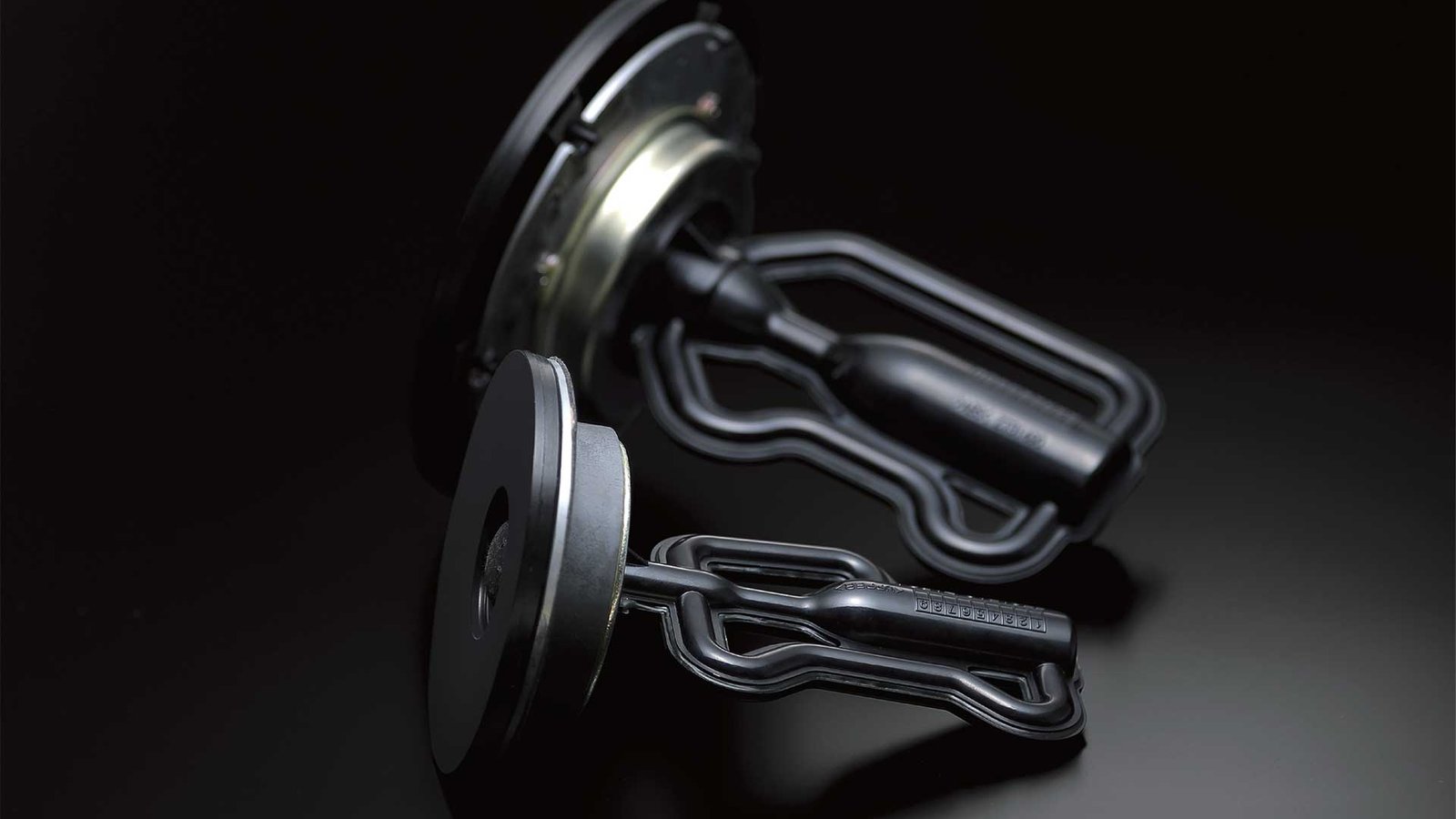
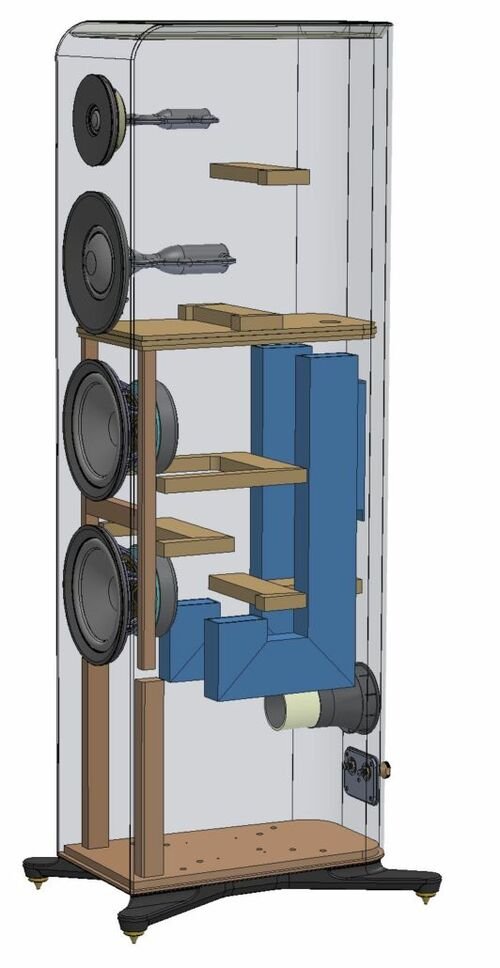
The Acoustic Absorber applies the same logic one level down, inside the cabinet itself. It is a resonator tube tuned to eliminate the standing waves that form between parallel internal surfaces. This concept (seen in blue in the 3d rendered picture of the speaker below) also helps internally, with the need for very little additional stuffing needed.
The cabinet, the port, and the crossover
Yamaha builds the enclosure with the same tools they use to design musical instruments. Laser vibrometers map how the panels shake under load. Finite Element Method analysis predicts where the energy is going to concentrate before the panel gets cut, and the cross bracing then gets installed exactly where the analysis says it should. That’s pure engineering.
The result is a cabinet that is stiff exactly where it counts the most, with no mass piled on everywhere just for the sake of making things heavy. The 2000A weighs only 32.8 kg per speaker, which is a somewhat moderate weight for this price bracket and size.
The port is situated on the rear panel with a specialized flared profile that keeps the airflow laminar as it exits, which pushes the onset of chuffing above any level an audiophile is ever going to use at home. We heard no port noise at any volume, at any point, no matter the amount of extreme low-frequency material we played. Never Ever Land is a track by Infected Mushroom duo that stresses the bass drivers to the maximum excursion level, and even in this extreme situation we heard no port noise.
Terminals are solid brass, screw-type, single-wire, and they feel excellent under the fingers. Unfortunately, there is no bi-wire option available. The lacquer is a piano finish applied by a company that finishes pianos, and it is flawless.
The crossover uses both Mundorf MCap SUPREME Classic and Bennic capacitors and a substantial woofer induction coil, with crossover points set at 750 Hz and 3.5 kHz. Mundorf parts are not that cheap, and their presence is something we appreciate and highly value.
Specifications
- Type: 3-way bass reflex floorstanding system, 4 drivers
- Tweeter: 3 cm dome, Harmonious Diaphragm
- Midrange: 8 cm dome, Harmonious Diaphragm
- Woofers: 2 x 16 cm cone, Harmonious Diaphragm
- Frequency response: 34 Hz to 65 kHz at minus 10 dB, extending to 100 kHz at minus 30 dB
- Crossover frequencies: 750 Hz and 3.5 kHz
- Sensitivity: 88 dB
- Nominal impedance: 6 ohms, minimum 3.5 ohms
- Nominal input power: 60 W
- Maximum input power: 200 W
- Dimensions (W x H x D): 330 x 1134 x 459 mm
- Weight: 32.8 kg each
- Supplied accessories: 4 spikes, front grille
The 88 dB sensitivity on a 6 ohm load with a 3.5 ohm minimum means these speakers need an amplifier that can have a good deal of current in reserve. A small tube amplifier of ten or fifteen watts is going to struggle, so plan accordingly.
Measurements
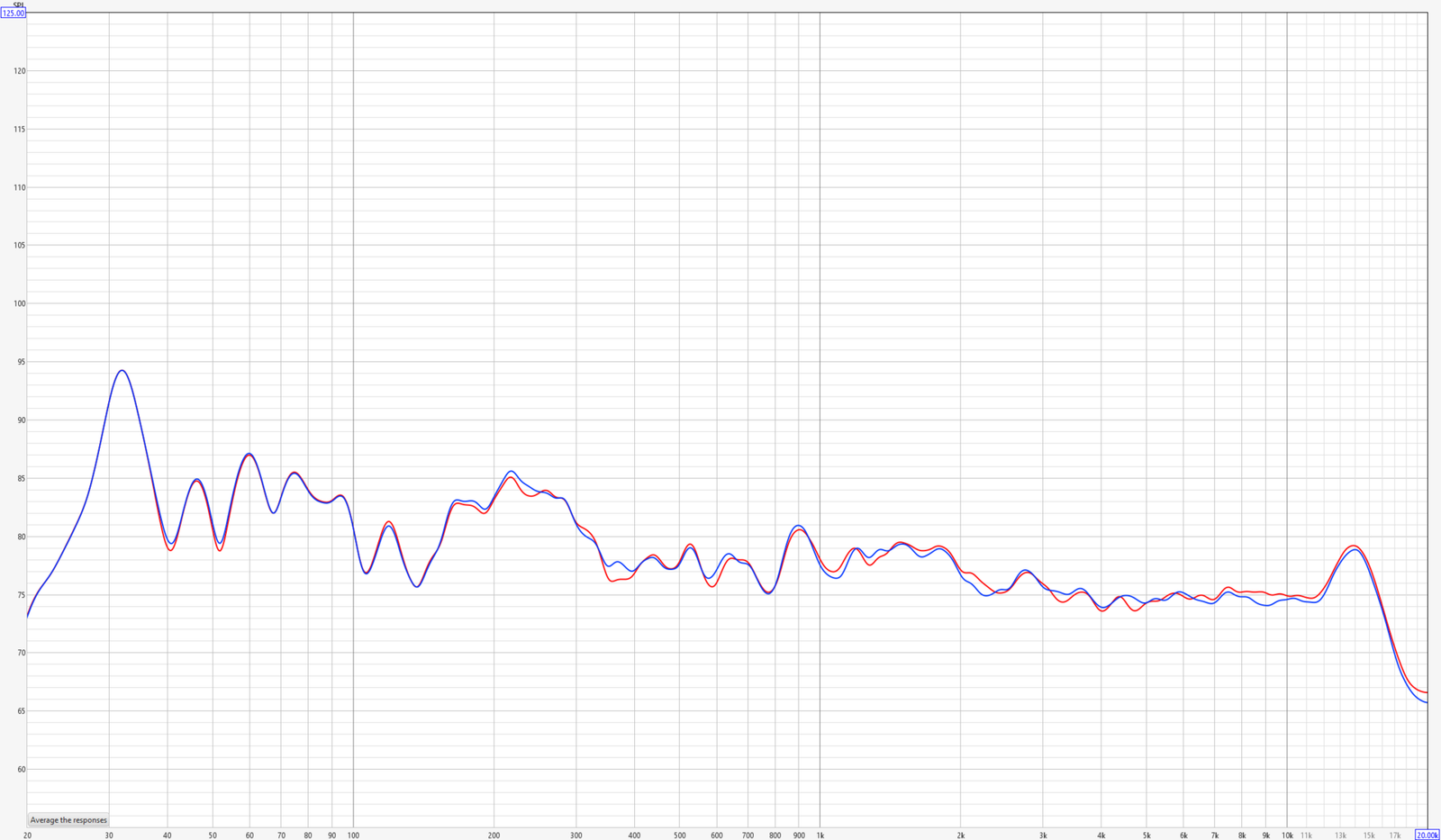
In room frequency response RED – on axis / BLUE – off-axis
The supplied grille had no effect on the high frequencies.
Keep in mind that everything below roughly 200 Hz in an in-room measurement reflects the room response as much as it does for the speaker, so interpret the low end of any response as a description of the space and speaker behaviour in that specific space.
Throughout our listening, we noticed a response that is pretty even through the midrange, with a clear and sustained elevation in the upper treble range. The region around 16 kHz has noticeably more energy and is audible as more air, sparkle, and more information around the edges of every sound. It can also be negatively felt as pressure on a sensitive ear after a long listening session.
Setup, room, placement, and what surprised us
Our bigger listening room measures approximately 5 metres by 6 metres with a 4 metre ceiling. The NS-2000A is placed about 1 metre off the rear wall, about 1 metre off the side walls, 3 metres apart, with the listening position at 3.7 metres from the front baffle. The same geometry we use for most of our floorstanders when reviewing loudspeakers in the big room.
The part that surprised us was their dispersion. We toed them in, we listened, we toed them out, we listened, we ran them parallel to each other, firing straight down the room, and we listened again. Then we crossed the axes in front of the listening position, which is the trick that normally tames an energetic top end, and nothing changed. Nothing at all…
We went back and forth three separate times for more than two weeks, and each time the answer was the same. The radiation pattern of these speakers is so wide and so consistent that the usual placement adjustments don’t do anything at all. Aim them at your ears and the tonal balance is identical to what you hear with the cabinets positioned off-axis. The 8 cm dome midrange deserves most of the credit for this, alongside a carefully engineered tweeter that does not beam even at the very top of its range.
Some of that is good news. A speaker that sounds the same everywhere works for a family, a party, or for someone who is lying on the sofa with a book and no interest in acoustics whatsoever. The sweet spot is all over the room. This is something you must pay close attention to when looking for speakers to purchase.
The part that matters more to us is the cost of such wide dispersion behaviour, which throws a great deal of high-frequency energy at your side walls, ceiling and floor, and every bit of it returns to you a few milliseconds later with whatever additional coloration or character those surfaces give it. The wide dispersion removes one very important adjustment an audiophile normally has. You cannot toe your way in or out of it.
In a treated room, the sound signature is airy, open, and lovely, but with the same pair in a lively space with bare walls, huge windows, and a glass coffee table, a huge TV in between the speakers, the treble balance becomes very dominant, enough that an evening in front of them will leave you somewhat tired.
Room treatment is not optional with these speakers. An audiophile should budget for it the way they budget for everything else, not just cables.
System matching
We used Yamaha’s own A-S3200 amplifier for the better part of the review. It matches well with these speakers for one particular reason. It gives the NS-2000A detail, transparency, air, sparkle, speed, dynamics, and bass articulation, so everything this speaker already does well, the amplifier encourages it to do better. The midrange is also very transparent and pleasant to live with, but it lacks the romance and the harmonic density that the two of us personally and usually reach for, so it’s an information-first type of sound. Combined with the Gustard R30 DAC, it was the best-sounding match for the pair.
We also used the Tsakiridis Devices Aeolos Ultra to check if tubes have a great impact, and everything moved in the direction we had been hoping for. The midrange gained some additional harmonics through the added distortions the tubes bring to the table. Voices took on weight and physicality. That slightly elevated pitch softened, and the revelatory character of the speaker started feeling like a gift from the heavens. This was a great match, but this time we preferred them with the Aurender A1000 streamer, because it came with a softer approach compared to the harmonically rich R30. All in all, we think the NS-2000A would be a great match for many tube amplifiers out there.
On the source side, both the Aurender A1000 and the Gustard R30 worked wonderfully. The R30 is an R2R design with a tonal density and a harmonic richness in the midrange that suits these speakers very well, and it is the cheapest fix we found for the elevated brightness.
The Aurender streamer is better suited to amplifiers that already have a harmonically dense midrange. In combination with Yamaha’s own A-S3200, however, we found the pairing a little too restrained through the midband, with some of the finer harmonic information and inner texture somewhat diminished.
The lesson learned here is to always take care in matching a system. These speakers need a warm chain around them. Warm source, warm cables, warm amplifier character, or tubes if you can manage them. Every bit of harmonic density you find upstream pays you back several times over, since these speakers already supply all the light and air that any recordings have.
We would advise against a fast, lean, silver-toned chain, but of course, this all depends on your personal preferences. If you are looking for a highly detailed, engaging and vivid presentation with nothing at all hidden from you, then by all means, go for it.
Listening sessions
What follows is organised around what these speakers revealed, with timestamps included where they help highlight a particular moment or effect.
We were expecting the NS-2000A to be wonderful with Jean-Michel Jarre, Oxygène Trilogy, and we can safely say we were right.

Part 7 track is built from short, fast, sharply defined events scattered across the soundstage, and the speakers presented all of them with a precision that had us sitting forward inside the first minute. Ticks, clicks, small percussive artefacts, elements that pan hard left and hard right, all of it with an edge definition and a spatial address we found hard to overstate.
At a certain point in time, there is a certain swirl type of sound, a high-frequency element circling around the listening position. This passage through these speakers was overwhelming. We felt dizzy in the physical sense of the word. It is a striking sensation, and it happens because the radiation pattern is even enough that these speakers can place an object, through sound, anywhere in the room, with a very specific position at every point of the circle.
With Part 8 we found our first considered reservation, a very subtle point worth taking slowly.
The top end of this recording is highly layered. Different high-frequency elements are presented at different heights, have different timbres, and are meant to be separable from one another as distinct sounds, especially in the treble range. Through the NS-2000A we heard something closer to one sustained brilliance. The high notes seemed to sing at a similar height with a similar character, and the gradations between them were a bit too flattened out.
The Yamaha’s gives you all of the information. It gives up some of the differentiation inside that information. Everything is illuminated at the same brightness, so the contrast that lets you tell one shape from another gets a bit blurry.
We call this a considered limitation, one more closely related to matching, electronics, and source. We are sure that with a much more expensive source and amplifier, like the higher-end Moon 891 and 871 we reviewed a while back, this would not be the case. This is also another indication that these speakers scale very well with the electronic chain behind them, so a very mindful approach is advised for matching.
The speakers are exceptionally clean. No grain, no fuzz, no harshness whatsoever, be it in the bass, mid, or high frequency region.
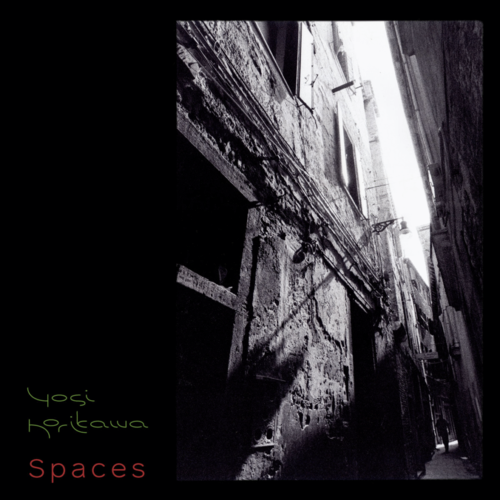
Yosi Horikawa, In the Wind is one of our benchmarks for how a speaker handles small, fast, precisely located physical events.
The NS-2000A was extraordinary here. Marbles, taps, footsteps, small wooden knocks, all of them with a leading edge so clean and a position so specific that we felt like the things in the recording were happening in the room around us. The transient attack was fast, the decay very well rendered, all the way into silence. Each specific sound had its own spot in the room, even with several going at once, which speaks a lot for articulation and instrument separation.
Next, we expected the brightness to make retrowave material feel uncomfortable, since the genre is built on saturated synths and an enormous amount of high-frequency content.

It was surprisingly beautiful.
In a dimly lit room with the house quiet and low listening levels, these speakers were an absolute pleasure. The synth pads were played with delicate smoothness and layering, the saxophone had bite and great body. The atmosphere the speakers managed to convey was spot on! Low volume listening is a very strong point here, because the elevated top end means nothing gets lost when you turn things down, and all of the detail is still there, even at whisper levels. That is an awesome quality to have in a loudspeaker.

FM-84 kept us in retrowave with a male vocal presented in front. The soundstage was wide and stable (precise is the word we can use here, not stable. we never use stable for soundstage) and there was no trace of sibilance anywhere. From a timbre point of view, the male vocal was slightly thinner than it should be, a touch above its natural weight, with less chest resonance than it should have had. It sounded like… lit from above.
Female voices, and why it’s divine
Loreena McKennitt’s Dante’s Prayer is one of our tests for emotional intimacy. The upper harmonics of her delivery, the small breath sounds, the way a note takes reverb out into the room and then dissolves into nothing, all of it presented with a clarity and a sweetness that connected with us deeply. Test passed, with room to spare.

AURORA’s A Different Kind of Human confirmed it from a completely different production. Her voice is agile and playful and is surrounded by a busy electronic arrangement. The Yamaha separated her from all of it easily, her voice was presented in front of the layers, with air and a soft quality around it.
Then we put on Céline Dion’s The Power of Love.
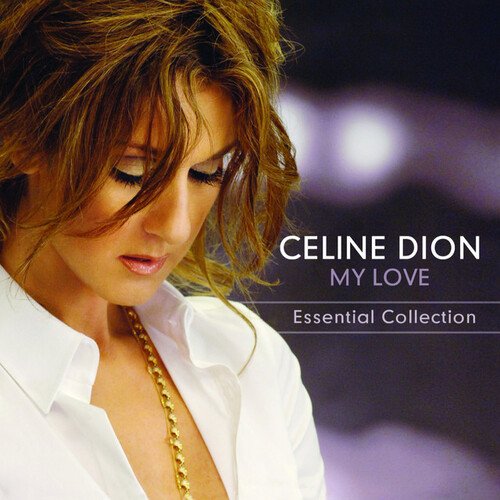
We have rarely heard this recording sound so sibilant-free.
Her voice occupied the room with a smoothness, grace, and purity we found almost confronting. Every one of those enormous sustained notes climbed with its rich harmonic details, no harshness whatsoever, no sense that the loudspeaker was working hard in order to get that dynamic scale just right. The reverb tail behind her opened into a space we could almost measure. From a tonal accuracy point of view, Celine’s poorly recorded sibilant voice was rendered with care and finesse.
This is the sweet spot for these loudspeakers. It’s something that certain people look for, a specific advantage, a tendency towards wanting to play a certain type of sound. This is where the NS-2000A feels like home, and it’s here they repay every cent spent to their lucky buyer!
The sibilance question
The NS-2000A is brighter than average, but it produces absolutely no sibilance. We went looking for it deliberately, with the most hostile material we know, and we found none.

Sophie Zelmani’s All I See Is You and My Soul Remembers are what we would say are a deal-breaker for poorly implemented tweeters. Both are sibilant captures, and both have made speakers we otherwise admire sound like they were spitting at us across the room.
On the Yamaha speakers, all female voices sound amazing.
Every S was a consonant that belonged, sized correctly, placed correctly, coherently placed, natural with nothing harsh added on top. The rest of her voice, quiet and close and full of small detail, presented the same delicacy we had heard from many others.

Affection by Cigarettes After Sex is our third sibilance trap and harder in some ways, because the whole production is poorly recorded and is surrounded by a haze of reverb where a sharp consonant has an enormous amount of space to ring out into. It sounded excellent. Clean, atmospheric, and most importantly intimate, free of the hiss and the harshness this recording can produce.
Why does this matter so much? A tipped-up top end almost always drags sibilance along behind it, which is the normal price of brightness and why most bright speakers become unlistenable on vocal material inside the first hour. Yamaha has built an elevated upper treble that is entirely clean through the consonant region, with a smooth broad lift and no narrow peaks sitting where the sibilance is.
The lack of sibilance is another reason that makes the NS-2000A recommendable. Because of it the brightness would be intolerable. Without the sibilance, the brightness becomes illumination. Great care must be taken with the electronics and cables used, so this is not a situation where any other source -> amplifier -> cable would work. Be mindful of this.
Wind and brass, where these speakers surprised us again
Anything played through breathing also does extremely well on the NS-2000A.

Hans Zimmer’s A Time of Quiet Between the Storms, track five on the Dune: Part Two score, released by WaterTower Music in February 2024, was the first track that presented this clear advantage. Pedro Eustache plays the woodwinds and the solo flute throughout this amazing score, on strange, ancient sounding instruments that produce tonal harmonics no other orchestral flute produces. The turbulence across the mouthpiece, the small impurity at the start of a phrase before the pitch settles, the way a sustained note wavers because a person is running out of air. All of it, with no effort, so big bonus points to microdynamics and inter note silence.
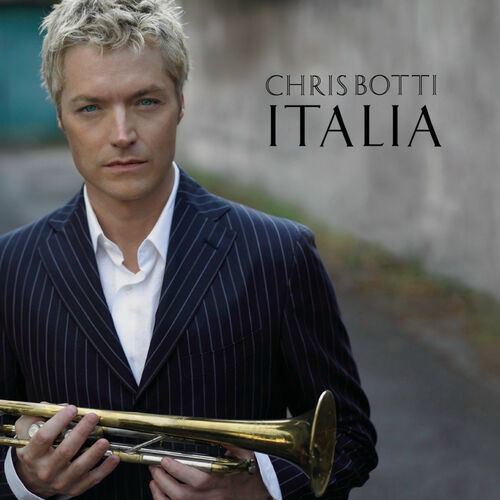
The trumpet is one of the hardest brass tests, because a trumpet through the wrong loudspeaker sounds like a hot knife. Chris Botti’s Italia, with Andrea Bocelli. The trumpet presented an ethereal quality that was both sweet and physical, full of body, and it never once tipped into harshness or glare. A very pleasant presentation that was just an absolute pleasure to listen to.
Till Brönner and Dieter Ilg’s Nightfall, released on Masterworks in January 2018, is trumpet and double bass alone, with nothing else in the room. The track exposes everything. Their reading of Bach’s Air runs over six minutes, and the flugelhorn had the brass ringing inside the bell, the valves audible, the air column almost alive. The double bass underneath had weight and pitch and a woody body, which was very good and pleasant to listen to.

And Amanké Dionti, the Ablaye Cissoko and Volker Goetze recording made inside the Bon Secours church in Paris, which is a wooden building from the middle of the nineteenth century chosen for its natural reverb. Goetze’s muted trumpet was above the kora, warm and unhurried, and the NS-2000A gave it a separation and a delicacy that made the two instruments feel like a conversation. The natural reverb of that wooden church was very well rendered, with a great sense of scale and size.
So, brass and woodwind. Add them to the list of things these speakers do beautifully! If you are auditioning a pair, take a trumpet recording with you.
The guitar is an absolute delight

Govi’s Euphrates is a great track with emphasis on a guitar. The speakers sounded articulate and fast enough so that every plucked note had a really clean, defined independent leading edge to it. The higher-frequency harmonics of the strings were present, the metallic character of string against fret was audible without turning into a harsh sound, and we could also hear the wood of the guitar body, which is audible when the system manages to present the physical, almost palpable reproduction of this entire masterpiece.
Mike Dawes is the harder test, because his playing uses the whole instrument as a percussion device alongside the melodic line. The Yamaha presented everything separate and articulate. The percussive slaps on the body were well apart from the harmonics, the tapped notes gained their own identity, and the bass string work underneath was articulate enough to sound realistic, as the top of the instrument did something completely different. The speed of these speakers is impressive, and Jump shows it.
Acoustic guitar through these is an absolute joy!
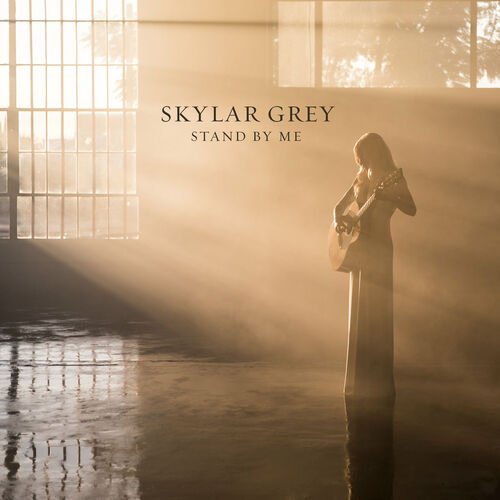
Skylar Grey’s Stand By Me is the exact intersection of the two things these speakers do best. The guitar was smooth all the way through, and the metallic character of the strings was presented with delicacy, never once turning into a harsh or hard sound. Her voice was divine. Nothing dry about it, and all of the breath and the small textures at the end of every line were presented with the same delicacy and intimacy these speakers have accustomed us by now. No trace of sibilance whatsoever.
Strings, and the one instrument that suffers
Vivaldi’s Four Seasons through Janine Jansen’s recording gave us a violin with everything intact. The bow on the string, the rosin, the small noises of an instrument that is being played by a person sitting in a chair, the overtones stacked above the fundamental and every one of them audible. The instrument had bite and presence. These speakers and a violin get along very well, and the elevated top end works entirely in the instrument’s favour.

A cello, on the other hand, is an instrument of weight, chest and wood, and through the NS-2000A it has less of everything. The notes were there, the articulation was excellent, the bow work was easy to follow. But the physical body underneath was a bit reduced, the part that makes a cello feel like a large wooden object standing in front of you.
From a tonal balance point of view, the voicing tilts its presentation upward, so the harmonic weight below the fundamental gets less emphasis than the harmonic detail above it. Resolution has nothing to do with it, since these speakers resolve a cello beautifully.
We noticed it most around the two-minute mark of the second movement of Autumn, where the texture thins right out and the lower strings hold the harmony underneath. We simply wanted more foundation than we were being given.
The Tsakiridis Devices Aeolos Ultra helped a great deal here, and this is a clear example of why we recommend tubes with these speakers. With the tube amplifier in the chain, the cello gained a meaningful portion of what it had been missing. Some of it was enough to change how we felt about the passage, and enough to tell us that matching is doing a lot of the work here. If chamber music and solo cello are what you play most, treat a tube amplifier as part of the purchase price.
The piano, and why certain recordings work, and others do not
Here the answer depends entirely on the recording in front of us.
Certain recordings are lovely to listen to. Other recordings are exposed with no mercy at all. Piano is among the hardest instruments to record and playback well, and the relationship between microphone position and soundboard decides almost everything about the outcome. A loudspeaker this revealing will show you exactly how compromised most piano captures are. The bright ones become brighter. A hard hammer strike on a hot master is hard here too.
So the hunt continues, and we are still looking for more of the recordings that belong in the first group. Bring your best piano masters to the audition, and understand that a mediocre one is going to be reported to you in exhaustive detail. The same holds for everything else in your collection.
Male voice, where the same voicing turns against you
Everything that makes a female voice divine on the NS-2000A works the opposite way on a male one.

Chris Stapleton’s Death Row was the gentlest example. His voice is full of grain and body, and through the Yamaha we heard all of that grain with great total clarity. From a timbre point of view, it was a little higher and a little lighter than it should be, and the physical mass that gives that voice its emotional impact was reduced.
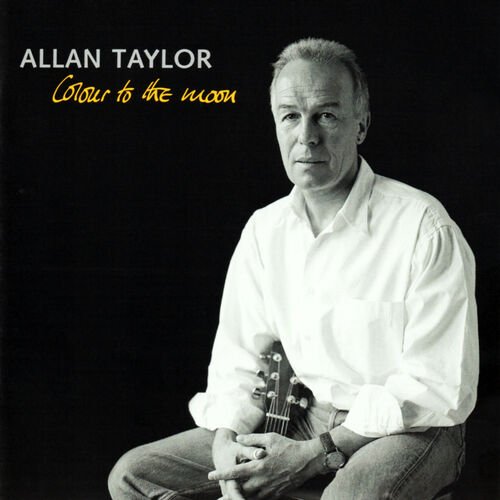
Allan Taylor had a bit of a problem. Colour to the Moon and All Is One are recordings we have loved for years, made with care. Recordings that ought to suit a revealing loudspeaker perfectly. Taylor’s voice is deep and weathered and close-miked, and on these speakers it was difficult to listen to. The S syllables stood out far more than they should have, and they were completely dislodged from the rest of his voice.
Geoff Castellucci and Avi Kaplan produced the same result for the same reason. Both sing at the very bottom of the male range, and both depend on you feeling the size of the instrument that is making the sound. On these speakers the notes were present and articulate and clean, and the subterranean weight that makes those performances land was a bit too reduced.
Why does that happen, when the sibilance region itself is clean? We’d say it’s a matter of ratio. A female voice has most of its energy up in the region where these speakers are generous, so the consonants sit in correct proportion to everything around them. A male voice has most of its energy in a lower frequency range, where the voicing gives out less sibilance and less high frequency energy. The consonants keep their energy, similar to the female voice, and the chest resonance beneath them shrinks. The consonant then stands proud of its own voice, and that’s where the awkwardness comes from. This is just our theory and what happened in our listening room on our matching electronics and cables, nothing more.

The duets make it most visible, and Avi Kaplan’s All Is Well demonstrates it inside one track. Where a female line and a low male line sing together, these speakers emphasise the female part and diminish the male one. The blend the arrangement depends on comes apart, one half of the harmony moves forward, the other half recedes, and the balance the producers built goes with it.
On a very sensitive ear this material is hard work. For a listener who’s looking for exactly this kind of brightness and lift, the same presentation brings life and energy into recordings that can otherwise sound heavy and closed in, and there is an audience for that. Whether that is you or not, is the question this entire review is about.
The Aeolos Ultra improved matters considerably, which is another sign that a good part of this belongs to the chain. If male voice sits at the centre of your listening, a tube amplifier moves from a recommendation to an almost requirement.
Bass, kick, and how loud does it go
We were expecting the bass to be the compromise but it really wasn’t the case.

The low end on the NS-2000A is very good. Subbass goes down to an audible, discernible 29 Hz in room. That’s a result we appreciate enormously. That figure is what we heard and identified in our setup, in our listening room, not something we say as quoted from specifications.
Yello’s Till Tomorrow gave us the extension test. The room pressurised properly, the bass had good physical body, and the deepest content was pitched and readable, with no collapse into rumble when passages became crowded.
The kick is up to standard as well, which matters more than extension for most music. When the right track played, the NS-2000A delivered chest-thumping bass, with a leading edge fast enough to keep the rhythm section correct and a decay that stopped when the recording stopped. No overhang, no woolliness, no bloom, which is good news regarding bass articulation.
Regarding SPL, we measured a maximum of 108 dB C at the listening position. A respectable figure. These are not speakers that like to play loud, so if high SPL is something you’re looking for, then you might be better off looking elsewhere. The NS-2000A sounds excellent at low and normal listening levels, with low-level listening being one of their most important highlights and a clear recommendation if this is your style of listening.
Conclusion
Yamaha knew exactly what they wanted this loudspeaker to be, and then built it with the full weight of a musical instrument company’s engineering behind the decision. Nothing feels accidental.
The NS-2000A high-frequency information is presented in quantities we found surprising, such that it almost becomes addictive after a week. Transients are fast and precisely placed, and the low end goes deeper than we expected.
As stated before, these speakers are brighter than average with absolutely no sibilance present, on material designed to expose precisely that. An elevated top end with no consonant trouble anywhere in it is one of the highest praises we can give to these loudspeakers.
Add to that everything played on breath. Woodwind, flute, trumpet, and flugelhorn were a delight throughout the month, and violins were excellent as well. Acoustic guitar the most!
Low-level listening deserves its own mention. All of the detail is still there at whisper levels. If you listen late and quietly with the house asleep, these are a clear recommendation.
The character has a cost attached. With our matching, the tonal balance sat on the bright side, with enough energy around 16 kHz that a very sensitive ear will feel it across a long evening. Instruments and voices are presented a little above their natural pitch. The cello loses the body that gives it its authority, and male voices lose some of it too. Duets that pair a female line against a low male line lose their balance. The finest gradations between different high-frequency events flatten toward a similar brilliance, and we certainly think a more expensive source and amplifier would open those apart again.
Regarding SPL, these are not speakers that like to play loud. If high levels are a regular part of your listening, you might be better off looking elsewhere.
The NS-2000A scales very well with the electronics behind it, so treat the budget as one whole thing and not as a pair of loudspeakers that go into a room.
We recommend these speakers highly, for specific music and for a specific listener. Electronic music, female voice, acoustic guitar, brass and woodwind, violin, the right piano recordings, and a hunger for the maximum possible amount of information. Someone who treasures information above comfort, who has treated their room, who listens at low and normal levels (up to 100 db (C)), someone who is willing to build the chain around what these speakers ask for. That listener is going to get something a lot of value for the asked price.
And again, be mindful about the chain you put in front of them. The Gustard R30, or an R2R DAC, a warmer source is where we would start. Tubes will also pay you back handsomely after that. A fast, lean, analytical chain produces a system that is technically impressive but hard to sit in front of. This all depends on preferences, in the end.
Another thing that needs some care is how you treat your room. These speakers throw so much energy into the room that the room response becomes a large part of the outcome, and toe-in gives you almost nothing to work with. An untreated space with hard surfaces takes the dominant high-frequency character of the NS-2000A and reinforces it. Budget for the acoustic panels alongside the speakers, and think hard about what’s sitting between them.
Do both of those things and these speakers will show you what’s inside your recordings, microscopically.
We would like to thank HifiExpert for the loan of these speakers and for their support across the whole month. It is because of them that we could use the NS-2000A properly. Feel free to reach out to them for a session with these speakers. You will be pleasantly surprised.
Every word here reflects our own experience, in our own room, with our own ears. Book a demo and bring your best masters. Bring a recording you cherish with a female vocal, and a male one. Bring your playlists with instruments from all over the world. Ask to hear them through a tube amplifier if the dealer has one standing around. Your ears are the only judge that counts, and with these speakers more than most, the answer is going to be personal.
Pros
- Exceptional high-frequency detail retrieval, and low-level listening is a highlight, with all of that detail present at very quiet volumes
- Absolutely no sibilance, despite the bright voicing
- Female voice is divine, and wind, brass, violin, and guitar are all excellent
- Midrange is clean and flawless
- Subbass to an audible, discernible 29 Hz, with a chest-thumping kick, no overhang and no bloom
- Build and finish are flawless, with Mundorf crossover parts and solid brass terminals
Cons
- Brighter than average, and instruments and voices are presented above their natural pitch
- Elevated energy around 16 kHz will fatigue a sensitive ear across a long session
- Demands careful matching
Equipment used
- Streamer and server: Aurender A1000
- DAC: Gustard R30
- Amplifiers: Yamaha A-S3200, Tsakiridis Devices Aeolos Ultra
- Speaker cables: Realcable CHEVERNY
- Interconnect: ZenSati Razzmatazz RCA
- Power cables: HMS Armonia Carbon
- Network cable: HMS Gran Finale 50