ZenSati Zorro speaker cable – a bloodline straight to the heart of music.

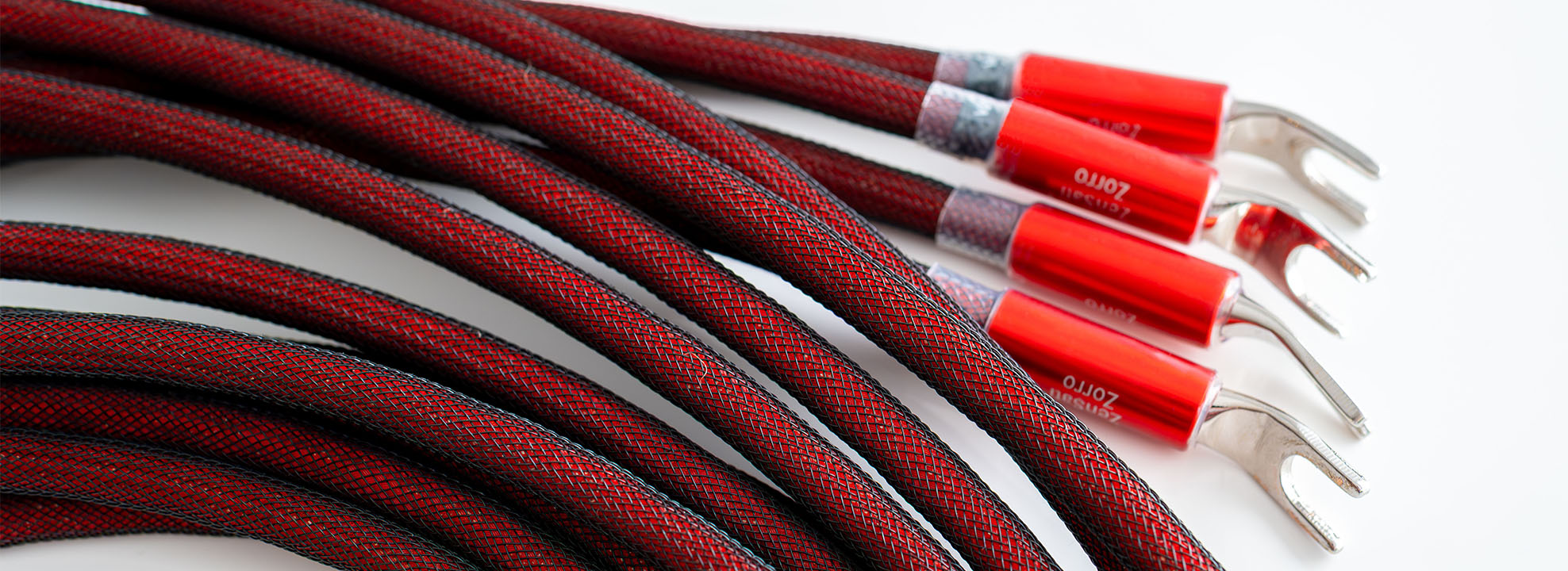
Zorro, blody red, black mask, and his Sword
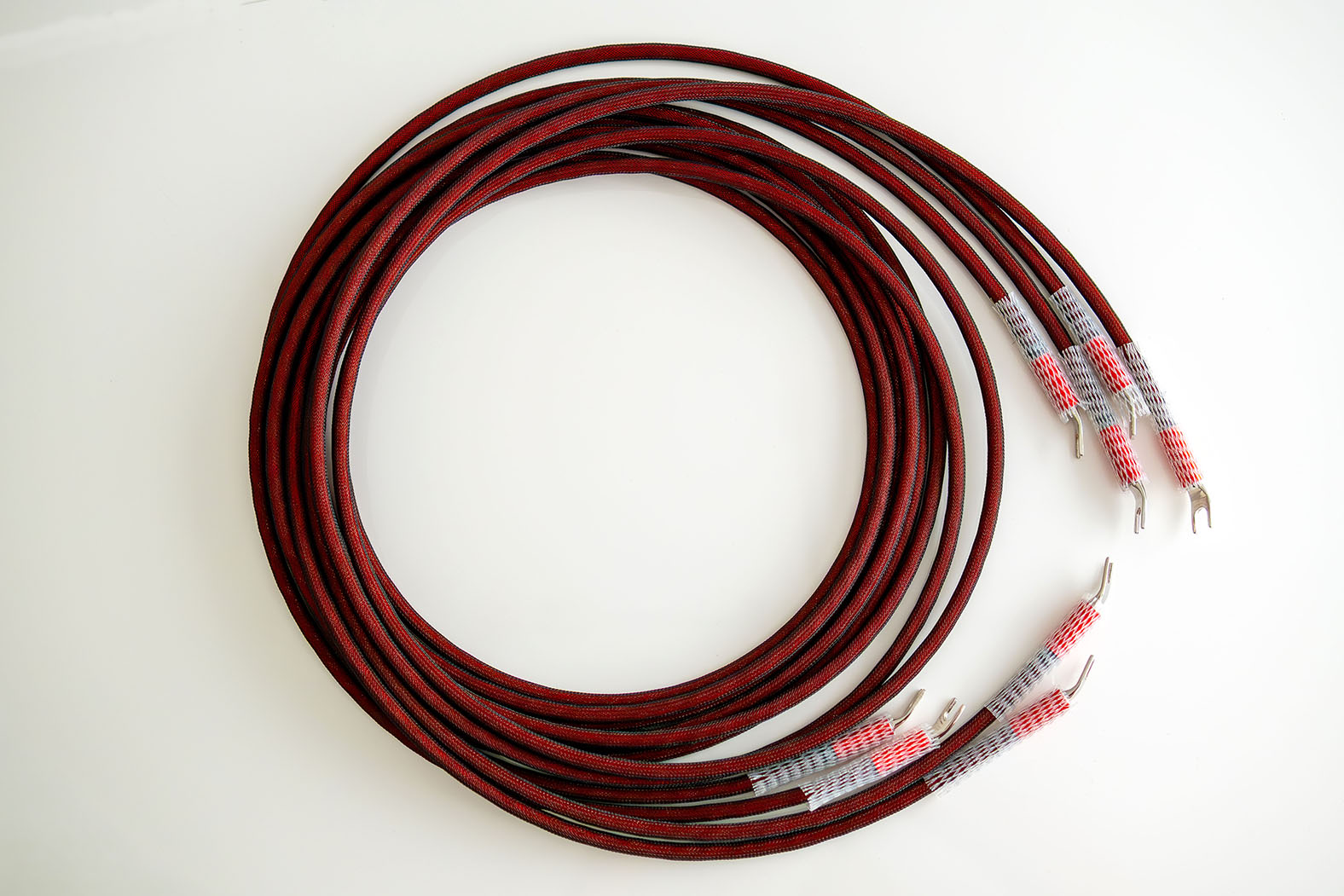
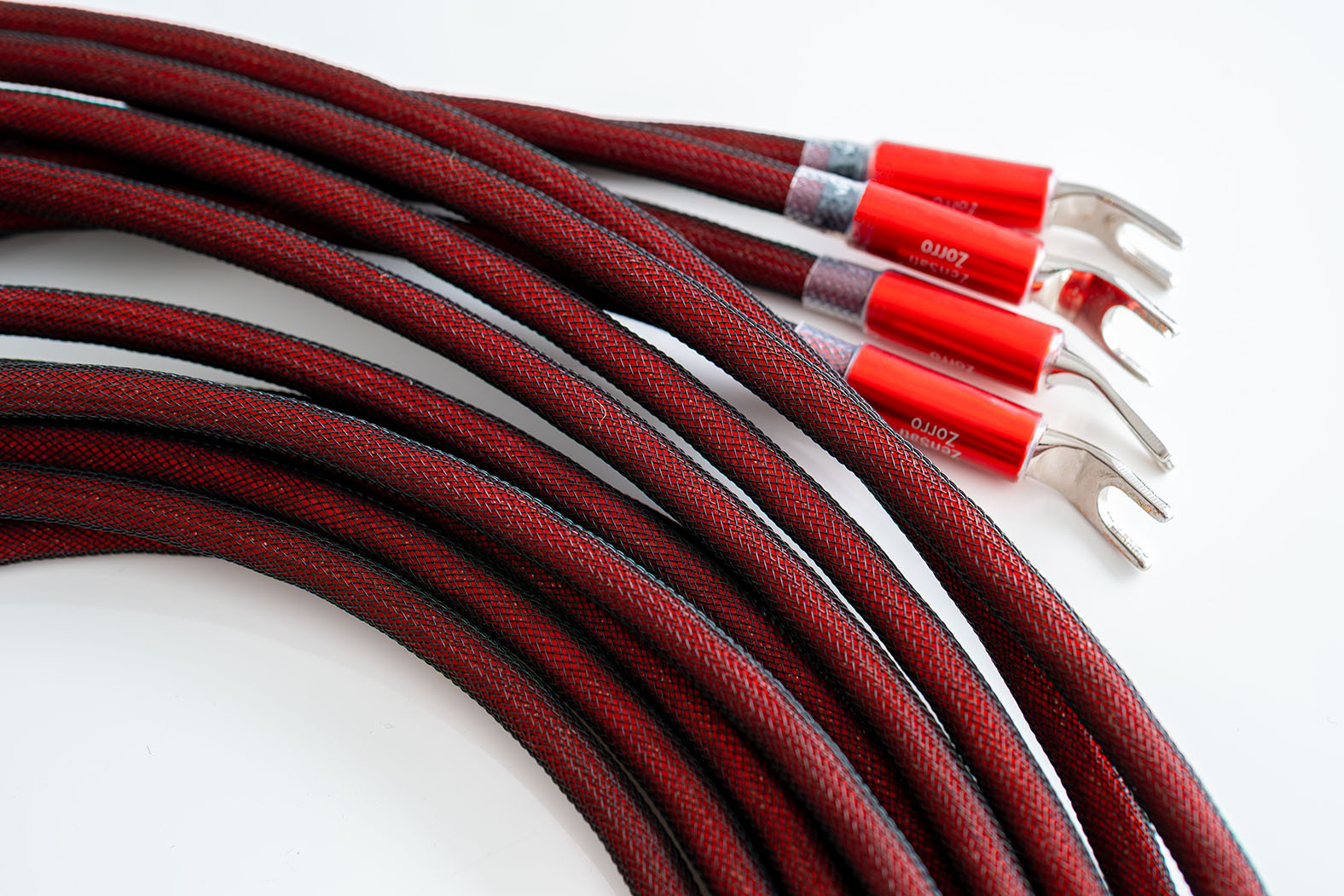
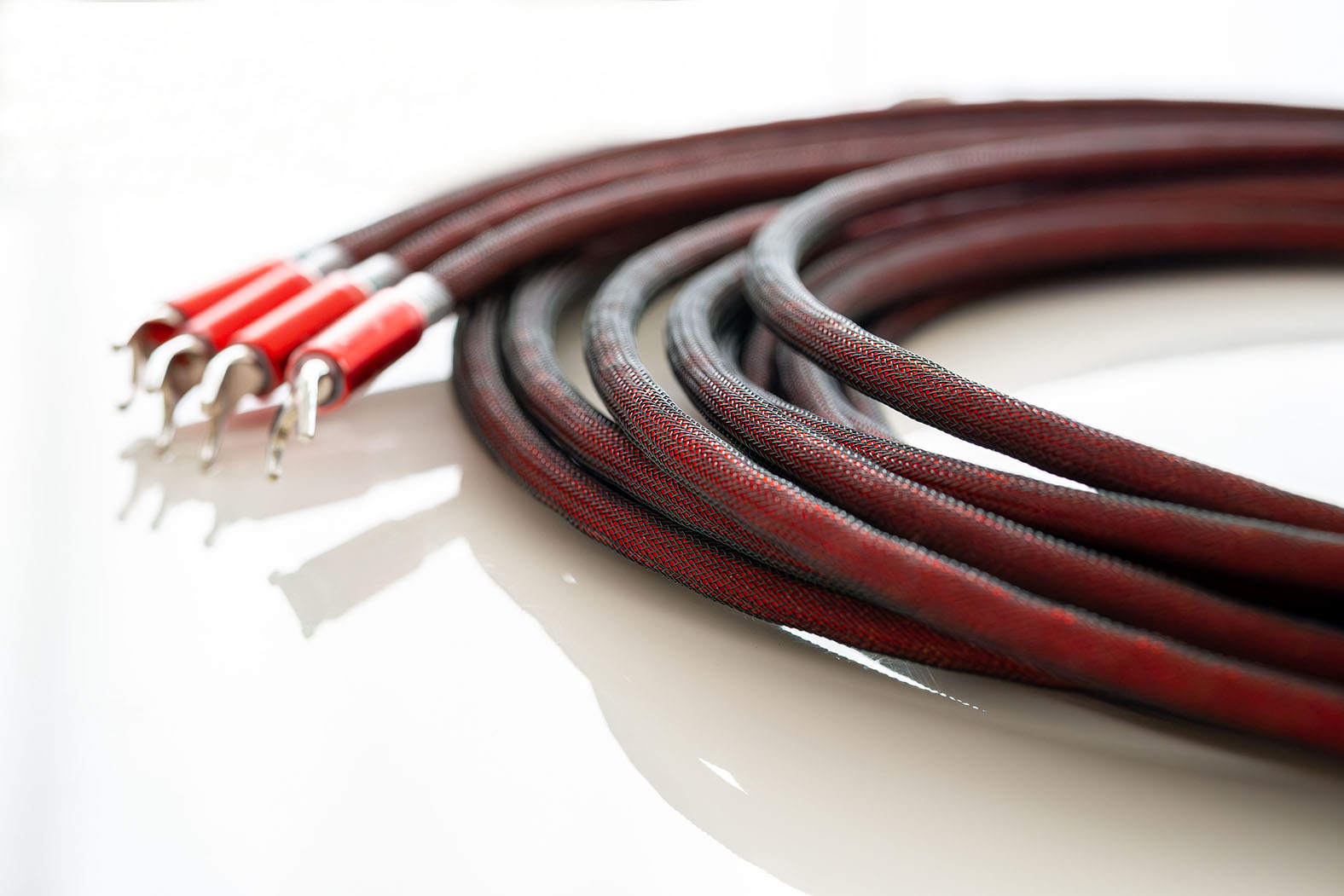
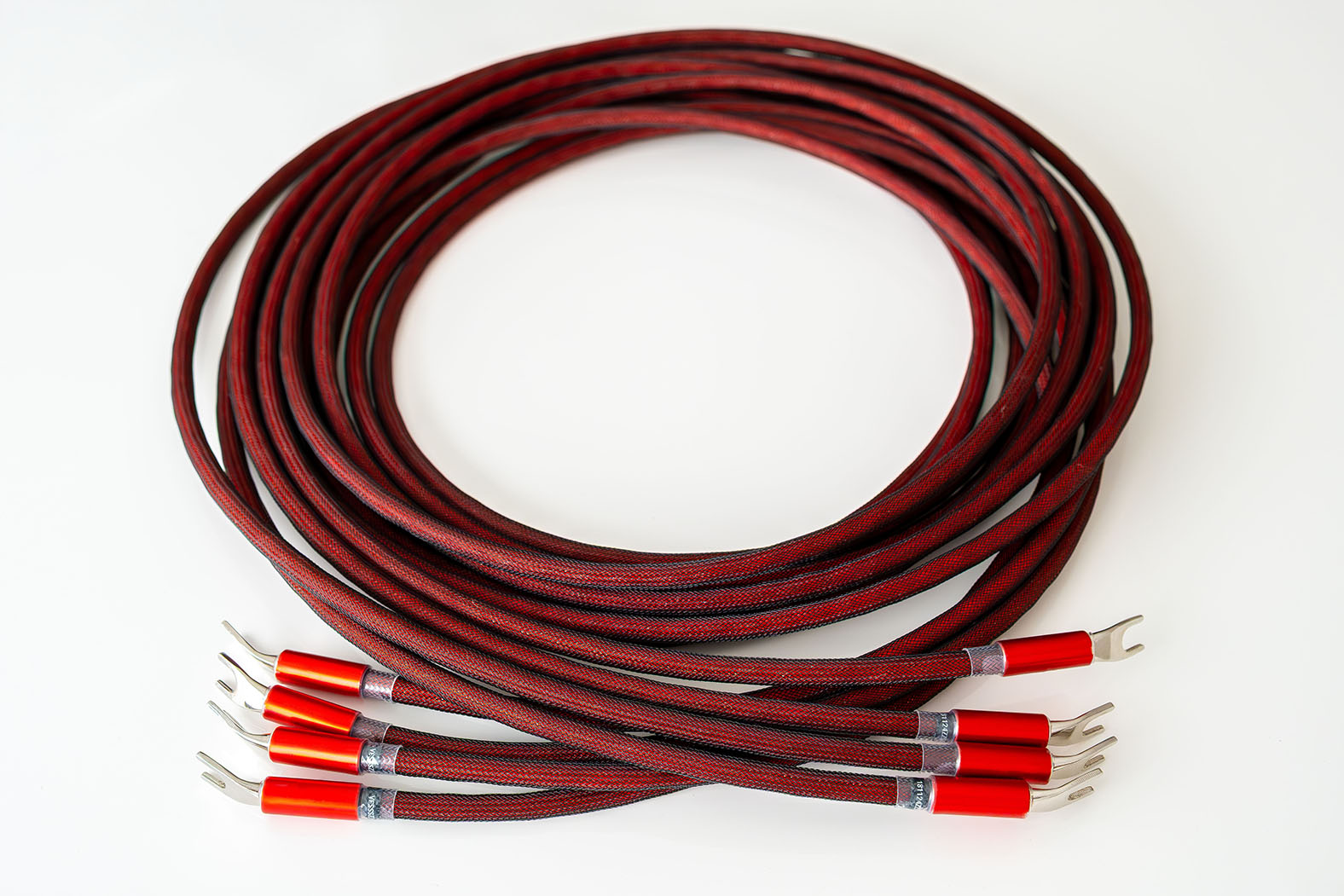
There are moments when a product enters your listening room not with the quiet humility of a newcomer, but with the brazen confidence of someone who has already won. The ZenSati Zorro speaker cable is precisely such a product. Before a single note has been played, it makes a statement — red as arterial blood, black as midnight, with a presence that is both theatrical and impeccably refined. You cannot ignore it. It does not ask to be ignored. And yet, paradoxically, once music begins to flow through it, the cable itself disappears entirely, leaving you alone with the sound and the artists who made it. That contradiction, the visual boldness, and the sonic transparency are constructing the essential character of Zorro. It is a relatively thin cable compared with its bigger siblings in the ZenSati family, and quite elastic, flowing, and able to go around rather than hard-bend. It makes you think about a sword…
I tested a few speaker cables in recent years, but not many brought out their full potential so loudly and so quickly. What makes this particularly remarkable is that it is only ZenSati’s second-level offering — the entry to the line is the Razzmatazz, and above the Zorro stretches an entire hierarchy of increasingly exalted products: the Authentica, the Angel, the Cherub, the Seraphim, the sILENzIO, and the formidable anniversary flagship, the #X. That the Zorro, sitting near the base of this mountain, can accomplish what it does is both a testament to the engineering philosophy of the company and an implicit promise about what lies above.
Mark Johansen, the founder and sole designer behind ZenSati, named this cable after the legendary masked swordsman of Spanish folklore. The red represents the blood of his enemies; the black jacket is his coat; the black mesh is his horse. Zorro defeated all his competitors, and Johansen is entirely candid about his ambitions. “We are challenging every cable brand in the world with Zorro,” he told me during our conversation in Bucharest (please check the full interview here), on a warm November Saturday that felt borrowed from another season. “And we will win. And this is only the second level.” I was struck by the boldness of the claim. It was stated with the calm certainty of someone who has already run the experiment many times and knows the outcome.
The Art of Air — Design Philosophy and Build
At the heart of the ZenSati Zorro’s design is a principle that Johansen returns to repeatedly when discussing his work: air as a dielectric. The Zorro is built on a silver-plated conductor surrounded by a carefully maintained air gap. This is not incidental; it is the philosophical core of the entire ZenSati product line. Johansen is categorical on this point: some manufacturers use inert gases inside their cables to achieve a similar effect, but gas escapes over time, the cable degrades, and the containment structure introduces its own sonic compromises. ZenSati uses normal air, sealed in a geometry that maintains its integrity over decades of use.
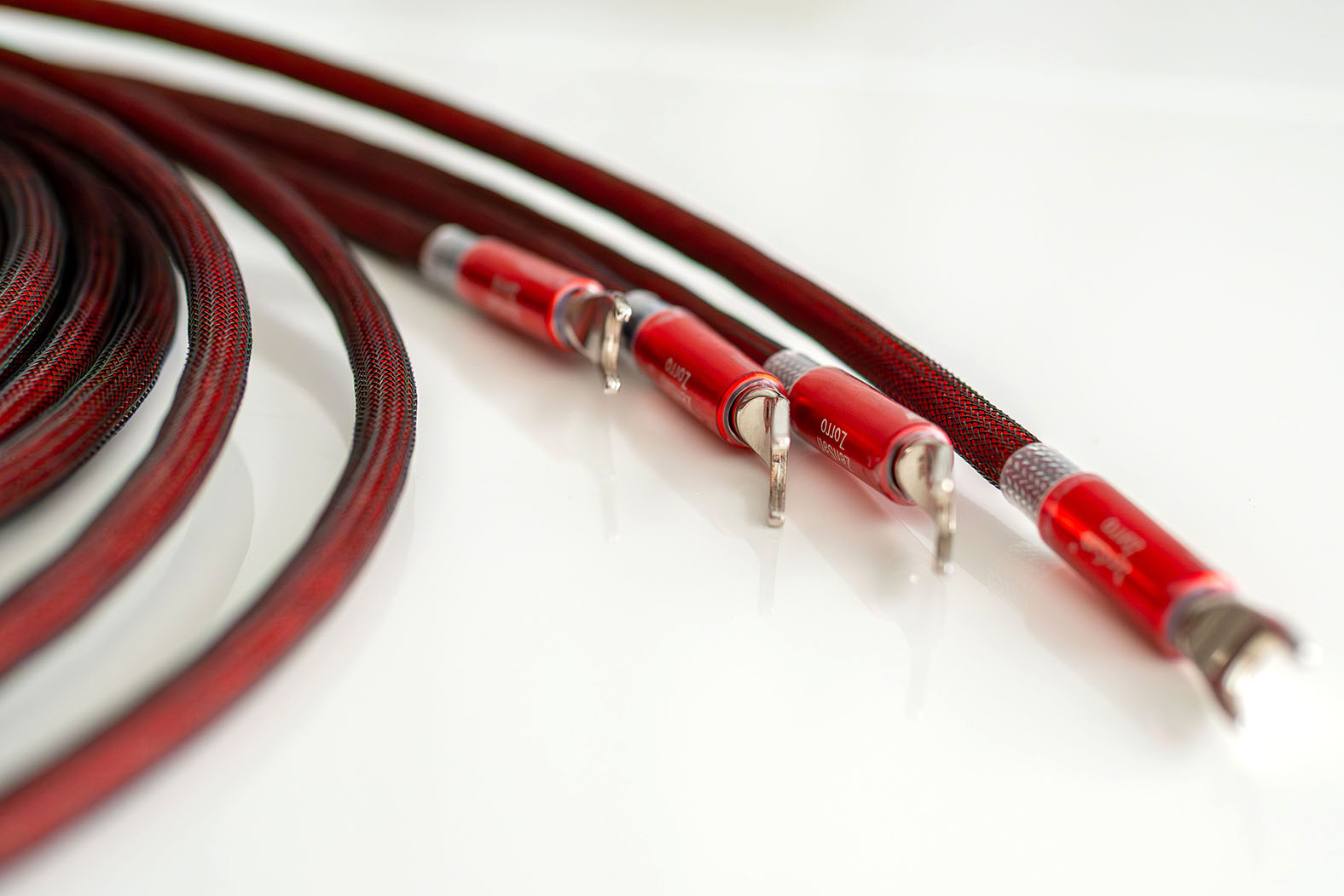
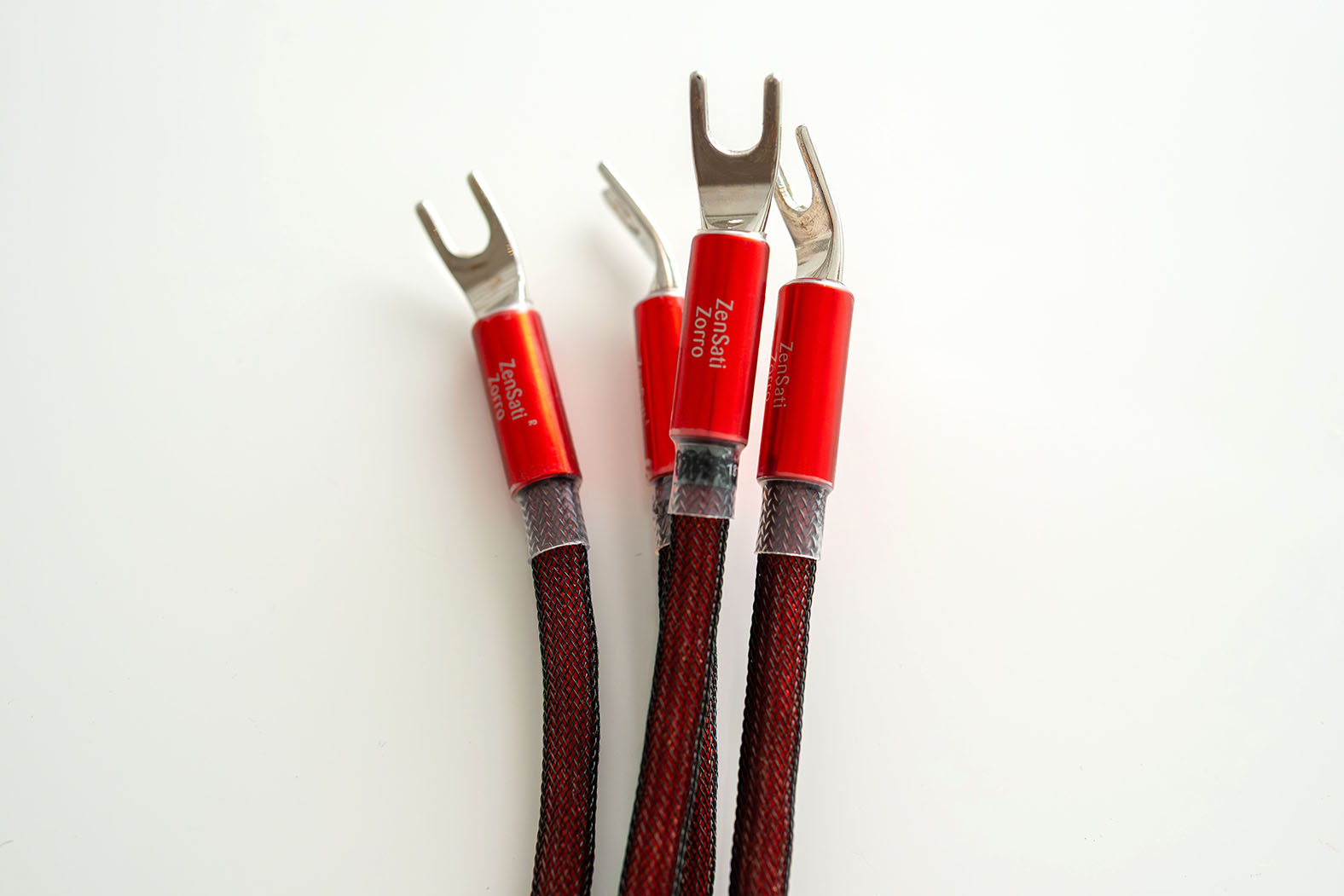
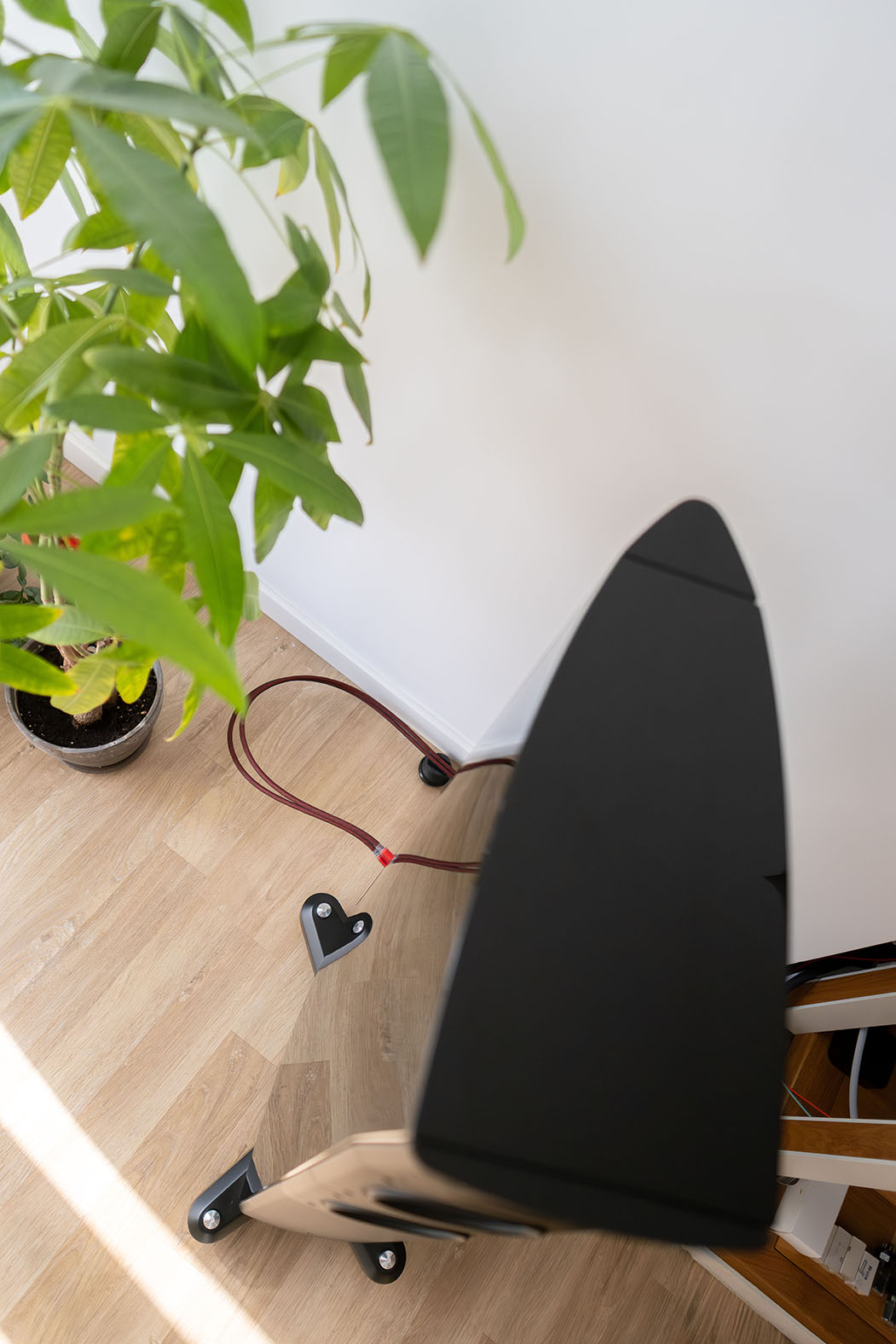
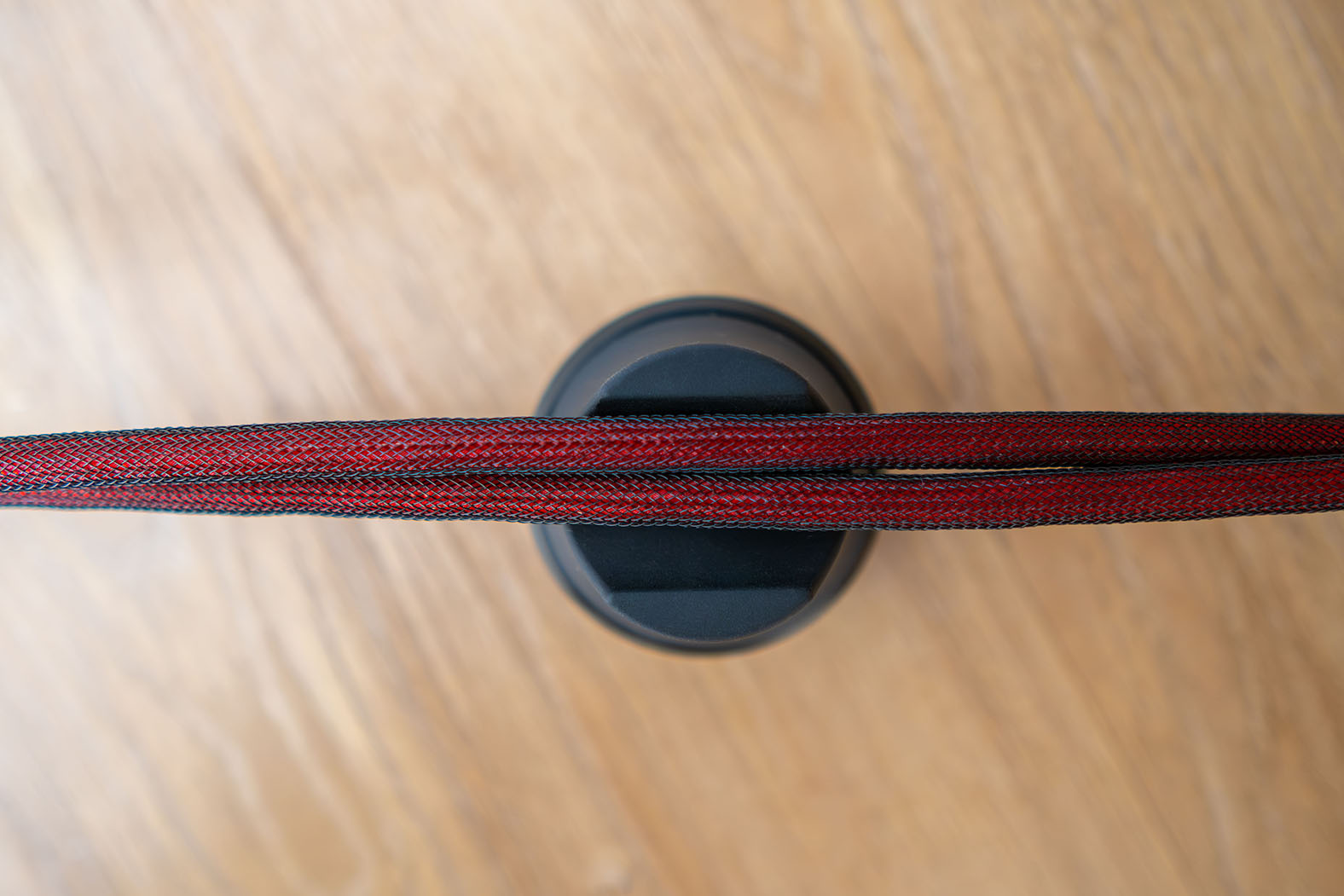
The physical construction of the Zorro reflects boldness and striking beauty, making it a special object within the whole ZenSati family. The bright red inner-conductor housing is sheathed in a black mesh jacket that is genuinely beautiful, the kind of object that earns compliments from non-audiophile family members, which, in my experience, is an exceptionally high bar to clear. The cable is not bulky, stiff, or heavy; it is very flexible, routing naturally without the struggle that some high-end cables impose on their owners, though it has enough substance to feel properly engineered rather than merely thin. The connectors are of excellent quality, smooth and precise, painted in the same striking red color. This is a handmade product; every ZenSati cable is assembled by hand in Denmark, and the level of finish is consistent.
Johansen explained to me that the Zorro, like all ZenSati cables, is conceived as part of a system rather than a standalone component. “The speaker cable and the interconnect are working together to create something larger than the sum of their parts,” he said. “I can tune the final result by adjusting the geometry, the conductor dimensions, the capacitance, and the distance to the isolation layer. It is a system.” This means that while the Zorro speaker cable can deliver extraordinary results on its own — as the listening impressions below will confirm, the full revelation of its character comes when it is partnered with Zorro interconnects and power cables from the same line. For this evaluation, I tested it only as a speaker cable, with the understanding that coherence within a single product family is always Johansen’s intended destination.
System and Methodology
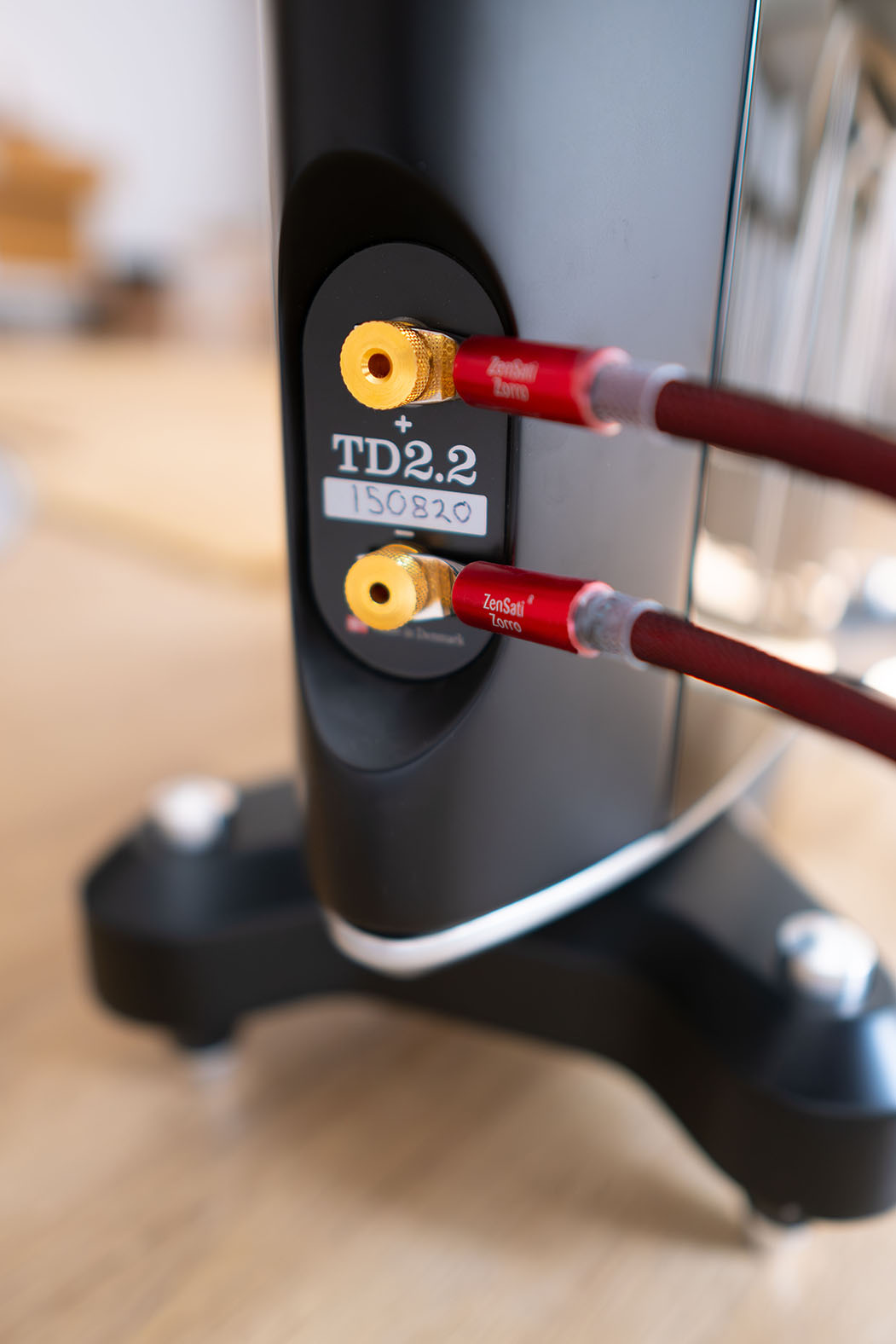
For this evaluation, I used my reference system, which I know with the intimacy of long acquaintance. The digital front end was the Antipodes OLADRA server/streamer/reclocker — a component of exceptional resolution and temporal precision that I have reviewed in depth here. Digital-to-analog conversion was handled by the LampizatOr Poseidon (KR Audio 5U4G, 6N30P-DR Super Tube, and L63 CV1067 GEC NOS), one of the most musically complete DACs I have encountered, also reviewed here. Amplification is now Aesthetix Atlas and Calypso in the Eclipse version (a full review will arrive very soon). The Raidho TD 2.2 loudspeakers (a long-awaited comprehensive review coming soon) — among the most transparent and articulate transducers available at any price — served as the final link in the chain. Everything was powered through a Tsakiridis Super Athena power conditioner.
On the analog side, proudly sits the Acoustic Signature Monata NEO turntable with Acoustic Signature TA-500 NEO tonearm, equipped with Ortofon MC A95 (95th anniversary of Ortofon’s technical leadership), and Acoustic Signature MCX4. Aesthetix Rhea Eclipse full-tube phono stage and Crystal Van Gogh interconnect phono cable (probably the best phono interconnect I have ever heard – upcoming review) are completing my actual analog stereo setup.
The Zorro replaced my reference speaker cables, which cost considerably more, and I allowed a full run-in period before forming any conclusions. I listened across many sessions, to a wide range of musical material spanning acoustic jazz, orchestral music, electronic production, and intimate vocal recordings — the full spectrum of what I ask a cable to handle. What follows are my impressions, organized around the qualities that struck me most forcefully and persistently across those sessions.
Sound — The Voice of Open Air
The first quality that announces itself with the Zorro, and the one that never stops asserting itself throughout an extended listening session, is a remarkable, almost architectural sense of openness. The soundstage does not merely widen; it breathes. There is air between the images, space between the instruments, and a sense that the recording’s acoustic environment has been faithfully transported into the room. This is not the artificial, slightly exaggerated width of cables that emphasize the upper frequency range; it is the natural openness of a signal that has passed through the cable without being constricted or colored, and you can hear that especially in the midrange. It is revealed instantly and quite dramatically.
The midrange is the Zorro’s most spectacular achievement. I have heard midrange clarity in cables twice the price that did not approach what the Zorro accomplishes in this region. Voices are present, not merely audible, but present, occupying the room with the physical immediacy of a live performance. Instruments in the midrange: piano, guitar, cello, and human voice carry a harmonic richness that makes it easy to forget that you are listening to a reproduction. This is precisely what Johansen means when he talks about transporting overtones and undertones without loss. The Zorro preserves the full harmonic structure of each note, and in the midrange, where our ears are most sensitive and most unforgiving, that preservation is audible and deeply gratifying.
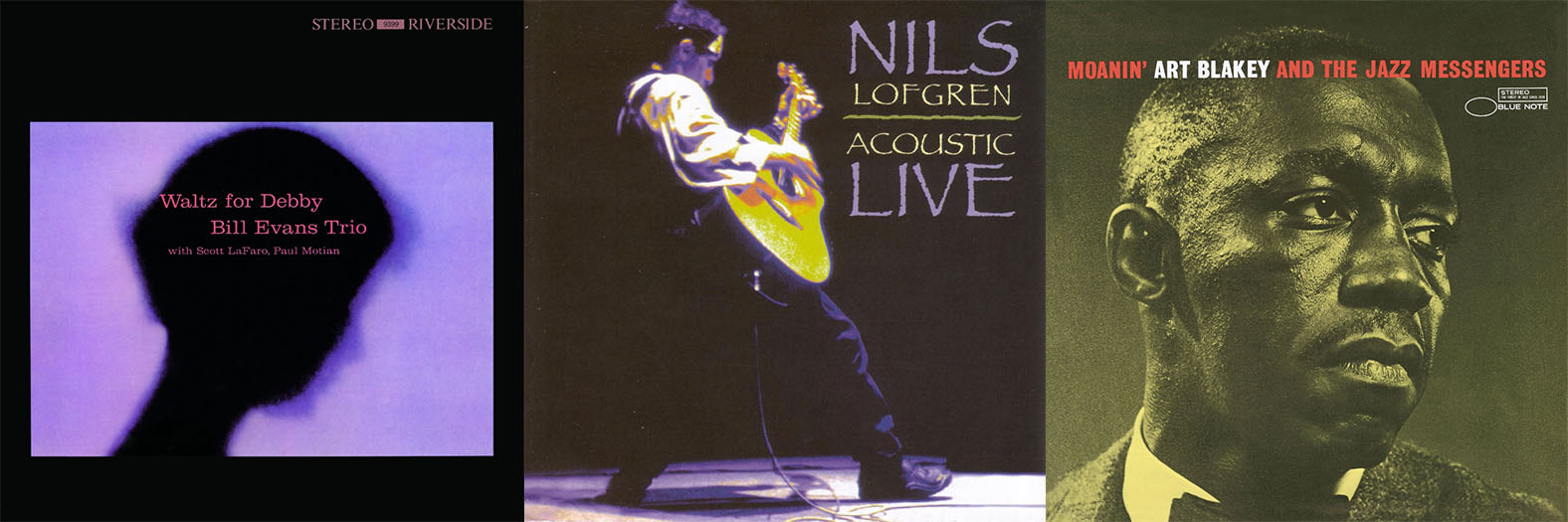
I want to anchor this observation in a specific musical moment. I played Bill Evans’ “Waltz for Debby” from the 1961 live recording at the Village Vanguard — an album of such intimate beauty, so delicately balanced between the piano’s lyrical lines and the warmth of the trio, that it punishes any cable that does not get out of the way. The recording is acoustically alive, full of audience noise and room reflections, and the piano has a particular tonal presence that sounds either right or slightly off, depending on the quality of the chain. Through the Zorro, it sounded right in a way that required no qualification or mental adjustment. Evans’ left hand in the bass register was warm, rounded, and properly weighty; his right-hand melodic lines had the delicate shimmer of a genuinely great Steinway; and Scott LaFaro’s bass was perfectly audible, a physical object in the room, occupying space, with breath and energy and the woody resonance of the instrument itself but in a very linear way and I have to admit, with less energy and a correctenss that lead me to desire more. The midrange coherence of the Zorro was impeccable, while the low region lacked a bit of gravity, as it was maybe a bit too correct for my taste.
Next, I turned to something more vocally demanding: Nils Lofgren’s “Keith Don’t Go” from the Acoustic Live album, a recording beloved by audiophiles for its extraordinary intimacy, in which Lofgren’s voice and guitar seem to exist in a small, perfectly defined acoustic space just beyond the plane of the speakers. The way a cable handles this recording is revealing: either the voice sits correctly in the space, with proper weight and presence, or it floats unnaturally, detached from the physical body that produced it. Through the Zorro, Lofgren was in the room. The voice had natural warmth, the guitar had the correct balance of body and overtone, and the slightly reverberant space around both was clearly delineated. This is what I mean by voice presence, not loudness, not forwardness, but the sense of a living human being making sound in a real acoustic environment. And that feeling is mostly augmented by the recording’s microdetails, the venue’s resonances, the sounds of the audience captured nearby, or the artists’ movements.
Speed, Articulation, and the Meaning of Precision
One of the most controversial qualities in high-end cables is speed, the ability to transmit transients quickly and accurately, so that the leading edge of each note is correctly timed and properly defined. Many cables claim this quality; far fewer actually deliver it. The Zorro is among the few. Its speed is not the aggressive, almost percussive brightness of some silver cables, that brittle quickness that impresses at first and fatigues over time, but a genuine, organic precision that makes music feel alive in the most fundamental sense.
I verified this with a demanding test: Art Blakey and The Jazz Messengers’ “Moanin” from the landmark 1958 Blue Note recording. This is an album that lives and dies by rhythmic precision. Blakey’s drumming is ferocious and perfectly timed, and the interplay between his kit and Lee Morgan’s trumpet, Wayne Shorter’s saxophone, and Bobby Timmons’ piano requires a system that can track each instrument independently without blurring the ensemble into a single mass of sound. Through the Zorro, the separation was very good. Each instrument had its own clear space in the soundstage, its own dynamic envelope, its own voice — and the rhythmic interplay between them was not just audible but felt. You could hear the drummer pushing the tempo, hear the moment when the ensemble locked in, hear the individual attacks of Blakey’s snare with a precision that placed you not in the audience but behind the glass in the recording booth. The Zorro’s speed made the music breathe with an urgency that was entirely appropriate and completely free of the anxiety that lesser cables sometimes introduce. While the timing, structure, and tonal character of the instruments were pinpoint accurate, I still wanted a more weighty bass. Probably it is about one taste, or why not, probably my room is lacking some bass (known issue), which prevents me from feeling the proper gravity of the low end.
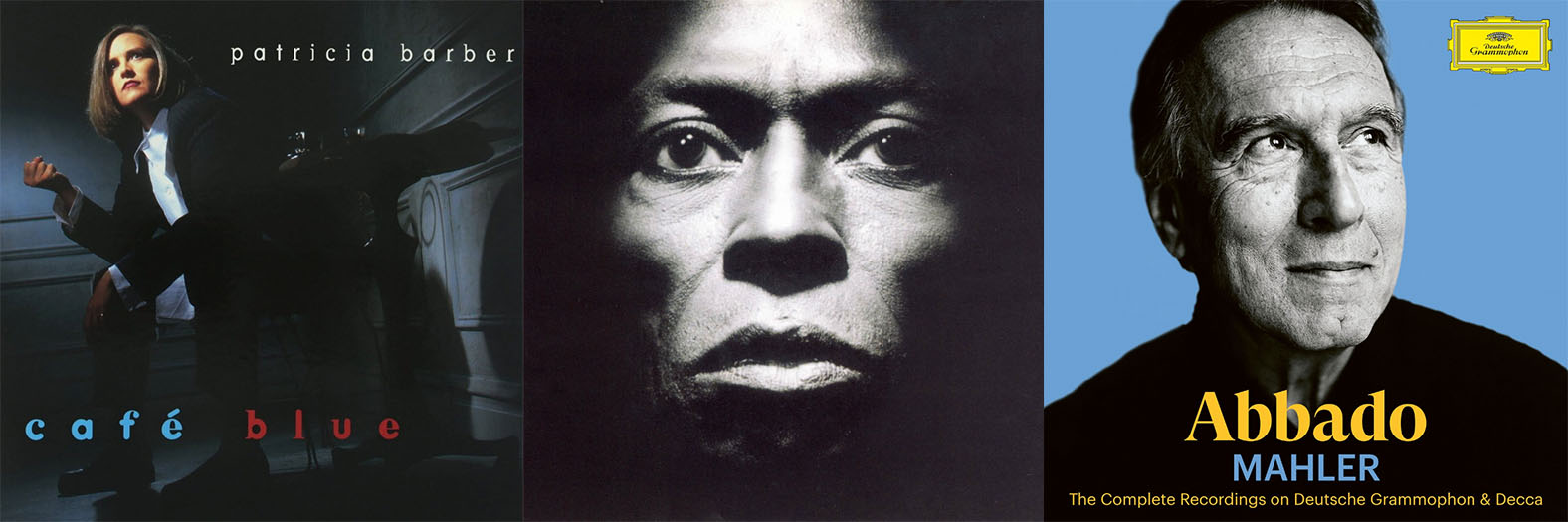
Articulation, the cable’s ability to differentiate between adjacent musical events without smearing or blending them, is related to speed but distinct from it. A cable can be fast and still lose fine detail; articulation is the quality that preserves the micro-texture of a performance. Here too, the Zorro excels. I tested this with Patricia Barber’s “Company” from the Café Blue album, a recording of almost clinical precision, in which every sonic event is placed with extraordinary precision. The brushwork on the snare, the plucked bass line, Barber’s voice with its particular slightly smoky edge, the piano’s delicate upper-register figures, each of these exists in its own clearly defined space through the Zorro, with no loss of definition at the boundaries between them. The articulation is not clinical or antiseptic; it is in the service of the music. You hear more of the performance, not more of the cable.
Mark Johansen’s explanation of his design philosophy illuminates what the ear confirms. The air dielectric minimizes dielectric absorption, the phenomenon by which cable insulation temporarily stores and then releases energy, smearing transients and blurring micro-detail. With air surrounding the conductor rather than a solid dielectric material, the signal passes through with minimal interaction, maintaining its temporal integrity. The result is speed and articulation that feel effortless precisely because they are effortless; no energy is being lost to or recovered from the insulation, and the signal arrives at the speaker terminals as it left the amplifier output.
The Low End — Linearity Without Compromise
If the Zorro’s midrange openness and speed are its most immediately impressive qualities, its handling of the low-frequency range is perhaps its most linear expression. There is a consistency of character across the frequency spectrum that speaks to a fundamentally correct design — and nowhere is that consistency more clearly tested than in the bass.
Many cables, even expensive ones, develop a personality shift in the low end, a slight thickness, a rounding of the leading edge of bass transients, a tendency to add warmth that is not entirely truthful. The Zorro avoids this with a genuinely impressive linearity. The low end has the same transparency, speed, and articulate precision as the midrange and treble. It is not a thin or lean bass — there is weight and authority, but it is an honest bass, one that reflects what was recorded rather than what some listeners might prefer to hear. I am one of those listeners…
The test case I return to repeatedly for bass evaluation is Marcus Miller’s “Tutu” — the title track from the 1986 Miles Davis album — one of the great bass guitar performances in the recorded repertoire. Miller’s fretless bass on this track has an extraordinary range: enormous low-end weight, intricate midrange detail in the slides and harmonics, and a clarity in the upper frequencies that allows you to hear the string against the fret with almost physical immediacy. A cable that colors the bass loses the thread, the performance becomes bass about bass rather than a specific musical statement. Through the Zorro, the performance was whole. The low frequencies had gravity without bloat; the midrange of the bass was present and textured; and the harmonic overtones that give the instrument its distinctive voice were clearly audible. The Zorro did not add warmth or subtract extension but simply transported the instrument, faithfully and completely.
I also tested with orchestral material — specifically, the opening of Mahler’s Symphony No. 1 in D major, conducted by Claudio Abbado with the Berlin Philharmonic. The Mahler First opens with one of the strangest passages in the symphonic literature: a sustained harmonic in the strings against which, very gradually, other voices emerge from near silence. The dynamic range is extreme, and the low strings carry an important foundational role throughout. Through the Zorro, the tonal balance was superb, the low strings had proper weight and resonance without overwhelming the transparency of the upper strings or the delicate woodwind lines. The cable maintained its linear character even at the extremes of the orchestral range, and the dynamic contrasts of the movement, from that near-inaudible opening to the full-force fortissimos later in the allegro, were conveyed with a naturalness that was genuinely moving.
Johansen has spoken about the importance of cable damping in maintaining bass performance, particularly for systems with deep bass extension. In higher ZenSati lines, the conductor is progressively more damped against vibration, because a vibrating conductor introduces acoustic feedback that colors the sound. In the Zorro, this damping is present but a lot lighter than in the sILENzIO or the #X. What the Zorro provides is a bass that is correct and disciplined without being dry, it has bloom when the music calls for bloom, and definition when the music demands definition. This is linearity in the truest sense: not an absence of character, but a faithfulness to whatever character is already in the signal. But, I can not stop thinking that the upper levels with heavier dumping will probably extend lower with greater confidence and authority. This is the only thing that I felt a bit shy about with the Zorro reproduction.
Voice Presence — The Most Demanding Test
Of all the qualities I have described, the one that most surprised and moved me is Zorro’s handling of the human voice. I am using ‘voice presence’ in a specific sense here: not merely the accuracy of tonal reproduction, but the sense that a voice occupies a real space in the room with genuine physical substance. This is the quality that separates equipment that is technically correct from equipment that is emotionally involving — and it is, in my experience, the rarest quality of all.
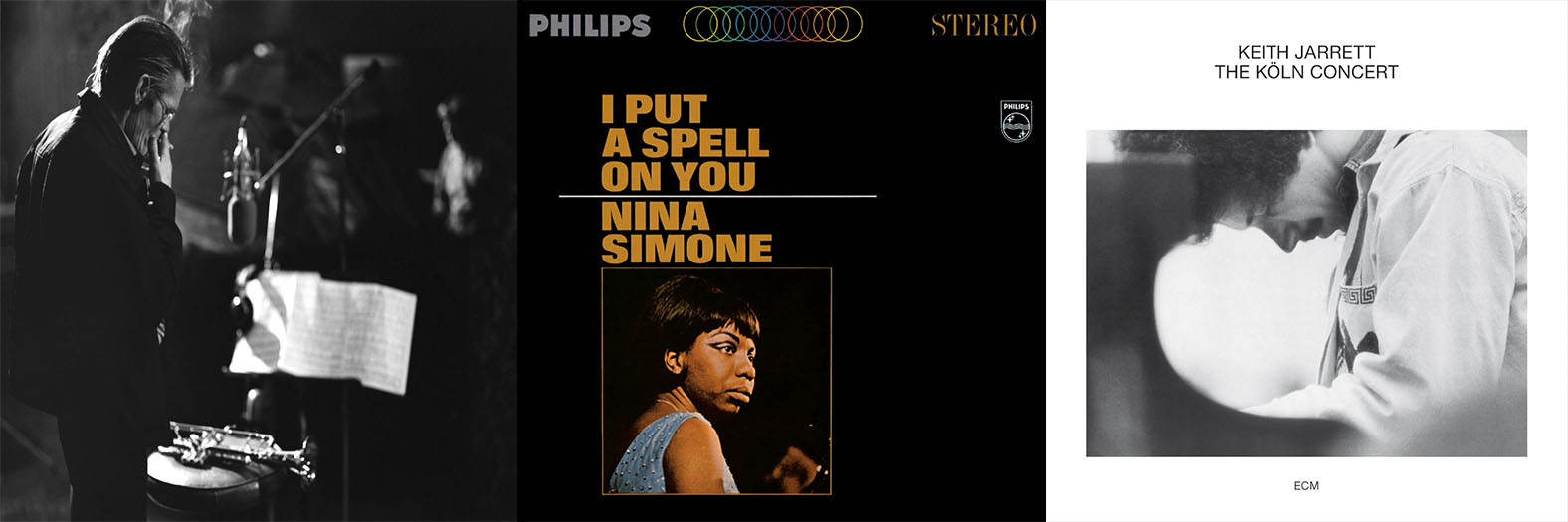
I played Chet Baker’s “Almost Blue” from the 1988 Chet Baker Sings collection, Baker’s voice in his late years, cracked and fragile and somehow more beautiful, accompanied by the barest piano and the softest possible touch from the rhythm section. The voice is right there, present, physical, almost alarmingly close. You can hear the breath between phrases, the slight hesitation before the difficult interval, the way the voice touches the microphone differently at different dynamic levels. Through the Zorro, all of this was audible and achingly real. The voice did not feel like a reproduction; it felt like a presence. I sat listening in the peculiar stillness that good audio can induce, aware of nothing but the music, which is, after all, precisely the condition we are trying to achieve.
I ran the same test with something more demanding, purely in technical terms: Nina Simone’s “I Put a Spell on You” from the 1965 Philips recording. Simone’s voice in this performance is extraordinary, with enormous range and dynamic, from a near-whisper to an almost operatic declaration, backed by an orchestra that lends the recording a cinematic scale. The challenge for a cable is to maintain the voice’s presence and authority across this entire dynamic range without compressing the quieter moments or hardening the louder ones. The Zorro managed this with what I can only describe as grace. The voice swelled and receded naturally, the orchestra was placed correctly behind it, and the sense of presence that Simone projects, that almost supernatural authority, was fully and uncomprisingly conveyed. It was, quite simply, one of the best reproductions of this recording I have heard in my system.
Unity in Diversity — The Complete Sonic Portrait
Having spent a few weeks with the ZenSati Zorro, I find myself returning to a quality that is difficult to name precisely but impossible to ignore: the sense that everything in the music belongs together. In lesser cables, there is often a subtle disjunction between the frequency ranges, the bass does one thing, the midrange another, and the treble a third, and the listener’s ear unconsciously works to assemble these elements into a coherent musical event. With the Zorro, this work disappears. The music is already coherent when it arrives, and your attention is freed from the assembly task and returned entirely to the listening.
This quality, call it tonal coherence, or frequency linearity, or spectral unity, is ultimately what Mark Johansen is describing when he talks about transporting the complete harmonic structure of a musical signal without subtraction. The overtones and undertones that give an instrument its timbre are present across the full frequency range, and the cable’s consistent character from bass through midrange through treble means that those harmonics remain in their correct proportional relationship to one another. What you hear is an instrument, not a frequency measurement of an instrument.
I want to close the musical portion of this evaluation with a final, particularly meaningful listening session. I played Keith Jarrett’s “The Köln Concert” — the legendary 1975 ECM recording, improvised from beginning to end in a state of physical exhaustion on an inadequate piano. This is the great test of any audio system’s musical intelligence, because the recording is not technically perfect, the piano is not quite right, the low notes are compromised, the sound is intimate to the point of rawness — and yet it contains one of the most sustained passages of musical inspiration in the recorded repertoire. A cable that prioritizes technical correctness over musical truth can make this recording feel uncomfortable. A cable that understands what music is makes it transcendent.
Through the Zorro, it was very good and utterly musical. The imperfections of the recording were present and acknowledged, this is an honest cable, but they did not impede the musical narrative. The extraordinary melodic spontaneity of Jarrett’s playing, the way ideas unfold across thirty, forty, fifty minutes of unbroken improvisation, the moments of almost unbearable beauty that emerge from what seemed like pure instinct, all of this was conveyed with a clarity and presence that made the hour I spent with this recording feel genuinely important. I had heard this album many times on my reference system. Through the Zorro, I heard it differently, more completely, more intimately, more truly.
Context and Competitors
The ZenSati Zorro exists in a market segment that has become increasingly crowded with capable products. Zorro speaker cable at 2.5m, with spades at both ends, as tested in my system, is priced around €3,750. There are several cable manufacturers offering silver-plated or pure silver constructions at comparable price points, and the differences between them are real but sometimes subtle. What distinguishes the Zorro is not any single quality taken in isolation but the coherence of its performance across all qualities simultaneously, the rare combination of speed and warmth, clarity and body, resolution and ease.
I have had the opportunity to compare the Zorro with several other well-regarded cables in a similar price range. The comparison consistently reveals the same pattern: other cables tend to emphasize one quality at the expense of another, speed at the cost of warmth, or warmth at the cost of resolution, or resolution at the cost of ease. The Zorro does not make these trades. It achieves all of its qualities simultaneously, and in a way that feels not like a carefully balanced compromise but like a genuinely correct solution. This, I think, is what Johansen means by neutrality, not the absence of character, but the presence of complete faithfulness to the signal.
What is particularly impressive is the context: the Zorro is only ZenSati’s second product from the bottom. Johansen has told me, with that quiet certainty, that every step up the ZenSati line builds on the qualities of the one below, more of the same character, expressed more completely, with greater refinement and even greater transparency. If the Zorro accomplishes what it accomplishes, the mind goes quiet, trying to imagine what the sILENzIO, or the #X, must be capable of. The implication is exciting and slightly alarming in equal measure.
I need to think about the upper echelon as the only thing I left to desire more is a greater extension in the bass region, with a bit more authority and heft. And I cannot ignore what the designer emphasized: more damping means more extension in the bass region (in systems capable of this), more control, and greater accuracy, with more detail. I have to dream and imagine how sILENzIO can perform in that regard, keeping and enhancing the already beautiful qualities of Zorro.
Conclusion — A Bloodline in the Heart of Music
At the end of a long evaluation, what matters is whether you return to the listening room with a sense of anticipation or obligation. With the ZenSati Zorro, I returned with anticipation every time. Not because I was trying to confirm a hypothesis or verify an impression, but because the music sounded good, genuinely, naturally, compellingly good, and I wanted more of it.
The Zorro is fast and precise without being clinical. It is open and transparent without being analytical. Its midrange is the finest I have heard at this price point, perhaps the finest in this price range, without significant qualification. Its bass is linear and honest, with just a bit lighter weight but proper articulation, and no tendency to warm up or soften what should be defined and immediate. And its handling of the human voice, that most demanding and revealing of tests, is simply extraordinary. And that is a vital bloodline both in appearance and performance, straight through the heart of music: the midrange where voices and most instruments breathe.
Mark Johansen designed this cable to challenge every competitor worldwide. Having lived with it for an extended period, I can report that the challenge is serious. The Zorro is not perfect, nothing is, but it is remarkably, impressively close to perfect for a cable at this level, and the philosophy that informs it extends upward through a product line of increasing refinement and ambition.
I began this review in the aesthetic presence of Zorro’s red and black beauty. I end it in the musical presence of what that beauty contains. ZenSati calls this cable a champion, and the title is earned. Zorro has been in my system, and I find myself missing it when it is absent. That, in the end, is the most honest evaluation any reviewer can offer. This is why I can confidently hand over our “Highly Impressive” 2026 Award to the ZenSati Zorro speaker cable.

ZenSati cables are available through authorized dealers worldwide and distributed in Romania by Hi-Fi Expert. The full lineup — from Razzmatazz through the Anniversary X — is handmade and hand-assembled in Denmark.
www.zensati.com
Associated Equipment
- Digital source: Antipodes OLADRA or a custom passive server with Euphony, Roon, JCAT NET XE powered by linear power supply – FARAD Super 10
- Transport: Antipodes OLADRA
- D/A converter (DAC): LampizatOr Poseidon
- Amplifier: Aesthetix Atlas Eclipse
- Preamplifier: Aesthetix Calypso Eclipse
- Loudspeakers: Raidho TD 1.2, Raidho TD 2.2
- Turntable: Acoustic Signature Montana NEO
- Tonearm: Acoustic Signature TA-5000 with Ortofon MC A-95 or Acoustic Signature MCX4
- Phonostage: Aesthetix Rhea Eclipse
- Headphones: Meze Elite
- Headphone amplifier: Trafomatic Primavera
- Speaker Cables: Marohei Statement SE, Crystal Art Series Monet Speak Diamond2, Albedo Monolith Reference
- Interconnects: Marohei Statement SE balanced, Crystal Reference2 Diamond XLR, Albedo Monolith Reference
- Phono interconnects: Crystal Van Gogh, Albedo phono
- Digital Cables: Marohei Statement SE AES/EBU, Crystal Monet USB Diamond2, Network Acoustics Muon2
- Network Cables: Crystal Da Vinci Network Cable
- Power cables: Marohei Statement SE, Crystal Ultra2 Diamond Power, Roboli Charlin
- Power: Tsakiridis Super Athena
- Network: Melco S100/2 switch powered by FARAD Super 3, Lumin L2 switch/music library
- Racks: Woodyard Suspended Triple, Woodyard Baby Modular
- Anti-vibration accessories: Arya Audio Labs RevOpod, Viablue UFO DOME Cable holders, Viablue UFO Vibration Absorbers