Umami
In Japanese, umami (旨味) translates to “pleasant savory taste”, to “deliciousness”. Derived from the adjective umai (“delicious”) and mi (“taste”), it is officially recognized in global food science as the fifth basic taste, standing proudly alongside sweet, sour, salty, and bitter. But “umami” is not just another word added to a list. It carries a deeper meaning, something the other four could never explain, no matter how you combine them. You cannot build umami from sweet plus salty, or from sour minus bitter. It is not a mixture; it is a revelation. It is the taste of depth itself, of things that have matured, of broth simmered for hours, of the sea, of the earth, of time. For centuries, it existed without a name. People felt it, craved it, built entire culinary cultures around it, yet the vocabulary of taste stubbornly refused to acknowledge it. It took a Japanese chemist, Kikunae Ikeda, in 1908, to finally give a name to what every grandmother in Kyoto already knew.
And this is precisely where my mind wandered when the small, precious box arrived at my door. Because we, audiophiles, live the same paradox every day. We have our four official tastes: frequency response, dynamics, resolution, and soundstage. We measure them, describe them, and argue about them on forums until late at night. And yet, when the music truly happens, when it grabs you by the chest and refuses to let go, none of these four words can explain what just occurred. There is a fifth taste in music. It has no accepted name in our vocabulary. Some call it musicality, others call it soul, and others give up and call it magic. It is the savory depth that makes you close your eyes instead of leaning forward to analyze. It is what remains after all the measurable things have been accounted for.
Four tastes are not enough to describe a great dish. Four audiophile virtues are not enough to describe the taste of music. We need something else, a fifth sense of listening, to fully describe the pleasure, the emotion.
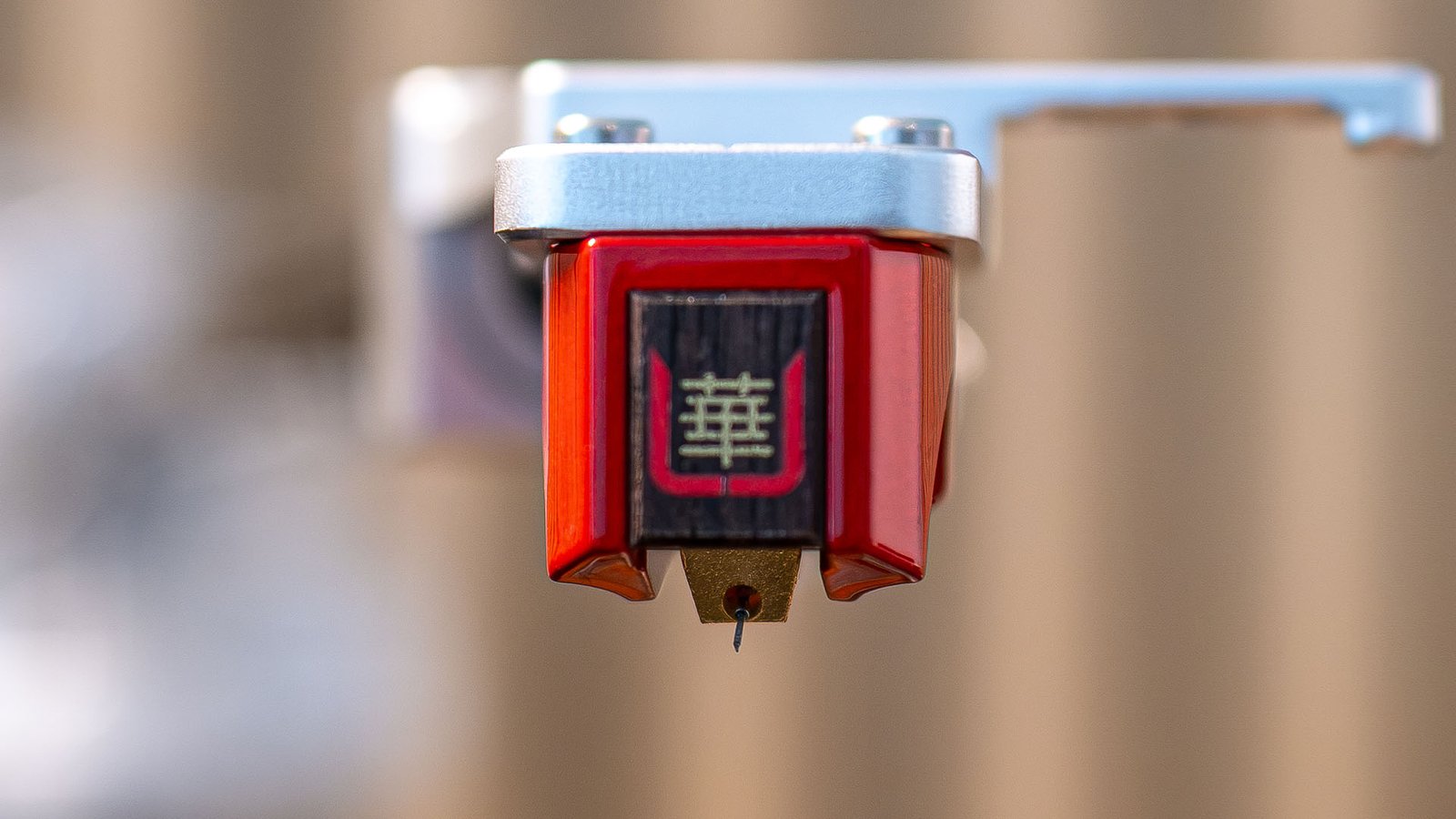
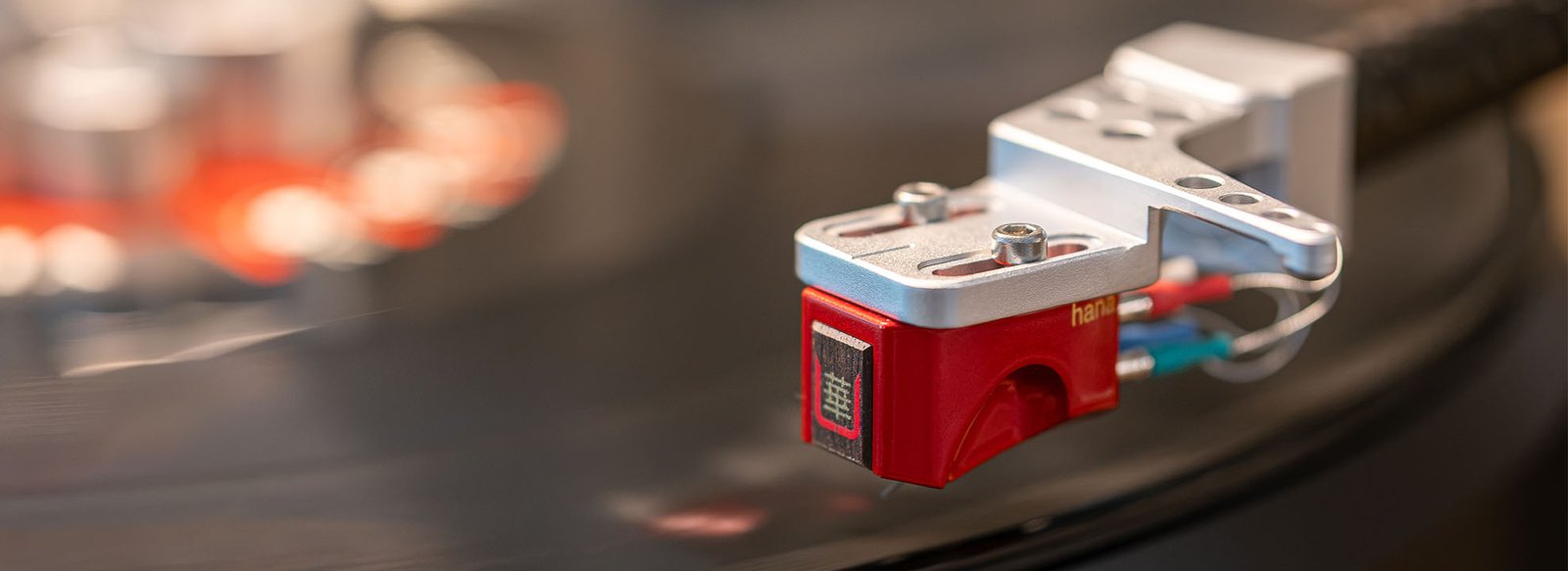
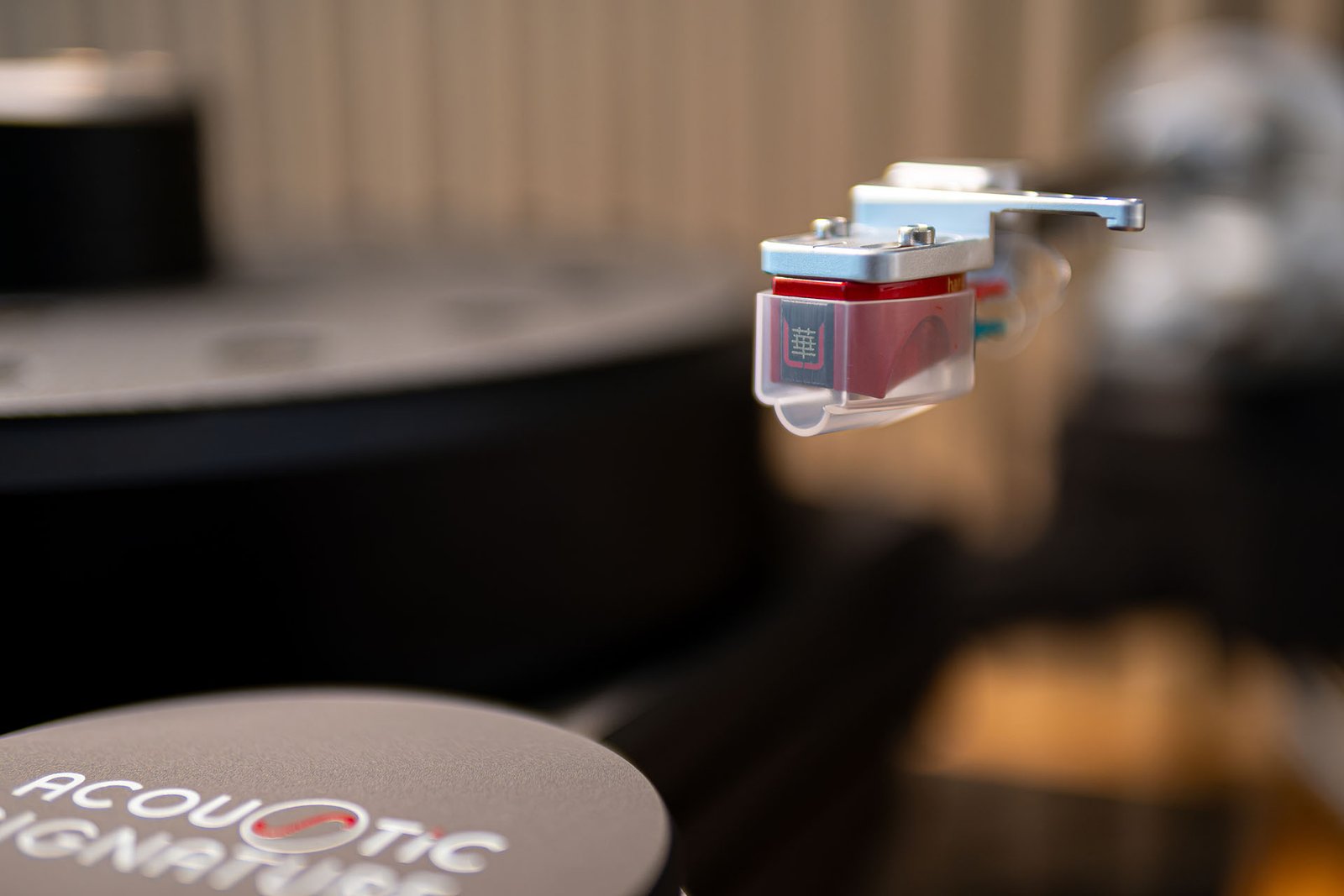
When I first saw the brilliant red of the Umami Red, before I knew anything about the name, my mind went instinctively to something delicious. Not candy-red, not sports-car red. A deep, lacquered, organic red, the red of ripe cherries in dark syrup, the red of a memory rather than a color chart. Red was obvious, but that particular shade, in that particular form, spoke to me about some rare taste anchored in memory and emotion. Only later did I learn that this glow comes from Urushi, the traditional Japanese lacquer harvested as sap from the Urushi tree and applied by hand, layer after patient layer, the same craft that once protected samurai armor and now protects the soul of this little transducer. The name, it turned out, was not marketing. It was a promise. And I am here to tell you, after a month of living with it, that the promise was kept, and then some.
Confessions of a Digital Native
Before we go further, I owe you the truth about who is writing these lines. I was forged in the digital age. Most of my audiophile life has been spent chasing bits, clocks, noise floors, and reconstruction filters. I have written far more pages about servers, streamers, and DACs than about anything with a groove. My analog journey is younger, only a few years old, born from those rare, disarming encounters with great vinyl systems that left a permanent mark on my memory, encounters I could neither forget nor fully explain. That is how the Acoustic Signature Montana NEO turntable found its way into my room, how the Aesthetix Rhea Eclipse became my analog heart, and how the Ortofon MC A95 became my first true high-end cartridge love.
So no, I am not the grizzled vinyl veteran who has mounted three hundred cartridges and can recite Sugano-san‘s tapping rituals from memory. But maybe, just maybe, this is not a weakness. I come to analog with fresh ears and with a reference forged elsewhere, in the most resolving digital front ends I could assemble. I know exactly what state-of-the-art resolution sounds like, because I live with it daily. When a cartridge impresses me with detail retrieval, it is not nostalgia speaking. And when a cartridge moves me emotionally beyond what my digital chain can do, I notice it immediately, and it troubles me in the most wonderful way. The Hana Umami Red did both. Repeatedly. Effortlessly. This is that story.
The Quiet Masters – A Short History of Japanese Moving Coil Craftsmanship
The moving-coil cartridge was not invented in Japan. History credits Denmark, Ortofon, and the late 1940s with the first commercial designs. But if the moving coil was born in Europe, it grew up, matured, and reached enlightenment in Japan. Somewhere in the 1960s and 1970s, a handful of Japanese engineers and artisans took this fragile electromechanical concept and elevated it to something closer to instrument-making than industrial production.
Think about what a moving coil cartridge actually is. A diamond smaller than a grain of sand, laser-shaped to tolerances measured in microns, glued to a cantilever thinner than a human hair, driving coils of wire so fine you can barely see them, suspended in a magnetic field, all of it assembled by hand, under a microscope, by a human being holding their breath. There is no automation that can do this at the highest level. There is no shortcut. It is watchmaking, jewelry, and calligraphy fused into a single discipline. The Japanese have a word for this kind of person: shokunin, the artisan who pursues perfection in a craft not for fame or profit, but as a way of life, as a duty to the work itself.
This is the culture that gave us the legends. Yoshiaki Sugano‘s Koetsu, named after a 16th century artist, cartridges lacquered like precious objects and voiced like instruments. Hideaki Nishikawa‘s Air Tight. Hisayoshi Nakatsuka‘s ZYX. Miyajima and their cactus-needle philosophy. Kondo, My Sonic Lab, Etsuro. And behind many of them, the two great Japanese jewel houses, Namiki (today Orbray) and Ogura, who supply the microscopic diamond and cantilever assemblies that almost the entire world’s high-end cartridge industry depends upon. Remove Japan from the cartridge map and the map nearly disappears.
What always fascinated me about this school is the philosophy underneath the craft. The greatest Japanese cartridge makers never chased specifications for their own sake. They chased tone. Body. The truth of an instrument’s voice. They understood, decades before we had the vocabulary, that measurements are the starting point of the conversation, not its conclusion. Sound familiar? It is Umami again, the fifth taste, pursued with tweezers and lacquer brushes.
Excel Sound – The Hands Behind the Legends
And now we arrive at one of the best-kept open secrets in all of analog audio. Ask a random audiophile about Excel Sound Corporation and you will likely receive a polite, blank stare. Yet this modest company from Yokohama has probably built more phono cartridges than almost anyone alive, and its fingerprints are on products you have admired without ever knowing whose hands made them.
Excel Sound was established in 1970, but its founder, Masao Okada, had been researching and designing phono cartridges since 1964. In the golden decades of vinyl, Excel became one of the great silent engines of the industry, manufacturing OEM cartridges for a staggering roster of Japanese giants, names like Pioneer, Sansui, and Sanyo among them, as well as for overseas brands that preferred to keep the arrangement discreet. At their peak, they were shipping around fifty thousand moving magnet cartridges every single month. Read that number again. Fifty thousand. Per month. That is not a workshop; that is an institution, an entire school of accumulated knowledge about magnetic circuits, suspensions, coil winding, and the thousand invisible details that separate a good cartridge from a great one.
Then came 1982 and the silver disc, and the long winter of vinyl. Most cartridge manufacturers simply vanished. Excel Sound did something quietly heroic: they endured. They kept the tooling, they kept the craftsmen, they kept the knowledge alive through decades when the world had decided that the groove was obsolete. They continued building OEM products for established brands who, to this day, happily accept the credit for cartridges assembled in Yokohama.
When vinyl rose from the ashes, Excel Sound finally decided, after half a century of anonymity, to sign their own work. In 2016, in partnership with Hiroshi Ishihara of Youtek, the Hana brand was born. Hana means “brilliant and gorgeous” in Japanese, and the mission was almost provocatively simple: take fifty years of manufacturing mastery and offer it directly to music lovers, at prices that make the established hierarchy uncomfortable. The Hana SL became an instant giant-killer. The ML raised the bar again. And then, in 2020, Okada-san and his team created their masterpiece, the statement of everything they had learned since 1964. They painted it red, and they called it Umami.
There is something profoundly moving in this story for me. A company that spent fifty years making other people look good, finally stepping into the light, in its own name, with its own philosophy. If that is not the perfect embodiment of the shokunin spirit, I do not know what is.
Construction and Technical Details
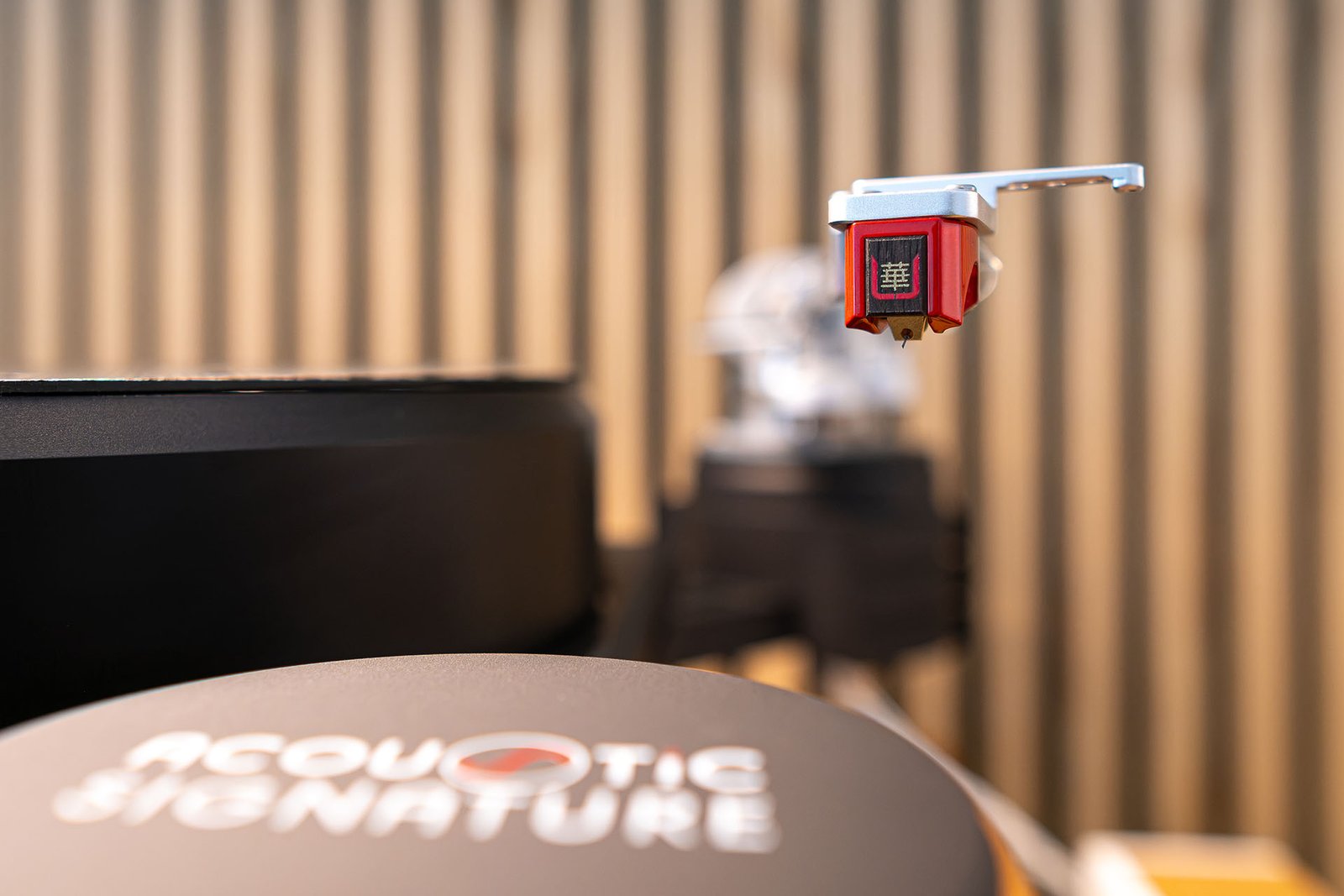
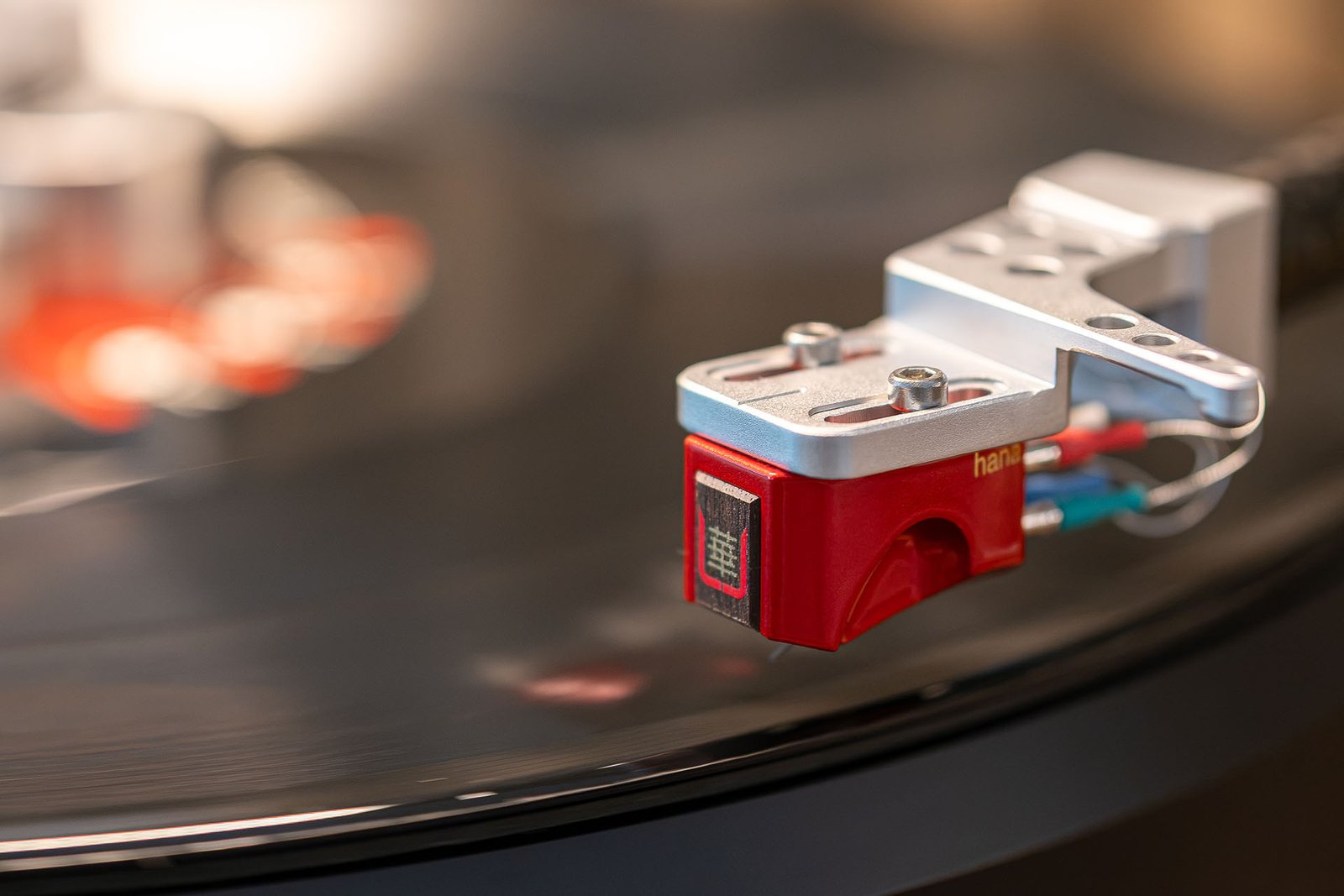
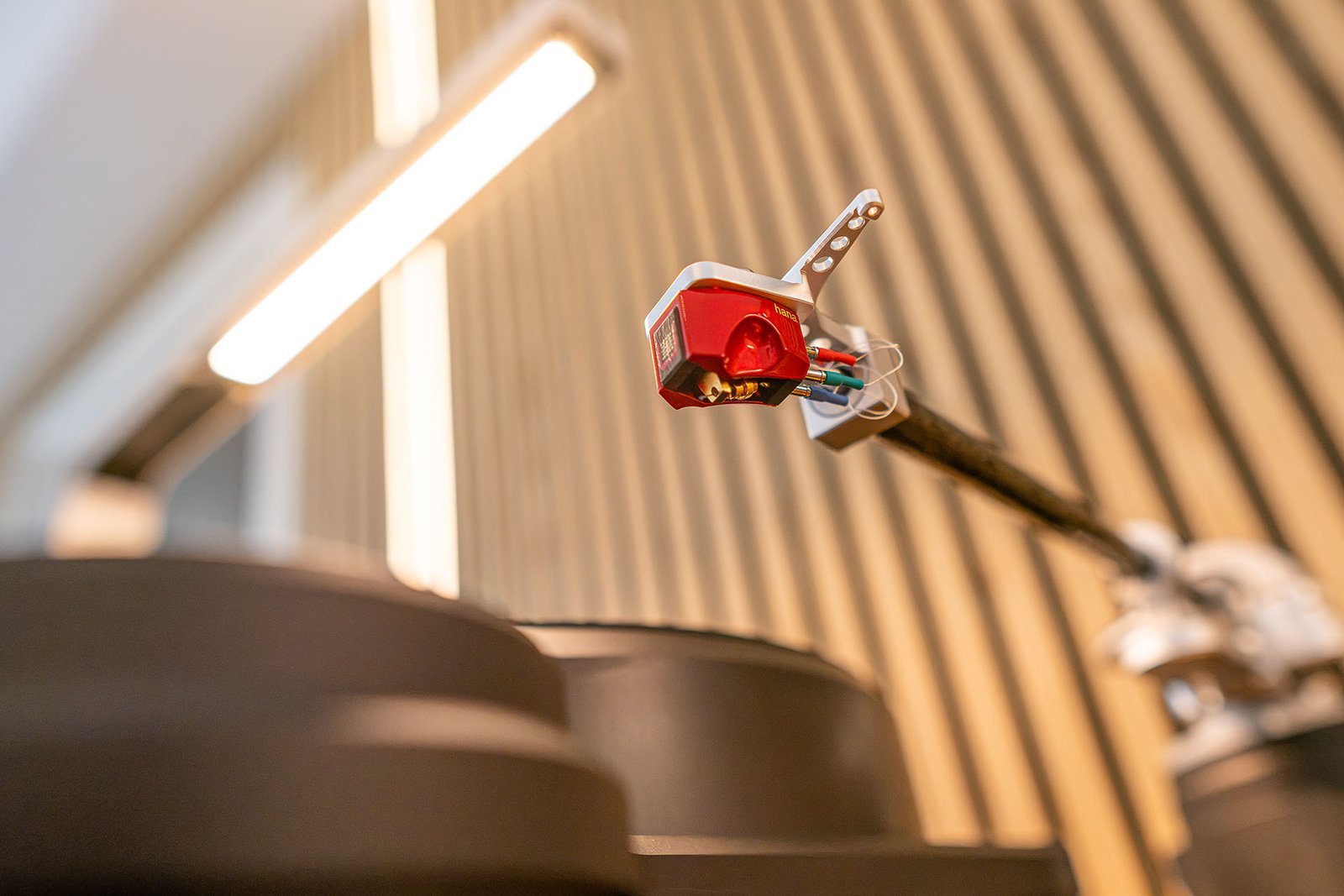
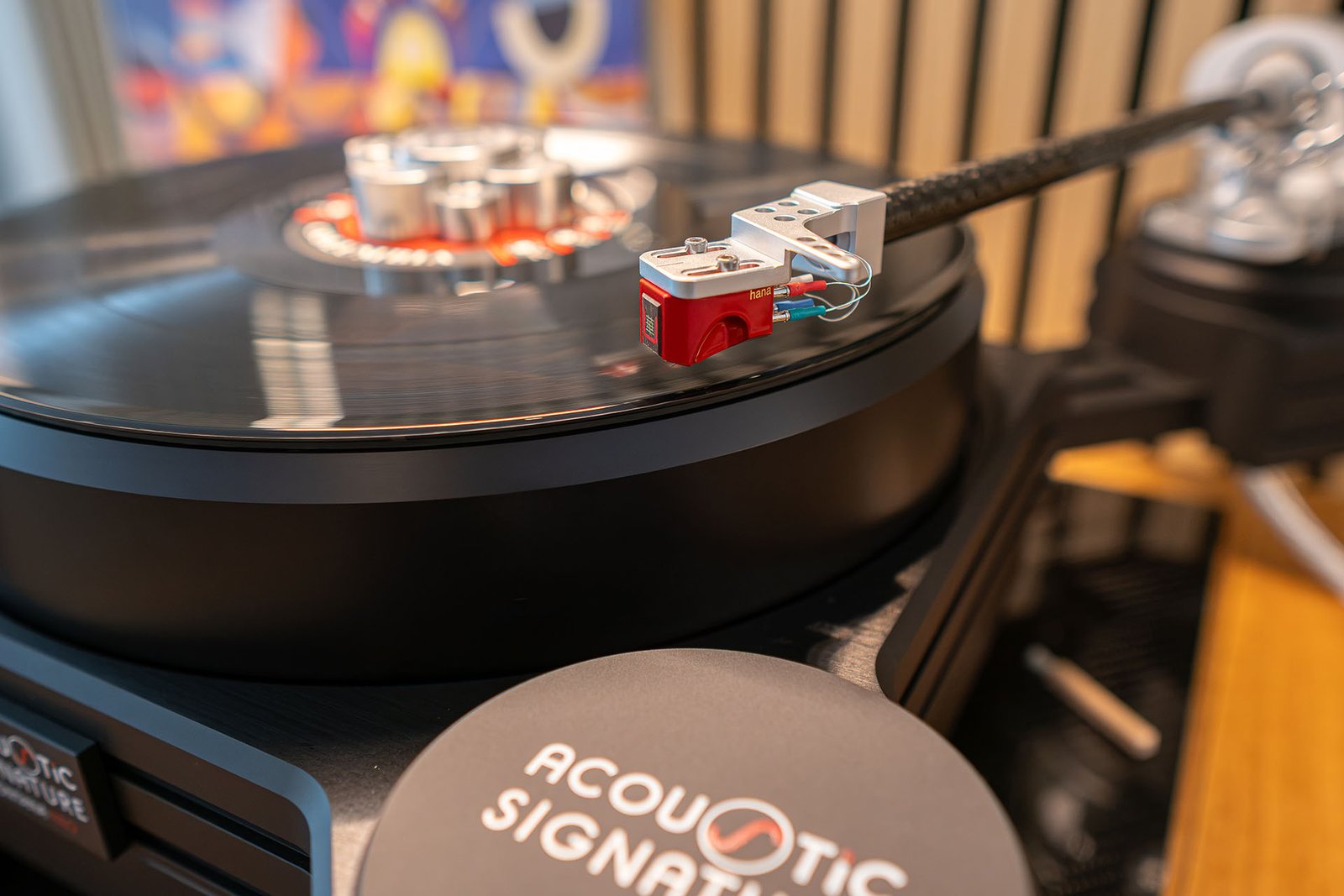
The Umami Red is, first of all, an object of quiet beauty. The body is machined from A7075 Duralumin, an aircraft-grade aluminum alloy chosen for its rigidity and resonance behavior, and it is mated to genuine Ebony wood. This is not decoration. The combination of a highly rigid metal structure with the natural damping character of dense wood is a deliberate acoustic recipe, a way of controlling how vibrational energy is stored and released, exactly the kind of energy management philosophy I keep encountering in every truly great audio product, from speaker cabinets to server chassis.
Over this hybrid body, the artisans apply the famous red Urushi lacquer. Urushi is not paint. It is harvested sap, applied and cured in layers, a process that dates back centuries and demands both patience and skill. The result is that deep, living red I described earlier, a finish that seems lit from within, and one that also contributes its own subtle damping signature to the body. The Japanese have always understood that in a cartridge, everything vibrates, therefore everything matters.
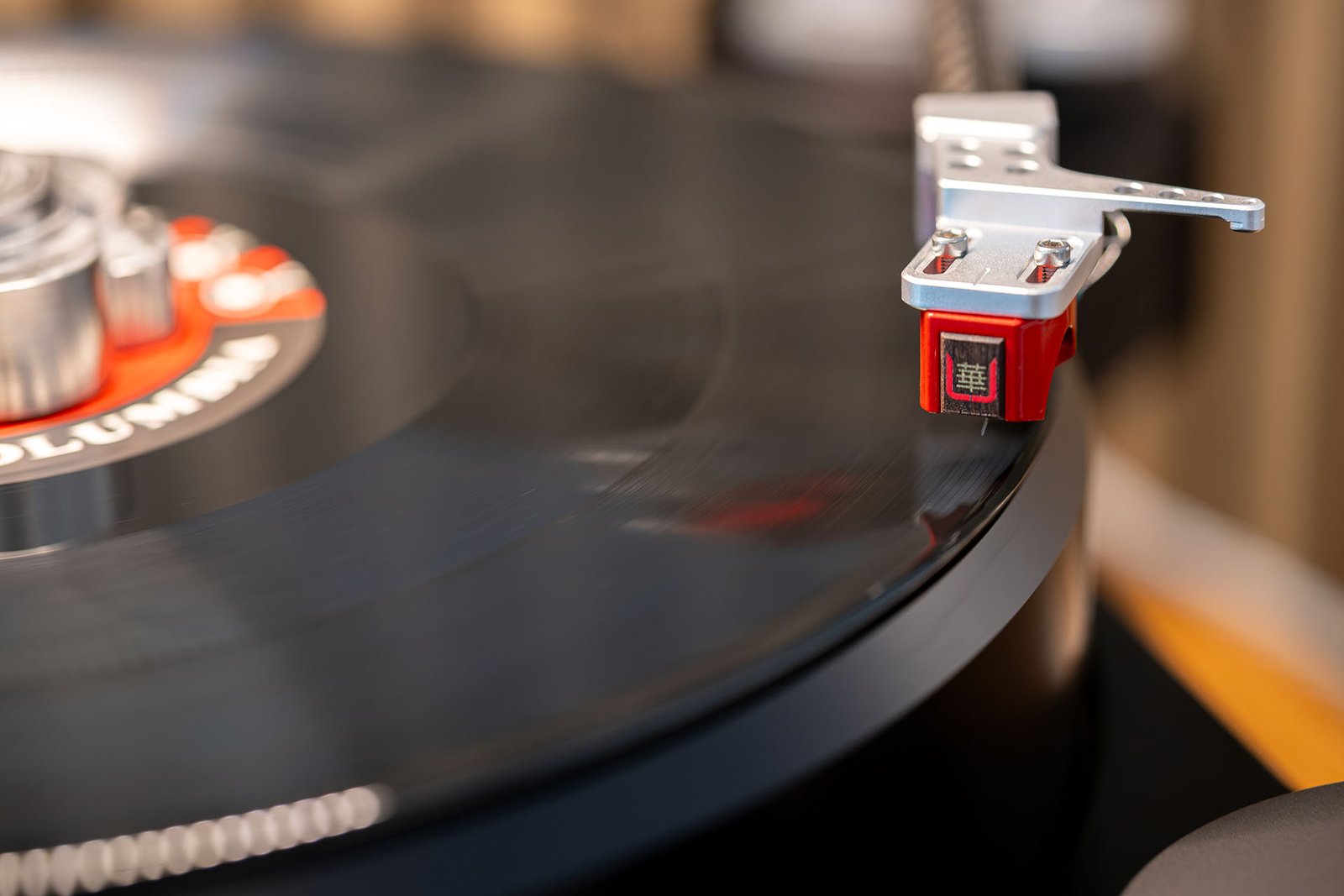
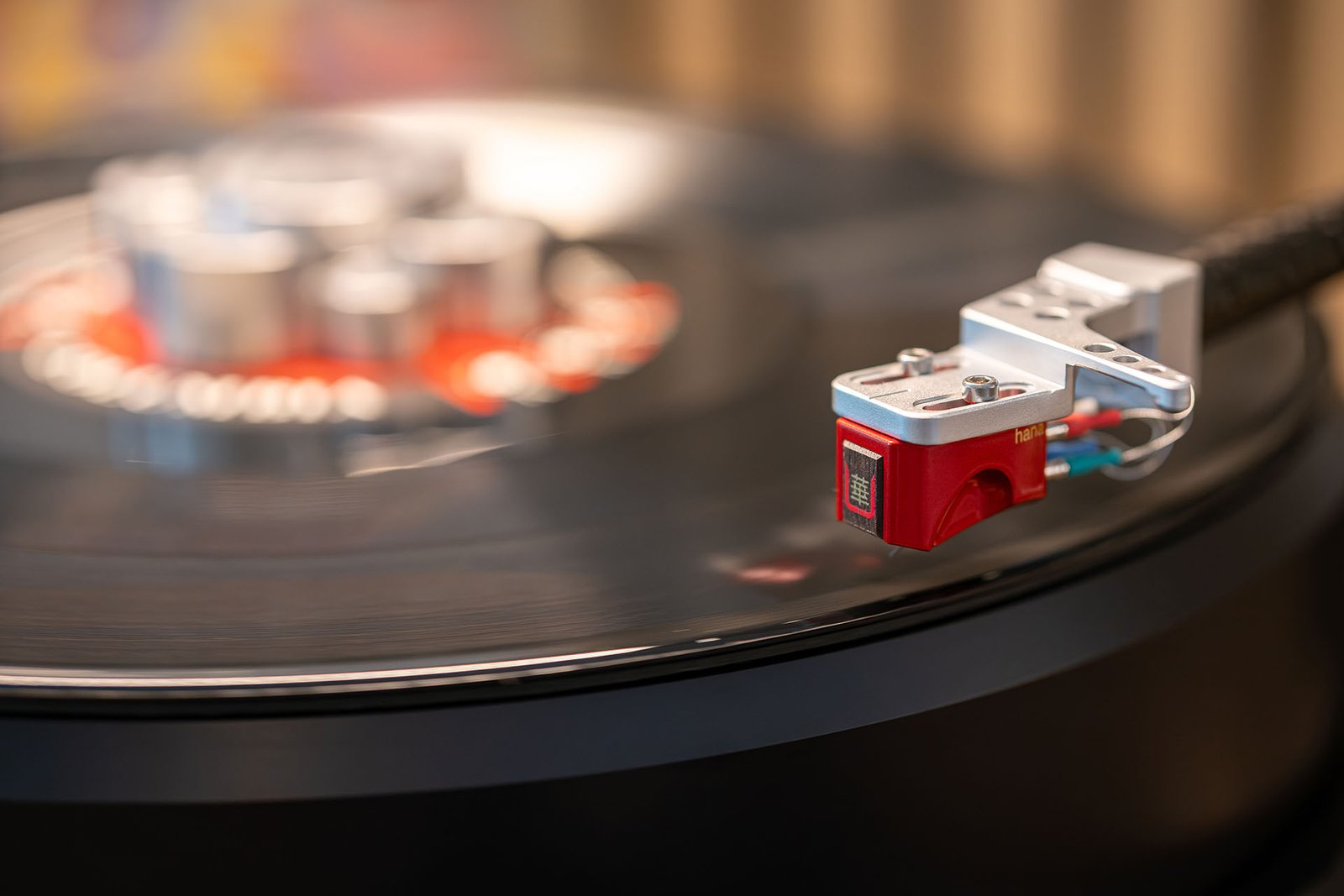
The heart of the motor is equally serious. The cantilever is boron, stiff and feather-light, the finest material short of solid diamond. At its tip sits a nude, natural diamond with a Microline profile, one of the most advanced stylus geometries in existence, its complex multi-radius ridge shape only possible through laser cutting. A Microline stylus contacts the groove wall along a tall, extremely narrow line, reaching into regions of the groove that simpler profiles never touch, retrieving high-frequency information with astonishing accuracy while distributing pressure gently enough to extend both record and stylus life. Remember this detail; it will return when we talk about what this cartridge finds in grooves I thought I knew by heart.
The magnetic circuit uses pure iron with a square permalloy armature and a samarium-cobalt magnet, the coils are wound from high-purity copper, and, in a lovely obsessive touch, the entire magnetic assembly, yokes, pole piece, and even the 24-karat gold-plated terminal pins are cryogenically treated. The terminal mounting plate is machined from PEEK, a high-performance polymer chosen for its mechanical stability.
The numbers, for those who need them: 0.4 mV output at 1 kHz, coil impedance of 6 ohms, recommended loading above 60 ohms, channel separation better than 30 dB, channel balance within 0.5 dB, frequency response quoted from 10 Hz to 50 kHz, tracking ability of 70 µm at the recommended 2 grams of vertical tracking force, and a body weight of 10.5 grams that sits comfortably on most serious tonearms. Solid, modern, unfussy specifications. But as Okada-san’s entire career demonstrates, and as Mark Jenkins told me in a different context not long ago, the numbers are only the starting point. The last few percent, the part that makes you feel something, lives beyond the datasheet, in the hands and ears of the people who voice the final product. The Umami Red is voiced by people who have been listening since before I was born.
Preparation – Saying Goodbye to an Old Friend
Now came the hard part. To welcome the Umami Red, I had to remove my Ortofon MC A95 from the Acoustic Signature TA-5000 NEO tonearm. I confess this with no shame: my hands were not entirely steady. The A95 was my first great analog love, the cartridge that taught me what the fuss was all about, a limited-edition celebrating 95 years of Ortofon’s technical brilliance, and a masterpiece of precision in its own right. Unscrewing it felt like a small betrayal. I placed it in its box with the care of someone folding a flag.
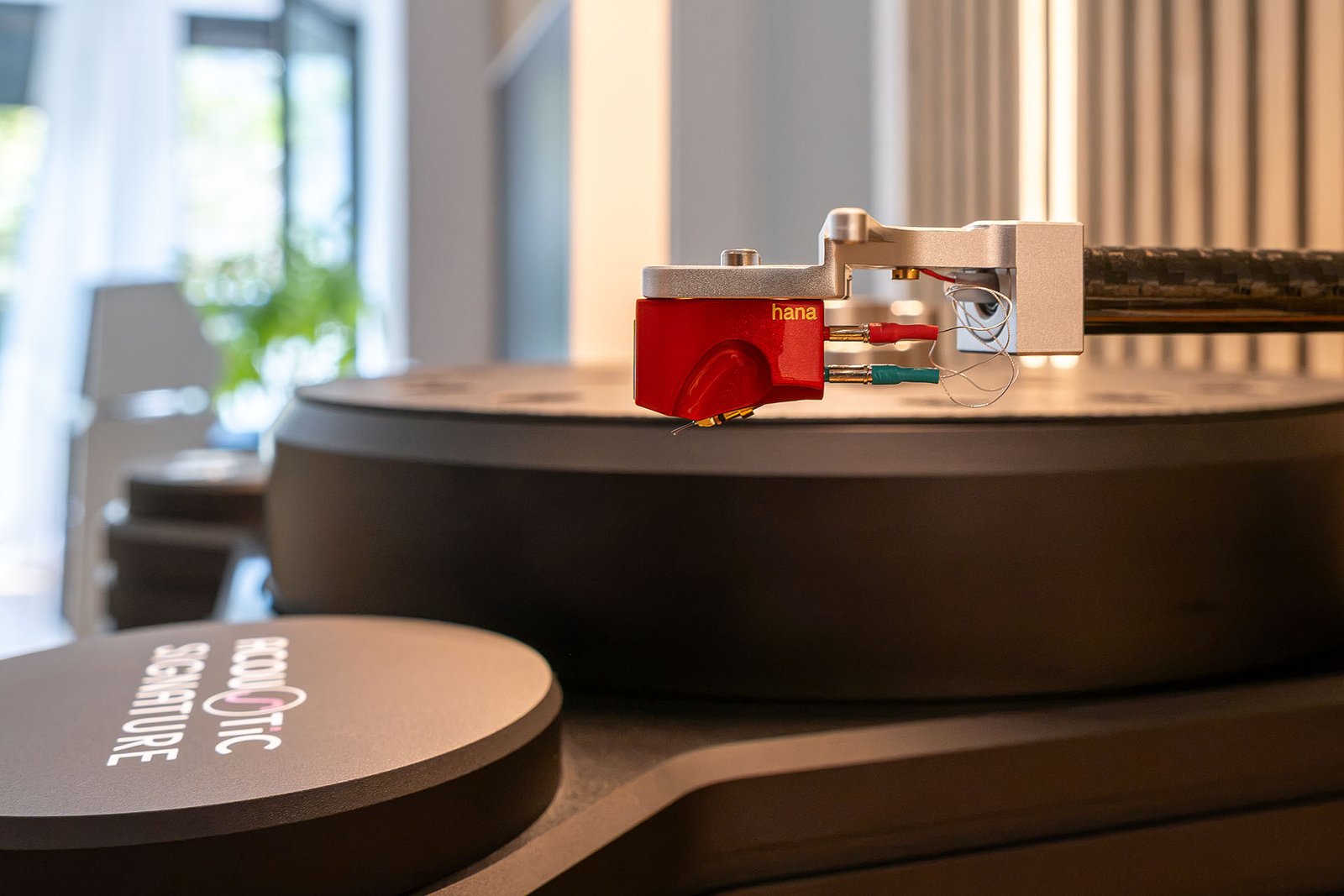
The Umami Red mounting process itself turned out to be surprisingly civilized. The body has threaded holes, so there are no maddening loose nuts to chase with tweezers, and the flat, precise surfaces of the Duralumin body make alignment far less stressful than with some exotic-bodied competitors. The stylus guard is sensible and secure. On the Montana NEO and TA-5000 NEO combination, cartridge alignment, overhang, and azimuth came together without drama. I settled, after experimentation, exactly at the recommended 2 grams of tracking force, where the Red rewarded me with its most confident, most composed self.
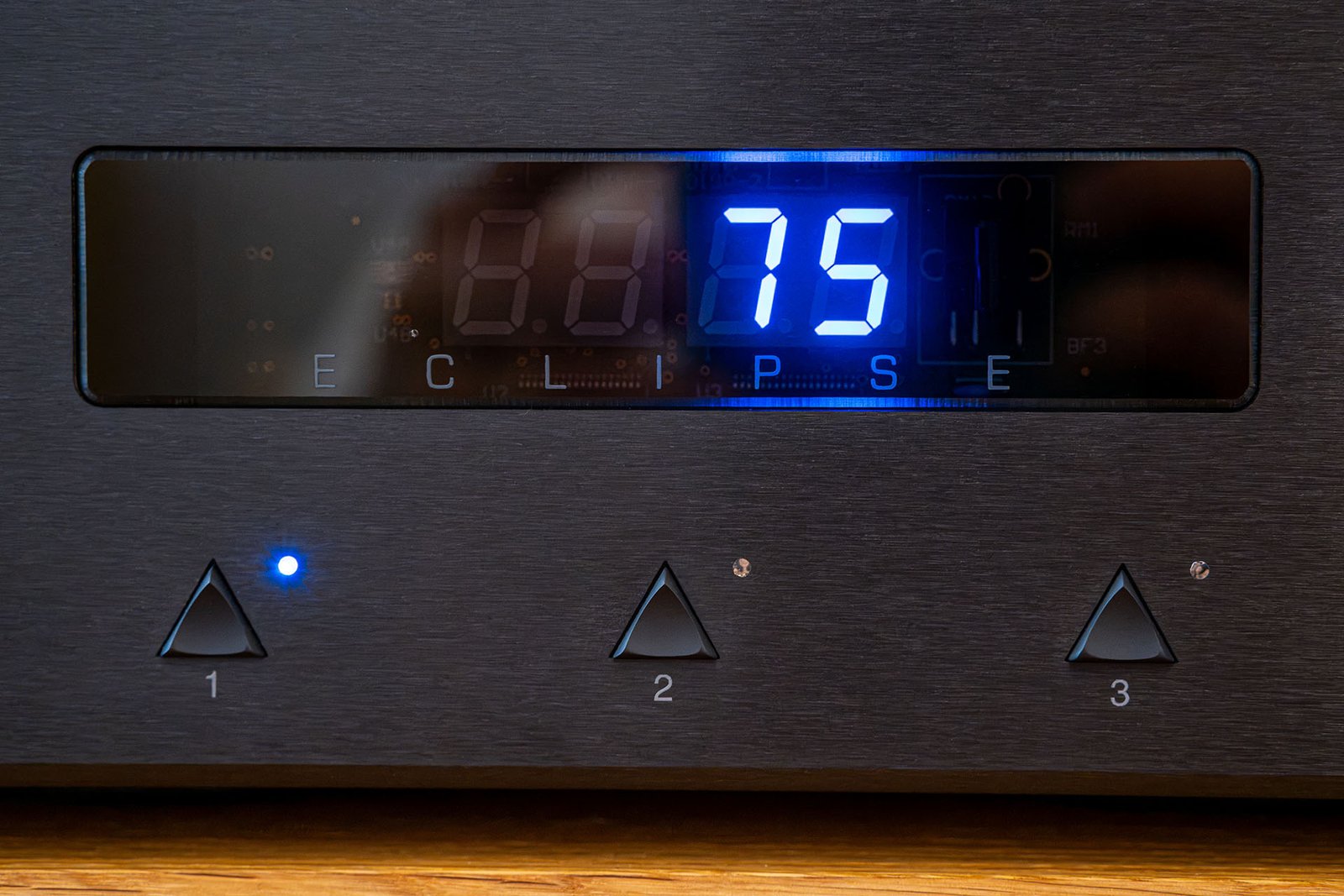
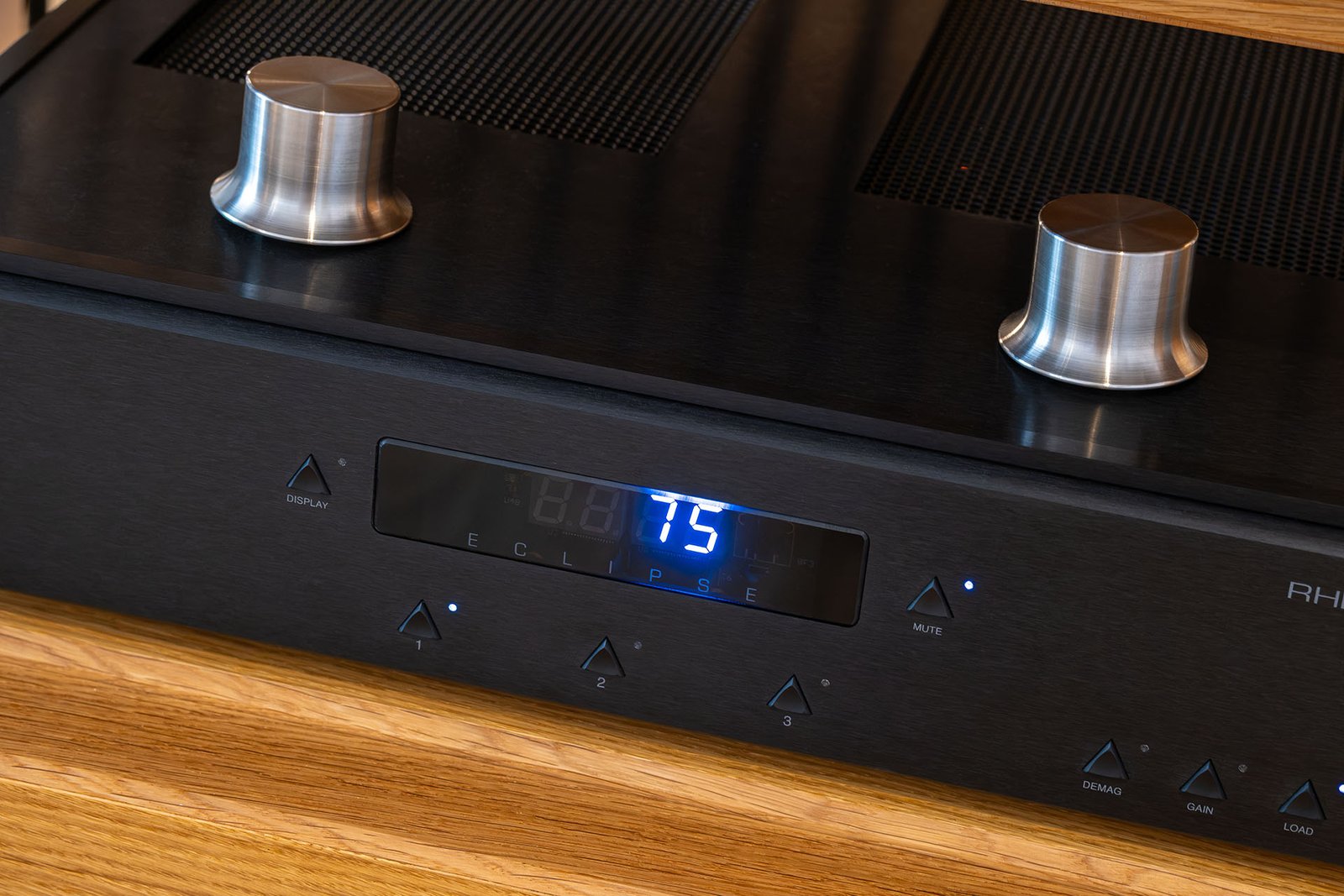
On the loading side, the Aesthetix Rhea Eclipse proved to be a dream partner, with its adjustable gain and loading available from the listening position, which transformed what is usually a chore into an actual pleasure. After careful listening, I settled around 75-125 ohms, where the Red’s tonal density and its top-end openness found their perfect equilibrium in my system. And then came the burn-in, the part nobody likes to talk about. Straight out of the box, the Umami Red was already charming but slightly reserved, a touch polite in the highs, a little cautious in the bass. Around the thirty-hour mark, something opened. By fifty hours, the cartridge I describe in the following pages had fully arrived, and I stopped taking notes about burn-in because I kept forgetting to be analytical at all. That, in my experience, is always the best sign.
The System
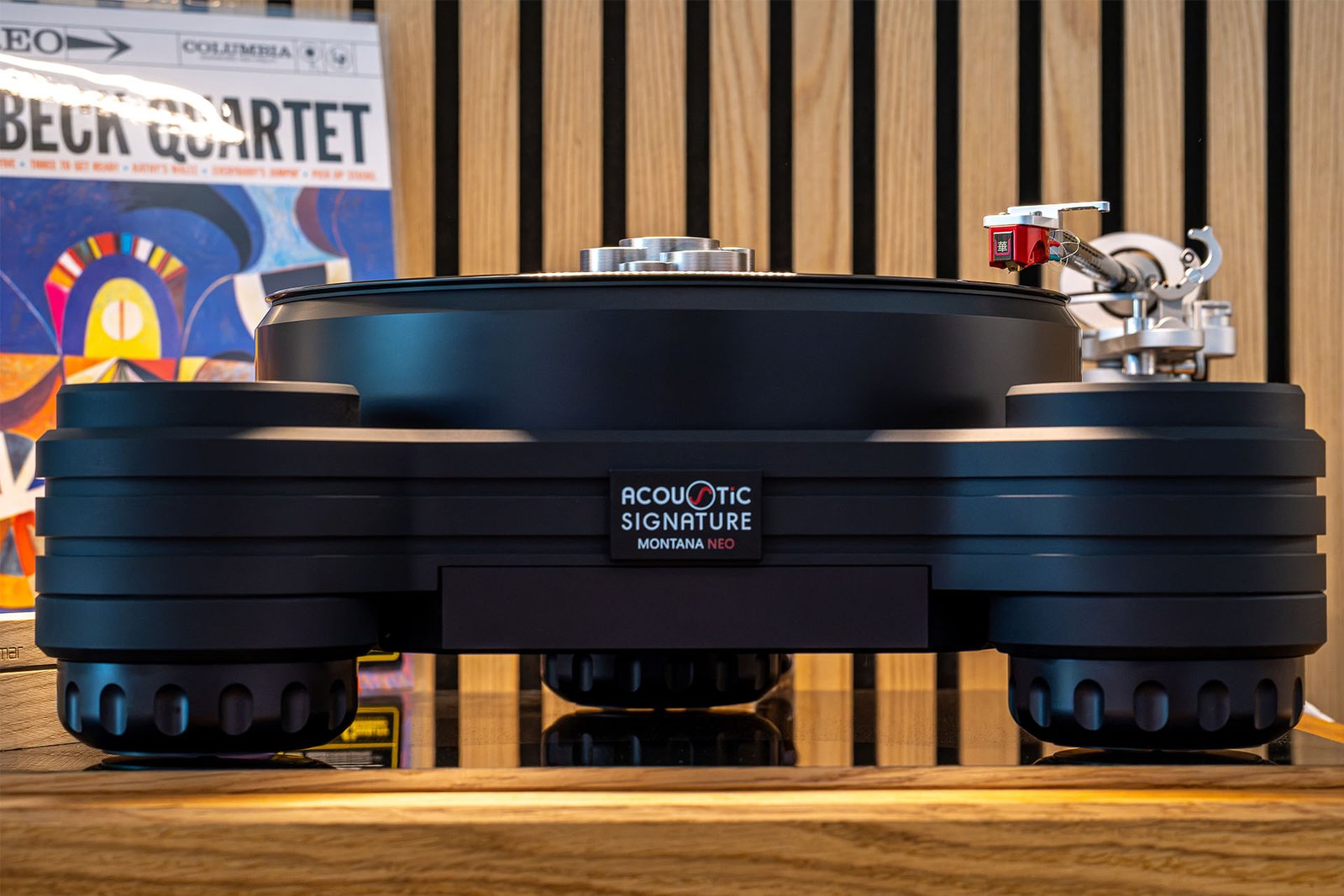
Transparency about context is not optional at this level; it is the foundation of everything that follows. The Umami Red sang through an analog chain I have assembled with patience and, I admit, with love. The Acoustic Signature Montana NEO turntable, with the TA-5000 NEO tonearm, provided an unshakeable mechanical foundation. The signal traveled through the Crystal Cable Van Gogh phono interconnect, probably the finest phono cable I have ever heard, into the Aesthetix Rhea Eclipse, Jim White’s all-tube phono stage that I have come to consider one of the most honest and most musical windows into a cartridge’s soul.
From there, the full Aesthetix Saturn Eclipse family took over: the Calypso Eclipse linestage and the Atlas Eclipse hybrid power amplifier, the pair I reviewed at length on these pages and could not bring myself to send away (you can read that story here). They remain, to my ears, a system that removes the machine from the music and leaves only the event.
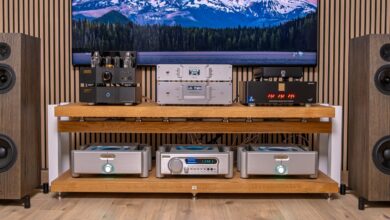
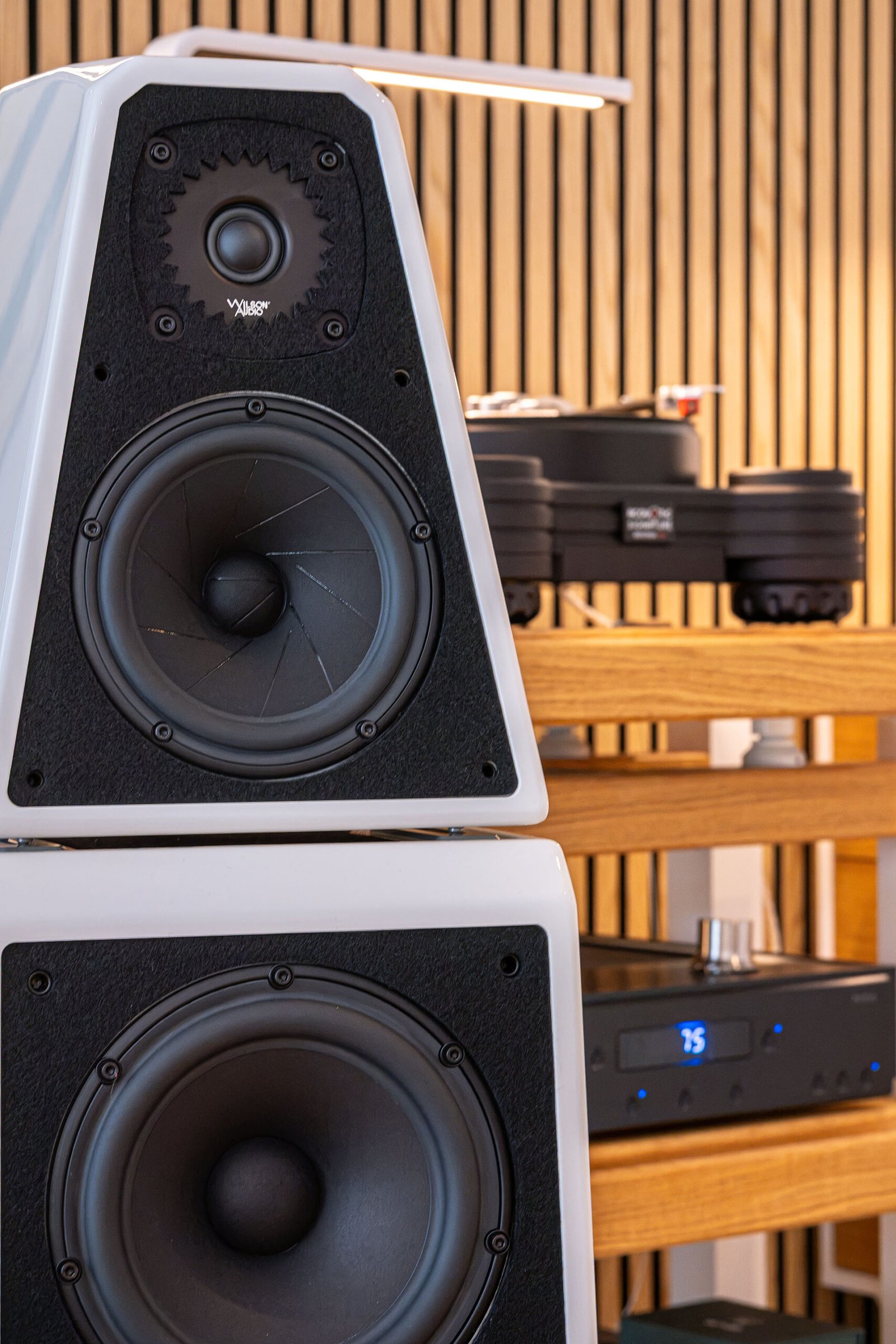
And then, the newcomers. For this review, the loudspeakers were the brand-new Wilson Audio WATT/Puppy 50th Anniversary, a full half-century of Wilson’s obsession distilled into the most iconic silhouette in high-end audio, and the subject of a dedicated review coming very soon to these pages. I will not spoil that story here. I will only say that the WATT/Puppy’s combination of ruthless resolution and newfound tonal generosity made it the perfect magnifying glass for everything the Umami Red does. Everything rested on the Woodyard rack, with the same attention to vibration and power that regular readers already know from my previous adventures.
Only the Music
This is the chapter I always fear and always crave. Words are clumsy instruments for what happened in my room over these months, but I promised you my honest experience, so here it is, album by album, emotion by emotion.

I began where I always begin when a new analog component enters my life, with Janis Ian’s Breaking Silence, the glorious 45 rpm edition from Analogue Productions. I know this record the way you know the creaking stairs of your childhood home. And yet, from the first bars of the title track, the Umami Red rearranged the furniture of my memory. The bass. Dear God, the bass. Not louder, not fatter, but suddenly architectural, with pitch, texture, and intention, each note a physical object with a beginning, a body, and a beautifully resolved end. The acoustic bass lines that I had always perceived as a warm foundation revealed themselves as articulate musical sentences. And above this newly honest foundation floated Janis‘s voice, clear as spring water and sweet without a trace of artificial sugar, every consonant articulated, every breath intimate, the slight huskiness in her lower register rendered with a tenderness that made me put down my pen. Twice. This is what I mean when I say the Red has sweetness and rare articulation at the same time. These two qualities usually negotiate against each other. Here, they hold hands.
Then came the tenor saxophone festival. Coleman Hawkins Encounters Ben Webster, in the Acoustic Sounds Series from Verve, is one of the most generous documents of instrumental personality ever pressed into vinyl, two giants of the same instrument, two utterly different souls. A lesser cartridge homogenizes them into “beautiful saxophone sound.” The Umami Red refused any such laziness. Hawkins arrived muscular, architectural, his phrases carved with that harmonic authority that commands the room. Webster arrived as breath itself, that famous smoky sub-tone bloom rendered with such tactile realism that I could almost feel the air moving through the reed before the note fully formed. The Red’s midrange has mass and corporality, real bodies displacing real air, and a saturation of tonal color that reminded me instantly of why I fell in love with analog in the first place. On Soulville, The Ben Webster Quintet‘s masterpiece from the same Acoustic Sounds Series, the intimacy became almost uncomfortable, in the best possible way. Webster‘s ballad playing is a private confession, and the Umami Red placed him in my room with a presence so specific, so dimensionally stable, that analytical listening simply collapsed. I stopped being a reviewer somewhere in the middle of the title track. I only remembered my job when the side ran out.
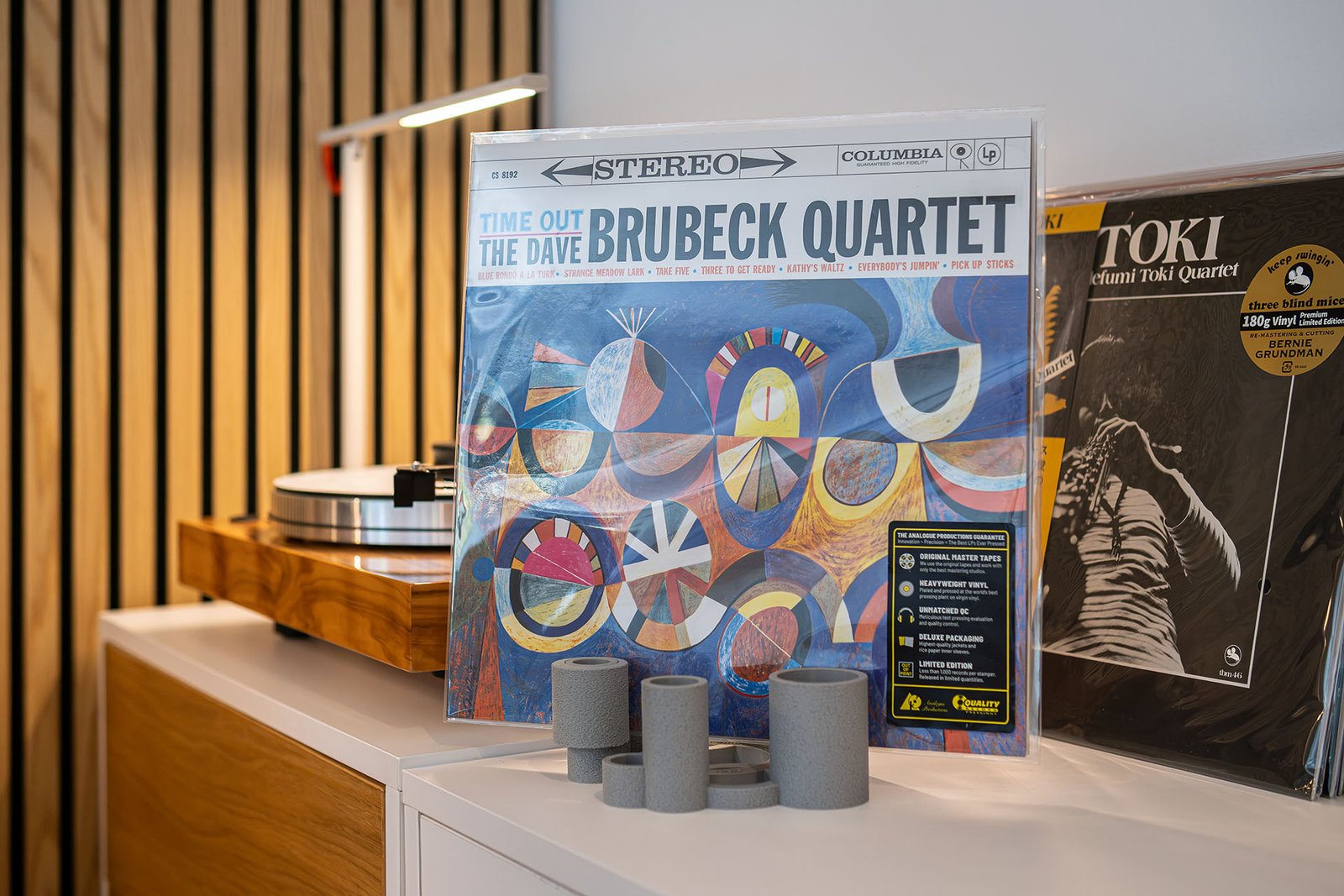
For rhythm, timing, and the architecture of swing, I reached for Time Out by The Dave Brubeck Quartet, the 45 rpm Analogue Productions cut of the Columbia classic. “Take Five” is so familiar that it has become furniture, and this is exactly why it is such a merciless test. The Umami Red made it dangerous again. Joe Morello‘s drum solo had snap, skin, and space, the snare cracking with speed I would normally attribute to my digital front end, while Paul Desmond‘s alto floated above with that dry martini elegance, never hardening, never glassy, even in the most enthusiastic passages. The famous 5/4 pulse locked into place with a rhythmic confidence that had my foot tapping involuntarily, and I noted, with a smile, that this cartridge understands time the way great musicians do, not as a metronome, but as tension and release.

And then, the pilgrimage to Japan. It felt only right to feed this Japanese masterpiece the legendary Three Blind Mice pressings, and what followed were some of the most memorable evenings of my listening life. Black Orpheus by the Isao Suzuki Trio was a revelation of the darkest, most beautiful kind. Suzuki‘s cello and bass work lives in the shadowy lower registers where many cartridges offer approximation instead of truth. The Umami Red dug into those grooves like an archaeologist with a fine brush, extracting wood, rosin, string tension, and room air that, I say this with full responsibility, I had never heard before from this record. Never. The Microline profile is not a marketing bullet point; it is a key to locked rooms. On Orang-Utan, by the Isao Suzuki Quartet, the raw energy and the almost brutal dynamics of the recording came through with a fearlessness that had me instinctively checking the tracking, expecting distress that never arrived. The Red tracked everything, effortlessly, with composure that borders on arrogance. And Toki, from the Hidefumi Toki Quartet, sealed the affair, the alto saxophone rendered with a bittersweet, singing tone, the piano percussive and liquid at once, the whole ensemble laid out on a stage of remarkable width and, more importantly, believable depth. There was a poetic symmetry in the air those evenings, Japanese grooves cut half a century ago, decoded by Japanese hands that have been practicing this exact magic for just as long.

I wanted to push the spatial abilities further, so out came my slightly guilty pleasures, the Stereo Laboratory series. Vol. 10 – Strings, with Raymond Lefevre, is an unapologetic celebration of lush orchestral string writing, and the Umami Red painted it across my room in a panorama that extended well beyond the Wilson’s outer edges, wide, tall, and organized, every desk of violins occupying its own precise, illuminated position. This is what I mean by a precise, very large soundstage with distinct expression and specificity: not a vague wash of ambiance, but a populated space where every voice keeps its identity. Vol. 5 – Brass then tested the other extreme, the bite and blare of massed brass, trumpets, and trombones at full glory, exactly the material that exposes any tendency toward edge or hardness. There was none. Brilliance, yes, shine, energy, the metallic glory of the real thing, but never harshness, never that thin aggressive etch that makes you subconsciously lower the volume. The Red extends fantastically into the upper registers and simply refuses to weaponize them.
Two more encounters deserve their place in this story. A rare treat landed on my platter, a first-press 45 rpm demo of Lyn Stanley‘s “Black Dress”, and I understood within seconds why her records (especially these very rare first-press demoes) are passed around at audio shows like contraband. The Umami Red delivered her voice with a palpability that was frankly disarming, the microphone technique, the space around her lips, the velvet and the smoke, all of it floating between the WATT/Puppies with holographic stability. My notes from that evening contain a single legible line: “she is here.”

And finally, because a cartridge must also know how to sweat, the Mobile Fidelity pressing of Santana, the debut. “Soul Sacrifice” through the Umami Red was a controlled riot, congas and timbales snapping with transient speed, the Hammond organ swelling like a living organism, Carlos‘s guitar singing and screaming above the beautiful chaos. The Red kept every percussive thread separate and vivid while never dissecting the music into sterile fragments. It rocked, it danced, it breathed. Vividness without aggression, resolution without autopsy. That balance, my friends, is the rarest trick in all of audio.
Across all these records, one impression kept returning, and it is the one I most want to leave with you. The Hana Umami Red has remarkable resolution, genuinely remarkable, the kind that my digital-trained ears do not grant lightly. It extends fantastically at both frequency extremes, it digs deeper into the groove than anything I have had in my system, and it retrieves information I sincerely did not know my records contained. And yet it wears all of this analytical muscle under a coat of sweetness, color, and corporal presence that makes long listening not just fatigue-free but addictive. It never once sounded harsh or edgy. Not once, and believe me, I tried to provoke it. The fifth taste, remember? Everything measurable is in place, and then something else arrives, something savory and deep, and that is when you stop listening to a cartridge and start listening to music.
I have to express my gratitude to one of the most knowledgeable high-end music collector from Romania, Andrei Văduva (Music Vinyl Expert), who delighted us with the most memorable pieces used in this evaluation (Stereo Laboratory and the Black Dress – first presses of Lyn Stanley).
Conclusion
So, what is the Hana Umami Red, in the end?
It is fifty years of quiet Japanese mastery, finally signing its own name, in red lacquer. It is the proof that the shokunin path, patience, humility, and obsessive craft, still produce objects that no spreadsheet-driven corporation can replicate. It is a moving coil cartridge with the resolution and honesty that a digital native like me demands, wrapped in the tonal generosity, the mass, the color, and the sheer emotional persuasion that made me fall for vinyl in the first place.
Did it make me forget my Ortofon MC A95? That would be a betrayal too far, and the A95 remains a precision instrument I deeply admire. But the Umami Red did something the specifications never predicted: it made my records feel new, it made my evenings longer, and it made the walk to the turntable, that small ritual of sleeve and brush and lowered needle, feel once again like the beginning of an event rather than a task. It found grooves inside my grooves. It found emotions inside music I thought I had exhausted. A superb cartridge that points well above its price, and one that I will remember, like a rare taste, long after it is gone.
Market Value
Let us speak plainly about money, as we always do here. The Hana Umami Red retails for around 3.950 USD, which in Europe translates to roughly €4.000 depending on local taxes and distribution, and I encourage you to check current pricing with your local dealer. In the moving coil aristocracy, where flagship cartridges from the great houses casually cross the ten and twenty thousand mark, this positions the Umami Red in what I can only describe as the sweet spot of insanity, the place where a product built by the very same hands, with the very same jewel-grade cantilever assemblies and the very same accumulated wisdom as cartridges costing five times more, is offered at a price that ordinary mortals can, with some sacrifice, actually reach.
I have said it before about other overachievers, and I will say it again here with full conviction: the cost-benefit balance is firmly, almost embarrassingly, on the customer’s side. You are not paying for a brand’s advertising budget or a distributor’s yacht. You are paying for Duralumin, ebony, boron, laser-cut diamond, Urushi sap, and the steady hands of people in Yokohama who have been perfecting this craft since 1964. In today’s high-end market, that is not just fair value. That is a gift.
Editors’ Choice Award
There are moments in this pursuit when hesitation would simply be dishonest. This is one of them.
I have thought long about whether a component at this price point, surrounded in my room by equipment costing multiples of its asking price, could truly earn our magazine’s highest distinction. And then I remembered the evenings. The Three Blind Mice records that revealed grooves inside their grooves. Janis Ian‘s voice making me to put down my pen. The single legible line in my notebook: “She is here.” A great component is not measured by its price tag or by the company it keeps on the rack. It is measured by what it does to your evenings, to your records, and to your heart. By that measure, the little red jewel from Yokohama stands as tall as anything that has ever passed through my system.
Based on everything documented in the pages above, the remarkable resolution wrapped in sweetness, the fearless extension at both extremes, the mass, color, and corporal presence of real music, the precise and generous soundstage, the total absence of harshness or fatigue, and above all, that rare fifth taste that no specification sheet can capture, I am proud and delighted to award the Hana Umami Red our highest honor: the SoundNews Editors’ Choice Award.
Fifty years of quiet mastery, finally signing its own name, in red lacquer. Okada-san and the artisans of Excel Sound have not just built a superb cartridge that points well above its price. They have built a small, lacquered reminder of why we fell in love with this hobby in the first place. This award has rarely been given more easily, or with more gratitude.

Thank You – HiFi Expert
Every experience of this depth begins with someone generous enough to make it possible. My warmest thanks go to the wonderful team at HiFi Expert (hifiexpert.ro), who entrusted me with this precious, expensive little jewel for all this time, with patience and enthusiasm that went far beyond any commercial courtesy. Their passion for analog and their genuine care for this hobby are exactly the qualities that make experiences like this one possible, and I strongly encourage you to visit them and to ask for a listen. Bring your favorite record. Bring the one you think you know by heart. And prepare to taste it again, for the first time.
Associated Equipment
Turntable: Acoustic Signature Montana NEO with TA-5000 NEO tonearm. Phono cartridge under review: Hana Umami Red. Reference cartridge: Ortofon MC A95. Phono cable: Crystal Cable Van Gogh. Phono stage: Aesthetix Rhea Eclipse. Preamplifier: Aesthetix Calypso Eclipse. Power amplifier: Aesthetix Atlas Eclipse. Loudspeakers: Wilson Audio WATT/Puppy 50th Anniversary. Rack and isolation: Woodyard HiFi rack with dedicated vibration control at every component level.
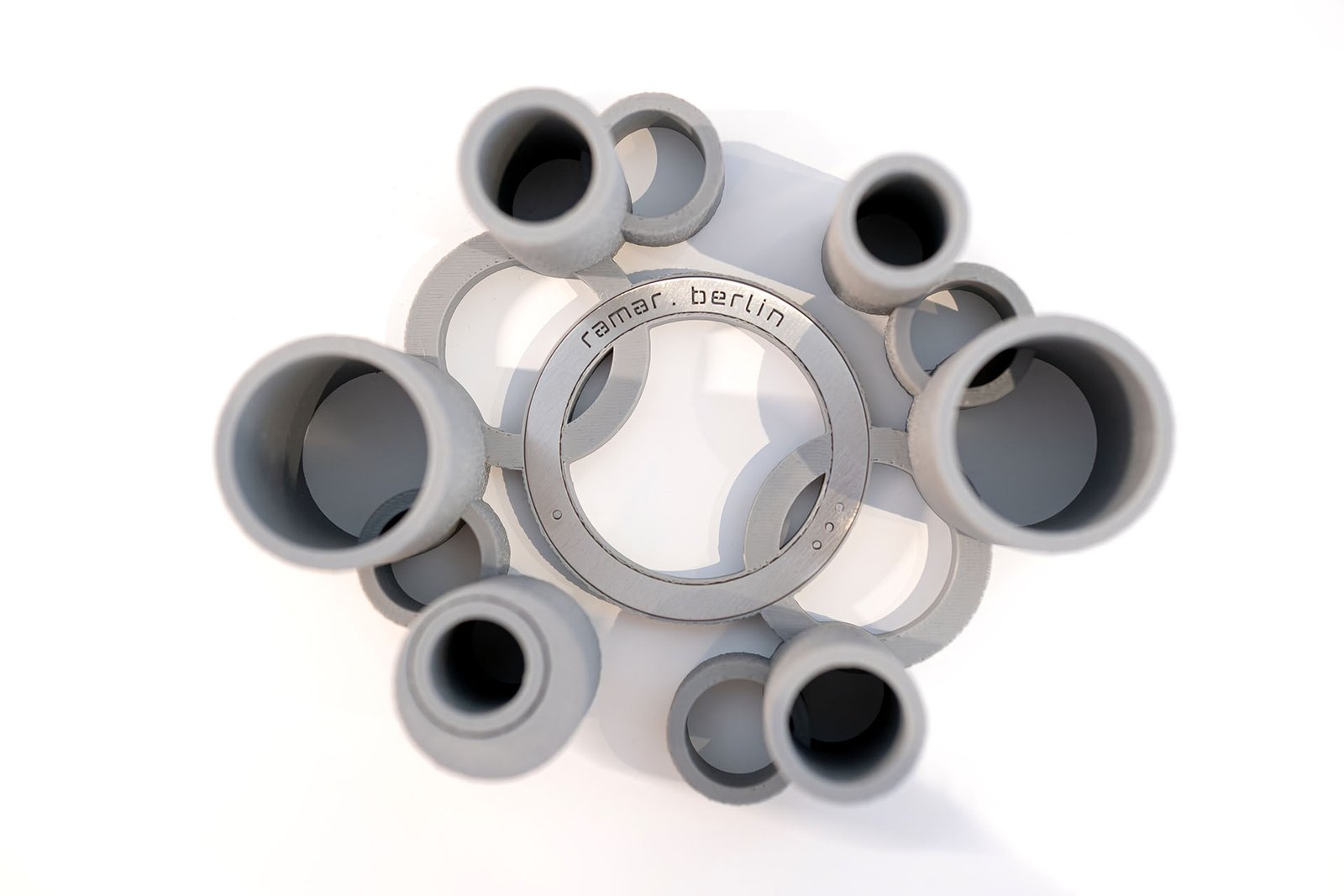
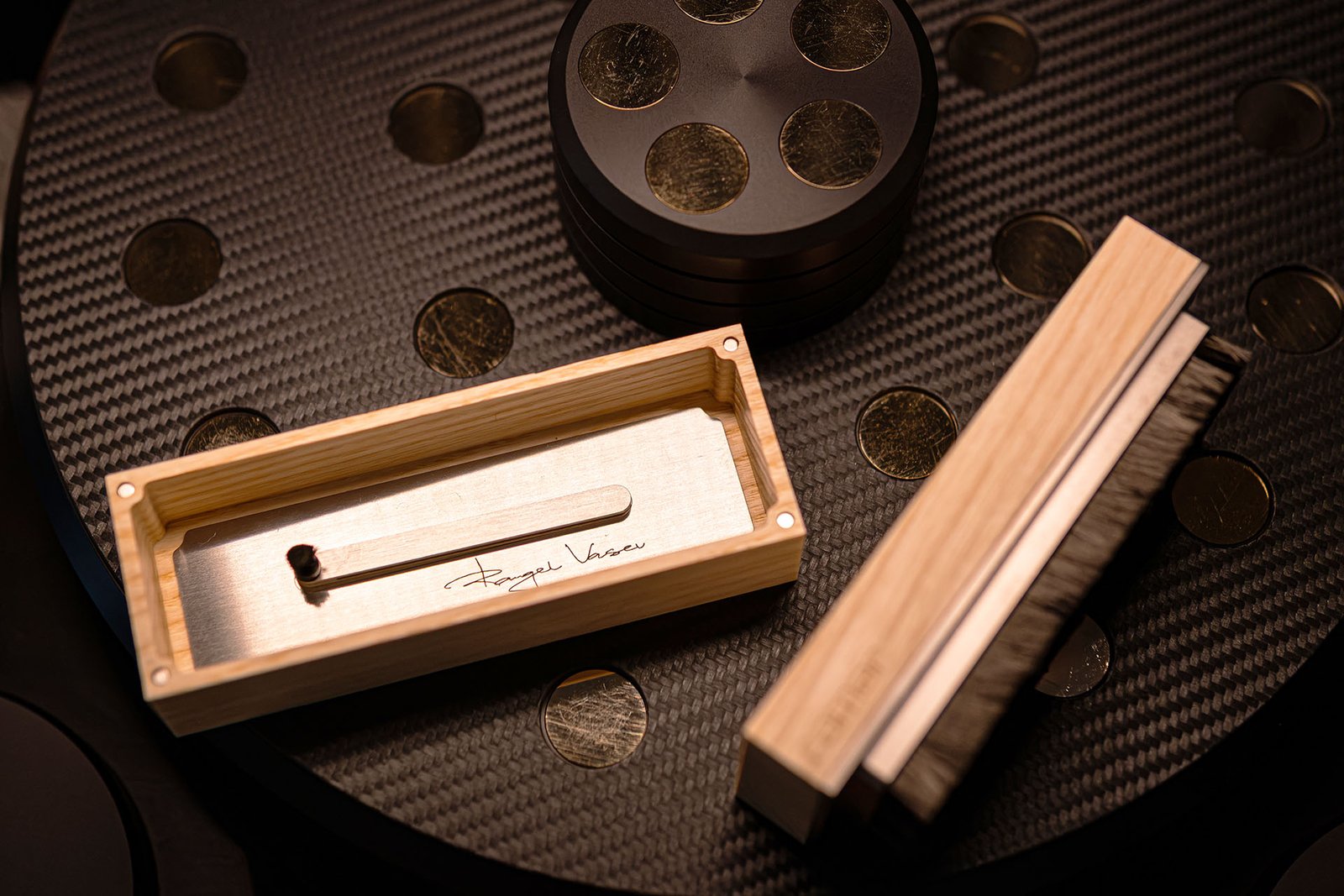
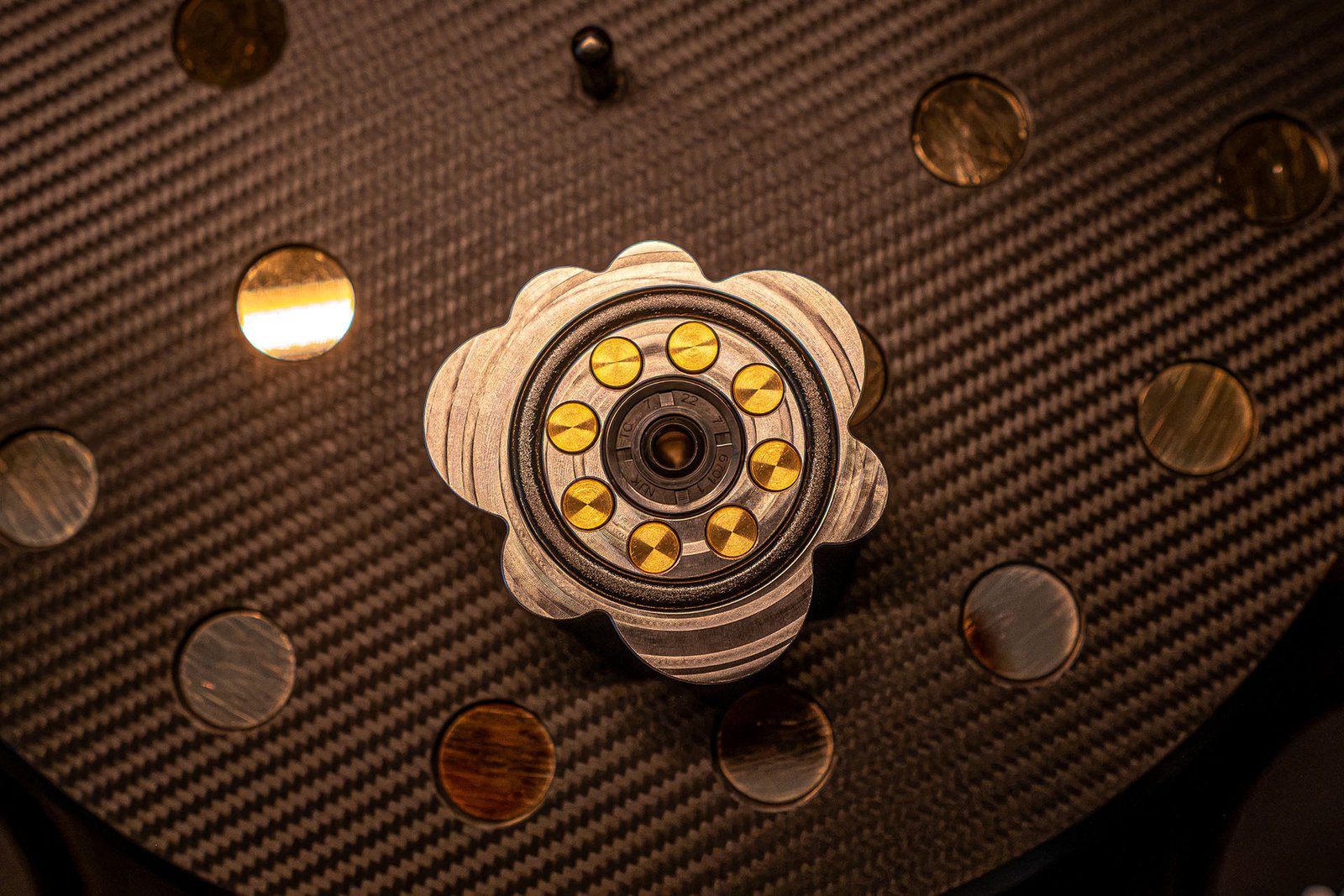
Accessories: RAMAR Berlin, the work of art Record Brush JONI, record resonance control weight – JEWEL, and the RAMAR record stand. Many thanks to RAMAR’s Rangel Vasev for his extraordinary openness and customer service! And, of course, congratulations on the spectacular craftsmanship (https://ramar.berlin/en/).