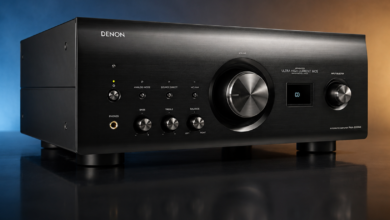
Moon 871 Amplifier. Moon 891 Source. Out of this world performance

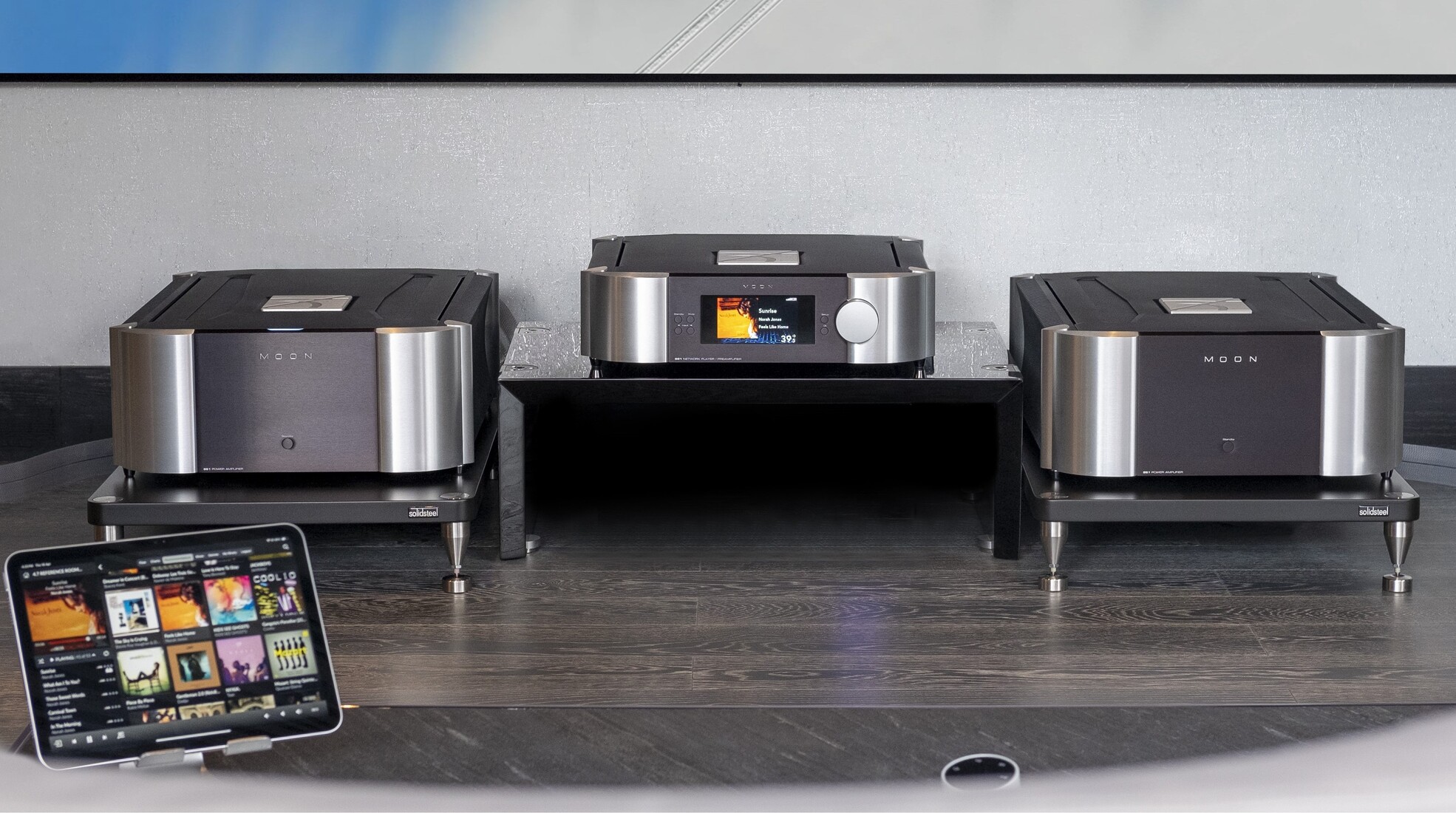
We would like to begin with an insight into the company behind these otherworldly performers, and that is Simaudio. In 1980, in Quebec, Canada, Victor Sima laid the foundation for what would become one of the most respected names in high-end audio. A strong engineering culture, precise and careful manufacturing, and a constant pursuit of sonic refinement have shaped the company’s identity over the decades, and that philosophy is clearly reflected in components like these. Craftsmanship, refinement and attention to detail are sensed from the very first touch.
As the years move on, that original spark grew into a mature and highly recognizable identity. The nineties brought the Celeste line, a fresh company structure under Simaudio Ltd., and the arrival of the Renaissance amplification circuitry, products that quickly stood out through their elegant industrial design and transparent sonic signature. After years of further research, the MOON series emerges as the company’s reference direction, carrying forward the same engineering discipline while pushing deeper into the territory of statement-level performance, the same lineage that now leads us straight to the 861 and 891.
From the North Collection – The Sensational Moon 861
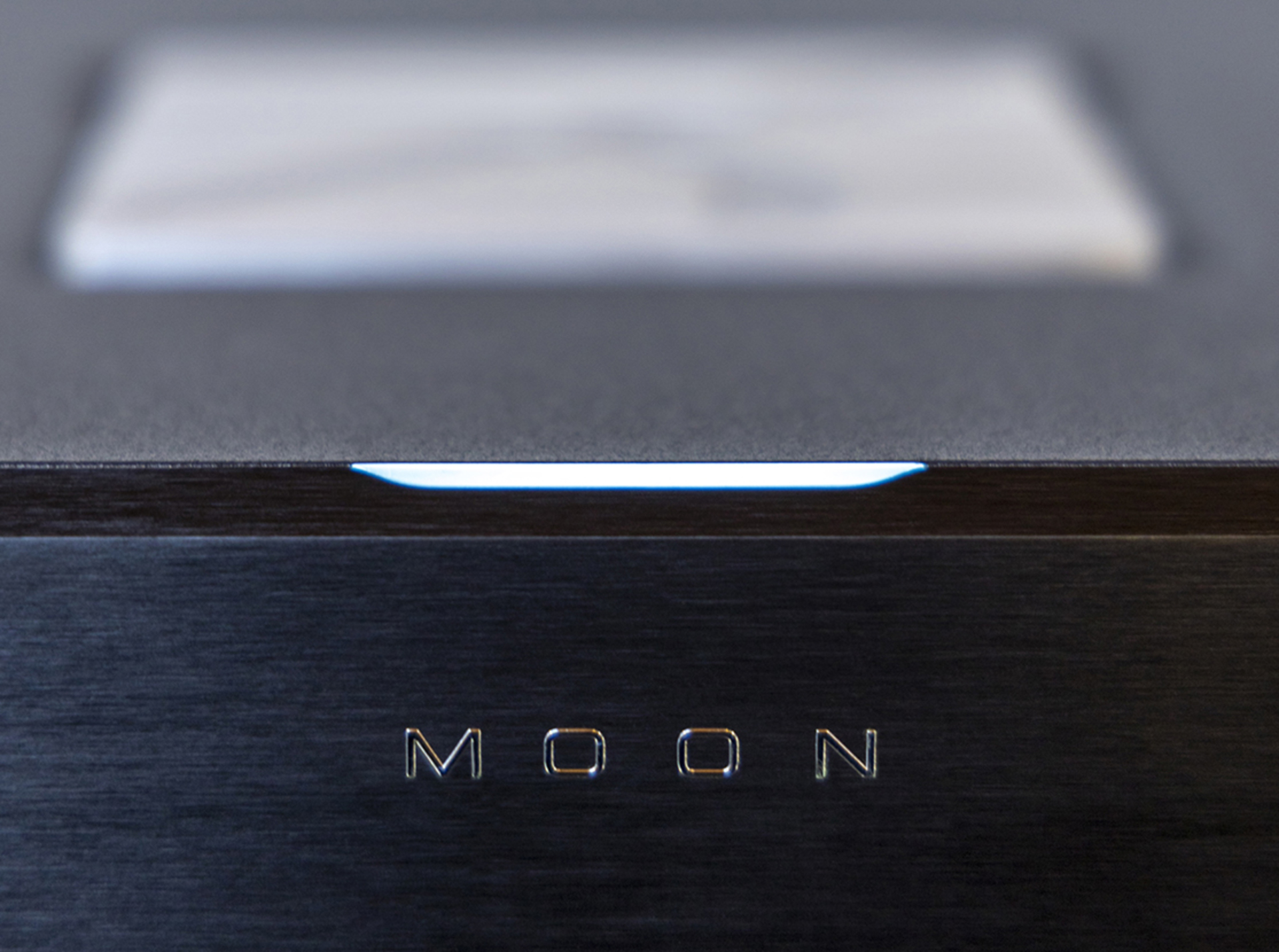
After first contact, the first thing that stood out about the MOON 861 is how everything feels exactly as it should in a statement amplifier of this caliber. The machining is exquisite, the chassis feels immensely solid, and every surface, corner, and control point carries that somewhat overbuilt character we always love finding in true high-end gear. It made us instantly slow down, just to take a closer look, touch, and feel every panel, appreciate the care that goes into its creation, with the same amazement as a child discovering a new toy. Even before a single note started playing, we felt the 861 already communicate refinement, confidence, and that unmistakable sense that we are dealing with a component conceived without shortcuts or cost savings in mind and brought to life with enormous pride.
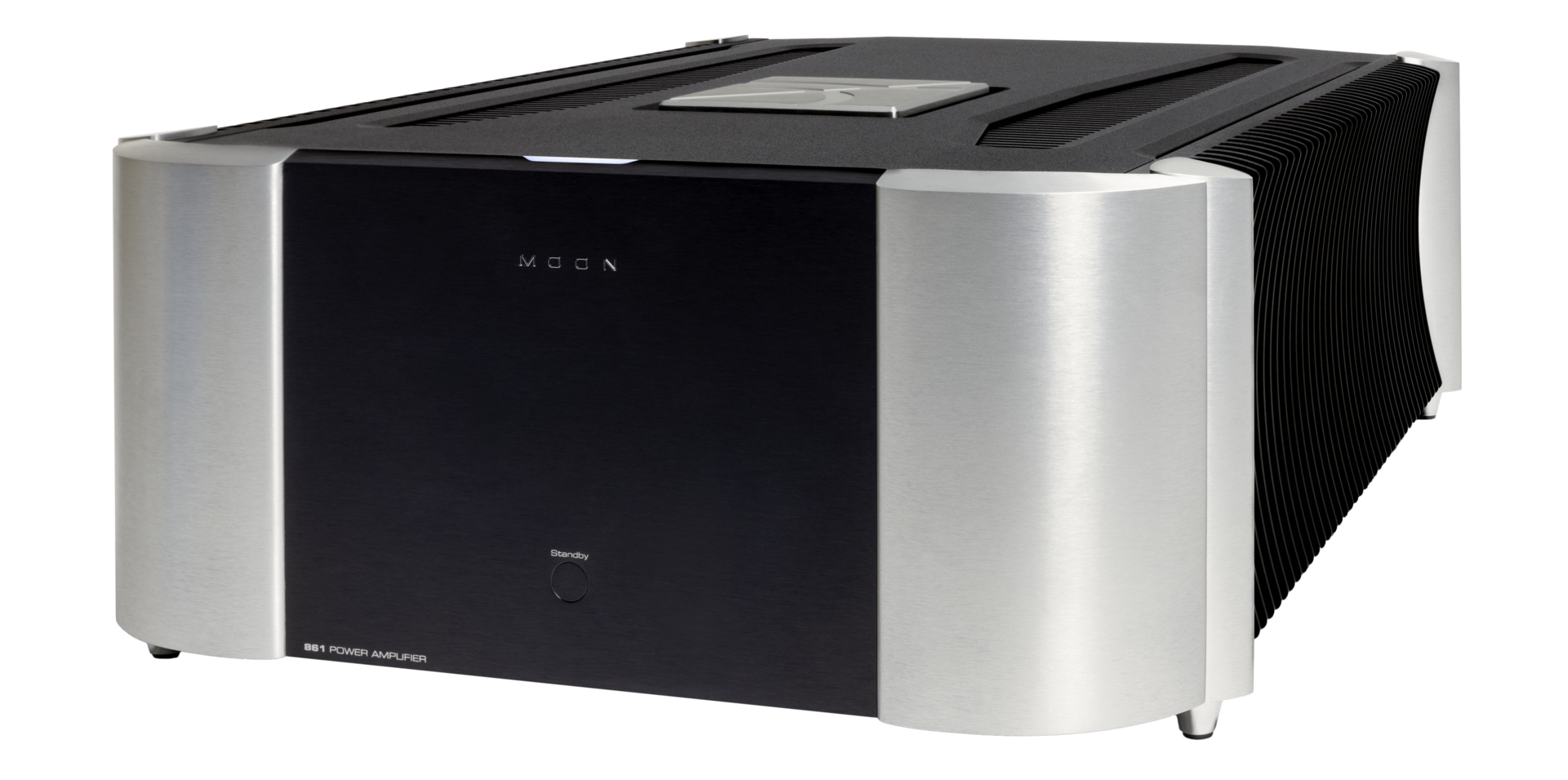
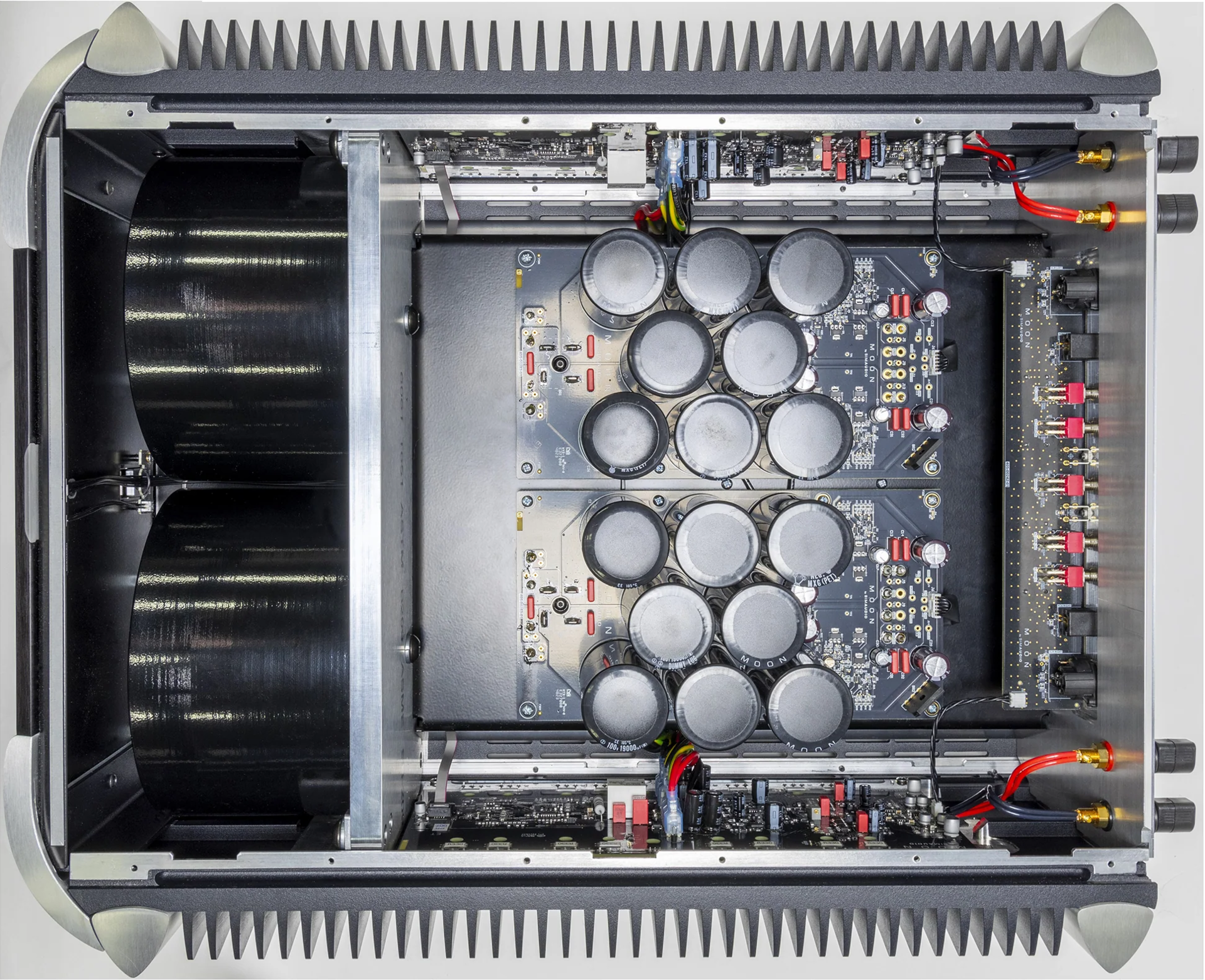
Once we move past the outer shell, the MOON 861 reveals a level of engineering that instantly earns our respect. This is a fully dual mono design, with separate low noise 900 VA toroidal transformers for each channel and a massive 240,000 µF capacitor bank waiting behind them. Numbers alone do not tell the whole story, but they already paint the image of an amplifier built for stability, current delivery, and effortless drive and composure even under intense workloads. We always enjoy seeing this kind of serious power supply implementation, because so much of an amplifier’s final character begins right here, long before the signal reaches the speakers.
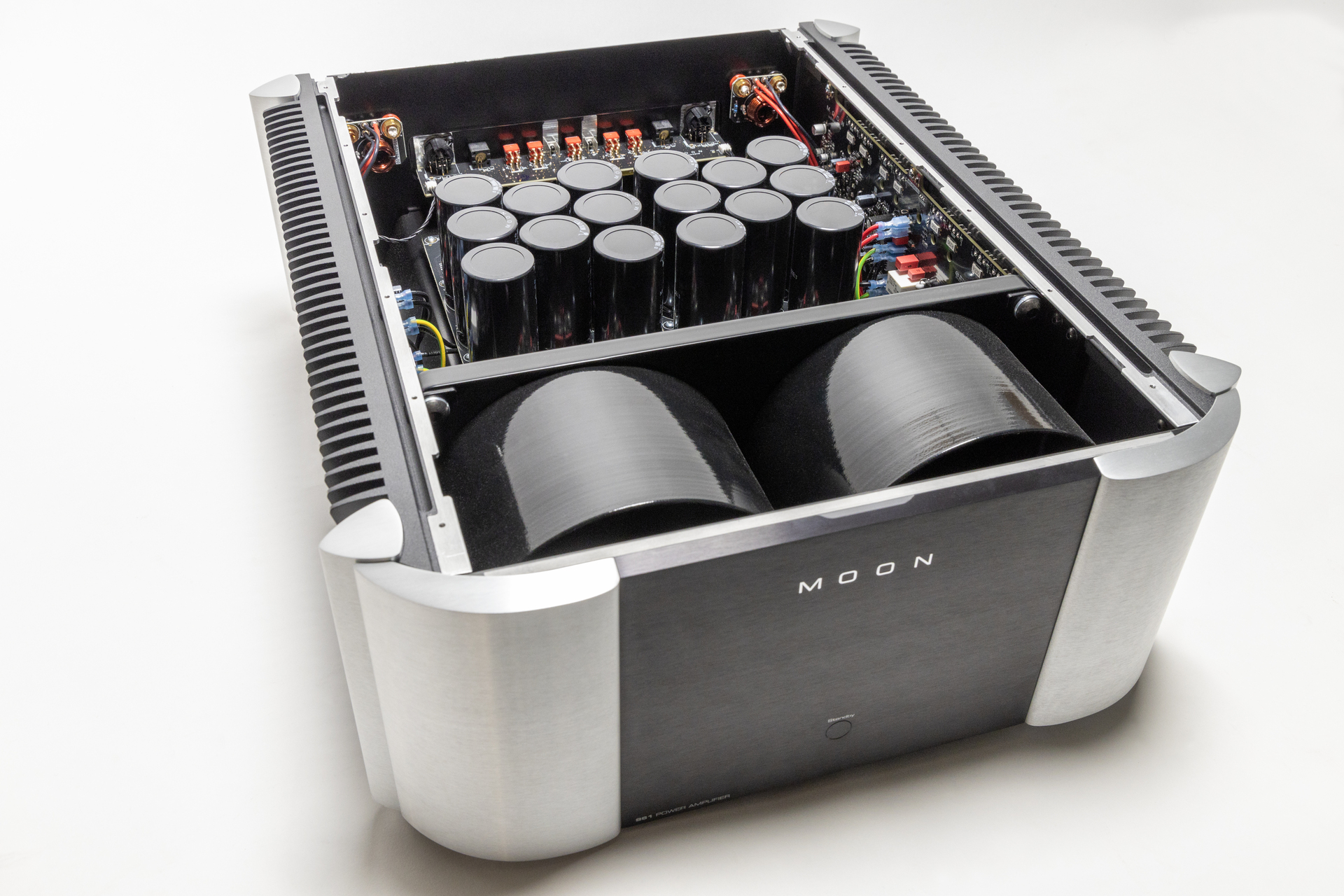
The actual amplifier topology is even more interesting. The 861 uses MDCA, MOON’s Distortion Cancelling Amplifier, together with a no global feedback design, proprietary MOON transistors, and a true dual mono layout. MOON explains that MDCA performs its error correction outside the audio signal path, compares input and output in real time, injects the correction directly into the output stage, lowers output impedance, and raises the damping factor. On paper, that philosophy leads to a very telling set of numbers: 31 dB of gain, 47 kΩ input impedance, bandwidth from 2 Hz to 100 kHz, vanishing crosstalk quoted at 119 dB below zero, and a damping factor of 900. This is the kind of technical foundation that usually translates into a presentation rich in control, separation, and low-level information.
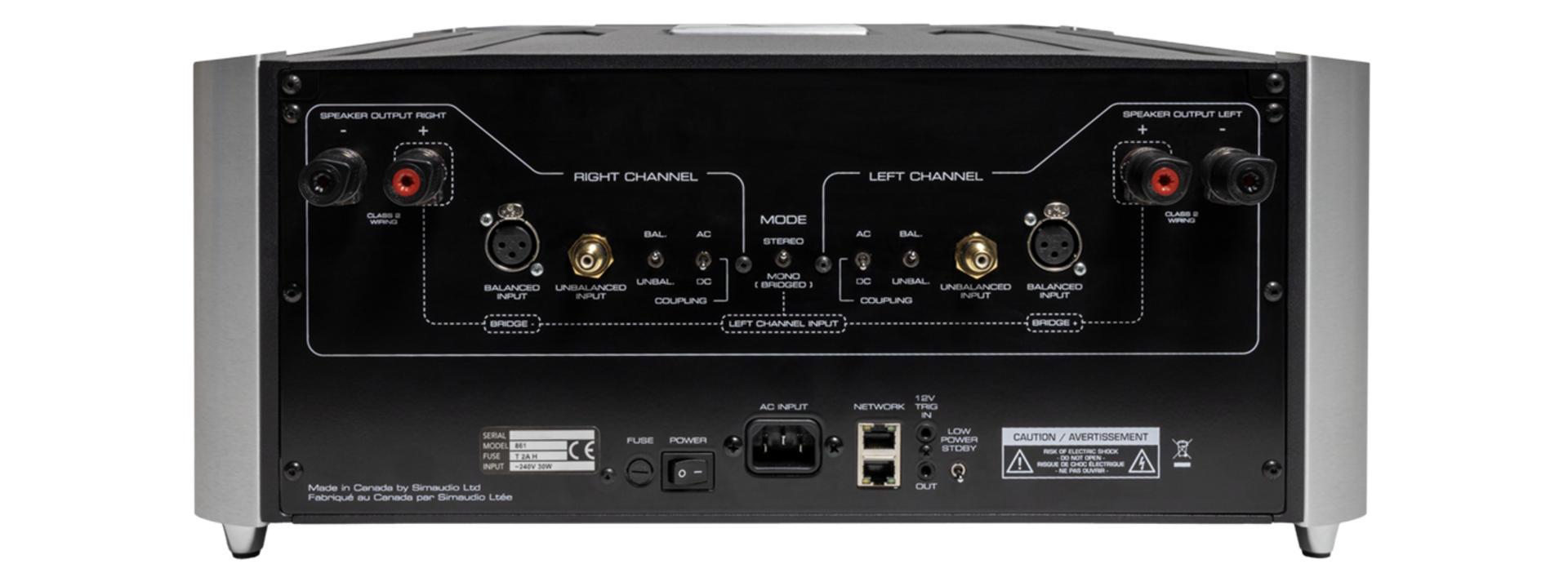
The rear panel also tells us that Simaudio thinks like a serious system builder. We get balanced XLR and single-ended RCA inputs, direct selection between them, an AC or DC coupling switch at the input, stereo or mono operation, trigger support, and MOONLink connectivity. The manual adds a detail we always appreciate, because it shows real engineering care: AC coupling is there to block DC coming from an upstream component, especially useful with older preamps or with designs that might pass a bit of DC at the output. In bridged mono mode, the amplifier uses the left channel input and the positive terminals of both channels for speaker connection, which turns the 861 into an even more formidable animal. It is a technical solution that feels like a cherry on top of that “endgame aura” surrounding the whole piece.
Another area that catches our attention is the way Simaudio handles signal integrity inside such a powerful machine. MOON talks about physically separated analog circuits, reinforced magnetic shielding, and an internal layout designed to reduce capacitive coupling, and all of that feels highly relevant in an amplifier of this stature. When huge amounts of current are available on demand, preserving the fragile low-level information becomes every bit as important as raw power delivery. Somehow, this is where the 861 starts feeling even more complete to us, because the engineering focus extends far beyond wattage figures and reaches deep into the quieter, finer aspects of musical reproduction.
We also appreciate how thoughtfully the protection logic is implemented. The multicolor status indicator communicates normal operation, startup behavior, firmware activity, and several protection states, including temperature, voltage, fuse, and DC-related events. That last one is especially important in a design like this, because the amplifier will shut down if it detects DC at the input, internally, or at the output. In that light, the AC coupling switch gains even more value, as it can block DC coming from an upstream component and add an extra layer of real-world safety.
These are the kind of practical details we always enjoy discovering, because they show a mature product shaped by engineers who understand that reference-level performance must go hand in hand with long-term stability and everyday confidence.
And then there is the ecosystem thinking behind it, which fits perfectly with the wider North Collection philosophy. The 861 can be integrated through MOONLink, grouped with companion components, synchronized through 12V trigger connections, and left in one of two standby modes depending on whether the priority is quicker return to optimum operating conditions or lower energy use. MOON even recommends keeping it powered and using standby for regular operation, a detail that somehow fits the character of the amplifier itself. The 861 gives us the impression of a component designed to become a permanent fixture in a serious system, always ready, always composed, always waiting for the next listening session.
From the North Collection – The Impeccable Moon 891
If the 861 is the engine of the North Collection, the 891 is its command center, its memory, and its voice. Where the power amplifier speaks in watts and iron control, the 891 speaks in decisions: what plays, how loudly, from which source, and with what degree of fidelity. It is Simaudio’s most complete single chassis to date, a component that takes the concept of a reference preamplifier and expands it, without compromise and without apology, into the territory of a full reference front end. Streaming, digital conversion, phono amplification, analog preamplification, and system control all coexist here with the kind of engineering seriousness that a lesser company would reserve for a dedicated standalone product in each category.
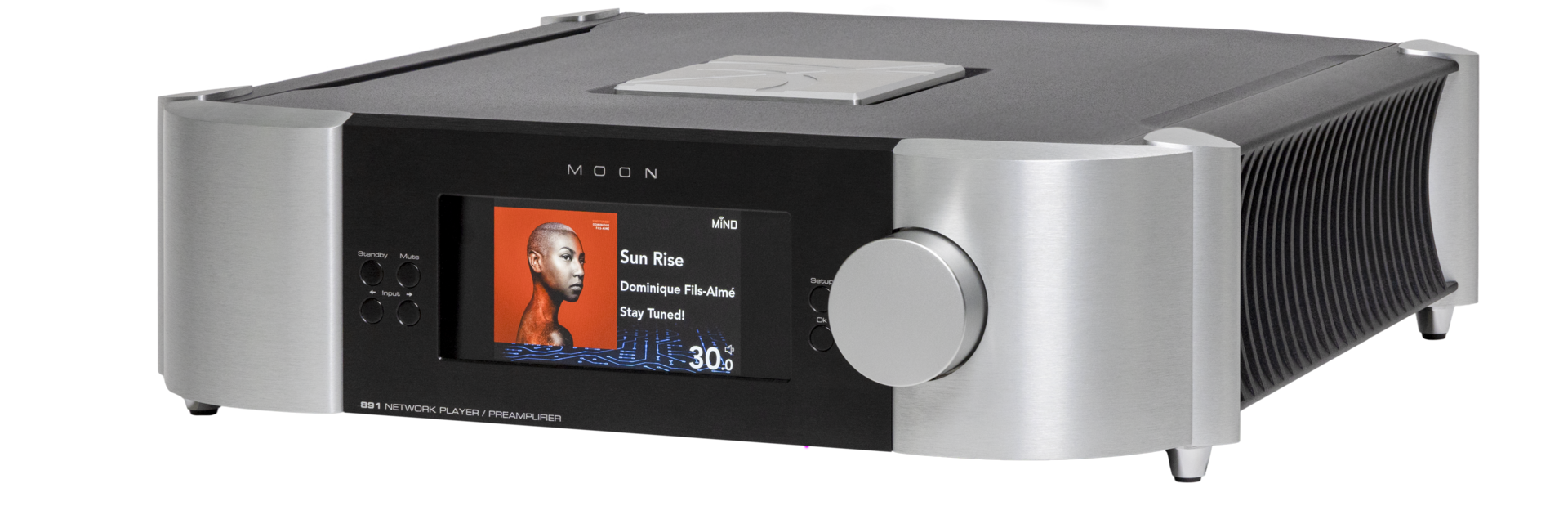
The chassis is machined from a single billet of aluminum and arrives at close to 52 pounds (24 kg) before you account for its internal architecture. Nothing about the 891 feels assembled. It feels carved. The 5-inch color display sits centered on the front fascia with enough brightness and legibility to read album titles, volume levels, and track information from a comfortable listening distance without leaning forward. We managed to do it easily from 3 meters away. The front panel controls are minimal and purposeful. Every physical element carries a reason to exist, and the sum of those elements communicates the same overbuilt, unhurried confidence we found in the 861.
The BRM-1 remote deserves its own moment. Machined aluminum, satisfying weight distribution, and a volume dial that actually responds with the precision you expect from a component at this level. A small OLED screen sits at its center, Bluetooth operation removes the need for line-of-sight entirely, and a thoughtful internal channel design routes any accidentally spilled liquid away from the essential electronics. That last detail says something meaningful about Simaudio’s understanding of how these components are actually lived with, and we found it quietly endearing.
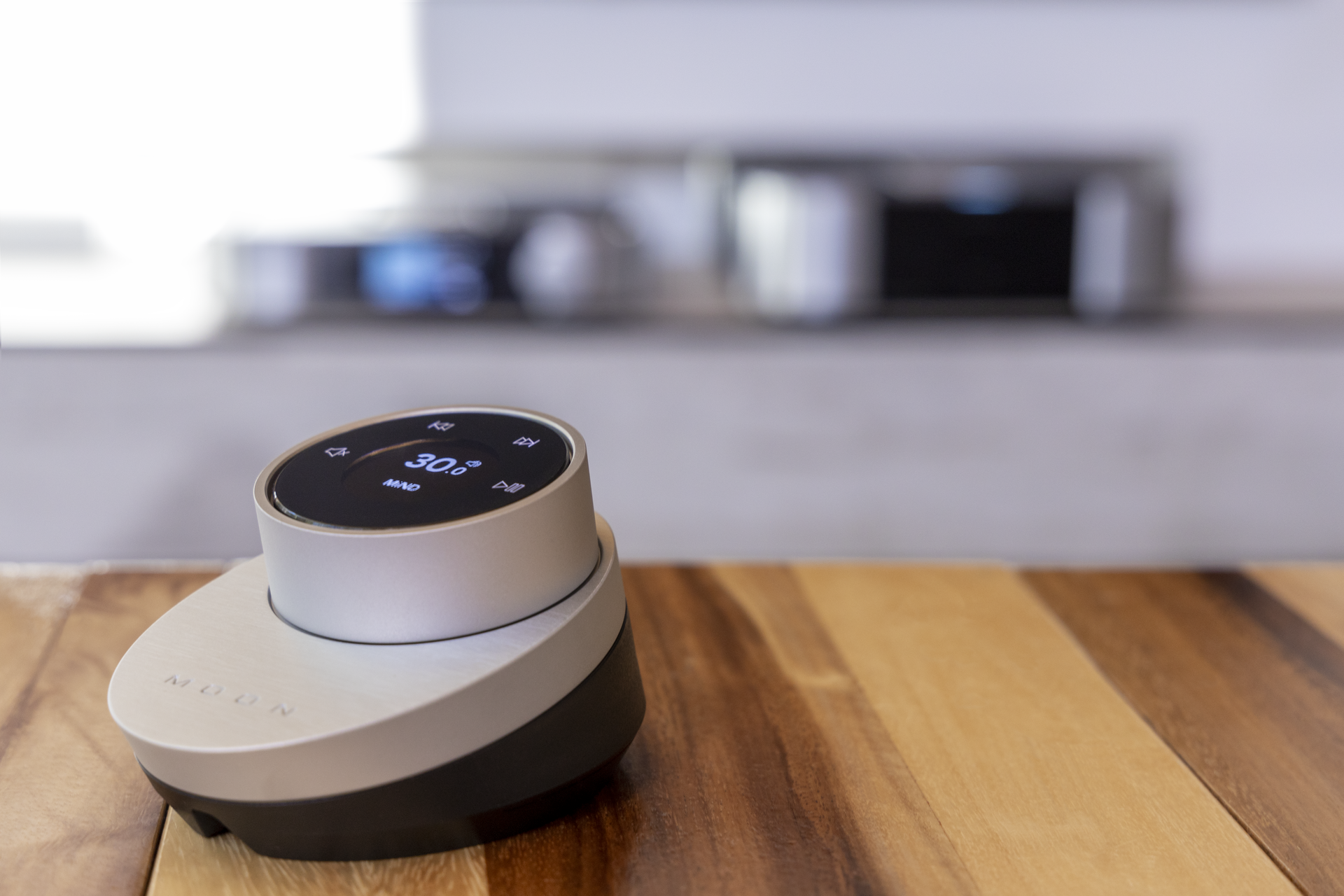
Using the 891 every day also reveals something about how it was conceived. Input switching is instantaneous and completely silent. Volume changes in 0.1 dB increments feel proportional to what we heard in the room. The MiND2 streaming application is responsive and logically organized, with cover artwork appearing both in the app and on the front panel display simultaneously. Roon integration appeared immediately as a certified endpoint without any configuration beyond the initial network setup. These qualities are easy to overlook in a specification review, and they are precisely the qualities that determine whether a reference-level component becomes a daily pleasure or a daily negotiation. The 891 belongs unambiguously to the former category.
Core Design Concepts and Key Decisions of the 891
Simaudio’s guiding principle with the 891 can be stated plainly: every domain of this component deserves reference-level engineering, and each domain should receive the same degree of attention as the others. Digital conversion, analog preamplification, volume attenuation, streaming performance, and mechanical isolation are all treated as equally important, and the engineering choices that shape each one reflect that philosophy consistently from top to bottom.
We reached out to Dominique Poupart, the product director in charge at Simaudio, who worked on the 861 and 891. We will give you parts of the discussion relevant to the topic discussed in the review, so as to not to disturb the natural flow of reading.
“The MOON 891 is an outstanding product and one I thoroughly enjoyed working on. It is an exceptionally sophisticated, performance‑driven design in which no detail has been overlooked. Every aspect, from digital architecture, analog electronics, mechanical structure, and thermal management, was addressed with the singular goal of maximizing signal integrity and sonic attributes.
Amongst many specific technologies employed within the 891, I can discuss two proprietary technologies unique to the 891 and central to achieving this level of performance: MDB (MOON Damping Base) and MDE‑3 (MOON Digital Engine).”
The digital conversion engine is called MDE-3.
“The MDE‑3 platform forms the digital core of the 891, integrating signal reception, clocking, and signal preparation to then get the very best digital‑to‑analog conversion from two dedicated DAC chipsets, each with 8 DACs working in collaboration to get the best sound. The clock is of femtosecond-level! It is engineered with an emphasis on minimizing jitter, phase noise, and other time‑domain errors, not relying on excessive processing or format‑driven complexity. Then the analog section is made carefully to sum the outputs of all the DACs with supreme accuracy.”
Simaudio’s reference converter is built around a pair of 32-bit ESS Sabre ES9038PRO. These are flagship 32-Bit HyperStream II 8-Channel Audio DAC chips operating in a fully differential configuration and, as Dominique said, clocked by a precision femtosecond oscillator. The dual mono implementation ensures that each channel has its own dedicated conversion hardware with no shared current paths between left and right. This has a direct and audible effect on channel separation and stereo image stability, and it is a level of engineering commitment that we commonly find in dedicated standalone DACs at this price. Femtosecond clocking addresses one of the most persistent sources of degradation in digital audio, which is jitter. Timing errors in the conversion process produce a subtle but pervasive smearing of low-level detail, a slight instability in image placement, and a reduction in the sense of air and space around instruments. Simaudio’s approach eliminates the problem at its source, without managing it downstream, and the results support that ambition. Signal-to-noise ratio reaches 125 dB, total harmonic distortion sits at 0.0003%, and the frequency response extends from 2 Hz all the way to 200 kHz before the first 3 dB point appears.
The analog preamplifier section is a fully discrete dual mono architecture with zero integrated circuit chips anywhere in the signal path. Input impedance across both balanced and single-ended inputs is 22 kΩ. Maximum gain at line level is set at a conservative 10 dB, a figure chosen to optimize noise floor management in the context of a system designed around the 861 downstream. The entire analog path operates in a balanced configuration throughout, which provides common-mode noise rejection at every stage and is a primary contributor to the extraordinary quiet we experience during listening.
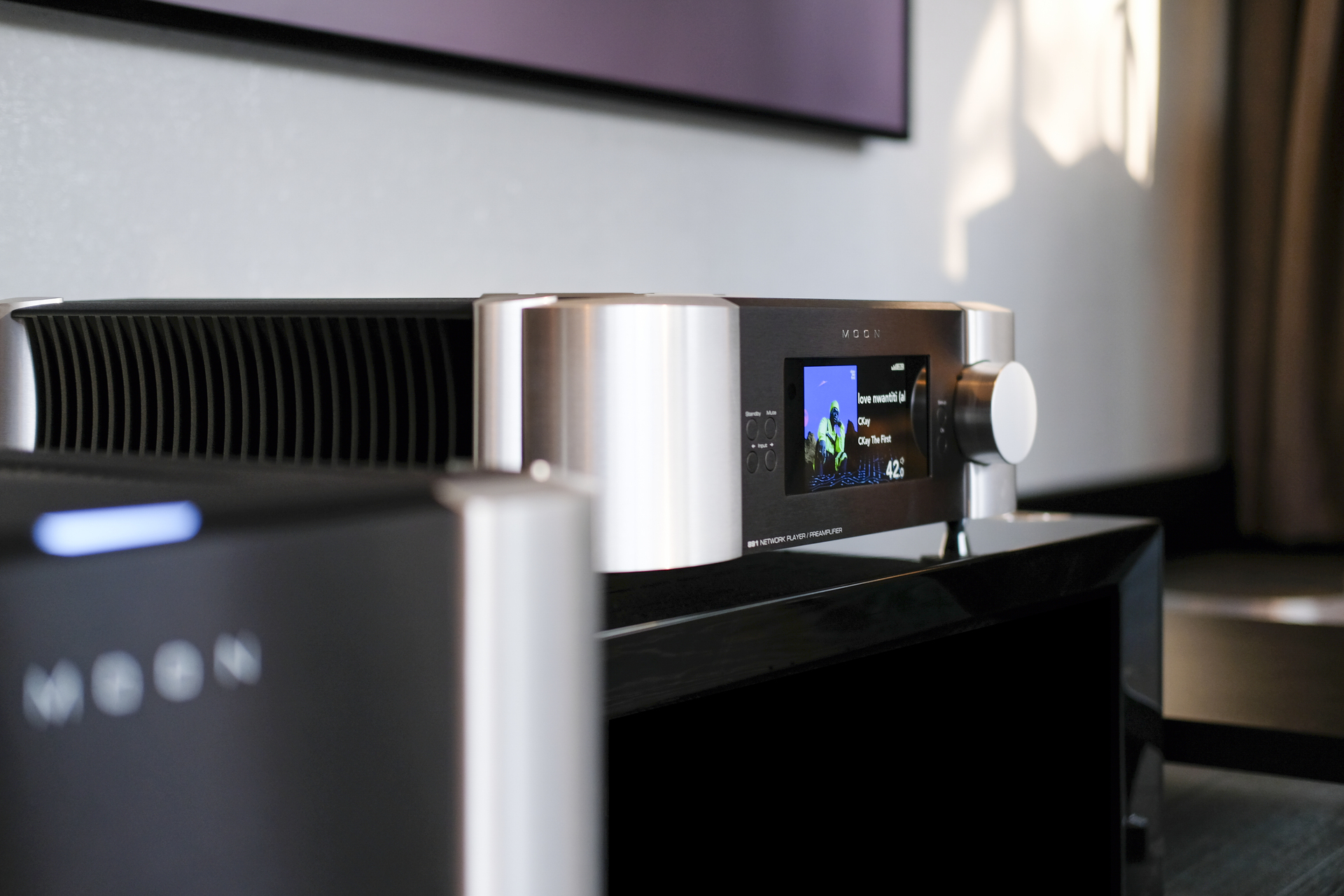
The M-Ray2 volume control is an area of particular engineering pride, and justifiably so. It provides 620 discrete steps in 0.1 dB increments, implemented through a precisely matched array of discrete resistors switched by relay logic. There is no potentiometer here, and no chip-based attenuator. Channel tracking accuracy is exceptional at every level, which matters enormously in critical listening. A slight imbalance between left and right at low volumes pulls instruments gently off their intended positions and destabilizes the center image. We adjusted volume often during our sessions, sometimes in single steps, and the M-Ray2 responded every time with complete transparency and absolute silence.
The MiND2 streaming platform supports Roon Ready, TIDAL Connect, Spotify Connect, AirPlay 2, Qobuz, Apple Music, and local library playback via iOS and Android applications. PCM is handled up to 384 kHz and DSD up to 22.6 MHz, which is DSD512, via USB audio input. The implementation feels mature in daily use. There were no dropouts, no hesitations on input switching, and no moments where the network interface reminded us of its presence by failing. We found the MiND2 app genuinely comfortable to use across extended listening sessions, with cover artwork, track metadata, and queue management all responding with the kind of speed and reliability that allows you to stay focused on the music. The integration between the app and the 891’s front panel display is seamless, with both showing the same information simultaneously so that you can navigate from either location without any inconsistency.
One design decision that impressed us particularly is the MOON Damping Base, referred to internally as MDB.
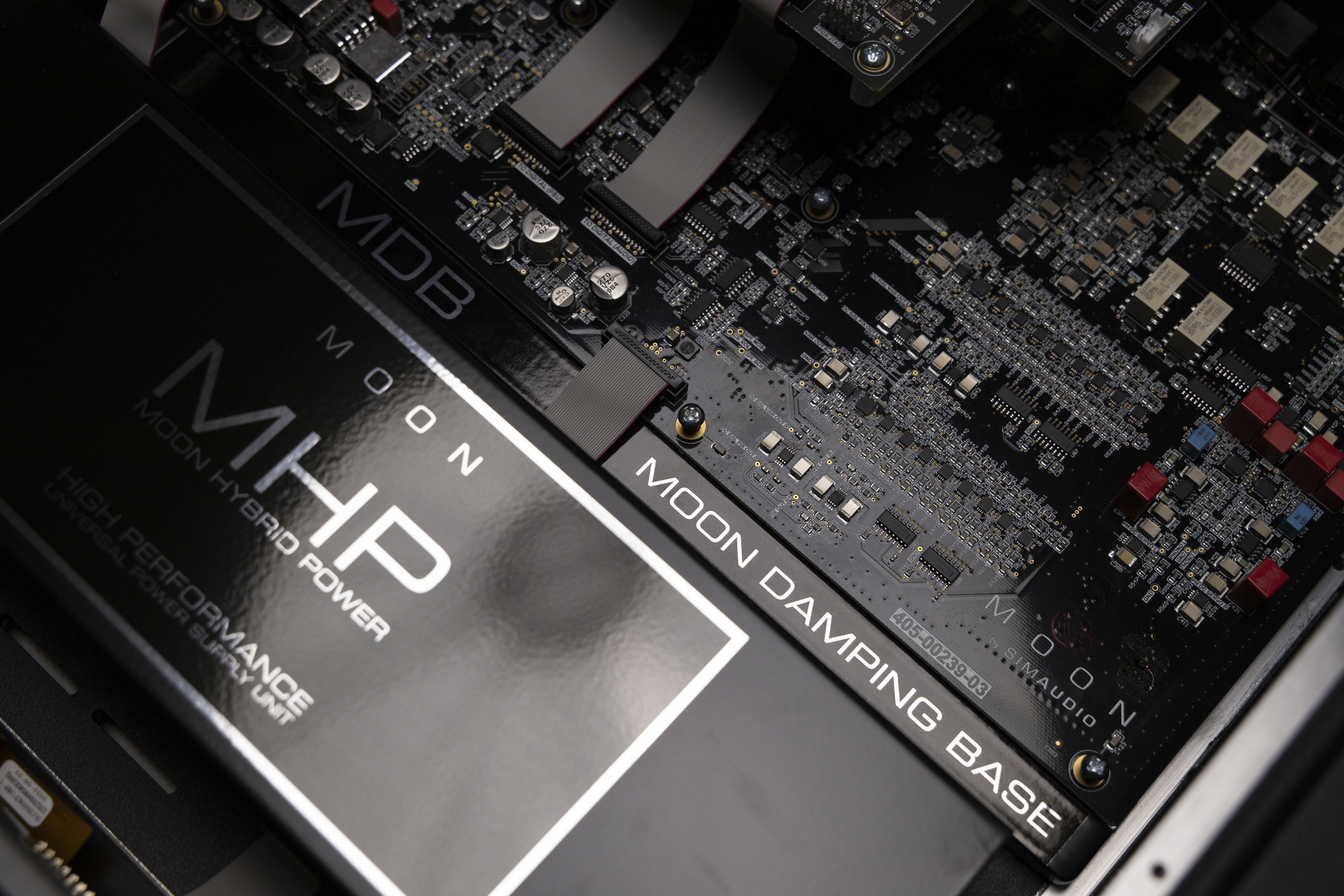
“MDB is an integral, vibration control system that places the audio electronics on a tuned, suspended mass‑loaded base. Its function is to evacuate and dissipate micro‑vibrations away from sensitive digital and analog circuits, thereby annihilating microphonic noise and stabilizing the operating environment of the electronics. You may have noticed when connecting cables at the back that the connectors can move a little, this is a normal side effect of the MDB. Note: to benefit from MDB, the transport safety screws located on the underside of the unit must be removed during installation and reinstalled prior to shipping. The MDB uses a thick aluminum base on a gel suspension, on which sits a damping material between the base and the PCB. Aside from the main benefit of dissipating micro‑vibrations, it is also iso-thermal, in the sense that it keeps the thermal equilibrium of the electronics in the best way. In a sense, we have created the best electronics we could, and we placed it in an environment in which it can perform to the very best.”
From what we could see, inside the unit, there appears to be a combination of gel pads that isolate the entire chassis from the surface it rests on, engineered to prevent parasitic vibrations from the environment reaching the sensitive analog and digital circuits inside. In a component that simultaneously handles femtosecond-clocked digital conversion and sub-microvolt analog signal paths, microphonic sensitivity is a real engineering concern, and Simaudio addresses it with a purpose-designed mechanical solution without accepting it as an inherent limitation of the chassis design.
Component-Level Details
Looking at the 891 more closely reveals a company that organizes integrated system design the way a watchmaker organizes complex movement: every subsystem has its own space, its own power supply, and its own reason for being exactly where it is. The physical separation between the digital and analog sections is enforced through dedicated shielding, with the MDE3 engine occupying its own protected area and drawing from its own regulated supply rails, kept entirely independent from the analog preamplifier boards. Switching noise from the network interface cannot reach the audio path here because the layout and the power architecture together prevent it.
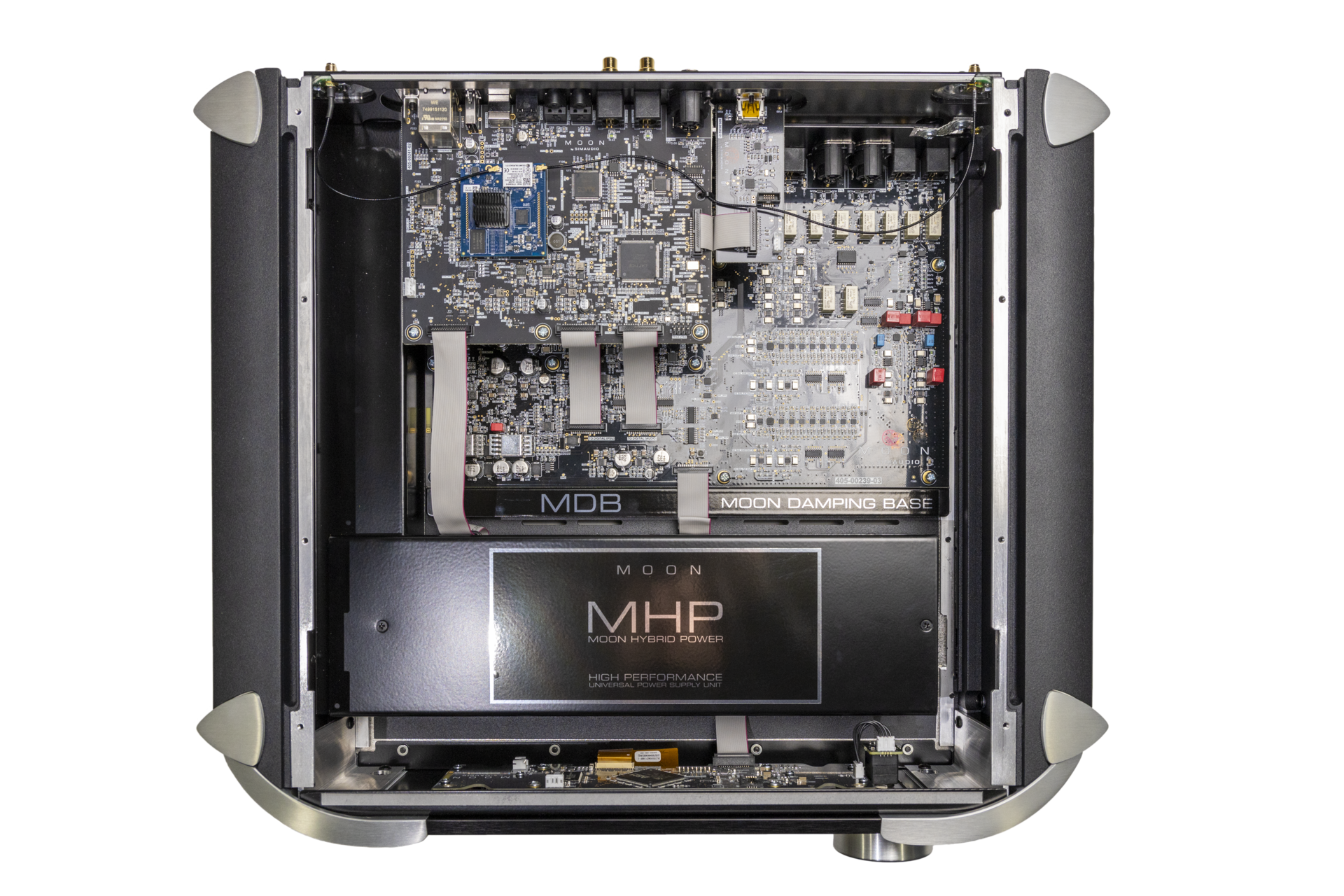
The power supply philosophy reflects the same thinking we found in the 861: each section of the component deserves its own clean supply, and there is no sharing between domains where sharing would create interaction. Multiple independently regulated rails feed the conversion engine, the analog preamplifier stage, the MiND2 module, the phono stage, the headphone output, and the control logic. Current demands from a high-resolution streaming session leave the noise floor of the analog path entirely undisturbed, because the two sections have no supply rail in common.
The phono stage is fully configurable from the front panel menu, with gain settings at 40, 54, 60, and 66 dB, capacitance options at 0, 100, and 470 pF, and impedance choices spanning 10 Ω, 100 Ω, 1 kΩ, and 47 kΩ. This is a genuinely useful implementation covering MM and MC cartridges across a wide range of output levels and loading preferences. Its presence adds real system versatility without any audible cost to line-level performance, which speaks well of how carefully the supply isolation between phono and line stages has been managed.
The headphone amplifier in its current form is rated at 1000 mW into 32 Ω, placing it in the territory of a serious dedicated headphone stage. We did not evaluate it in depth during this review, but its presence is further evidence that the 891 applies the same engineering standard consistently across every function it performs. Simaudio clearly treats every aspect of this component with the same level of intention and care.
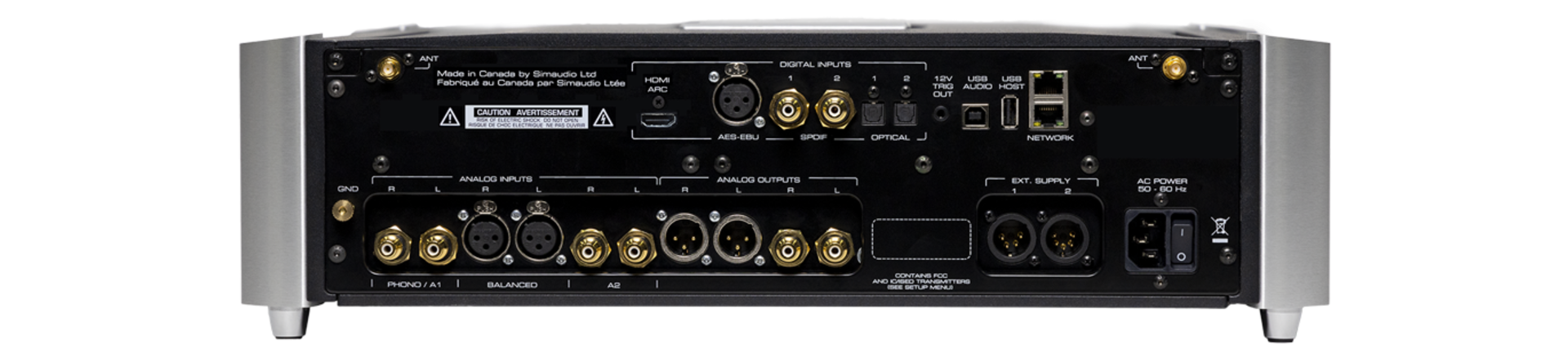
The rear panel communicates the full ambition of the design: two coaxial digital inputs, two optical inputs, one HDMI ARC, USB audio, three sets of balanced XLR and single-ended RCA analog inputs, a balanced XLR phono input, variable balanced XLR and single-ended RCA outputs, a dedicated subwoofer output, and MOONLink connectivity. Every connector is consistent with the rest of the build. Nothing here looks like a cost reduction or an afterthought.
When MOONLink binds the 891 and 861 into a single system, the experience changes in ways that are easy to underestimate until you have lived with them for a while. Volume adjustments on the 891 propagate correctly throughout the system. Input selection coordinates across both components. Standby behavior and trigger logic are synchronized. The two components function as a single unified instrument, and that coherence is something you feel during every listening session as a subtle but persistent reduction in the distance between you and the music.
Auditioning the 891 and 861 Together
The Monitor Audio Platinum PL300 3G is a speaker that presents electronics upstream with complete honesty, with no coloration whatsoever, meaning that every component change elicits a change in how sound is presented, easily highlighting the qualities or shortcomings of any electronics behind them. Its third-generation MPD III tweeter, developed originally for Monitor Audio’s 50th anniversary Hyphn loudspeaker and subsequently brought to the Platinum 3G range, is one of the most revealing high-frequency transducers we have had in this room. It extends with extraordinary uniformity well past 60 kHz and communicates the full character of whatever amplification chain is feeding it. Paired with a system that has something to hide, it will find it. Paired with a system that has nothing to hide, it simply shows you everything the recording contains.
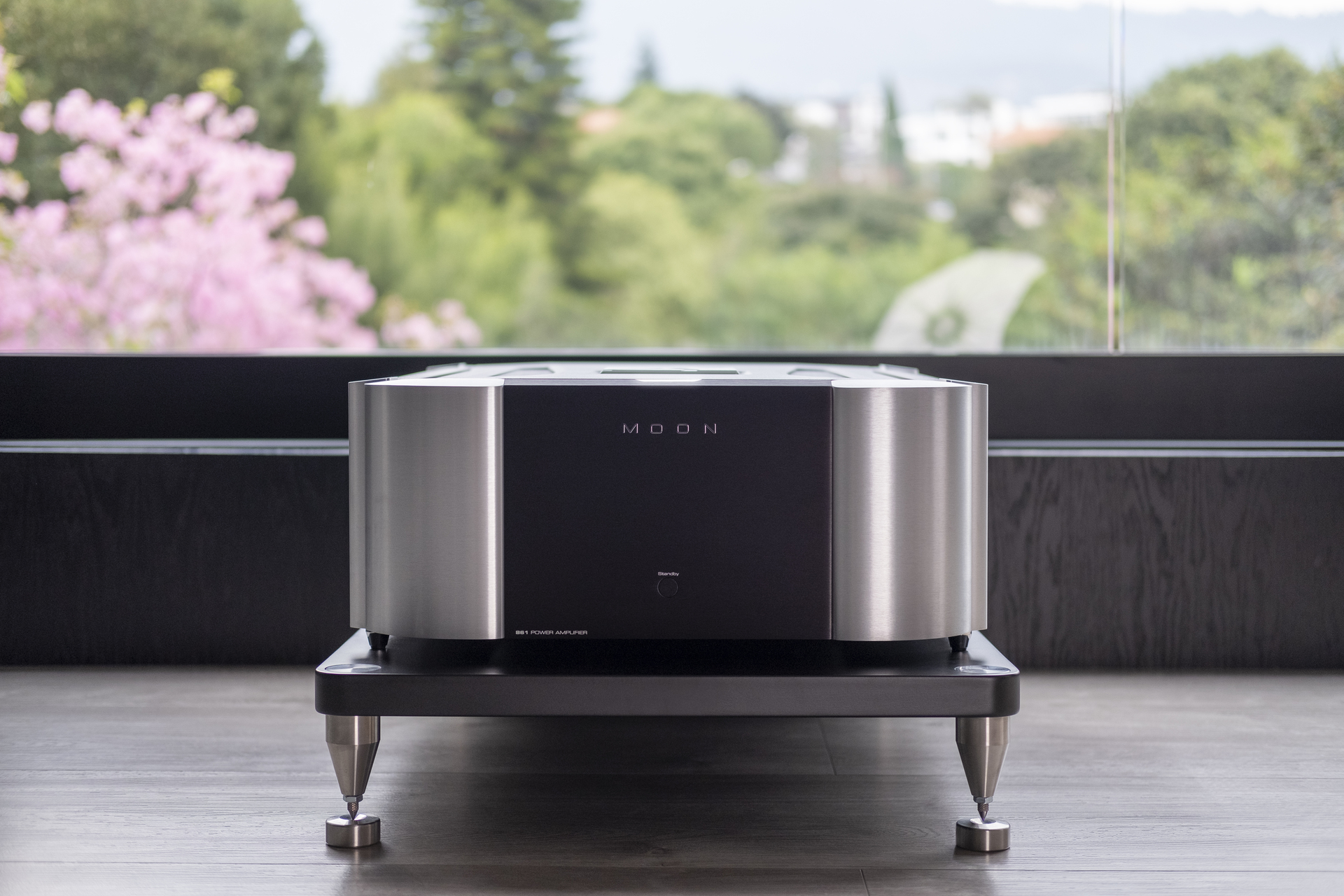
The North Collection told everything without overlooking a single note.
We used the 891 as the primary source throughout, streaming from TIDAL and Qobuz via MiND2, with additional sessions via USB from a locally stored high-resolution library. The 861 drove the PL300 3Gs directly, with Roboli HP8000 speaker cables and Roboli XLR 2100 interconnects between the components, the same reference wiring we use consistently across our system evaluations, just to have a baseline and to clearly discover the scaling of everything we test. All components were powered with Roboli Power5200 cables. MOONLink was active throughout, binding the 891 and 861 into a single coordinated system.

We opened the sessions with Nicholas Gunn’s Blossom, a recording we return to whenever we need a reliable reference point for spatial quality and midrange texture. Through the North Collection and the PL300 3G, the piece opened in all three dimensions simultaneously. Width came naturally, and depth was the more captivating dimension. The space between elements arrived with a completeness that only a profoundly quiet signal chain can produce, because it is the noise floor that either reveals or conceals the spaces between instruments. The flute in particular arrived with a combination of body, breath, and air behind the note that we find genuinely moving when a system is performing at its best, and the 891 and 861 together produced exactly that quality from the opening seconds.

Elliott Tordo’s Silent Moon followed, and the impression deepened. There is a stillness in that recording that can only communicate itself through a system that shares the same quietness. The PL300 3G’s tweeter and midrange combination showed us the full decay structure of every note in the piece, the long, gradual dissolution into the ambient character of the recording space, and the sense that the room itself was a musical participant. On this track, the MOONLink integration showed its value clearly as well. The system behaved as a single entity, with every volume adjustment feeling continuous and natural.

On Tonebloom’s Violin, the 891 and 861 together revealed something that stayed with us across the entire listening period. This recording challenges electronics to preserve the tonal integrity of a bowed string across its full range, and the bow strokes arrive here with texture and dimension. The resonance of the body was distinguishable from the vibration of the string. The positions of each chord within the stereo field were stable and precisely defined throughout the performance. The 861’s MDCA circuit, operating entirely outside the audio signal path and injecting its corrections at the output stage without ever touching the signal itself, produces an amplifier that handles this instrument with a combination of control and naturalness that we rarely encountered in our tests.

We spent considerable time with Mahler’s Symphony No. 2, Resurrection, in the Telarc recording conducted by Benjamin Zander with the Philharmonia Orchestra, a work we also used extensively during our evaluation of the Aesthetix Mimas. This is a material that interrogates dynamic range behavior with complete seriousness, and it is a very demanding test that we discovered emphasises the relationship between an amplifier’s noise floor and its available headroom. The quietest passages were genuinely quiet, retaining the full spatial context of the recording at very low listening levels, with the ambience of the concert hall intact and the sense of distance between the microphones and the ensemble preserved as a spatial reality. The explosive tutti sections arrived with physical authority and with no audible compression anywhere in the spectrum, and with no suggestion at any point that the system was approaching a limit. The PL300 3G’s woofers were under complete and unhurried control throughout. The bass during the largest orchestral swells carried weight, pitch definition, and an ease of delivery that only a power supply built at the scale of the 861’s dual 900 VA toroidal transformers and 240,000 µF capacitor bank can sustain across an extended orchestral performance. We were reminded during this session of why Simaudio recommends keeping the 861 powered and using standby for regular use. An amplifier of this magnitude and design takes time to reach its thermal stabilization in order to enact its true character. After trying it immediately after waking up, at first light, we could tell that it needs a little bit of time before it shows its true, smooth, detailed character. And on the Mahler, we could feel when it was performing as a settled amplifier should.

The Stravinsky Firebird Suite in the Reference Recordings release with Eiji Oue and the Minnesota Orchestra reinforced everything we had already heard. On this recording, the percussive attack of the opening sections carries a specificity of transient character that separates exceptional amplification from merely competent amplification. The 861 reproduced each impact with a leading edge that was fast, clean, and completely free of overhang. The decay following each percussive event dissolved into the acoustic of the recording venue in a way that gave the whole performance a physical and spatial conviction that we associate with live orchestral listening. We have heard this recording many times in this room. We have heard it very rarely with so much detail and so correct from a realist point of view.

Moving to more intimate territory, Danit’s Naturaleza brought forward a quality that deserves special attention. The guitar in that recording carries body and harmonic completeness that rewards a genuinely transparent system. Through the North Collection, each plucked string decayed with patience and resolution, the harmonics revealing themselves in separate sequence, not arriving as a single blended event. The hall ambience and the layered textures between guitar, voice, and space came through in their proper proportions, with the voice placed forward, the guitar somewhat more centered in the physical staging, and the room itself present as a third dimensionality.
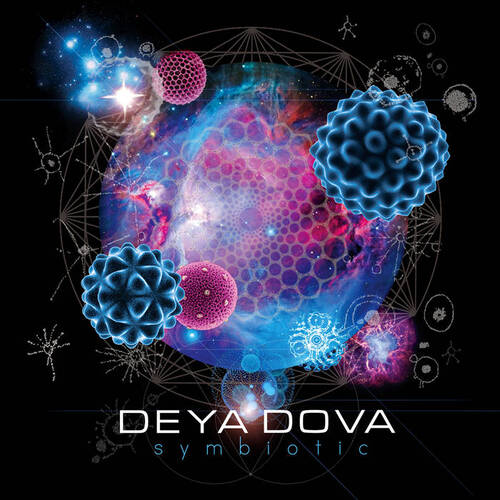
Deya Dova’s Grandmother Tree & The Feathered Serpent moved us into a very different kind of listening, one less concerned with conventional hi-fi fireworks and far more revealing of a system’s ability to preserve atmosphere, layering, and the fragile continuity of a recording built from voices, bells, water, birds, and spacious organic textures. Through the 891 and 861 driving the PL300 3G, the track unfolded as a fully formed environment. Vocal layers floated at different depths, clearly defined in the 3d space, in which we became part of. With an almost ritualistic stability, each line occupied its own pocket of air while remaining tied to the larger field. Although the width of the presentation was very impressive, the way the system preserved 3d spatiality, differentiated the distance, and allowed the ambient sounds around the voices to feel naturally embedded in the scene, not superimposed upon, was what truly left us speechless. The small bell-like accents arrived with delicacy and shimmer, but never with the etched or overlit quality that lesser electronics often mistake for detail. Water textures and bird calls emerged from a black enough background to sound decorative, alive, as though the recording space had expanded beyond the walls of the room and into something more open, more natural. We could feel the elemental nature of the chants. The North Collection kept the entire piece coherent and breathing while maintaining the soft gradations that give this recording its hypnotic and sacred character.
There was also something especially convincing in the way the 861 controlled the timing registers beneath all that air and ritual texture. This track carries a totemic rhythmic foundation and a cinematic sense of movement, and the amplifier preserved both without thickening the atmosphere or giving an illusory slowing of the pace. We could feel the foundation take shape like a grounding force. The 891 – 861 combo allowed the track to keep its trance-like flow while still giving each sound a defined contour and location in space, which is why the emotional pull of the piece came through so strongly. Make no mistake, this track can sound spacious on all systems, but here, we could actually feel that spaciousness in an entirely natural way. And that, to us, is one of the clearest signs that a system is doing justice to music. This is where a genuine hi-fi experience rises above a studio presentation, turning music into something that feels like a complete, living, sonic landscape. After all, this is the true audiophile dream: to experience the living pulse of the music, to feel the emotion the composer intended to pass on, to understand it, and to merge with its soul.

Diana Krall’s Temptation gave us another revealing moment. We had a lot of these moments with this combo. Her voice carried that particular combination of intimacy and scale that the best recordings of her work achieve, and the 891 and 861 together reproduced it with complete faithfulness to what the recording contained. The harmonic complexity that makes her voice recognizable and emotionally affecting was fully present, with no smoothing and no emphasis. Percussion on this track arrived with excellent transient snap. The kick drum had both weight and attack in proper proportion, and the leading edge carried the kind of speed and definition that an amplifier topology built around real-time output-stage correction and zero global feedback can deliver with consistency. The comparison to our experience with the Mimas on this same track was illuminating: where the Mimas brought tonal richness and a slightly more organic weight to the percussion, the North Collection also came with speed and precision, each approach reflecting a genuinely different engineering philosophy and a genuinely different character. We spent considerable time on this track specifically because of how clearly it illustrated the distance between these two totally different amplifiers. Both were compelling. The MOON’s version of this track felt more truthful, more directly connected to the actual sound of the instruments in the recording, and more revealing of the production decisions that went into making it, while the Mimas drew us into the sheer richness of tone, emphasising them, surrounding us with a denser, more saturated beauty that we could lose ourselves in. Although the MOON combo preserved that same tonal richness, it presented it through a cleaner, faster, better-focused, blacker lens, so the beauty of the music felt less romanticized and more illuminated from within, less cluttered, more intelligible, and closer to the truth.

Pink Floyd’s Time from The Dark Side of the Moon is a track we consider essential in any serious listening evaluation, because it tests every aspect of system performance simultaneously with a recording of extraordinary spatial intelligence. The opening sequence of clocks and alarm bells, spread across what feels like a full 180-degree soundstage, arrived through the North Collection with a precision of placement and a physicality of impact that left us sitting still for a long time after the track finished. Each clock occupied a distinct and stable position in space. The transition into the main track was seamless and fully coherent. By the time the track reached its full energy, we had stopped taking notes and just lived through the experience.
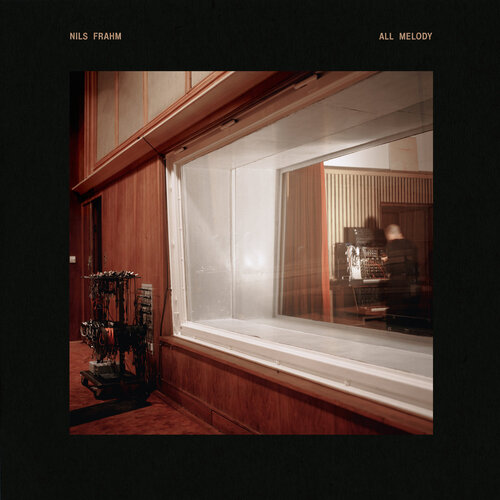
Nils Frahm’s All Melody showed the combination in perhaps its most complete character. This is a piece that moves from whisper to near-overwhelm within a single performance, and it asks an amplifier to make those transitions feel effortless and inevitable. The 861 handled every dynamic shift in the same style we had observed throughout the earlier sessions. The contrast between the track’s most delicate moments and its largest swells was preserved completely, with each transition feeling continuous and organic. The spatial quality of the recording, the particular acoustics of the church in Berlin where Frahm recorded it, remained audible and convincing at every listening level, and the sense of the room as a musical instrument in its own right, which is one of the recording’s most distinctive qualities, came through fully, easily recognisable, intact. We have used this track with many amplifiers over the years, and few have handled the slower, more gradual dynamic passages as well as the 861 did here. Some amplifiers manage the explosive peaks with authority but lose the intimate character of the quietest moments. Others preserve the delicacy but compress slightly when the full energy of the performance arrives. The 861 maintained both ends of the spectrum with equal composure, and the 891 passed the recording to it with the completeness and accuracy that allowed the power amplifier to perform at its best throughout.

Infected Mushroom’s Guitarmass was our test for how the combination handles dense, high-energy electronic material at demanding listening levels. Some amplifiers compress subtly at the upper end of their comfortable operating range, losing a small degree of definition and spatial separation without failing outright. The 861 showed no such behavior. The soundstage held its width and depth. The tonal character of the recording held its shape. The 861 behaved, at the loudest levels we sustained during our sessions, exactly as it had behaved at moderate ones. That consistency is the result of the engineering behind the power supply, but we occasionally missed that last degree of kick bass violence, that chest thumping physical impact that turns a strong low end into a truly visceral one. Even so, the MOON never sounded soft or undernourished, don’t get us wrong. Its bass remained fast, structured, and exceptionally clean, but we missed that very last degree of kick thump. Still, we believe MOON’s approach remained deeply convincing because it traded a very small measure of raw punch for superior discipline, cleanliness, and control, keeping the entire presentation articulate even at demanding levels.

On Pernille Rosendahl’s Feet on the Ground, the synth sweeping from left to right gave us a slight dizzying sensation. This is exactly what we expected. This track’s bass has an entrancing rhythm and helps ground the entire presentation, giving it its footing and momentum. But what makes it exceptionally revealing is that it carries a base note around 25 Hz layered over another around 65 Hz. That means both amplifier and speakers need to combine these frequencies without muddying them and deliver them with real control and finesse. We have heard this track on million-dollar systems, so we know how it should sound, and we also know that the same level is achievable with far more modest equipment when the synergy is right. The MOON combo made us behave exactly as the lyrics suggested, spinning all around while keeping our feet on the ground. What she sings, we could actually feel. The bass keeps everything anchored while the synth swirls around and creates that intoxicating effect, all while her voice remains perfectly centered. This kind of presentation is only possible with very good electronics. You can understand the principle easily on headphones, but reproducing those effects correctly in a living room is far more difficult. Here, the soundstaged presentation felt complete. We felt the bass lacked a very small degree of the percussive kick that we know this track can deliver. At the 2:40 mark, the swirling intensifies, and the 891 and 861 intensified that hypnotic lateral motion with excellent continuity. The first time we listened to this track, on this combo, after it ended, we were actually dizzy from it. Wonderful experience.

Idrissa Soumaoro’s Cherie, a track we had specifically noted during our evaluation of the Mimas for its extension into ultrasonic information and its ability to reveal how open or polite the very top octave of a system truly is. Here, the 891 and 861 working together produced a top end that we felt was genuinely freed from all the electronic shackles. Present without calling attention to itself, natural, as it should be. Extended without any hint of brightness in sight. Resolved without any trace of hardness or sterility. Where we had noted a slight softness in the absolute top octave that we attributed to the tweeter, that softness was absent here. The air, sparkle, and realism with which the PL300 3G’s MPD III tweeter delivers sound is wonderful.

Jan Garbarek and the Hilliard Ensemble’s Officium, specifically the opening track Parce mihi Domine, served as one of our spatial references in this evaluation. This recording was made in Stiklestad church in Norway, and the acoustics of that space is itself a primary musical element. The way reverberation develops and decays in that particular environment tells you immediately whether the system you are listening through is truly retrieving low-level information from the recording. Through the MOON combo, the chapel opened up behind the speakers in a way that felt genuinely architectural and three-dimensional. The four male voices of the Hilliard Ensemble were positioned with a stability and convincingness that we found remarkable, each voice occupying a distinct and stable position in the reverberant field. Garbarek’s saxophone arrived from slightly behind and above the vocal quartet, exactly as the recording intends, and its harmonics interacted with the reverberation of the space in a way that becomes fully audible only when the system beneath it is quiet enough to let each decay resolve completely before the next phrase begins. The music itself is built as much from silence as from sound, which is why we believe this track reveals the value of a system’s black background more clearly than others. The track’s dynamic shadings are beautiful, the contrast between the language of the voices that we felt was inward and restrained, intimate, controlled, almost fragile in the way they rise and fall, compared to the saxophone that opens outward with almost cosmic freedom. The saxophone seems to breathe according to an entirely different emotional scale. It expands more freely, with a larger, more radiant dynamic envelope, as though it’s entering from another universe altogether. Through the 891 and 861, that difference was preserved with all its strangeness and beauty, making the performance feel larger, deeper, and far more emotionally complex. If that contrast is softened or flattened, the whole emotional structure collapses.

Cristal Cave by Seaman, a track found on the Stellar Serenity album by Eguana, was one of those tracks that immediately justified the “silence” of the MOON pairing. It is a piece that awes through atmosphere, through the slow and deliberate organization of layers, through the sense that sounds are not merely placed in space but suspended inside it through spectacle. Through the 891 and 861, the track felt beautifully stratified. The darker ambient floor stayed clean, low, and stable, while the upper textures seemed to hover above it with a crystalline presence that suited the title perfectly. We enjoyed how the image remained whole, but every strand inside it was easy to follow. This track can sound muddy on lesser electronics, and it is a good test just for that in itself. Here, the track did not feel fatiguing or annoying at all, it retained its misty presentation. The blur that we often heard in the past with other equipment was absent. It conveyed calmness, immersiveness, and quietness, without any trace of hardness or sterility or annoyance.
As for Stellar Serenity as a whole, the album came across through the MOON as exactly what its tags and surrounding context suggest: it is a psychill and downtempo journey built more on atmosphere, pacing, and layered space. The 891 and 861 suited that approach extremely well. We were totally engulfed in Eguana’s world, and the adjacent worlds around him on this compilation. Because the music is inherently “muddy”, this chill album plays very well through proper black background capable electronics, it emphasizes the ability to let soft textures remain soft without turning vague, and on the ability to keep rhythmic undercurrents alive without pushing them in your face. That balance is where the MOON combination proved especially convincing. It gave the album a calm presentation. It feels weird saying that about a chill album, but if you try listening to it and it just comes across as annoying, then you begin to understand. It made the deeper foundation of the music stay grounded and coherent, while the floating textures above it opened with enough air to let the compilation breathe as a natural sequence of interconnected nocturnal spaces. More than anything, it made this album feel organized from within, clarifying it. Very interesting experience.

Our movie night with the North Collection also told us something important about the 891 and 861. War Machine showed just how much atmosphere and spatial intensity a truly capable two-channel system can still deliver. Although we were not listening through a 5.1 layout, the sense of scale, air, and lateral expansion made the effects feel vivid, more so than we usually expect from a stereo system on its own. The soundstage reached well beyond the speakers, giving explosions, distant activity, and ambient tension a physical presence that made the whole presentation feel vibrant and intensely dynamic. It didn’t feel like a fake kind of spaciousness, or an artificial widening trick, but a believable sense of acoustic scale. The 891 and 861 gave the soundtrack room to breathe, and that extra space made every effect feel more intense because it had somewhere to develop. Even in two channels, the presentation carried a cinematic openness that drew us much deeper into the film, more than a conventional stereo setup usually can.
Why did we choose to write about this cinematic experience, you ask? Because at one point, during a powerful explosion, the amplifier shut down with the LED blinking a faint yellow light. A quick search through the user manual helped us find out that the DC protection was triggered. This experience deepened our respect for the 861. The amplifier showed that behind its power and composure lies a serious commitment to protection, stability, and a true engineering discipline. And perhaps the greatest irony is that the very explosion that triggered the safeguard also served as proof of how immense, forceful, and involving the presentation had become. Intense stuff. Even in stereo mode, it seems the North Collection delivered a level of scale and intensity that almost made the moment feel real. Imagine what two of these beasts in bridged mode would do.
Closing Thoughts
After extended time with the MOON 891 and 861, and after living with the combination long enough that it stopped being a test and simply became how our system sounded, we arrive at a conclusion that feels clear and earned. Simaudio has built something genuinely exceptional here, across the full span of what a reference-level electronics system is asked to do.
The 861 is one of the most authoritative and composed power amplifiers we have evaluated in this room. Its topology, dual mono architecture, and the scale of its power supply implementation produce an amplifier that governs speakers, not just merely driving them. The control is the kind that allows every dynamic event to happen with its full intended character, because nothing in the signal chain is adding distortion, restricting current delivery, or asking the output stage to work harder than the signal requires. At high listening levels with complex, demanding material, it sounds the same as it does at moderate or lower levels. That consistency is extraordinary and rare, especially from behemoths of this size.
The 891 approaches the same standard from the opposite direction. Its MDE3 conversion engine, M-Ray2 volume control, and fully discrete dual mono analog stage together produce a front end of uncommon cleanliness and transparency. It passes the signal to the 861 with a fidelity that allows the power amplifier to perform exactly as intended. The recording presents its character, and it is the responsibility of the 861 to deliver that character intact. And that’s what it does.
We should note that listeners who prioritize an explicitly warm or organically colored presentation will find the North Collection oriented toward precision and truth, detail, and speed. This is a matter of engineering philosophy. Some components add their own personality to every recording, shaping the tonal balance toward a more immediately welcoming character. The 891 and 861 together take a different position entirely. They pass through whatever the recording contains, and that approach rewards recordings of high quality with a listening experience of remarkable depth and satisfaction. It also means that the character of the system scales directly with the quality of the material you feed it. On the finest recordings in our library, the North Collection produced listening experiences we will remember for a long time. On ordinary recordings, it was still engaging and musical. It never punished the listener for choosing less than perfect material, but it made the distance between excellent recordings and ordinary ones more audible than any other electronics we have had in our room in recent memory.
The pairing of 891 and 861 as an intentional system also revealed its value gradually and convincingly across the listening period. When MOONLink is active, and both components behave as a single unit, the coordination between them produces a quality of ease that mixed-brand combinations rarely achieve or do so with increased difficulty, regardless of how excellent the individual components might be. Simaudio built these two products to work together, and that intention is audible and felt in everyday use in a way that goes beyond what any specification or measured result could communicate. Every hour of listening confirmed it. We would encourage anyone who arrives at the 861 or 891 through a different route, perhaps already owning one and considering the other, to make every effort to evaluate them together before settling on any alternative combination. The system they form is meaningfully greater than the sum of its parts.
We would also like to acknowledge the role that the Roboli cabling played in allowing the North Collection to show its full character. The HP8000 speaker cables, XLR 2100 interconnects, and Power5200 power cables are the reference wiring we have used consistently across our system evaluations, and they bring a quality of tonal balance and spatial honesty to the system that suits the MOON philosophy very well. As we have noted in previous reviews, the right cabling allows a component to communicate its own voice without interference, and in this case, the Roboli pairing allowed the 891 and 861 to speak with complete clarity.
For anyone building a serious reference system that demands a complete, coherent digital and analog front end, the MOON 891 and 861 represent one of the most considered and fully realized proposals in high-end audio today. The North Collection points in exactly the direction its name suggests.
Summary
Across our listening sessions with the Monitor Audio Platinum PL300 3G, driven by the MOON 891 and 861 through Roboli HP8000 speaker cables, Roboli XLR 2100 interconnects, and Roboli Power5200 power cables, the North Collection consistently demonstrated the following:
A noise floor among the lowest we have experienced in this class of electronics, producing a silence between notes that communicates the full acoustic context of every recording with a completeness that defines reference-level performance.
Bass reproduction of exceptional authority, tightness, and pitch definition at every dynamic level, with the 861’s damping factor of 900 and its dual 900 VA transformer and 240,000 µF capacitor architecture keeping the PL300 3G’s woofers under complete and unhurried control from the most delicate orchestral pianissimo to the most demanding electronic material. Apart from a slight reserve in ultimate punch and kick, the performance was exemplary.
A midrange presentation that prioritized harmonic integrity and realism, where voices arrived with dimension and body, and instrumental timbres carried the complexity and natural character that only becomes fully audible when the noise floor beneath them is genuinely low, and the output stage is linear. Listeners searching for the added warmth or induced richness often associated with tube amplification will not find it here. There was no trace of artificial bloom, no romantic overlay, and none of the euphonic thickening that tube-related intermodulation can sometimes introduce. The MOON combo pursued a truthful path built on transparency, accuracy, balance, tonal fidelity, and realism.
A treble that extended freely and naturally through the PL300 3G’s MPD III tweeter, with a degree of openness in the absolute top octave that exceeded what we observed through some other recent reference pairings in this room, and with no trace of hardness or analytical sterility at any point across the frequency range.
A three-dimensional soundstage of genuine scale and depth, with image placement that remained stable and convincing through the most complex orchestral and electronic material, and with the acoustic character of recording venues rendered as a physical presence.
Dynamic behavior fully commensurate with reference-level amplification, where quiet passages retained their full spatial and tonal character at low listening levels, and large dynamic events arrived with physical authority and complete composure across the entire volume range we explored.
MOONLink integration that made both components behave as a single instrument, with coordinated volume, input selection, and system management that reduced every interaction with the system to something natural and effortless.
Streaming performance via MiND2 was stable, transparent, and format-honest, revealing the quality differences between standard and high-resolution sources with consistency and accuracy across every service we used.
Build quality, mechanical precision, and industrial design that communicate the same engineering standard at every point of contact, from the single-billet aluminum chassis of the 891 to the dual toroidal architecture of the 861, and that make both components feel like permanent fixtures in a serious system.
In terms of musical satisfaction, long-term usability, system coherence, and the particular pleasure of living with components whose engineering ambition and sonic results are aligned, the MOON 891 and 861 together represent among the very best we have experienced at their respective price points.
In the end, it seemed as if The North Collection left the arguments behind and allowed the music to “speak”.
Pros
- A surprising combination of natural and musical presentation with remarkably revealing resolution
- Exceptional black background, so deep it gives recordings true dimensional life
- Superb control, composure, and stability at all listening levels with outstanding dynamic range
- Three-dimensional staging with a scale that expands beyond the speaker’s physical presence
- Midrange realism and textural completeness
- Treble that breathes freely without ever turning sharp
- Superb build quality and mechanical execution
- Seamless synergy between the 891 and 861
- Stable, refined, easy-to-use streaming and system integration
- Can be easily considered an ultimate audio solution
Cons
- Bass reached deep and stayed articulate, yet the final layer of percussive attack felt slightly restrained
- No integrated parametric EQ or room correction options
- Mercilessly revealing of recording quality
- Its full magic asks for a competing system (speakers, cables, etc) of equal seriousness
- Needs careful system matching to show its full ability
- Financially out of reach for most listeners
Scoring
We would like to mention that these scores reflect the exact system configuration used during our listening sessions. The 871 and 891 combination is extraordinarily transparent and revealing, meaning that every upstream and downstream component leaves a clearly audible fingerprint on the final result. Source quality, power delivery, cabling, loudspeaker pairing and especially room treatment all influence the presentation to a surprisingly large degree.
It is our feeling that this level of transparency becomes both a strength and a responsibility, because the system exposes improvements with remarkable honesty. During our testing, even relatively small changes in positioning, isolation and cabling produced clearly audible shifts in soundstage scale, tonal density and low frequency articulation.
As such, these scores should be viewed as a reflection of this exact system synergy and setup, because the 871 and 891 are fully capable of scaling even further in carefully optimized environments.”