For the Love of Music – Bandoss Avija Precision Review


Sennheiser, Beyerdynamic, HiFiMan, Meze, and Audeze. You already know these names that dominate head-fi forums and trade-show booths alike. They’re safe, respected, and proven. But every so often, something far more interesting happens, a headphone starts to emerge in someone’s mind, and it doesn’t arrive from a boardroom or a marketing calendar. It arrives from a person. And that’s where the story of the Bandoss Avija (pronounced Ah-vee-yah) truly begins. Because the Avija is not the result of a let’s capture market share idea. It is, quite literally, the result of one man wanting to build the perfect headphone for himself.
That man is Francesco Catalano (or Frank as his close friends tend to call him), an artisan, engineer, and perfectionist who didn’t start with a brand strategy, a logo, or a preorder button. He started with an idea: what if I could create a pair of headphones with no compromises, no trends to chase, and no one to impress except my own ears? What followed was not a product launch, but a long, obsessive journey of design, listening, redesign, and refinement, the kind of process that happens slowly, and usually far away from social media.
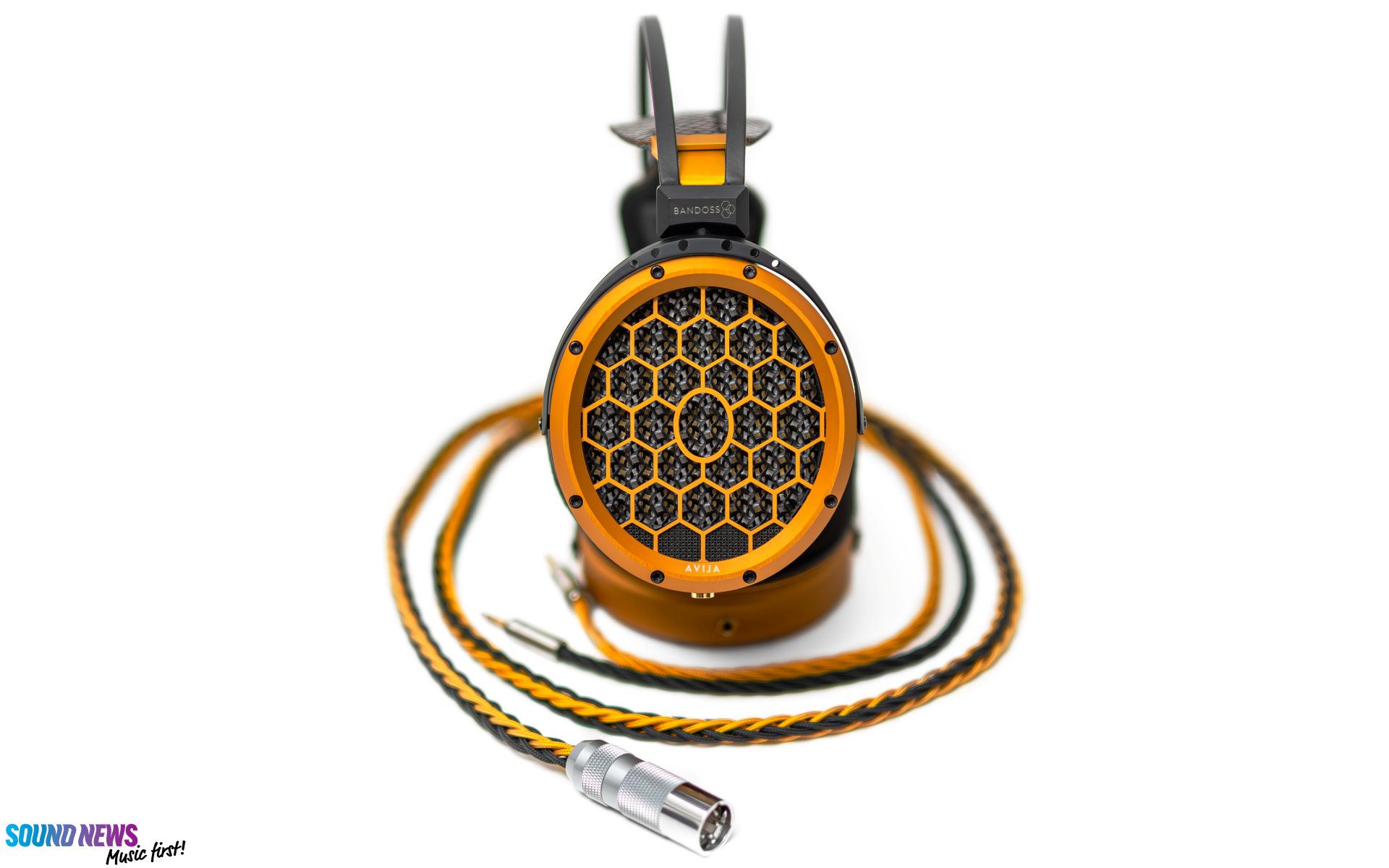
The Avija, in its earliest form, was never meant for you or me. It was meant for Frank, and that fact alone explains a lot. From the moment you first encounter the Avija, it feels different. Not flashy, not desperate for attention, but confident in a quiet, almost old-world way. This is not the headphone you see sponsored on social media for months. It’s more like a headphone that someone calmly slides across the table and says: Listen to this. The industrial design is purposeful, the materials chosen with care, and the overall aesthetic feels less like a consumer product and more like a finely made musical instrument.
At its heart, the Avija is a planar-magnetic open-back headphone, a category beloved by headphone enthusiasts for its speed, control, and low distortion. But while many modern planars aim for exaggerated technical fireworks, endless treble sparkle, bigger-than-life soundstage illusions, or bass that flexes just because it can, the Avija takes a different approach. It doesn’t try to put a spell on you in the first 30 seconds. It invites you to stay for a while and listen.
But here’s where the story takes its most interesting turn. At some point along this journey, Frank did what all passionate creators eventually do: he let a trusted friend take a listen. That friend was Marco Patruno, the mind behind Marco Custom Cables, a name already well-respected among headphone enthusiasts for its craftsmanship and no-nonsense approach to audio cables. Marco heard the Avija more like an experiment or prototype. And that’s when the conversation shifted.
What began as a personal passion project slowly evolved into a shared realization: this headphone shouldn’t stay hidden. After many discussions, Frank and Marco came to the same conclusion. The Avija deserves to be heard by many others. Not mass-marketed, but offered to fellow enthusiasts who value artistry, intention, and musical enjoyment over technical parade.
That decision matters, and you can hear it in Avija’s tuning. You can feel it in its build. This is not a headphone that compromises comfort for looks or musicality for measurements. And like most serious planar headphones, the Avija rewards good amplification. Feed it properly, and it opens up, dynamics get physical, bass tightens, and the soundstage breathes and expands to peripheral vision. Treat it casually, and it will politely remind you that it was built for people who care.
In an era where audio often feels driven by algorithms, trends, and the race to be the next big thing, the Bandoss Avija feels refreshingly human. It’s a headphone born from one person’s dream, refined through obsession, and finally shared because two craftsmen believed the end result was something special.
If these are your kind of headphones is something we’ll explore in the rest of this review. But one thing is certain: the Avija isn’t here to shout. It’s here to play music beautifully on its own terms. Handcrafted in Italy and refined over the years, the Avija is built exclusively from premium materials, with no shortcuts taken and no compromises made. That level of intent, unsurprisingly, comes at a price. A pair of Avijas will set you back €5,000, a figure that includes all taxes and express shipping straight to your door.
And if you want to hear everything the Avija is capable of, there’s one final indulgence to consider. The special-edition headphone cable, hand-made by Marco Custom Cables, adds another €700 to the total affair, putting them up there with the finest planar headphones available on the market.
Before starting the show, let’s address some tricky questions to the people behind this beautiful project.
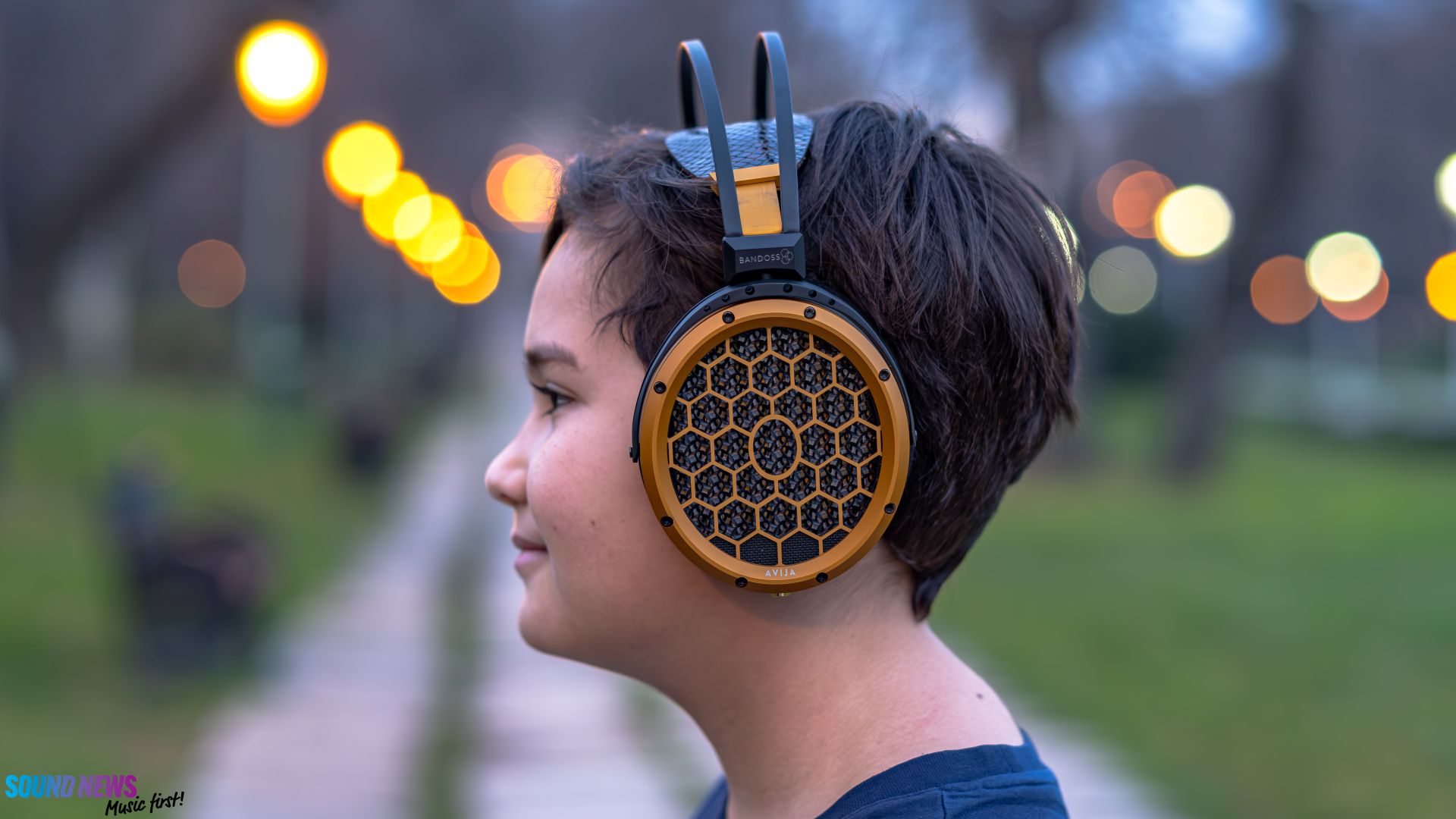
Q&A Session with Frank Catalano of Bandoss Headphones
Q1: Frank, it’s an honor to have you around here. The first question is always about the inception, spark, and inspiration. What was the lightbulb moment that made you decide to build your own headphones instead of simply buying the best on the market?
A1: It’s an honor for me. The spark for Avija was driven by a tonal philosophy, not market dissatisfaction. While high-end audio offers specialized excellence, I was searching for an uncompromised, holistic balance. My goal was simple: not to dominate one specific frequency range, but to achieve the highest possible standard across every metric simultaneously. This pursuit required total freedom. Having transitioned to a stage in life that provided me with both significant time and design expertise, I realized I had a unique advantage: unconstrained creative autonomy. No investors, no market pressure, just the pure mandate of acoustic research. The lightbulb moment was acknowledging that this independence was the key to unlocking true innovation.
Q2: The Avija looks like a handcrafted art piece. How do you balance aesthetics and acoustic performance during development?
A2: The principle is simple: Acoustic function dictates all form. The project begins with the driver, specifically, which defines the mandatory size and minimum weight. My goal was a timeless design, where proportions are correct, not fashionable. The sound was validated immediately by the 780-gram prototype, almost like a tank whose owners refused to resell it even for triple the price. That feedback led to the final Avija design, which dropped the weight by 200 grams, refined the aesthetics, redesigned the headband, and introduced proprietary pads. The only changes in the next batch, already in production, will be the addition of forward-angled connectors and a further weight reduction to around 500 grams, perhaps less. A final change will be to the driver frame, but that’s a separate note. After these final details, Avija won’t change.
Q3: Many boutique makers obsess over micro-details. What’s one small design choice on the Avija that took the longest to perfect?
A3: Without question, the Gimbal! For the cups, the concept was clear from day one: a single, monolithic body for the acoustic chamber and membrane coupling. The intense work there was purely engineering, devising the internal geometry to allow the CNC machine to mill it correctly. The Earpads required sheer persistence. We went through dozens of prototypes, each demanding weeks of CAD design, factory production, and shipping, only to fail the final test. After six months, we got the first viable earpad, but it took another six to achieve the final version. I simply cannot use an aftermarket earpad; Avija’s sound requires an Avija earpad. But the element that truly drove me mad was the Gimbal. A simple bracket would have sufficed, but the aesthetics demanded a complex, industrial style. Any experienced designer or machinist knows the sheer difficulty of carving that cursed shape from a solid block of aluminum. I became obsessed; if I tried to surrender to an easier design, I was unbearable for days. It became a vital obsession: it had to be made that way, cost be damned. In fact, the Gimbal ended up costing more than the entire Cup assembly.
Q4: I’m wondering if you tried any unconventional materials during prototyping and rejected them?
A4: I evaluated professional 3D-printed technical materials, but while they offered cost-effectiveness, their advantages were purely economic. Saving a single cent was never a consideration; performance and longevity were paramount. I immediately rejected plastic printing as I simply refused to build a plastic headphone. My preferred material was Magnesium, but milling it presents significant safety risks due to its high flammability. Furthermore, Magnesium casting would compromise the prestige of manually machining every component. Therefore, aerospace-grade aluminum was the reasoned choice. Every single structural part of the Avija, including the small end-pieces for the leather headband, is CNC-milled from solid stock. The only other prestigious alternative would be fine wood, but my current expertise does not extend to high-end carpentry. Should I ever find a woodworking partner capable of meeting my exacting standards, a wooden Bandoss model is a possibility I would embrace, as I truly appreciate the material.
Q5: If you had to describe the Avija sound in one sentence to someone who has never heard them, how would you describe them?
A5: The Avija offers a darker, mature, and analytically truthful sound signature, intentionally tuned to be non-fatiguing over long sessions, and entirely stripped of any artificial frequency enhancement or auditory “wow-factor” coloration.
Q6: Which headphone inspired you the most, and which inspired you the least, while tuning the Avija?
A6: Acoustically, the Audeze LCD-4 was my primary inspiration, as I deeply appreciate their tonality and sound signature. From a build perspective, I admire Final and Abyss for the quality of their aluminum machining processes. However, I am particularly envious of Meze’s design competence. Their build quality is evident, but I perceive a deeper knowledge of available materials and fabrication techniques; their products exude design intent from every aspect. On the other hand, from a purely engineering perspective, I find all Japanese audio products fascinating. They employ a construction logic that seems quite unusual to a Western designer. While intriguing, like all things, one doesn’t fully grasp; I cannot practically derive direct inspiration from them, as their approach to design philosophy is fundamentally different.
Q7: If the Avija had a genre it was born for, what would it be?
A7: The Avija’s dynamic capabilities and output are ideally suited for the energy of Metal and Electronic genres. Furthermore, the headphone truly excels, offering its highest fidelity in the mid-to-low frequency range, which allows it to naturally dominate the complex textures of Fusion Jazz, Vocals, and Guitar performances.
Q8: Do you believe planar, dynamic, or electrostatic technologies have the strongest future, and where does Avija fit into that future?
A8: Forecasts for the next five years suggest a robust growth rate for high-fidelity headphones integrating new wireless technologies, which will absorb much of the major brands’ R&D effort. Conversely, the high-end wired headphone sector is stable, defined by the peaceful coexistence of the three current technologies. I believe dynamics and planar drivers will continue to coexist, satisfying distinct preferences. Devoted Stax users will maintain their allegiance to electrostatics. While some dynamic enthusiasts might transition to planar, I see no compelling reason for planar technology to definitively render dynamic drivers obsolete.
Q9: How do you know when a headphone is done? Is it measurements, listening sessions, or pure intuition?
A9: My initial obsession with measurements was leading me toward building a headphone that already existed. With a necessary degree of conscious risk, I abandoned that path and focused on extensive listening sessions centered on a specific test-track list. The tuning process was genuinely complex; every minor adjustment to one frequency band often compromised two others. I knew the Avija was complete when, in direct comparison, I managed to achieve the sub-bass extension benchmark set by the Abyss 1266 on the opening notes of the track Angel by Massive Attack. While the 1266’s dynamic precision in that specific passage remains unsurpassed, I was able to achieve an even lower frequency response without detrimental effects on the rest of the tuning. At that point, I accepted that maximum sonic potential had been reached and shifted the final efforts toward aesthetic refinements.
Q10: What kind of amplification or chain do you feel brings out the Avija’s true character? Any personal favorites?
A10: I developed the Avija primarily using the Benchmark HPA4, due to its extreme analytical transparency, a necessity for critical development phases. Personally, however, I use the Burson Soloist Voyager, which I consider a musical and warm take on the hypothetical HPA4 sound. The best user feedback consistently points towards tube amplification. Crucially, I have absolute certainty that the Avija requires adequate and high-quality amplification; otherwise, it performs merely as another standard headphone, or perhaps worse. I strongly advise against purchase if suitable electronics are not owned. Paradoxically, this does not mean expensive amplification, simply adequate. I have received excellent reports with units like the Audio-GD R28 (around €1000), and I even use them satisfactorily with my NiPO N2 DAP. However, there is a definitive performance threshold below which the Avija simply cannot sound correct.
Closing Words: Thanks for the exhilarating Q&A session! We can’t wait to see (and hear!) what Frank Catalano cooks up next. Until then, keep the internal fire blazing and the tunes playing!
Frank’s Closing Words: Thank you, Sandu, and to all your supporters and followers. This has genuinely been a fun and highly engaging interview. I wish everyone excellent listening and good music!
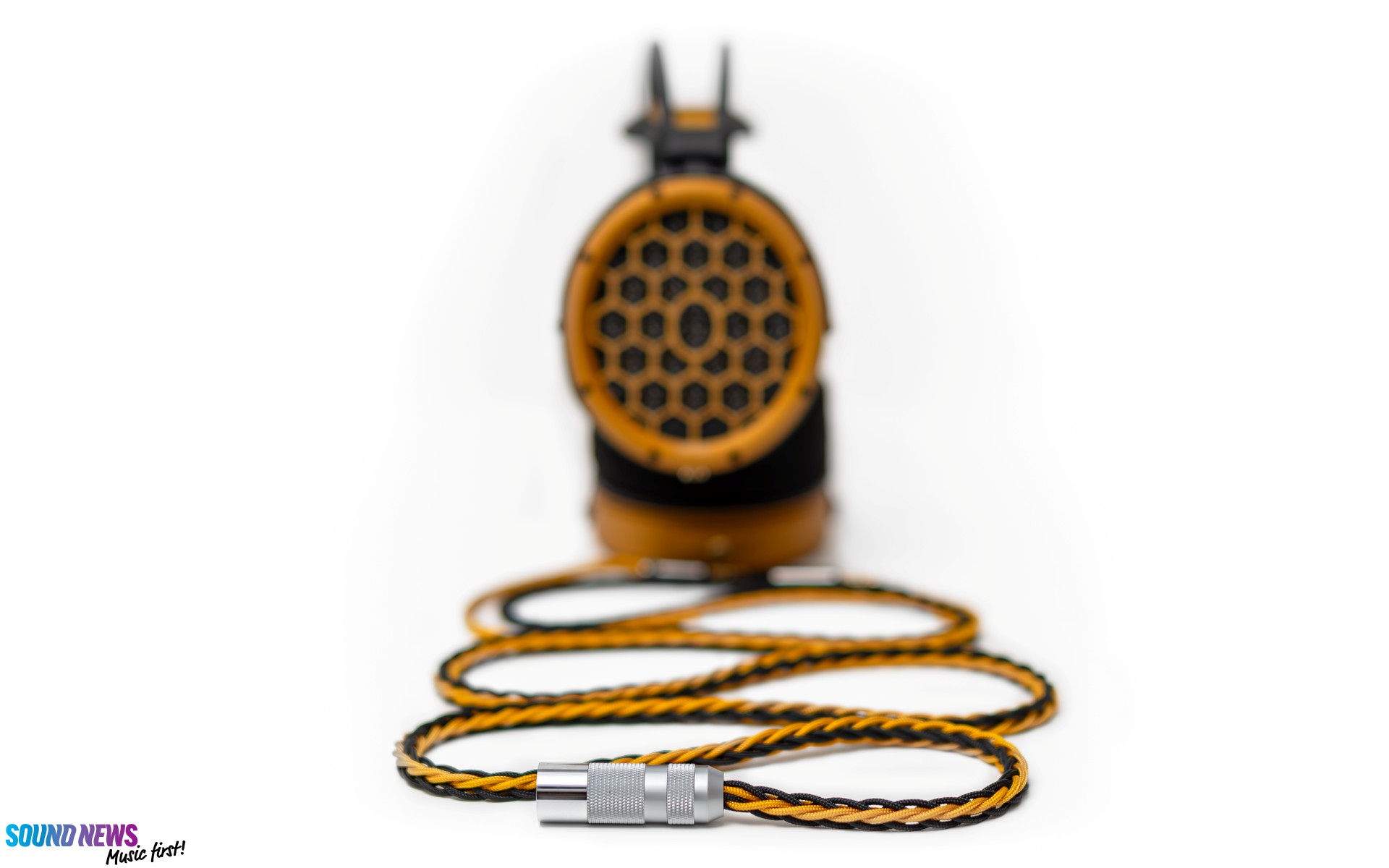
Q&A Session with Marco Patruno of Marco Custom Cables
Q1: Your cables rank among the most beautiful third-party headphone cables available today, crafted with unmistakable Italian flair. We’re curious: the Avija headphones are made in Italy, while the Avija Special Edition cable is produced in Australia. How did this cross-continental collaboration begin, and what brought you into the project?
A1: My background is in product design, so a big part of my work revolves around both function and form. A cable should deliver exceptional sound, but it also needs to complement your setup visually and feel effortless to handle while you’re immersed in your music. I’ve been crafting cables for over five years now, always striving for excellence in quality, build, and aesthetics. I was born and raised in Milan, but moved to Sydney in 2007, and never looked back! I still visit my family once or twice a year, and on my last trip to Italy, I met Frank and discovered the incredible Avija. Funny enough, I initially visited Frank for a completely different reason; I wanted to buy a headphone amp he had for sale (the Gold Note HP-10, a fantastic piece of kit!). That’s when I first listened to the Avija and saw its CAD technical drawings. They were stunning, clearly the work of a true expert. I was so impressed by the craftsmanship and sound quality that I bought a pair on the spot. Frank even assembled a set just for me and delivered it to my door in Milan, 200 km from his workshop! Since then, we’ve had countless conversations about audio and become great friends. That’s when the idea of a special collaboration was born: creating a bespoke cable dedicated entirely to the Avija.
Q2: Could you share more details about the Avija Special Edition cable itself? We’d love to know which conductors you selected, the gauge you chose, and whether you felt this particular design complemented the Avija’s sonic character as naturally as we imagine.
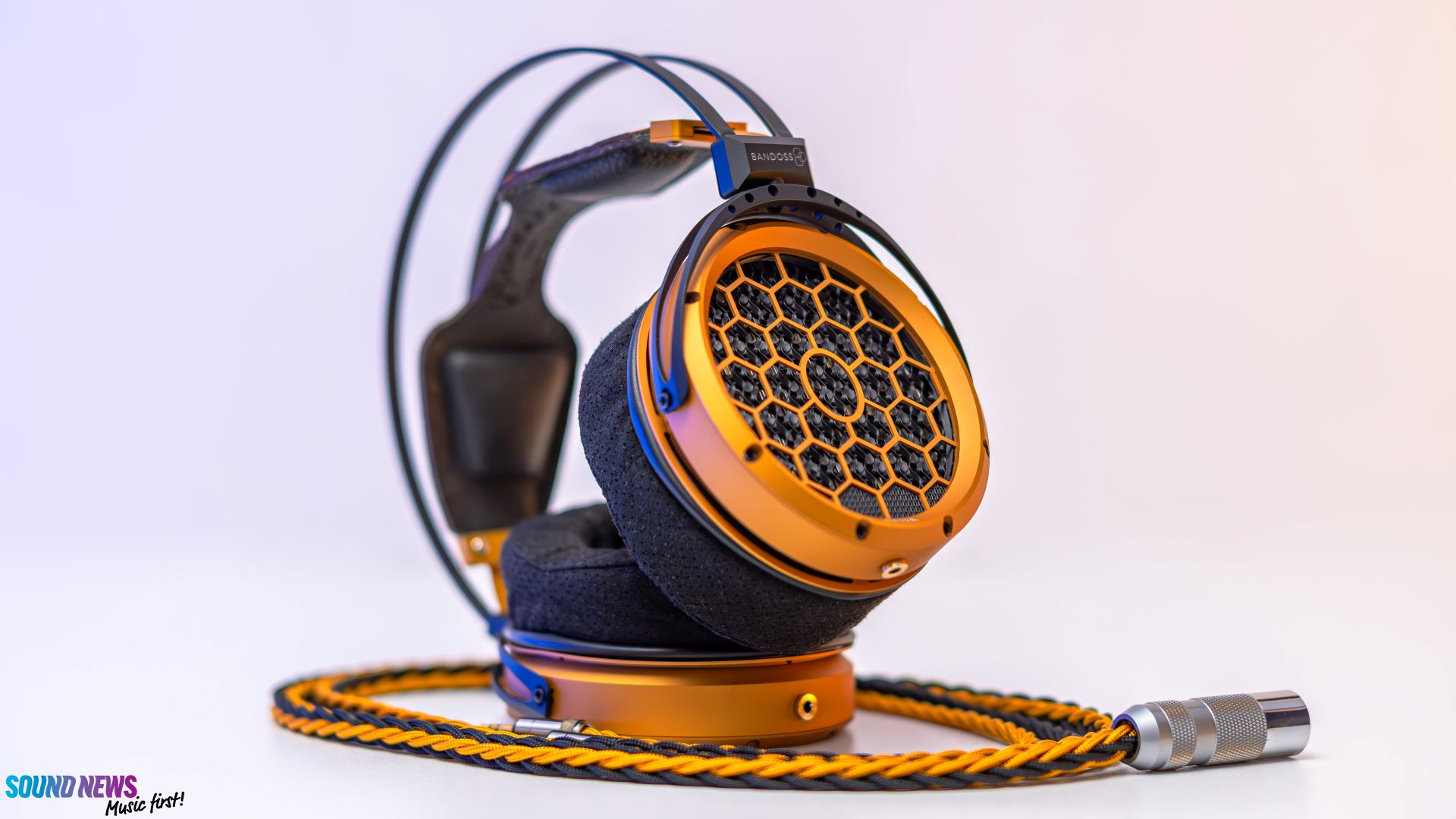
A2: I’m against generalizations like “silver plated means brighter” or “copper enhances bass”. Headphone cables are mostly a matter of experimentation and synergy with a particular set of cans: that’s the way I justify to myself having about ten flagships in my workshop! After listening extensively to the Avija, I thought that rather than “mitigate” its fantastic “dark” character, which makes it different from any other flagship, I wanted to delve into it. You can’t bend the nature of a transducer or the sound achieved by an expert tuner like Frank. I needed to do justice to Avija. Therefore, after experimenting with over a dozen conductors, I settled for 8 cores of 24AWG OCC copper and graphene mix: the result is an even bolder sound without sacrificing detail and stage…and of course, I needed to find the best way to complement Avija’s exceptional aesthetics; therefore, I opted for a honey yellow and black sleeve for my cable, hand-braided, splitter-less, which is actually my little secret to keep the cable light, pliable, and streamlined.
Q3: Are there any future headphone or cable collaborations already in motion or any dream projects you’d like to pursue next?
A3: After the launch of the Avija in the market, I have received many collaboration enquiries. For now, I’m focusing on Avija, but I’m in talks about a future project with Frank, which unfortunately I’m not able to disclose yet!
Build Quality & Looks
The moment I put my hands on these, I realized that the Avija are…different. Different in how you handle them, different in their aesthetics, different in material choices, even on the inside, things are quite different. Instead of choosing a time-tested design, Frank went in exactly the opposite direction and crafted something from scratch. If you check Bandoss Headphones’ social media, you’ll quickly realize that there were dozens, if not tens of Avija designs that were discarded and improved upon.
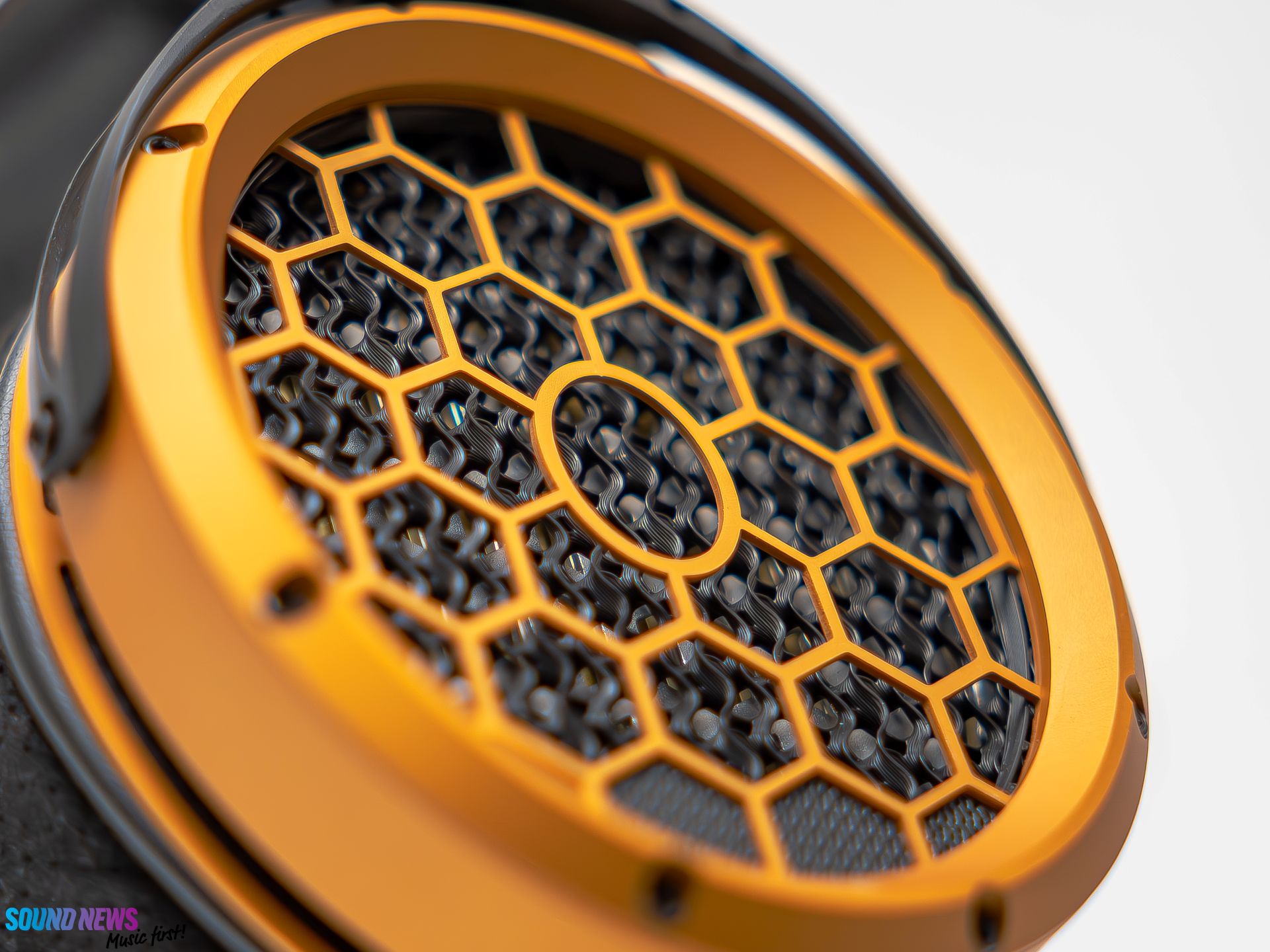
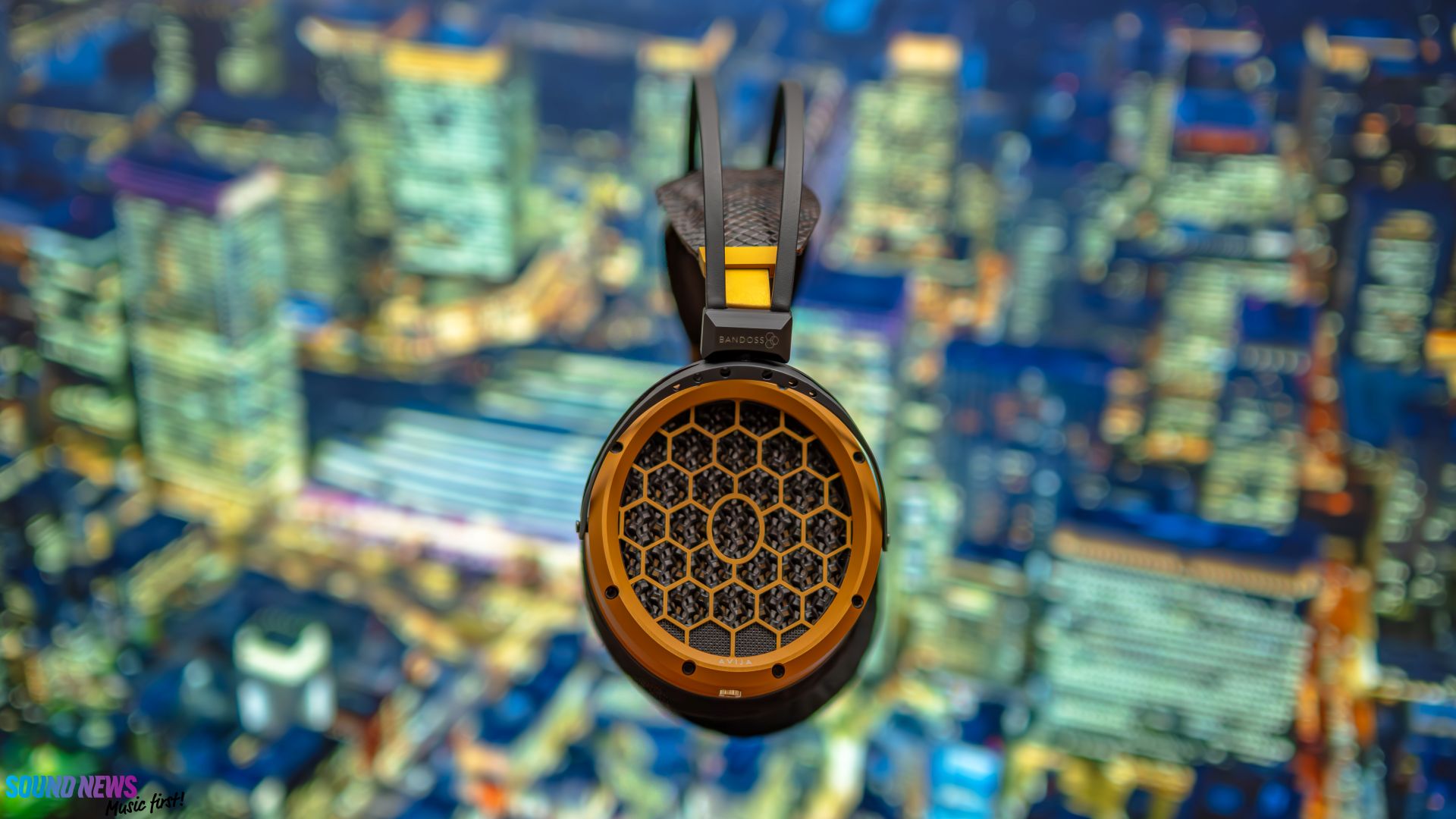
Every Avija headphone is made entirely out of aerospace-grade aluminum, the same type you see used on spacecraft and even in high-end audio applications. The Cayin Soul 170HA that I reviewed just a couple of days ago also uses aerospace-grade aluminum, which is virtually indestructible. One thing is for sure: these earcups will probably outlast you. The second thing you’ll notice is the earcup size. These things are massive, and if you thought Sennheiser HD800S had massive earcups, then think again, as we have much bigger headphone drivers on board and similarly sized earcups. The only inconvenience we have with the Avija is that you cannot swivel the cups side to side; they only move up and down. Initially, it was considered a rotating cup design, a must-have feature for professional DJs…but let’s be real, how many DJs do you know that use €5,000 open-back headphones at loud gigs? That’s right, none! Ultimately, it was decided on a fixed-cup design that enhances stability on the head, letting you focus on listening to music, rather than finding the perfect spot for a couple of minutes.
The third thing you’ll notice, but only when carefully looking for a couple of minutes, is the tolerance! There are a couple of high-precision craftsmanship headphones on the market; the best that come to mind are Meze Elite and T+A Solitaire P. You can easily add Avija to this short list; it is milled to perfectionist levels of precision. Every nut and bolt is tightly secured, and I think you’ll also appreciate the soft leather headband that can be securely locked in place with two screw type locks for enhanced comfort long term. There are many other benefits for fixed earcups listed on their official webpage. I’m not bothered by this design decision, as some of the most comfortable headphones I own, like the Kennerton Rognir, Arkona, and Sennheiser HD800S, also do not swivel side to side; they only swivel up or down.
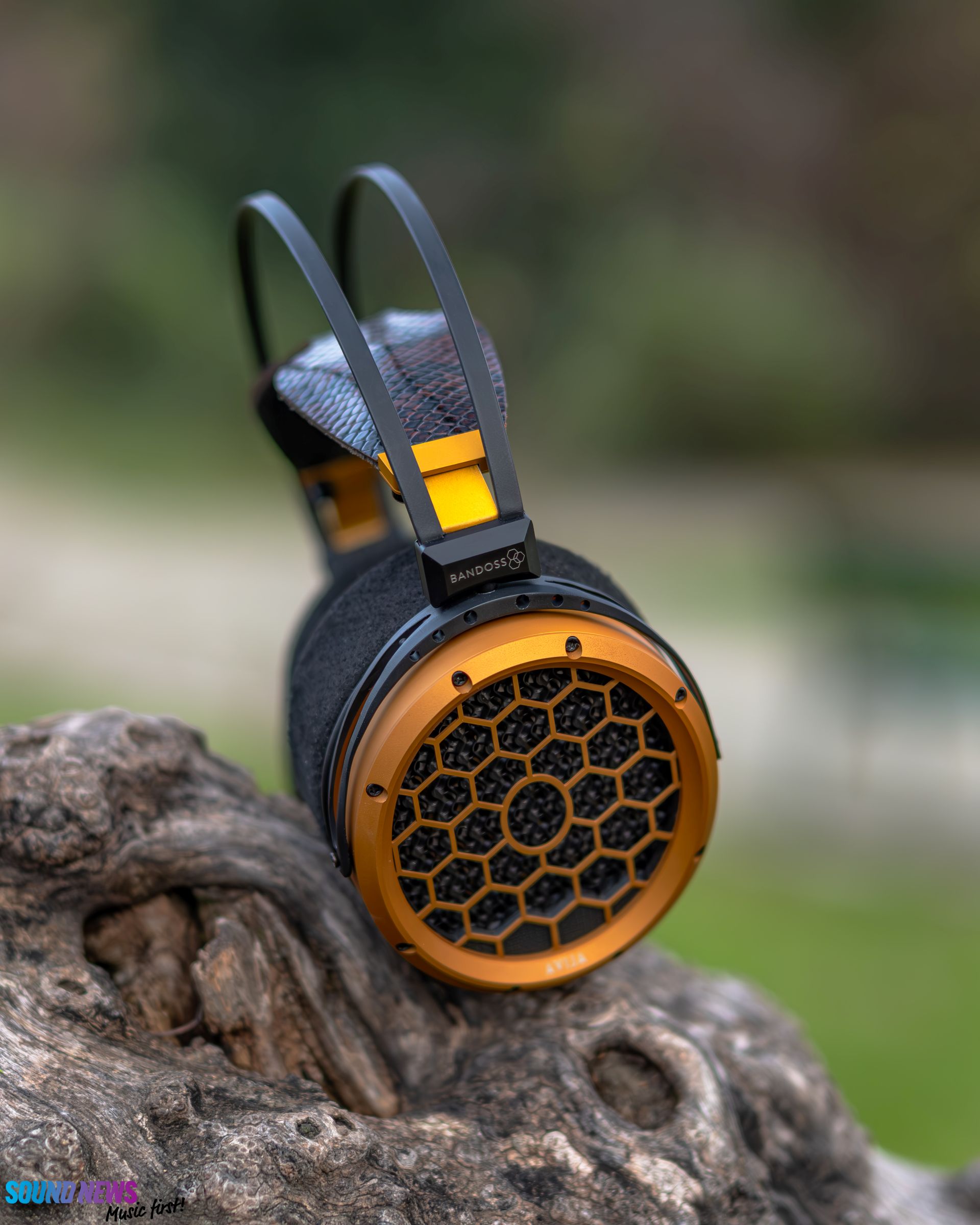
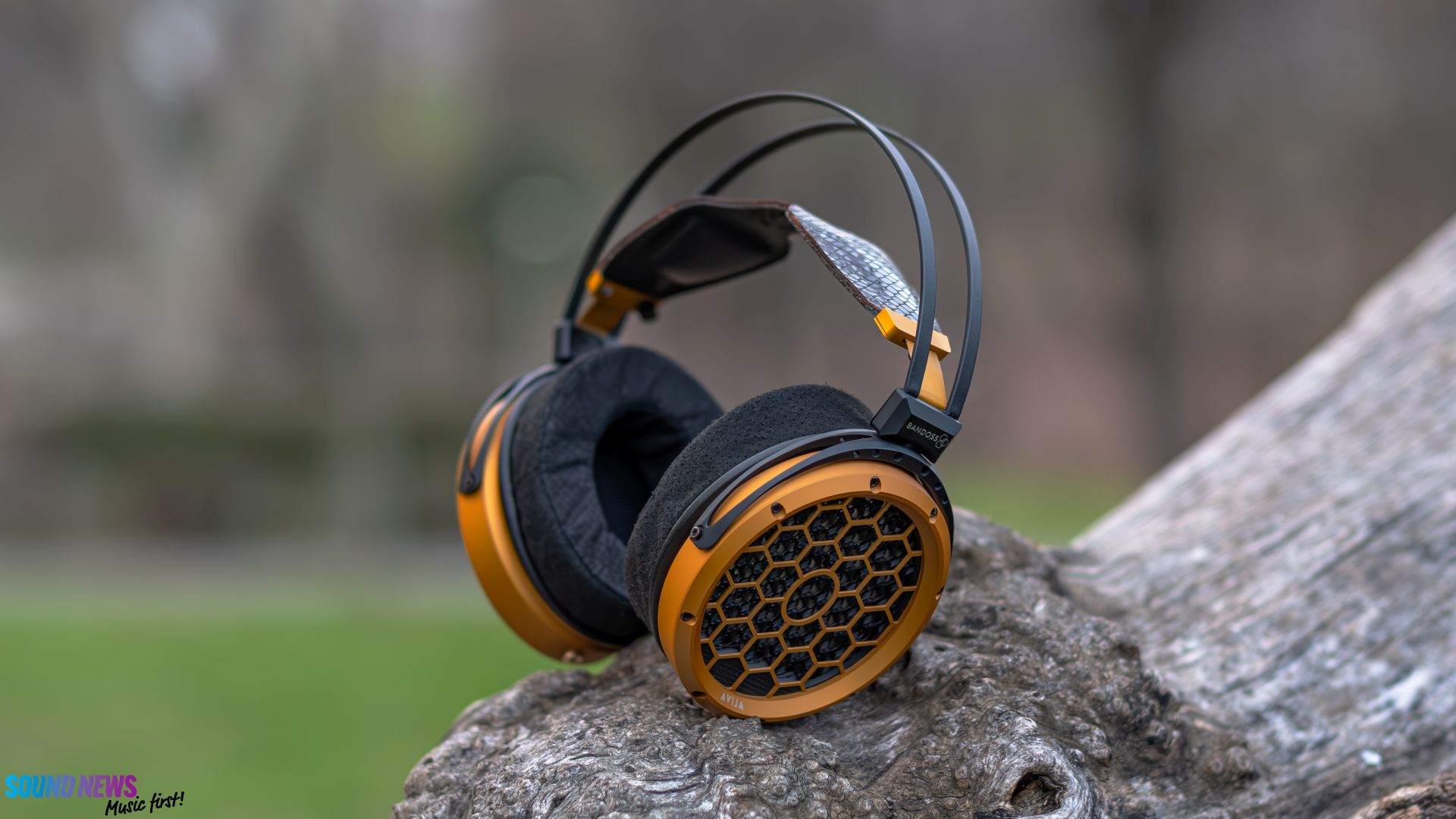
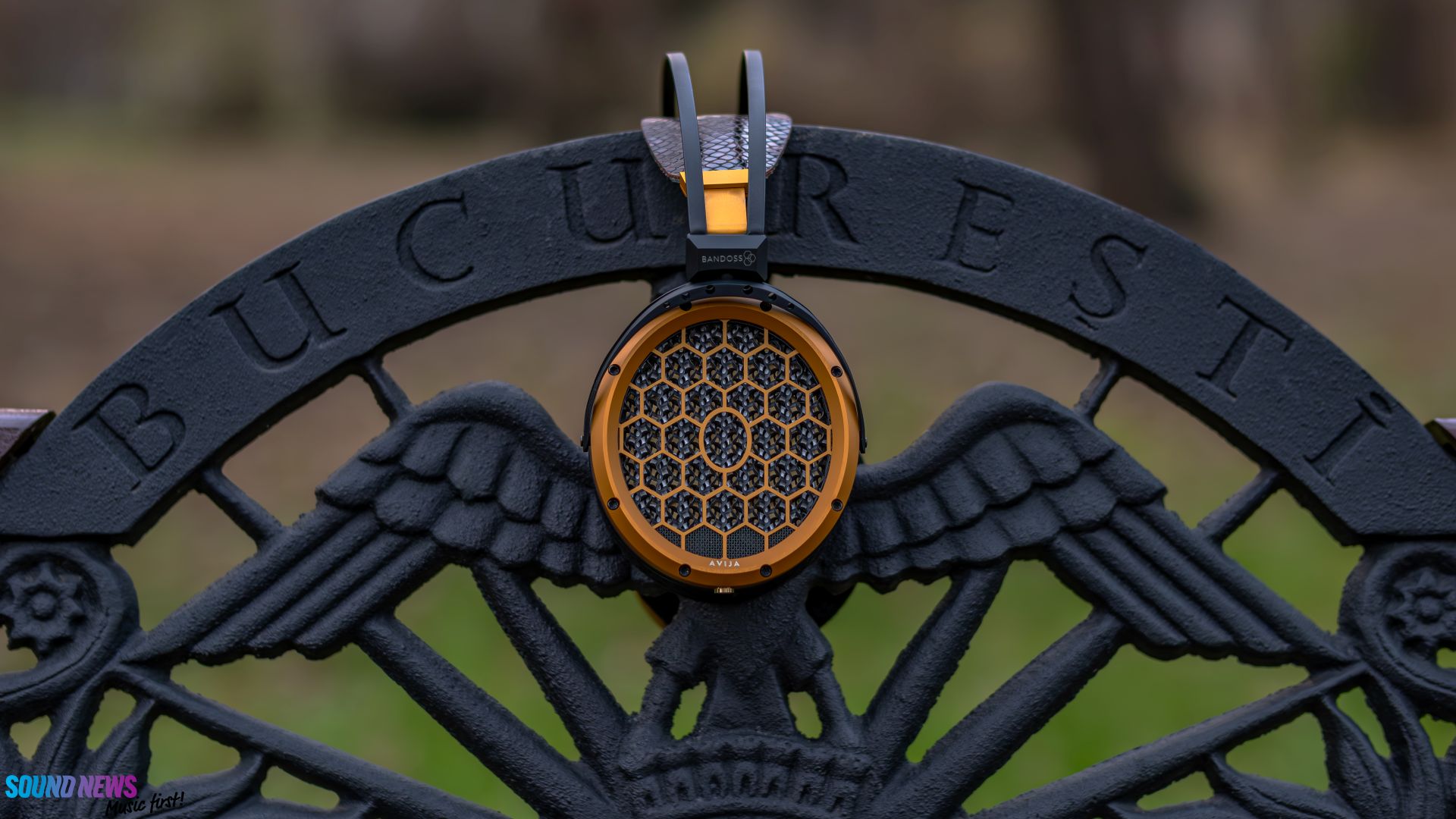
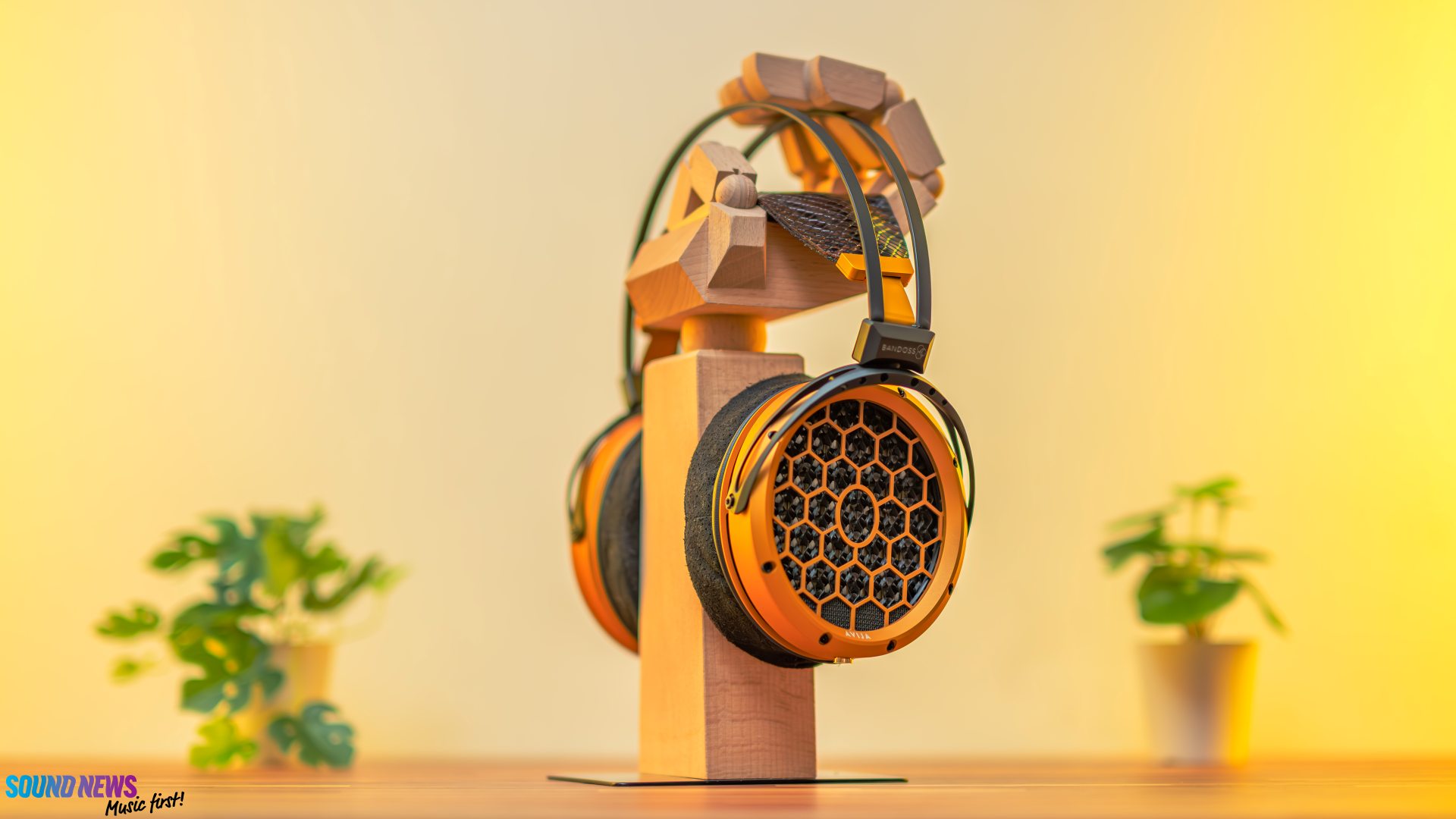
The headband is made out of genuine Italian embossed leather. A vegan leather option is also available for animal rights advocates, and if you want a more unique look, a snakeskin option can be requested, and that’s the look of the loaned Avija I have on hand.
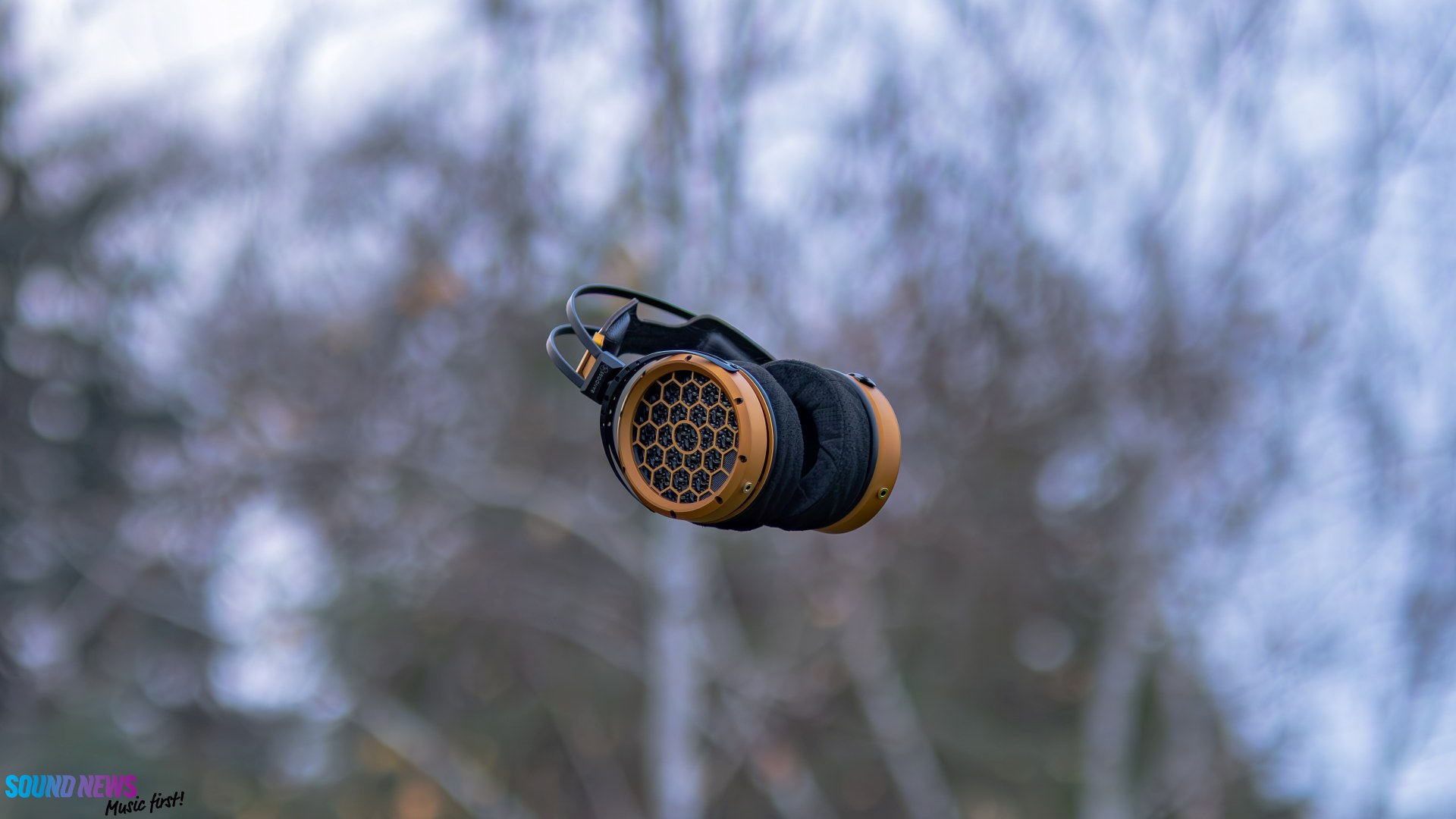
The Earpads are made of microfiber with a memory foam interior. The firmness/rigidity of the memory foam was determined through extensive testing with various densities and head sizes. If you’re curious, the initial choice for earpads was genuine leather that would look identical to the headband, but, incredibly, the microfiber provided a more natural sound tuning, scrapping the idea of using leather in the later stages of development. Furthermore, the microfiber earpads can be rotated to modify the tuning slightly. You will notice that rotating the narrow part downward increases the bass response, while rotating it upward gives you more detail in the high frequencies. Rotating them will also slightly alter the soundstage. Personally, I enjoy a deeper earpad option that breathes in the summertime, and that’s exactly what we have here.
One little thing I found tucked away in the package is a metallic certificate of authenticity that lists the production date, serial number, and the exact color you chose. It also mentions the headband type and the headphone cable. This isn’t a crazy attention to detail; this is almost madman attention to the most minor things.
Last but certainly not least, these weigh ~592 grams, making them among the heaviest planar headphones on the market, but they are still not quite as heavy as the heaviest metal cans, such as the Abyss AB-1266 TC (640 grams), Audeze LCD-4 (735 grams), or the Erzetich Charybdis (740 grams).
Comfort Level
Machined yokes and earcups made them sturdy; a metallic headband with a real leather headrest was added to the frame for maximum durability. Sturdy components were cleverly put together, trying to lower their mass as much as possible. I wish boutique and high-end headphone builders would give higher importance to weight, as people like me don’t use them for 20-minute listening sessions or as pieces never to be touched in an Art Nouveau living room. We use them for hours on a daily basis, we don’t have Arnie’s necks, and that’s why their weight should be as low as possible without compromising their build quality. While these aren’t the most comfortable headphones I’ve ever put on my head, I seriously think that Frank struck a nice balance between sturdy and comfortable, which very few headphone builders have attained.
There is a bit of side pressure applied, a bit more than what I’m getting from the Elite, Arkona, and Solitaire P, but thanks to thick memory foam earpads, the pressure is quickly normalized and evenly distributed around the ears. While at first, I can feel a higher side pressure applied compared to the T+A Solitaire P, I can still wear these for a while longer, since none of the pressure is applied on top of my head, and this is where I believe the Avija shines. Once properly locked in place by the screws on the headband, you will be surprised by their firm stability, no matter what you do. I tend to head-bang and toe-tap while enjoying the music, and there are a couple of headphones that do not let me do that due to poor stability (take a look at the Abyss AB-1266…they offer zero stability). Wearing the Avija I can move around the office, rearrange my table, change audio components, do measurements or simply rock hard to the rhythm of the music, and they will still stay put firmly on my head.
It takes some time to find a perfect spot with a pair of Audeze and Abyss headphones, but with the Avija, you just put them on your head and…that’s pretty much it. I can go on and on about how much thought was put into their build quality, attention to detail, comfort level, and that wouldn’t be enough. Their creators found a nice balance between heavy-duty, comfortable, and great-looking, and if I can wear these headphones for more than two hours straight, then every day put into perfecting every small detail wasn’t in vain.
Tech Inside their earcups
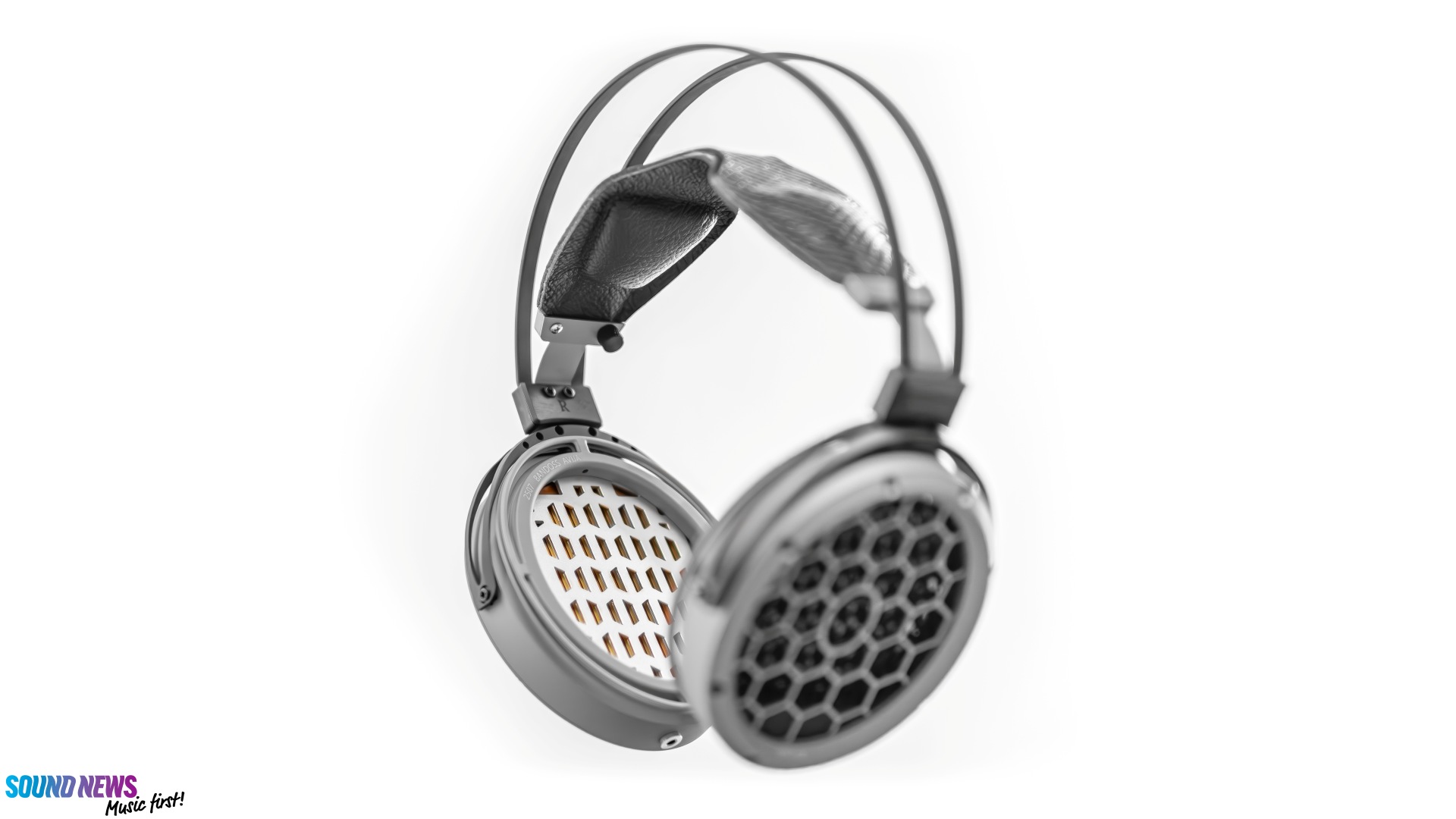
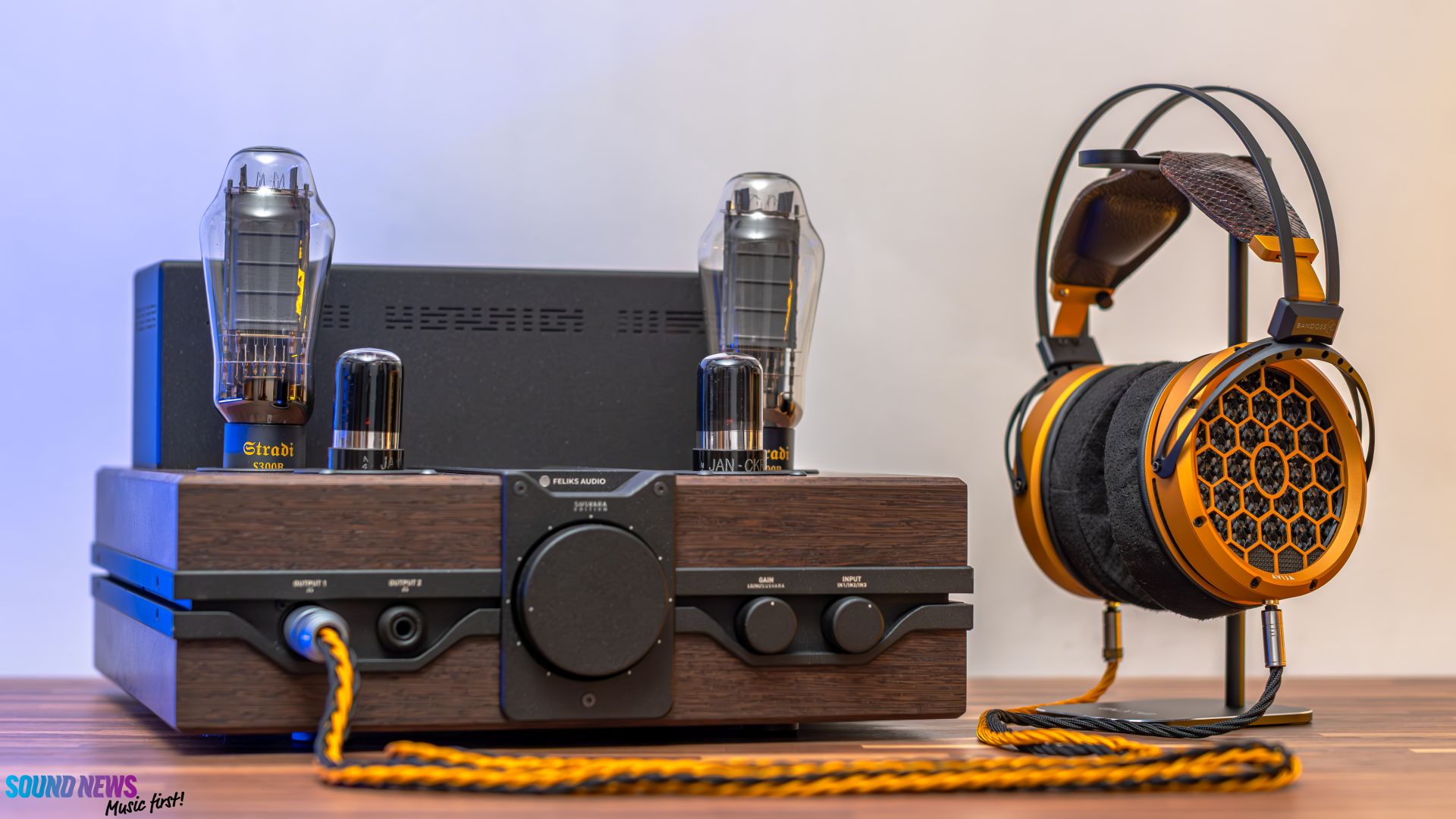
Frank envisioned a single, no-compromise pair of headphones for his own use, but it’s not known if he will pursue closed-back designs or dynamic driver-based headphones in the distant future; only time will tell. The Ajivas are naturally open-back planar headphones that use one-of-a-kind gold-coated drivers…a similar technology to what we already saw on the HiFiMan Susvara OG. The impedance sits at 44 Ohms, and their sensitivity is at 89dB per 1mW of power. With this information at hand, I will mention right from the start that these are power-hungry headphones. Instead of gulping volts as many high-impedance headphones do, they swallow gobs of current. Ideally, I recommend using only pure Class-A biased amplifiers with the Avija for the best results. For tube heads, take a look at the Cayin Soul 170HA or Feliks Envy, and for the solid-state aficionados, a Burson Soloist Voyager or an Enleum AMP-23R would bring the best out of them.
We have a double-sided magnet structure, and these aren’t ordinary Neodymium N50 or N52 magnets you can find in commercial headphones, but the highest-grade ones that offer the highest magnetic flux of ~1.52 Tesla, used in some of the best headphones on the market. These are called N55 NdFeB (Neodymium-Iron-Boron) magnets, representing the peak in magnetic strength, offering significantly higher magnetic flux and pull force in smaller volumes than lower grades like N50 or N52. These also offer the highest residual flux density, of around 14.6 to 15.2 kgs (or 1.46 to 1.52 Tesla).
Only the magnets alone weigh 200 grams, and that’s more than a third of the total weight of the headphones, but since these are the highest performance magnets (and I presume the priciest, too) available to mankind, it was all worth it in the end. A double-sided magnet structure has a single downside: it’s twice the price! However, the added grip over the headphone drivers will be felt immediately, and more about that in a minute.
Avija Special Edition Cable
History remembers Marco Polo as the great explorer who traveled the Silk Road, carrying stories, ideas, and treasures from Asia back to Venice. Centuries later, another Marco begins his own journey, not on horseback or by ship, but across hemispheres. Born in Milan, Marco Patruno ventured as far as Australia, eventually settling in Sydney, where his passion for craftsmanship would take shape through Marco Custom Cables.
Both explorers, in their own way. One mapped distant land; the other explored sound, chasing purity, connection, and the invisible thread that carries music from source to soul, bridging components, systems, and ideas, forming a crucial link in Avija’s story. It’s a romantic parallel, perhaps, but in high-end audio, romance and obsession tend to walk hand in hand. As Marco puts it, the Special Edition cable uses eight cores of 24AWG OCC copper and graphene mix, resulting in an even bolder sound without sacrificing detail and stage. If you fancy a beautiful-looking cable that matches the Avija’s hue, it will cost you an extra €700.
Test Equipment
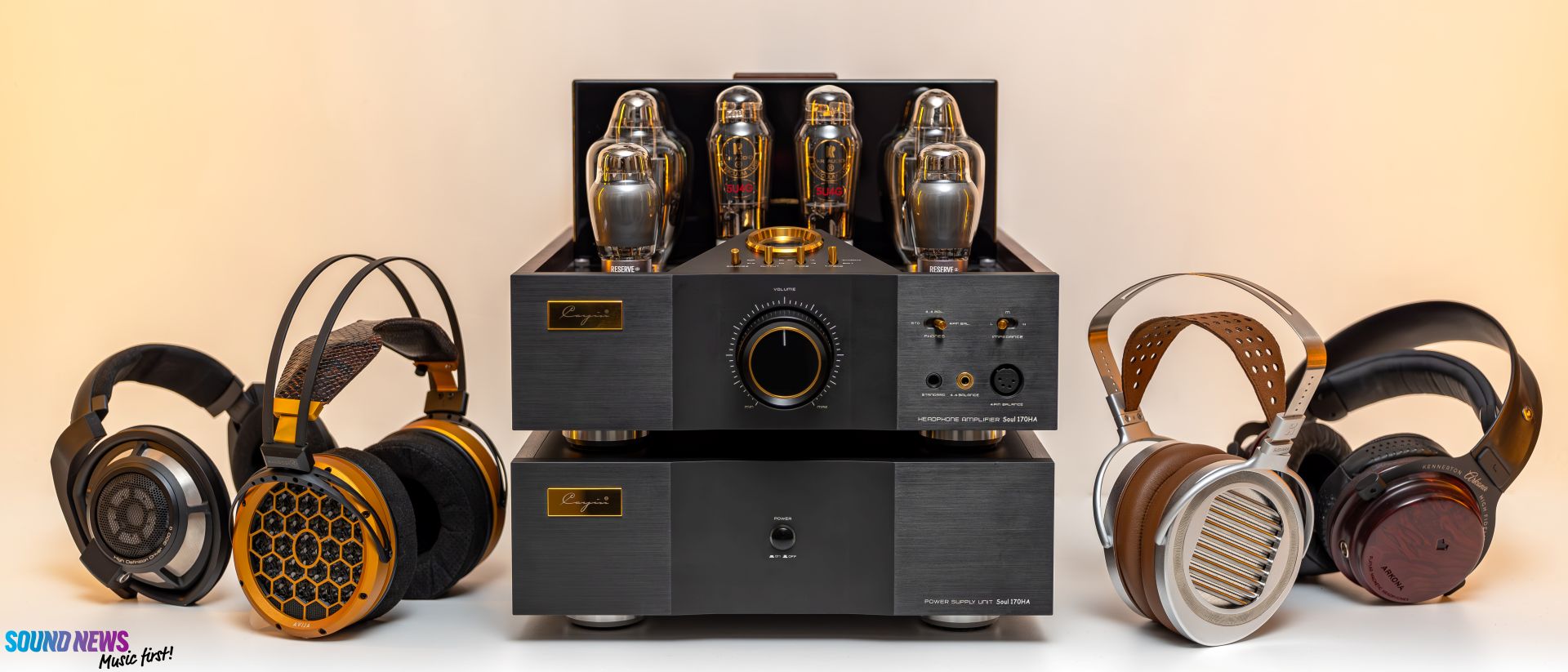
A flagship pair of headphones will need a flagship headphone setup to shine at its best, and that’s why I went a little overboard with electronics. I used a Rockna Wavedream Reference Signature DAC and streamer ($27.000), followed by a couple of headphone amplifiers of a similar quality. The marvelous Feliks Audio ENVY Susvara Edition (€13.000) is supposed to squeeze the last drop of performance from them, and this is what I’ve used most of the time. A Cayin Soul 170HA ($8500) and a Burson Soloist Voyager MAX ($4800) were also used on several occasions to strengthen my initial impressions. All cabling used was of AudioQuest Dragon breed (power and interconnects). A KECES IQRP-3600 balanced power conditioner powered everything mentioned above, and with that out of the way, I’m ready to hit some eardrums!
Sound Performance
I. Preliminary Impressions
Was it a planetary alignment, luck, or pure coincidence, but the day I received the loaner Avija, Meze Audio’s Community Manager, Dragoș Alexandru, was also at my place listening to a couple of headphone rigs I assembled over the years, and we were able to take a closer listen to the Avija together with proper hydration made by yours truly. Right off the bat, we observed a quantum shift in tonality compared to the sound we usually get from top-of-the-line cans. Instead of focusing on an upper-treble uptick, sparkle, and an out-of-head soundstage dancing all around our heads, the Avija was laughing and defying every notion that flagship headphones were trying to hype to cloud nine. Upper treble sparkle came in right doses, but never went overboard; the upper treble energy seemed subdued, almost shushed, making room for a more cavernous midrange and full-bodied bass. Oh boy, and what an outstanding pulsating bass it was!
Instead of getting the single-noted bass deliveries of single-sided magnets, the bass wasn’t only incredibly physical and visceral in its delivery, but it felt extremely nimble and controlled, down to the lowest octaves. “Challenge accepted,” I shouted, and a second later, I started playing underground rock and electronic tunes meant to break the transient response with irregular rhythms and dynamic shifts. The Avija didn’t break a sweat, and instead of muddying things as underpowered and underwhelming headphones do, they were able to beautifully control every upbeat, every down-tempo, and every lightning-fast kick, relentlessly pounding my eardrums. Dragoș was next, but after seeing his smile as he was trying to capture a few shots, his initial reaction answered all of my questions. We both love bass-heavy riffs and a healthy dose of midrange warmth, things that were masterfully done on the Avija.
To be frank with you, I don’t remember a single pair of headphones I’ve put on in the last five years or so that gave me goosebump moments, feelings of standing alone on top of the Carpathian Mountains. When everything aligns nicely, and I start connecting with my tunes, it’s almost like looking deep inside me, wiring myself to the Universe, uploading and downloading information through the power of music. Marco hinted that these might sound like a pair of Audeze LCD-4 on steroids, and unsurprisingly, this thought never left my mind, as it really represents the core sound principles of the Avija. The steroids part, however, doesn’t talk about their tonal balance or frequency response, but about their technicalities…which are world-class in every meaning of the word, and let’s discuss that.
II. Resolution & Detail Retrieval
The most resolving headphones I tested thus far are HiFiMan’s Susvara Unveiled, closely followed by the T+A Solitaire P and Susvara OG. With any of these, you can be sure that nothing will be hiding in the shadows anymore, and in no time, you’ll start hearing nuances that were supposed to stay hidden. Even if Avija’s treble peaks take a forever sabbatical vacation, they still walk in close circles with the Susvara OG and Solitaire P, especially if a well put together headphone rig does the heavy lifting. Feed them with clean power that never switches off the power transistors (Class-A), and the Avija will start digging deep into your music and into things that you weren’t supposed to hear. Into all of the good and bad stuff. You should, however, never worry about bad mastering or poor mixing, as they won’t flash treble spikes at you.
I wish you good luck trying to enjoy less-than-perfect recordings on the Solitaire P and Susvara Unveiled, even on tubed amplifiers and R2R ladder DACs. Sometimes their (un)healthy levels of treble energy spikes can go overboard, and there’s nothing stopping them from ruining a short listening session; all of that, however, seems like a long-forgotten dream on the Avija. The trebles do not seem lacking in definition or leading edge. I can still hear a ton of nuances lingering in there; only their sharpness appears to be taken care of, and their intensity subdued, relaxing the sound to a considerable degree.
I’m often asking myself: how does the whole treble region seem so relaxed and easy on the ear, yet I can still hear so many things popping here, there, and everywhere? It almost doesn’t make any sense, yet it does! While this is the most organic tone and timbre I’ve experienced in the last few years around SoundNews’s HQ, it’s also one of the most resolving pair of headphones, outperforming all-time favorites such as the Erzetich Charybdis, Meze Elite, even HiFiMan’s HE1000, and Isvarna won’t deliver similar levels of micro-details.
I’m glad that boutique headphone makers are challenging themselves to make cleaner, higher-resolution cans. I was gob smacked when I first tried the HiFiMan Susvara six years ago, but now almost every TOTL headphone offers a similar level of information to the listener. Every new flagship headphone made big jumps towards the truth, and so did Frank with his Avija. I hear a tiny resolution drop versus the Susvara OG, and there’s maybe a 5% drop versus the Solitaire P, putting them slightly above the Erzetich Charybdis, Meze Elite, Audeze LCD-5, and much higher compared to Audeze LCD-4, Sendy Audio Peacock, and many others.
There are no longer painful peaks in the upper treble, so you won’t bite your tongue on treble-intensive music, and you won’t wonder where the sub-bass is when modern tunes are playing. There are indeed a few small gaps in the treble (as all headphones do), but everything feels right, defined, and well preserved. From the sub-bass up to the top octave, you get a complete picture of your music without items placed on the second row. Considering that Bandoss Headphones is (almost) a one-man show, I can only congratulate Frank for such an excellent technical performance.
III. Power Requirements & Amp Pairings
There are three simple factors that add up on the Avija and directly affect its power requirements. The first is their low impedance, which already suggests that their drivers are mainly current-driven, with little to no voltage requirement to push and pull those diaphragms. Secondly, their low sensitivity of 89dB, combined with a low impedance, already suggests that they require significant power to handle 110 dB peaks, meaning only power overwhelming amplifiers will properly control their driver movements and sustain longer-than-usual bass notes. Thirdly, we are dealing with a gold-coated diaphragm that improves tensile strength, completely eliminates long-term oxidation, and adds rigidity and mass to the driver assembly, making it harder to drive.
All of these things combined suggest that you won’t be able to fully unlock their potential with a USB dongle or Bluetooth thingy. Hell, even most portable digital audio players won’t be able to offer a satisfactory sound pressure level, let alone a head-banging performance. You see, the HiBy R8 II, together with the RS8, are thus far the best sounding DAPs that passed through my hands, and even if both are capable of driving even demanding loads such as the Sennheiser HD800S or the T+A Solitaire P, they weren’t able to fully energize the Avija, barely reaching a sustained SPL of 95 dB.
Long story short, if you have €5,000 to blow on a boutique pair of headphones, then you should prepare a similar amount for a headphone amplifier. There are a couple of headphone amps that disguise themselves as ultra-powerful, usually made by Topping and SMSL, and while they will be able to offer a ton of headroom, I’m unable to connect with my tunes with such amplifiers. There’s no connection to the music, stripping away the dirty pleasure of sitting on a sofa with a glass in my hand and simply nodding to the rhythm of the music.
If you need my advice, look no further for fully discrete, ideally Class-A amplifiers, in either solid-state or tube-based form. Anything that’s fully discrete, rocking transistors, triodes, or tetrodes will fully energize the Avija, especially if it pulls at least 100 Watts from the wall, the more = the better. From the affordable options, the Flux Labs Mentor at $1,299 per unit or $2,599 for a punchy duo comes to mind. If you combine two of them, then expect the God of thunder to pay you a visit once in ~5 seconds. Pumping 33.5 Watts per channel into 32 Ohms, they can drive standfloor speakers, let alone the Avija or any other headphones available. Pure madness mixed with strong spirits and a little bit of Kharkiv courage. The only problem is that the Mentors are coming out in small batches when bombs aren’t dropping like rainfall, and only when electricity comes back online. Yes, such things still exist in 2025 on the Eastern European front line.
Another banger of an amplifier than won’t cost an arm and a leg would be the Burson Soloist GT4, the Standard Package will make your wallet $2,499 lighter, but this is one of the finest amplifiers I ever tried with planar headphones and if you can stretch your budget a bit, then their Soloist Voyager feels like the last solid-state amplifier that you’ll ever need. Seriously now, it has everything, including a high-current Class-A bias that will move Ajiva’s diaphragm like it’s child’s play.
Pitting them against the rest of my TOTL cans, they are more or less as insensible as the Susvara Unveiled and a bit harder to drive than the Solitaire P, so yeah, the power requirement is no joke, and you should think about that in advance, before clicking on the buy now button.
IV. Nut Cracking Dynamics & Transient Response
After trying just about every planar-magnetic heavyweight out there, I’ve noticed a recurring phenomenon. What started as a wild guess a few years back has now turned into a firm conviction: double-sided magnet-powered planars are the ones that deliver the hardest punches in the lowest octaves. They also happen to be some of the tightest-sounding, since one side of the magnet array is pushing while the other is pulling, a beautiful but expensive solution for strong bass authority and control.
With a magnetic flux of a little over ~1.52 Tesla, courtesy of top-grade N55 magnets (as opposed to the more common N52 found almost everywhere else), the Avija brings the thunder every single time a bass note lands on your eardrums. This is dangerously close to bass-head territory, and I’m not exaggerating. It doesn’t quite reach the absolute extremes of the Abyss AB-1266 or T+A Solitaire P, but it lives in the same neighborhood, give or take ~5% in sheer quantity.
Fully energize them, and long, deep eardrum massaging sessions will commence. And don’t just expect punchy sonics on world-class amplifiers, expect them to shake your skull and rattle your bones when paired with the right music. These headphones can get unapologetically physical with uplifting tracks, and after running them through every genre imaginable, it became clear that both the quantity and quality of the bass are nothing short of spectacular.
I don’t consider myself a bass head, but after throwing on some particularly wild drum & bass tracks, I caught myself nodding and smiling uncontrollably as if something genuinely great had just happened. The Avija consistently delivers an extra dose of bass while maintaining impressively high resolution and exceptionally low distortion. Without a doubt, this is one of the cleanest bass renditions I’ve ever experienced from a pair of headphones. For bass-intensive music, it’s borderline game-changing.
So yeah, crazy dynamics might as well be their middle name, but that performance comes at a cost. Not only do you need to set aside serious funds for the headphones themselves, but you’ll also need a top-tier headphone amplifier, DAC, and streamer to unlock everything they’re capable of.
What You Know You Know You Know, and LA Beast by Infected Mushroom (available on Qobuz and Tidal) just dropped on streaming platforms a few days ago, and naturally, I had to give them a spin. For the uninitiated, expect psy-trance voodoo vibes slathered with heavy rock riffs, the kind that sticks in your head and refuses to leave for days. Every single release by the Mushrooms is unique in its own right, yet they always maintain that unmistakable signature soundscape that makes each track simultaneously mind-bending and irresistibly dance-inducing. In classic fashion, we’re treated to a long, intense, and emotional build-up that gradually increases the tempo, continuously layering more and more percussion. The clever trick here is that it never feels like the tempo is accelerating; instead, it gives the illusion of constantly resetting itself. I could easily fill an entire page explaining everything I love about these singles and about this band of musical renegades, but briefly put: from the ominous opening thumps that set a sense of danger overhead, to the orchestral guitar synths and heavily modulated vocal samples, to the sudden mid-track shift in mood, this near eight-minute-and-a-half musical manifesto of emotional havoc is an adventure all on its own.
And the Avija? It never slowed down for a microsecond, and it never flinched. Even during the most intense passages, everything held together beautifully, as 105 dB sub-bass peaks blasted straight into my eardrums. Energy levels went completely overboard, yet the bass remained clean, tight, and devastatingly impactful. No smearing, no collapse, no loss of control, just relentless drive delivered with composure and authority.
V. Soundstage & Imaging
Before diving into Avija’s soundscape, depth, and layering, let me first take a brief detour into my loudspeaker journey. I began with small, active near-field speakers and later built a passive stereo setup in my living room…. which right now costs more than the apartment itself, but shush! Don’t tell it to my wife. Over the years, I swapped them out frequently, at least twice a year, and three key observations have stuck with me through it all.
First, larger woofers move more air, which directly improves the scale of the music. Bigger woofers expand the stage, widening it in all directions, almost as though there’s more music spilling to your left and right. When I experimented with larger cabinets, particularly after trying several floor-standing speakers, I noticed that better damping behind the drivers and longer bass ports improved the layering and low-end delivery, making everything feel effortless. I was initially skeptical that larger cabinets could have such a profound impact on layering, but the difference was undeniable, so much so that I couldn’t go back to regular bookshelf speakers. Finally, when I tested deeper cabinets, the sound itself became deeper, and I finally understood what people meant by having a soundstage that felt bigger than the room, as though the music was coming from outside the walls.
When you combine all three elements: larger woofers, better damping, and deeper cabinets, you’re left with a massive sense of scale, depth, and layering that feels completely natural, effortless, and real.
I’ve shared this to highlight just how crucial the design of a loudspeaker (or headphone) housing is to the final sound. I’m a firm believer that the same principles apply to headphones, because the most expansive-sounding ones often have the largest drivers and the deepest ear cups. The Avija belongs to that category. With 97×90 mm drivers, these are among the largest diaphragms out there, not far off from the Erzetich Charybdis and Audeze LCD-4. This substantial driver assembly, combined with the deep earcups and earpads, delivers a sound that’s not only open and wide but also incredibly transparent.
That said, the Avija isn’t gunning for the biggest sound I’ve ever heard from a headphone. That crown is still contested by the Erzetich Charybdis and T+A Solitaire P, both of which still reign supreme in my collection. The Avija, while not as expansive in scale, offers a cozier listening experience. Imagine the soundscapes of the Meze Elite or Audeze LCD-4, and you’ll get the idea. The Avija draws you in, placing everything a bit closer to your face. In the context of HiFiMan headphones, I’d say the Avija sits just above the Susvara OG but falls slightly behind the Susvara Unveiled and HE1000 Unveiled in sheer scale.
That said, even if the Avija doesn’t push the sound out as far, it never feels claustrophobic. The sound is never too personal or too intrusive; it remains comfortably within arm’s reach.
What truly sets the Avija apart, though, is how beautifully the sound breathes. It doesn’t just sit there; it expands in all directions, adding a palpable sense of depth and layering that many flagship headphones today seem to lack (*cough LCD-5 cough*). I can only assume that the exposed driver assembly and the microfiber earpads with memory foam inserts play a significant role in giving the sound that 3D, airy quality, a sense of openness and space that’s more important than sheer scale alone.
Frequency Response
VI. Bass
From a measurement’s standpoint, Avija has some of the most linear bass deliveries starting with 20 Hz, there’s not even a 1dB roll-off in there, none! As if Frank drew a line with a pencil from 20 Hz up to around ~1000 Hz. Everything in there is a straight line, but we aren’t discussing pesky measurements; we’re discussing a real use case, put on several amplifiers and playing every musical genre known to man. As previously mentioned, these will deliver the thunder with bass-intensive music and will sustain long organ pipes with orchestral work. The quality of the bass is pretty much on par with the Solitaire P, and that’s the biggest compliment I can offer to a pair of headphones. While I no longer own the Audeze LCD-4, and I’m constantly regretting selling them a few years ago, the Avija offers a similar quantity, but a much better quality, sounding much cleaner in the lowest octaves and more importantly showing additional nuances from the deepest bass pits. Without an immaculate bass rendition, there’s always a sensation that something’s missing, as if the soul of the music was stripped away, as if the sound’s weight and body are no longer there. Avija was designed as a statement piece that could be used with every musical genre, and yes, there’s a ton of oomph, always sounding full-bodied and weighty even on less-than-perfect headphone setups. These provide everything a bass-head would ever desire. There is a good extension down low; there is a lot of depth to it, it’s clean and speedy when needed. This is a highly resolving type of bass, similar to that we get with upper echelon headphones, delivering layers and sub-layers of bass. We are getting tight control over the bass, so it won’t spill into the midrange. These stop on a dime thanks to a double-sided magnet structure, and very few headphones are capable of similar performance.
VII. Midrange
Okay, folks, listen up. I appreciate it when headphone makers are trying to up their game in terms of technicalities, and I feel that in the last 5 years or so, it was always a race of who can deliver more on the micro scale, faster transients, and a bigger sound…while sometimes forgetting about what this hobby is all about. We are here for the love of music in the first place, for the butterflies in our stomachs, for the poetic words, for feeling on top of a mountain, detaching ourselves from this AI-driven world. Let’s have a short look at the latest releases. HiFiMan’s Susvara Unveiled is more technical than the OG…but where’s the soul, where’re the soft, intricate, and sweet vocals of the original? How about the Audeze LCD-5 versus the legendary LCD-4? Everything was botched with the five…the sub bass, the midrange, the stage, a big disappointment if you ask me. I’m glad Meze Audio still holds to their heritage and still delivers a sound that’s closer to my heart and soul, and I hope they won’t change soon. The Avija reminds me why I love this hobby; it reminds me why my son chooses to listen to them over many other models I have on the wall. Because music is vibration and emotion combined, music is life, and we need a connection to it. With the Avija, I do not need long rituals to get in the mood; I don’t need a drink or a quiet moment, I just need to put them on my head, and everything that follows is of their making. Avija’s midrange is pure; it’s soft, sweet, and seductive. The vocals, both male and female, sound as if somebody is singing in your vicinity, and when vocals are masterfully rendered, everything else matters so little that it’s almost unimportant. The midrange is where the soul of the music is lingering; play it right, and it will conquer your heart. Play it wrong, and everything feels unreal and disjointed. The Avija makes me feel a bit younger; it offers some sort of freshness and vividness, as if the music is a bit more saturated. The colors, the textures, everything’s a little boosted, and that includes the listening pleasure, too. I can go on and on about their most important skill, but one fact remains: from the latest headphone releases, this is the one I want to listen to when the lights go out, and tubes start glowing in the dark. It’s the one that makes my life ever so slightly merrier.
VIII. Treble
I was top of my class in Mathematics and Physics back in my hometown, and let me tell you something I learned during my university years: gold is often misunderstood in audio applications. Its value in planar drivers has nothing to do with mysticism and everything to do with material stability. Gold is extremely chemically inert (it doesn’t oxidize over time), it’s highly ductile (able to flex repeatedly without micro-cracking), and it offers uniform conductivity across its entire surface. In a planar driver, the conductive traces (gold in this case) are bonded to an ultra-thin diaphragm that moves millions of times. Any inconsistency in conductivity or mechanical integrity inevitably shows up as micro-distortions, phase irregularities, and surprise, surprise: high-frequency smearing! Why does this matter? Because localized stiffness differences are a significant cause of high-frequency ringing and treble glare. When the diaphragm stops moving unevenly, the treble stops spitting energy at you. Among all the headphones HiFiMan has ever produced, can you guess which one delivers the most natural treble? That’s right! The one that used gold traces: the Susvara OG.
This story repeats itself with the Bandoss Project, but to an even higher degree. On the Avija, I hear noticeably less edge, bite, and listening fatigue, yet without losing inner detail or definition. This might sound counterintuitive to some, but to me, it makes perfect sense. Yes, the treble isn’t as ruler-flat as on many other flagship headphones. Measurement-wise, we see a few roll-offs around 4 kHz, 10 kHz, and again in the upper treble. Some might argue that this should result in a loss of detail or intensity. In my experience, it only reduces intensity slightly, while the detail remains fully intact.
Everything still sounds crystal clear to me, just without the listening fatigue. The treble region may feel like a double-edged sword to some listeners, but after years of exposure to ultra-treble-intensive flagship headphones, sometimes you want a more relaxed listen. No bling-bling, no exaggerated glare, no artificial sharpness. And that’s precisely where the Avija fits like a glove.
IX. Comparisons
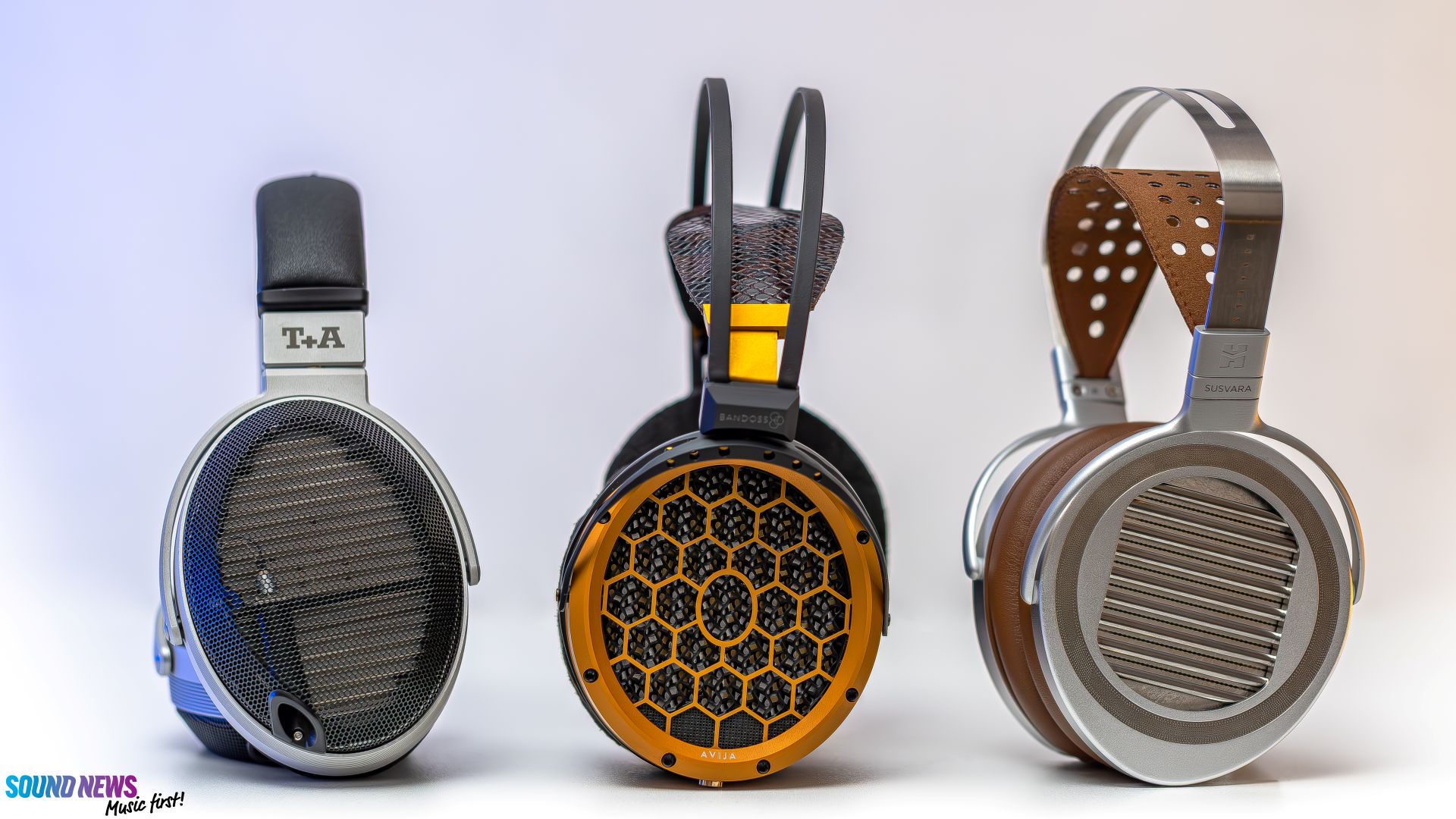
Bandoss Avija Precision (€5,000 stock/€5,700 with the Special Edition cable) VS HiFiMan Susvara Unveiled ($8000) VS T+A Solitaire P ($7900)
From my personal headphone collection, I feel that only the Solitaire P and the Susvara Unveiled truly operate on a level comparable to the Avija; everything else feels a step below and not quite there. All three belong firmly in the upper echelon, offering very few compromises.
I won’t dwell too much on aesthetics and build quality, but it’s worth mentioning that both the Avija and the Solitaire P feature noticeably thicker CNC machining. They feel more solid in the hand and exude a higher level of craftsmanship. These are among the most robustly built headphones I’ve tested, and if long-term ownership matters to you, any of these should easily last a lifetime. They feel borderline indestructible, and I genuinely appreciate their unconventional designs. Both are built to higher standards than either Susvara variant, with one caveat: they’re heavier and apply slightly more pressure around my ears. The Solitaire P ranks last in comfort, as it also exerts pressure on top of my head and feels less than ideal for extended listening sessions. The Unveiled, on the other hand, feels more fragile but is more comfortable over long periods, though if I factor in the veil system, it’s also the one most likely to fail first.
Blind testing was essentially impossible, as I know precisely how each headphone feels on my head, so I compared them the old-fashioned way. I’ll aim to be as objective as possible, suppressing my own preferences; my opinions are always my own, and that isn’t going to change. If you’re an avid reader, enjoy the showdown.
All comparisons were done in the morning, after a hot shower, two puffs of Audispray, a strong coffee, and after volume-matching everything at 90 dB using the MiniDSP EARS. These rituals are mandatory for me, as they ensure both my hearing and mood are at their peak.
Sound-wise, the Solitaire P and the Susvara Unveiled are much closer to each other than either is to the Avija, largely due to their similar tonality and technical performance. Both can be considered benchmarks in resolution and detail, offering slightly more information to the listener. If the Unveiled takes the crown for ultimate resolution, the Solitaire P follows closely behind, with the Avija landing roughly on the same tier. The key difference lies in the treble: there is zero treble ringing on the Avija, whereas both competitors exhibit some degree of it, adding bite and sharpness to the upper registers. The Avija deliberately reduces treble output and effectively eliminates listening fatigue, something that can creep in with the other two, especially on less-than-perfect recordings or when paired with entry to mid-level gear.
If the fun factor matters more to you than sheer technical prowess, the Avija ranks as the most fun-sounding headphone I’ve experienced in the last five years. It’s followed by the Solitaire P, then by the Kennerton Arkona alongside the HiFiMan Isvarna. For me, fun is all about that bass, its kick, sustain, and the sweetness lingering in the midrange. All of this shines on the Avija, and if you’re willing to prioritize musical engagement over analytical precision, it delivers the most organic and enjoyable presentation. The Solitaire P is slightly more impactful in the bass, but its mids aren’t as sweet or organic, and it loses some of the magic on acoustic music. The Susvara Unveiled is accurate, honest, and astonishingly resolving, but fun isn’t its defining trait. It becomes enjoyable mainly on overkill tube amplifiers and R2R ladder DACs; outside of that, I find it harder to connect emotionally.
When it comes to fast transients and punchy dynamics, I was genuinely surprised by how well the Avija keeps up. It may not be quite as lightning-fast when dynamics shift on a microsecond level, but it comes incredibly close, close enough to be nearly indistinguishable. The Avija excels with fast drum solos and electronic beats, easily ranking among the top performers when speed is required. The Solitaire P remains unbeatable in outright speed and impact, while the Susvara impresses with nimble, featherweight punches, fighting in a lighter boxing division, so to speak.
Tone and timbre, however, are where the Avija truly shines. It sounds closer to a real musical event than to a recording captured in the past. German engineering looks impressive under close inspection, but when it comes to tone and timbre, it can feel almost soulless in direct comparison. The midrange in particular is where the Avija excels; it’s the core skill the other two haven’t fully mastered yet. This is why the Avija stands out and may strongly appeal to musicians and music lovers alike: it doesn’t just play music; it connects you to it. The Susvara OG also excels here, but the Avija goes a step further, adding just a touch more fullness and physicality. The Unveiled loses some of that magic; the added resolution makes vocals feel more ethereal and less intimate, shifting attention toward the upper treble. While the mids remain refined, the faster diaphragm and increased clarity remove residual vibrations present in the OG, resulting in cleaner vocals and shorter instrument decay, at the expense of a small slice of musicality that the Avija retains. The Solitaire P doesn’t beautify vocals nor add sweetness to airy instruments, though pairing it with transformer-coupled SET amplifiers (ideally with 300B tubes) can inject some life back into the music.
Soundstage and imaging present a double-edged sword. The Solitaire P benefits from large drivers and cleverly positioned magnets that minimize acoustic interference, resulting in one of the most open-sounding headphones I’ve encountered, on par with the Erzetich Charybdis, and more impressive than the Sennheiser HD800. They’re spectacular with live recordings, though they don’t quite match the layering and depth of the Unveiled or the Avija. HiFiMan’s best impress immediately when you start counting layers and measuring distance between instruments; the stage deepens as if stereo recordings morph into binaural experiences, occasionally reaching magical heights. The Avija paints a smaller picture, closer, more intimate, and cozier. It zooms in slightly, sometimes making it feel as though the musicians are sitting nearby, playing just for you. Stereo imaging is strong, but the other two still pull ahead in precision and note placement; outlines aren’t quite as sharp on the Avija.
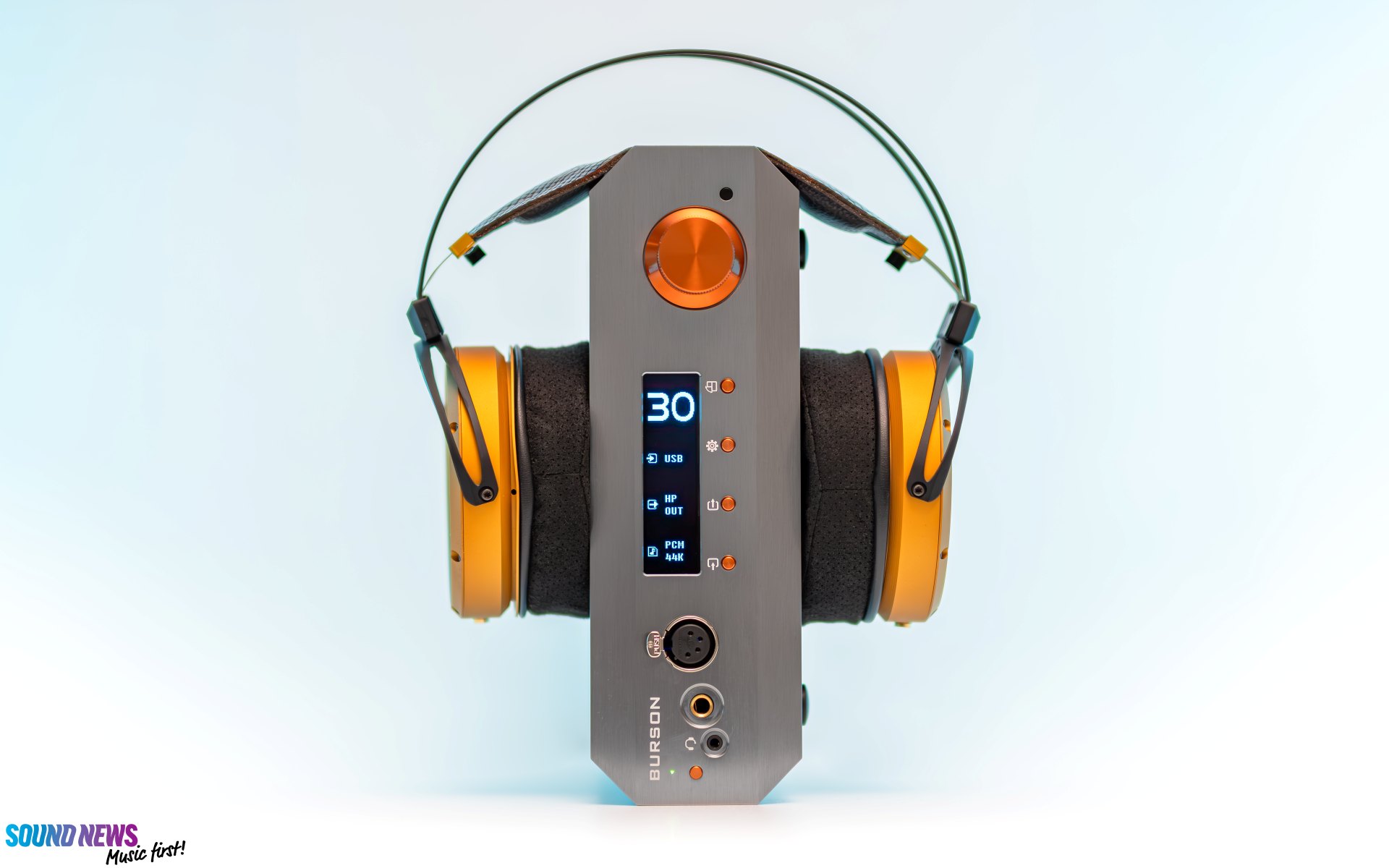
Lastly, all three headphones are relatively inefficient and demand serious amplification. The Solitaire P is the easiest to drive of the trio, though compared to other planars like the HE1000 Unveiled or Meze Elite, it still requires more power. It pairs well with several high-end DAPs and DAC/Amp combos. The Avija demands more current: on a Burson Soloist Voyager set to high gain via the 4-pin XLR output, I need to raise the volume by three additional clicks compared to the Solitaire P, and four fewer than the Unveiled. A volume position of 25 on the Solitaire P (90 dB) translates to 28 on the Avija and 29 on the Unveiled.
And there you have it. Three distinctly voiced headphones, each with its own strengths, its own philosophy, and its own magic. All unique, all special, and all deserving of their place at the top.
My Conclusions
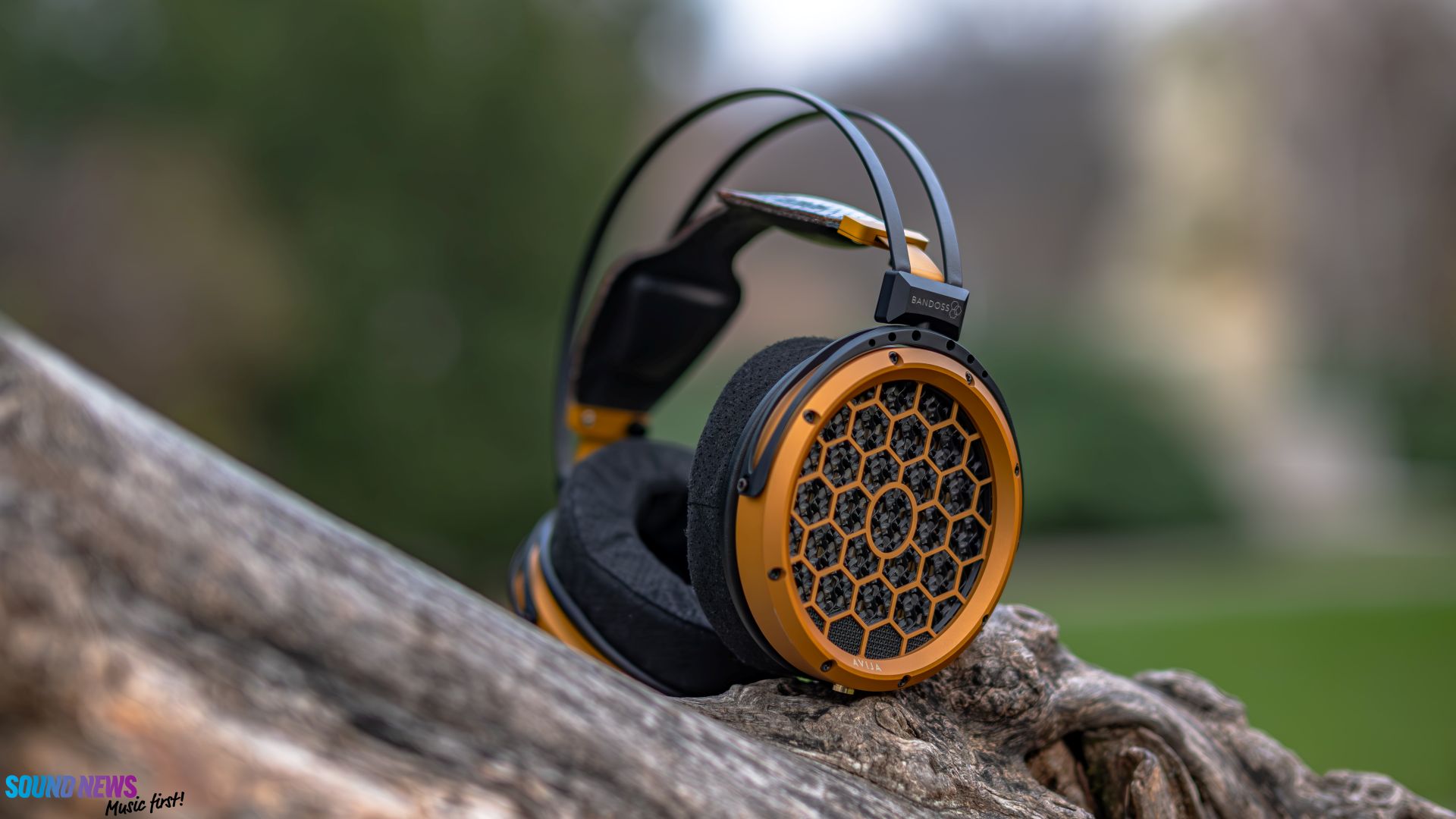
Most flagship-level headphones impress you the moment you put them on. They charm you with detail, flexing their technical muscles, making sure you know that you’re listening to something expensive. The Bandoss Avija takes a different path. It doesn’t try to win you over in the first minute, and it certainly doesn’t scream for attention. It feels like a headphone that was never meant to compete, at least not in the conventional sense. It doesn’t try to out-resolve the competition just for the sake of it, nor does it inflate its soundstage to create artificial grandeur. What it does instead is far more difficult; it delivers music with emotional gravity while still standing shoulder to shoulder with the finest planar-magnetic headphones.
Throughout this review, I’ve talked about their thunderous bass, midrange magic, treble smoothness, wild dynamics, and associated equipment needed to unlock their sleeping beauty. All of those matter, and the Avija excels in most of them. But none of those metrics alone explain why this headphone feels special. The real magic of the Avija lies in how cohesive everything comes together.
In a world where flagship headphones increasingly feel like technical demonstrations, the Avija dares to sound smooth and relaxing, prioritizing a bold tone and timbre over spectacle, flow over fireworks, and connection over perfection. And paradoxically, by doing so, it ends up being one of the most fun-sounding headphones I’ve heard in recent years. Resolution and the rest of the technicalities are all there, but none of it comes at the expense of musicality, which it offers in spades.
It’s also impossible to ignore the story behind it. Knowing that this headphone began as a deeply personal project, shaped by obsession rather than deadlines, changes how you experience it. You can feel the countless hours of refinement in its tuning, the confidence in its design choices, and the refusal to compromise just to appeal to a broader audience. This is not a product designed for everyone, and that’s precisely why it works so well for the right listener.
Make no mistake: the Avija asks a lot from you. It demands a serious investment, stoic amplification, thoughtful system matching, and a willingness to engage with music rather than consume it passively. They’re heavy, built to last, and priced firmly in summit-fi territory. But it gives back in equal measure, and I don’t remember having so much fun, while never touching my main stereo battle station. This is a headphone for late nights, for long sessions, for toe-taps and headbang moments, when you don’t want to analyze your tunes, but feel them with your whole being.
That’s precisely why the Bandoss Avija fully deserves our Highly Impressive Award, and I’m looking forward to Frank’s future adventures.

Of course, as with all things Hi-Fi, there’s always a touch of subjectivity in any review, including this one. I’ve done my best to stay objective and speak from both passion and experience, but your ears, your system, and your preferences might tell a slightly different story. So, if you ever get the chance, do yourself a favor and give the Avija a proper listen. A huge thanks to Frank Catalano for graciously providing the Avija Precision for this long-term loan & review. They’re now available directly from their web store for €5,000 or for €5,700 with the Special Edition cable included. Worldwide shipping, warranty, and full support are also included should anything go sideways.
If you take the plunge and have some burning questions, feel free to drop me a line in the comments section below. That’s all for now; Sandu’s signing off! 🤜🤛
One more thing. This was the most challenging year we’ve had so far. I want to thank you all for following, sharing, reading, and watching our content; it means a lot to me! Thank you for your love and support; it will be repaid in some way or another. Wishing you a Merry Christmas and a Happy New Year; may it be filled with adventures and good fortunes! Stay tuned for more; the best is yet to come!
PROS:
- A strikingly bold-looking headphone, built to near madman-level tolerances
- Exceptionally solid and virtually indestructible, with a design that stands apart from everything else
- Comfortable enough for one to two-hour listening marathons
- Excellent stock cables: well-built, visually appealing, low in microphonics, and using thick, high-quality conductors
- The Special Edition cable elevates the experience further, improving build, ergonomics, and even sonics
- Impressive levels of detail retrieval, and transparency
- Agile, lightning-quick transient response, handling abrupt tempo shifts with ease
- Punchy, hard-hitting, and undeniably fun to listen to
- Sweet, smooth, richly textured, and emotionally engaging
- A convincing soundstage, paired with exceptional imaging and holographic presentation
- Tightly controlled and authoritative when fed with high-quality power and ample headroom
- Covers the entire audible frequency range, with only a gentle roll-off in the upper treble
- Highly technical across all performance metrics
CONS:
- Demanding when it comes to amplification, requiring a top-tier amplifier to truly shine
- The relaxed upper treble may lack sparkle and leading edge for some listeners (which others may see as a virtue)
- Not the largest soundstage in the headphone realm
- Clamping force is slightly stronger than average
ASSOCIATED EQUIPMENT:
- Digital Transport / Streamer: EverSolo T8
- CD / SACD Transport: Onix Zenith XST20
- Network Switch: Ansuz PowerSwitch D3
- DACs: Rockna Wavedream Reference Signature
- Headphone Amplifiers: Burson Soloist Voyager, Feliks Envy Susvara Edition, Cayin Soul 170HA
- Preamplifier: Chord Electronics Ultima PRE2
- Power Amplifiers: Chord Electronics Ultima 3 monoblocks (X2)
- Full-sized headphones: Bandoss Avija Precision, HiFiMan Susvara OG, Susvara Unveiled, T+A Solitaire P, Kennerton Arkona, Sennheiser HD800S & many others
- IEMs: FiiO FX17, FA19, Westone MACH80 & many others
- Loudspeakers: Raidho TD 2.2
- Interconnects: AudioQuest Dragon (X2)
- Speaker cables: AudioQuest Dragon 2.5m
- Power Cables: AudioQuest Dragon (X4), Crystal Cable Art Series Da Vinci, Roboli Stars (X2)
- Ethernet Cable: Crystal Cable Art Series Da Vinci
- HDMI/i2S Cable: AudioQuest Dragon
- Balanced Isolation Power Conditioners: KECES IQRP-3600