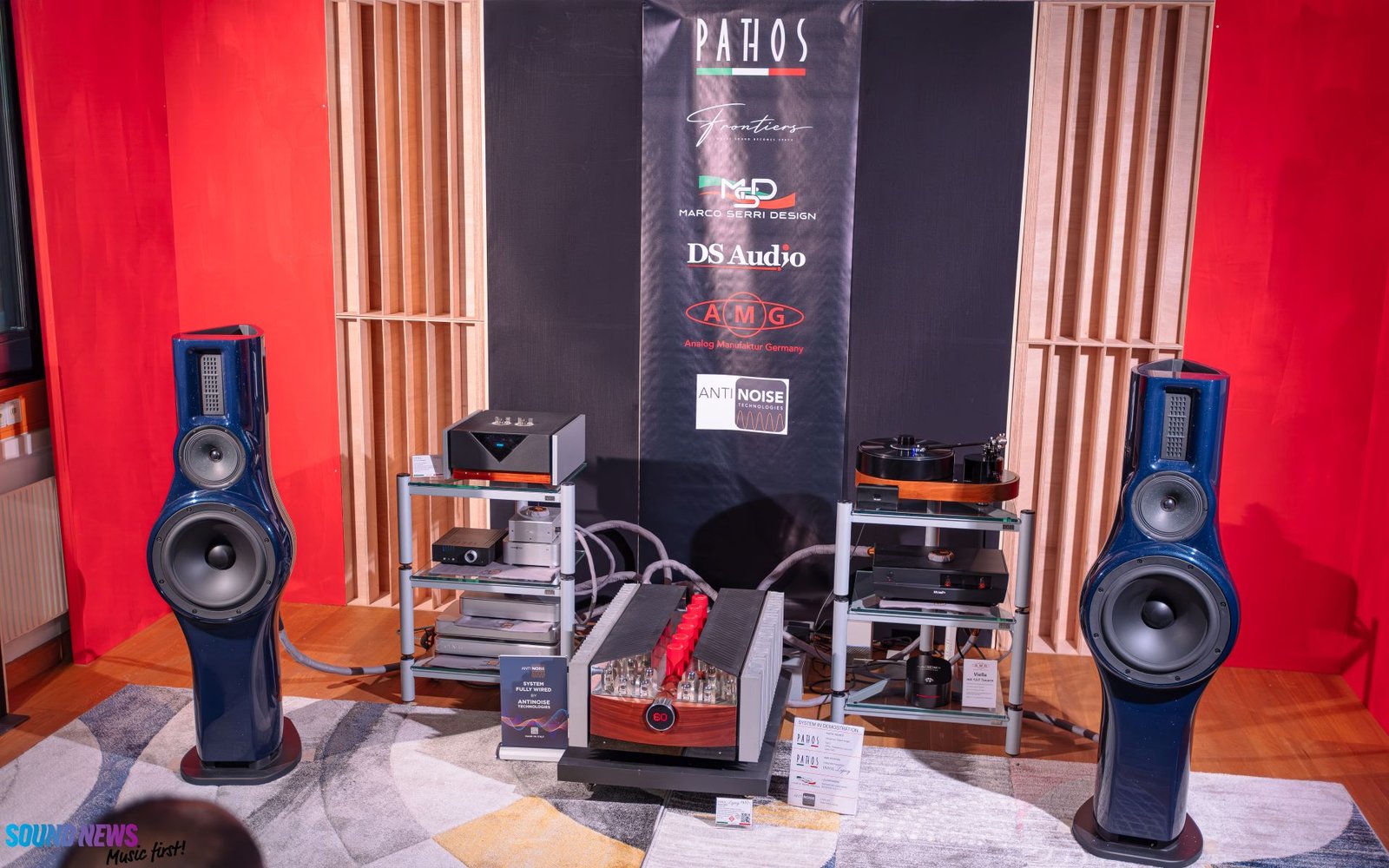
Auf Wiedersehen Bratwursts, Hallo Schnitzels!
If you wake up with the irresistible urge to yodel around the Danube River, your bloodstream is now 12% Apfelstrudel, your shirt smells suspiciously like Wiener Schnitzel, and every church bell ringing in the distance sounds eerily similar to a scorched tweeter…then fear not, my fellow audio enthusiasts. You haven’t lost your mind…yet. You’ve just survived the very first HIGH END Vienna 2026!
For more than two decades, HIGH END and Munich went together like tubes and transformers, vinyl and dust, audiophiles and empty wallets. It felt strange packing our bags and pointing the GPS toward Vienna instead of Munich. It was unusual, but also…exciting. After all, change keeps us young…or at least that’s what I keep telling myself every time another gray hair appears in my beard.
Last year we said goodbye to bratwursts, pork knuckles, and cloudy Weissbier. This year we embraced schnitzels the size of vinyl records, apple strudels carrying enough calories to power stand-mounted speakers, Ottakringer ale to keep our internal engines running, and enough Austrian hospitality to make us forget that we walked around 40 kilometers each over four days.
If you think we came to HIGH END Vienna only to listen to six-figure loudspeakers and electronics that cost more than our kidneys…combined, then you’re only partially right. We came for the people, the friendships, the random hallway conversations that somehow start with DAC architectures and end with local beer recommendations. We came to reconnect with old friends, meet new ones, shake hands with the people designing the future of our hobby, and most importantly, to meet many of you. The random fist bumps, the kind words, the laughs, the “Hey, we watch your videos and read your articles!” moments…those are the things that make these events special.
And what a debut Vienna delivered. The organizers had some mighty big shoes to fill after Munich, yet somehow, they managed to preserve the spirit of the show while giving it a fresh identity of its own. The venue was buzzing with energy; the rooms were packed; the exhibitors brought out their finest toys; and the atmosphere felt every bit as magical as we’d hoped.
Naturally, we couldn’t possibly visit every room, hear every system, taste every schnitzel, or sample every local beverage that Vienna had to offer. We tried our best, though… for science, of course. Armed with top-notch cameras, shiny zoom & prime glass, questionable sleep schedules, and an unhealthy amount of enthusiasm, we spent four days hunting for the most impressive sound, the most passionate people, and the systems that made us forget we were evaluating gear in the first place.
So, grab yourself a snack and a drink, settle in, and let’s hit some eardrums in a three-part show report, as all of us will have something to say, but first let’s check what made our bodies hit the…flooooor!


BEST OF SHOW (Sandu’s pick)
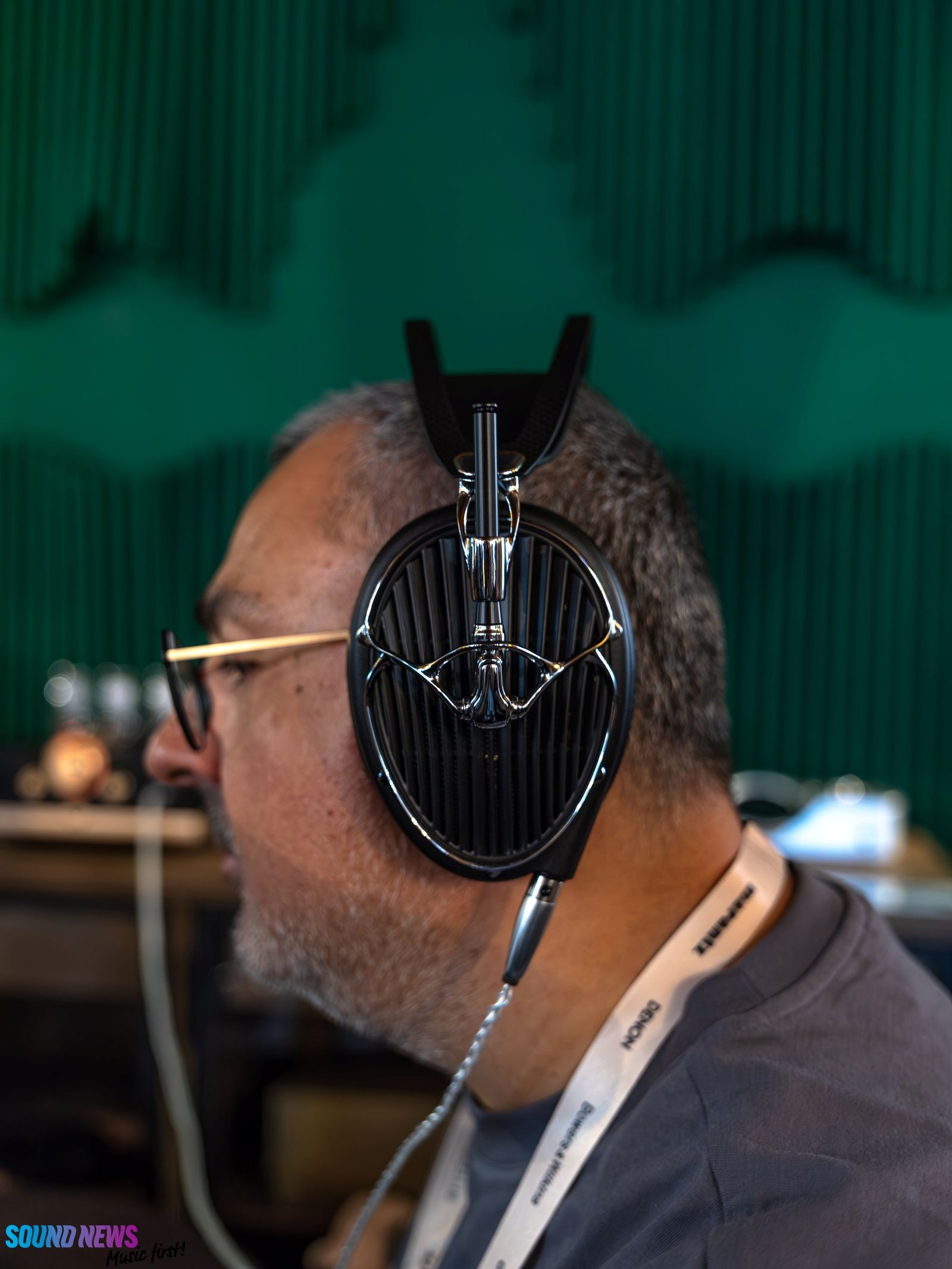
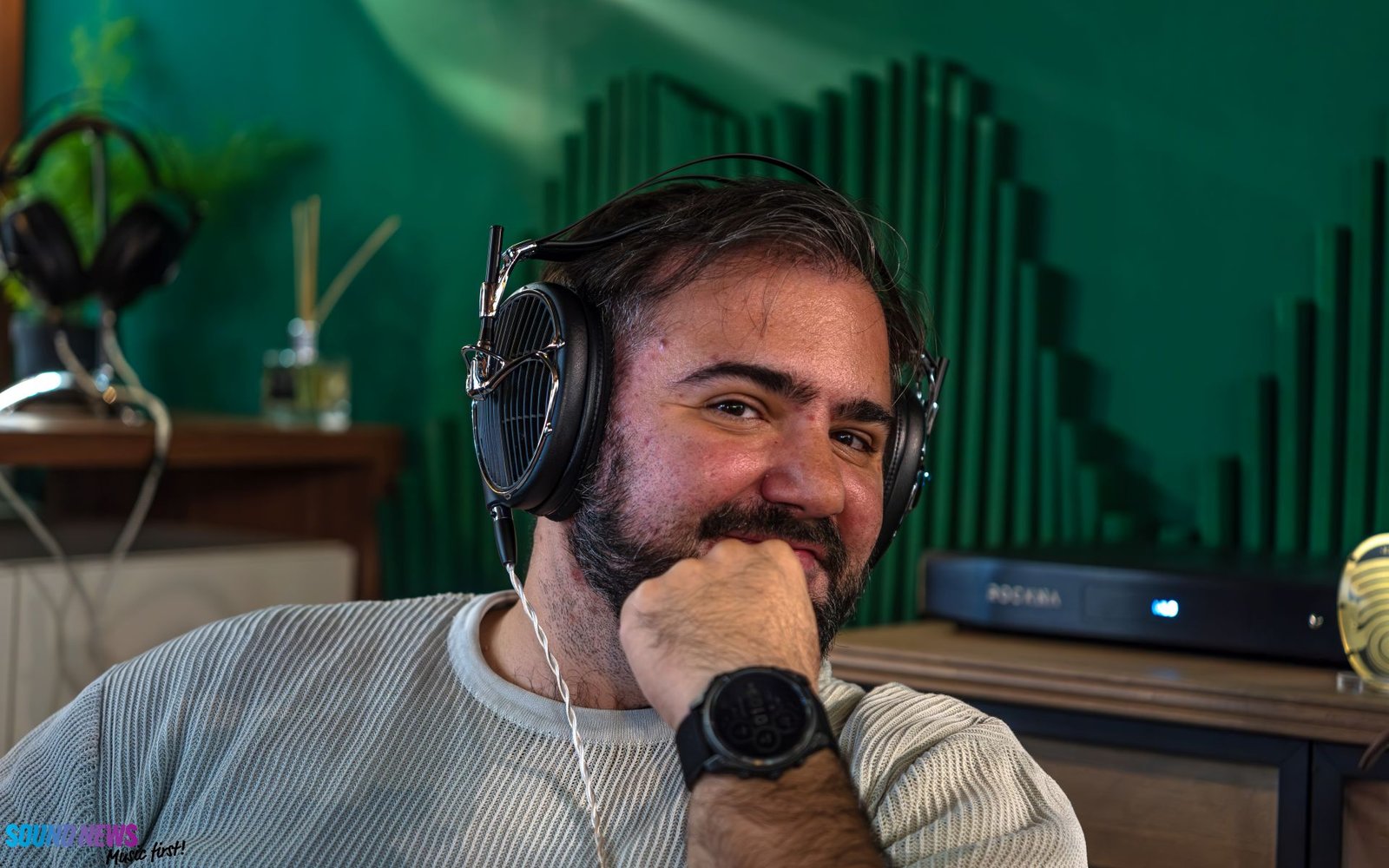
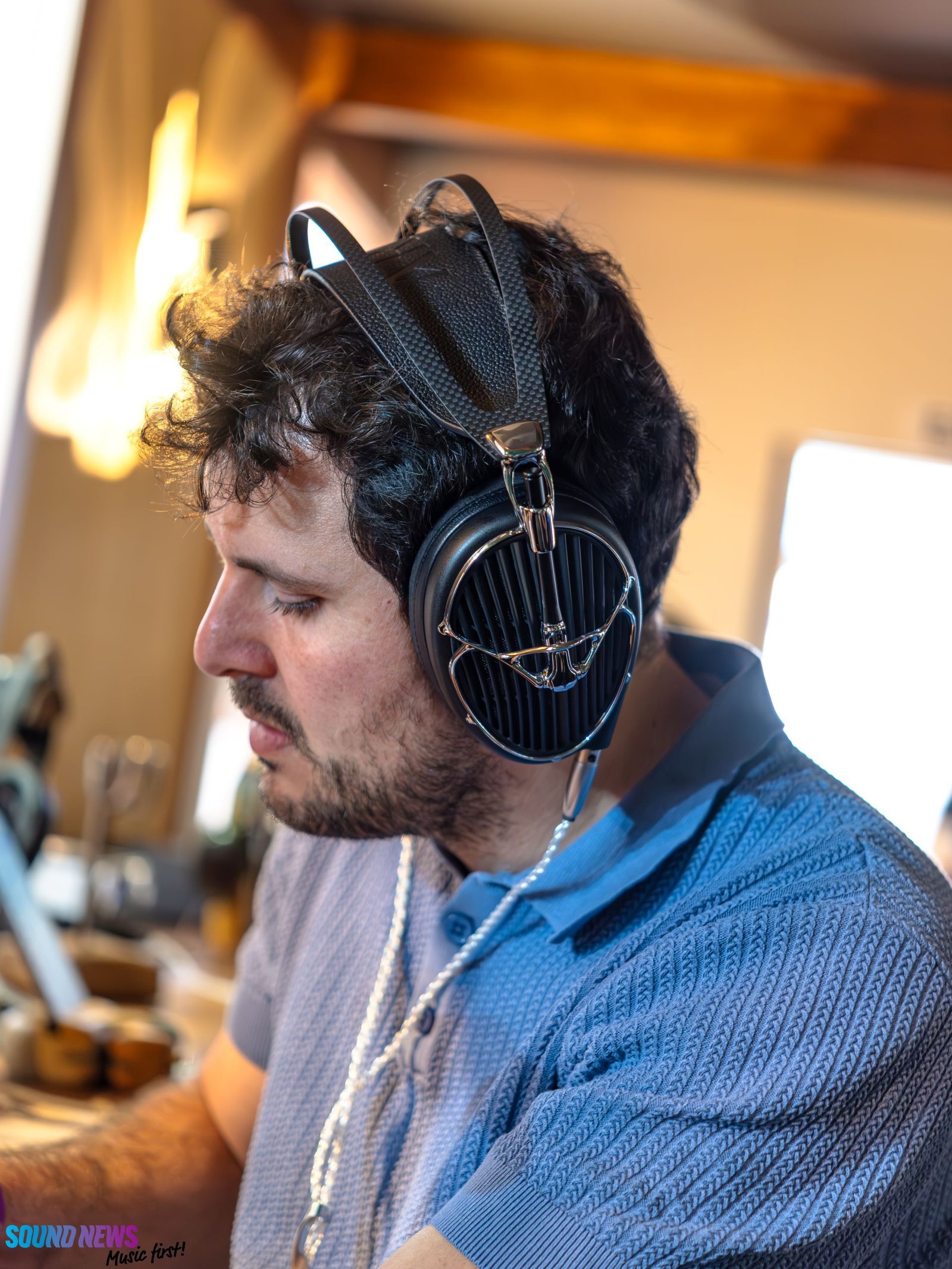
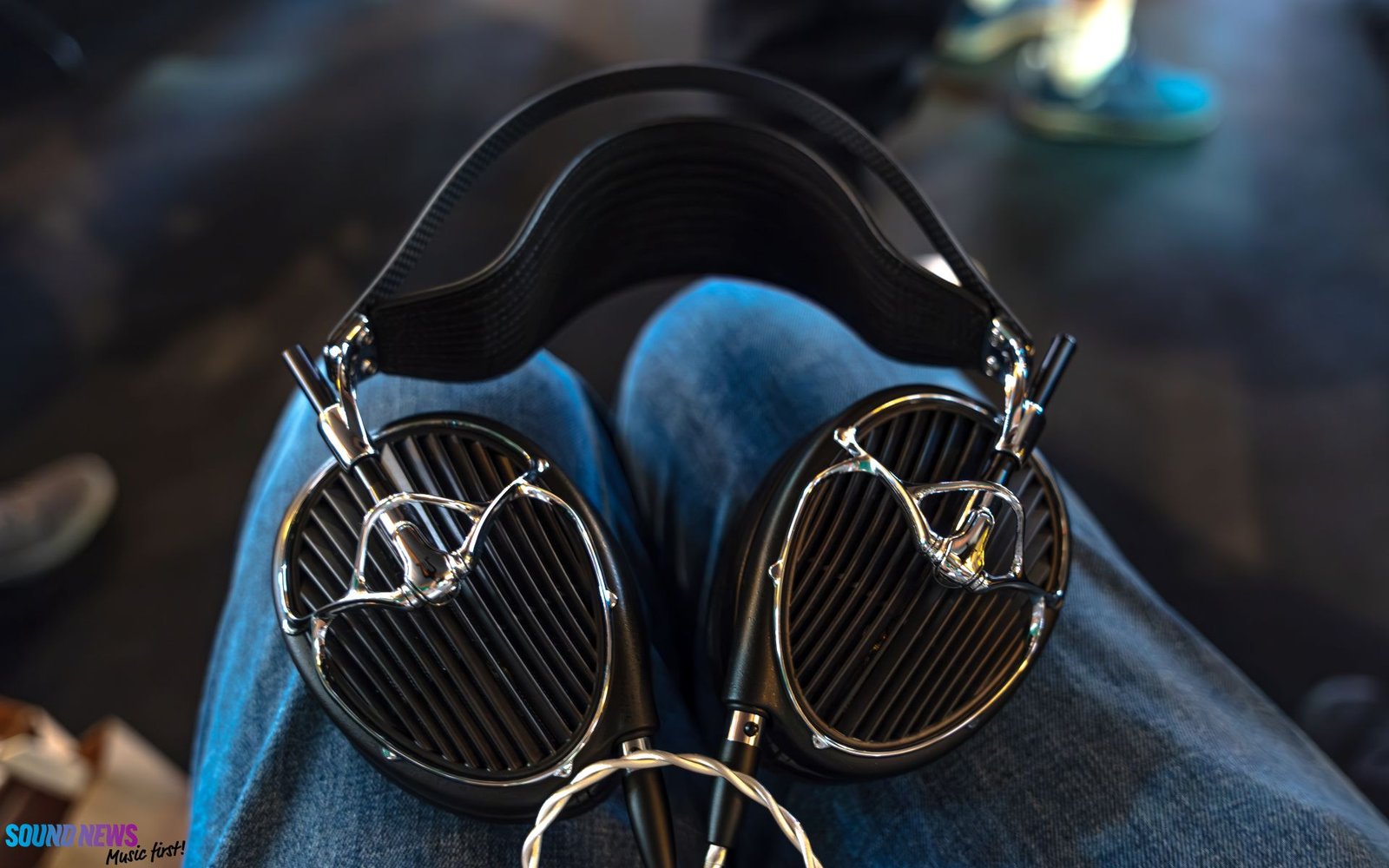
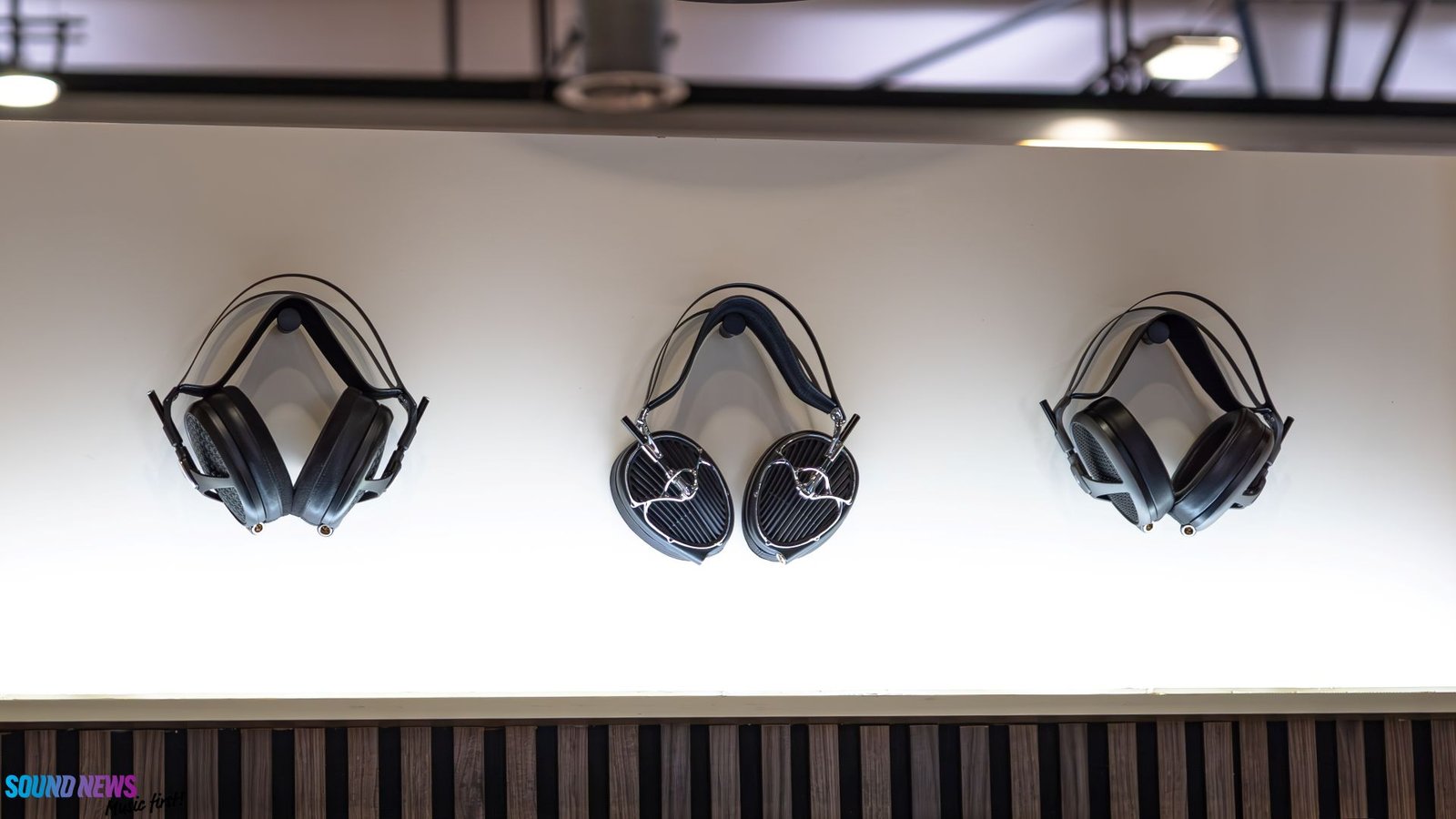
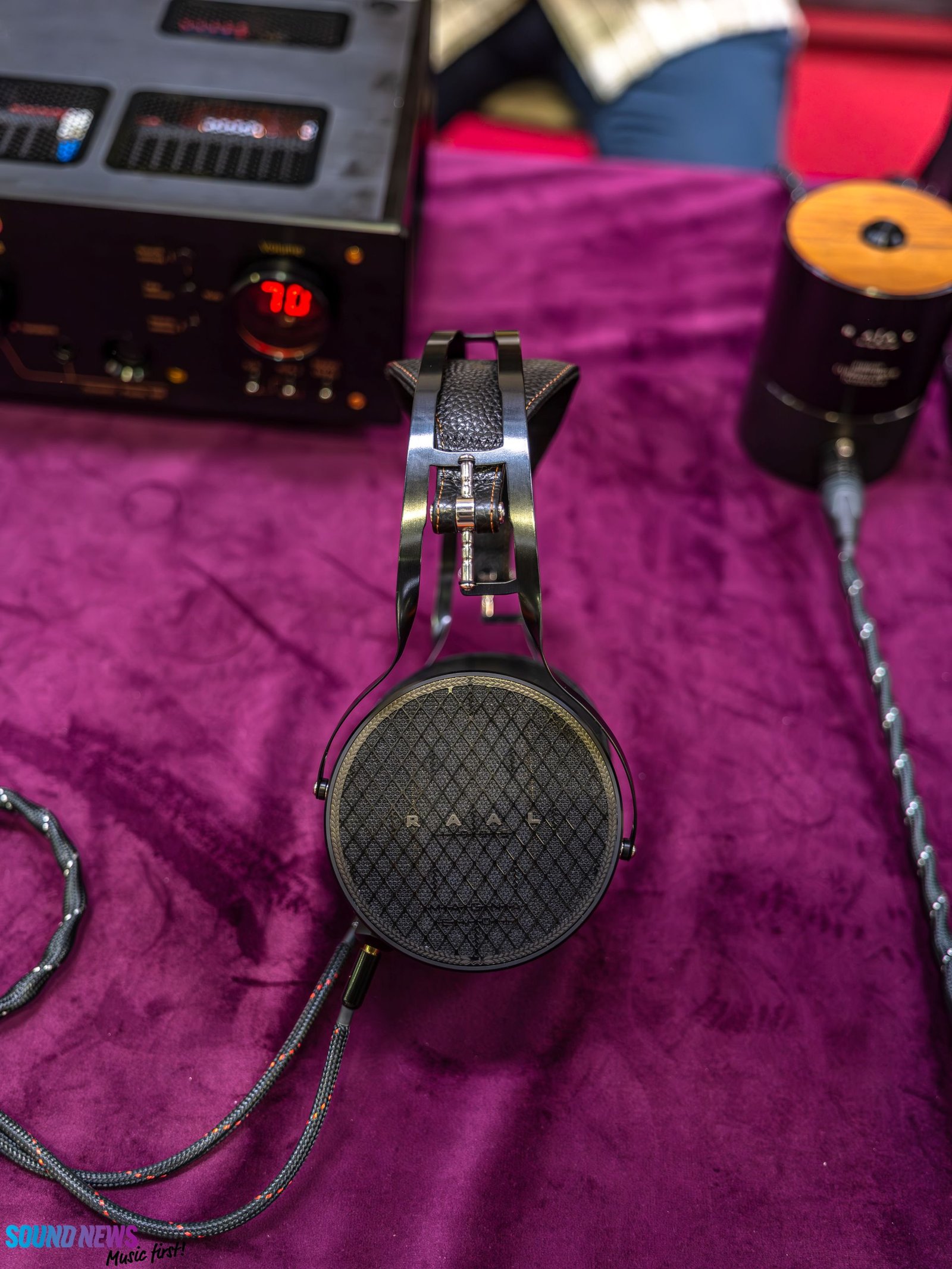
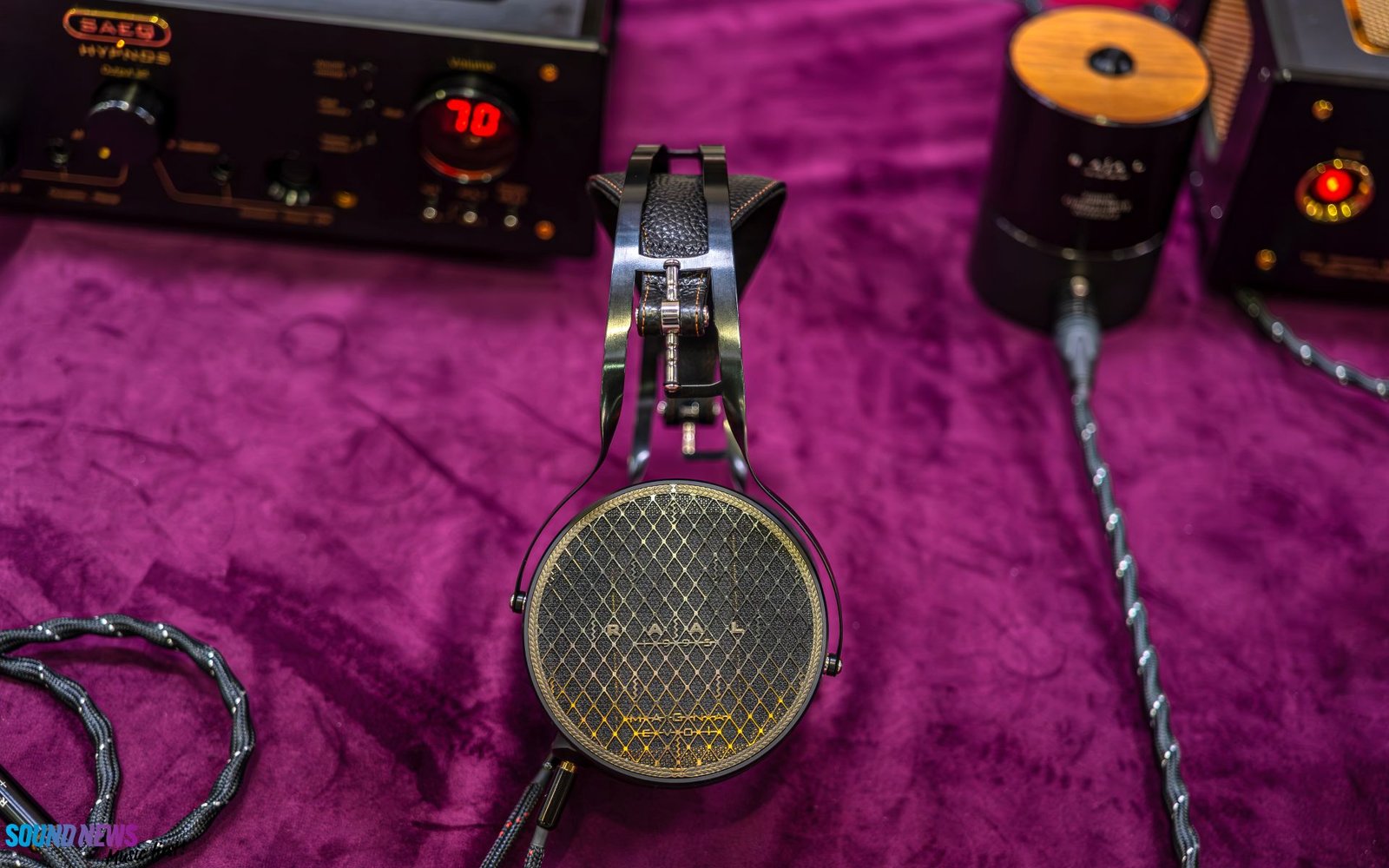
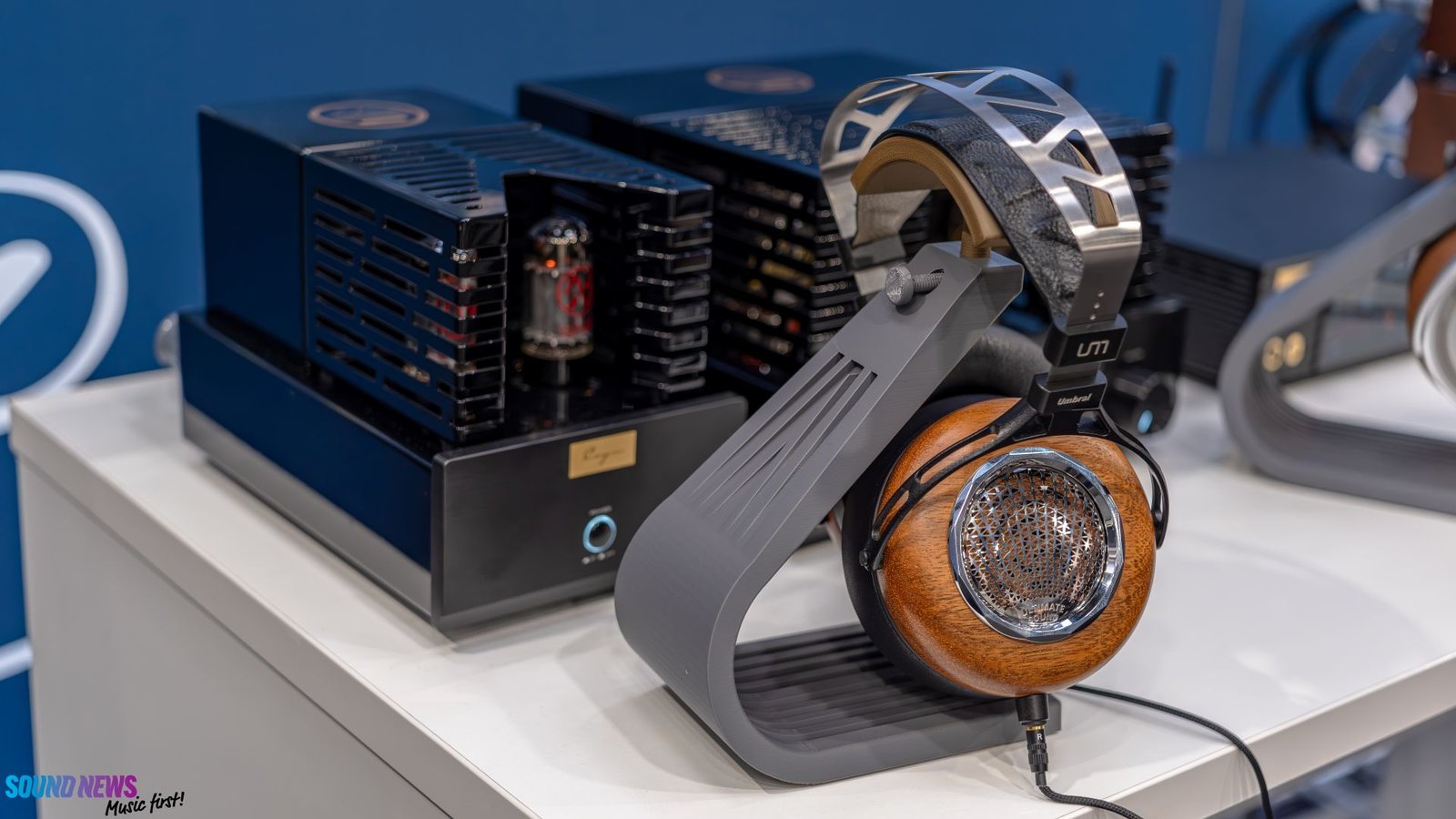
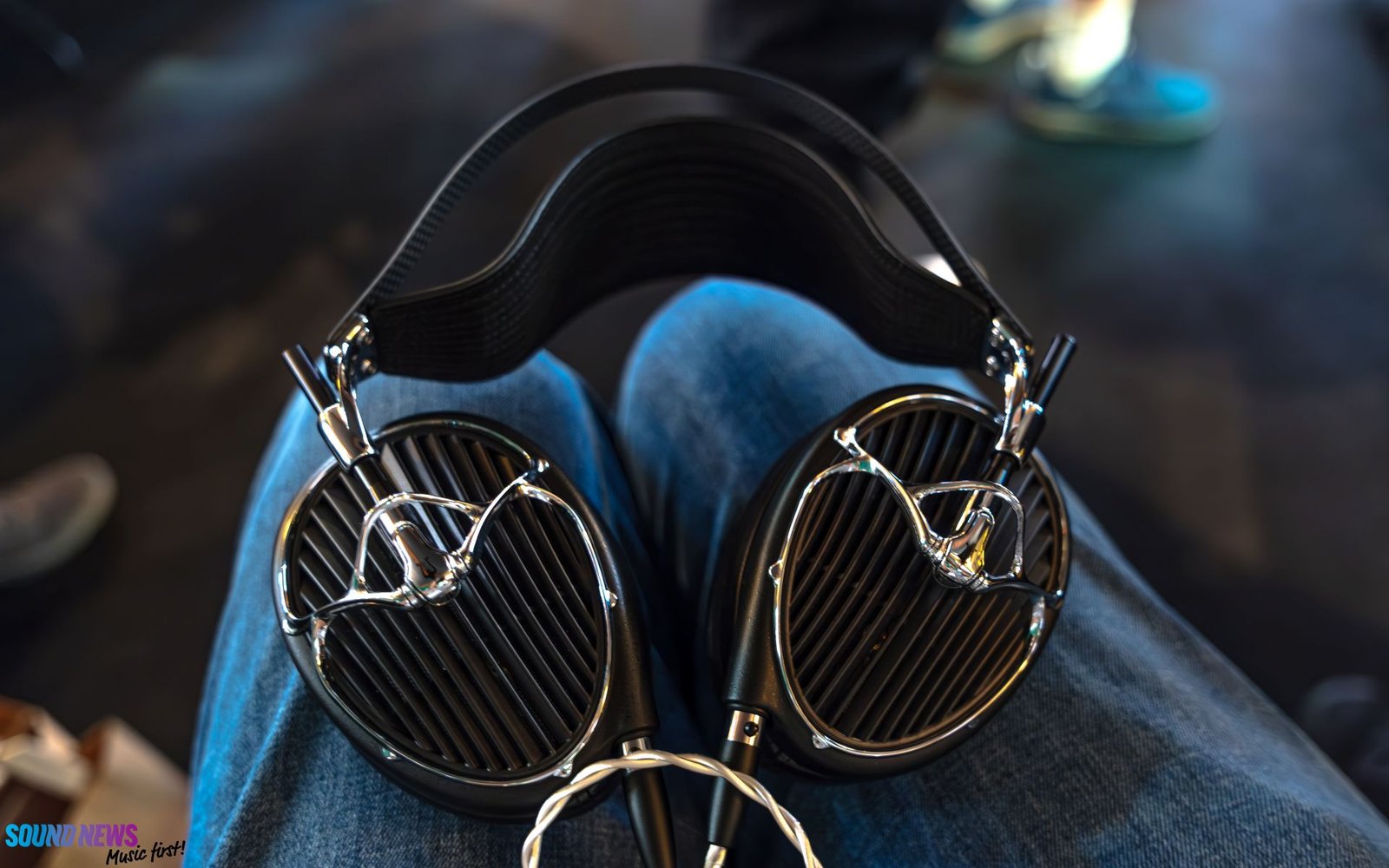
Meze Audio ARTA
Sometimes it’s incredibly difficult keeping your mouth shut about what I thought was the best-sounding pair of headphones I heard almost two years ago at the Meze Audio factory in Baia Mare, Romania. I wanted to shout it from the rooftops and write about them a long time ago, but alas, I had to wait for their official reveal, which came much later than initially anticipated.
It won’t surprise anyone to learn that these guys are always working on a LOT of new stuff, be that IEMs, full-sized headphones, or audio-related gizmos I’m not supposed to mumble about. After a cryptic black-and-white teaser image appeared on social media, they finally revealed the headphones they’ve been developing for at least three years. They are called ARTA, or “Art” in my mother tongue, a pair of headphones I have already seen and listened to on several occasions.
Naturally, I wasn’t part of the development team, but I did offer a few insights regarding how I would approach the design and what kind of tuning I would personally choose. I feel both relieved and proud that all of you can finally admire its skeletal beauty, combining a high-gloss stainless-steel structure with matte-black grilles that also function as sound-wave guides. It’s difficult to describe what my eyes saw, but if I had to summarize it in just a few words, it felt like holding the most beautiful pair of headphones I’ve ever laid my eyes on, a design that screamed art and refinement from afar.
But wait, it wasn’t just the look and feel of the headphones, which were incredibly premium to begin with, that impressed me. It was the complete package, including the long-term comfort and, of course, the sound. I don’t know of any other high-performance planar headphone sporting a 225-Ohm impedance, making the ARTA quite unique among planar designs currently available on the market. While most planar headphones thrive on current delivery from a headphone amplifier, these are almost the exact opposite, preferring a healthy voltage swing instead. Naturally, they should perform considerably better with tube amplifiers that operate at much higher voltages than most solid-state designs, and sure enough, Meze prepared an army of top-tier amplifiers for attendees to choose from.
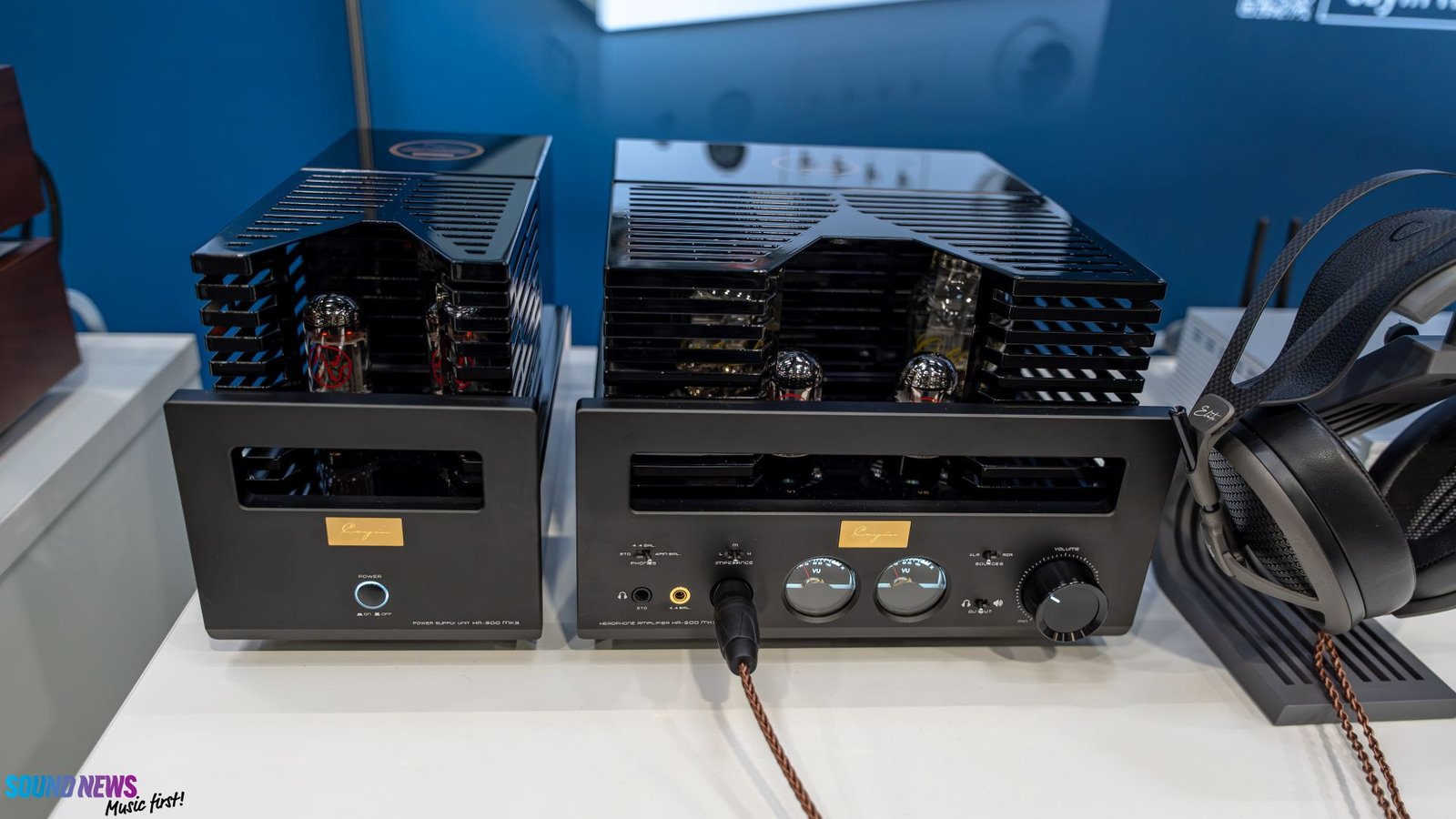
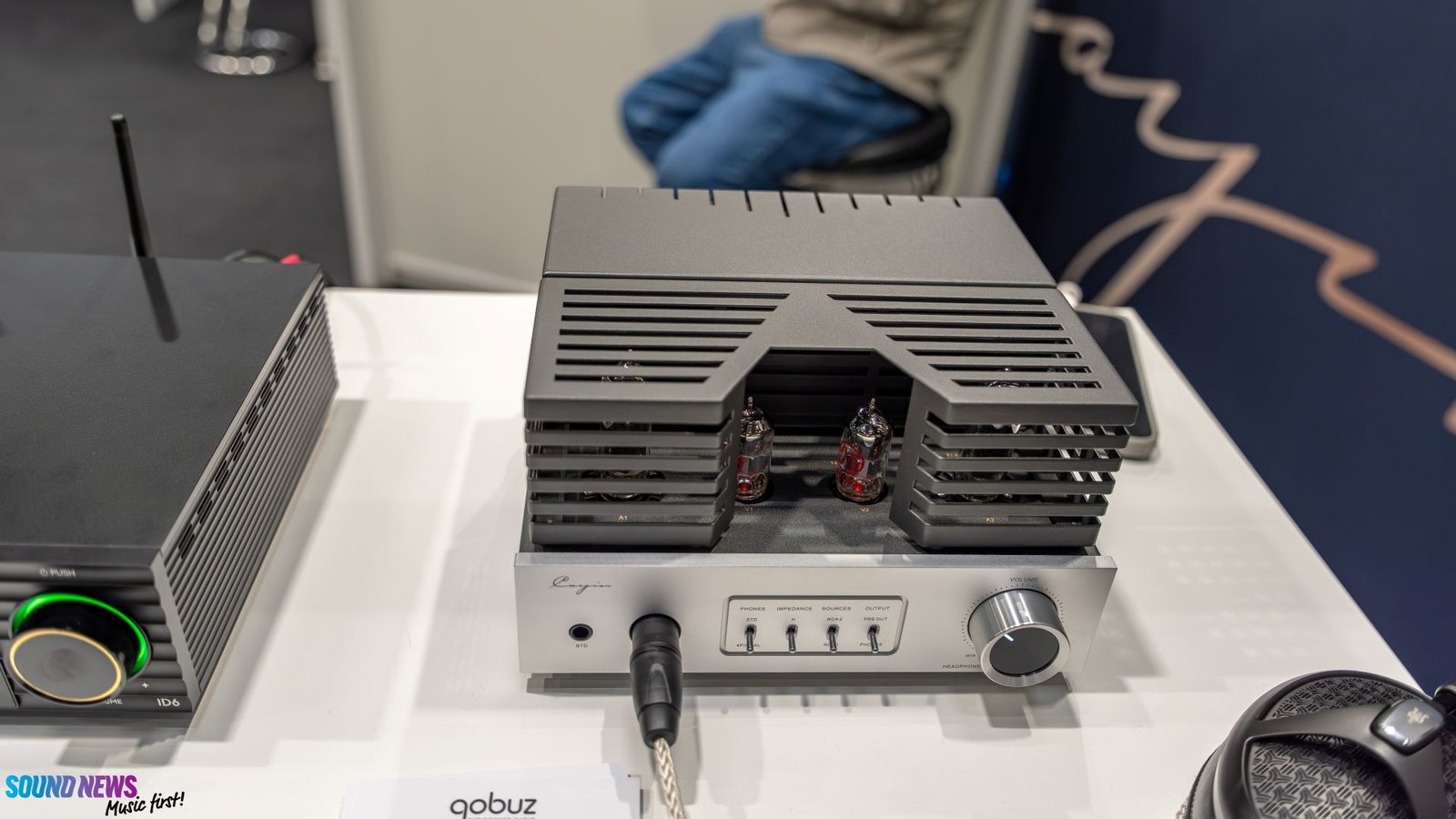
I started listening to them through a Woo Audio Luna, then moved to a Feliks Envy Performance Edition, and later used them with a Cayin Soul 170HA. I thought they were gently clipping on the Luna, probably due to a power limitation while driving two sets simultaneously, but the Cayin was definitely the one that infused them with serious muscle mass. I’ll confess something: I adore crazy dynamics that lean toward the snappier side of things, as opposed to mellow or overly smooth presentations that could easily put me to sleep. I won’t reveal too much about their sound, as I hope you’ll get a chance to hear them for yourselves in the coming months, but these are, without a doubt, the fastest and most technical-sounding headphones Meze Audio has ever produced, while fully retaining the core attributes that made this Romanian headphone manufacturer stand out from the crowd so many years ago. They still sound meaty, textured, dense, and beautifully layered, all while pressing the gas pedal to the floor in terms of dynamics. The bass quality felt exceptional, but the bass slam? Oh boy! The authority and impact in the lowest octaves were on an entirely different level compared to their previous creations. The ARTA is therefore incredibly fun-sounding. It’s not just a technical marvel offering a squeaky-clean presentation; it’s also an organic, punchy, and highly engaging headphone that makes every beat count.
A strange thought keeps tickling my senses, and there’s always a grain of subjectivity in writings like these, especially now that I’m discussing a Romanian creation. Blood is thicker than water, after all. Still, I genuinely feel that the ARTA isn’t merely challenging the very best headphones humanity has produced. For the first time, I feel they just might be the ones we’ve all been chasing for a very long time. Time will tell. I’m still waiting to hear them on several top-tier head-fi systems and deliver a truly comprehensive analysis, but one thing is already clear: they secured pole position before the race even started. I still need to hear how they compare against the absolute best before drawing any definitive conclusions, but for now, my only Best of Show award goes to Meze Audio. The summit head-fi movement suddenly feels much more exciting, engaging, and fun, rather than merely clinical and dry.

BEST OF SHOW (Cătălin’s pick)
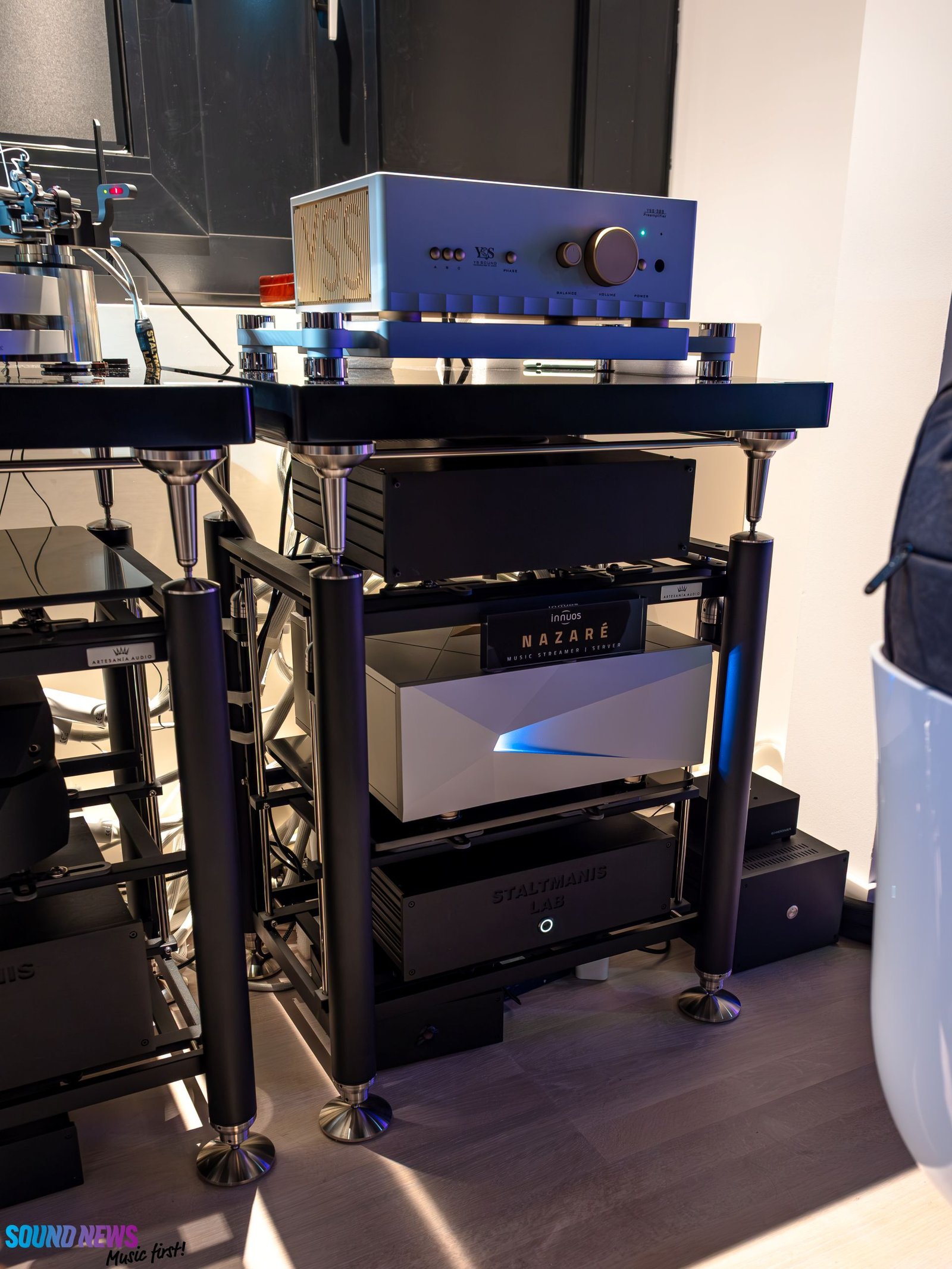
Zellaton, YS Sound, Reed, Schnertzinger
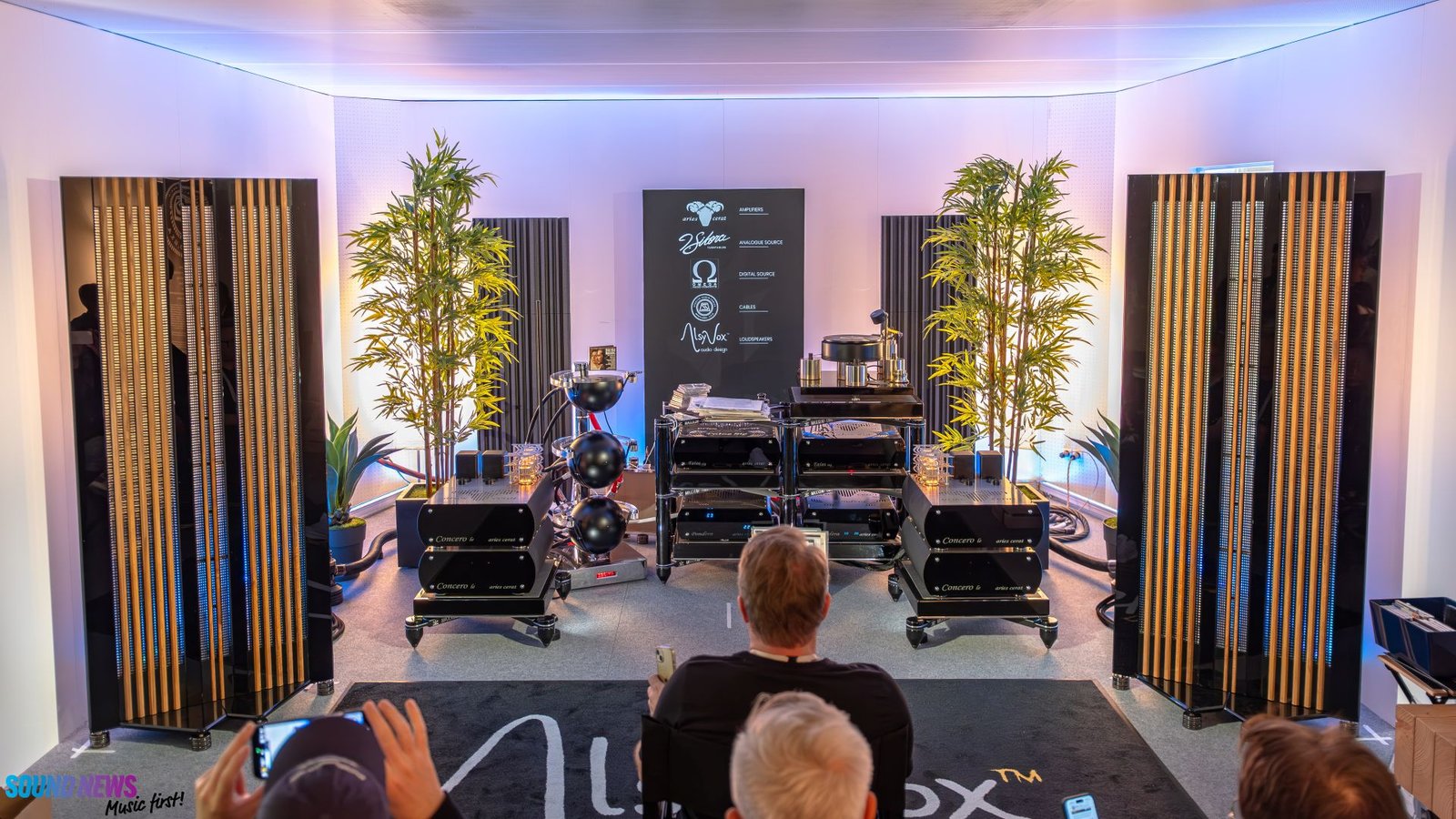
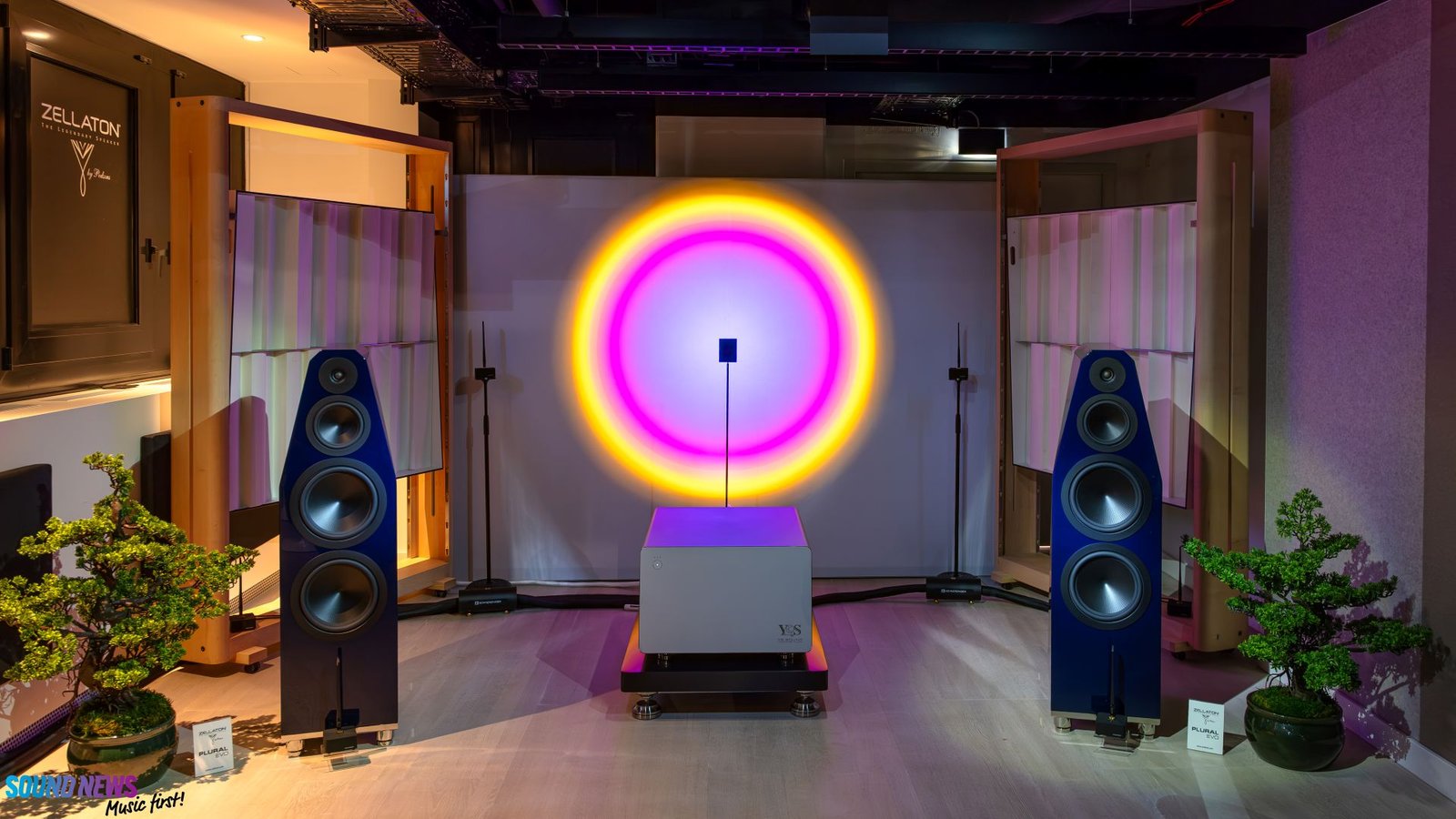
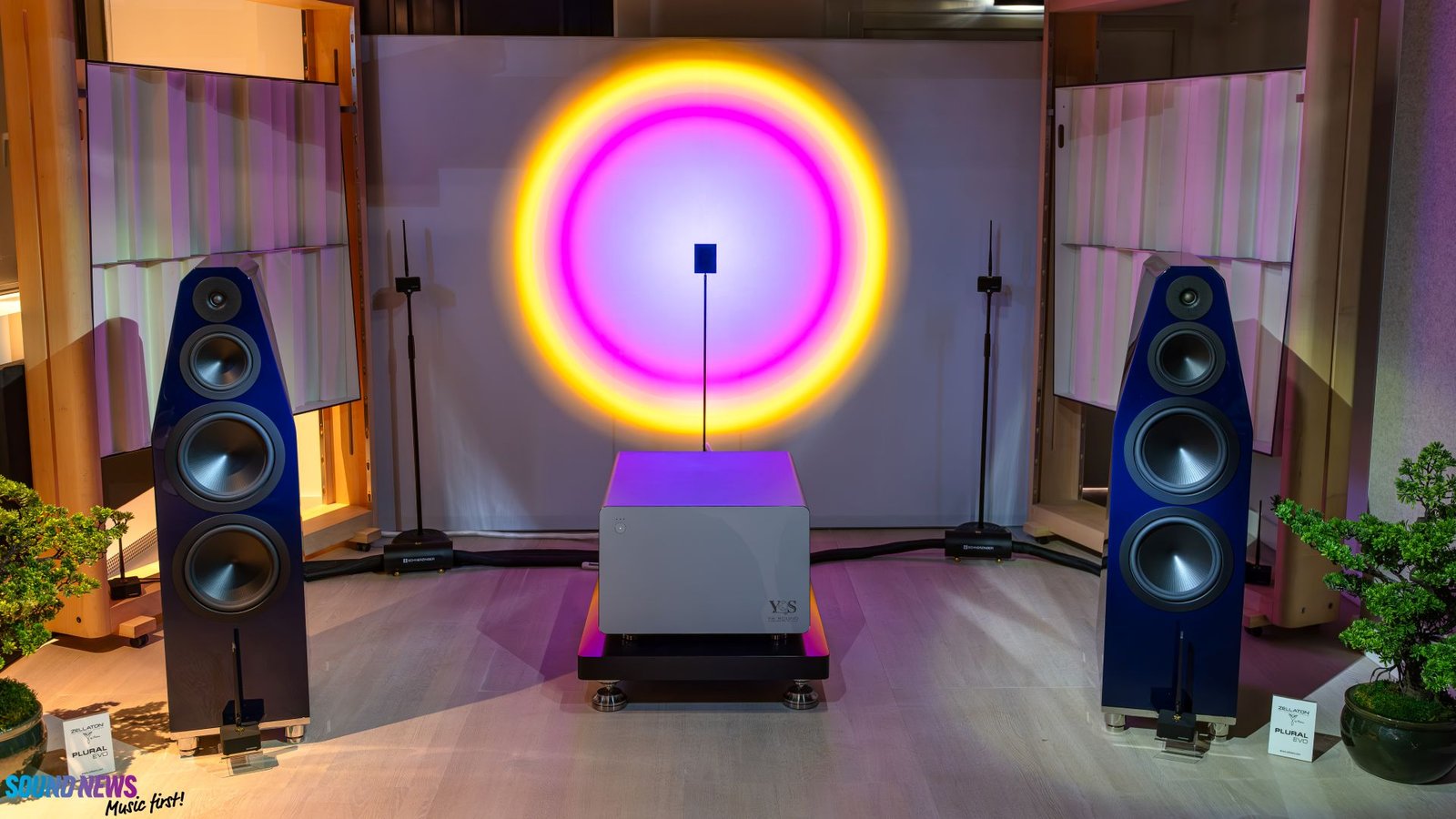
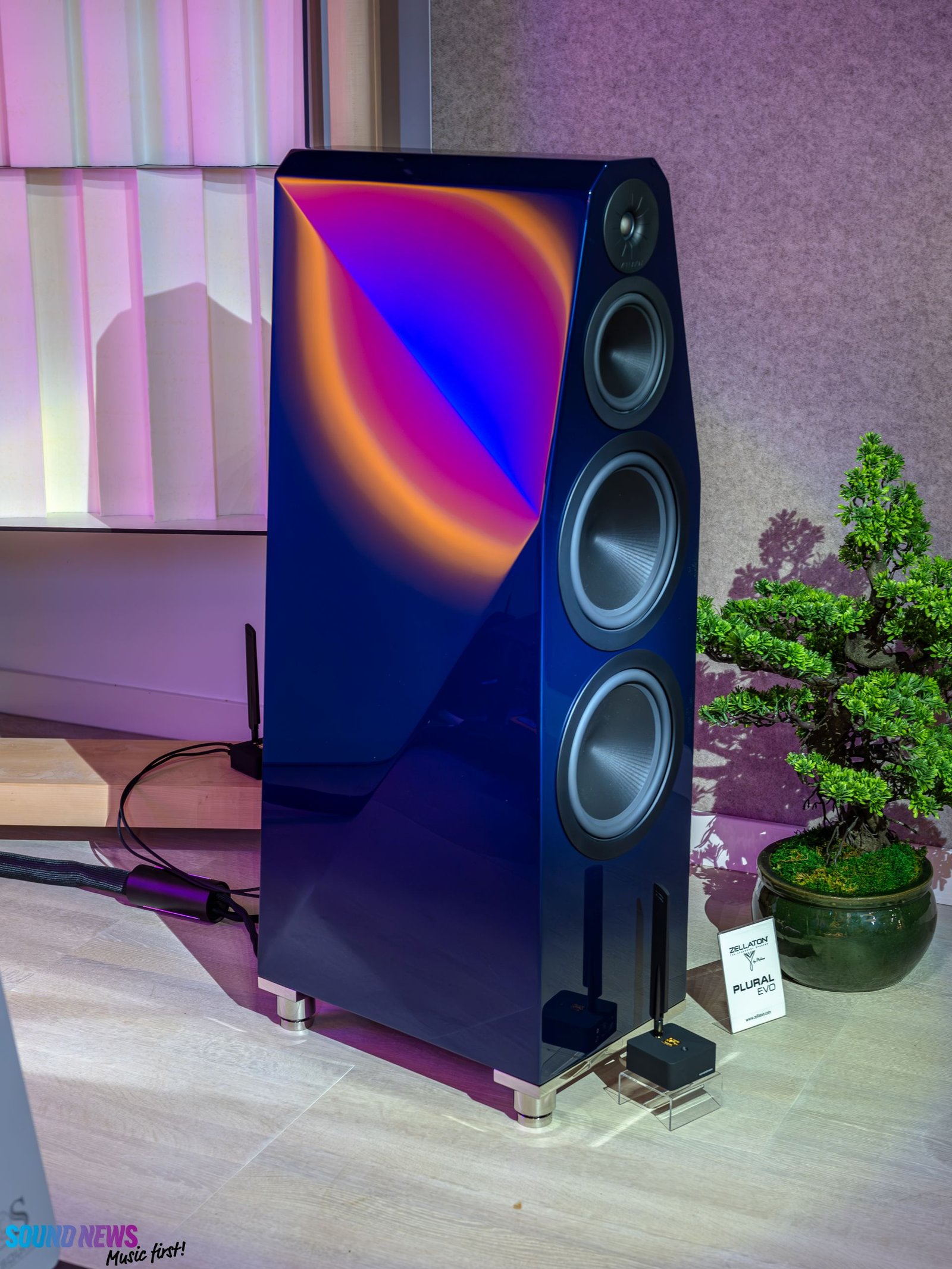
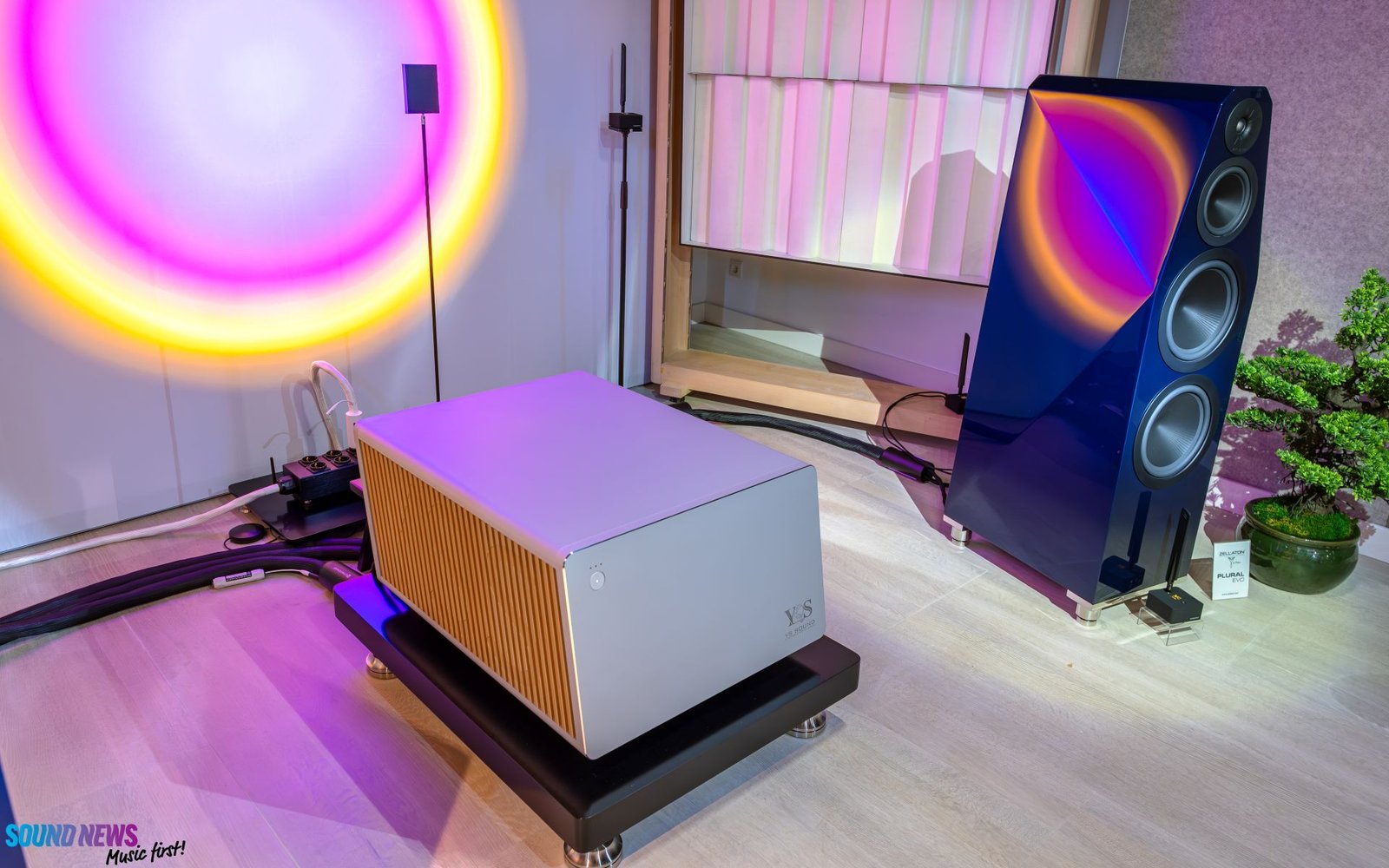
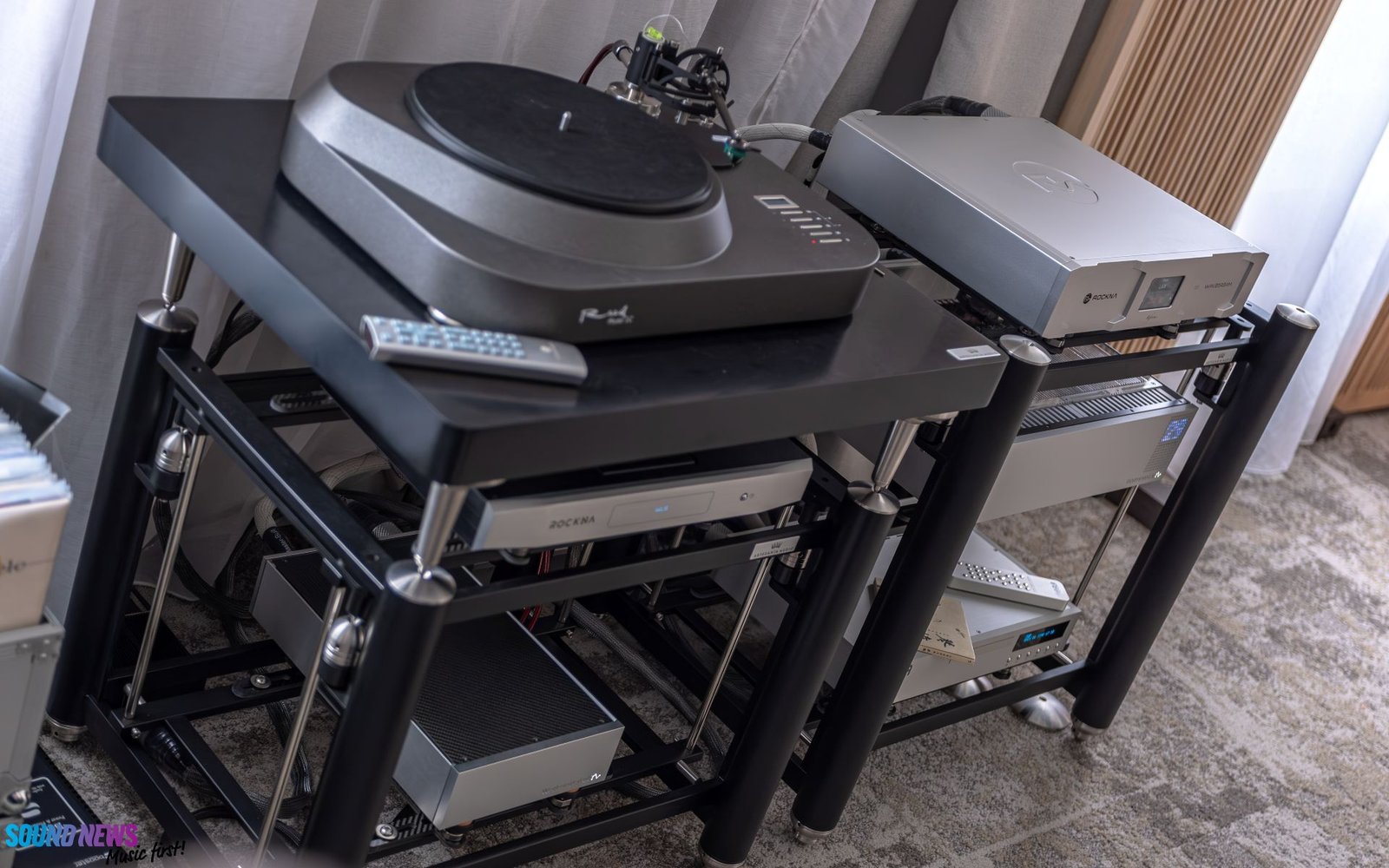
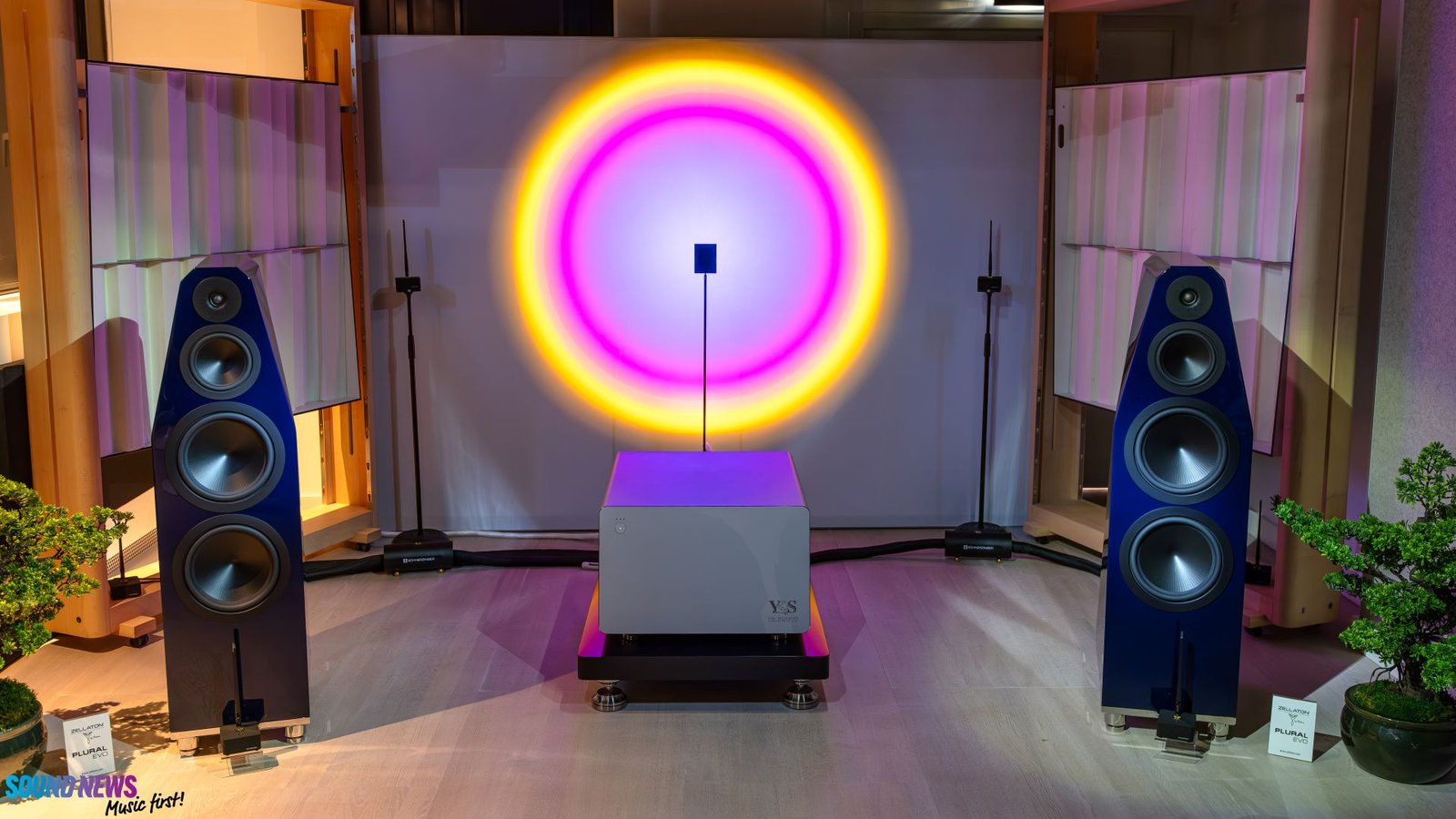
If one can imagine an audiophile potion distilled 10 times, moved from barrel to barrel for tens of years, and finally drained into precious bottles, now becoming the essence of the essence of the essence of that precious liquid in the first place…well, that would be the Zellaton room. The audiophile essence of 2026. Or the YS Sound room? Maybe we should call it the Reed and Schnertzinger room? It is very hard to pinpoint a single name, as all these brands worked together in that room like in no other room at High End Vienna. It was an absolutely spectacular, breathtaking display of coherent, refined music, all played in analog format.
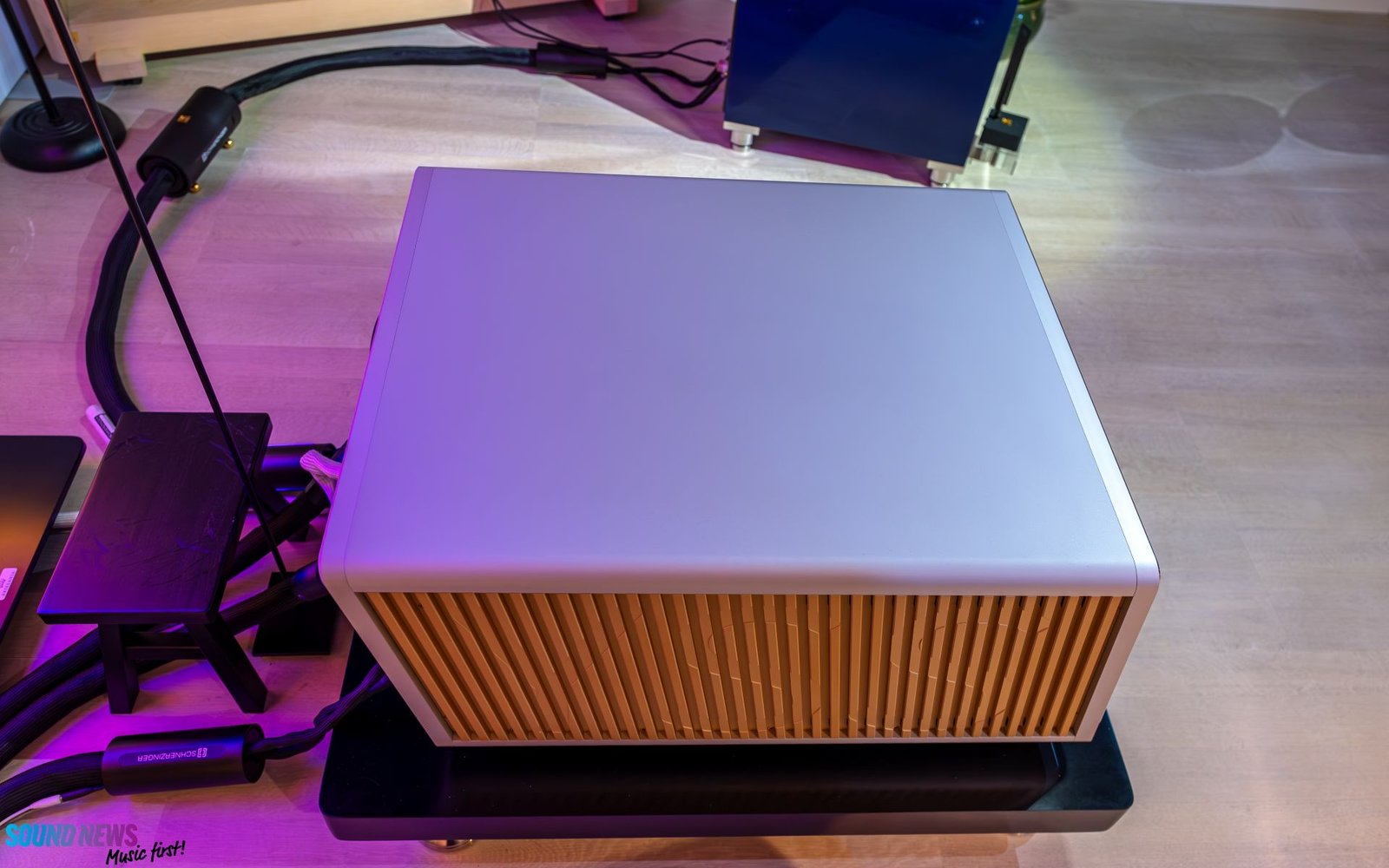
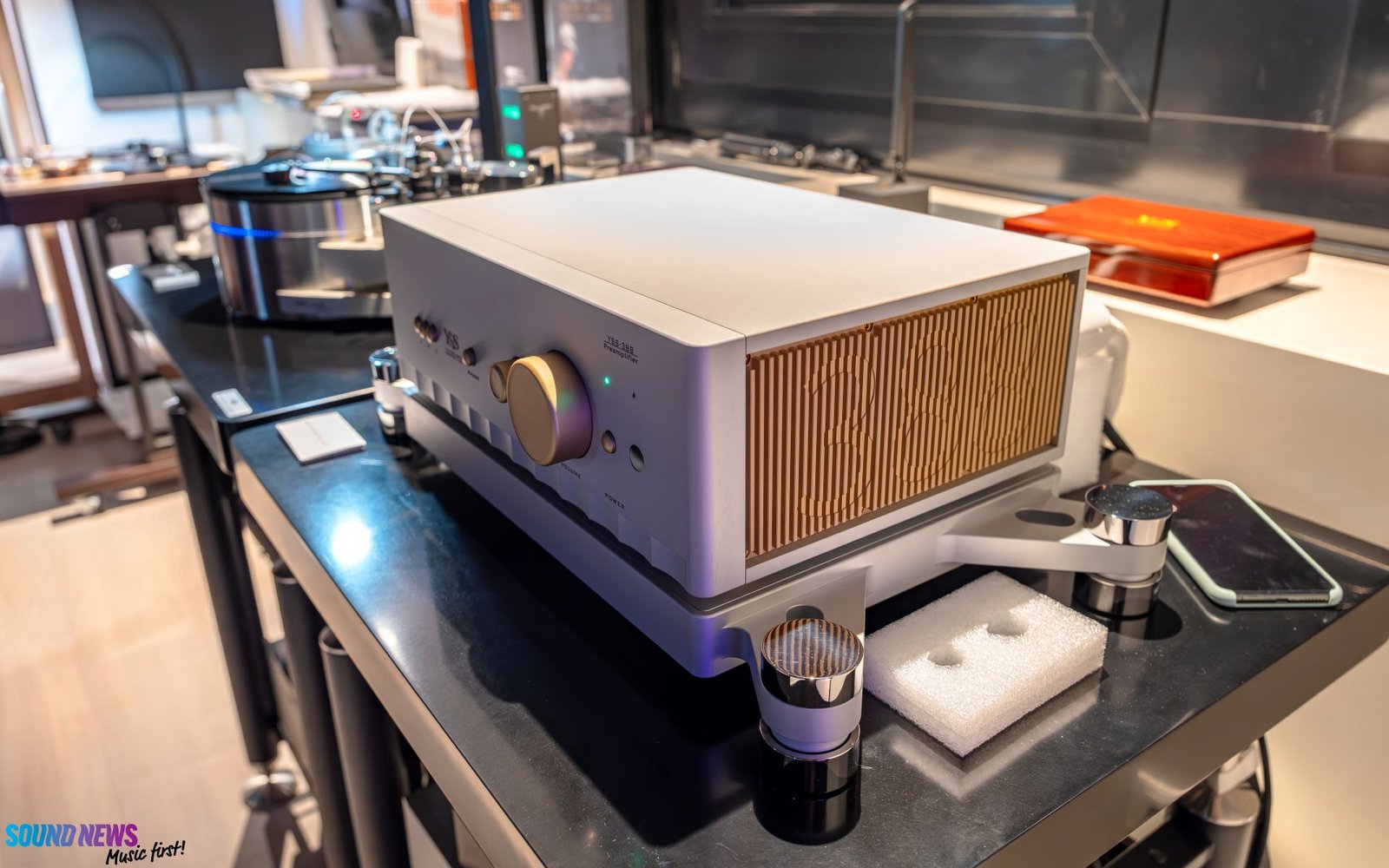
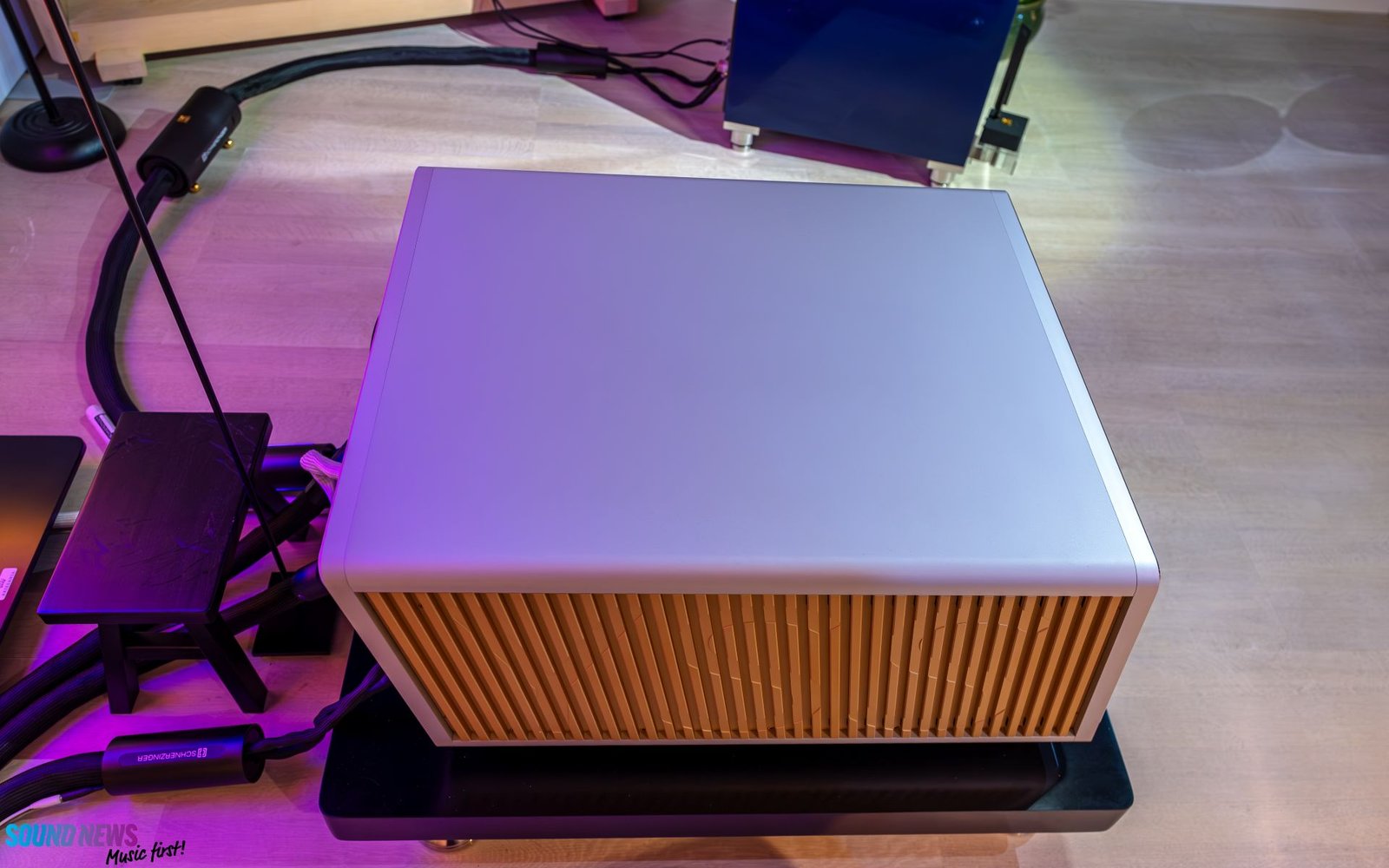
The first thing we saw was the Zellaton Plural Evo speakers in dark blue. And after we sat down and started dreaming with our eyes wide open, impressed by the refinement, that outstanding, deep and super-controlled bass, the beautiful soundstage, and the overall feeling of something happening all over the place, in front of the speakers, behind them, and above us, we looked between the speakers and didn’t understand at first sight… The humongous beast sitting between the speakers was the amplifier? It couldn’t be…It had to be an atomic micro power plant or something else…Nope, it was the 179 kg YS Sound YSS-998 power amplifier, a unique beast from an enigmatic Japanese ultra-high-end audio manufacturer we had never heard of. To be honest, even now we know very little about the company, about the beast’s specifications, or about the technology hidden inside. The mysterious giant was defined only by its weight (almost 180 kg), the price, please take a seat, of $800,000 USD, and the sound it produced. And the sound was overwhelming. I have never personally heard such control in the bass, such refinement in the upper registers, and such coherence throughout the musical presentation, as if a living organism was hidden from sight, breathing in the room through every particle of air.
Another remarkable quality of the room was that only analog sources were playing. The top-of-the-line Reed turntable, equipped with two tonearms guided by lasers (a proprietary Reed technology implemented in their exquisite flagship tonearms), used the Reed optical cartridge together with a Grado cartridge (which appeared to be an Epoch3, costing almost $16,000), mounted on the second tonearm. The entire vinyl system was a revelation in itself. But things didn’t stop there. Another analog source we heard in that room, alongside the turntable, was a Stellavox TD9 reel-to-reel machine. Everything was wired with Schnertzinger cables, some of which were completely unidentifiable, and we later learned why… Because they were prototypes. One-of-a-kind, priceless objects. The room was also “cleaned” by the voodoo magic of Schnertzinger devices: speaker and amplifier protectors, together with EMI protectors and reflectors. I cannot tell you the exact role of each device. They certainly weren’t in the signal path, and I do know that Zellaton often goes hand in hand with Schnertzinger when it comes to cabling, room treatment, speaker treatment, and power-related EMI solutions. All of this magic is well above my pay grade…
What remains in our brains and souls, even now after a few days away from that magical room, will stay with us for a very long time. The sound was absolutely spectacular, beyond reproach, totally magical and alive. The whole room was a statement in itself, showcasing cost-no-object equipment and a collection of almost mythical brands. I cannot think of any other room capable of distilling the essence of this hobby beyond any imagination. There is no doubt in my mind that the Zellaton / YS Sound / Reed / Schnertzinger room deserves, above all else, my BEST OF SHOW Award at High End Vienna 2026. There is no contest. No second thoughts. No doubt about it. Period.

BEST OF SHOW (Cosmin & Răzvan’s pick)
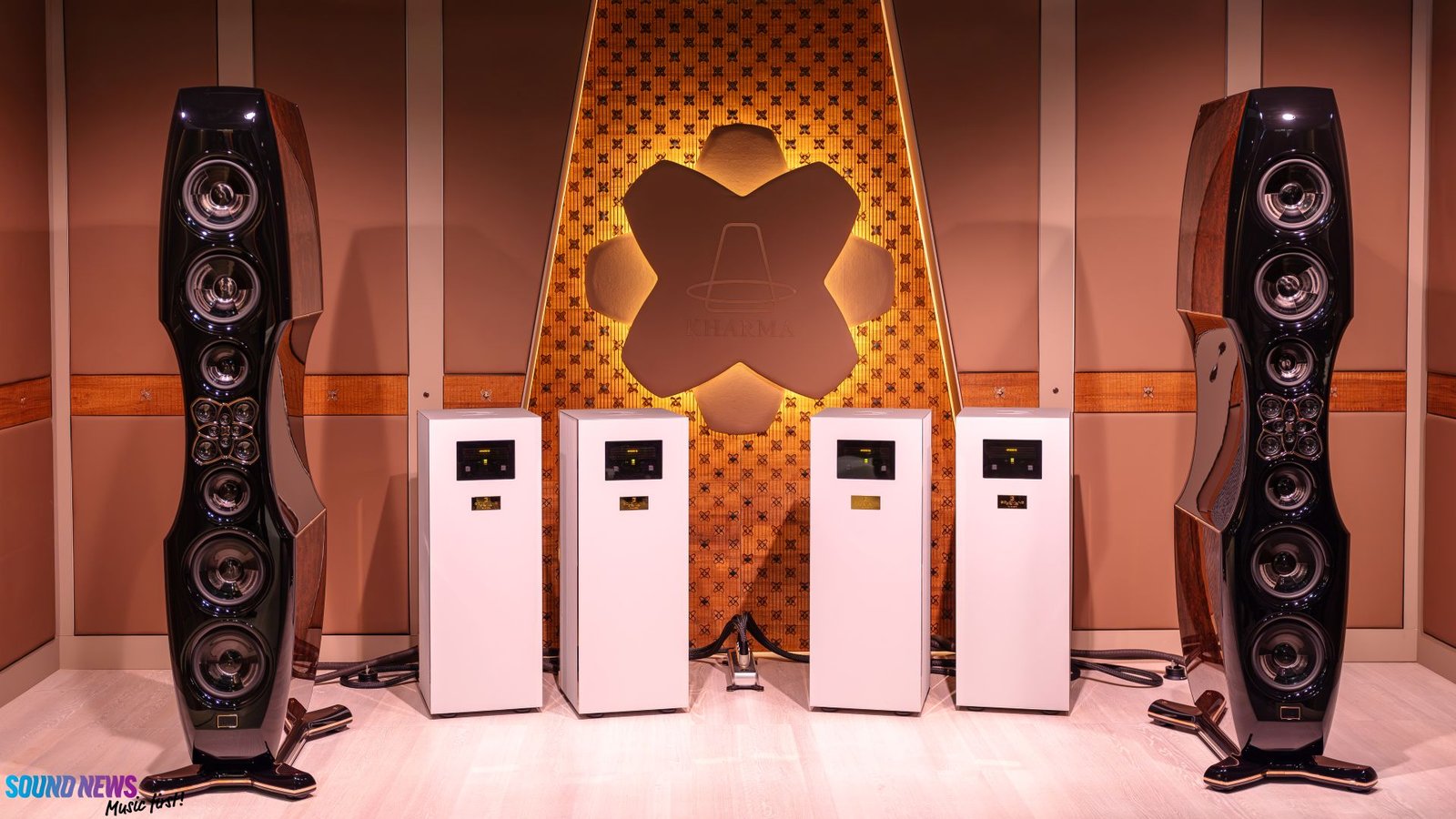
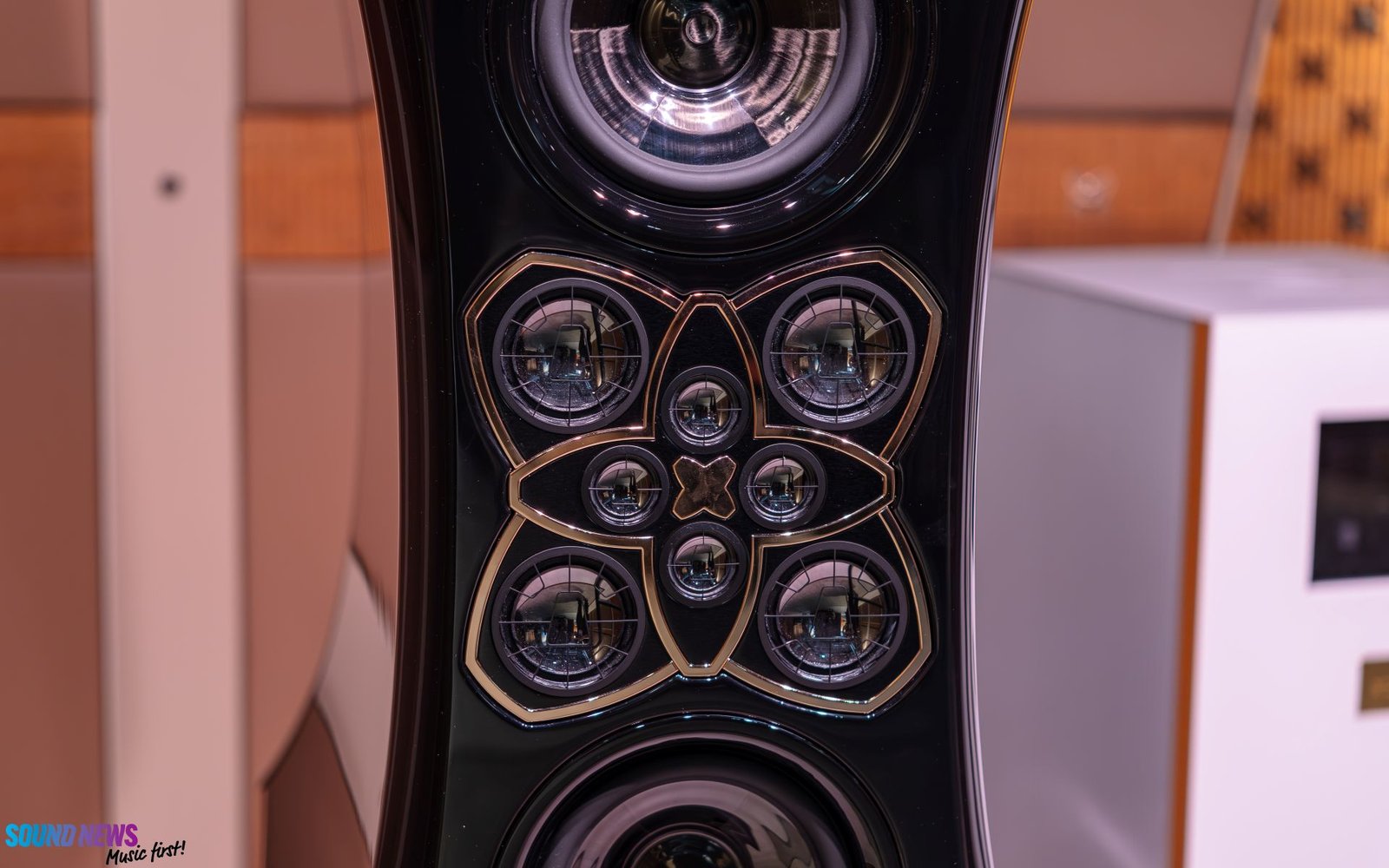
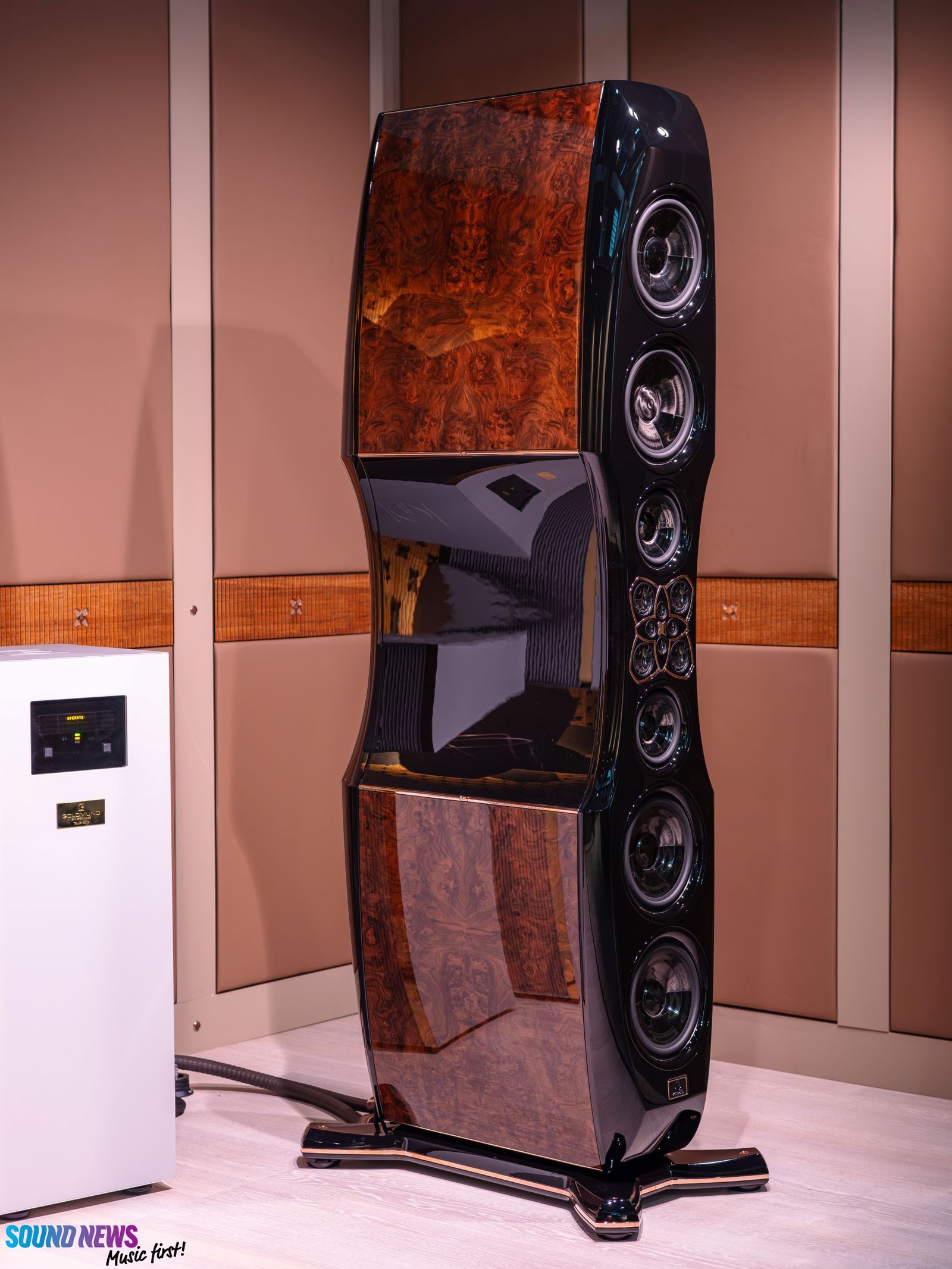
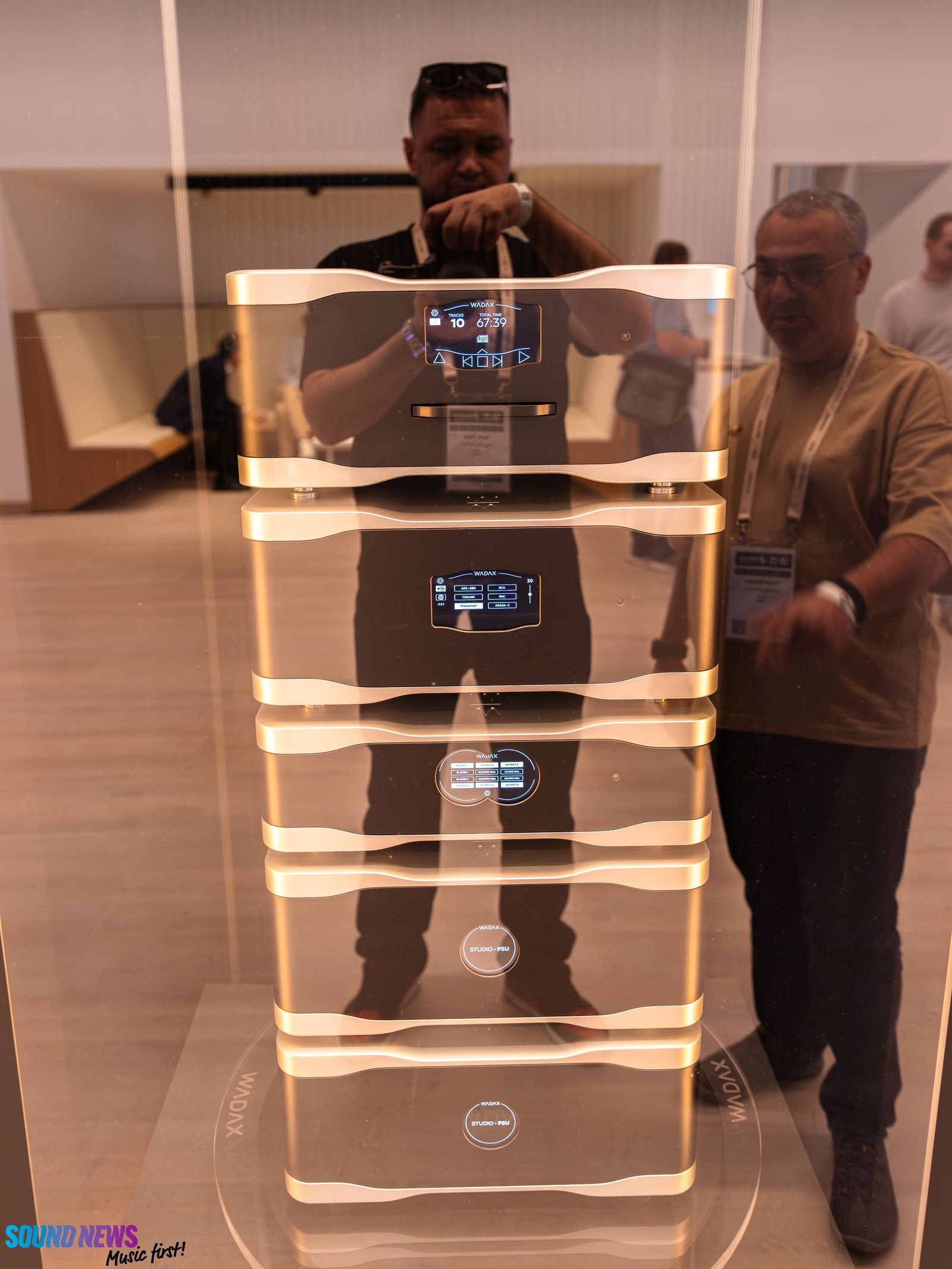
MAGICO S7, WADAX, PILIUM
We arrived in Vienna with high expectations. Maybe even stupidly high expectations, to be fully honest. This is Vienna after all, the capital of classical music, the city of Mozart, Beethoven, Schubert, Strauss, the Musikverein, the State Opera, the Vienna Philharmonic, and God knows how many ghosts of dead composers still floating around the streets looking disappointed at our playlists. When the biggest European high-end audio show moves from Munich to Vienna, you expect something big. You expect a shock. You expect the industry to be properly dressed for the occasion.
And with high expectations, high disappointments were unavoidable. We saw many companies skip this amazing venue, and we feel that hurt the overall feeling of the show. KEF, Estelon, TIDAL, Vivid, DALI, Monitor Audio, Sonus Faber, even if we heard the Sonetto VIII G2, we expected the Suprema, and a few other important names that we looked for or at least hoped to see were missing from the rooms we wanted to attack first. Maybe there were reasons; maybe logistics were difficult; maybe the first Vienna edition needed a year to settle down; maybe the audio gods wanted to test our patience. The venue deserved the full army but got only a part of it…
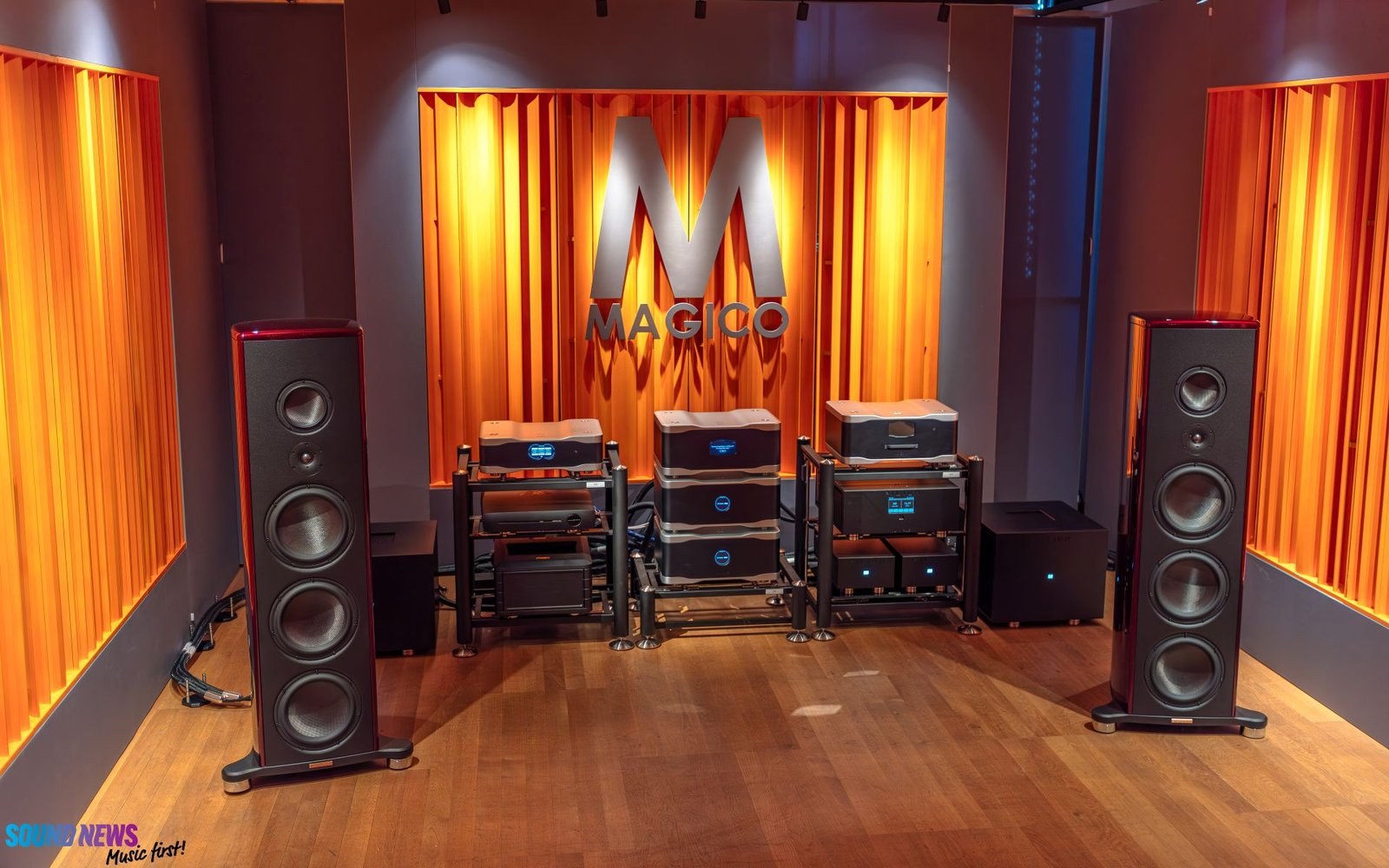
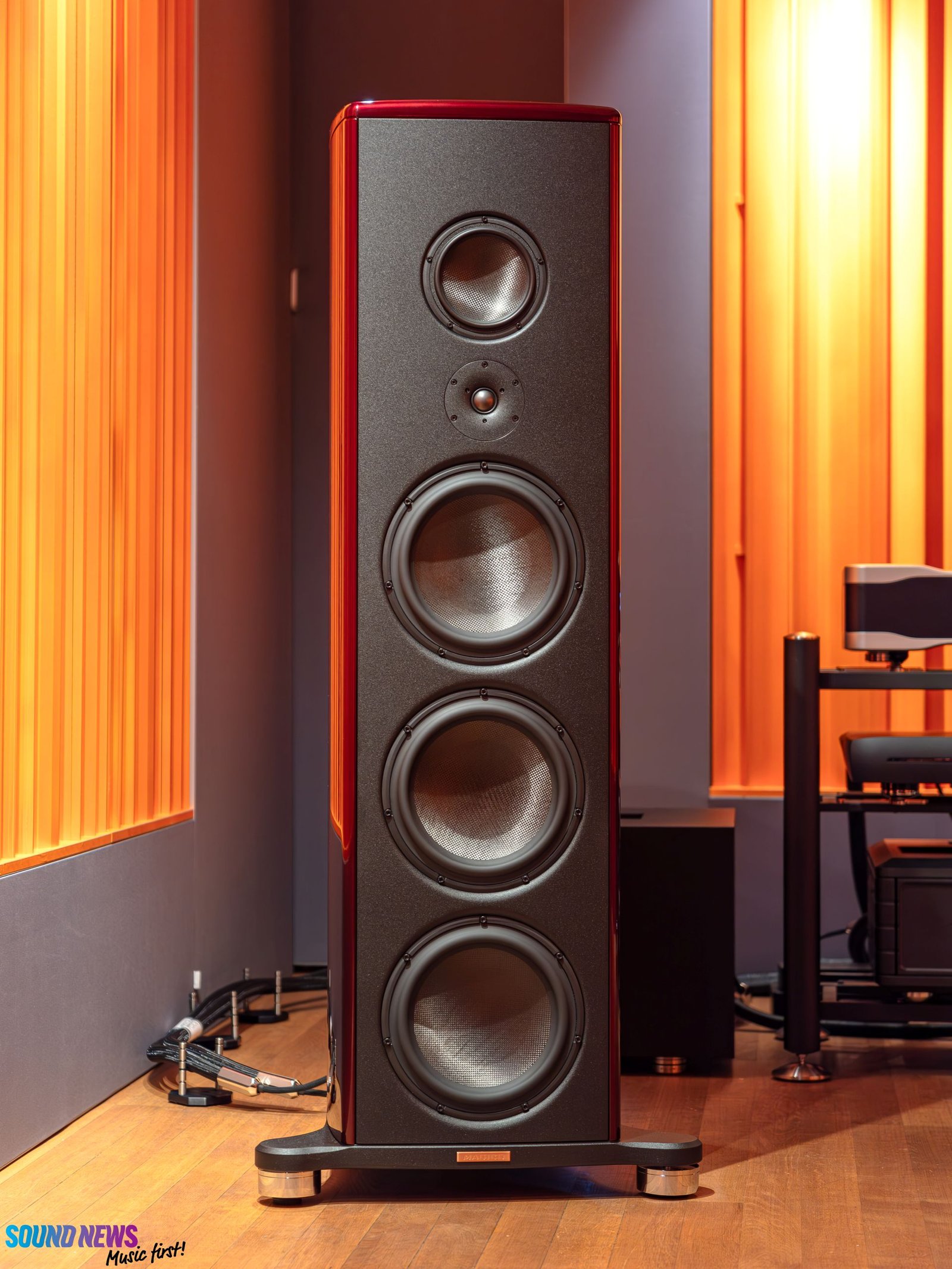
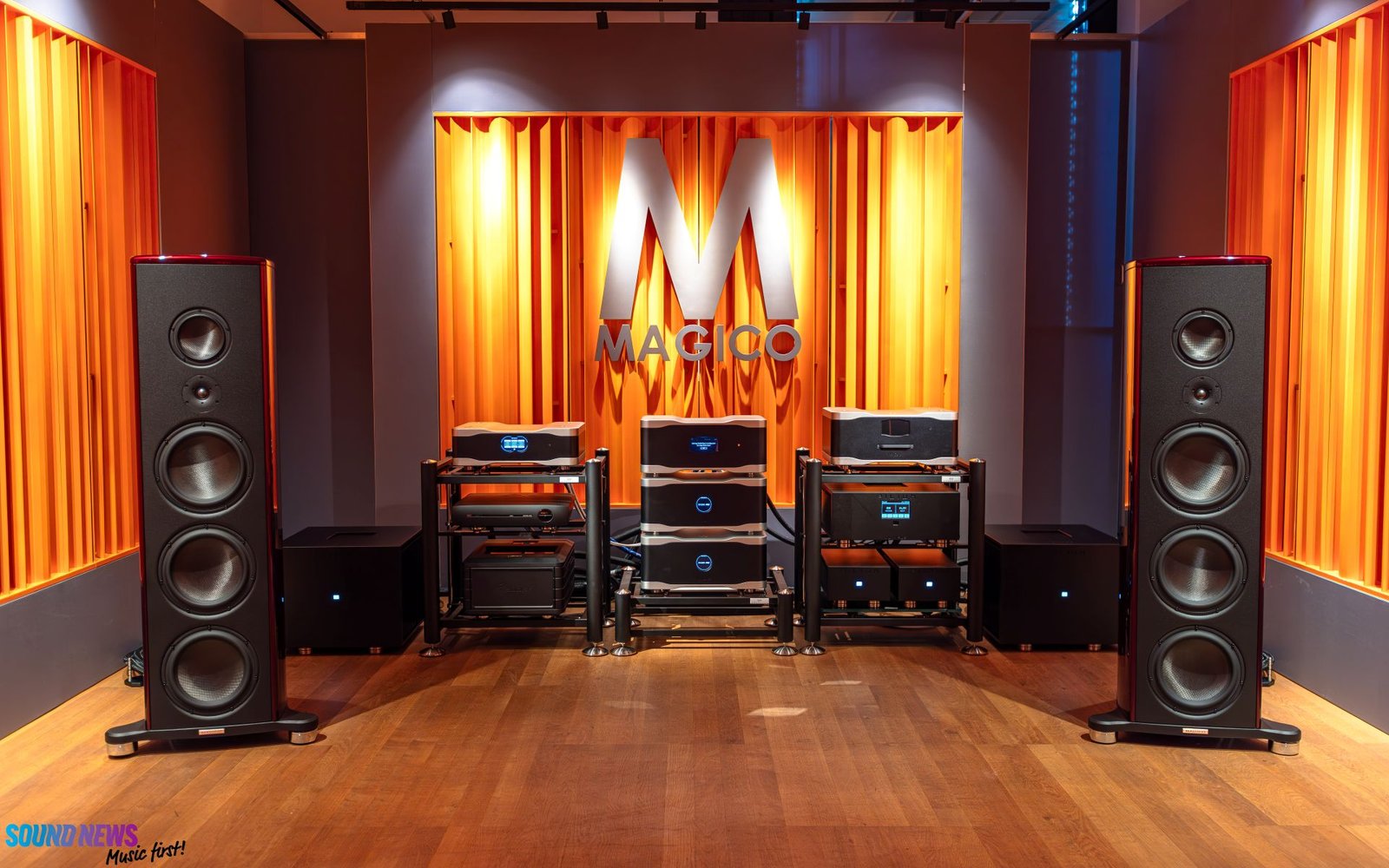
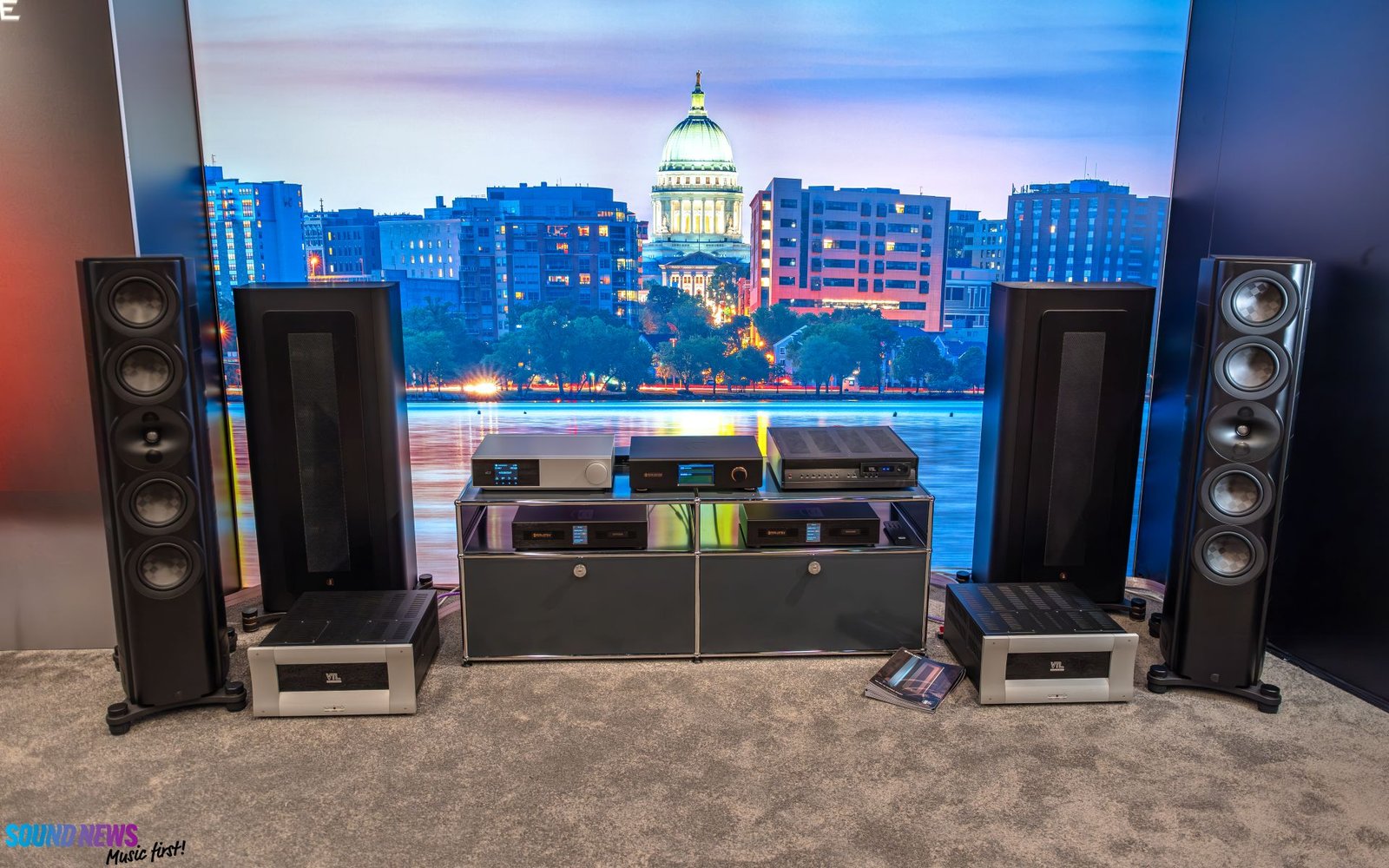
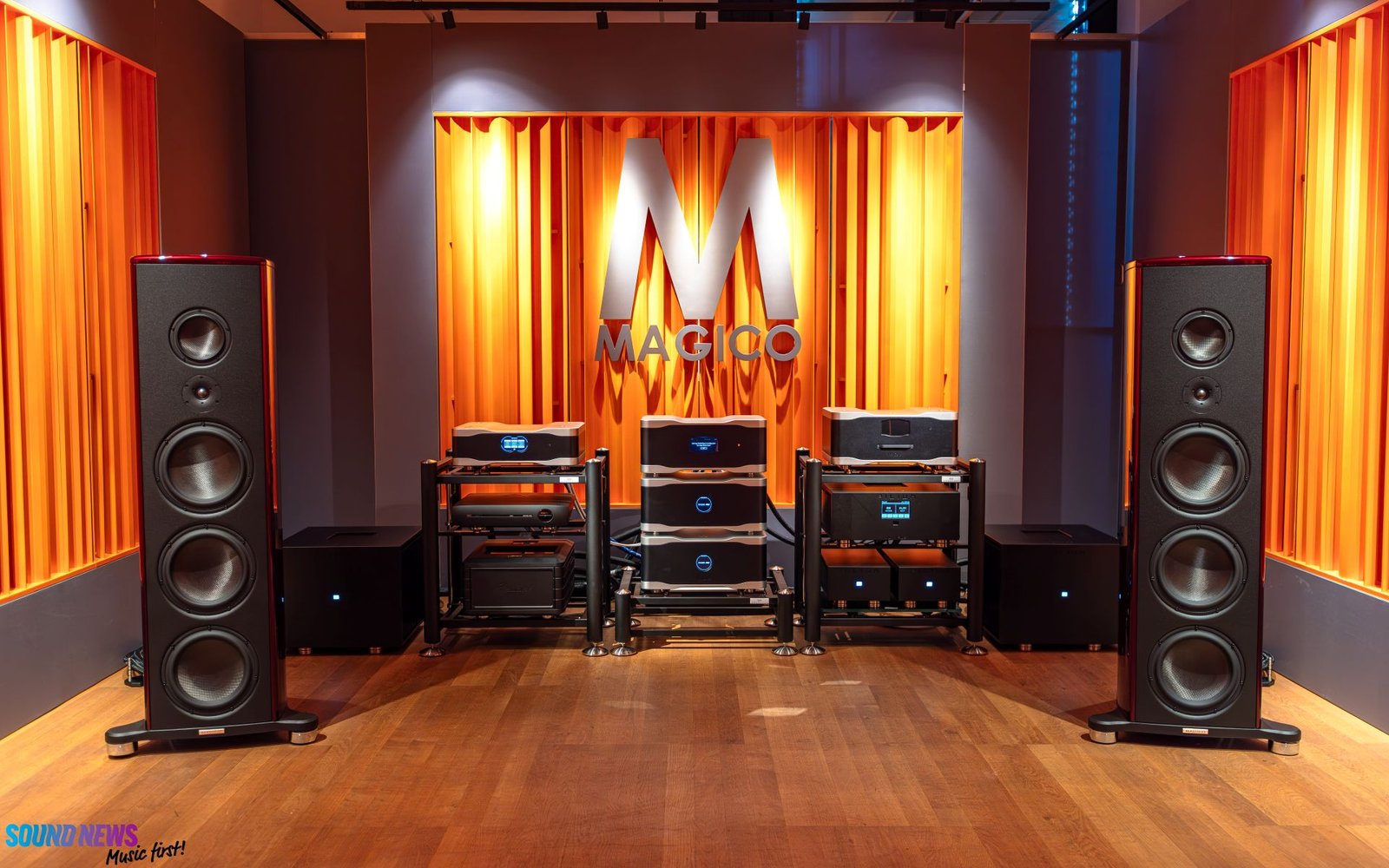
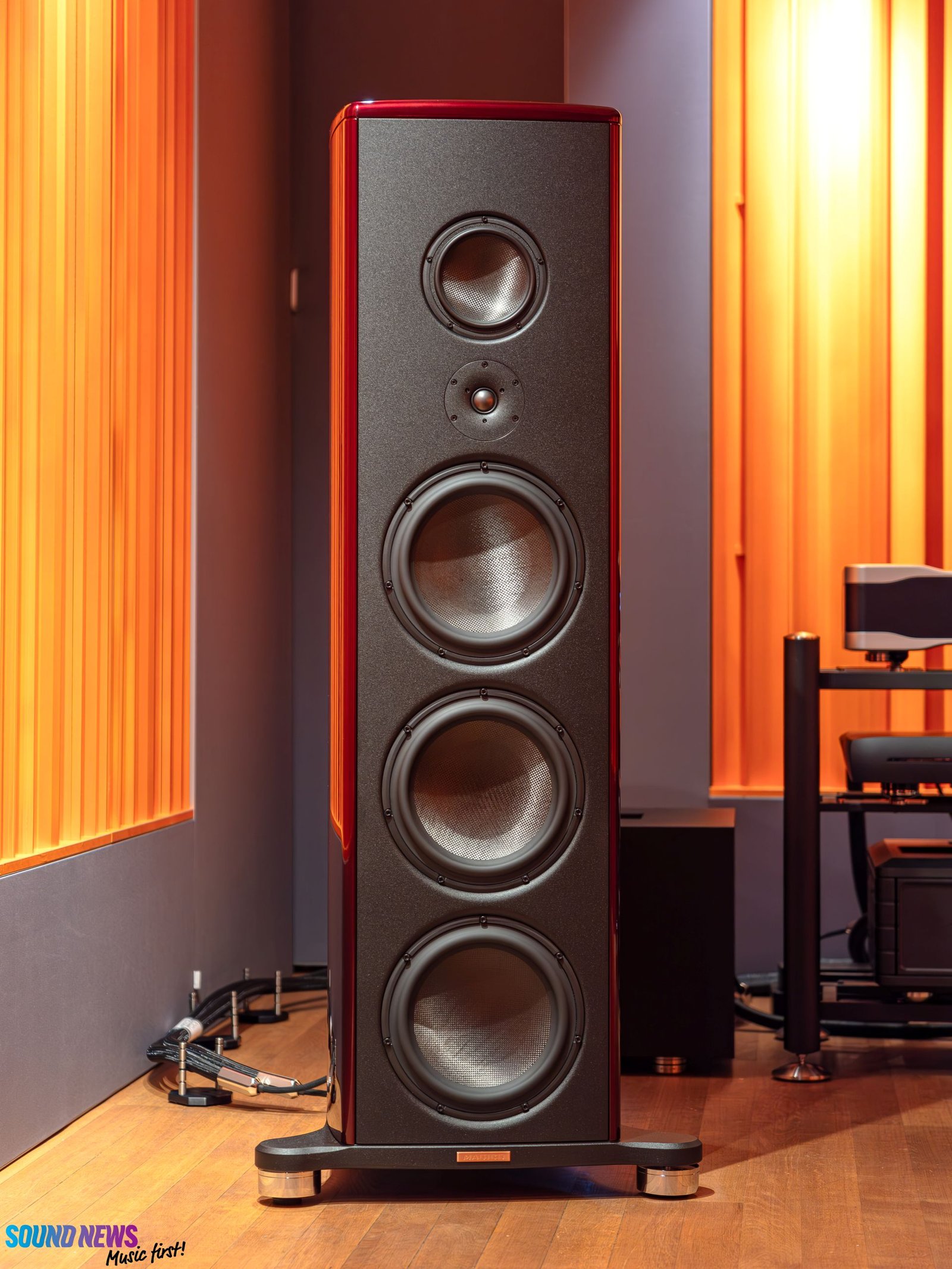
To keep the story short, we will start with the most important statement. Our Best of Show award for High End Vienna 2026 goes to the Magico room, where we listened to the new S7 loudspeakers.
What stood out and seemed out of this world was the coherence. Extraordinary to say the least. Everything that the S5 does best, the S7 does bigger, cleaner, deeper, and more complete, if one could say so. The most striking aspect of the sound reproduction for us was how everything blended together so well and harmoniously. First the enclosures faded from our minds. Then the drivers, the room, the usual audiophile instinct of chasing bass, midrange, treble, detail, air, and transparency as separate things… layer by layer, every physical element dissolved and disappeared. And after the system left no physical trace in our attention, only the music remained.
Everything operated at the highest possible level. Micro details, macro details, physicality, body, air, transparency, focus, depth, musicality, realism, the whole system behaved and moved as one. The system had amazing power and control; the midrange had life and color, the highs had air and sparkle, the soundstage had that free, effortless, almost unreal quality that makes you stop looking at the enclosures, while the dark background gave every note a cleaner outline, with dead silence around it, massive space behind it and ample breathing room between the instruments.
It is our firm belief that coherence is one of the hardest things to achieve in a loudspeaker. Many speakers can impress for five minutes with bass. Many can throw details in your face, many can sparkle, punch or shout for attention. The S7 managed to do something far more mature; we feel it somehow connected everything perfectly. The drivers felt like a single source, without the single-point-source sound that certain producers achieve with coaxial drivers. The music flowed without visible seams. We heard and felt the scale, control, refinement, body, and emotion in one package. Amazing!
We left that room with the feeling that this was the benchmark of the show. Impressive is too small a word. The Magico S7 room had that rare quality in which technical excellence leads to emotional comfort, ultimately translating to Nirvana. After a brief time, we stopped caring about all the audiophile aspects, comparisons, descriptions… we found ourselves just sitting there and enjoying the music, unraveling before us.
II. Honorable Mentions (Sandu’s picks)
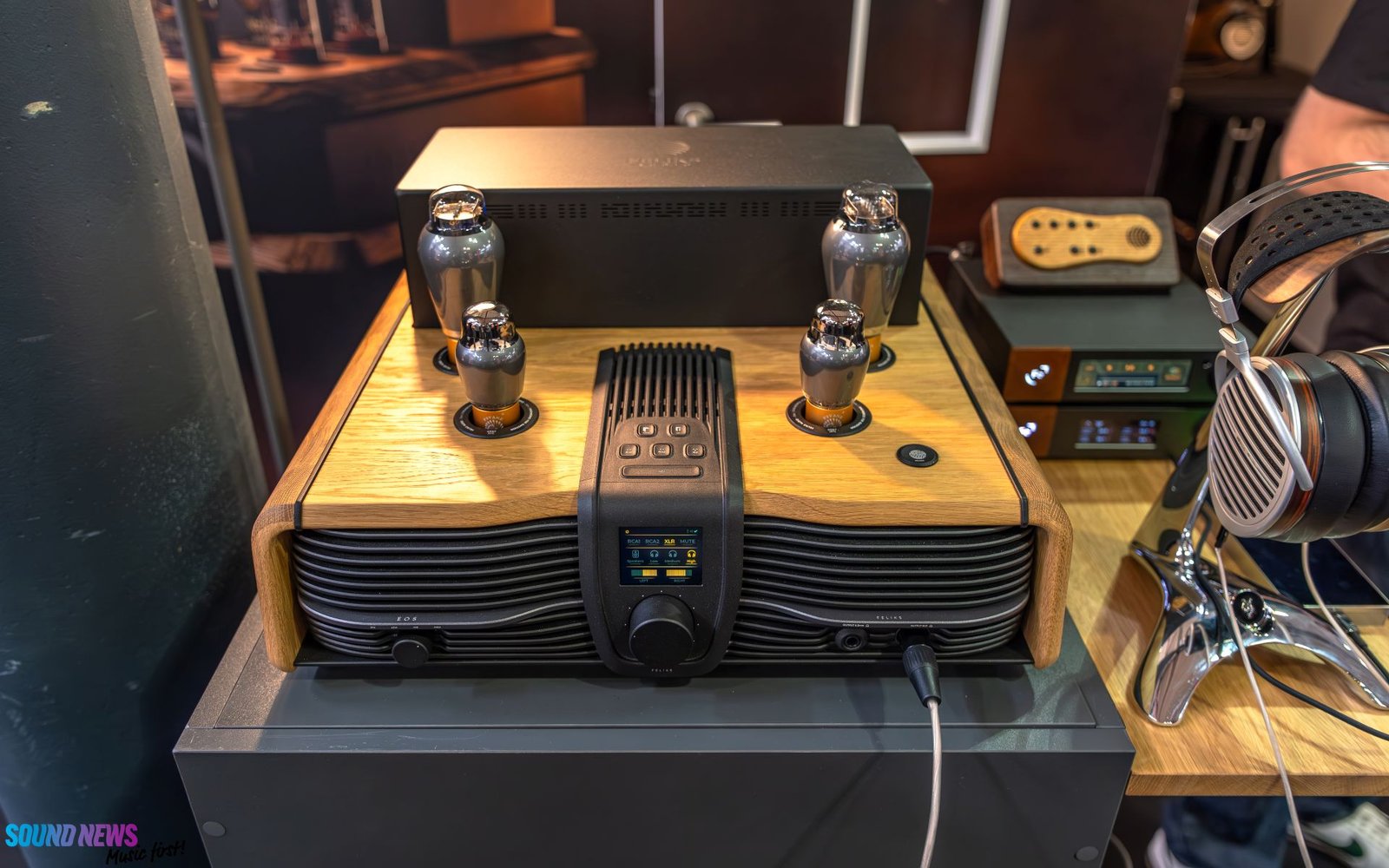
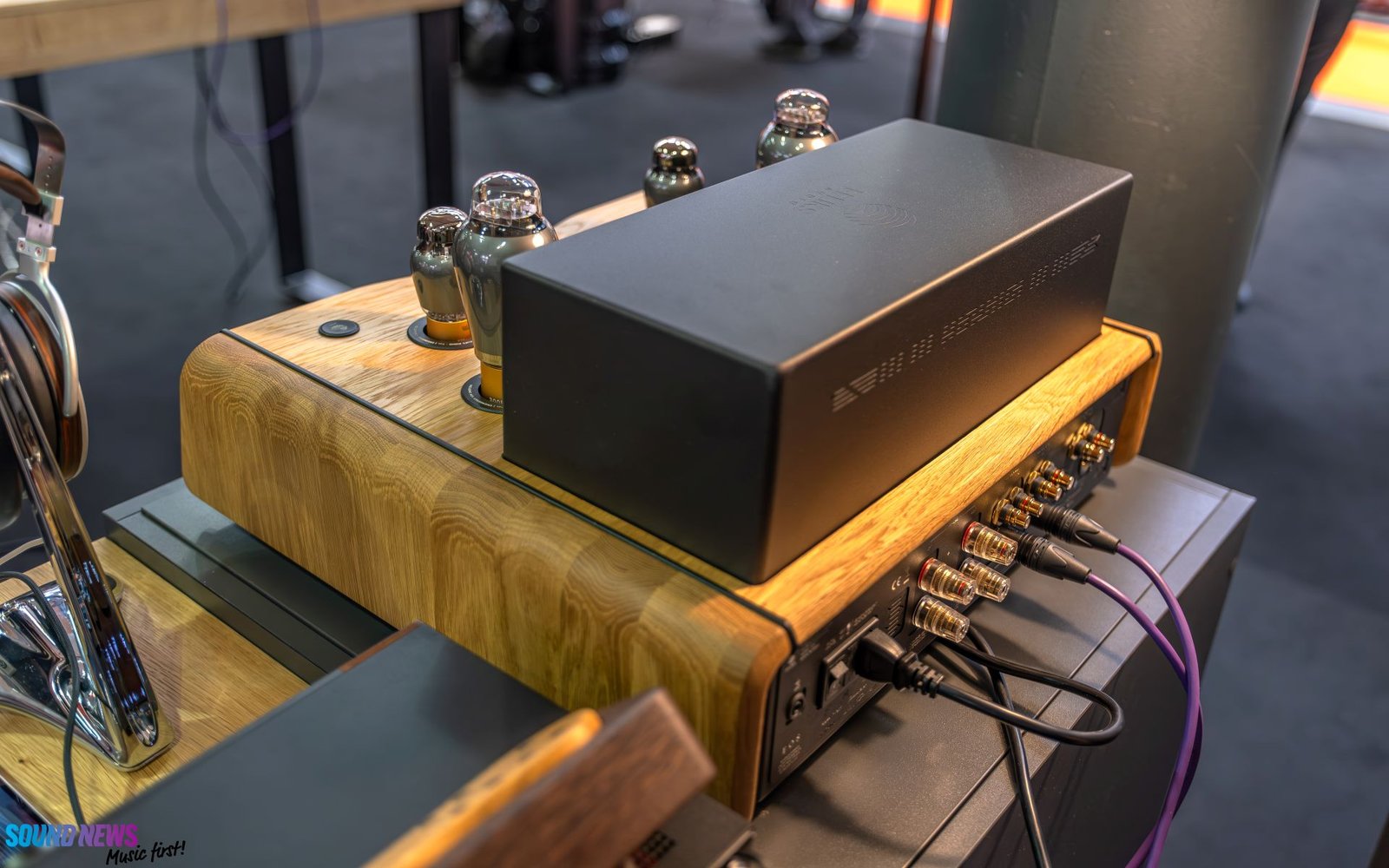
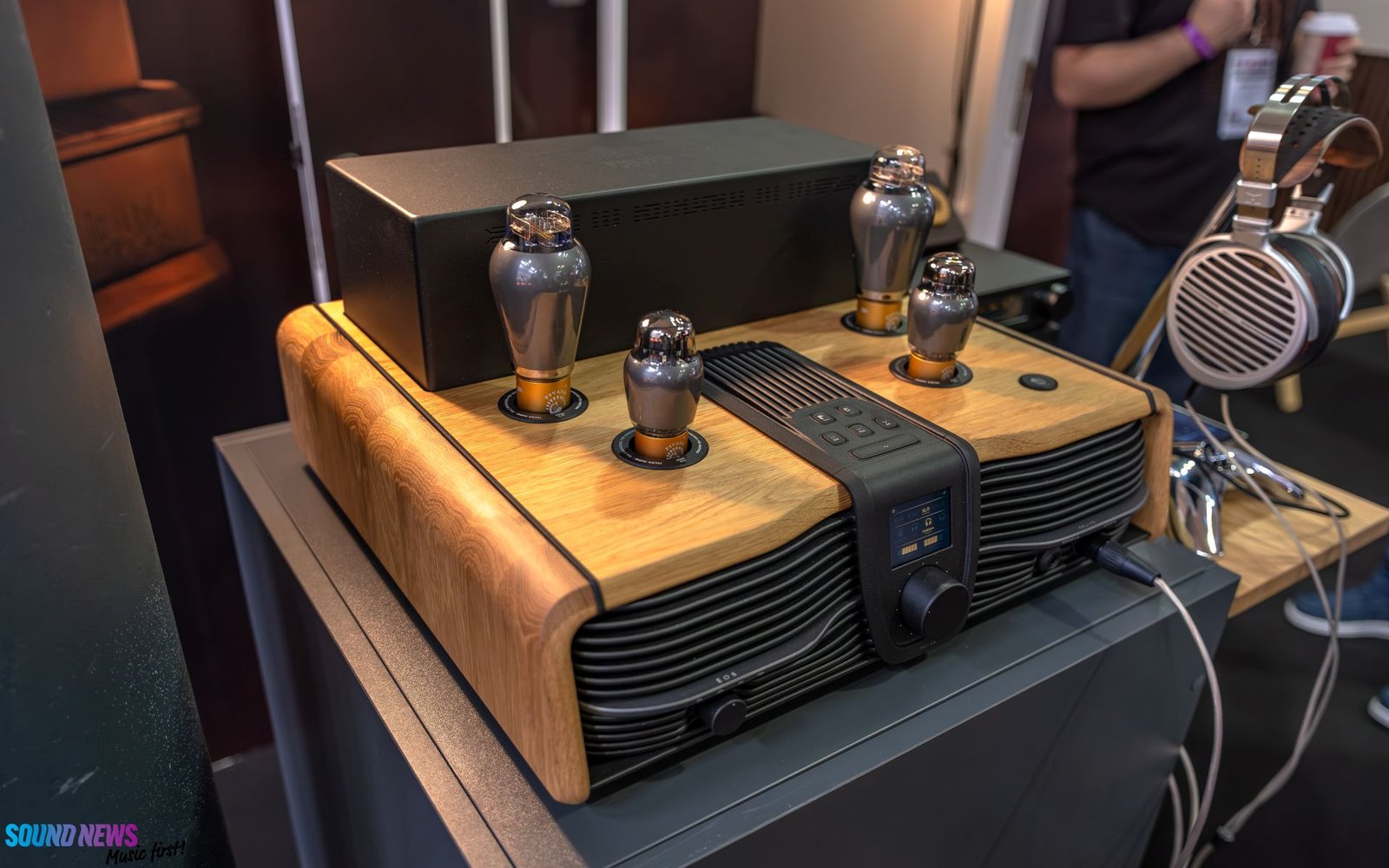
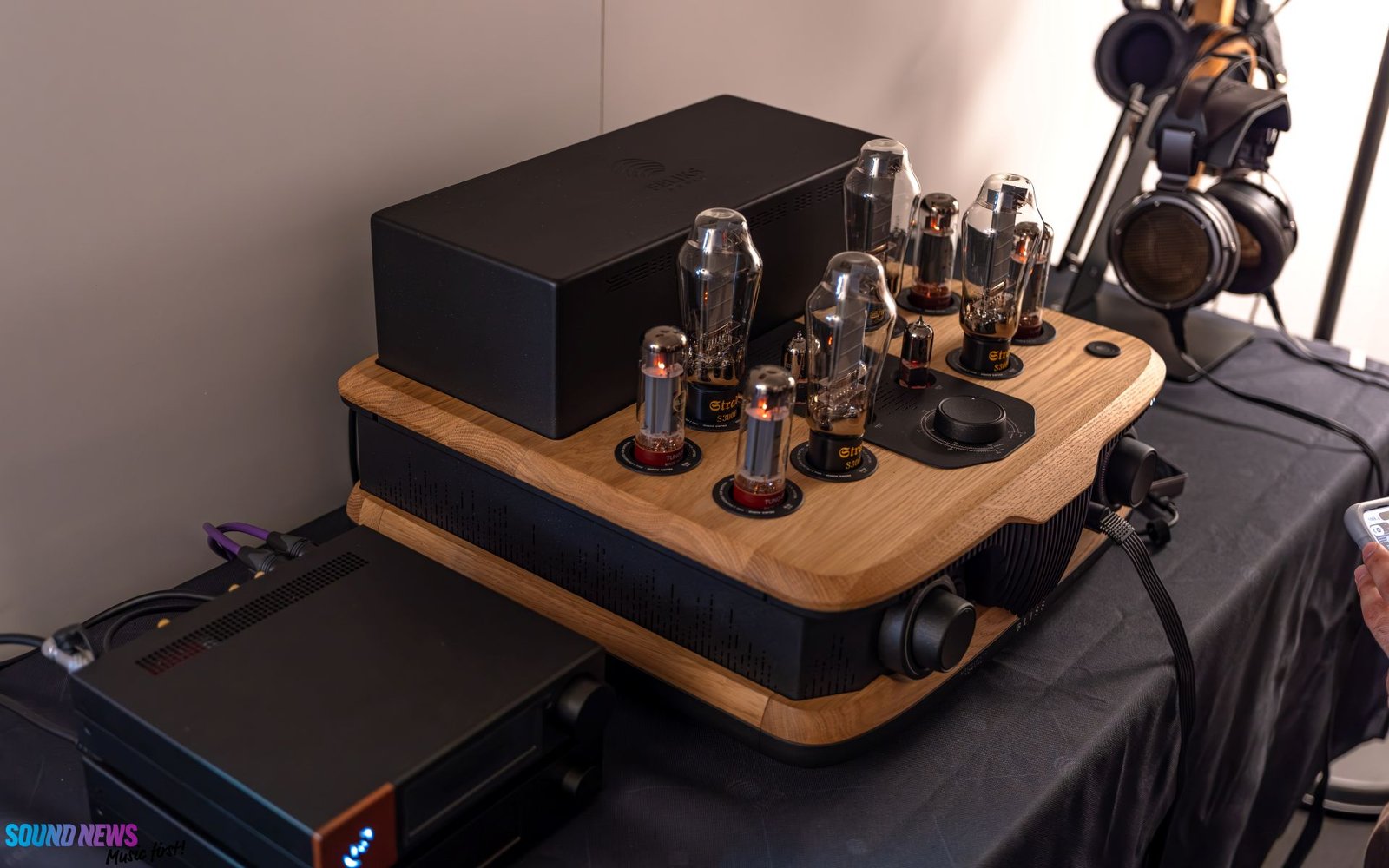
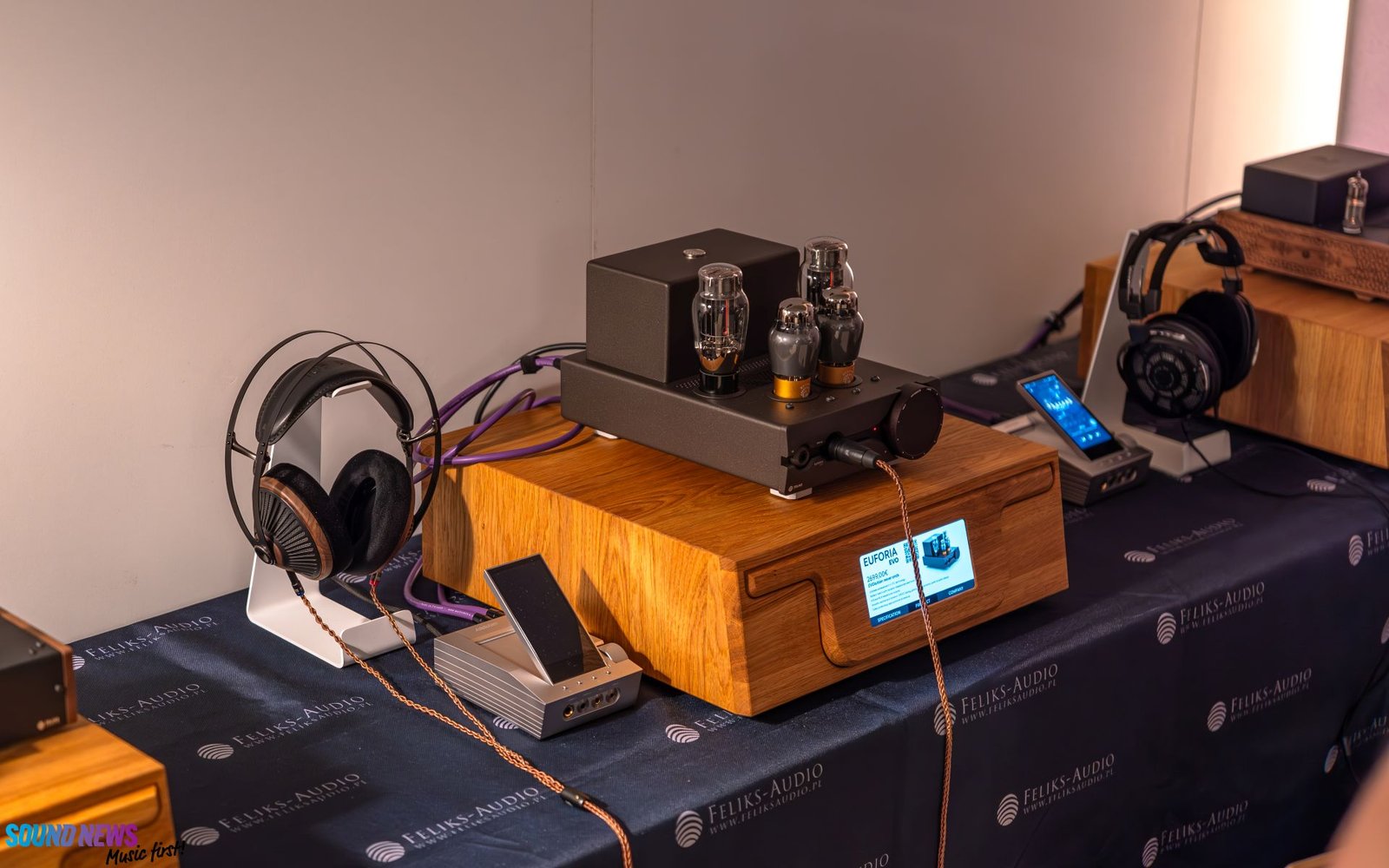
Feliks Audio EOS & Bandoss AVIJA Precision
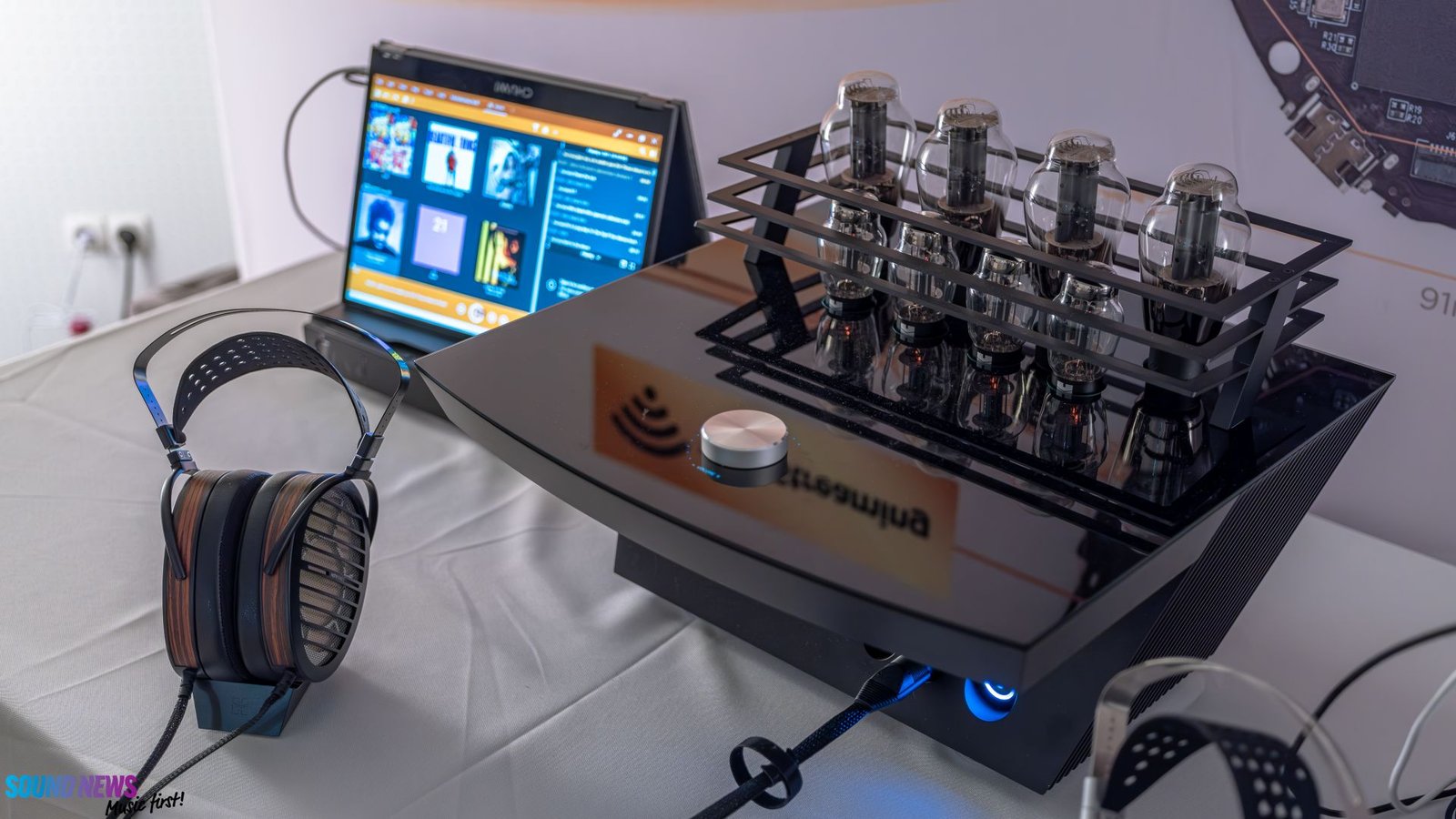
We’ve been visiting the Feliks Audio booths for several years now at various HiFi shows across Europe, and every single time they had some of the coolest-looking tube amplifiers on display. We heard and later reviewed their Envy Performance Edition (review here); we then upgraded to the god-tier Envy Susvara Edition (review here), and to this day I struggle to think of a better headphone amplifier capable of driving inefficient loads while simultaneously pushing the fun factor into the stratosphere. But all of that changed in a flash.
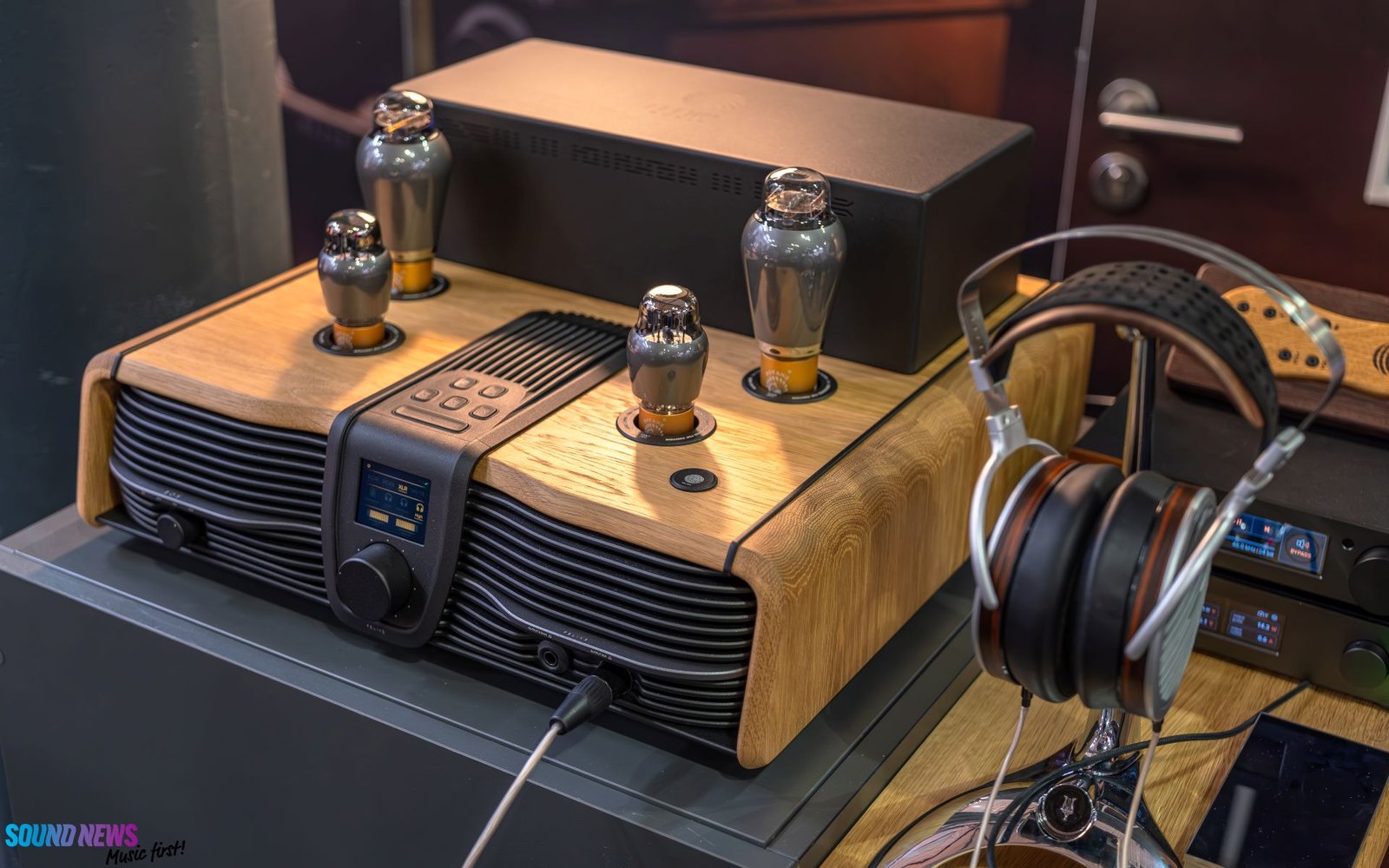
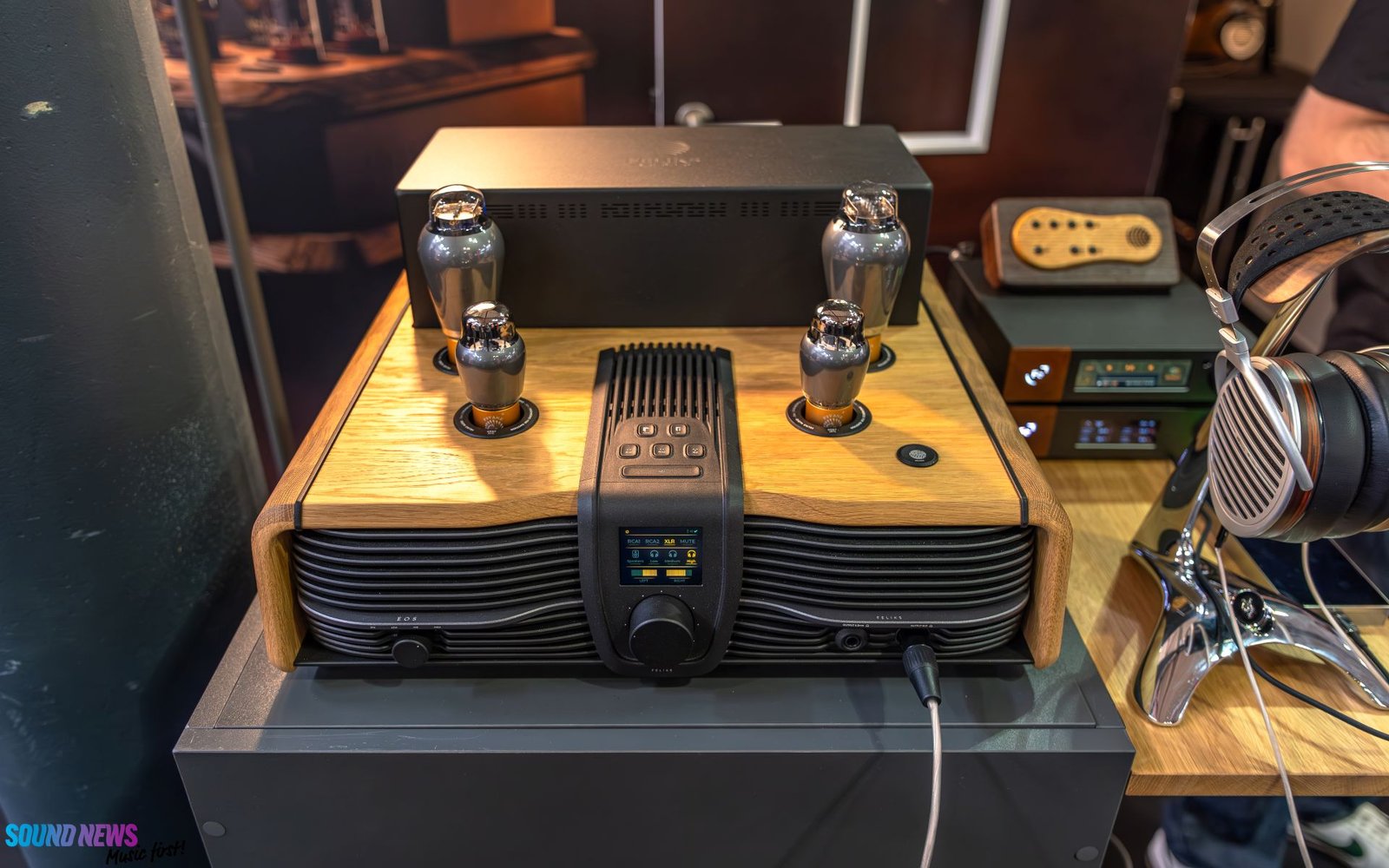
Just a day before our departure to Vienna, Feliks Audio dropped another cryptic teaser on social media, and it was immediately clear that we were about to witness yet another flagship headphone amplifier. We received their top-of-the-line BLISS exactly one year ago, a statement product built specifically for electrostatic headphones, so it felt only natural to see a similar treatment applied to dynamic and planar-magnetic headphones as well. I was both happy and a little sad. Happy because we were about to witness another technological marvel pushing the boundaries of tube amplifier design. Sad because my beloved Envy Susvara Edition suddenly looked a lot more envious than before, moving from flagship to pseudo-flagship status overnight. As usual, the Feliks brothers were cheerful, enthusiastic as ever, and happy to answer hundreds of questions. After a brief introduction to EOS, the powerful Titan goddess of the dawn in Greek mythology, an amplifier that literally looked twice as large, heavy, and majestic as the Envy, I simply couldn’t contain my enthusiasm any longer. I immediately started touching it, exploring its shape and admiring every design cue I could find on its surface.
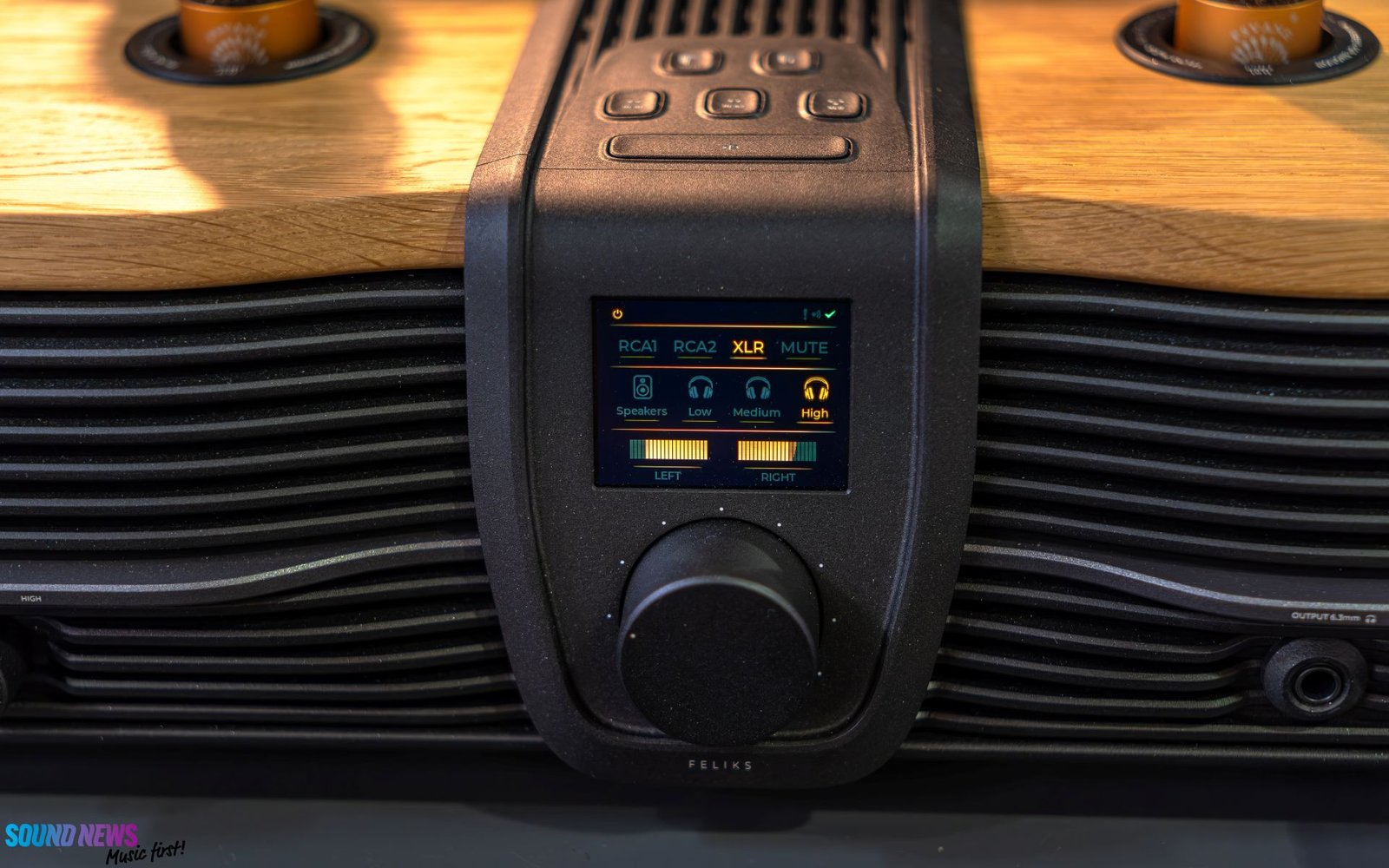
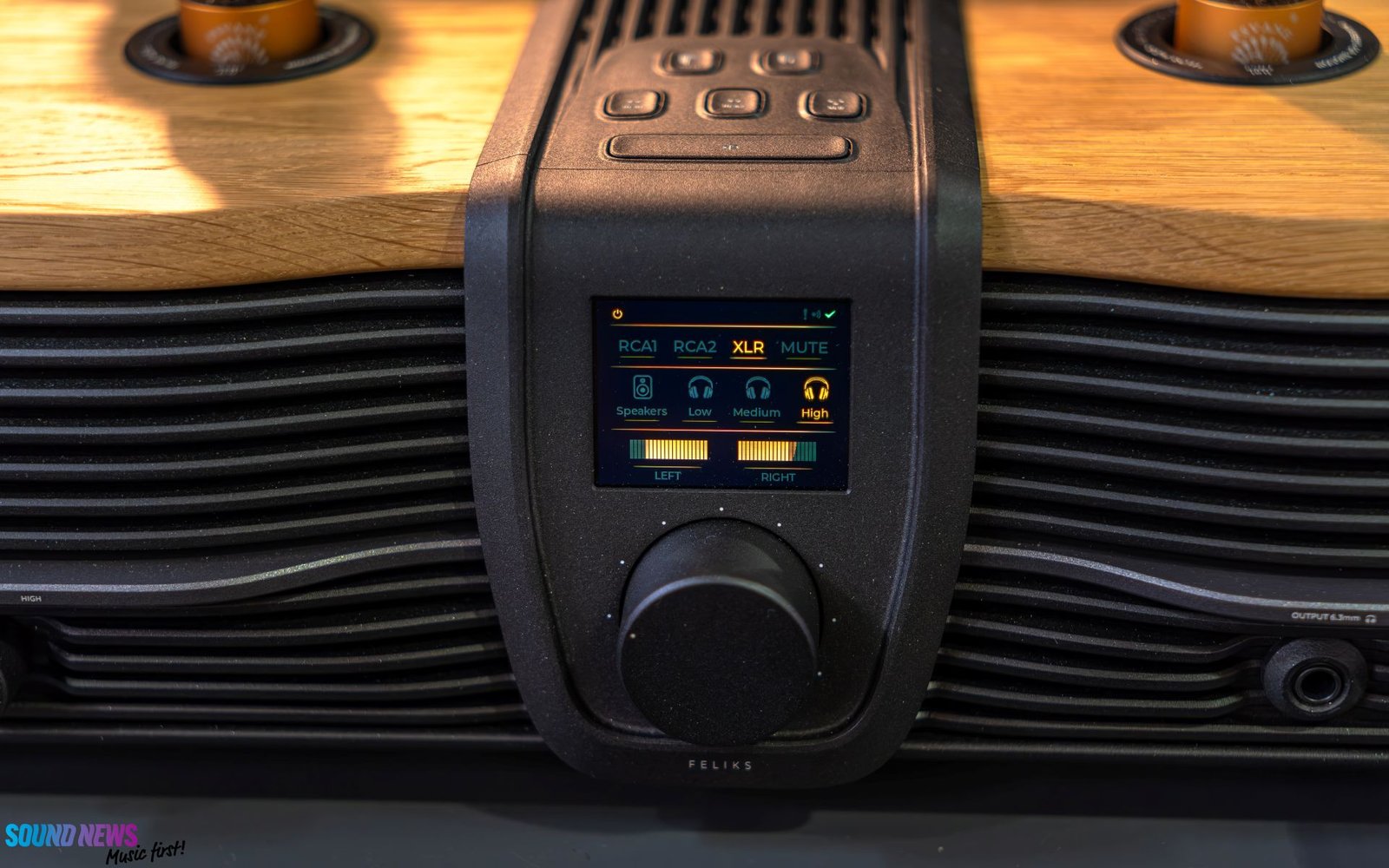
It’s true that I haven’t sampled every tube amplifier under the sun, but I genuinely can’t recall another one capable of displaying the exact lifespan of every vacuum tube installed inside it. We even get temperature sensors for every tube socket, real-time bias monitoring, and for a brief moment, it genuinely felt like a tube amplifier arriving from the future. A surprisingly elegant user interface can be controlled via the buttons located on top. You can enable or disable inputs and outputs, monitor tube health, and even enjoy a miniature digital VU meter. Initially, I wasn’t particularly excited about a digital user interface on a tube amplifier, but the quality-of-life improvements from real-time temperature monitoring and tube-lifespan indicators completely changed my mind. That part alone suddenly made every other tube amplifier a little outdated.
The BLISS already resembles a classic sports car thanks to its aggressive front fascia, but the EOS oozes a futuristic vibe with its flowing curves and sculpted bodywork. The more I looked at it, the more automotive influences I started noticing. I saw traces of the Bugatti Chiron, Mistral and Tourbillon in the vertical control pod with the display seamlessly integrated into it. Then I noticed hints of the Pagani Utopia, with its organic curves, absence of sharp industrial edges, and proudly exposed mechanical details. By the third day, I was suddenly seeing a Bentley Mulliner thanks to the smooth front grilles and beautiful open-pore woodwork. One thing became crystal clear from the very beginning. The Feliks brothers love cars almost as much as they love tube amplifiers. You can instantly sense their appreciation for high-performance automotive engineering and high-end audio, blending both passions into a single creation.
I listened to EOS on the very first day, but I must confess that I’m not particularly fond of driving end-game amplifiers with portable digital audio players. Drawing definitive conclusions under such circumstances would be unfair. A tiny Astell&Kern digital audio player and a flagship oversized streaming DAC are playing in entirely different leagues. Even so, powered by the tiny A&K DAP, I could already sense the power waiting to be unleashed under the hood. With a pair of HiFiMan Susvara OG connected, I couldn’t move the volume control much past 10 o’clock. Even in a noisy show environment, it was already excessively loud. We still don’t know every technical detail or exactly how much power hides behind its beautiful exterior, but it was absolutely toying with both the Susvara OG and the Bandoss AVIJA Precision. The sense of effortlessness was overwhelming, as were the openness of the sound and the holographic 3D effects. It retained that unmistakable flow and naturalness I’ve come to expect from Feliks amplifiers, but this time around everything felt slightly clearer, as if somebody had completely removed the veil.
It’s still unclear to me how it would compare in a direct showdown against a fully upgraded Envy Susvara Edition, but my schedule is slowly opening up for exactly those kinds of comparisons (*Hint, hint*). Now that I’ve heard and later purchased an Envy Susvara Edition myself, my wallet suddenly feels a lot less comfortable every time I catch myself winking at the Titan goddess. Time will tell whether EOS is a true upgrade or merely a very expensive sidegrade, as it would retail at around ~€15,000. Apart from that, we also get the long-requested speaker taps. I suspect it outputs somewhere around 10 Watts per channel into 8 Ohms, and if you’re using highly sensitive loudspeakers, particularly horn-loaded designs, it might just kill two birds with one stone, serving both your headphone and speaker listening needs.
Feliks also showcased a prototype remote control, although they are still refining its final appearance, so I didn’t spend too much time pointing my lens at it. The future looks incredibly bright for Feliks Audio, and I’m genuinely curious to learn more about EOS in the coming months. And who knows? Maybe I’ll eventually review one in the usual (overkill) fashion around here.
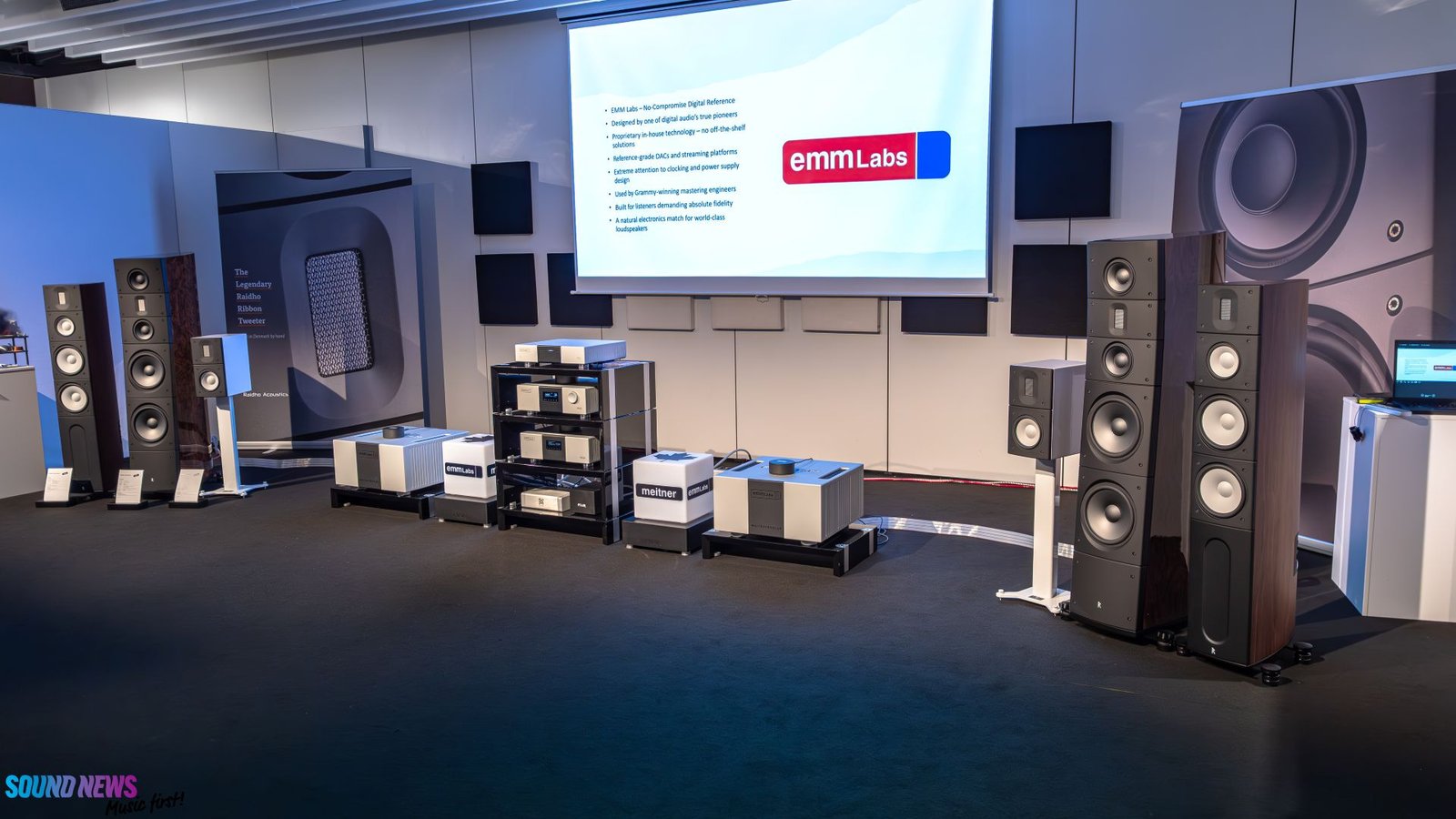
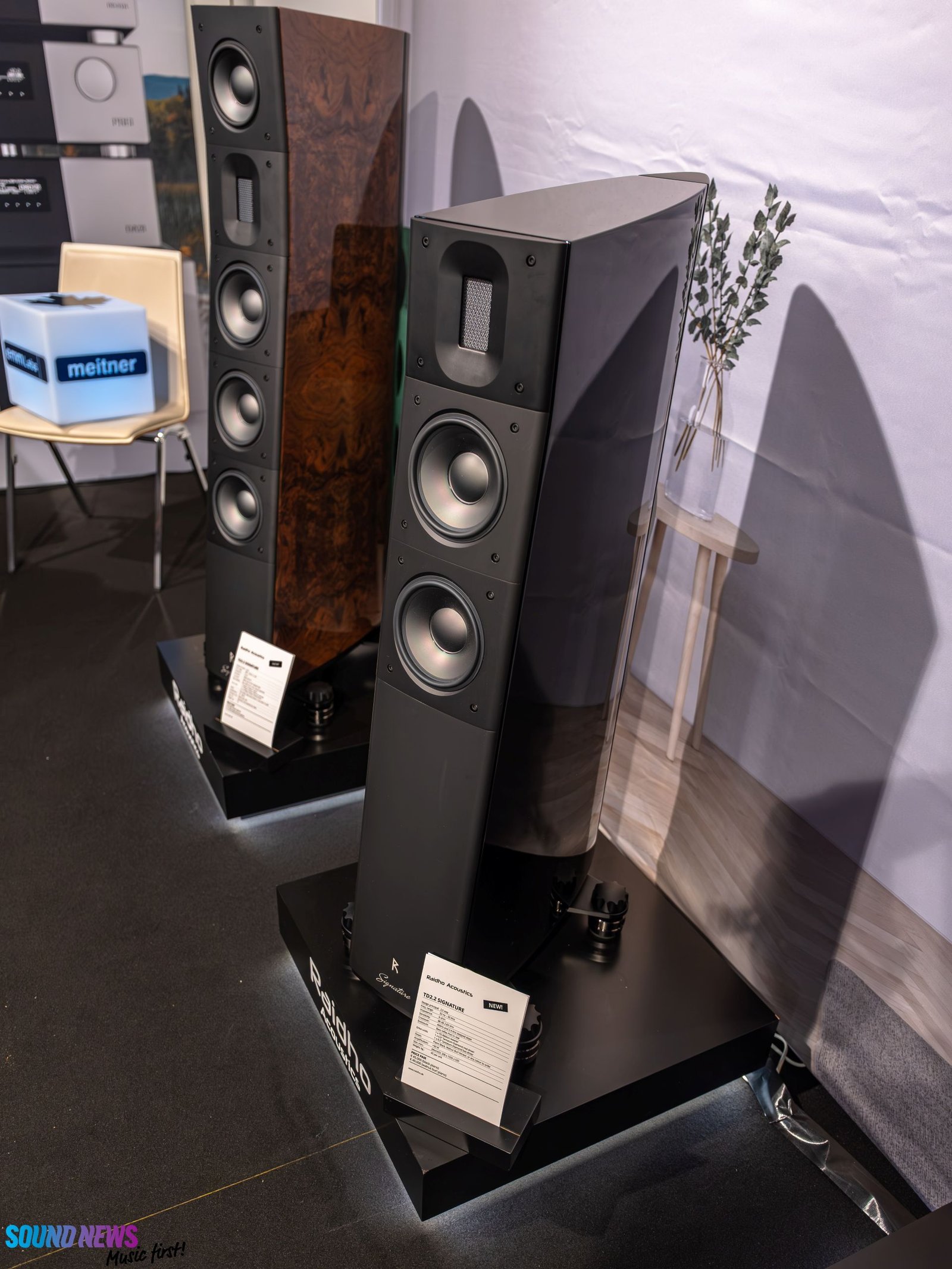
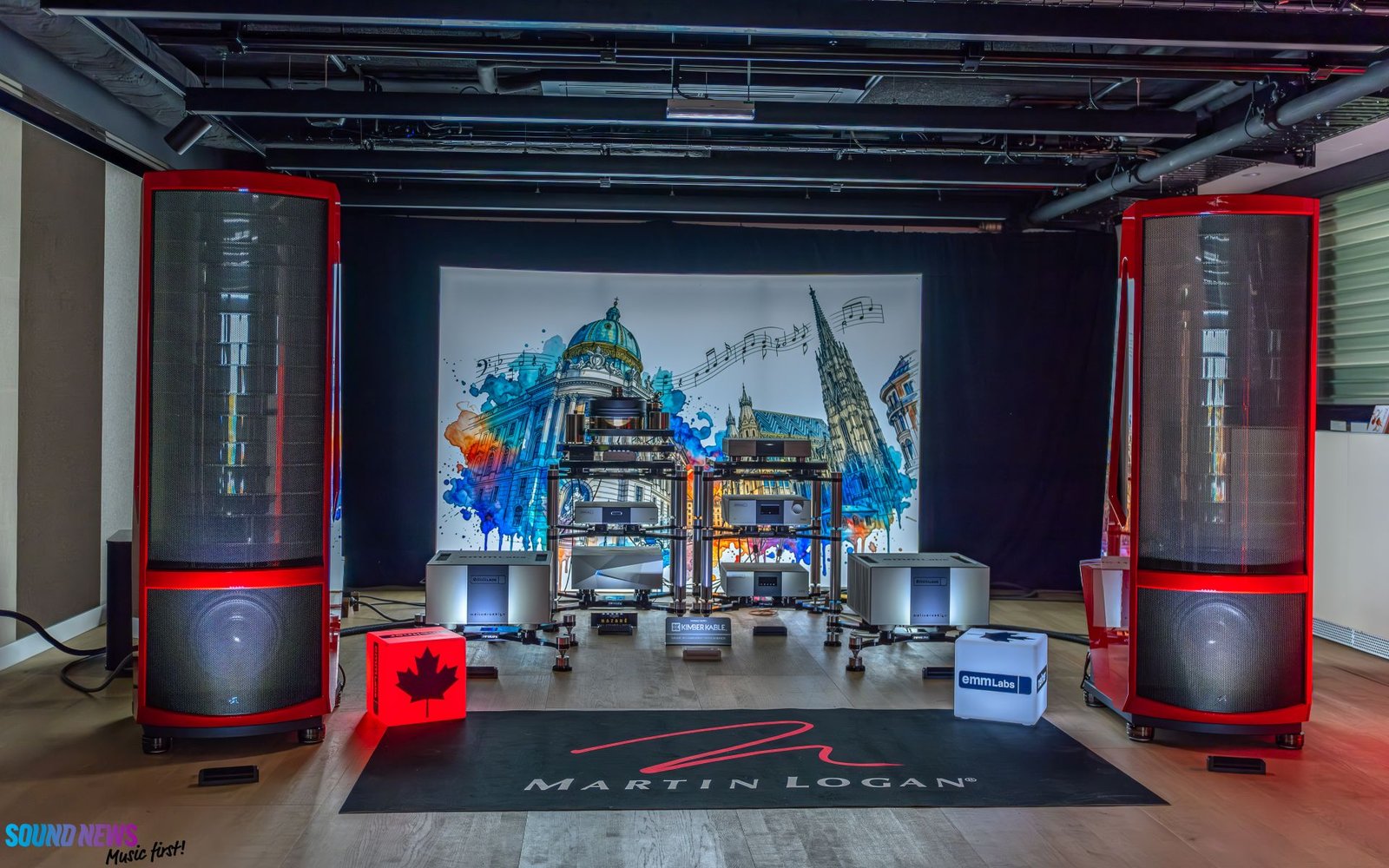
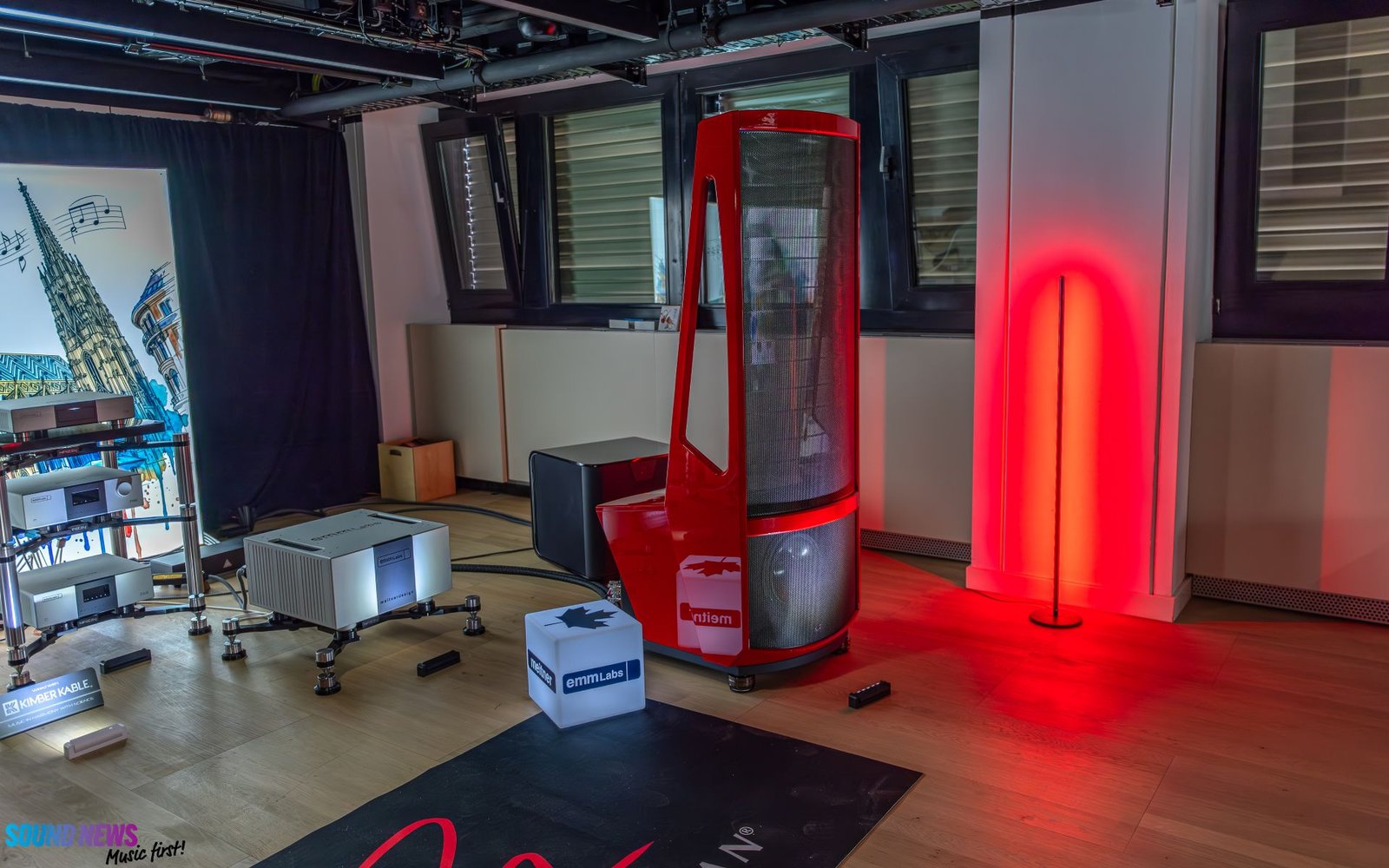
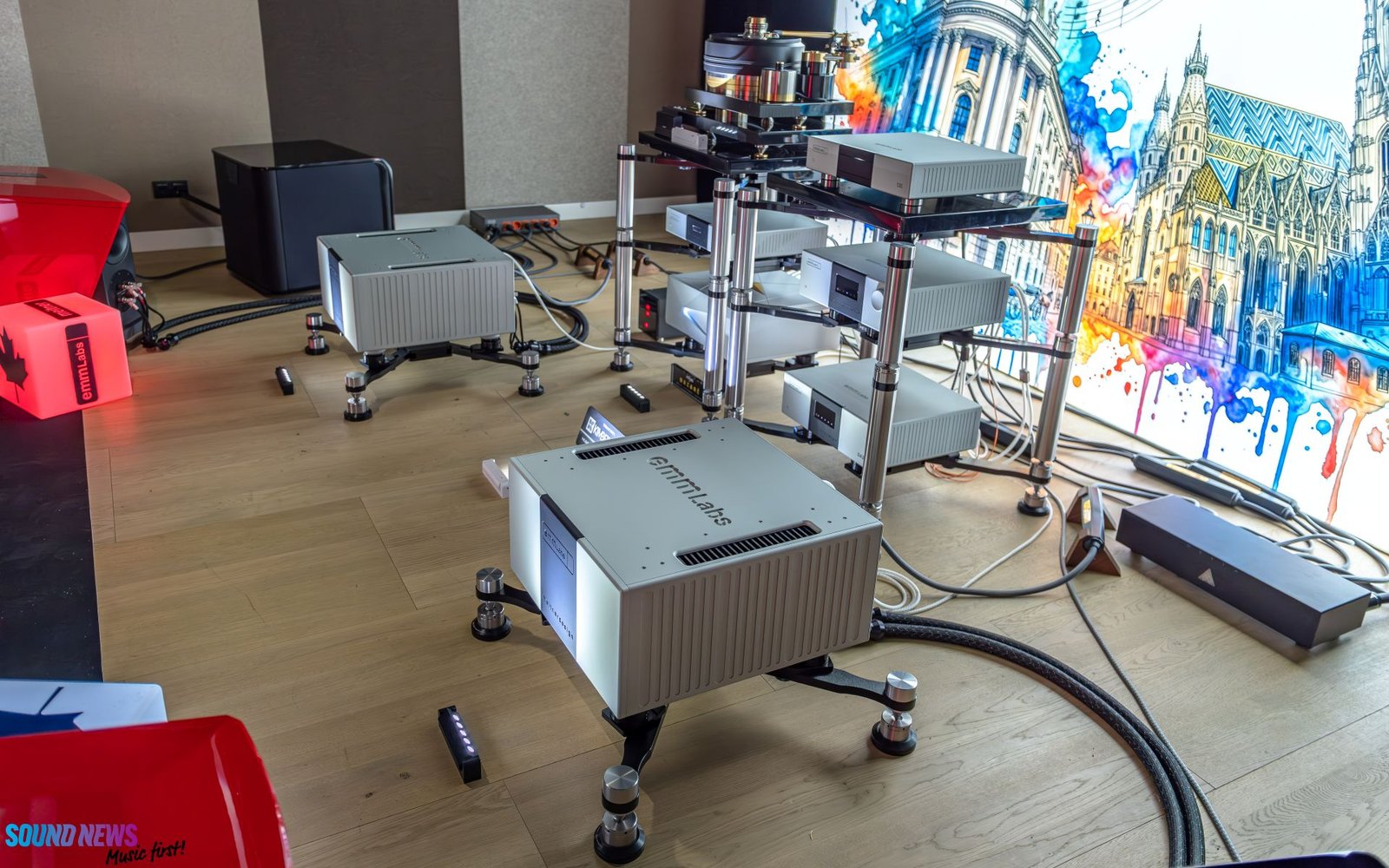
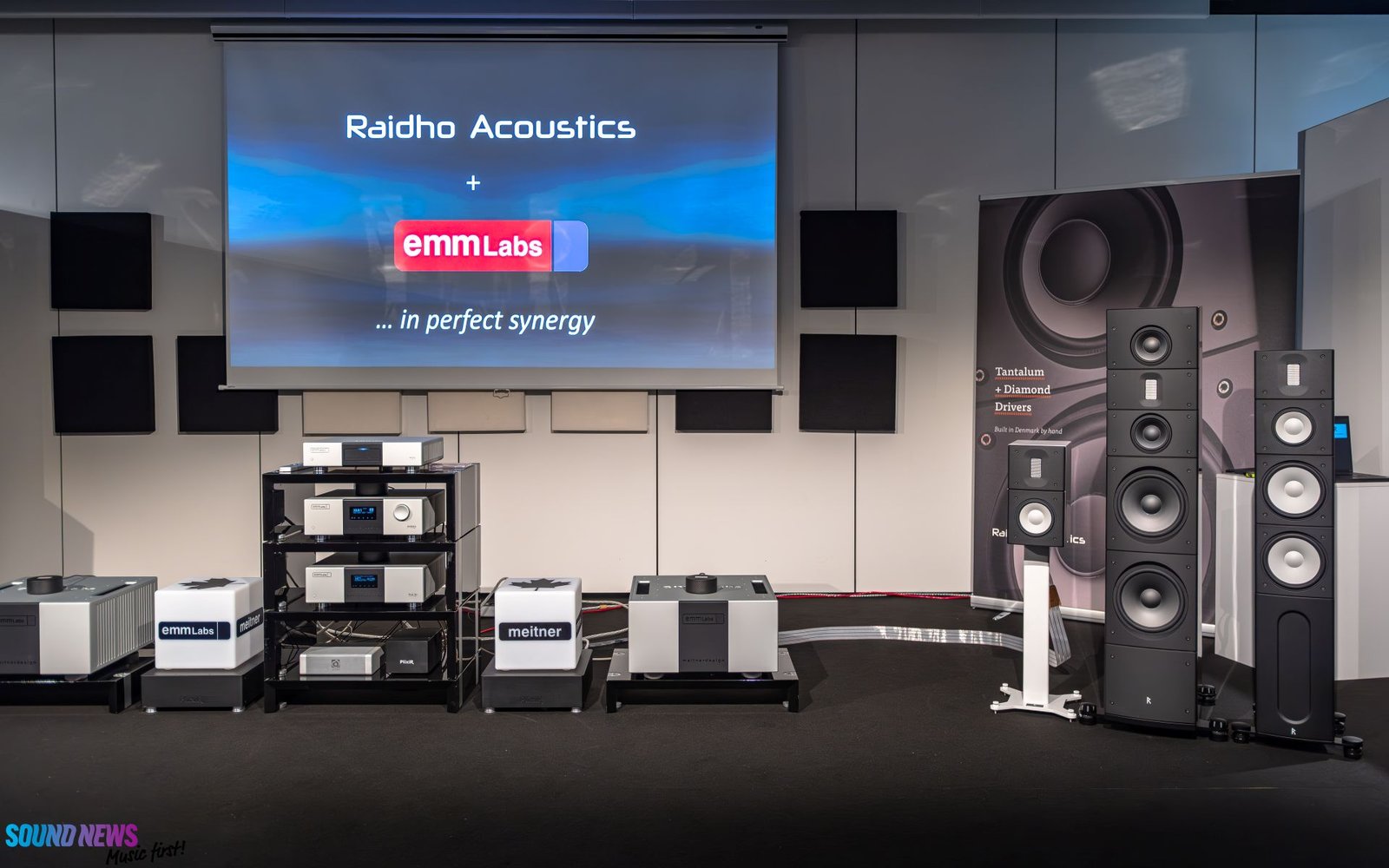
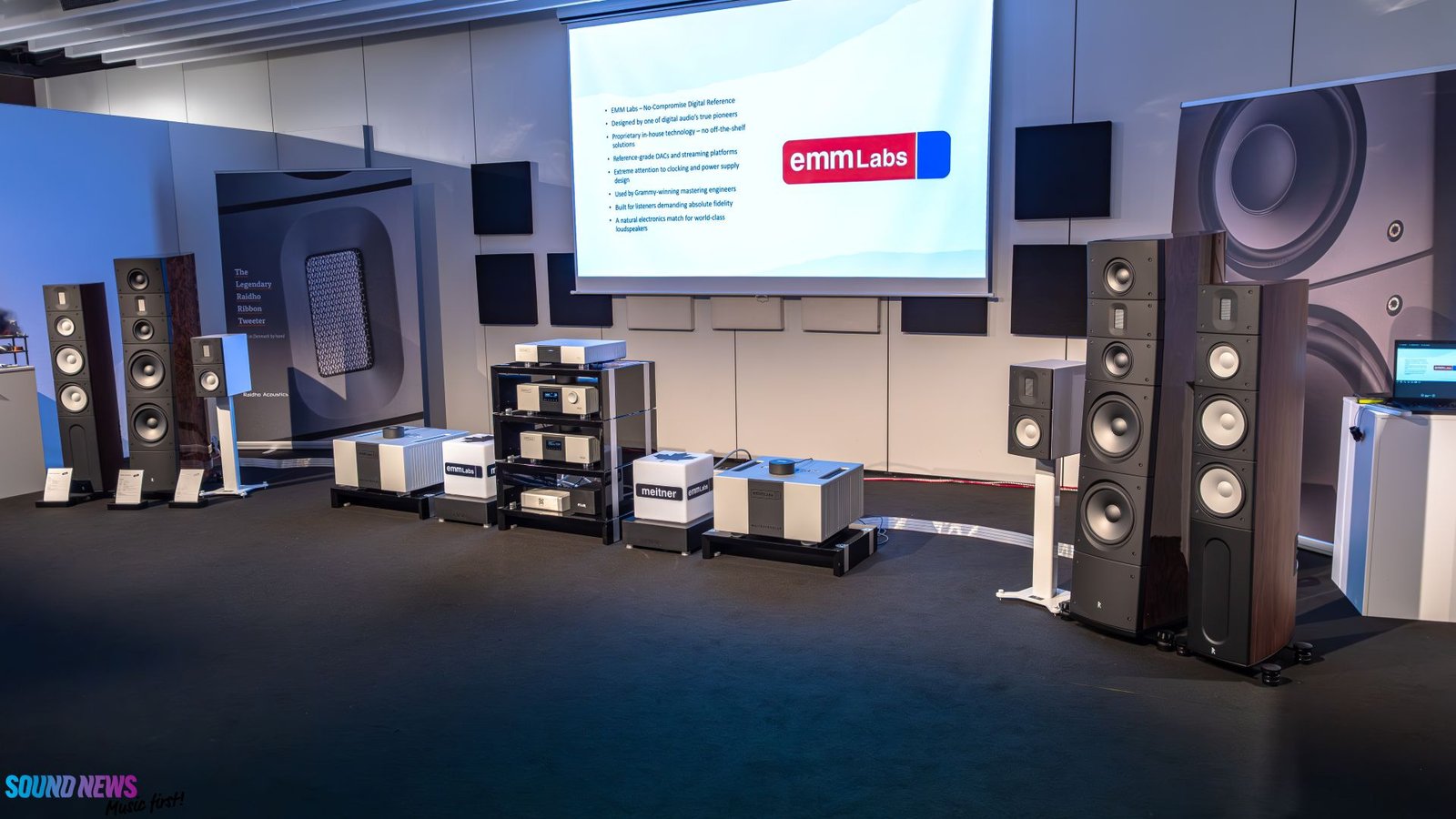
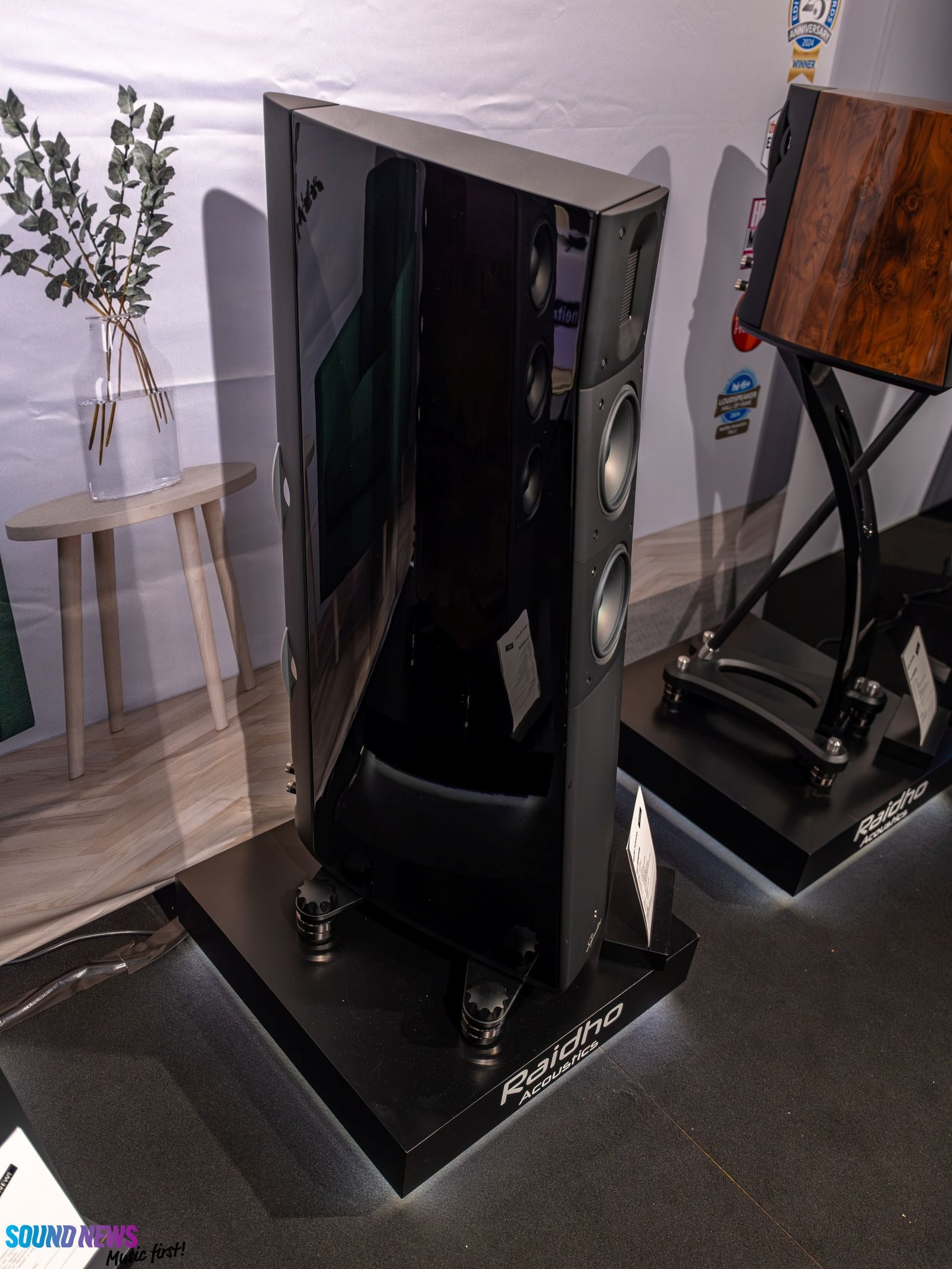
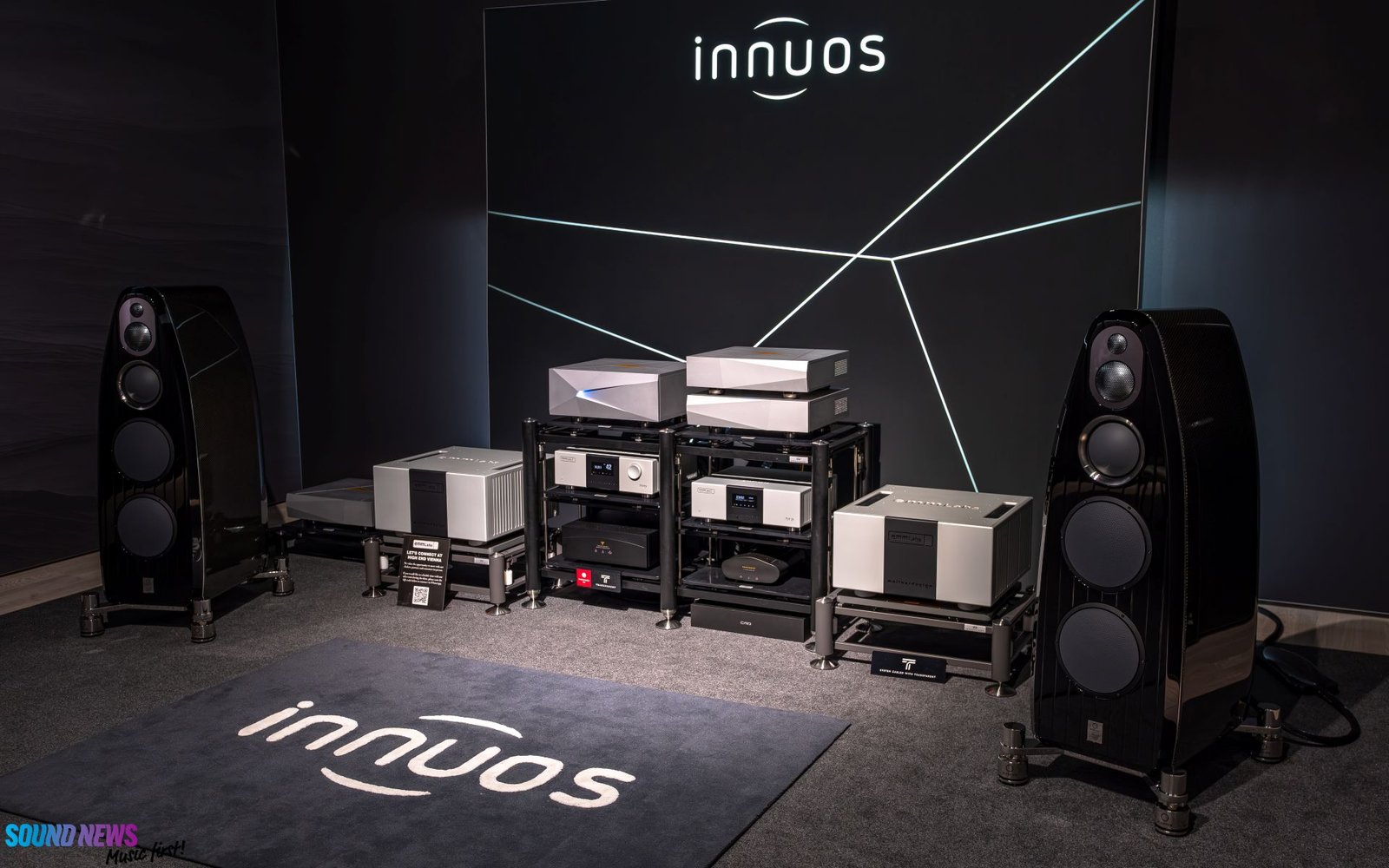
Raidho Acoustics & EMM Labs
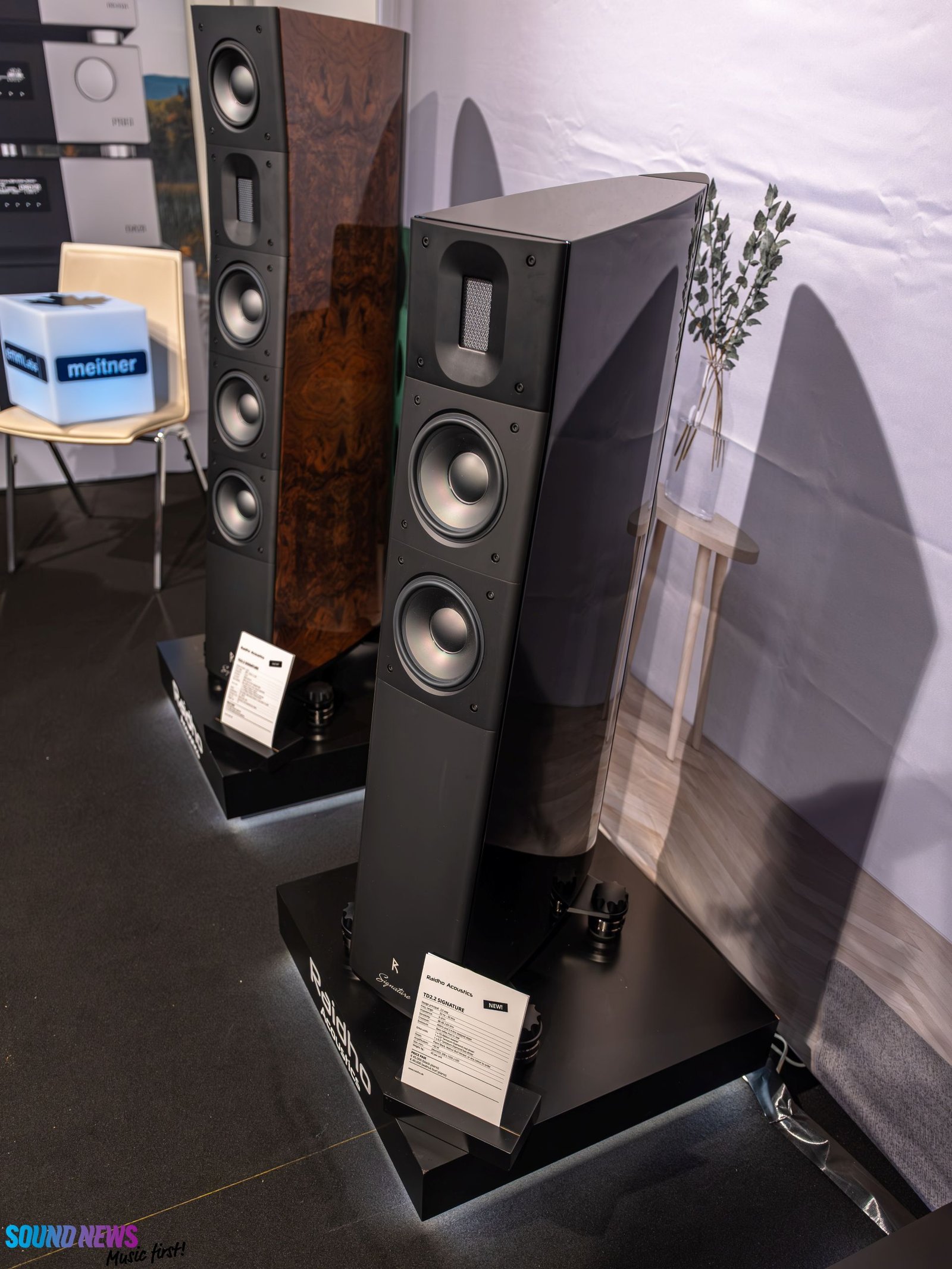
My reference loudspeakers are the Raidho TD 2.2 that I’ve proudly featured in virtually every video and article I’ve produced since late 2024. They are genuinely end-game material if your room is around 35 square meters or smaller, especially if you value ultimate technical performance and musical coherence in a single package.
From my point of view, they have it all: extreme resolution thanks to one of the most advanced ribbon tweeters in the industry, weighing only a fraction of a gram and using a diaphragm many times thinner than a human hair; lightning-fast transient response; exceptional pace, rhythm and timing; and when properly fed, a soundstage that expands far beyond the physical boundaries of the room. It’s almost impossible not to be impressed by what Raidho’s flagship TD loudspeakers are capable of when placed in the middle of a reference-grade system.
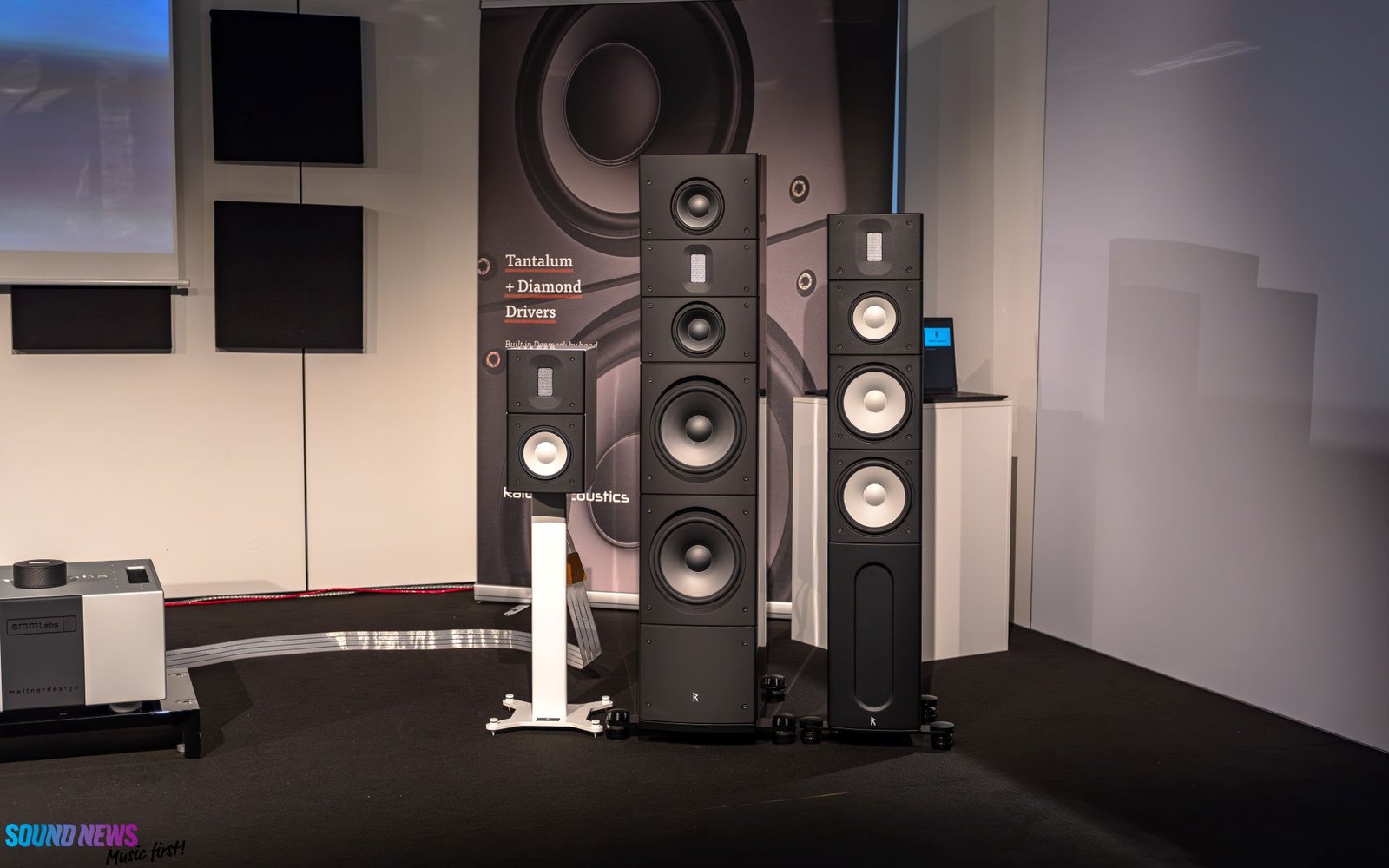
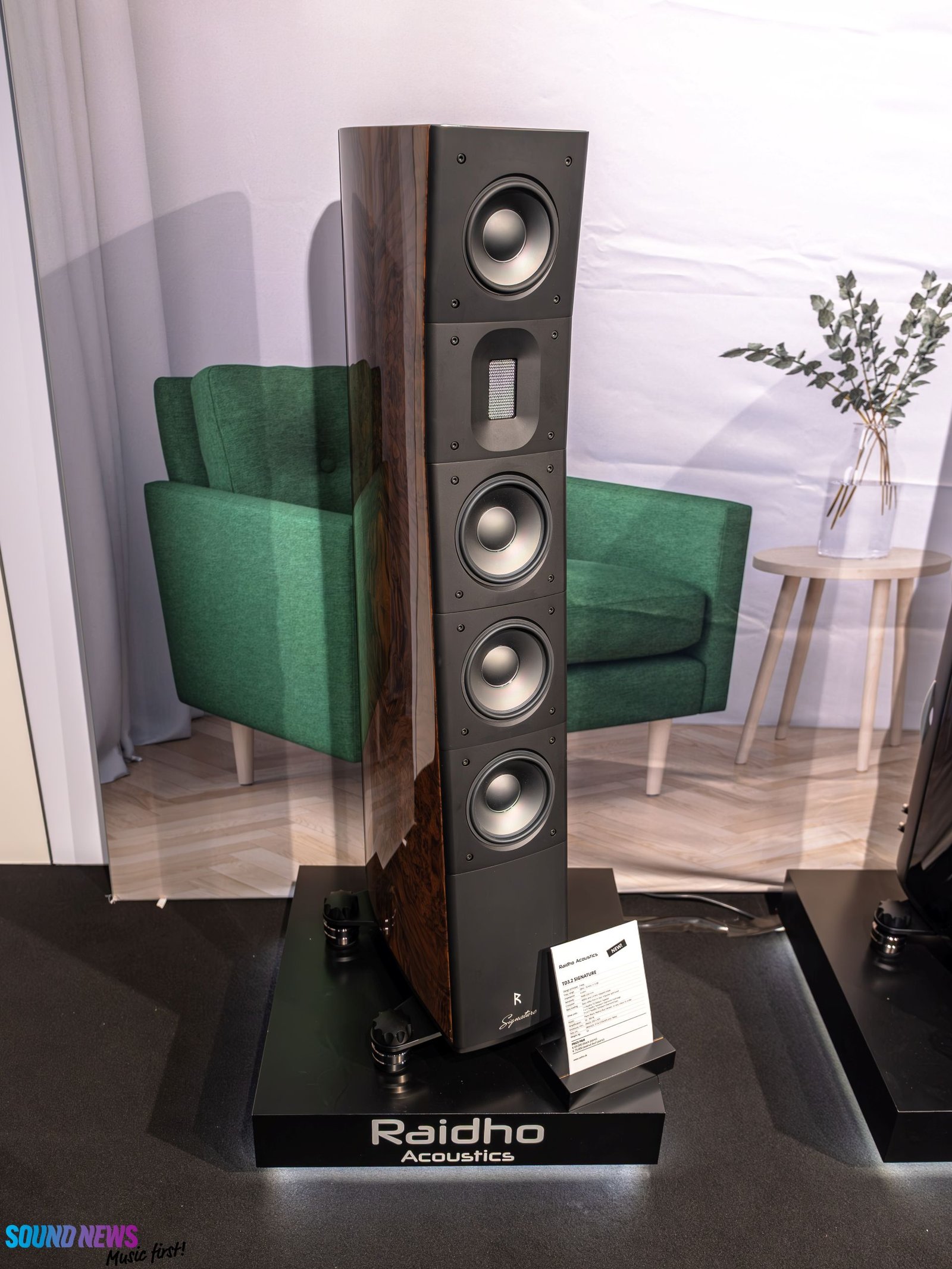
Just a few days before the show, Raidho unveiled slightly upgraded versions of the TD 1.2, TD 2.2 and TD 3.2 with a new Signature designation. According to the company, some of the technological advancements developed for the much larger TD 3.10, including a completely redesigned crossover and ISOAcoustics feet, are now making their way into the smaller models as well. Once again, I was both excited and slightly strained. Excited because I was about to witness technologies derived from the mighty TD 3.10 trickling down into more manageable designs. Nervous because my own TD 2.2 at home had suddenly stopped being the newest kid on the block, I immediately felt the dreaded upgraditis itch whispering unpleasant things in my ear.
To my surprise, I was able to photograph the TD 1.2, TD 2.2, and TD 3.2 Signature models, but none of them were available for a serious listening session. My guess is that they are still in the final stages of preparation and tuning. Once they are ready, I’ll be among the first to report on how they actually sound. Instead, we were treated to the Raidho X1.6, the brand-new Raidho X2.8, and the colossal Raidho TD 3.10 that seemed to attract drooling audiophiles all day long. I was pleasantly surprised to see brand-new EMM Labs electronics doing all of the heavy lifting instead of the familiar SimAudio Moon partnership we’ve seen in previous years. It felt like a breath of fresh air and, frankly, a stronger synergy. Raidho loudspeakers are incredibly fast and nimble on their feet, so they need amplifiers capable of matching that speed rather than gently applying the brakes, if you catch my drift.
The EMM Labs gear proved to be an excellent match, adding a touch of naturalness and organic flow to Raidho’s hyper-technical presentation, something even the Techno Viking would probably approve of. We already know the X1.6 quite well, and even though the X2.8 is brand new, its tonal balance felt familiar, simply expanding the scale and low-end authority. The bass kicked and pounded with the confidence of a much larger loudspeaker. I waited nearly half an hour just to hear the TD 3.10 again and, unsurprisingly, it delivered the poise, scale and refinement that only the TD series seems capable of. The X series is excellent and probably gets you around 95% of the raw technical performance of Raidho’s best offerings, but when it comes to refinement, finesse and that last layer of effortless realism, the TD lineup still rules the kingdom.
My room is far too small to accommodate the wall-shaking energy radiating from the TD 3.10…but a TD 3.2 Signature sometime in the future? That suddenly feels like a very real possibility. After all, the Raidho rune symbolizes both endings and new beginnings, and only the Norns know where this story goes next.
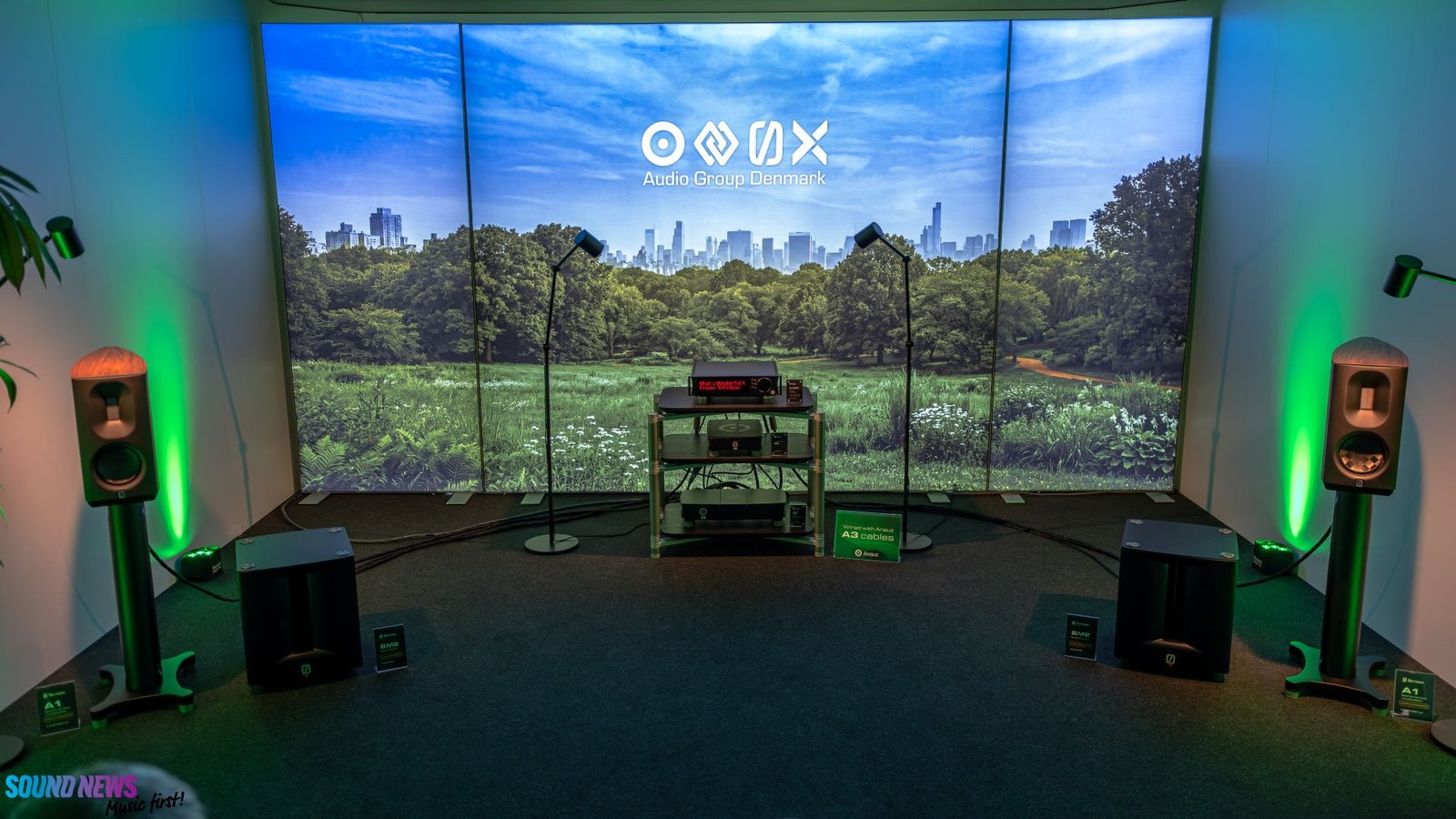
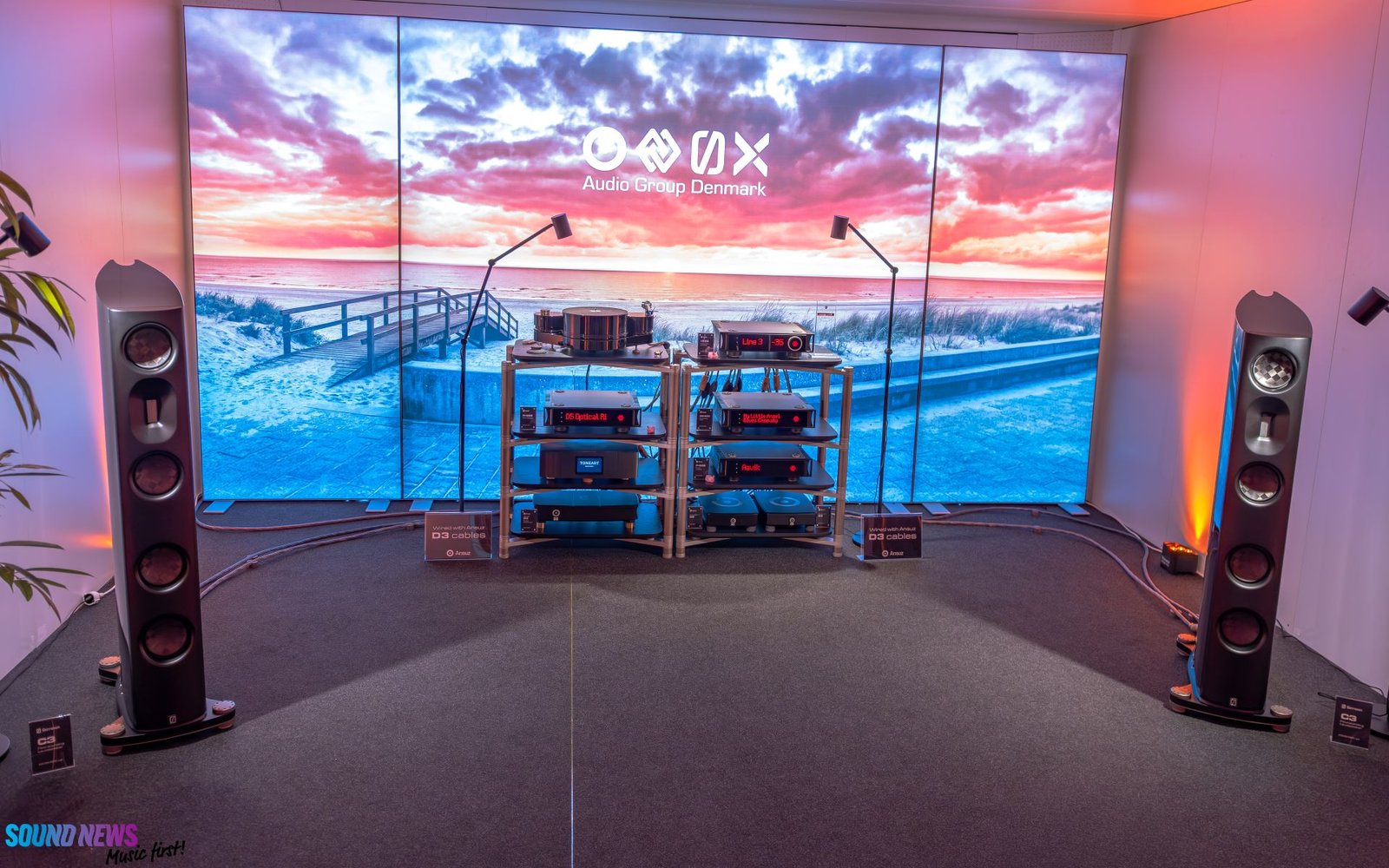
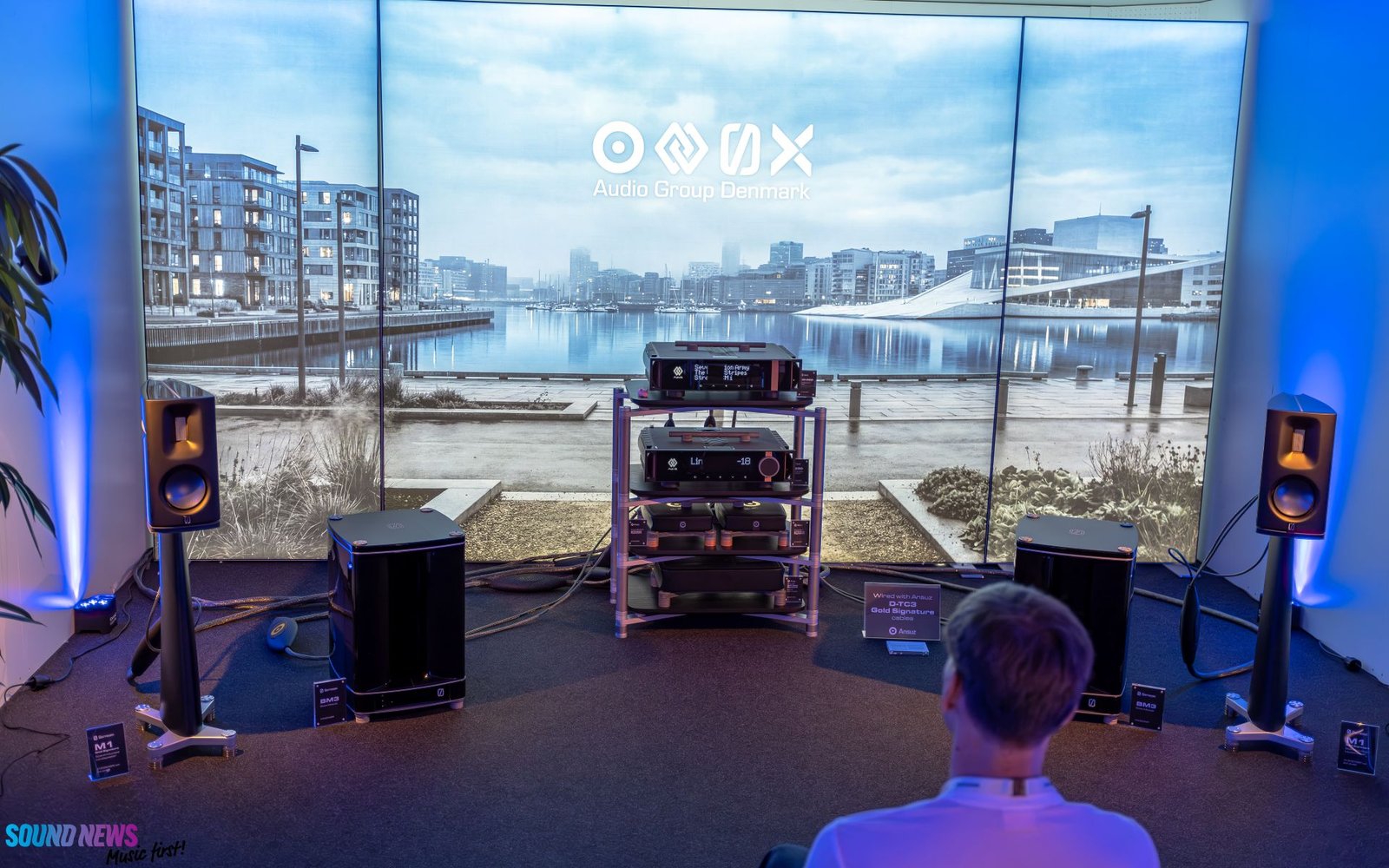
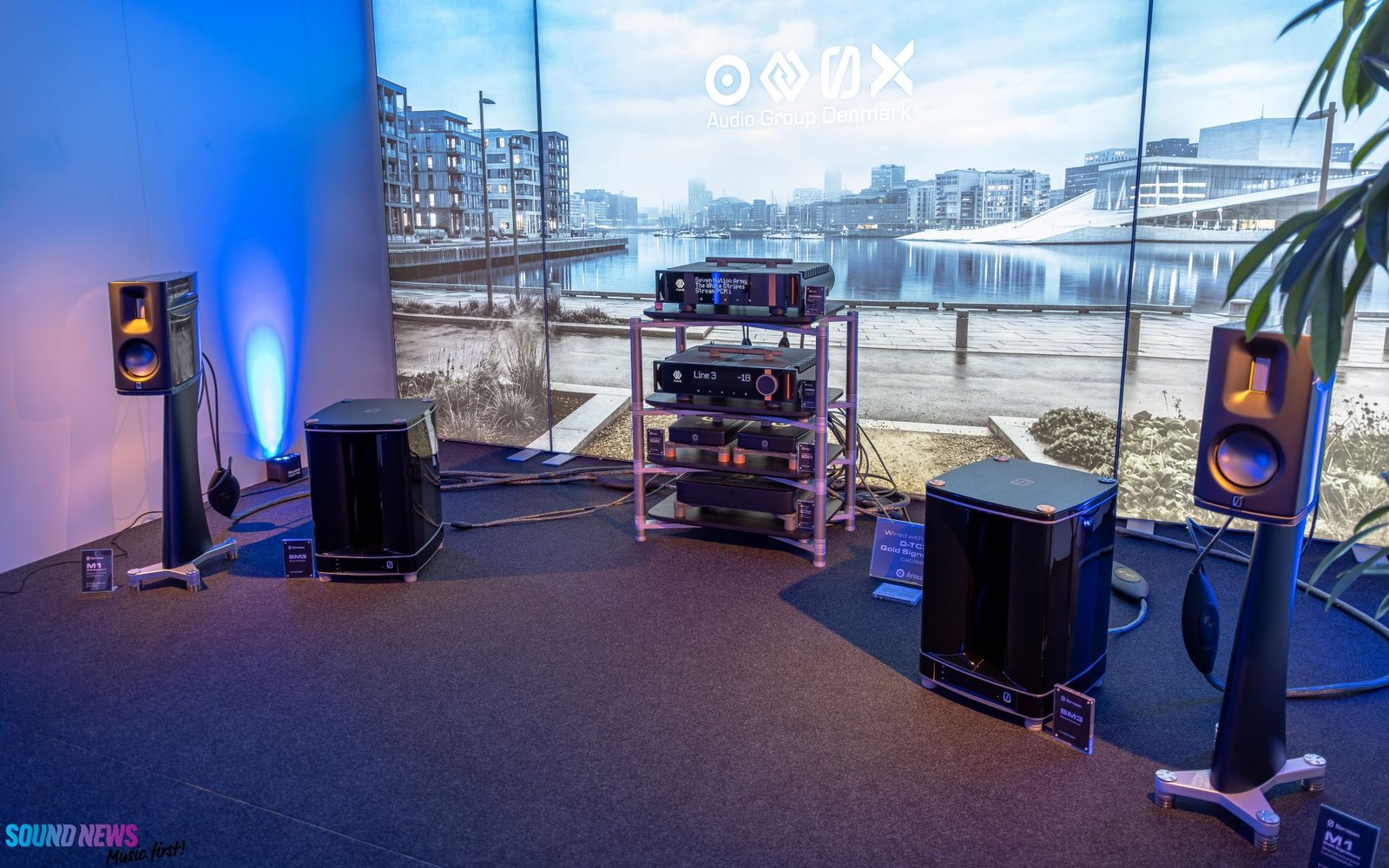
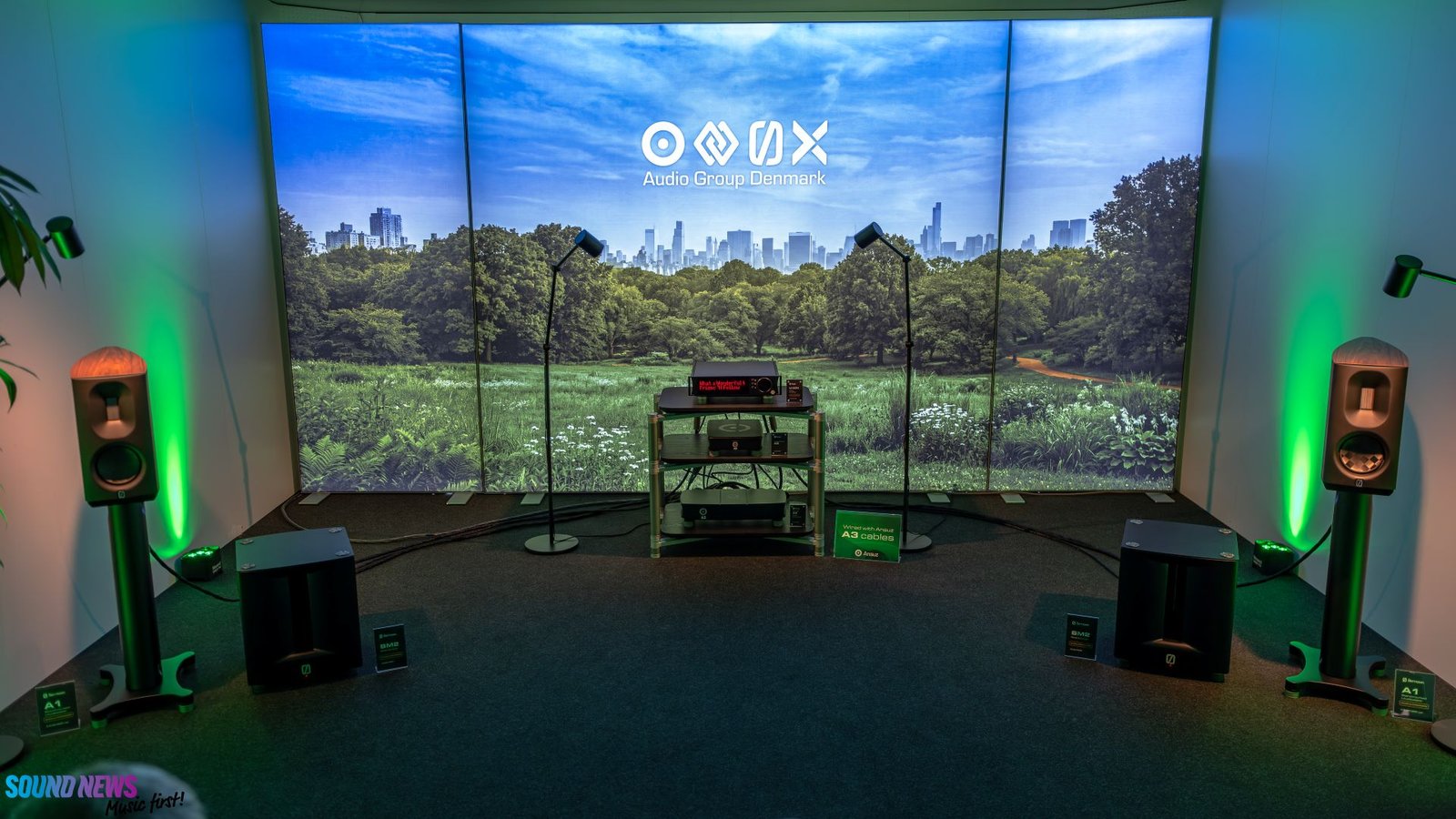
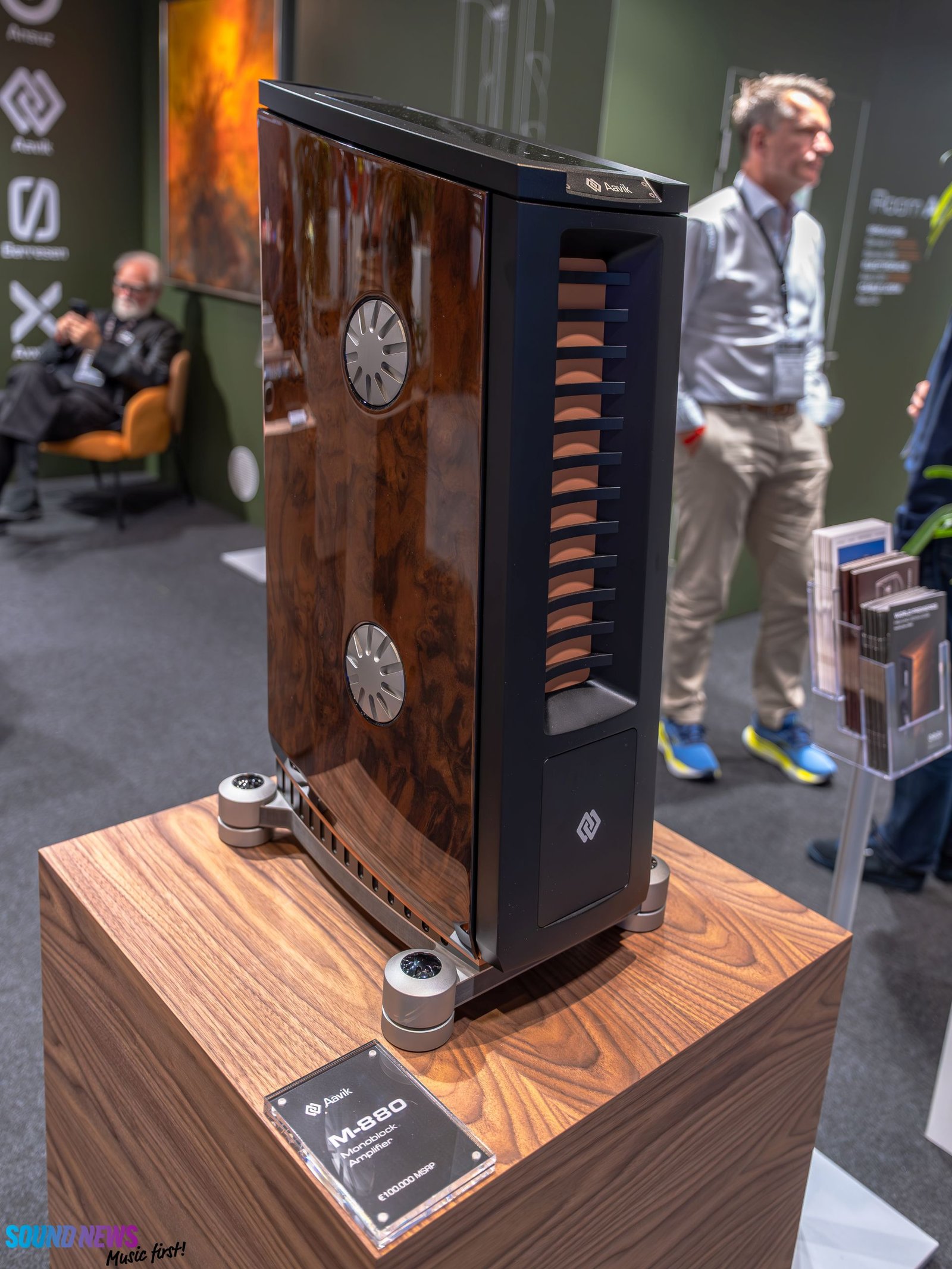
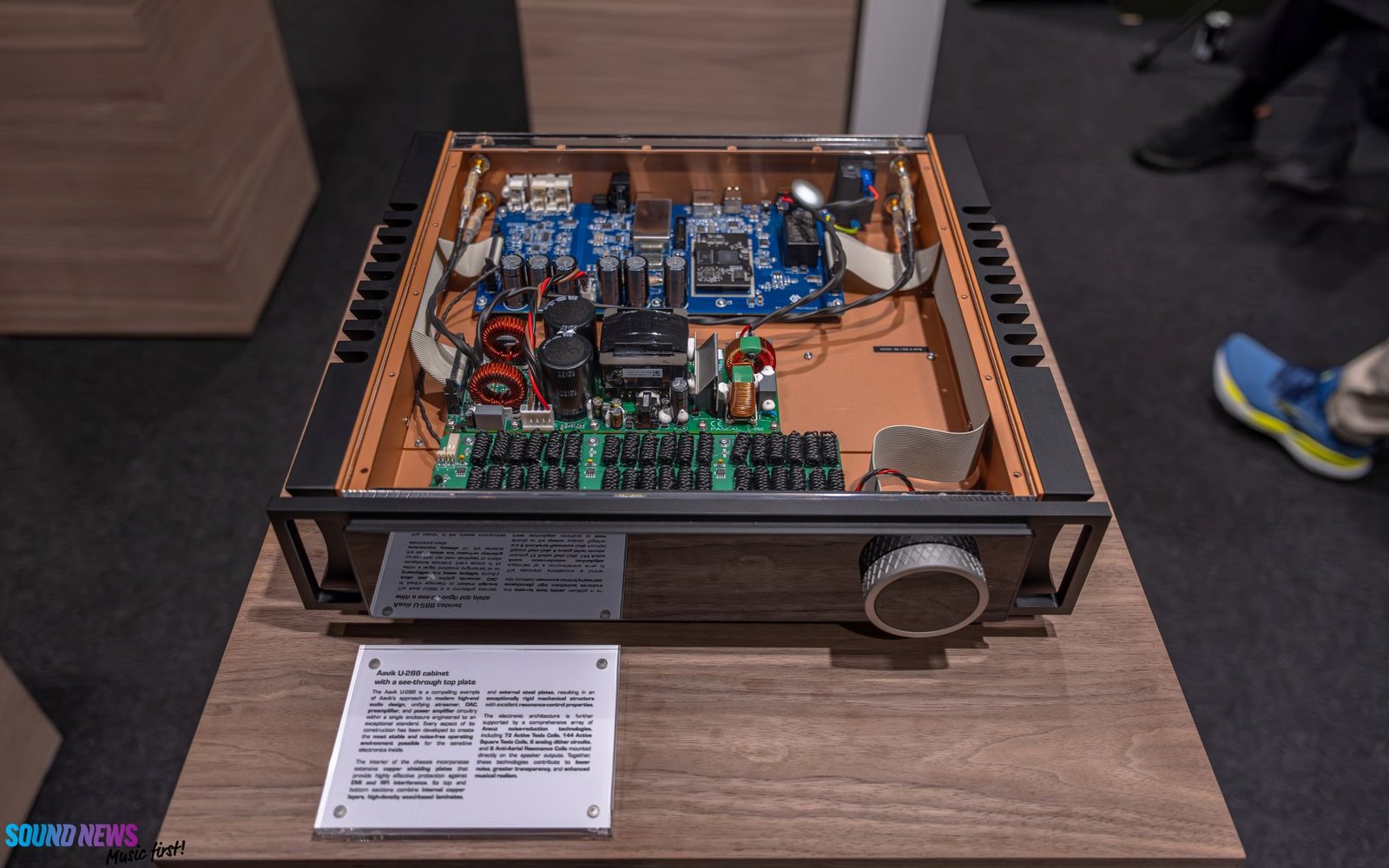
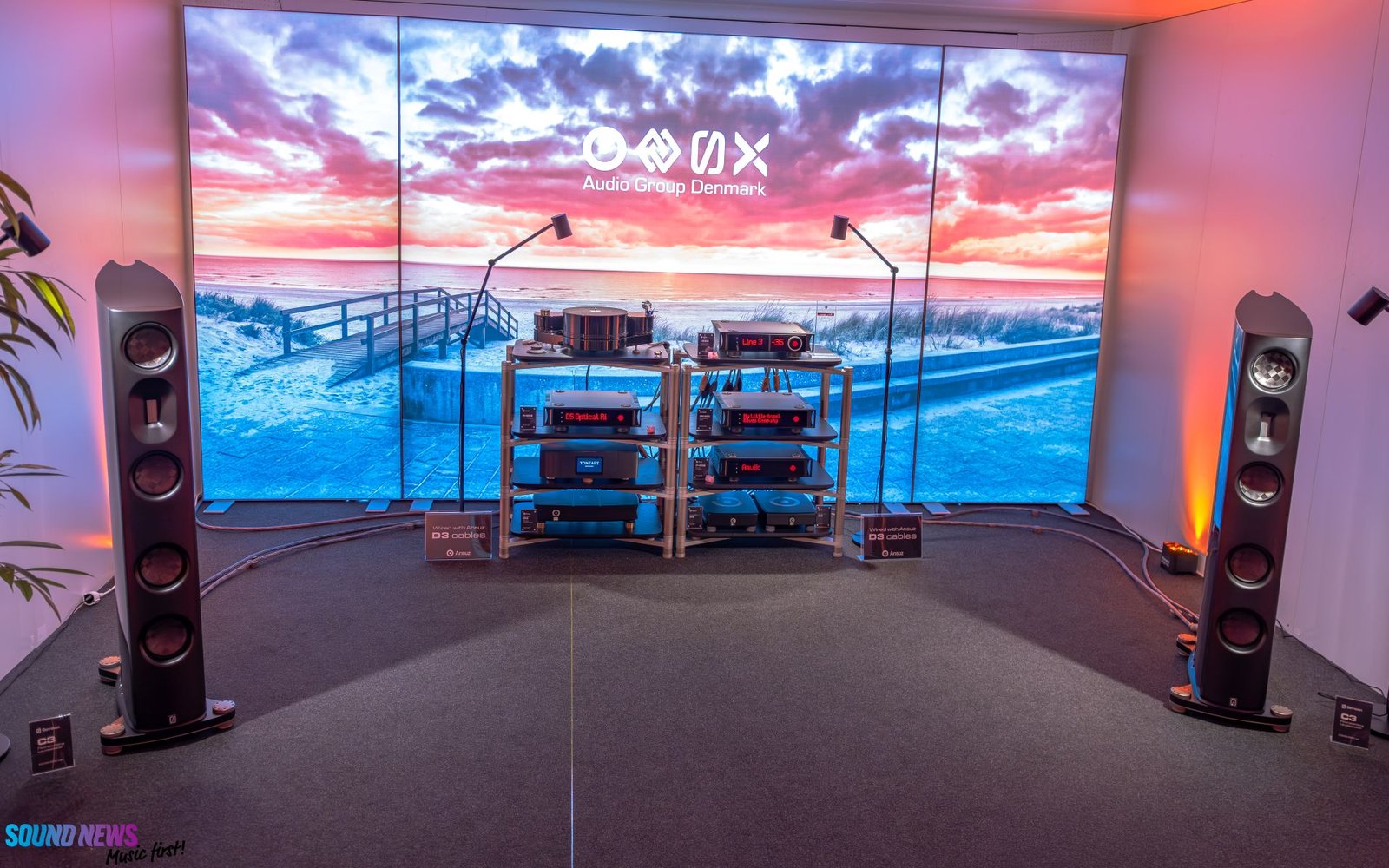
Audio Group Denmark (Børresen, Ansuz, Aavik, Axxes)
For more than twenty-five years, a mystery haunted the internet. Who was the real TechnoViking? Millions watched the legendary video. Countless memes were born. Conspiracy theories emerged. Entire generations grew older without knowing the answer. Well, ladies and gents, after more than a decade of attending HiFi shows and countless visits to Audio Group Denmark rooms around the world, I can finally reveal the truth…drum roll…Even if he looks more like Gandalf the Grey, getting thinner and wiser over the years, the real TechnoViking is Lars Kristensen! The evidence is simply overwhelming. The moment music starts playing, Lars cannot stand still. His foot begins tapping, then the shoulders start moving (occasionally bumping into other shoulders), and a few moments later, he is no longer demonstrating HiFi equipment, but living inside the music itself. The most obvious proof? He loves techno, too!
I’ve known Lars for more than ten years, and if there is one thing I’ve learned during this period, it is that his body reacts to music faster than most amplifiers react to an input signal. If a system sounds slow, lifeless, or uninvolving, Lars won’t breakdance. If Lars starts grooving, however, you should probably sit down and pay attention. That has become one of the most reliable indicators of sound quality I have encountered in high-end audio…and I feel that his son, Emil, is slowly learning the moves…Like father like son, eh?
Jokes aside, Audio Group Denmark occupied what felt like a small village of rooms, showcasing their latest and greatest creations. The room that impressed me the most wasn’t actually the one featuring the Børresen M1 stand-mount speakers, simply because I already knew what they were capable of. I’ve heard them dozens of times, including at their factory in Aalborg, and I remain convinced that a better-sounding stand-mount loudspeaker simply doesn’t exist. This time around, however, they received a little extra help below the belt in the form of a pair of BM3 subwoofers. The added low-frequency authority, physicality and slam transformed an already spectacular setup into something truly extraordinary. That room didn’t merely sound impressive; it sounded end-game to me…but again, I already expected that.
The room that left the strongest emotional impression on me featured the brand-new Børresen A1 loudspeakers paired with the BM2 subwoofers. Why? The answer is surprisingly simple. The A-series loudspeakers are still handcrafted in Denmark, something that unfortunately can’t be said about the X-series, yet their pricing doesn’t immediately suggest that level of craftsmanship. Starting at around €10,000, they produced a sound that felt significantly closer to the Børresen C1, which sells for approximately €15,000, than to the X1 (€5,500).
Most importantly, they already exhibited some of that upper-treble refinement and sophistication that I usually associate with Børresen’s more expensive offerings, without the slight grain and hardness often present in entry-level loudspeakers. The rest of the system wasn’t particularly extravagant either. The Aavik U-301 streaming amplifier handled streaming, digital-to-analog conversion and amplification duties, accompanied by an Ansuz A3 network switch and a Mainz8 A3 power distributor.
And yet, the sound was never dry, sterile or uninvolving. Quite the opposite. If your music collection revolves around techno, electronic music and energetic modern recordings, then these loudspeakers will feel right at home. I genuinely believe Michael Børresen and the entire Audio Group Denmark team have struck a remarkable balance between aesthetics and performance. And thank Odin for the beautiful matte finish instead of another fingerprint-magnet piano-black coating. More importantly, the A1 already carries a healthy dose of the DNA that made their upper-echelon loudspeakers so desirable in the first place. Hopefully, we’ll have the opportunity to spend more time with them in the coming months and properly evaluate them from the comfort of our own listening rooms.
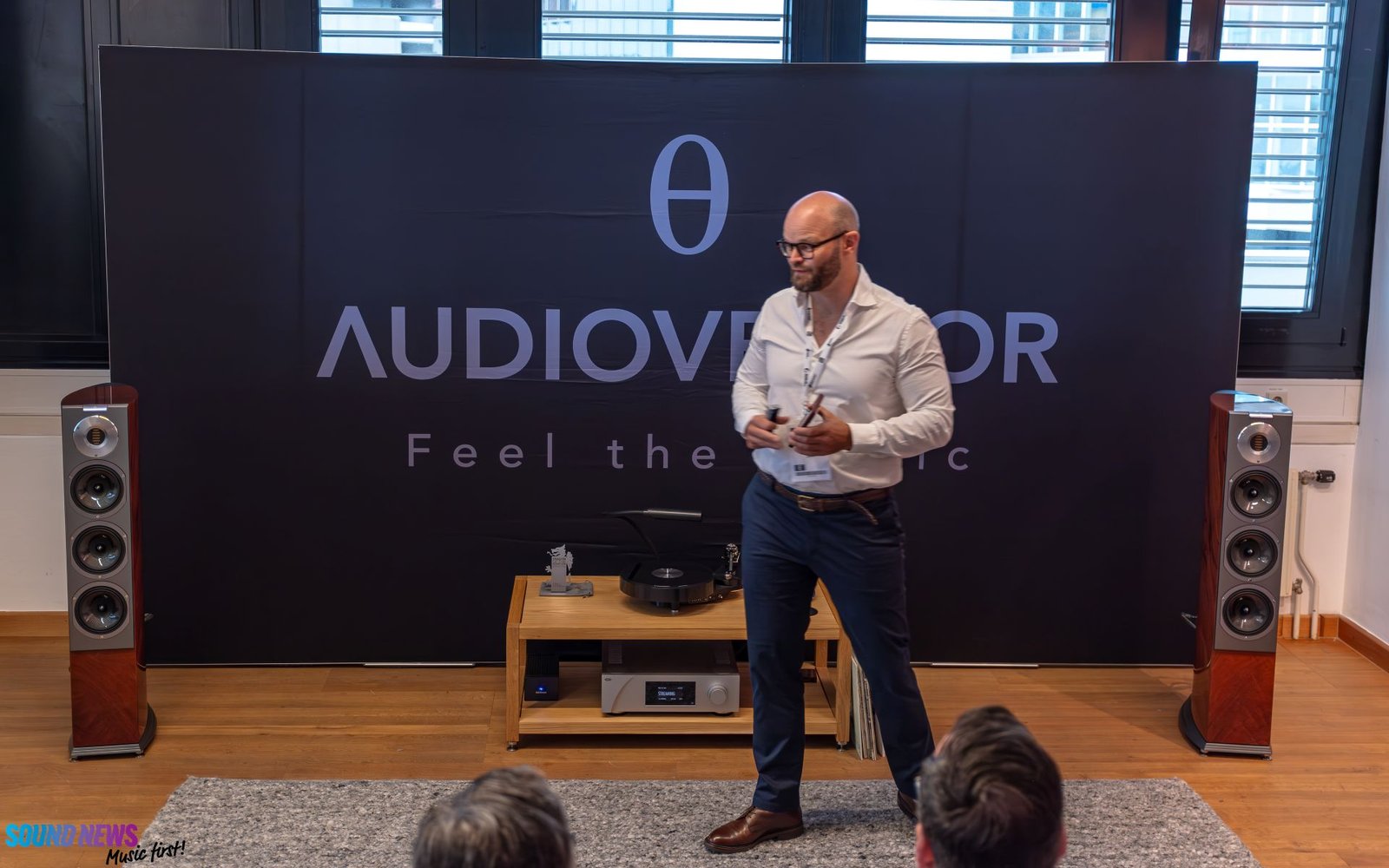
Audiovector
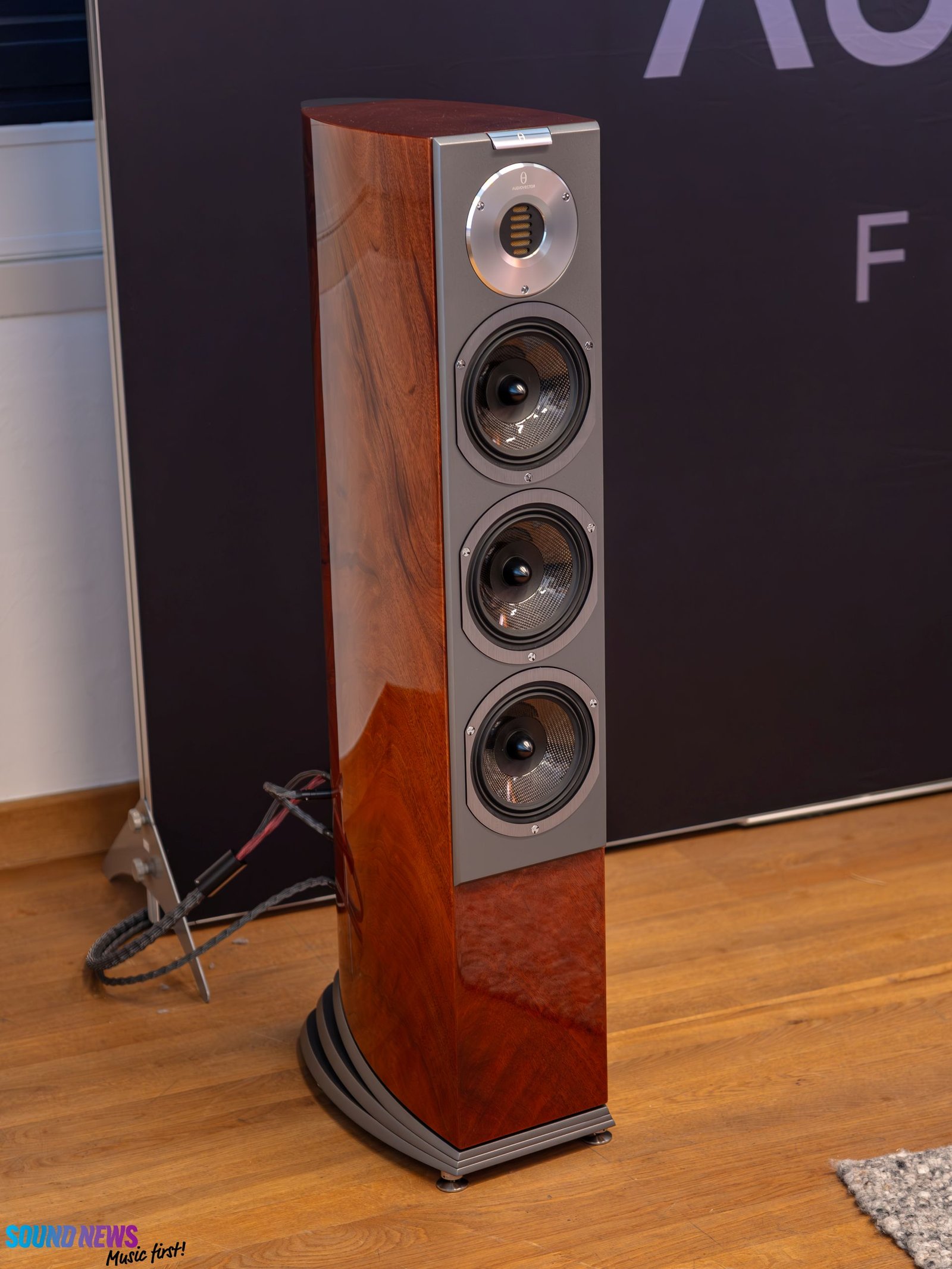
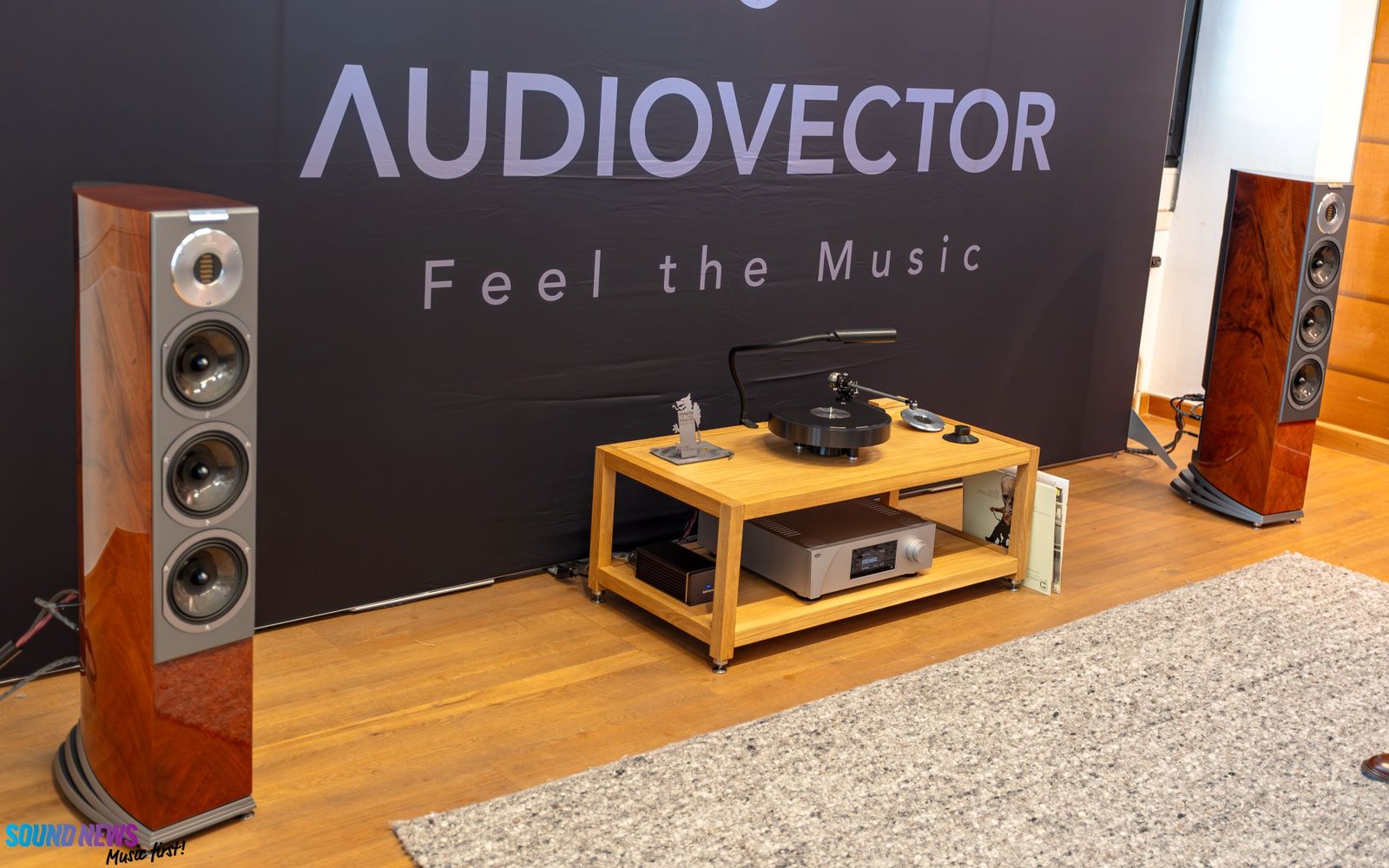
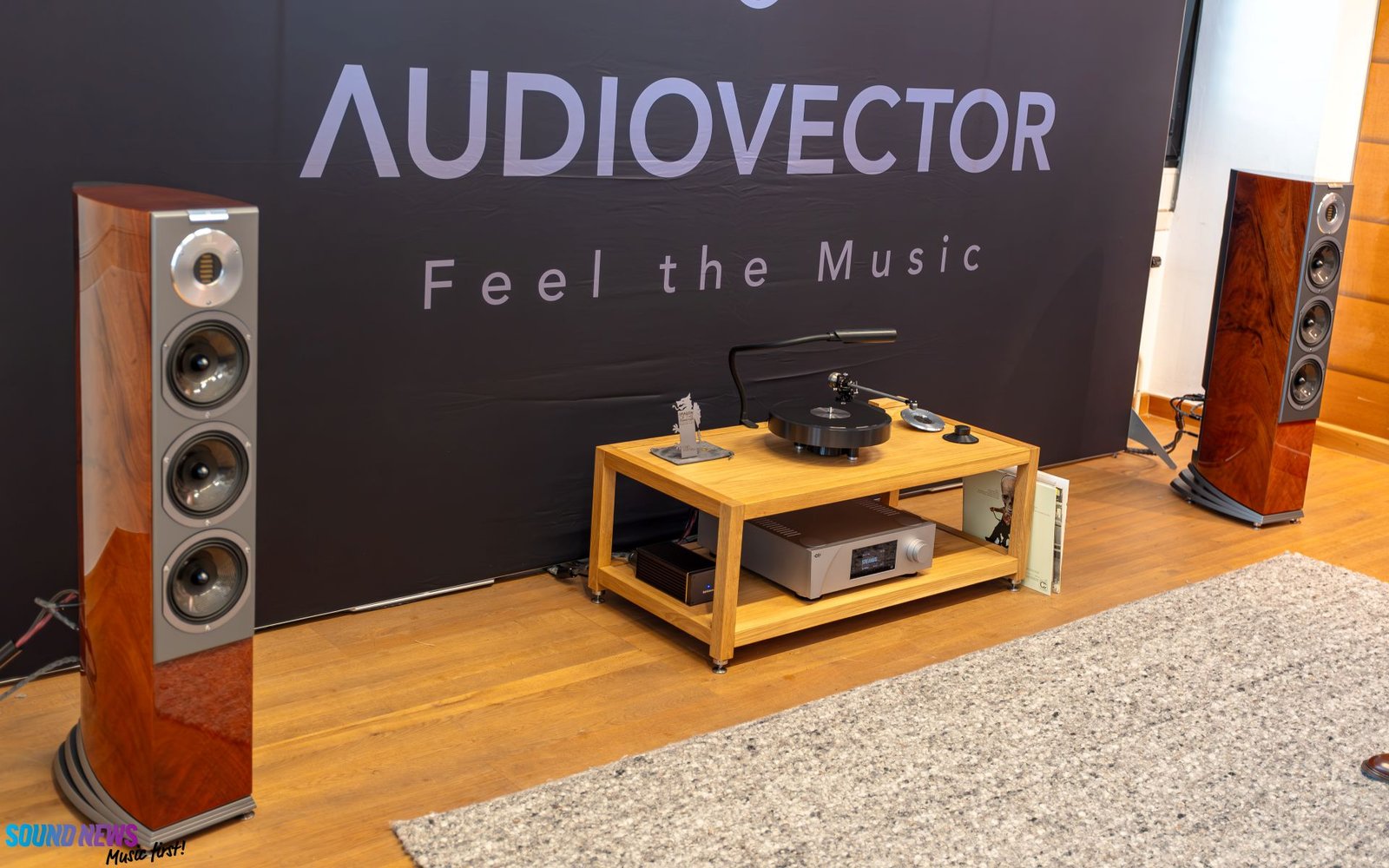
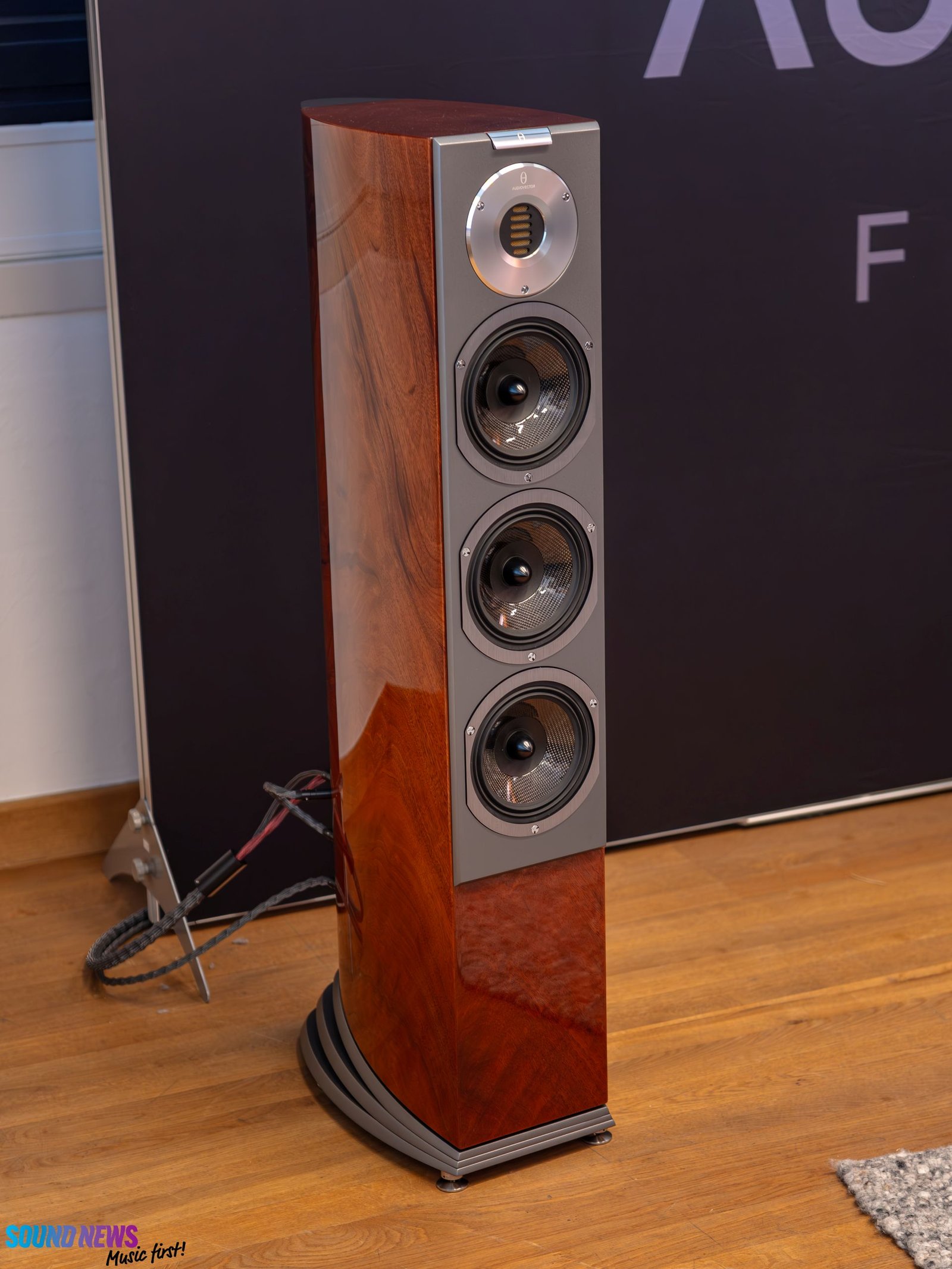
On Monday, June 1st, Mads Klifoth, the man behind Audiovector, briefly informed us that we absolutely needed to hear their brand-new R5 Arreté loudspeakers, positioned neatly between the R3 and the larger R6 floorstanders. As I entered the room, my expectations slowly but surely began to decline. A single streaming amplifier and a pair of medium-sized loudspeakers in such a large room? These guys were either joking or shooting themselves in the foot, I told myself. After all, this was one of the most affordable HiFi systems we encountered at the show.
And yet…Once Mads started explaining the whys and hows behind the system and the music began doing its magic, I found myself standing there in complete silence, gently tapping my foot with a faint smirk on my face, a dead giveaway of what I was feeling. Then they played a Norse chant powerful enough to summon the God of Thunder himself. The amount of bass energy filling the room and the relentless impact of the bass drum pounding against our chests was surprising, to say the least.
I immediately started scanning the room, searching for invisible subwoofers cleverly hidden somewhere in the corners. But there were none! The full force of the music was being reproduced entirely by the relatively compact R5 Arreté. The electronics weren’t exactly lending a massive helping hand either. A single all-in-one unit handled digital-to-analog conversion, streaming duties, preamplification, and power amplification all at once.
The room wasn’t filled with expensive wooden acoustic treatment panels and, in fact, looked considerably simpler than many of the rooms we visited during the exhibition. And yet the R5 Arreté laughed in the face of reason, performing as if I were rowing alongside a group of Vikings heading toward unexplored lands. The experience was impressive across the board; it had everything I wished for. Resolution, dynamics, bass authority, a tight grip over the lowest octaves and just enough richness and smoothness to keep glare and listening fatigue at bay.
Perhaps the biggest surprise came when I learned their asking price. At €19,950 in Europe, £17,950 in the UK, and $24,500 in the USA, they actually cost less than I had anticipated based on the performance I was hearing about. Needless to say, they earned my full attention. I sincerely hope to see them again at AVS Warsaw 2026 and, of course, at High End Vienna next year.
Some rooms impress you because they are expensive, while others impress you because they completely shatter your expectations. The Audiovector room firmly belonged to the second category.
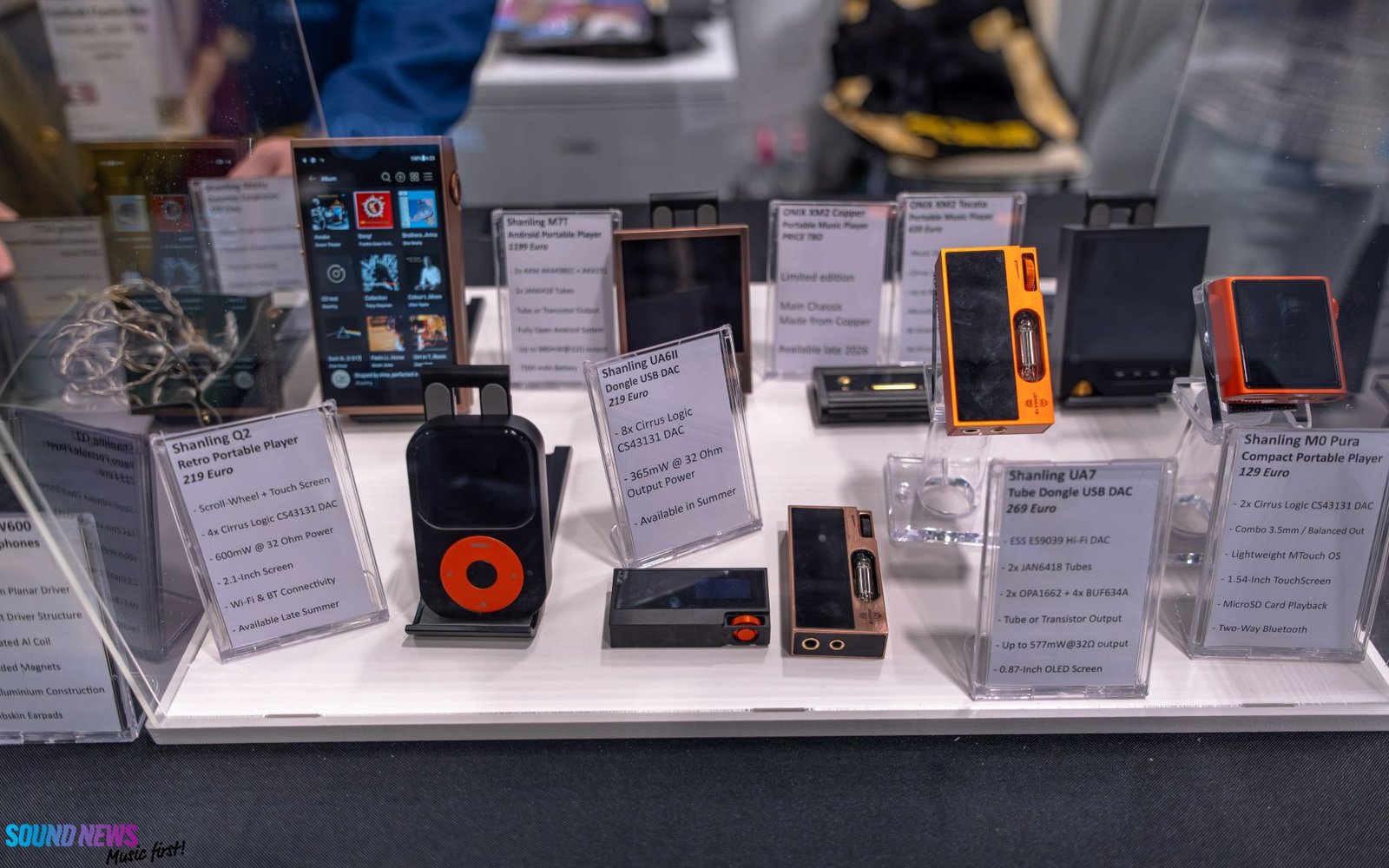
FiiO
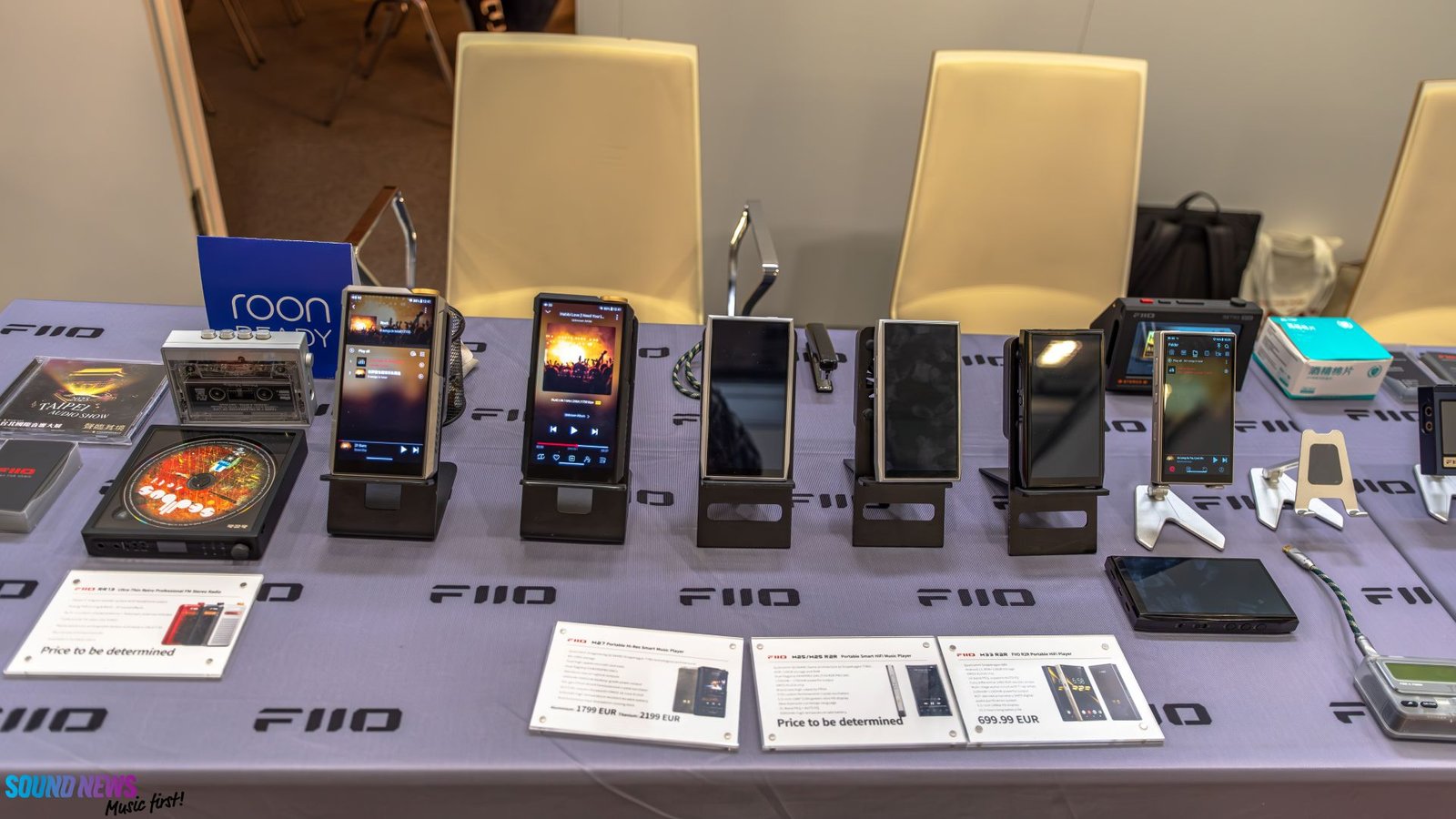
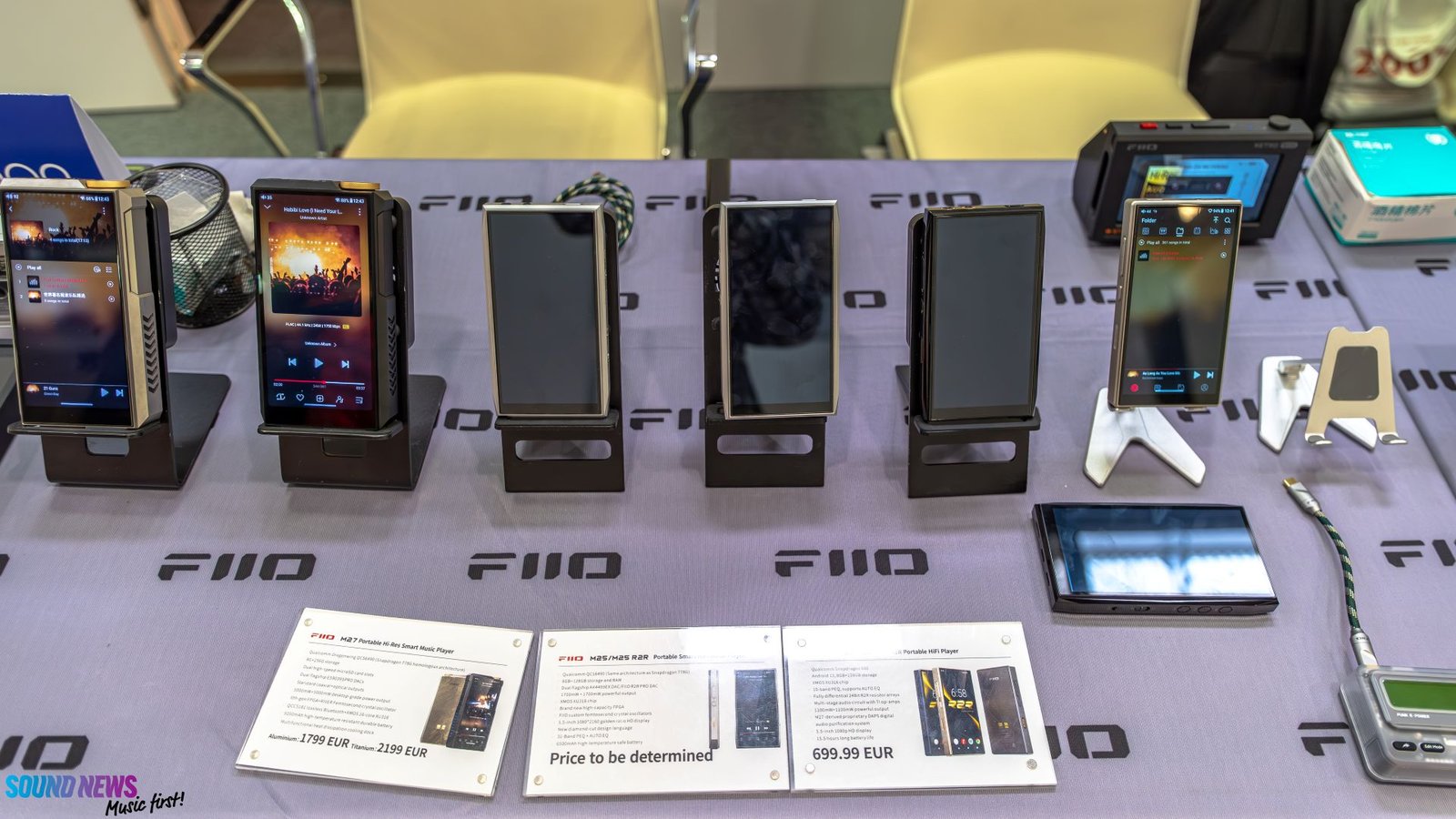
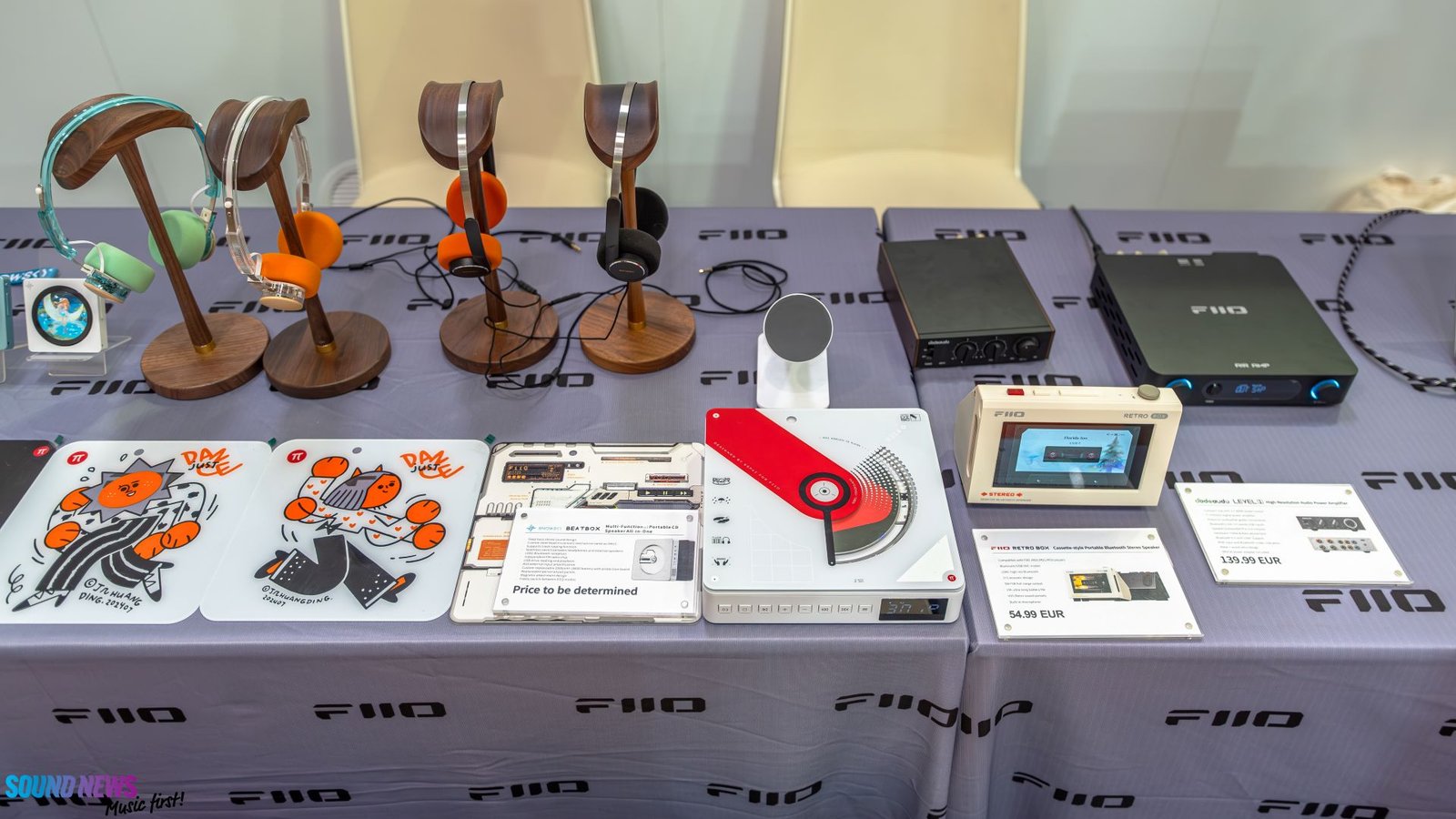
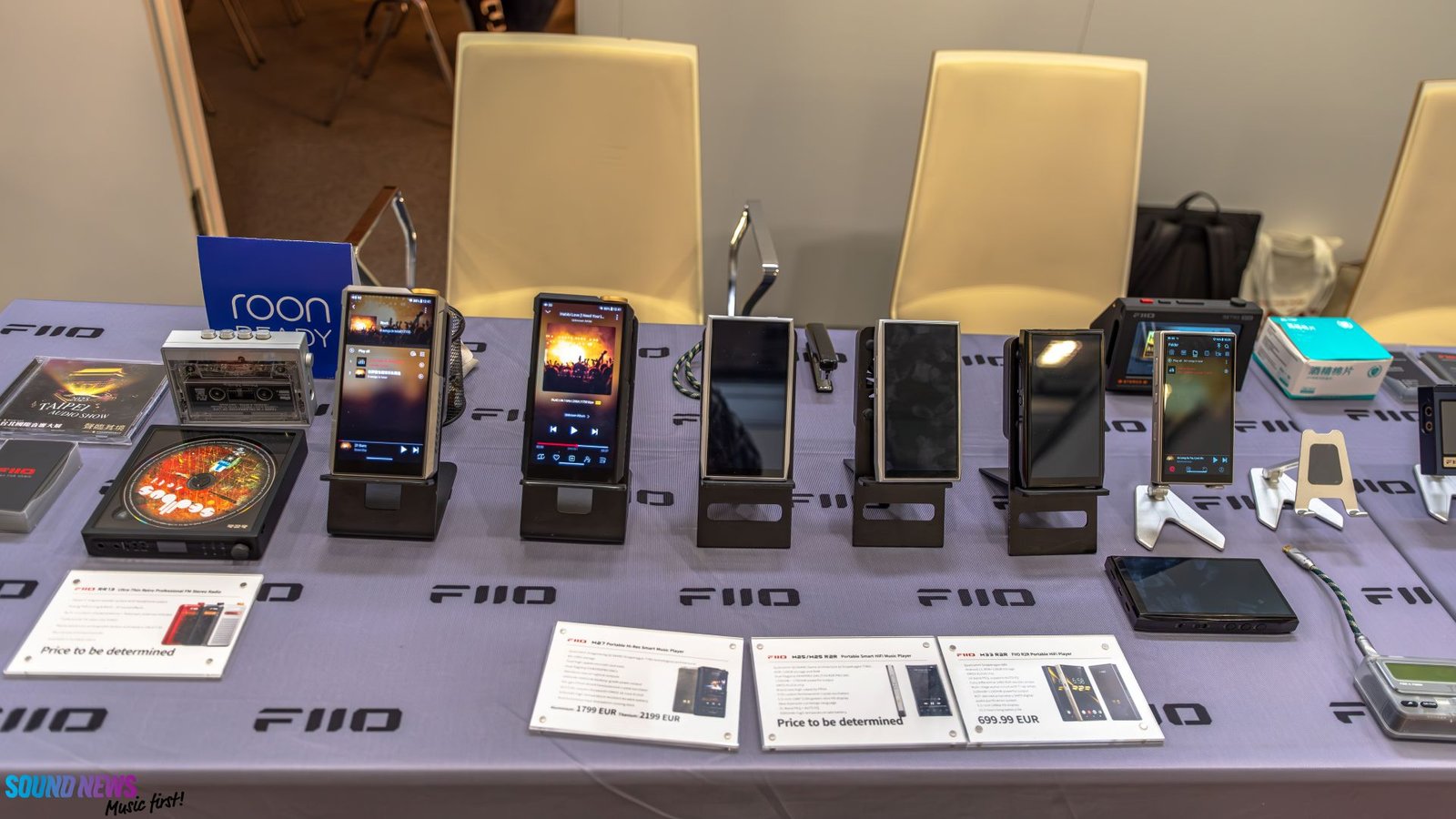
Around January, I was informed that FiiO intends to release 100 new products this year. Yes, one freaking hundred! Are these guys even sleeping at night? I’m not entirely sure, but they apparently doubled their engineering team compared to last year, and the fruits of their labor were on full display in Vienna. I’ll be honest, most of the products showcased there were completely unknown to me. I jokingly told them that reviewing all of their upcoming gear would probably take me three years, so from this point onward we’ll need to be a lot more selective. There’s simply no way we can keep up with such a relentless release schedule.
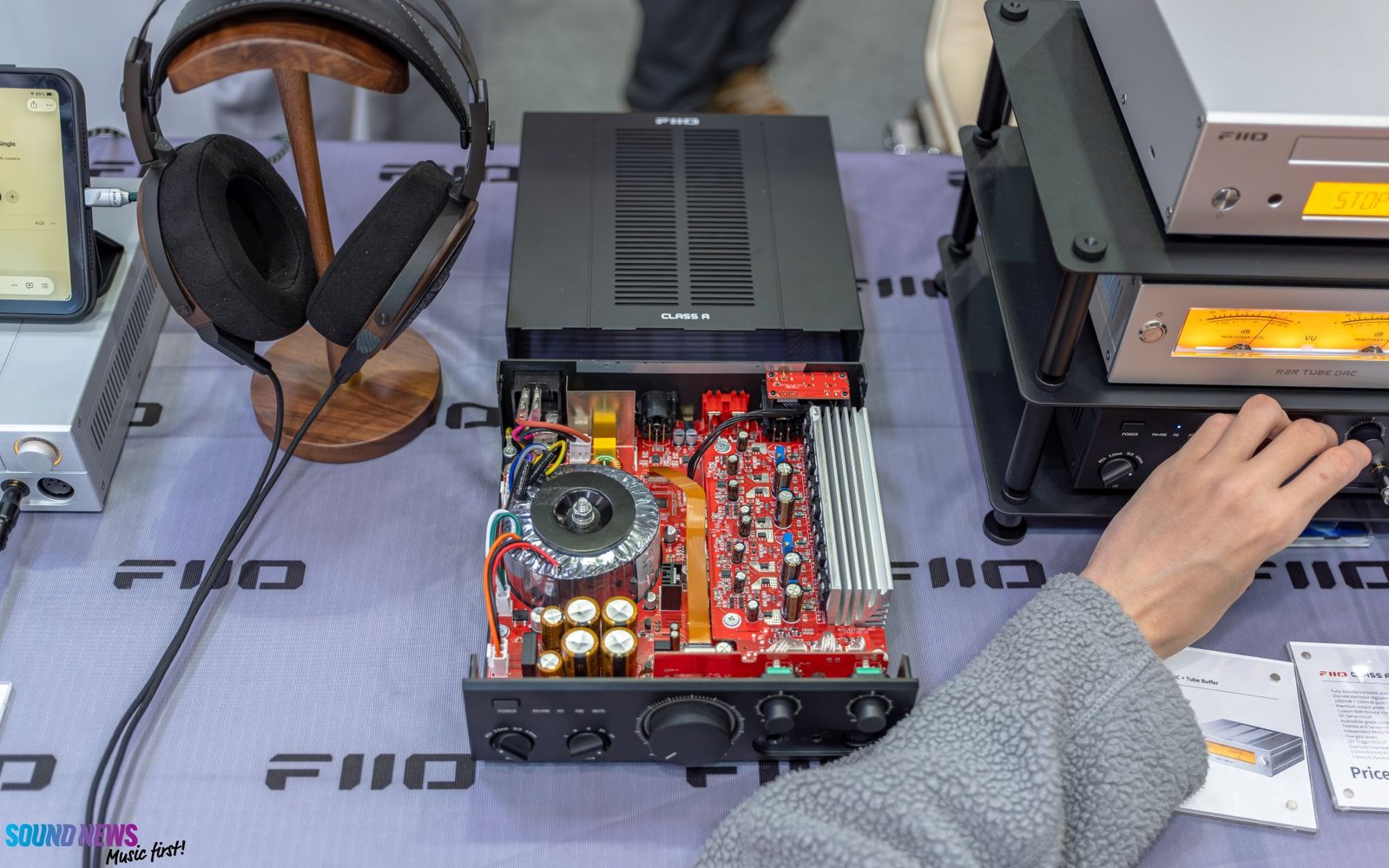
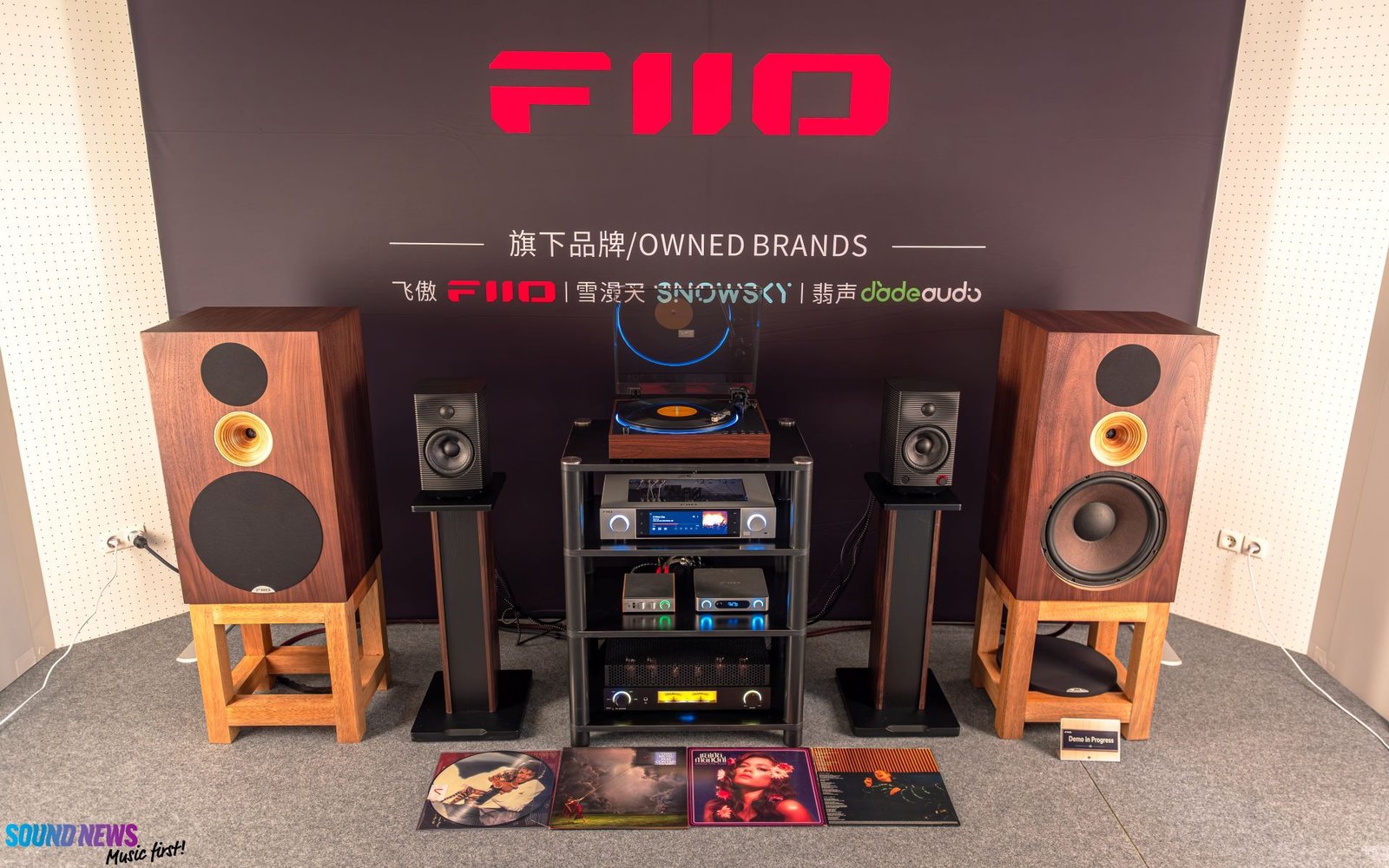
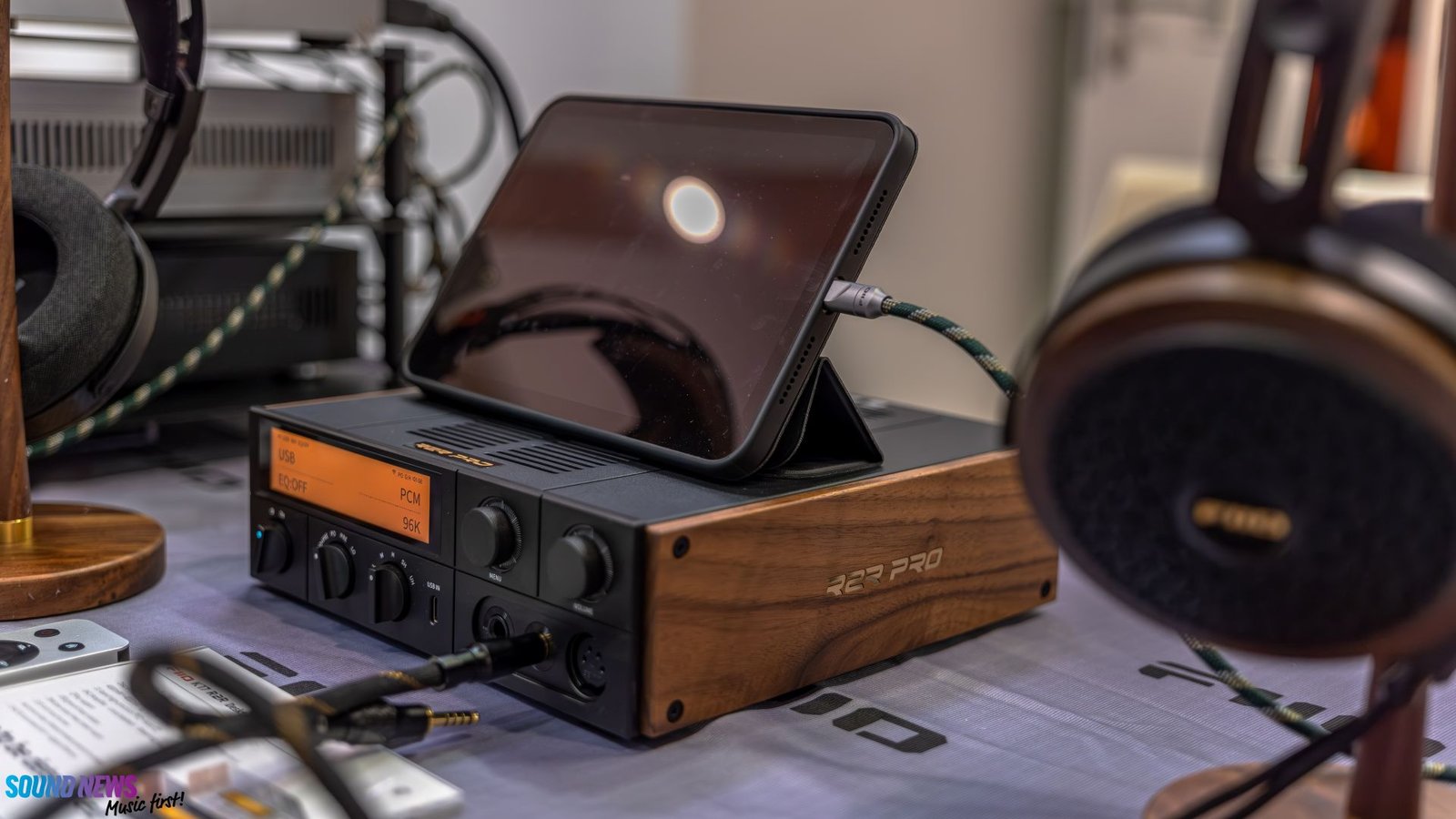
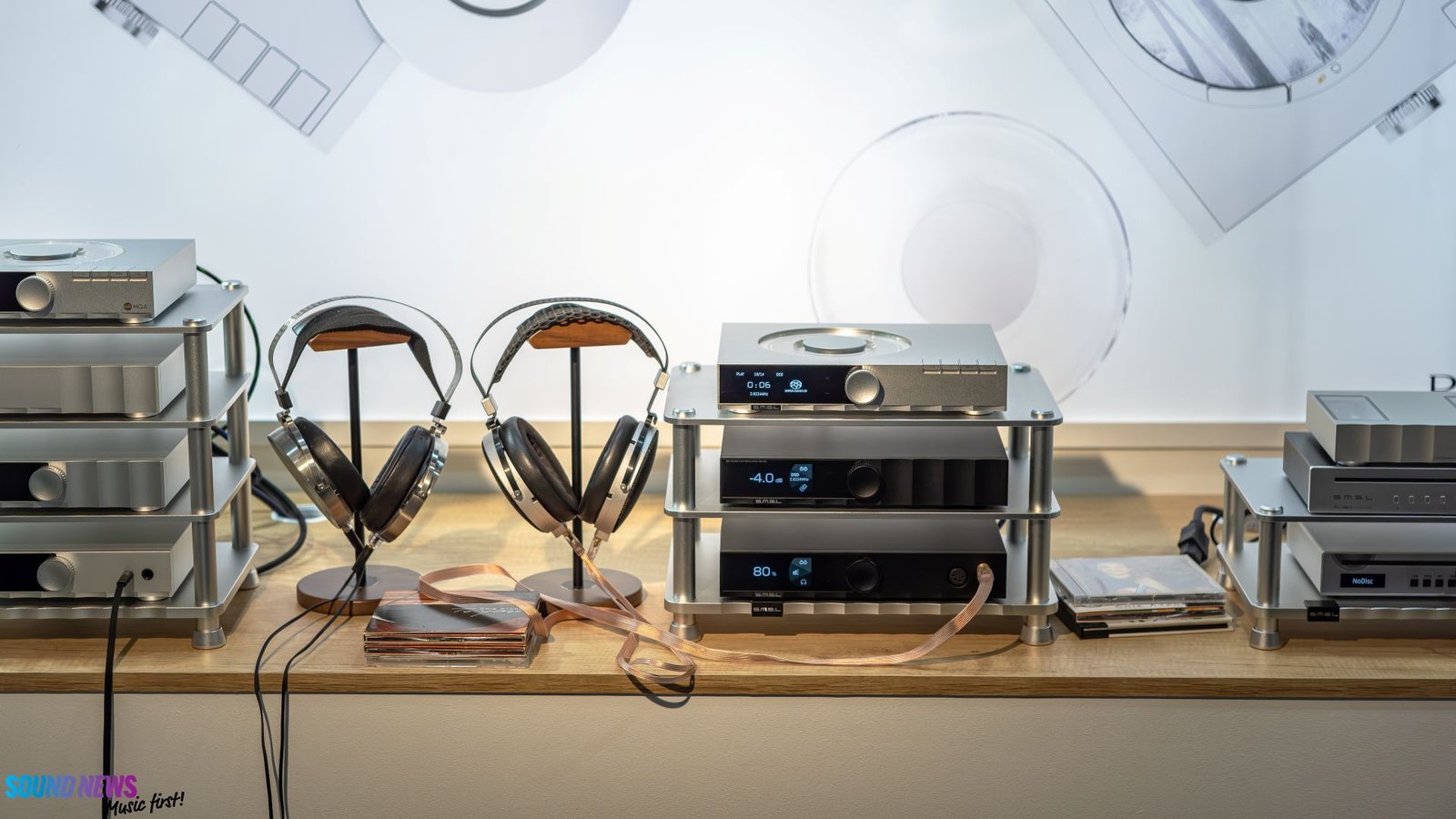
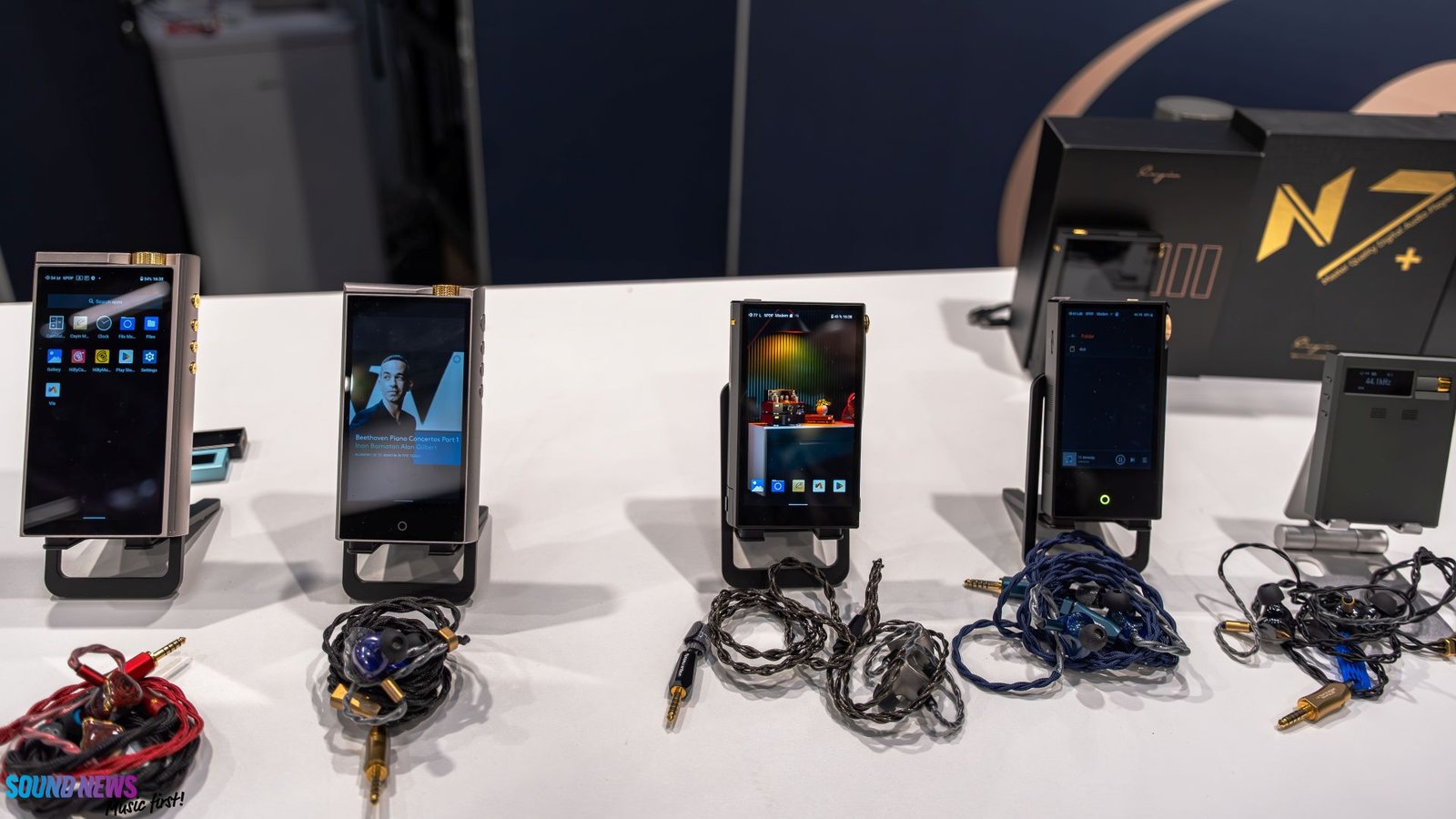
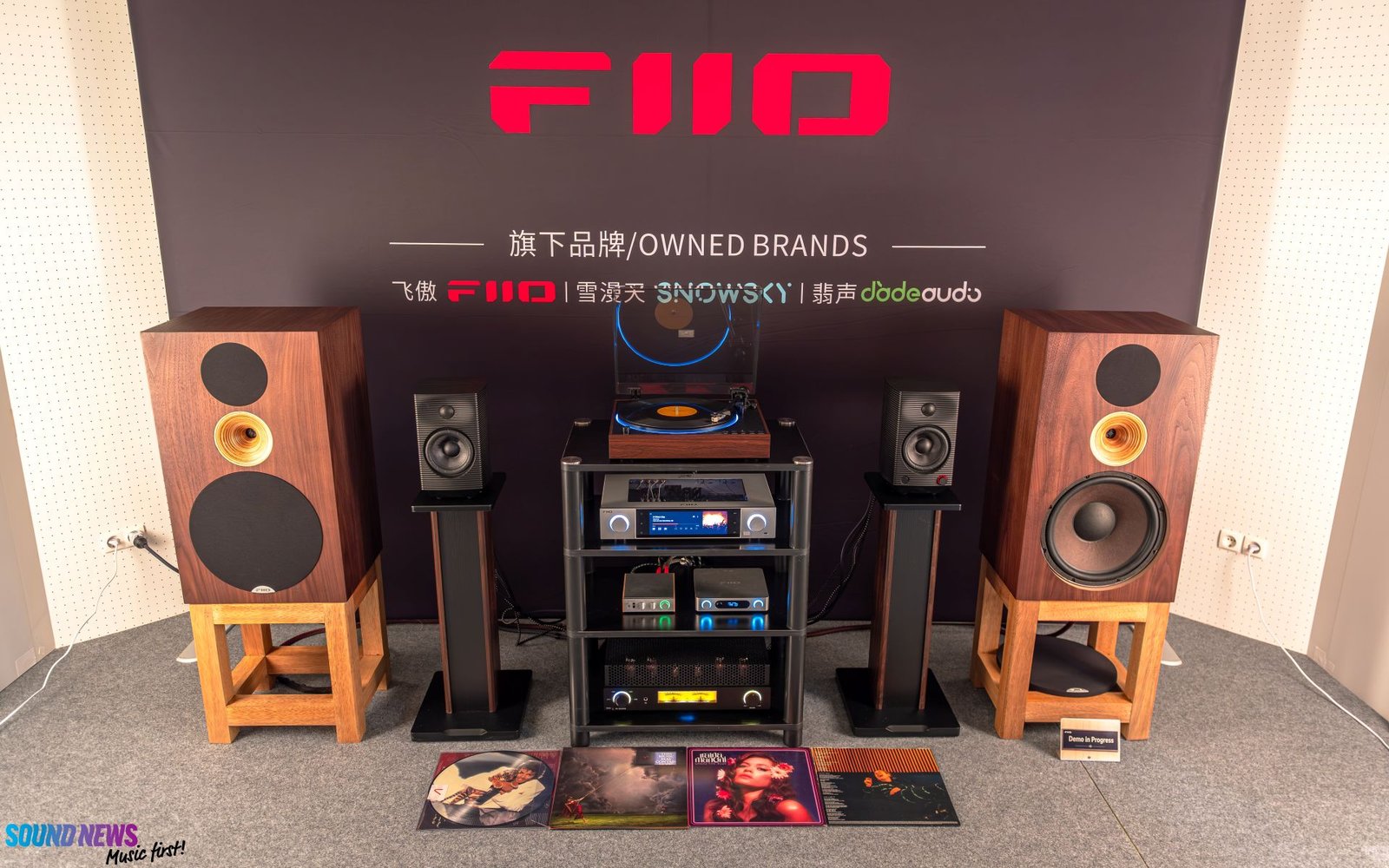
Still, the number of surprises waiting at their booth was staggering. New DAPs, new portable CD players, new DAC/AMP combinations, Bluetooth gizmos, a mountain of IEMs and headphones and, surprise, surprise, even a serious amount of stereo equipment, including a flagship pair of floor-standing loudspeakers. Excited? You probably should! There were so many new toys on display that I simply couldn’t spend meaningful time with every single one of them. What made me particularly happy was seeing a growing number of R2R ladder DACs, ranging from affordable to genuinely high-end offerings. We also spotted several Class-A amplifiers available in both solid-state and tube-based flavors.
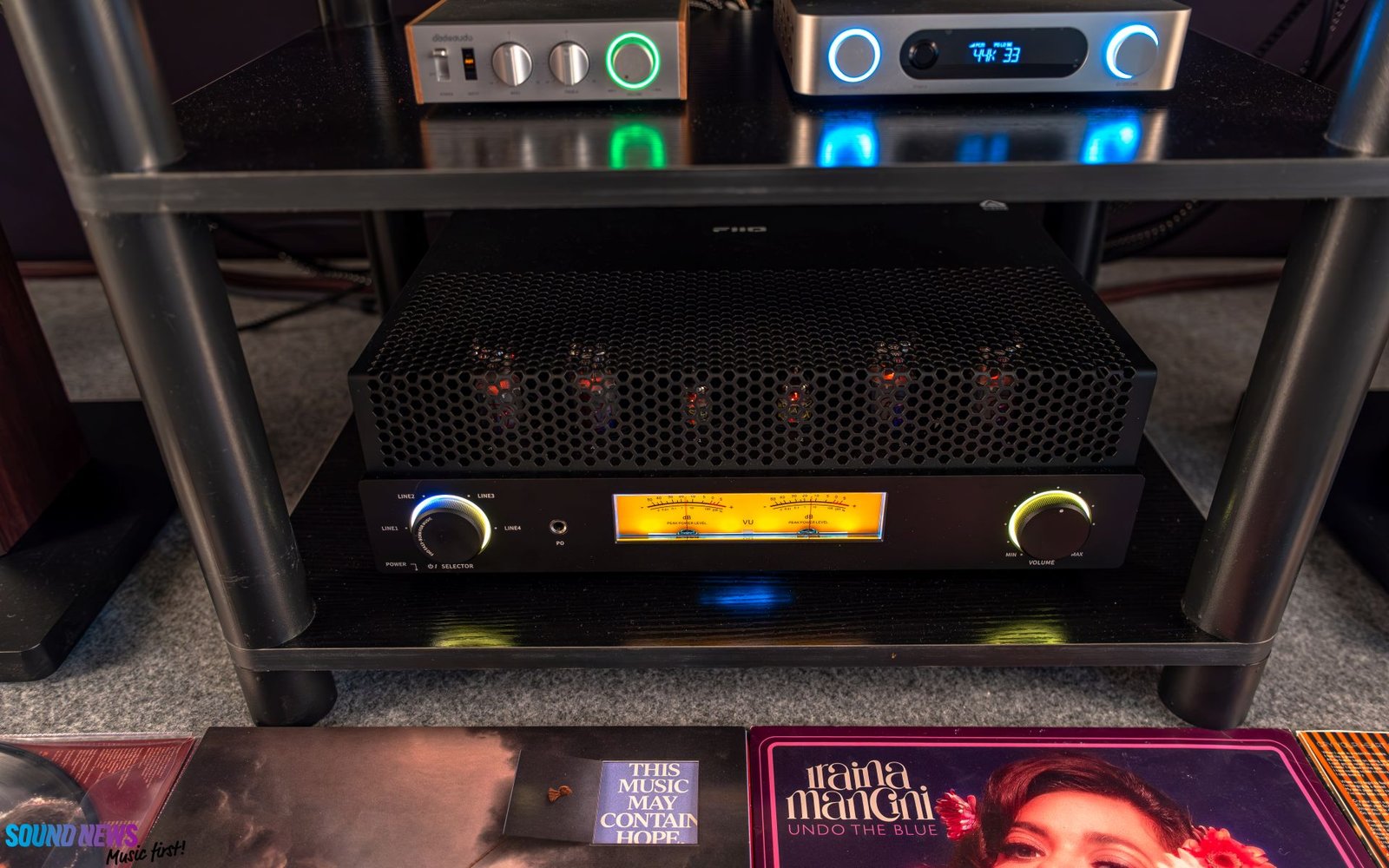
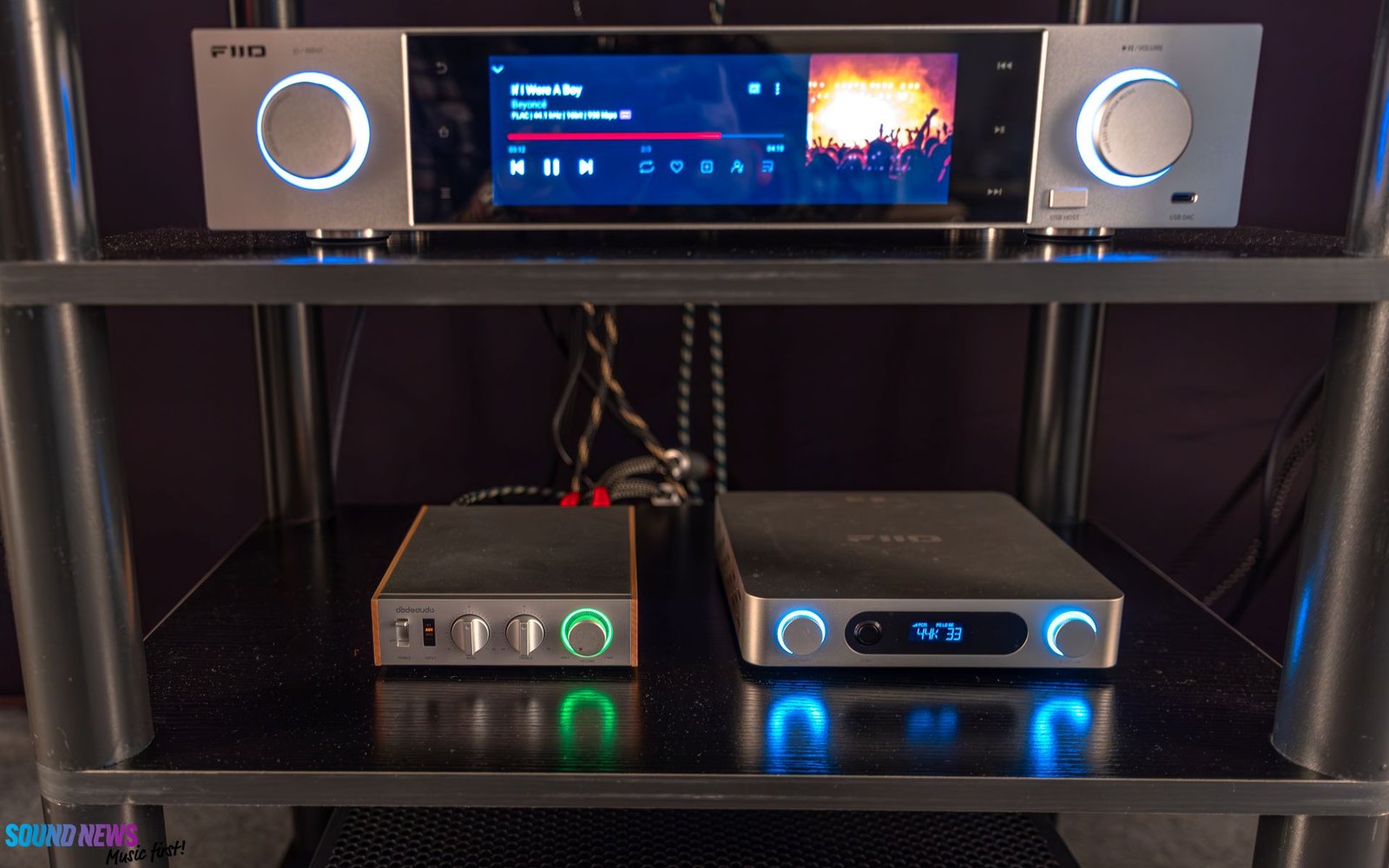
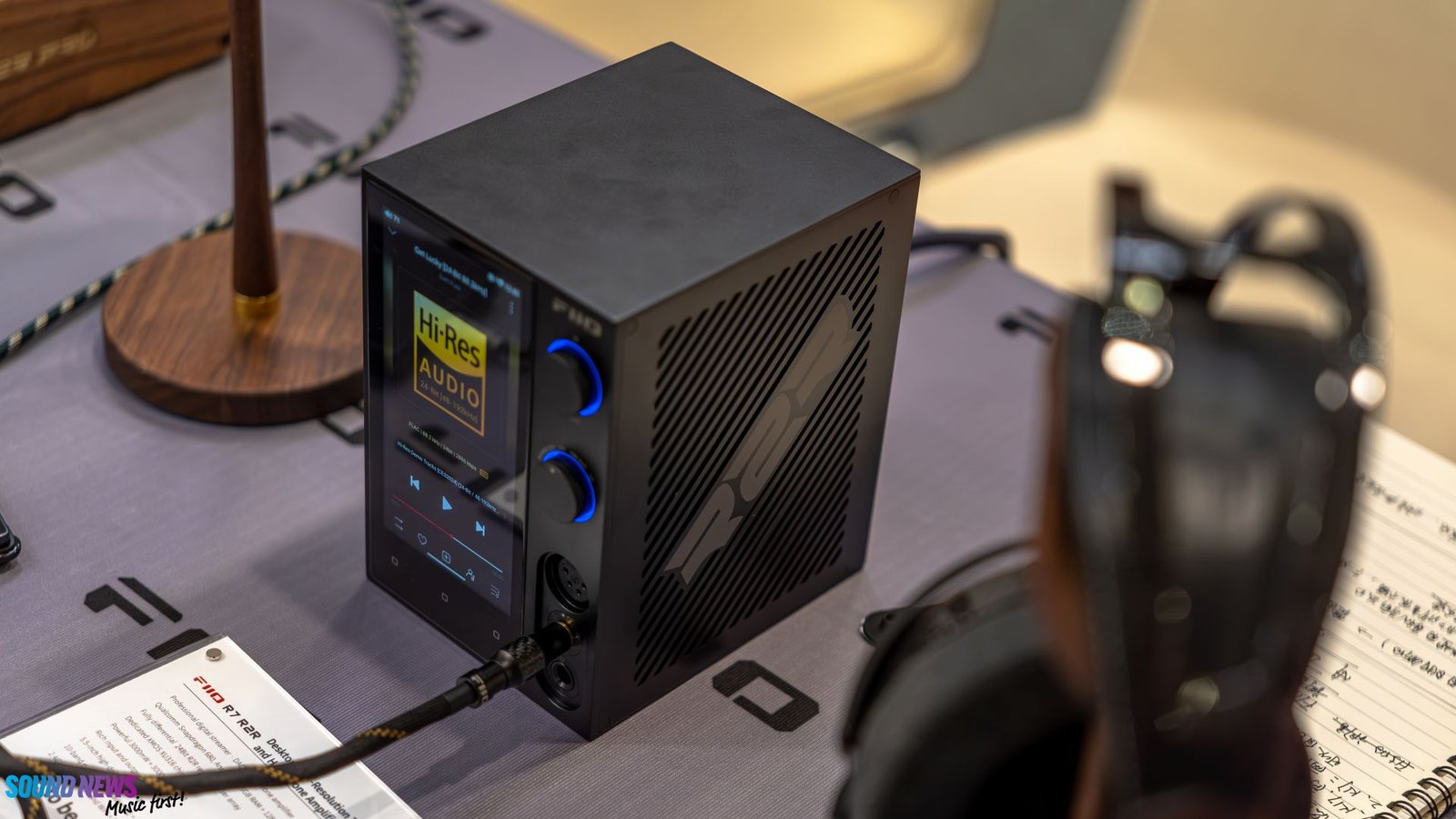
There are even a couple of integrated amplifiers and power amplifiers currently in development, and you’ll find most of them in the photo gallery at the end of this article. The products that excited me the most were their upcoming desktop Class-A amplifier (that’s the actual name of the product) with enormous heatsinks cooling the output transistors, the R7 R2R streaming DAC that looks every bit as promising as the original, and the K17 R2R with its gorgeous wooden side panels, which could very well become their next flagship all-in-one desktop unit. Needless to say, I’ll probably be requesting a review sample sooner rather than later.
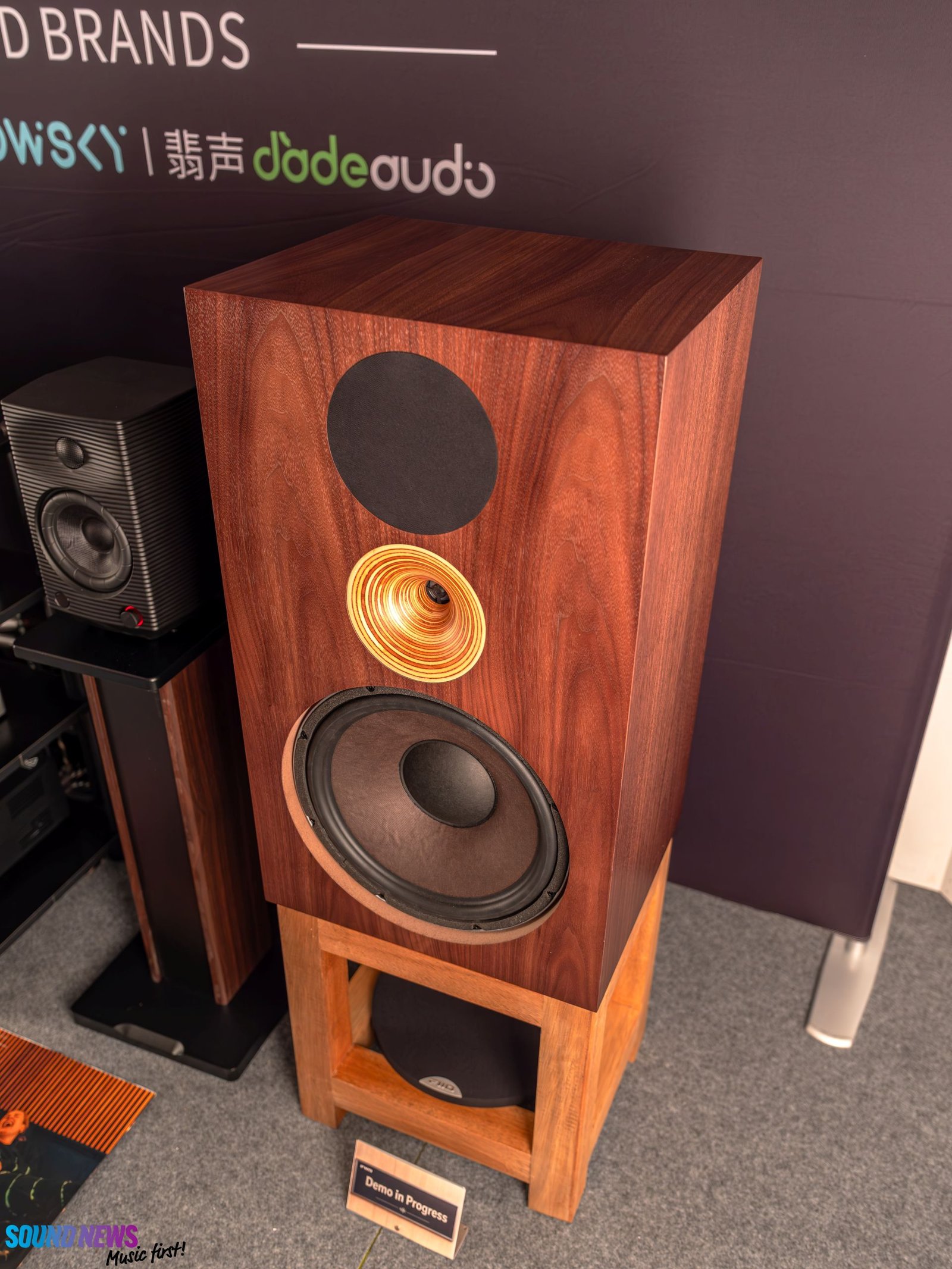
The upcoming M25 and M25 R2R digital audio players also looked incredibly interesting, giving users the choice between the AKM4499 implementation or the increasingly popular R2R ladder architecture. Both units already use a much faster SoC that powers their uber-flagship M27 DAP, which means they should feel considerably snappier and more responsive than many of their older portable designs. Unfortunately, I don’t remember the name of the massive three-way loudspeakers showcased at the booth, but the sound they produced felt infinitely more refined and mature than that of the SP5 speakers sitting nearby.
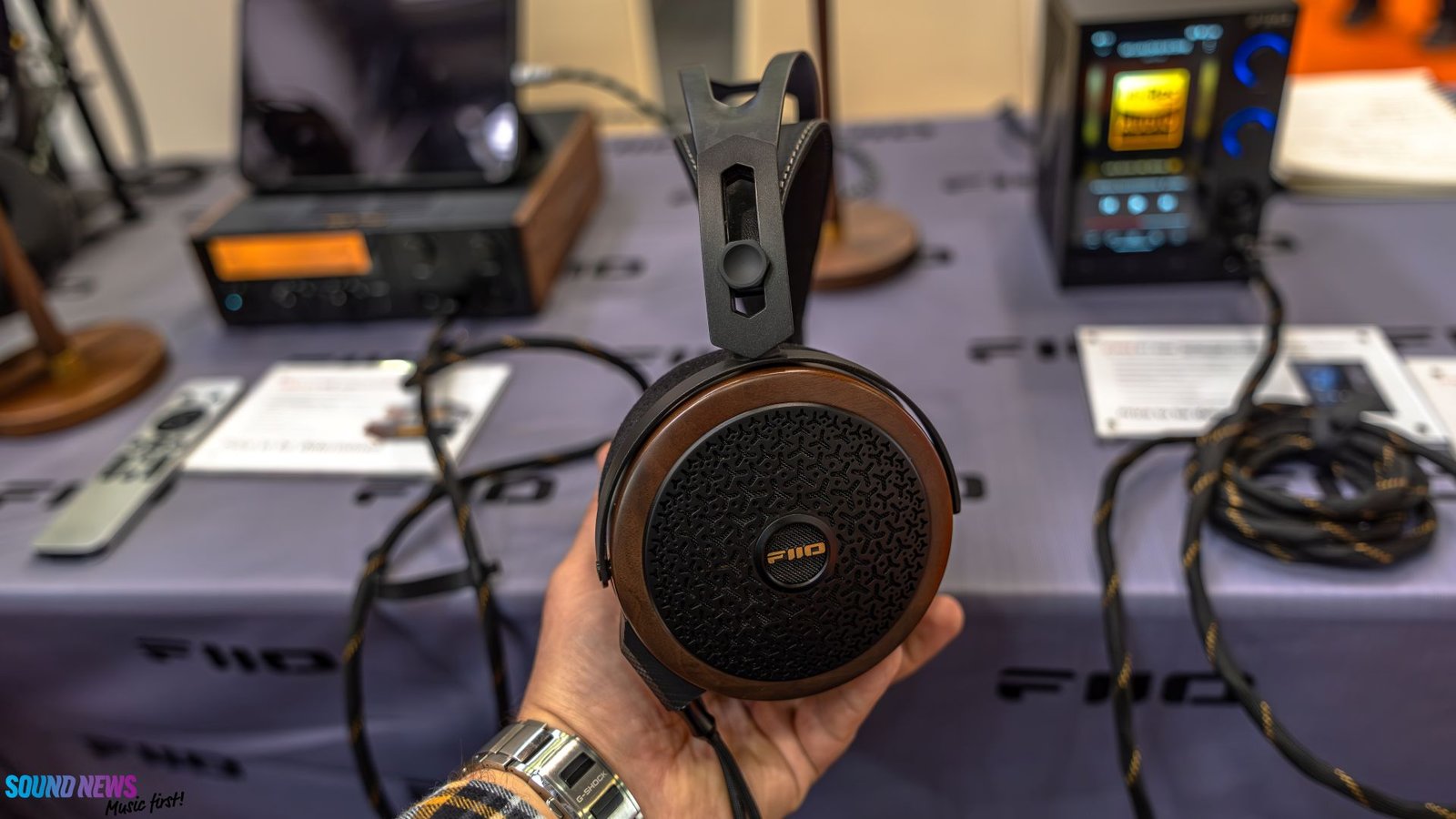
The same could be said about the all-tube integrated amplifier driving them. It was a properly sized beast. I’m not entirely sure which tube complement was used in the input and output stages, but it was absolutely toying with those large floor standers while seemingly operating at only a fraction of its available power. Naturally, there were plenty of headphones and IEMs on display as well, but I didn’t spend much time with them because of the noise around the booth. I’m particularly disappointed that I didn’t get the opportunity to audition the upcoming FX25 flagship IEMs, but hopefully I’ll have a chance to do that in the coming months. One thing became crystal clear after spending time at the FiiO booth. The company is doing better than ever. They are no longer catering exclusively to entry-level and mid-tier audio enthusiasts. Their ambitions now clearly extend into the high-end segment as well.
With a rapidly growing portfolio of solid-state and tube-based electronics, portable devices, desktop gear and now even loudspeakers, it feels as though FiiO is slowly conquering every corner of the HiFi world with products that remain surprisingly affordable for what they offer. Way to go, FiiO!
EverSolo & Luxsin Audio
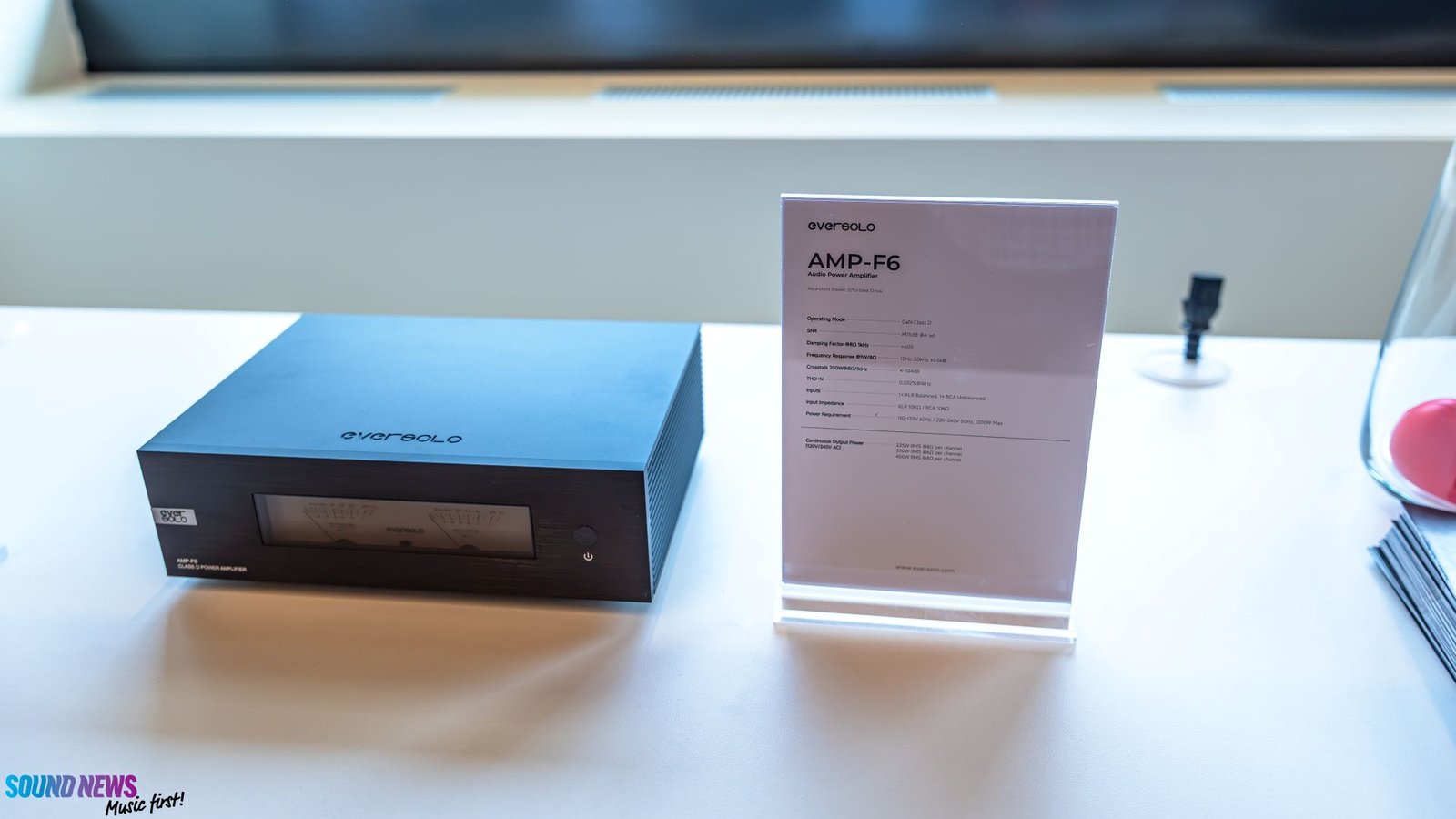
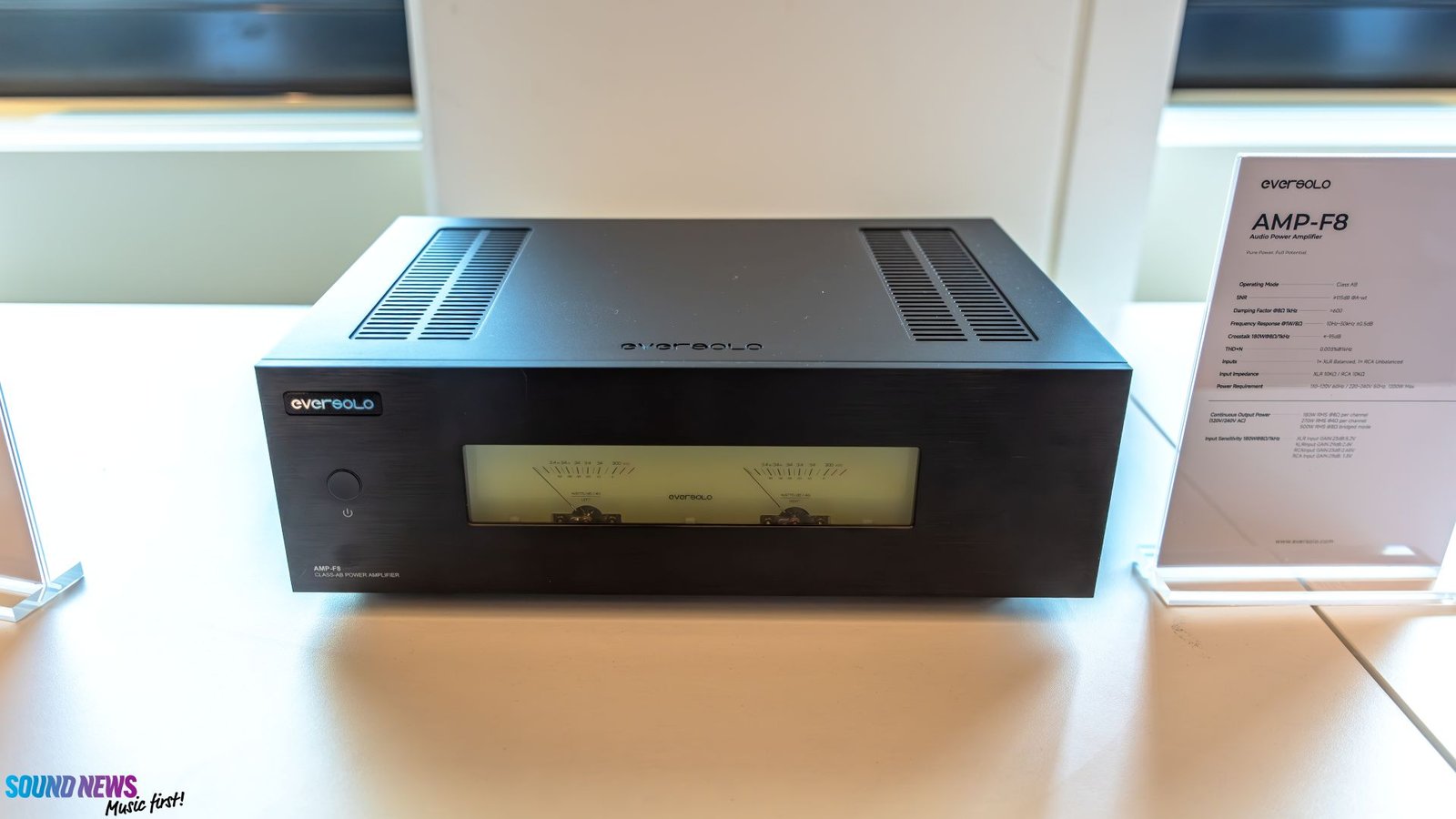
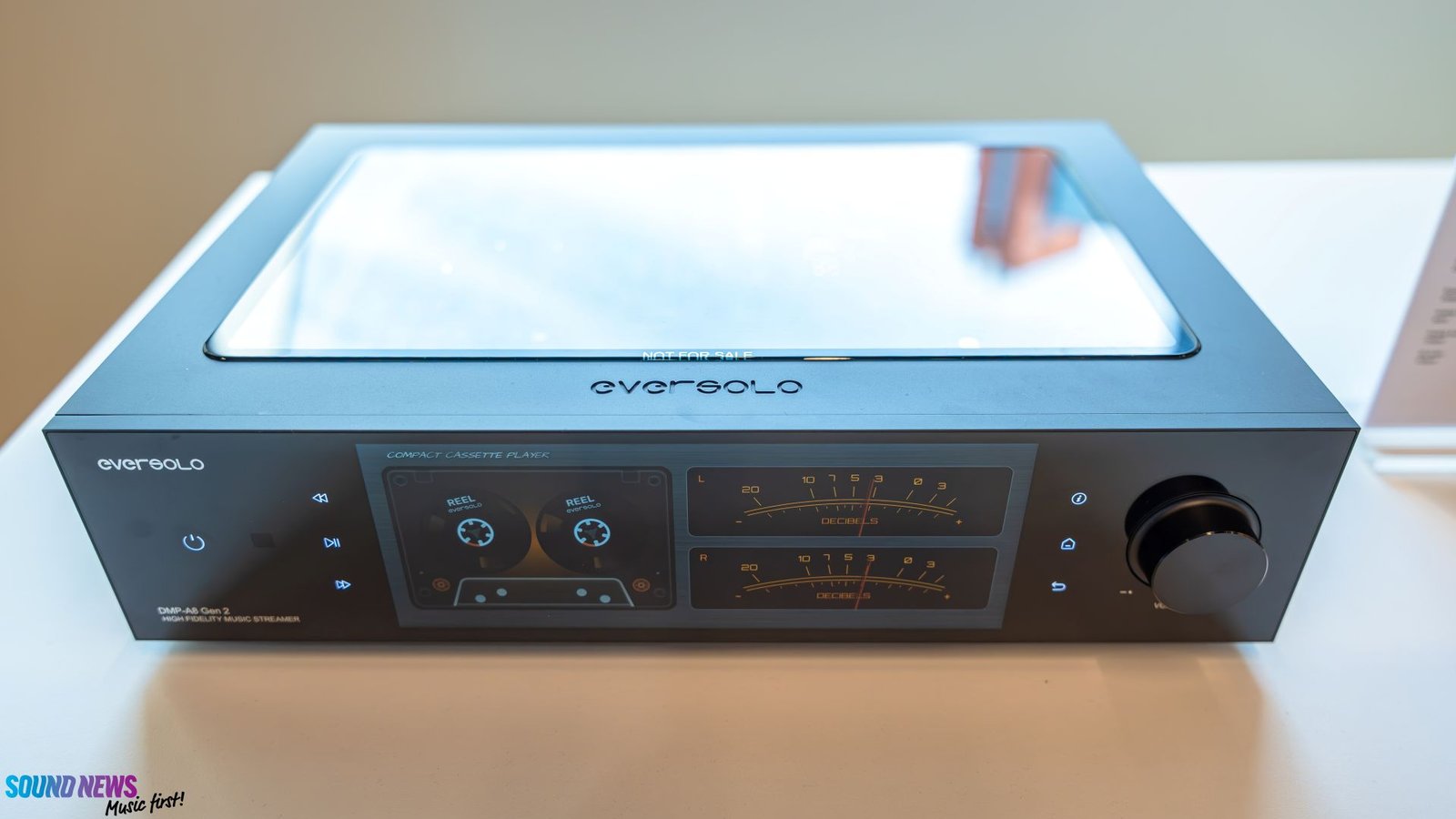
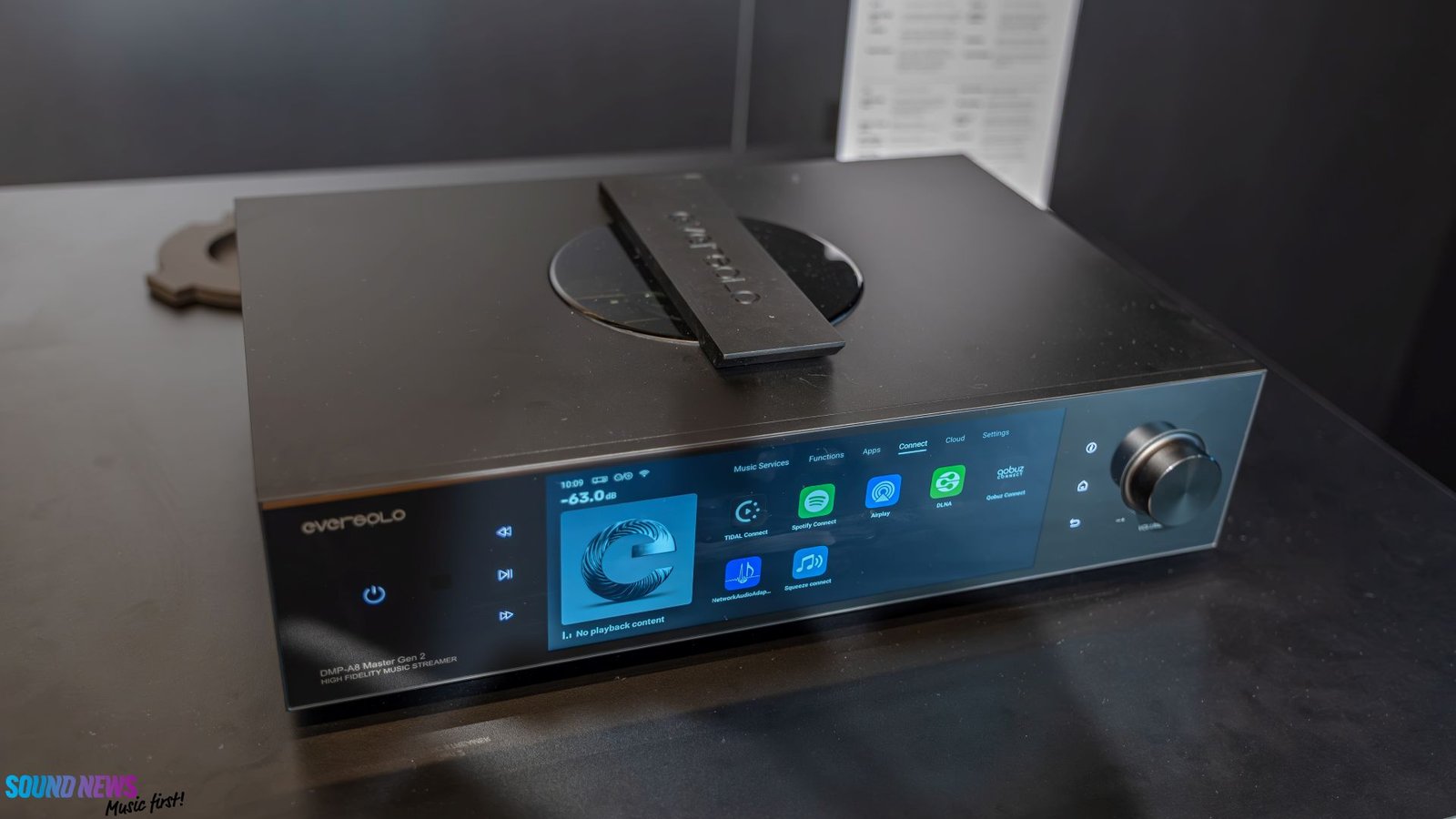
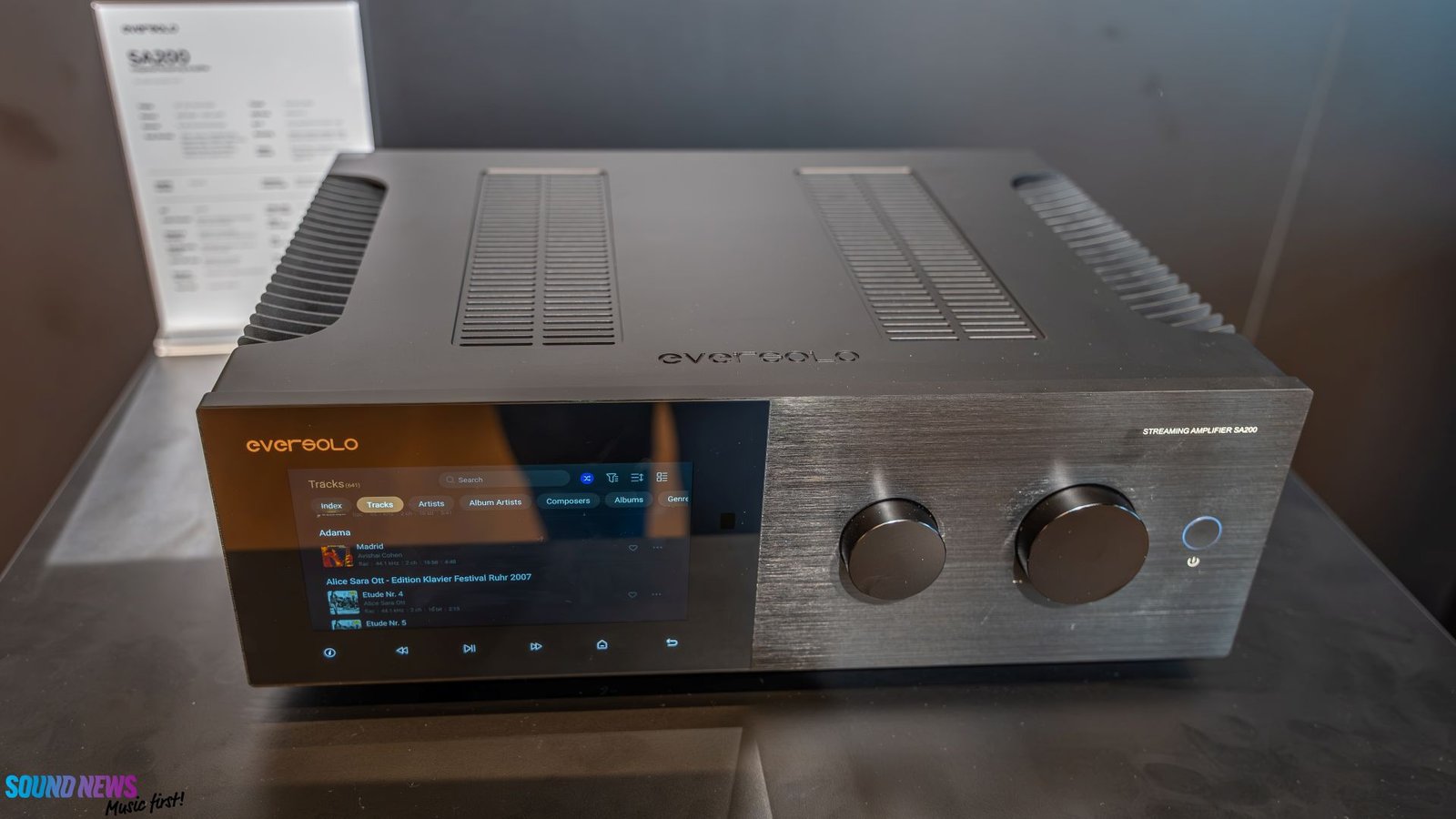
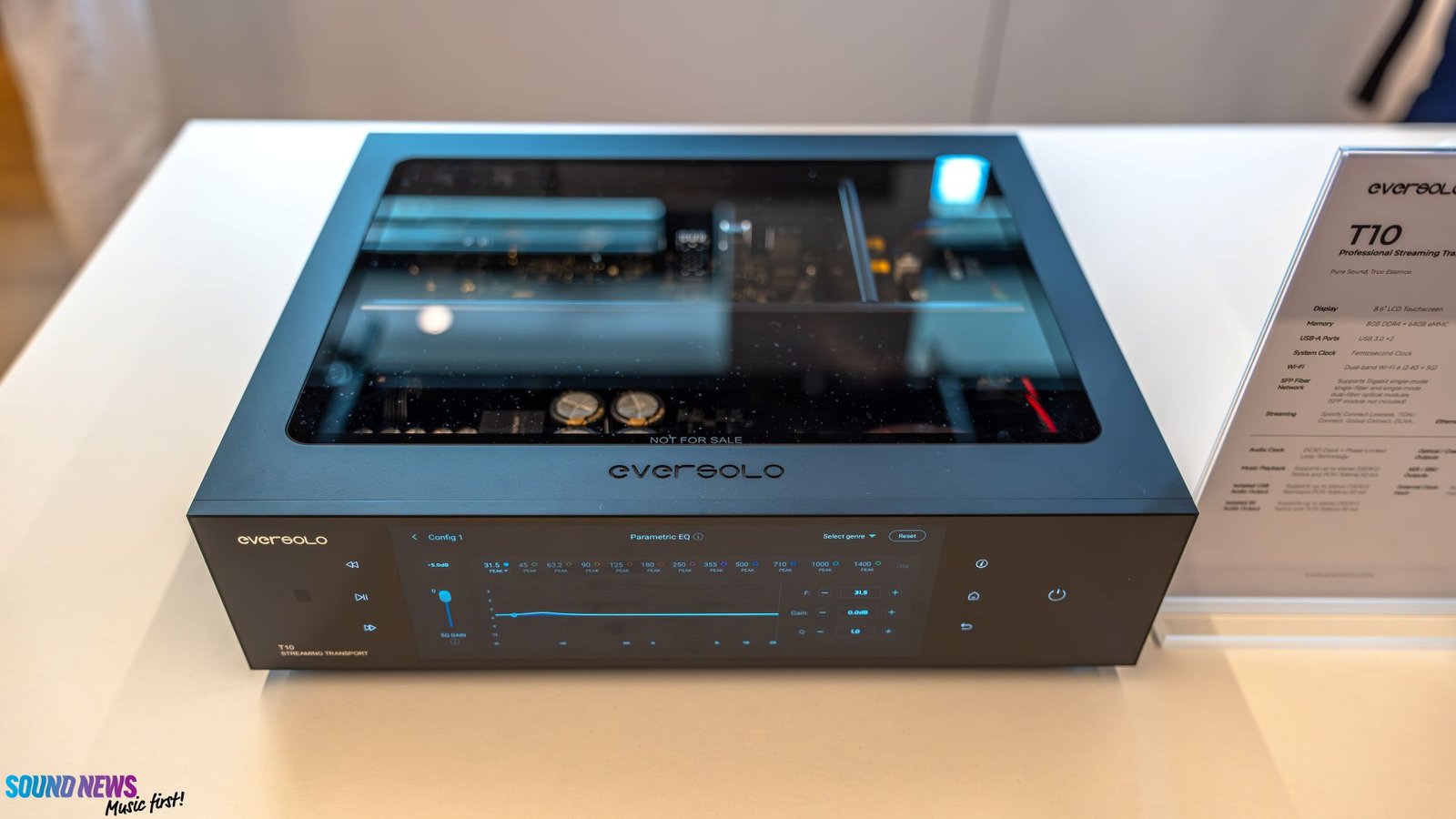
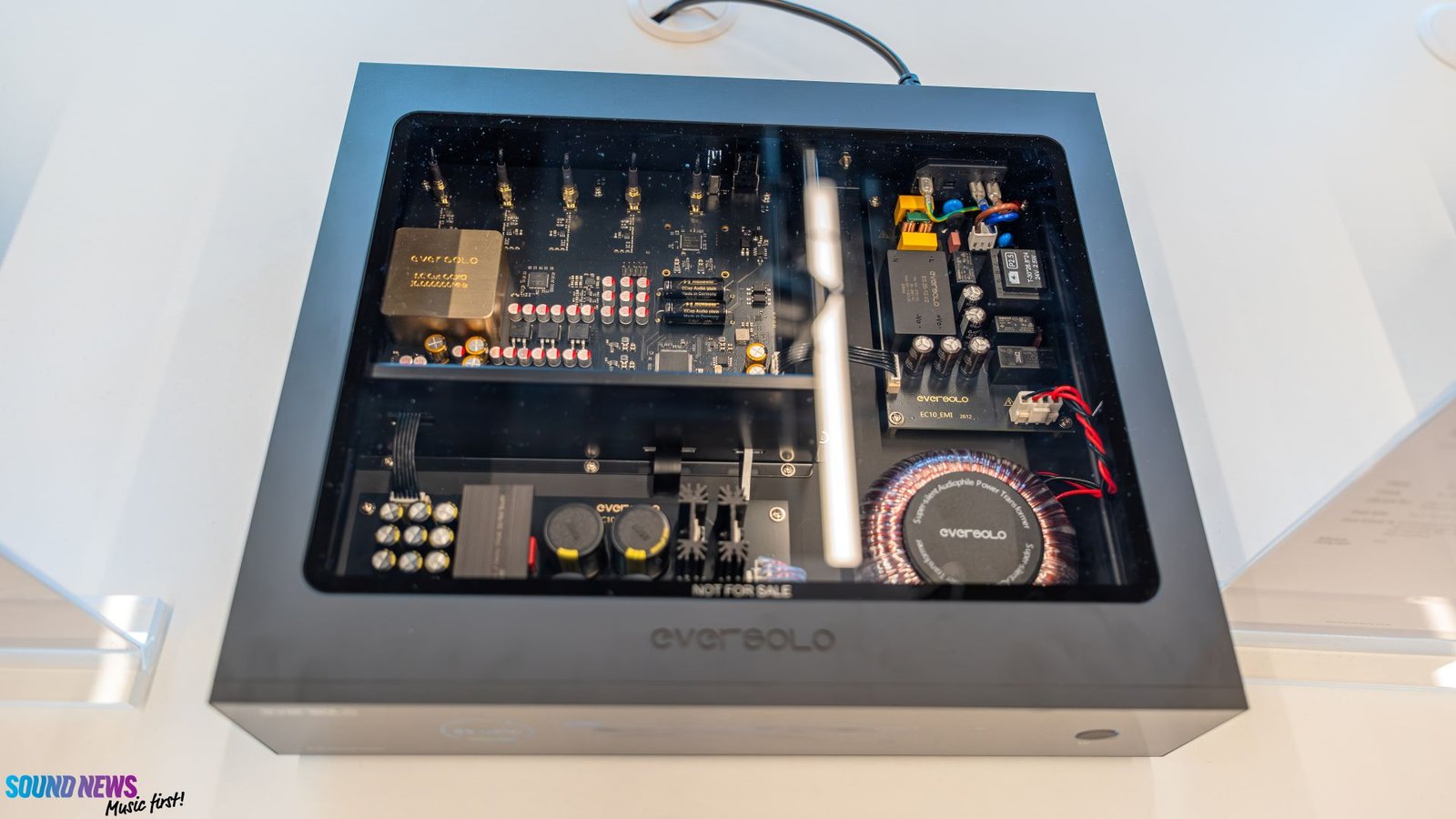
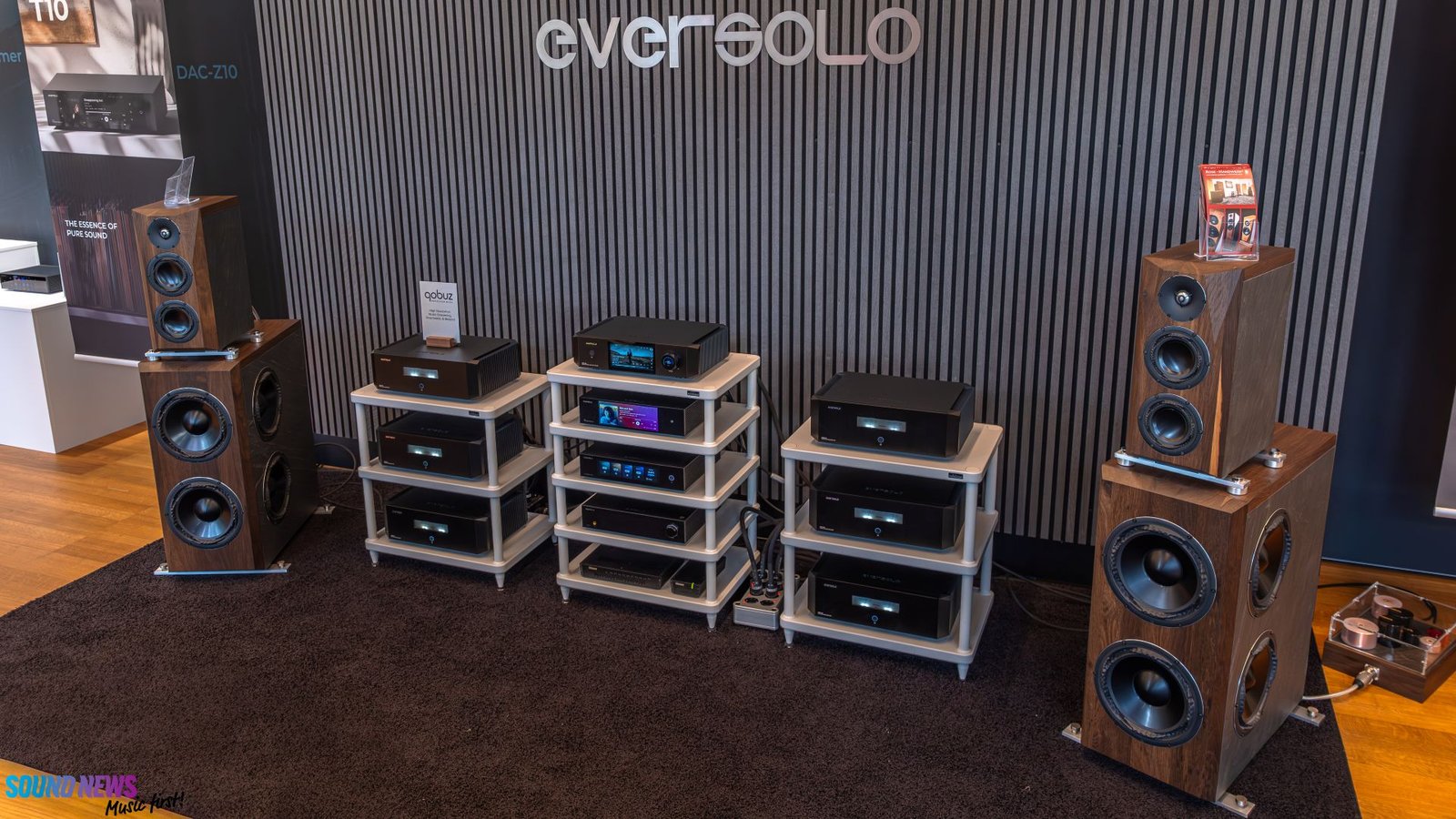
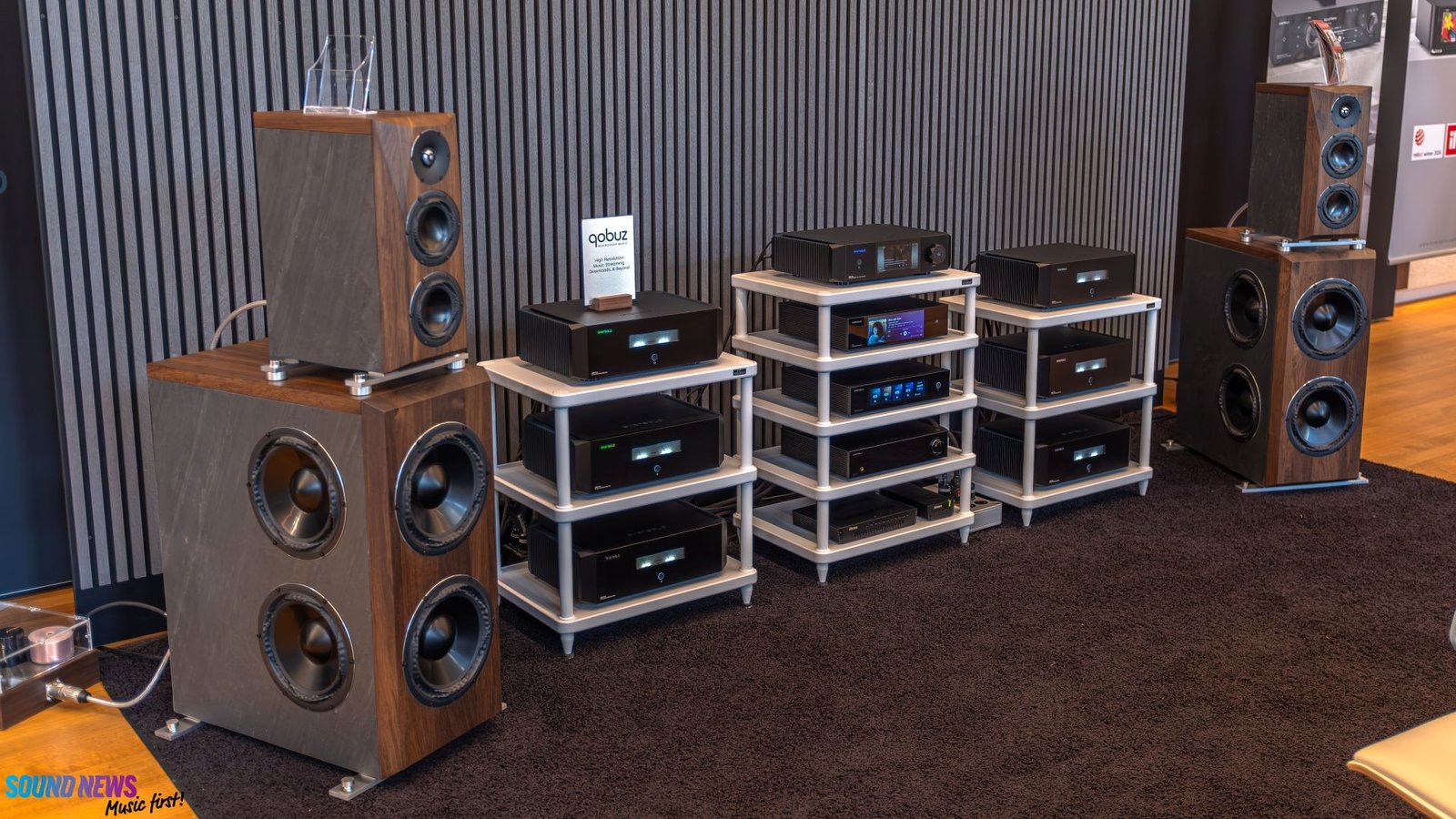
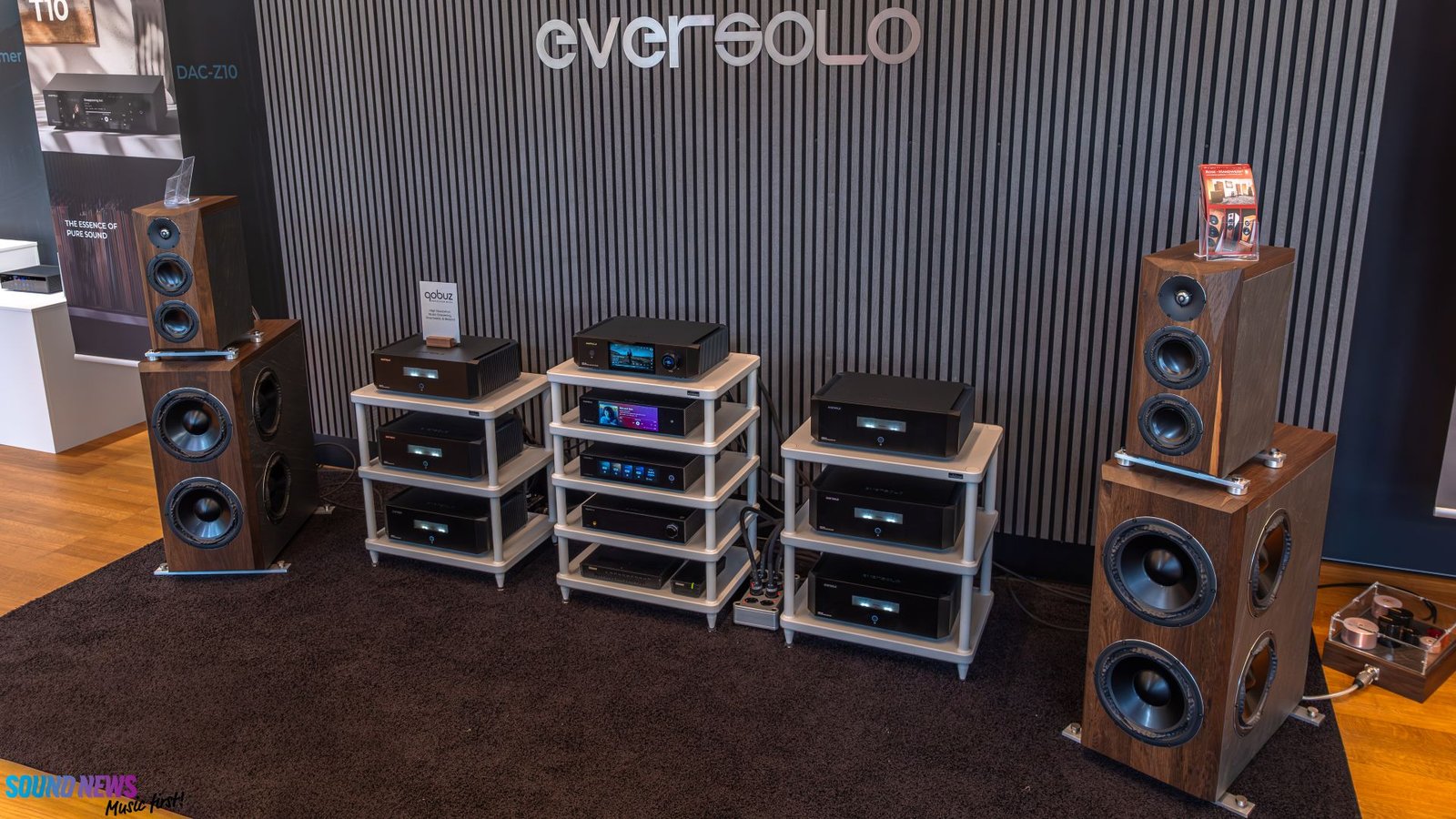
EverSolo had no fewer than eight new products on display, ranging from power amplifiers, integrated amplifiers and streaming DACs to all-in-one devices, dedicated DACs and streamers. They even had a few surprises I genuinely didn’t see coming, including an R2R DAC and a high-performance OCXO clock generator. I initially visited their booth to learn more about the upcoming flagship T10 streamer. That plan lasted approximately thirty seconds.
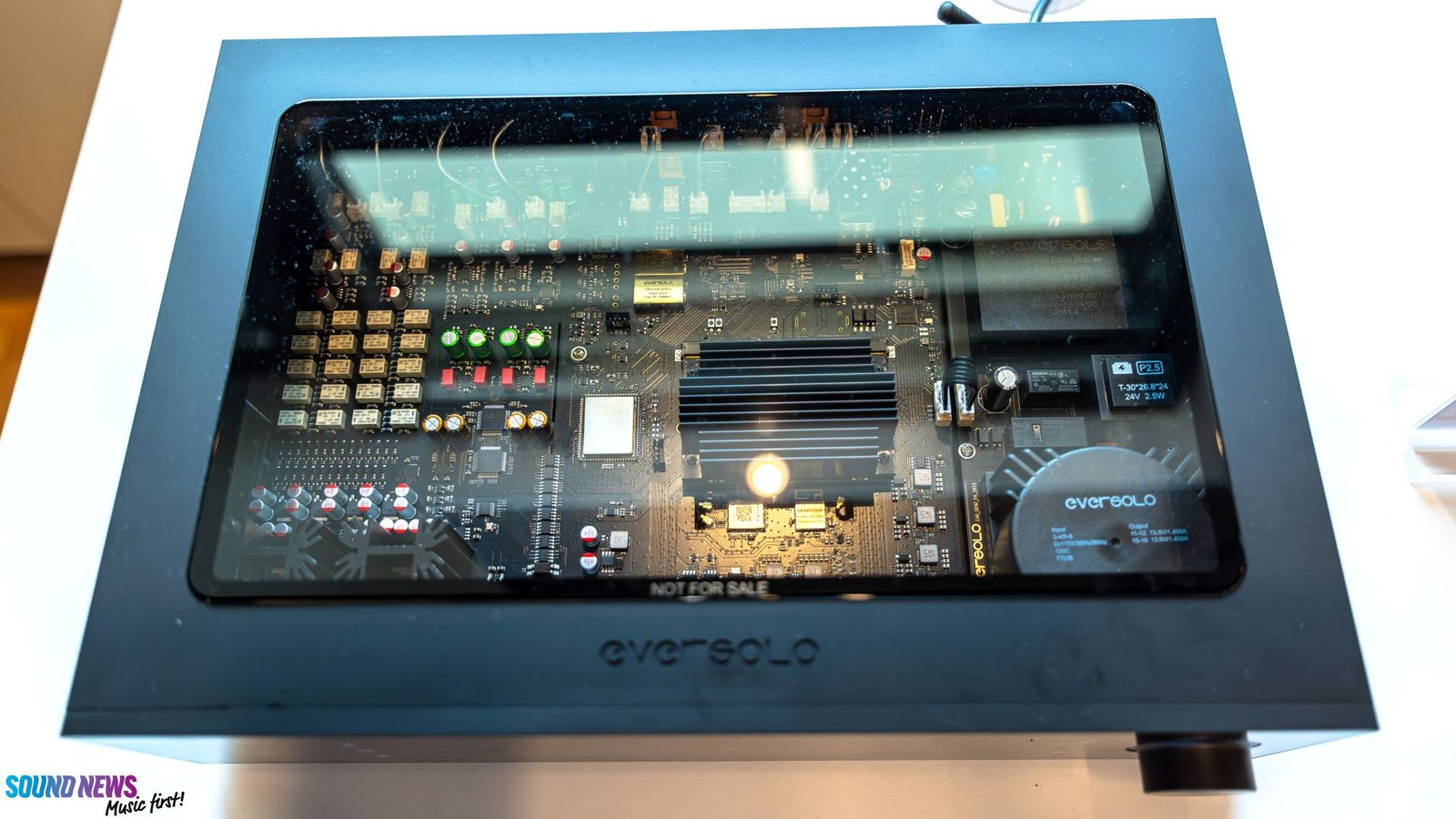
The moment I stepped inside, my eyes started wandering in every direction, as there were simply too many goodies on display. The T10 appears to be a substantial step up from the already excellent T8 streamer. Looking inside, I could clearly see three separate compartments around the PCB, isolated by thick aluminum partitions designed to reduce EMI interference between the power supply, filtering & regulation stages, and the digital section. Unsurprisingly, we also get additional digital VU meters, because apparently one can never have too many of those, a more advanced parametric EQ implementation, and several upgrades to the internal components, with noticeably higher-quality parts used throughout.
The OCXO clock generator was equally impressive. It featured a fully encapsulated and highly stable OCXO clock module roughly the size of my fist. You could even monitor its operating temperature in real time, something I haven’t encountered on any other clock generator to date. Several clock outputs were available on the rear panel, and while I wasn’t informed about the final retail price, knowing EverSolo, it will probably be considerably more affordable than what we typically see from competing brands.
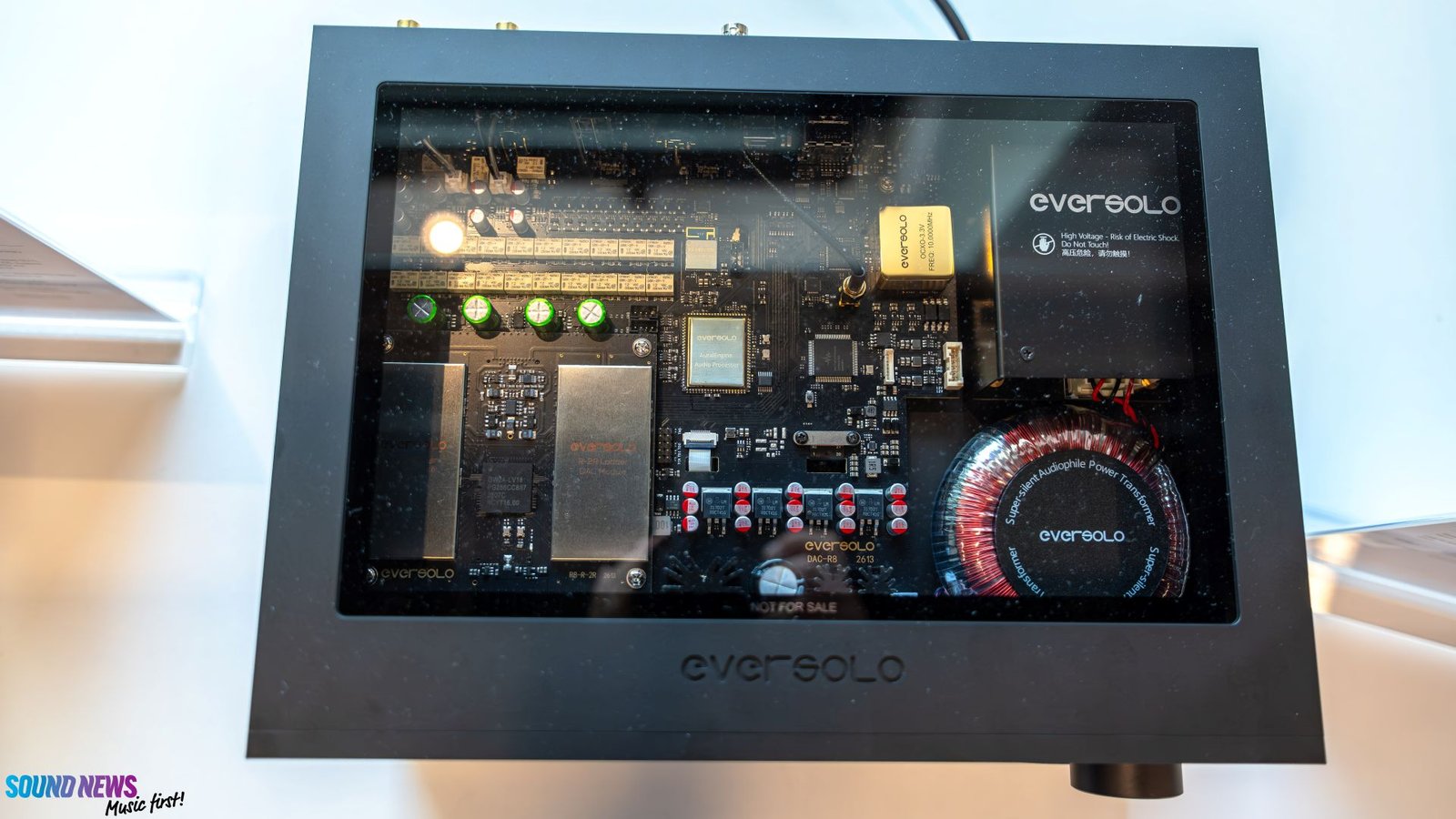
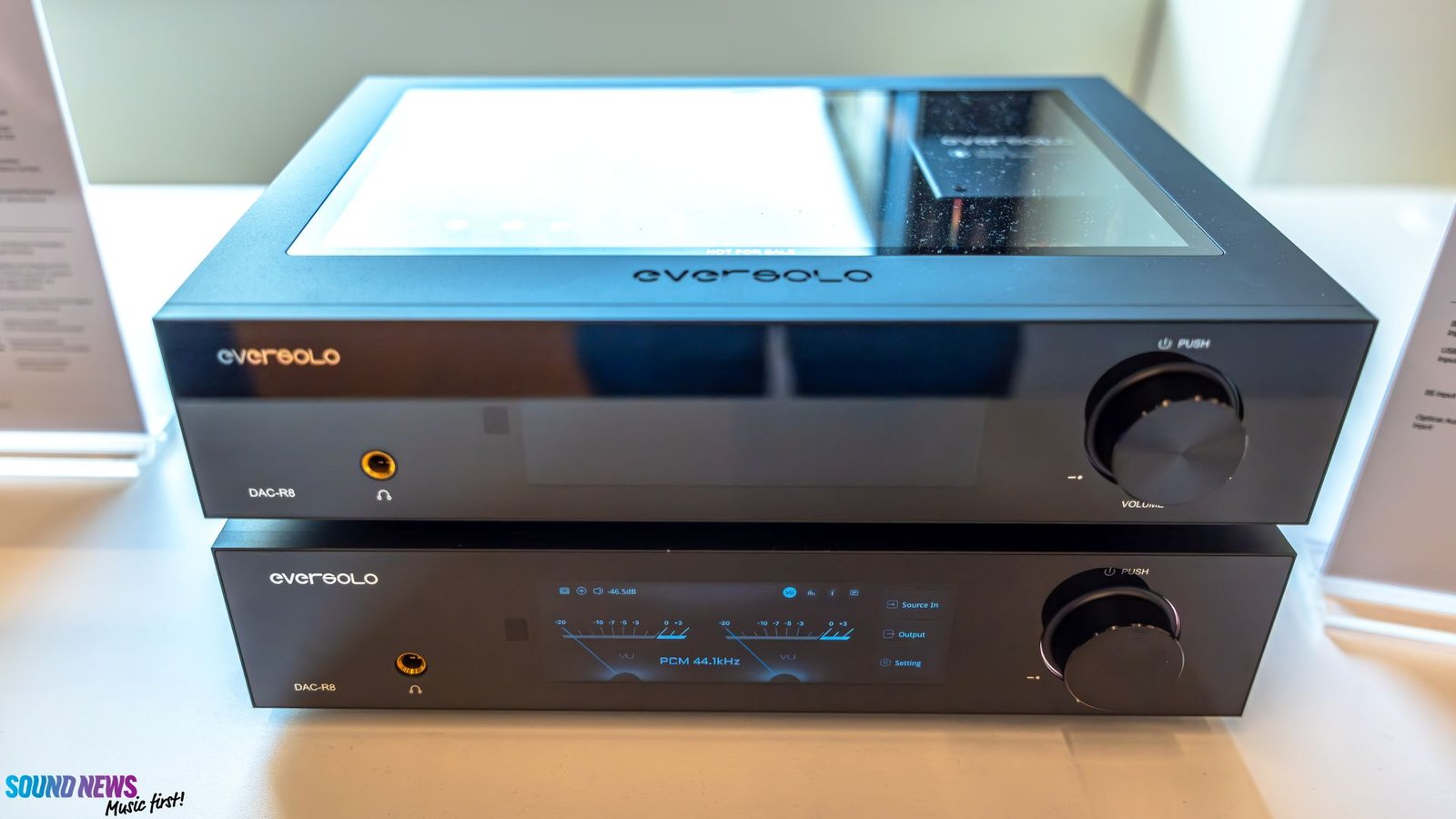
The DAC-R8 R2R DAC was also on display, and honestly, I wasn’t expecting to see it this soon. Still, I’m delighted that the R2R movement continues to spread like wildfire, especially given that my own reference DAC is also an R2R design. Visually, it looked remarkably similar to the DAC-Z10, sharing comparable dimensions and proportions. Based on its positioning, I can only presume it will occupy a similar flagship status within EverSolo’s DAC lineup. A trio of power amplifiers was also showcased, clearly targeting the entry-level and mid-tier HiFi markets. They even had a rather beefy streaming amplifier called the SA200, which felt like a genuine one-box solution. Add a pair of passive loudspeakers, and you’re ready to start hitting eardrums.
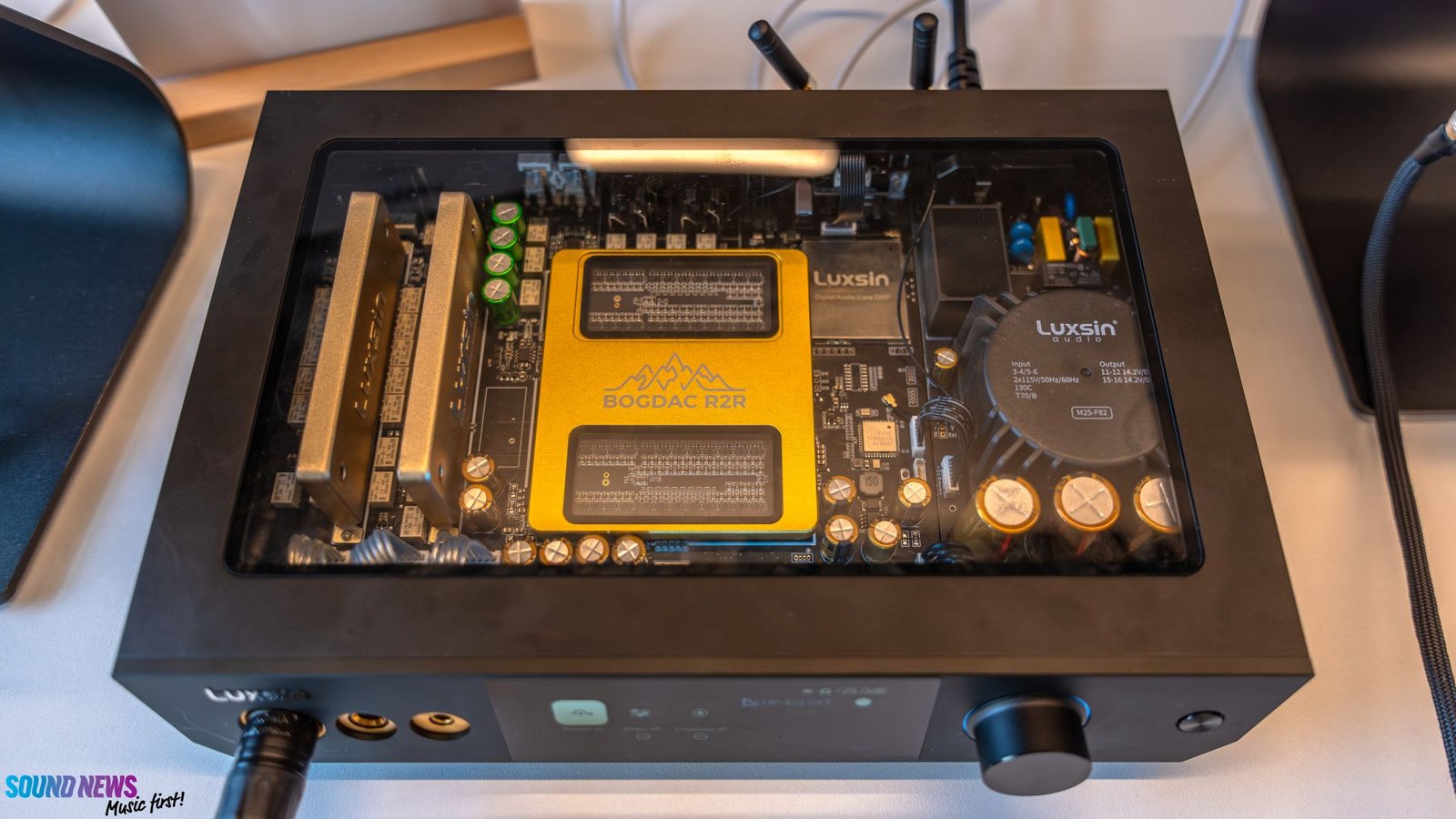
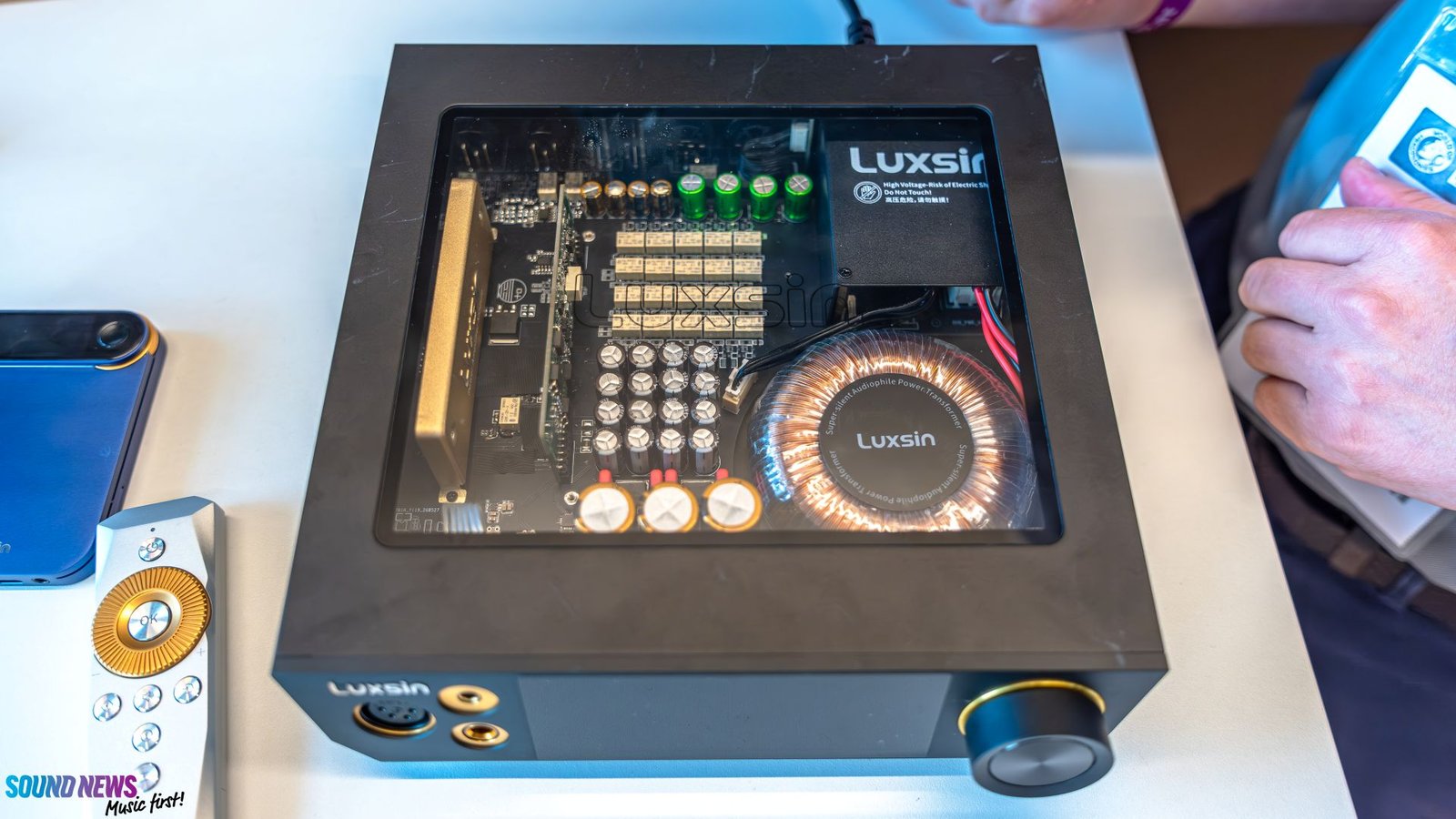
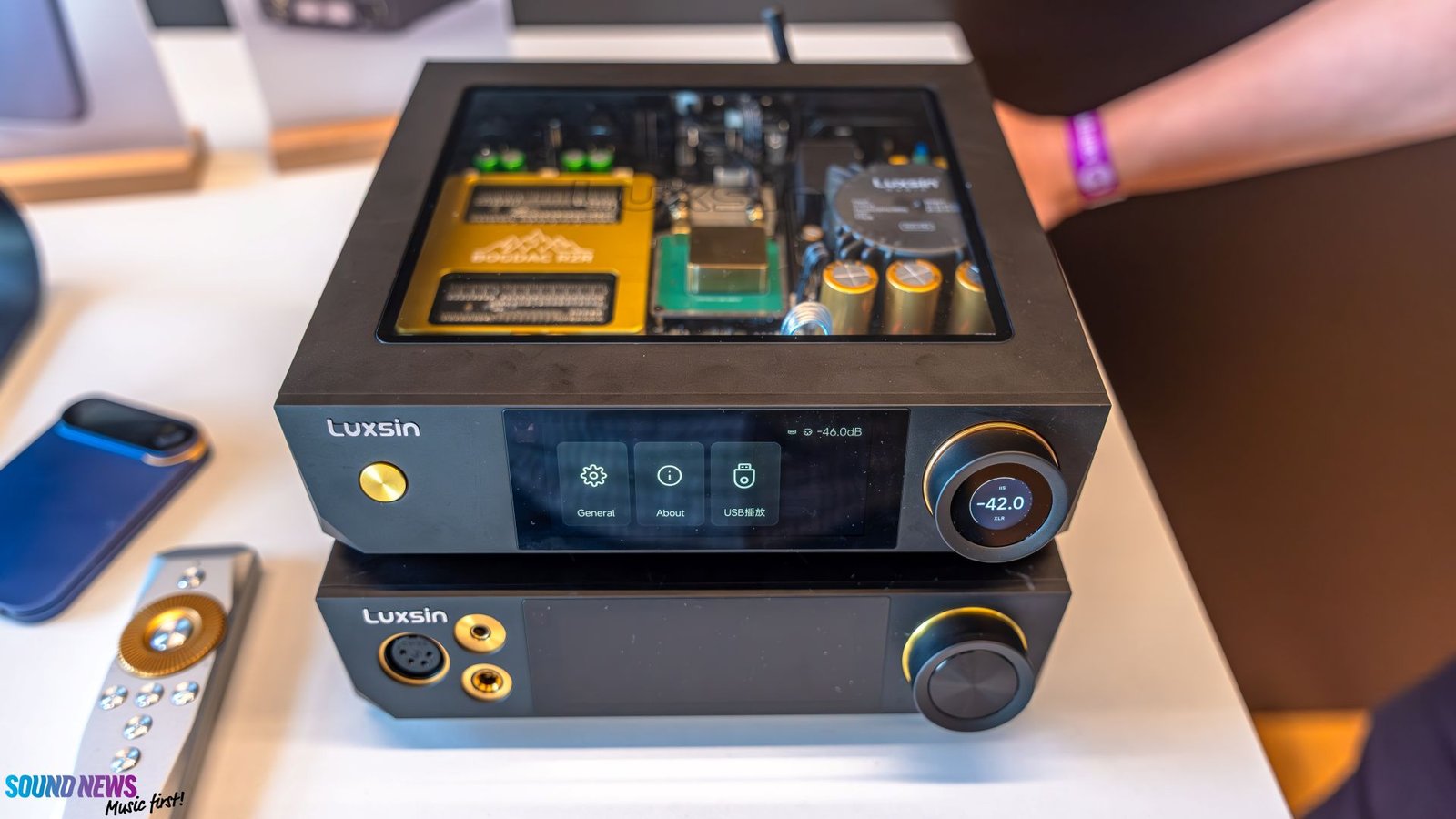
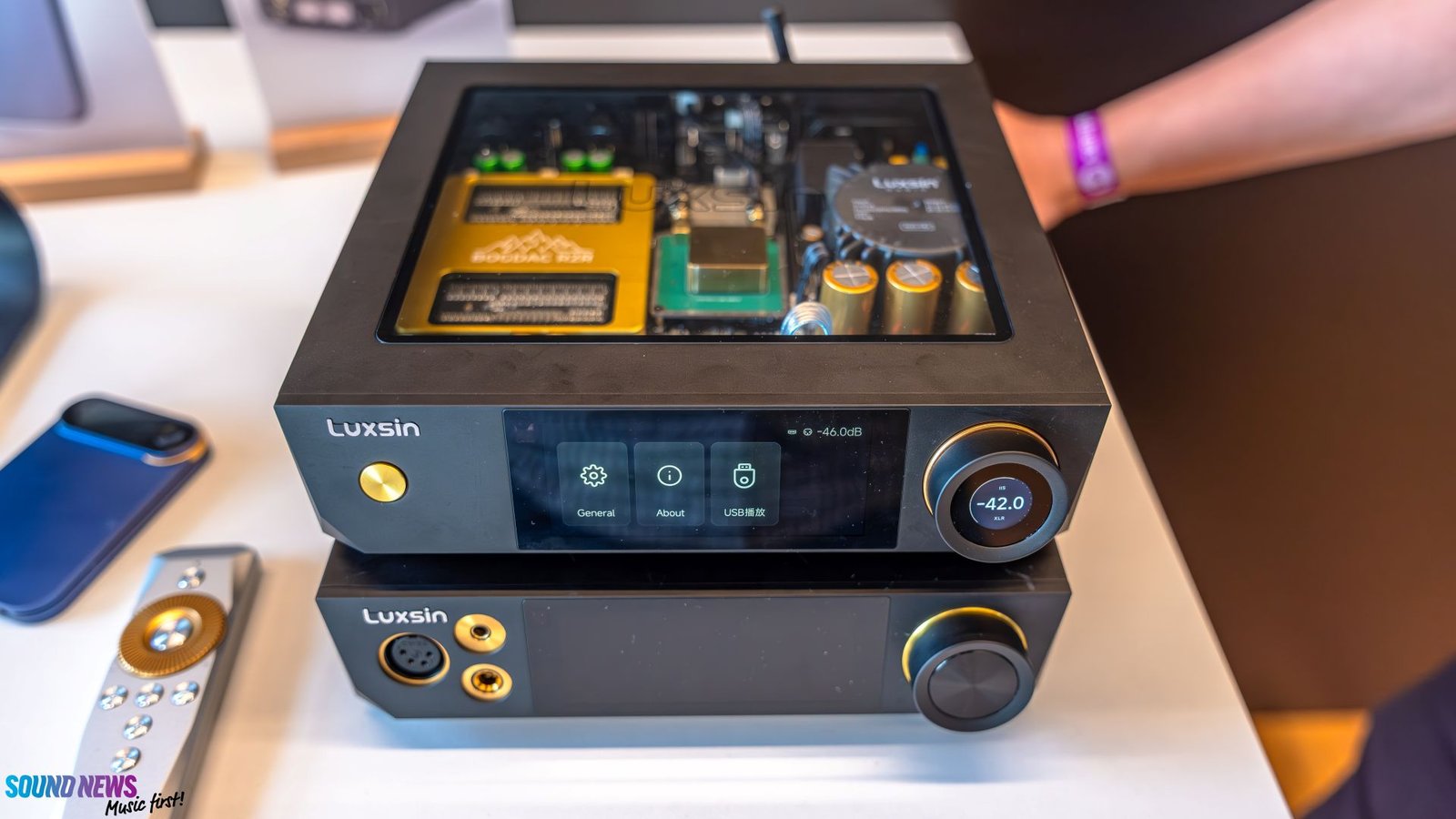
Luxsin Audio was equally busy, showcasing several new developments, including a full-sized R2R DAC equipped with a headphone output and AutoEQ technology. A smaller desktop stack particularly caught my attention. It consisted of a dedicated headphone amplifier paired with an R2R DAC sitting on top, but the real party trick was something I never expected: the volume wheel. At first glance, it looked completely ordinary, featuring a small color display integrated into its center. Then, their main engineer casually removed it from the chassis. Turns out the entire volume wheel is detachable and doubles as a remote control. Rotate it in the air to adjust the volume or tap it to change inputs. It looks incredibly cool and surprisingly practical, although I’ll need to spend some quality time with it in my own system before deciding whether it’s a genuine quality-of-life improvement or simply a very clever gimmick.
Either way, EverSolo and Luxsin showcased impressive lineups of upcoming products, and judging by everything we saw in Vienna, neither company seems interested in slowing down anytime soon.
Matrix Audio
I remember a time when Matrix Audio was one of those brands you would casually recommend to a friend looking for a decent DAC without having to sell a kidney in the process. Fast-forward a decade, and suddenly they’re building products that make you wonder if one kidney is more than enough. Somewhere along the way, Matrix Audio transformed from a company making sensible HiFi products into one chasing the very summit of high-end audio.
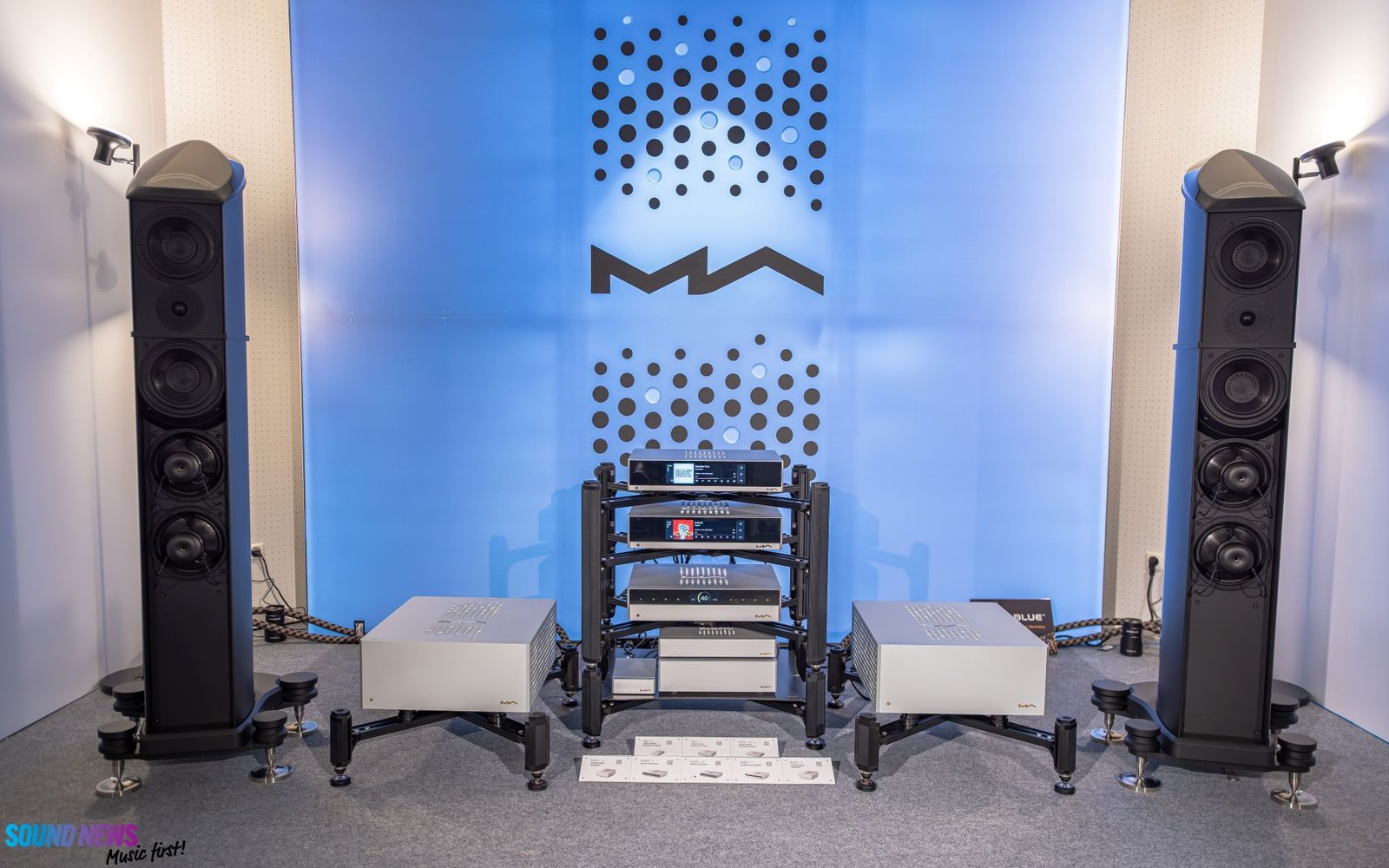
The funny part? I don’t think many of us noticed exactly when it happened. Like a phoenix quietly growing new wings, every new generation became a little more ambitious, a little more refined, and a little more difficult to ignore. Until one day you walk into their room at High End Vienna and realize you’re no longer looking at a promising challenger. You’re looking at a serious contender. Going from four or five products a decade ago to more than twenty-five devices in 2026 is quite an achievement, don’t you think? There was a time when I could easily keep track of every Matrix Audio release. Today, I would probably need a brochure and a strong cup of coffee just to keep up with everything they’re developing. From complete end-game headphone systems with purpose-built equipment racks to flagship preamplifier and monoblock combinations, these guys seem to have every corner of HiFi covered.
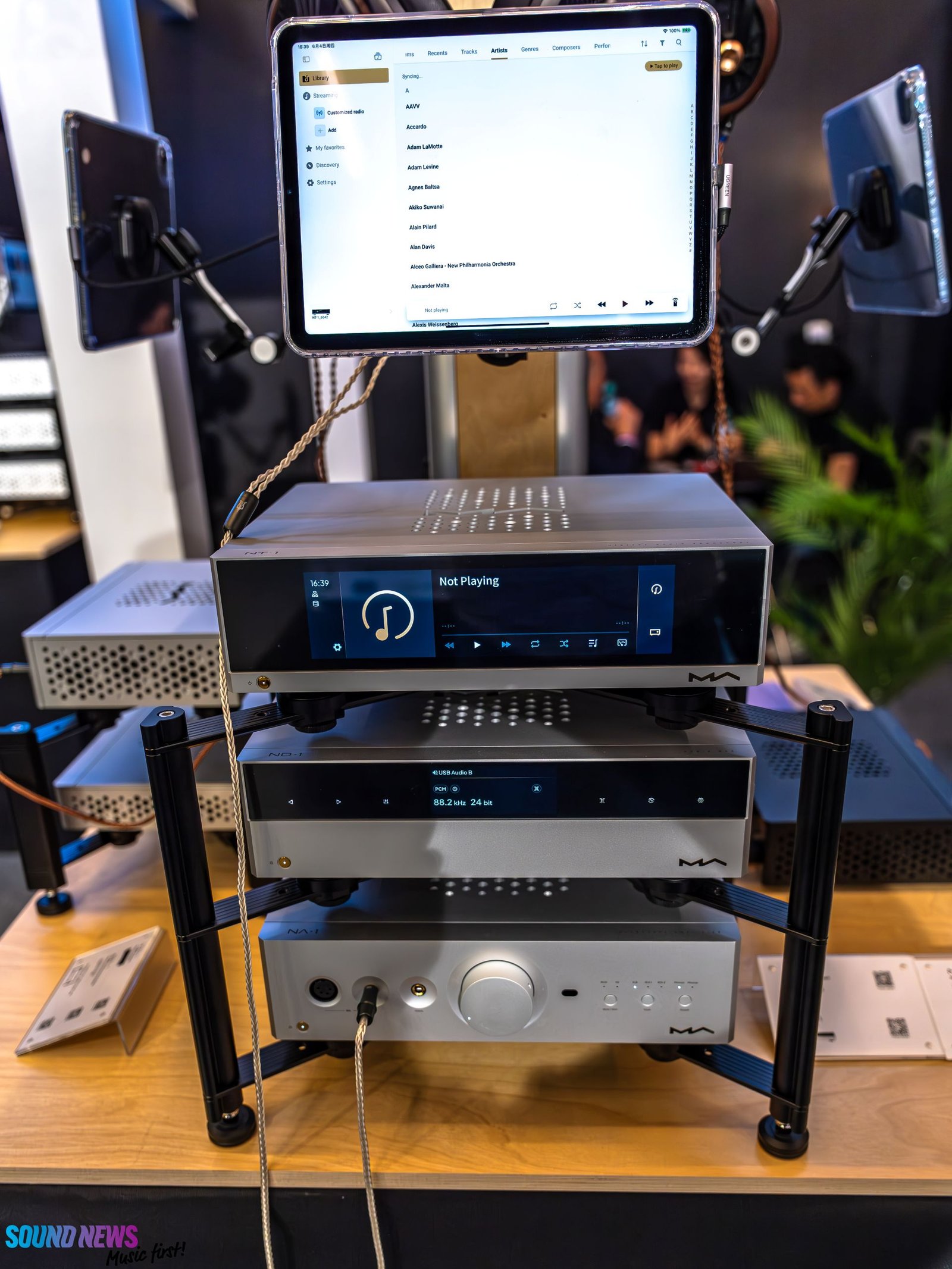
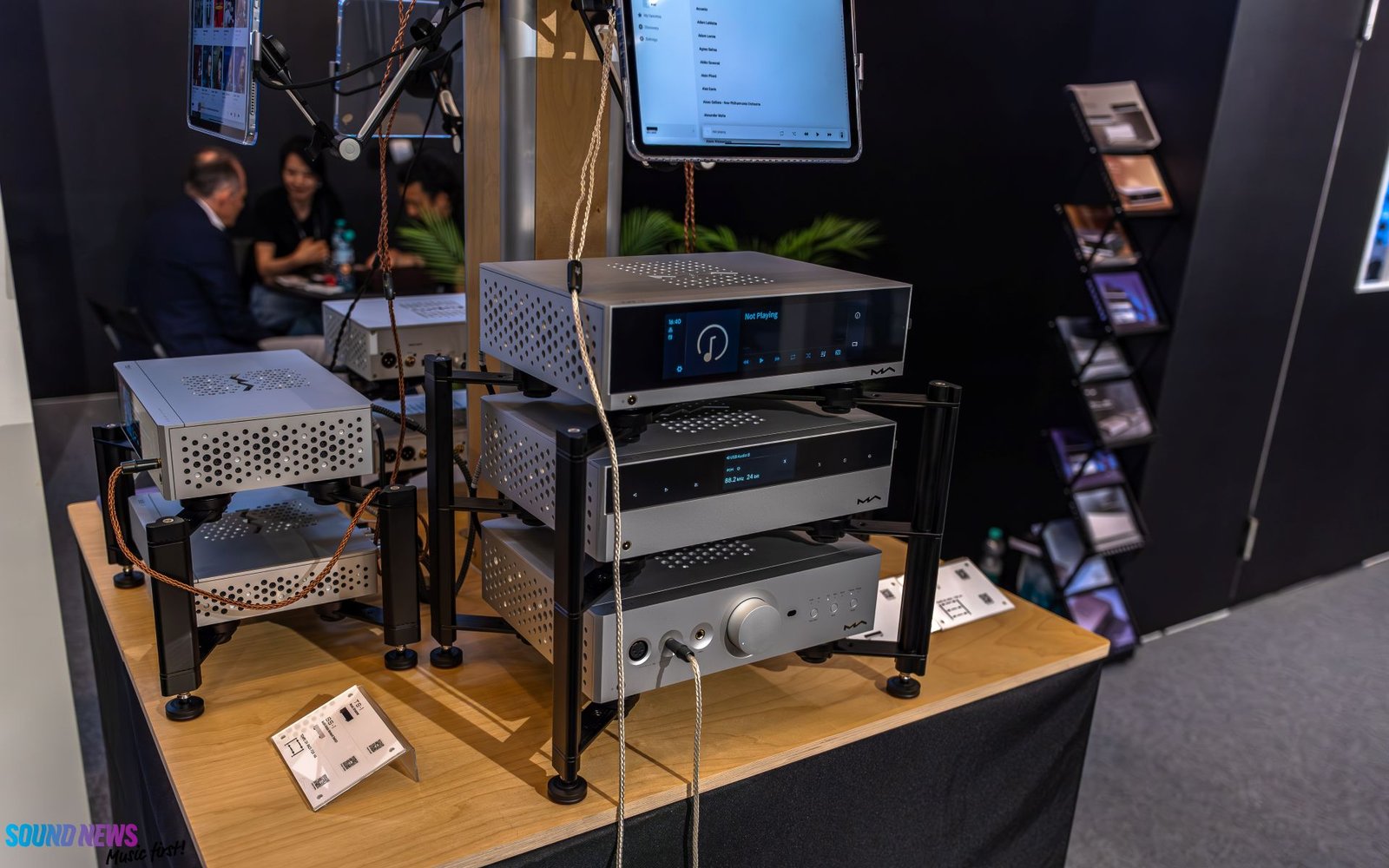
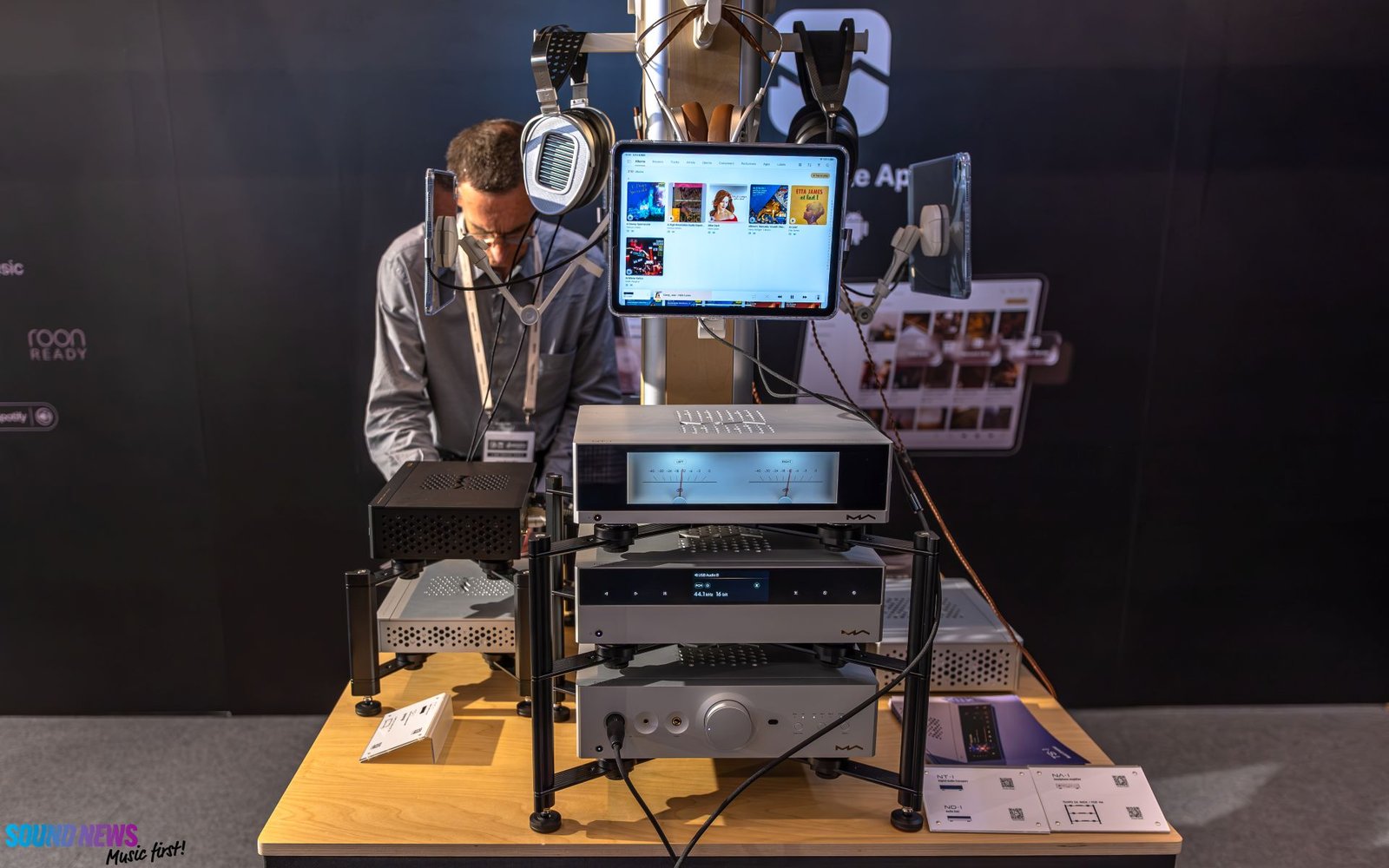
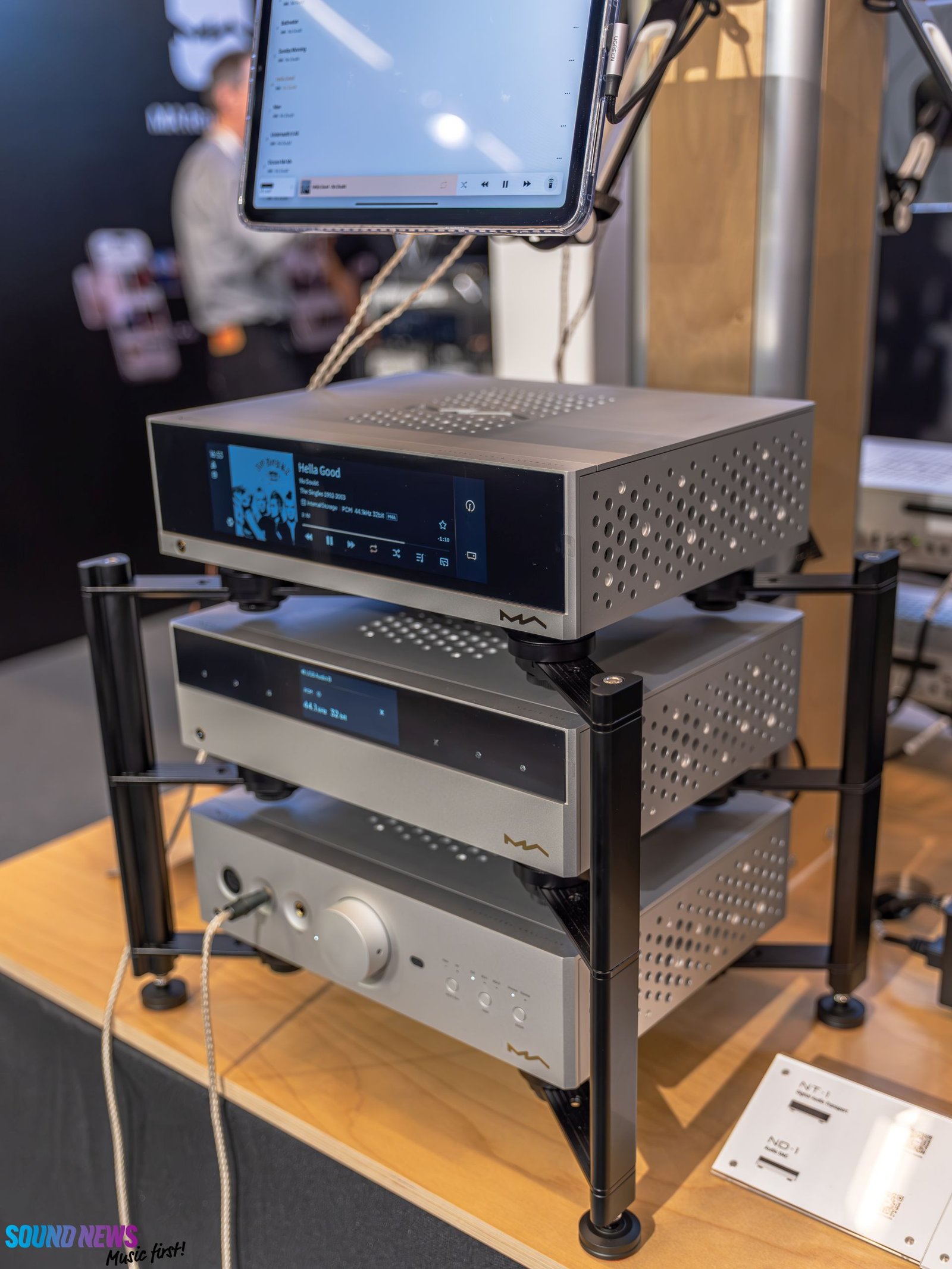
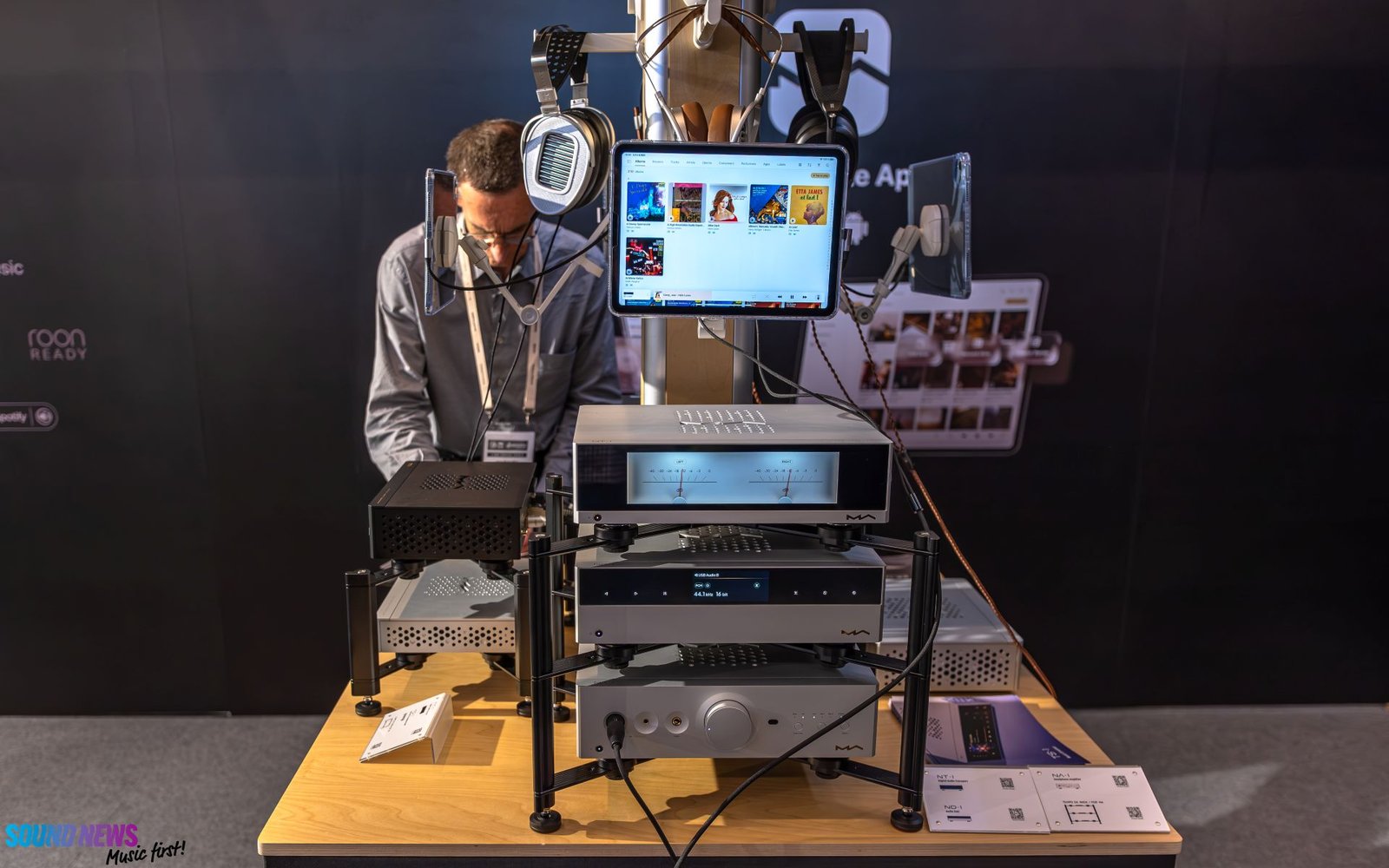
I was particularly impressed by their reference head-fi stack consisting of the NT-1 digital transport, ND-1 DAC and NA-1 headphone amplifier. Listening to it, I could have sworn that a massive, overbuilt discrete amplifier was doing all the heavy lifting, and when I later learned it outputs 18 Watts per channel, I realized Matrix Audio is no longer playing in the minor leagues. The sound was in no way cold, thin, or artificially exciting in the upper frequencies, traits that occasionally appeared in some of their earlier products. Instead, they are now pursuing emotional engagement, tonal density and powerful dynamics, making their latest creations considerably more universal and mature than many of their previous doings.
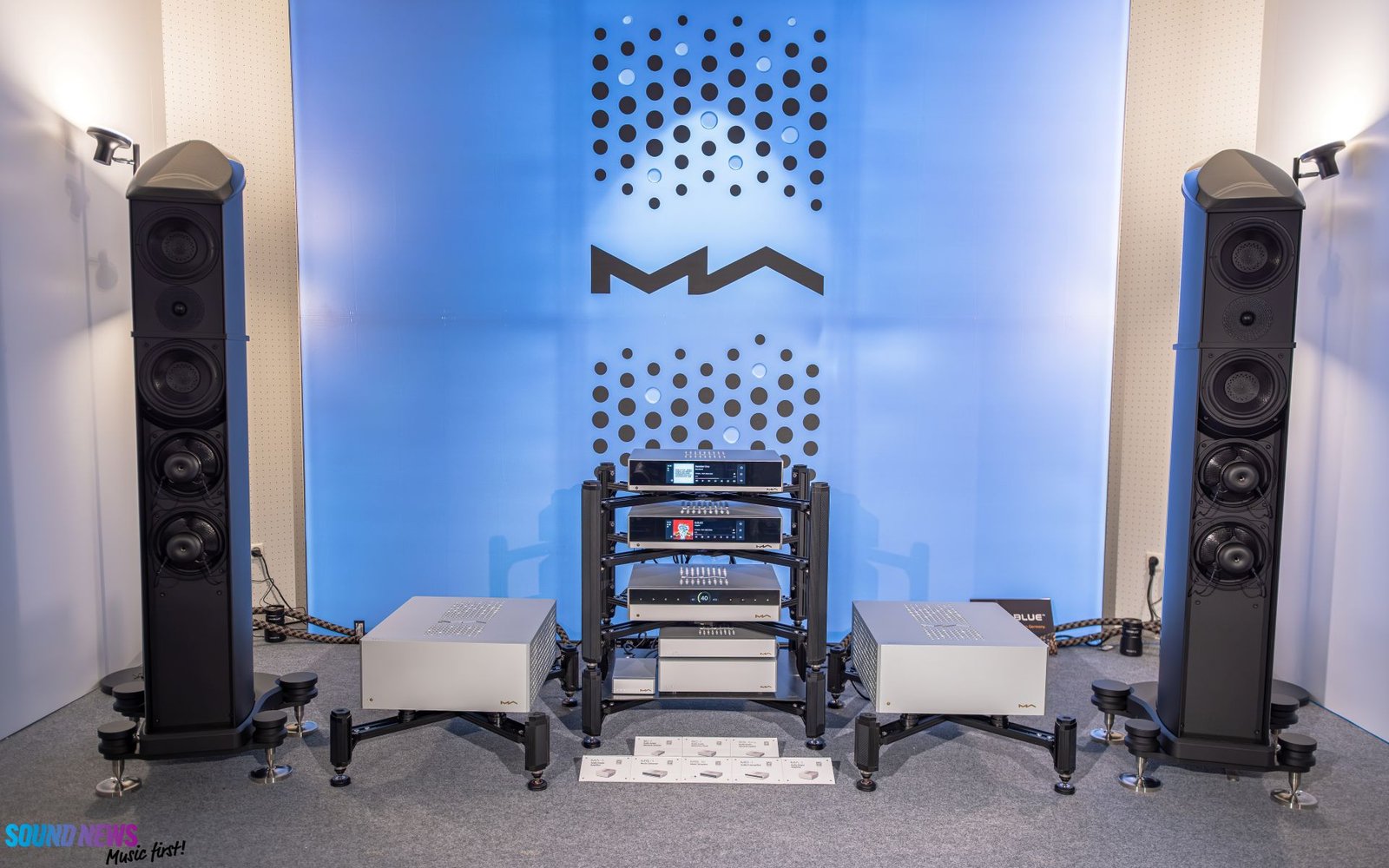
Their stereo system was even more impressive. A dedicated MS-1 streamer, S1 network isolator, SC-1 reference clock generator, SS-1 PRO network switch (which we reviewed here), MP-1 preamplifier and a pair of MA-1 monoblock amplifiers were driving the rather unusual Wilson Benesch Resolution 3zero loudspeakers. The result? A highly engaging sound that immediately grabbed my attention. Everything sounded crisp, detailed and articulate without falling into the usual analytical traps. Dynamics roamed freely throughout the room, the bass felt playful yet tightly controlled, and the midrange carried a natural, seductive quality that perfectly suited those handmade British loudspeakers. Most importantly, the system never felt like it was trying too hard. It simply played music, and sometimes that’s exactly what separates a good HiFi system from a truly memorable one. If you’re still wondering whether Matrix Audio deserves a place on your audition list, I would strongly recommend scheduling a listening session with your local dealer. I have a feeling you might be pleasantly surprised.
II. Honorable Mentions (Cătălin’s picks)
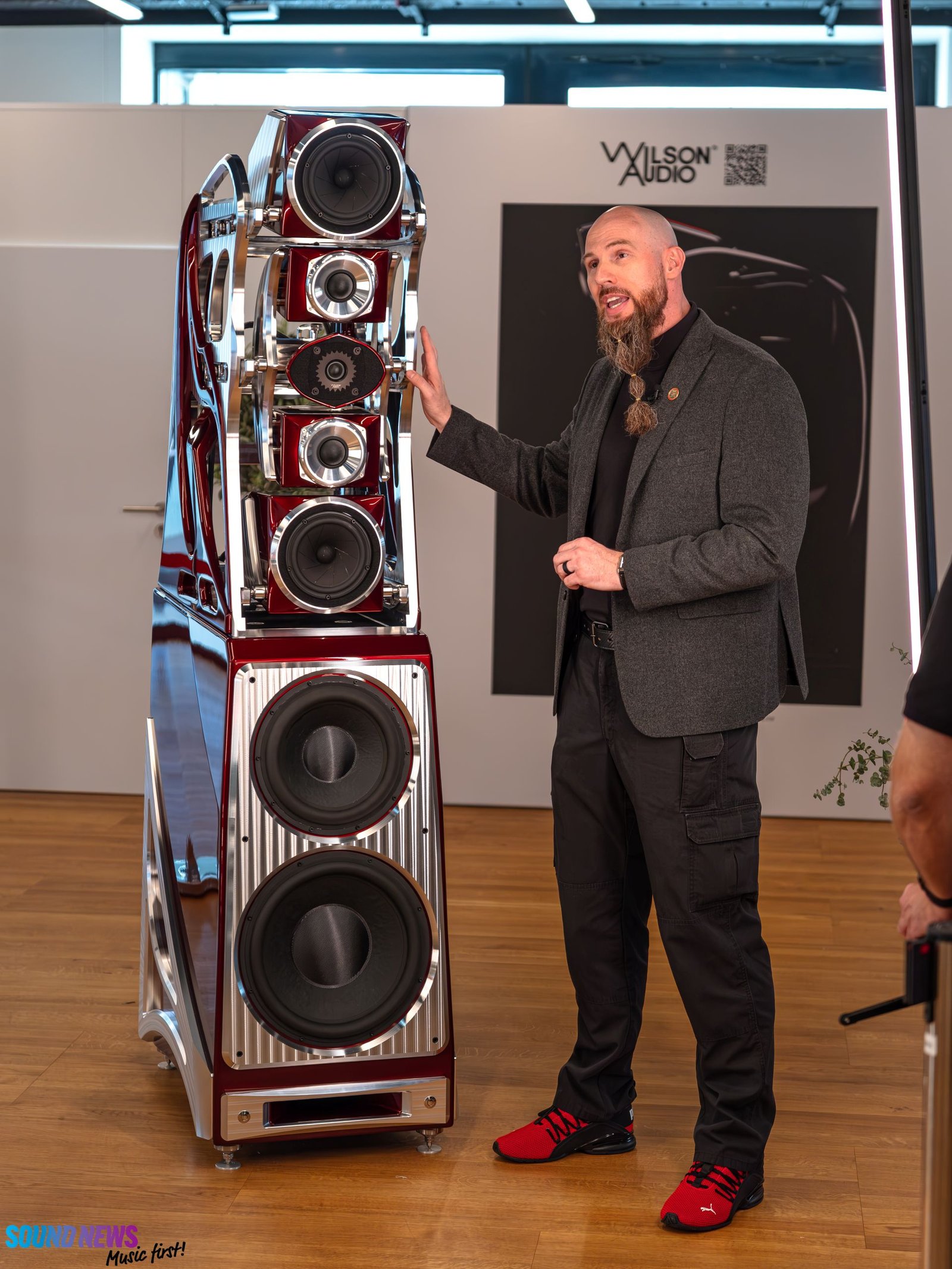
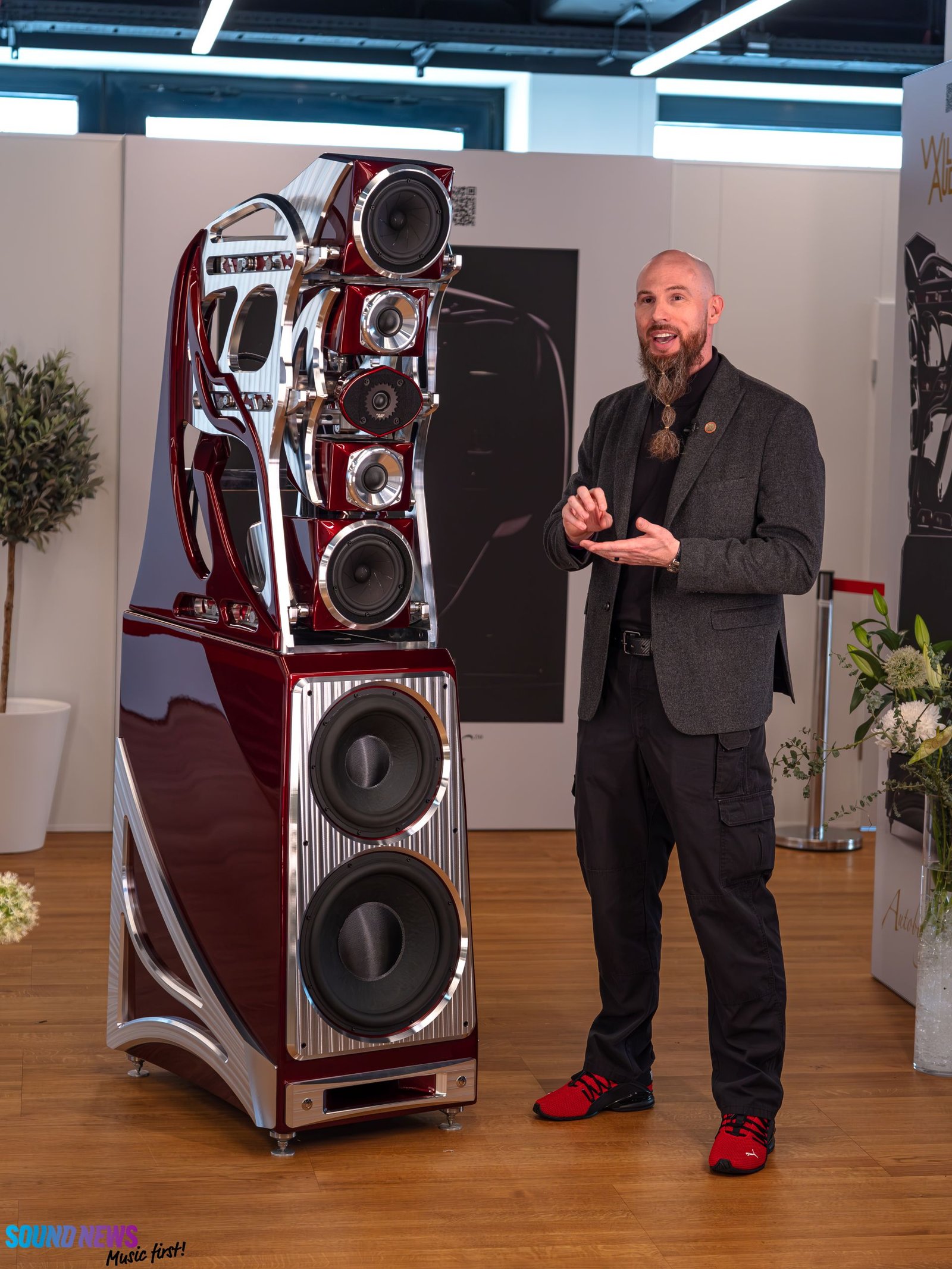
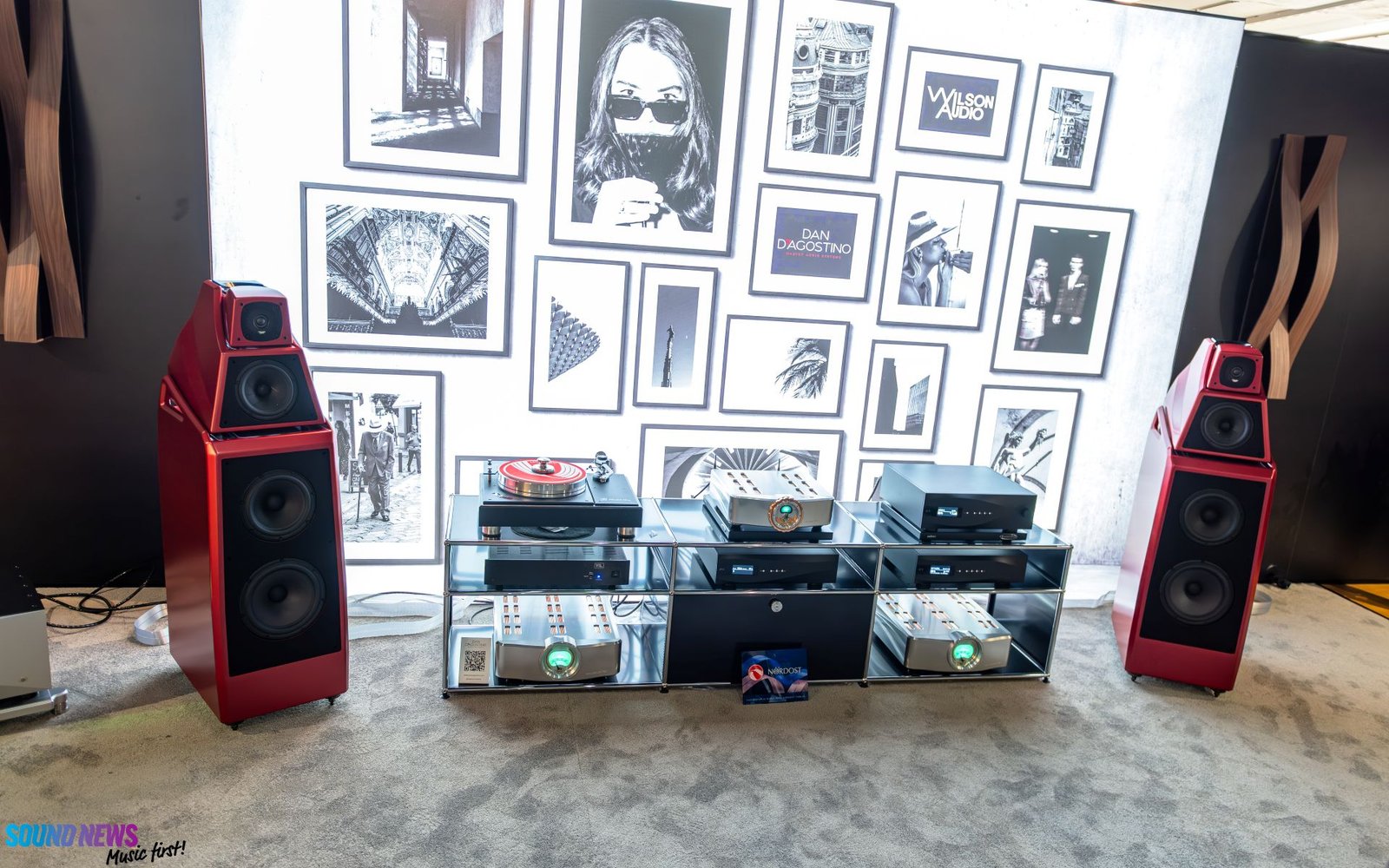
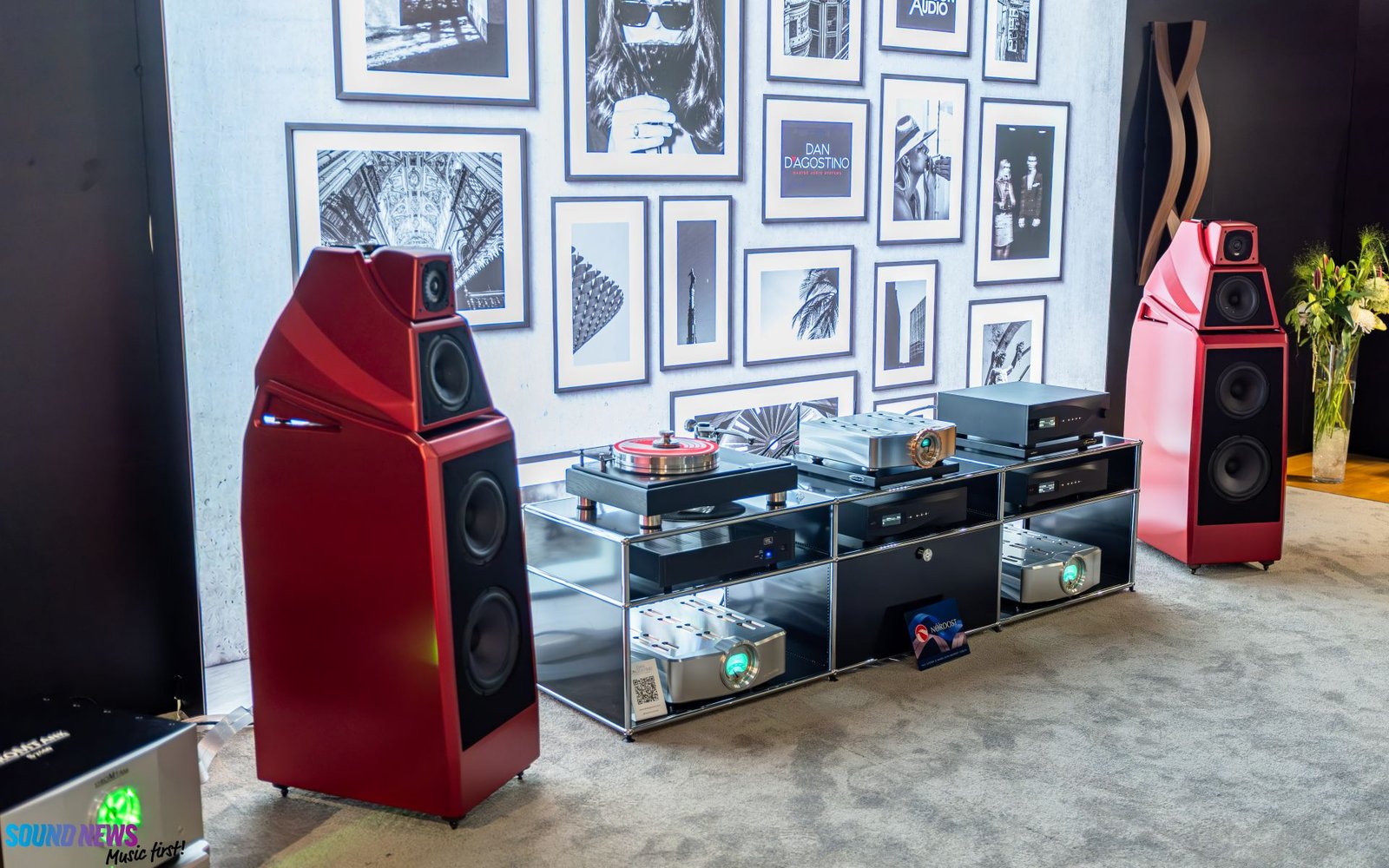
Wilson Audio & Constellation Audio
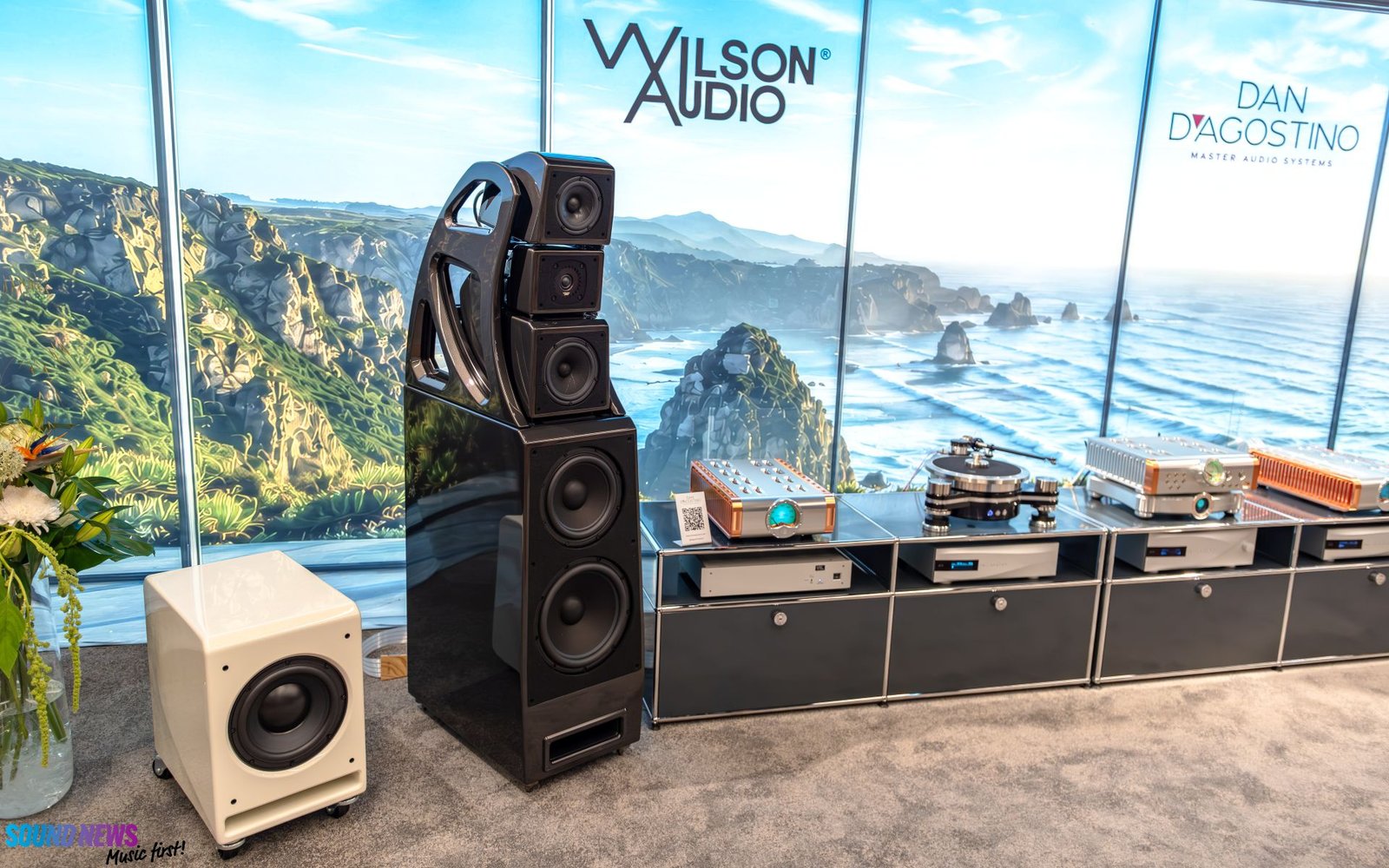
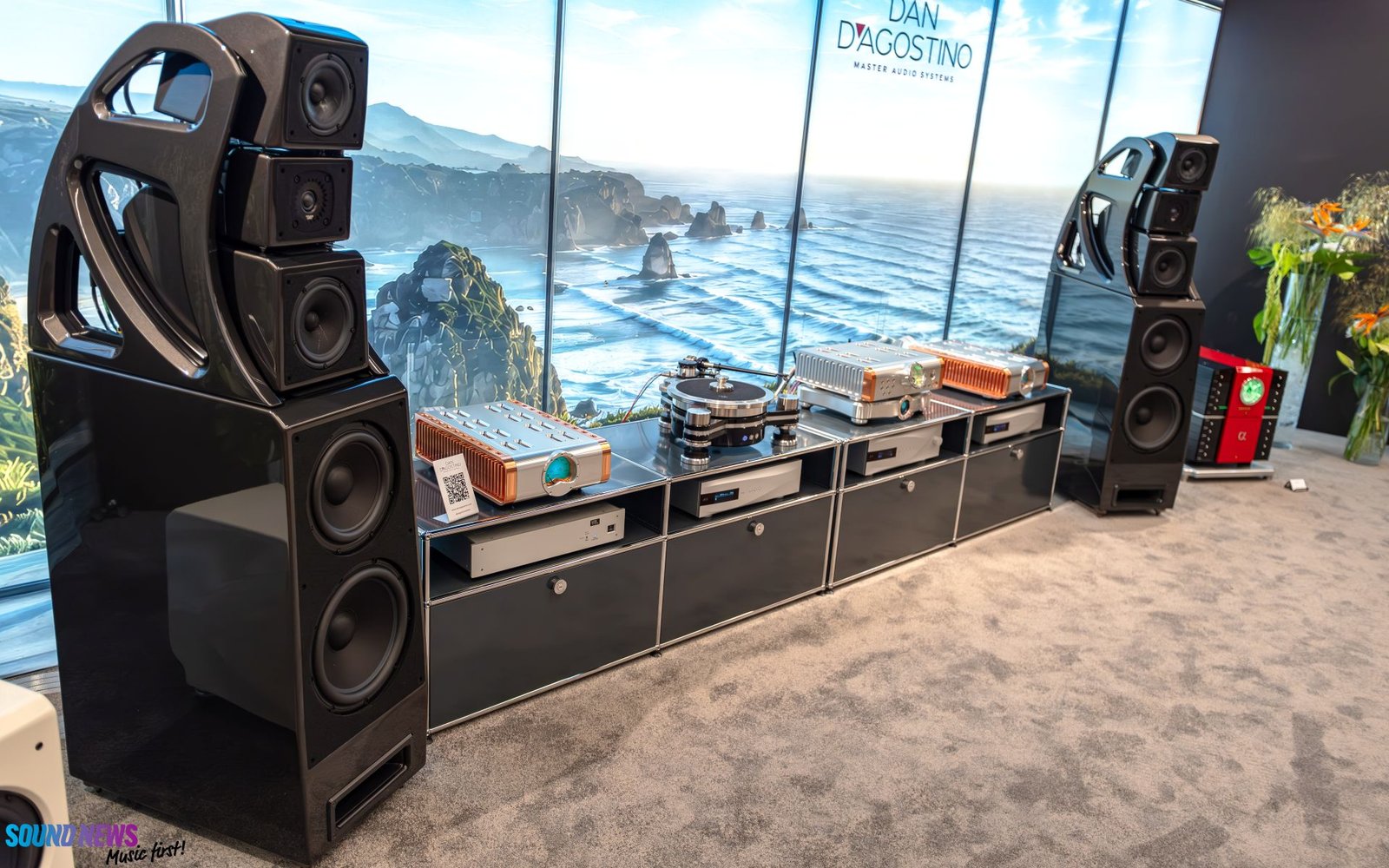
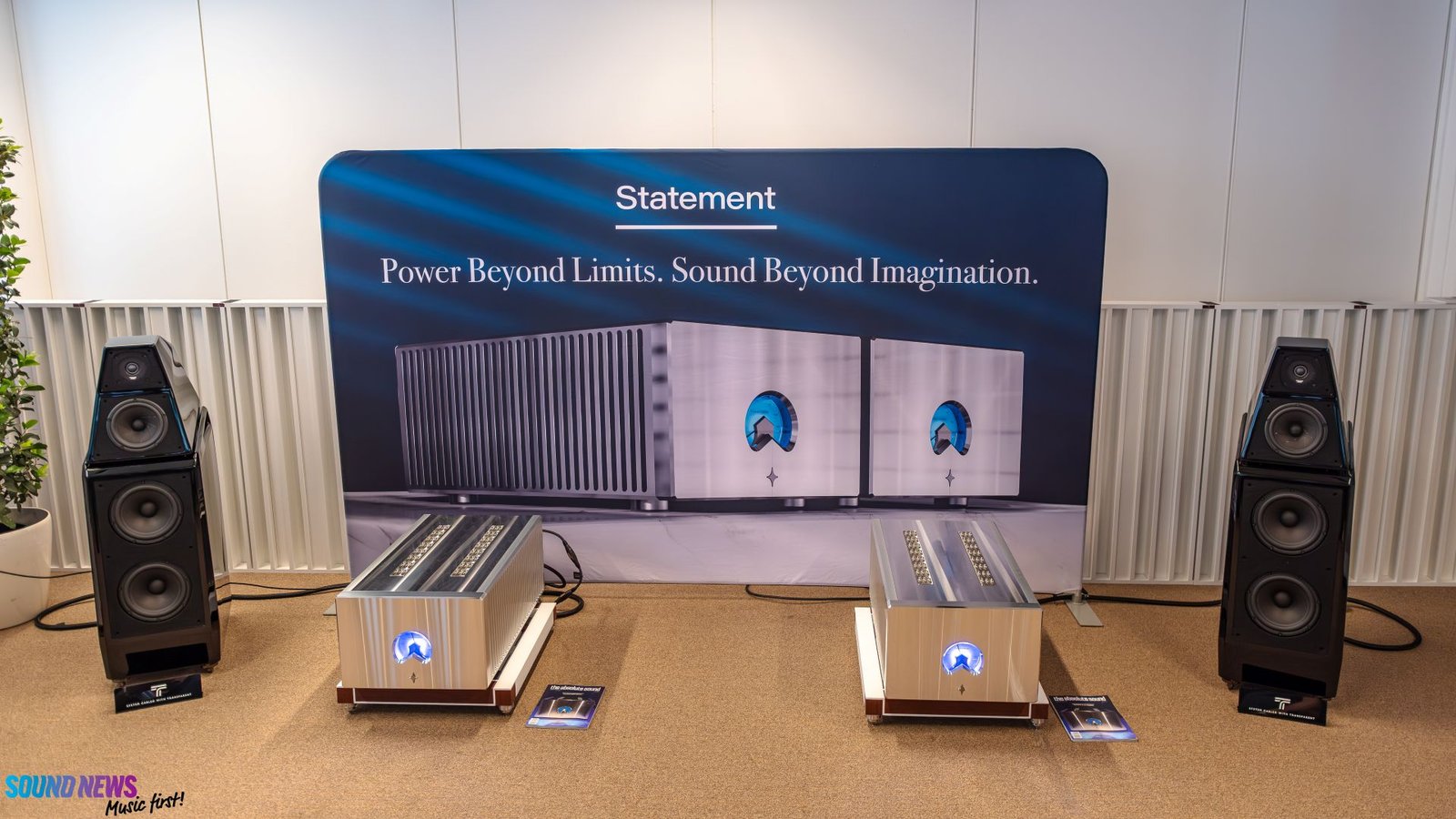
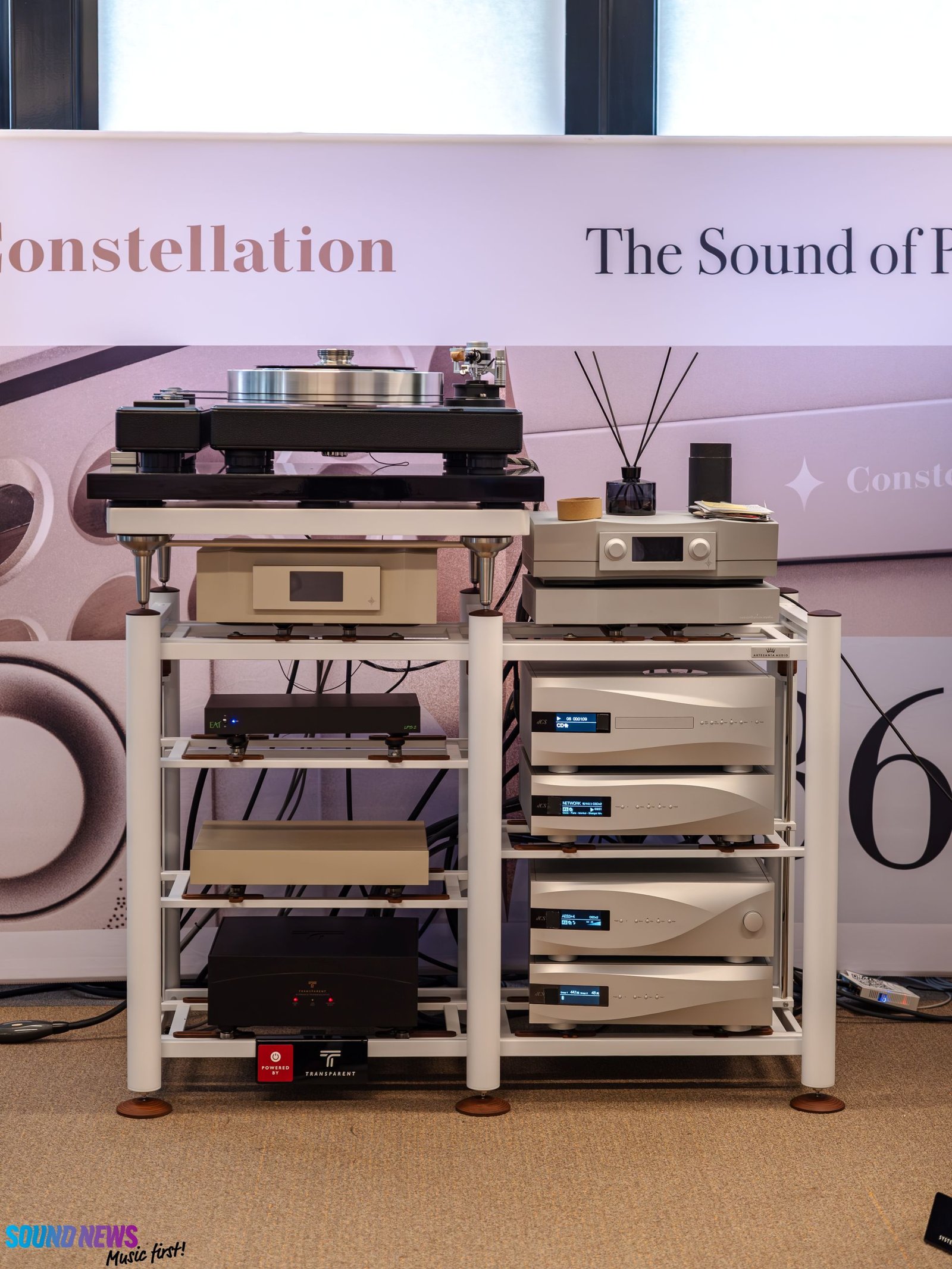
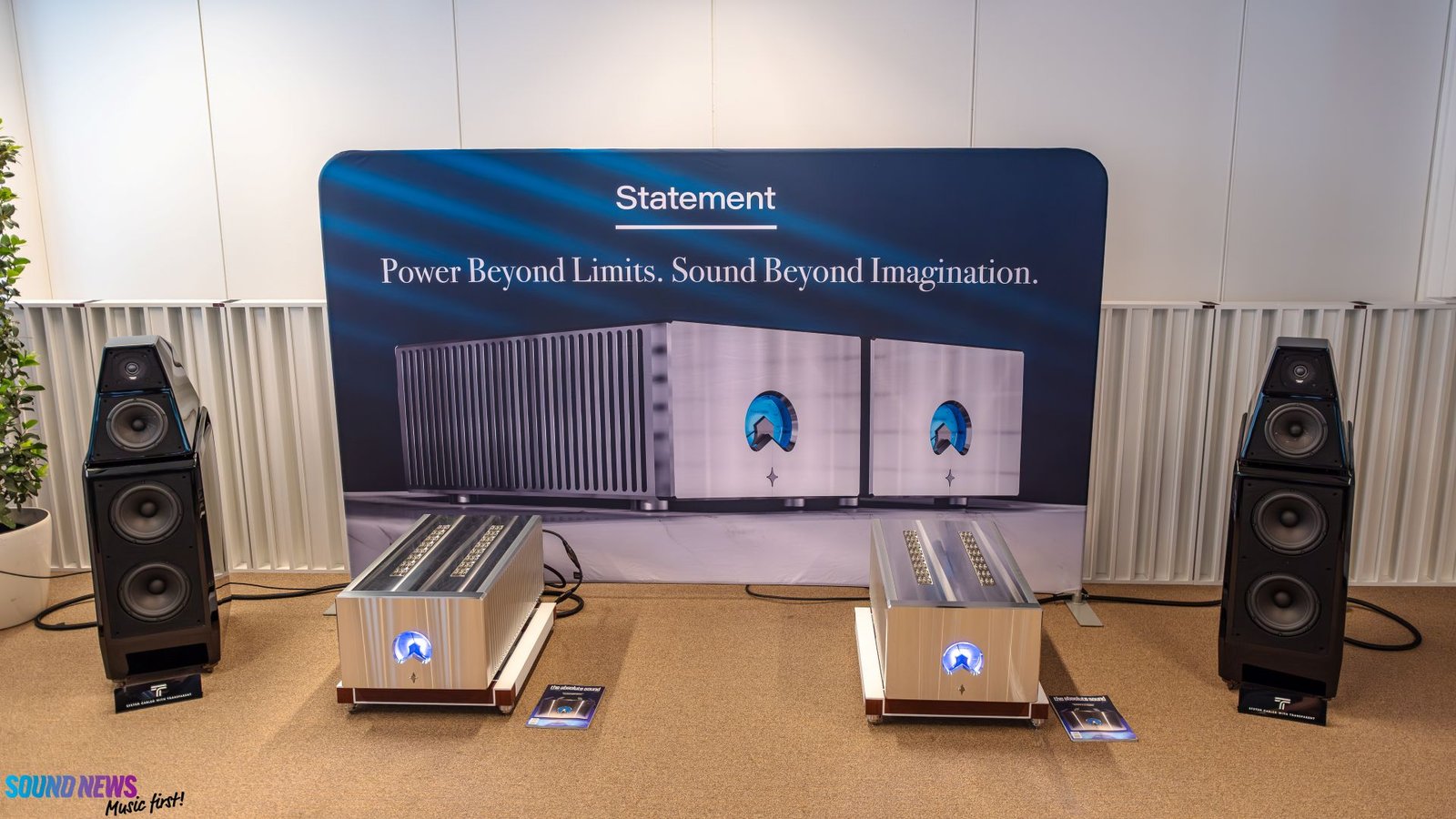
This was another impressive room for me, with Wilson Audio Sasha V speakers and the most powerful amplification from Constellation. A rare breath of fresh air, departing from the well–known D’Agostino–Wilson alliance. Not because it is not a good or powerful alliance, but because it was a chance to hear the new Sasha V alongside another character. And it was impressive, genuinely refreshing.
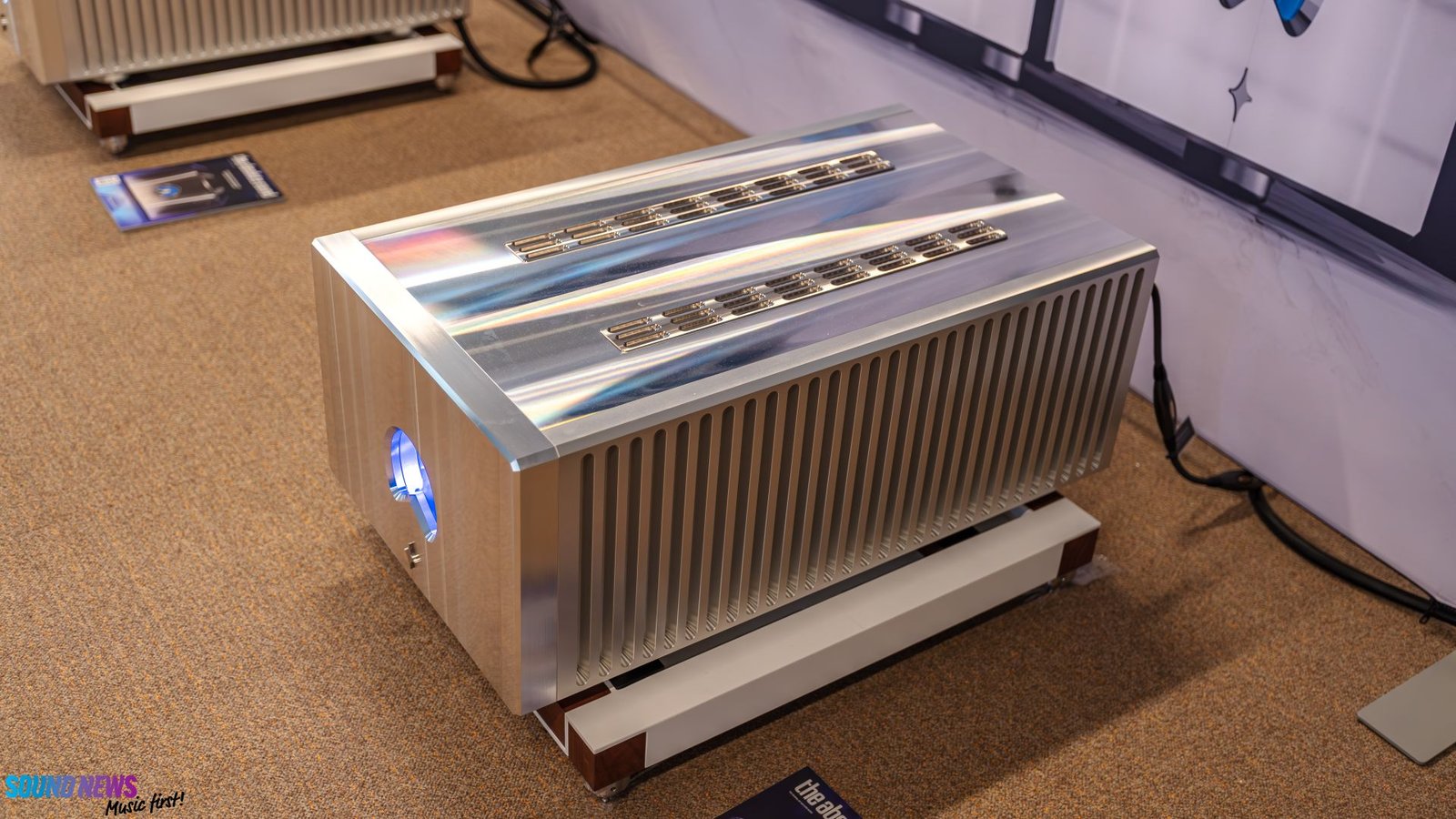
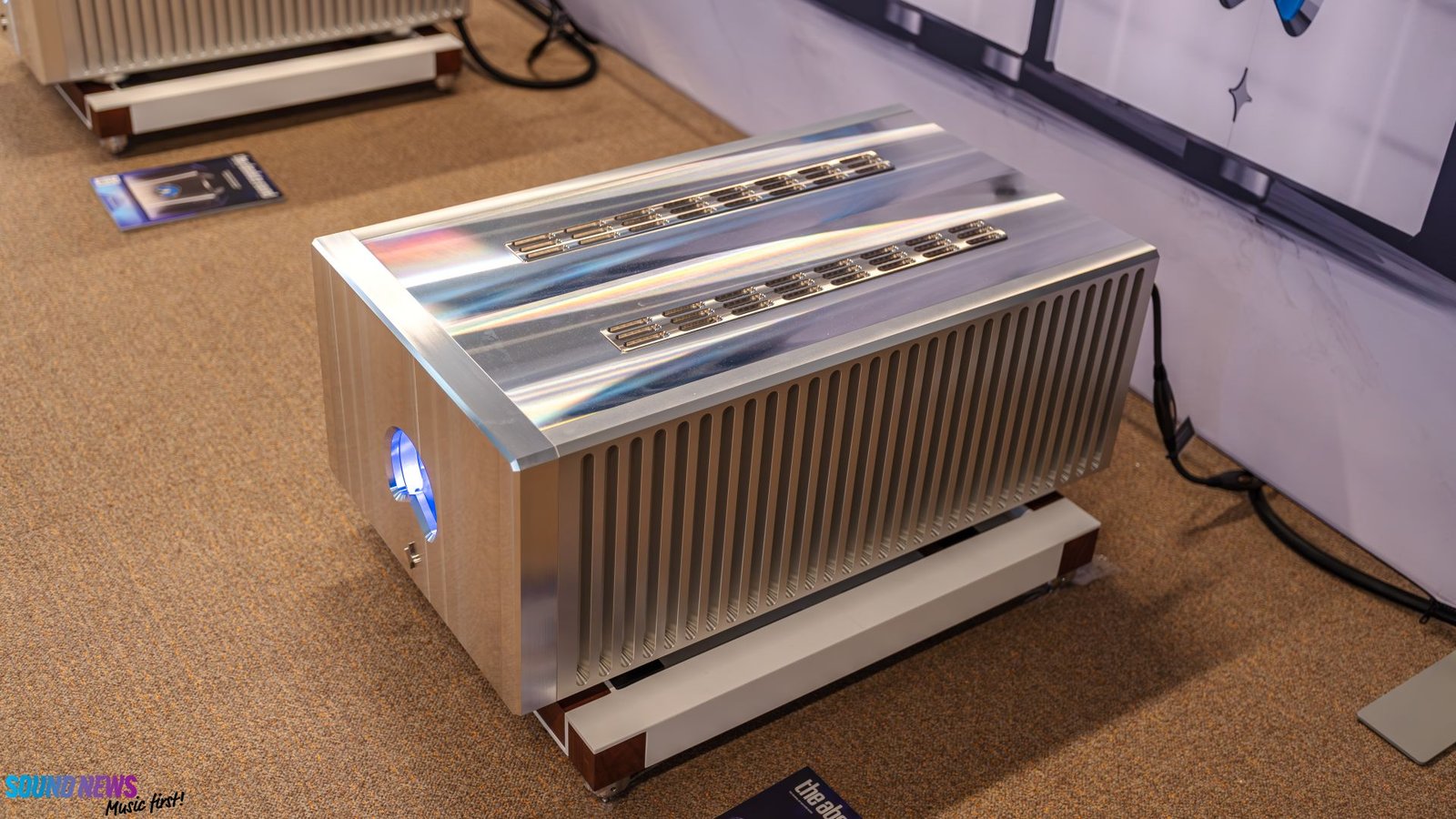
Somehow, the unlimited power of the Constellation Statement’s huge monoblocks transformed the bold and electric Wilson Sashas into very relaxing instruments with such a liquid voice and controlled dynamics. It was a voice of excellence, of maturity and refinement. Many expected the powerful character of Sasha V and were disappointed by the lack of frenziness and that teenage urgency, but I was not. I was delighted to hear Wilson’s probably sweetest spot in the lineup with a more mature, educated, and coherent sound signature. Nothing was overly rushed, tightened, upfront, muscular, but refined, relaxed, sweet, liquid, controlled, and grown-up. The sense of ease, maturity, and comprehension of a highly educated character was just beautiful. I could have stayed there for hours and hours without being once assailed in my senses by the childish need for attention from other systems in the show.
I would say that Constellation is making a very good pair with Wilson, growing up together (well… in that specific case, probably Constellation was the real adult in the room) and delivering a more refined, relaxed, and introspective sound.
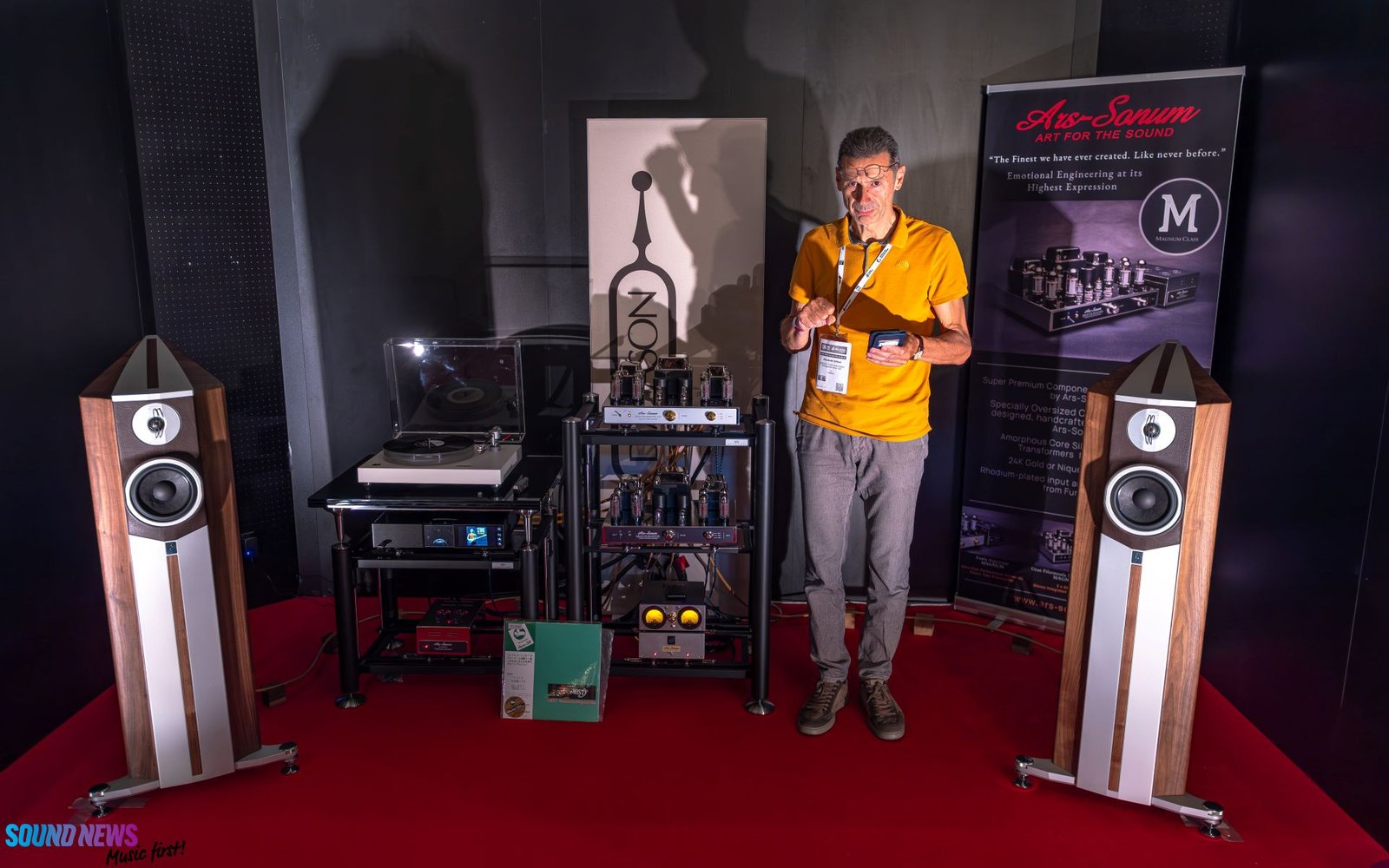
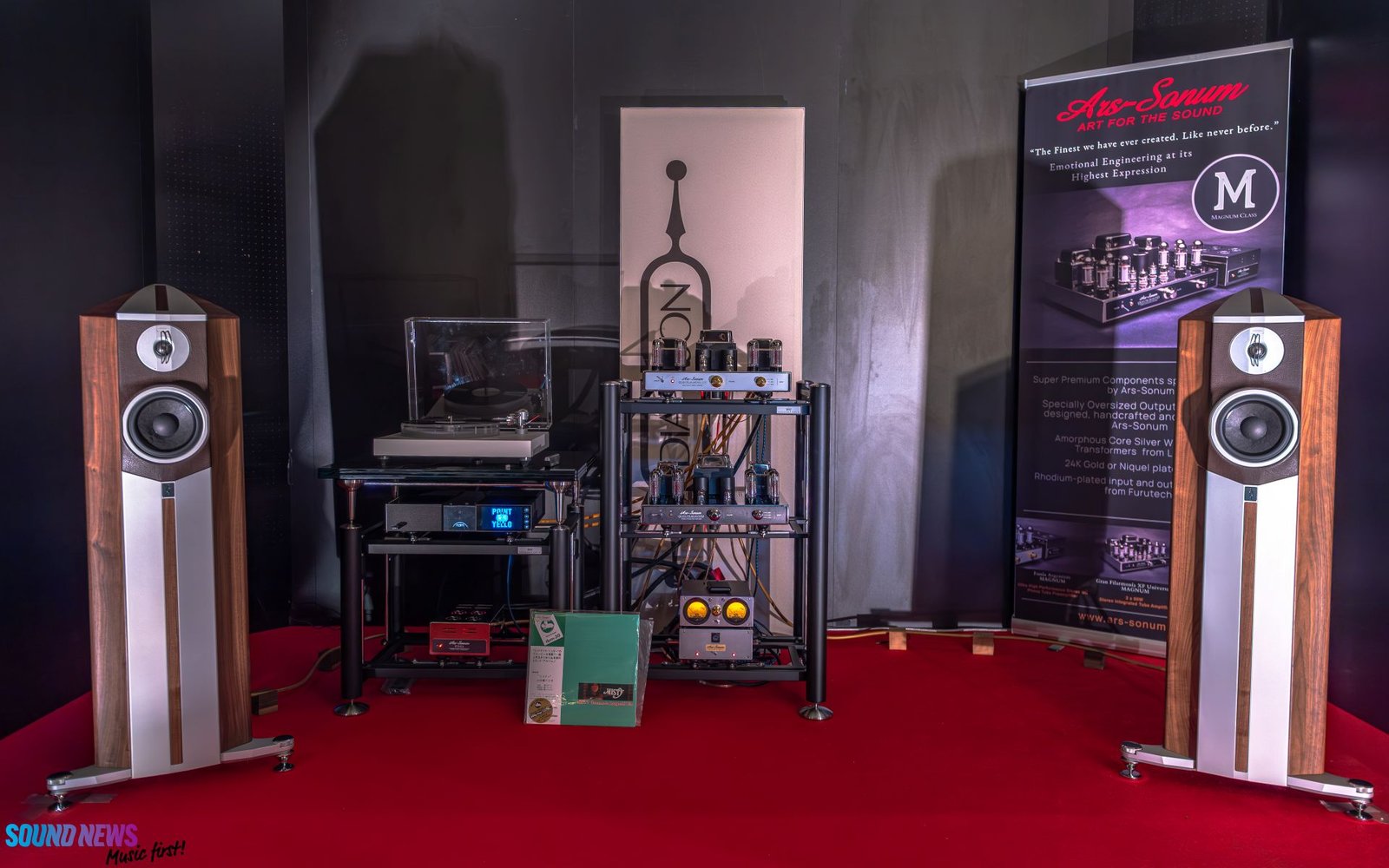
DIAPASON Italia
Beautiful. Just beautiful, refined, and natural sound.
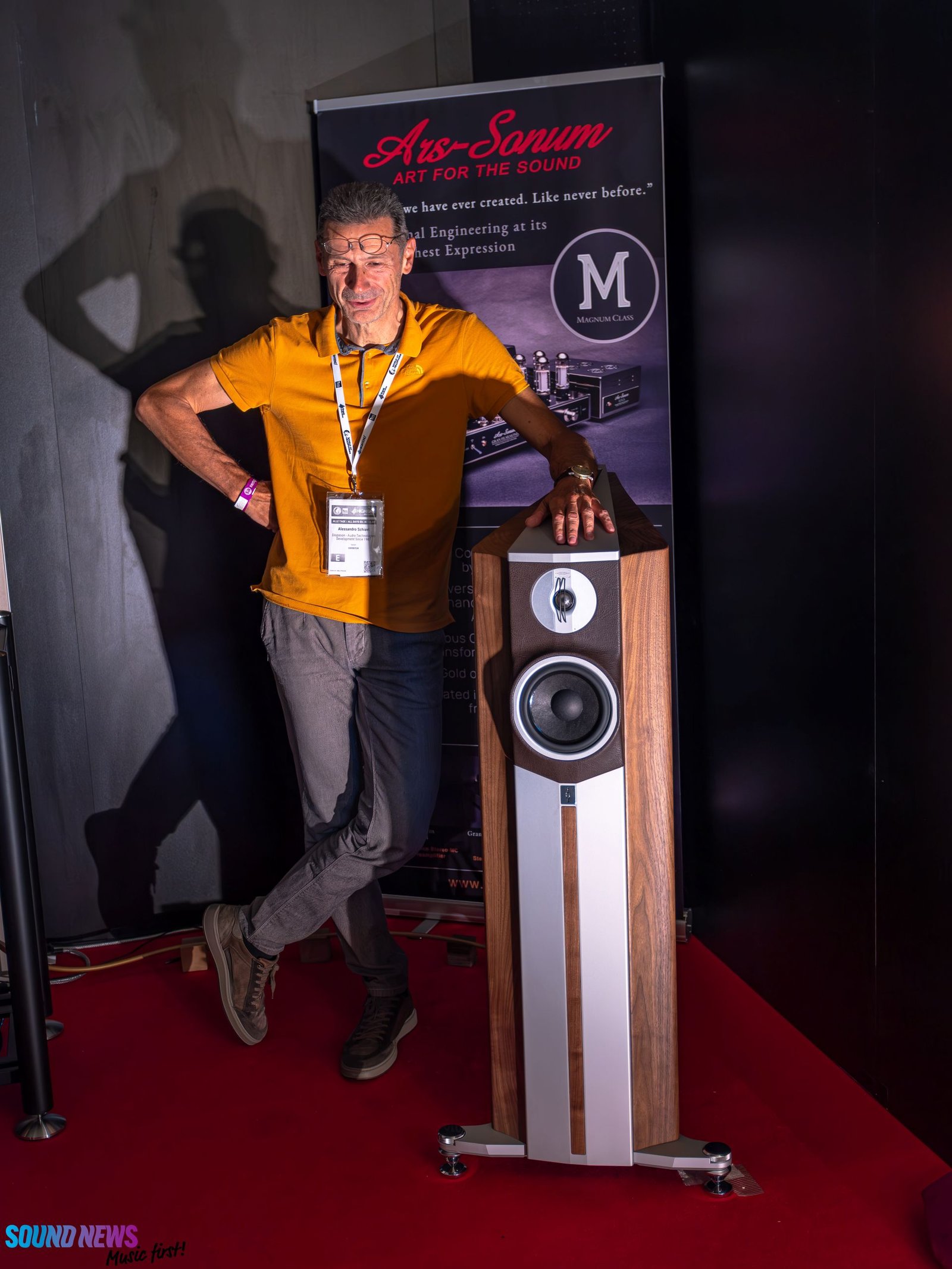
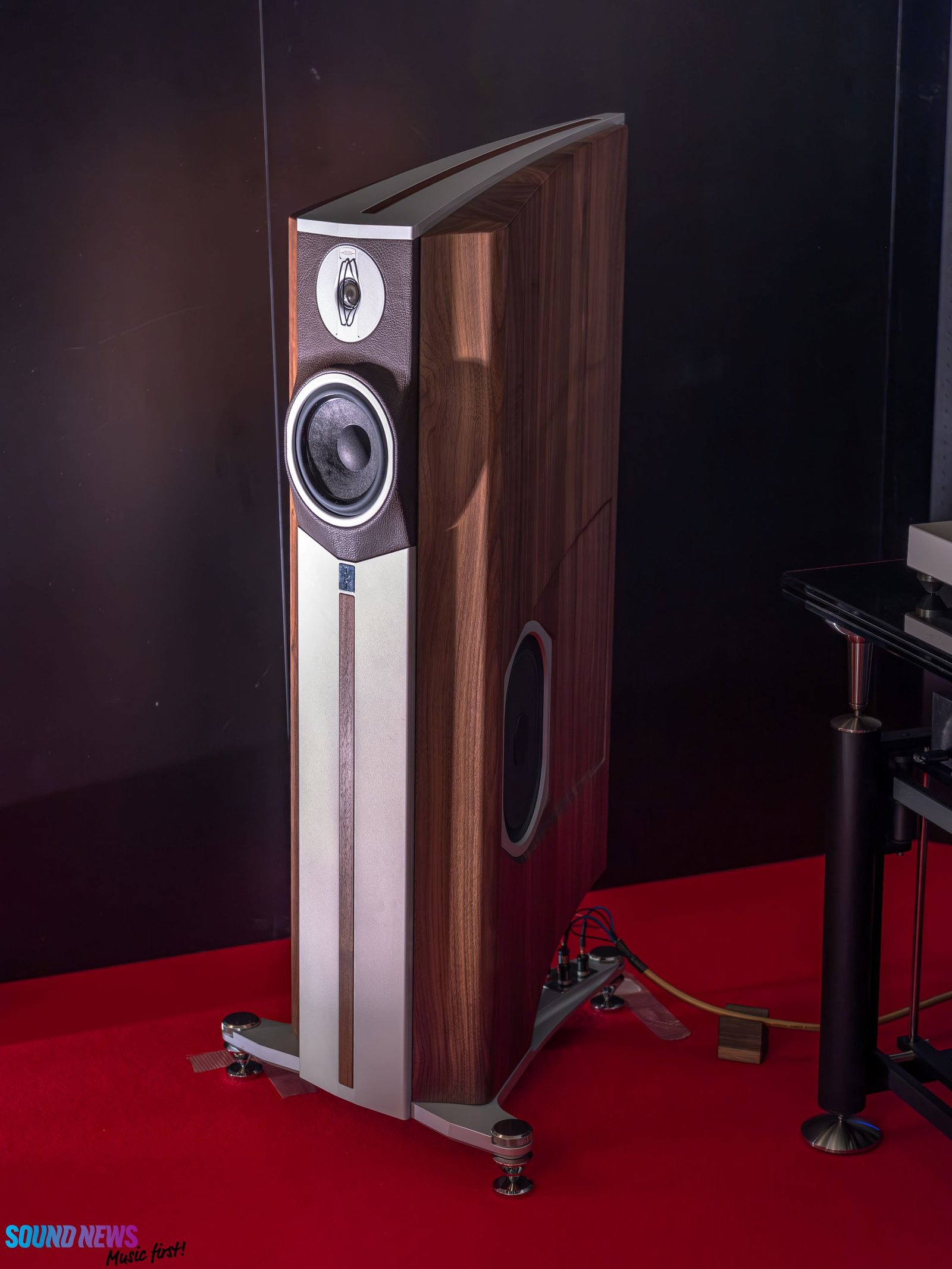
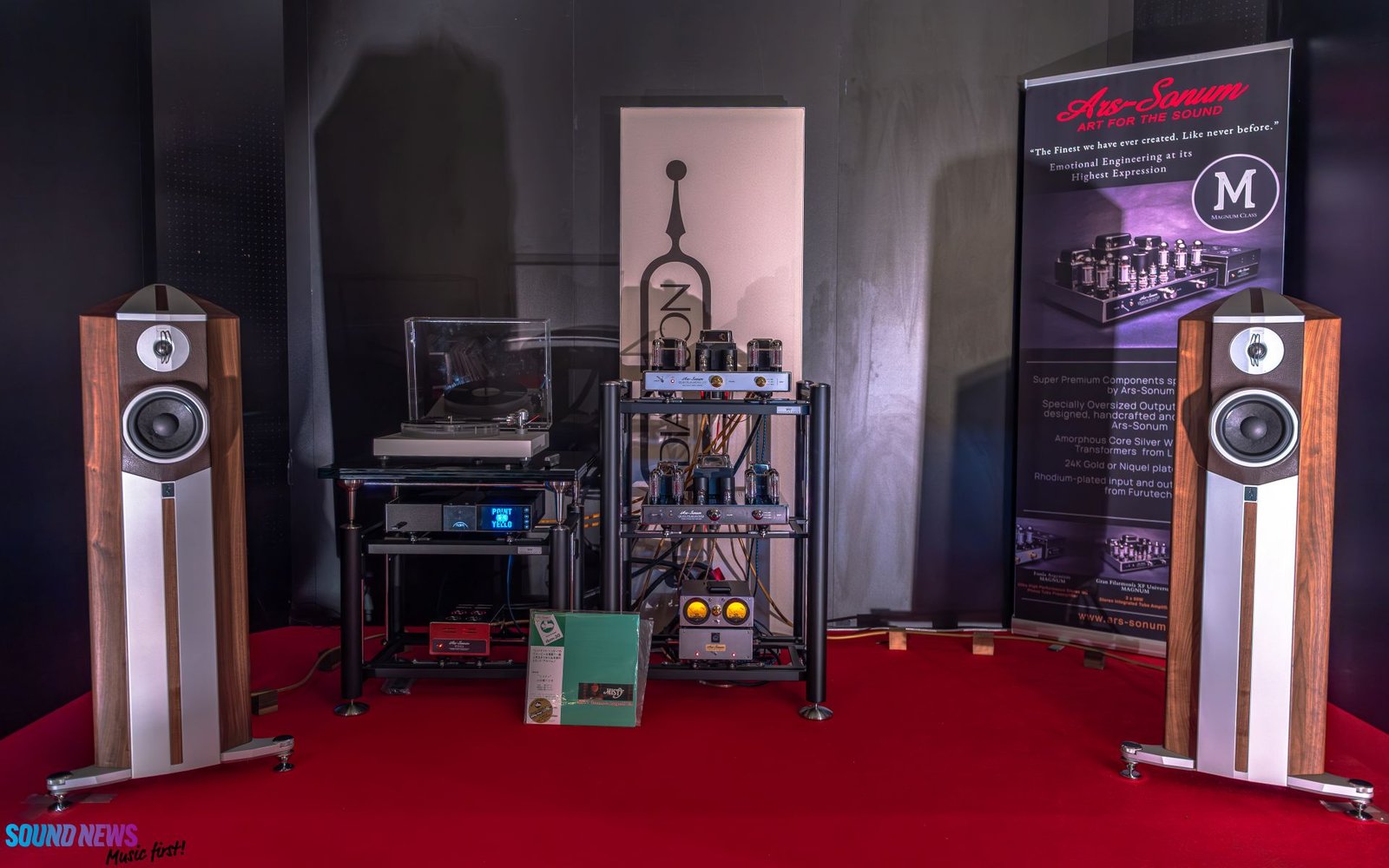
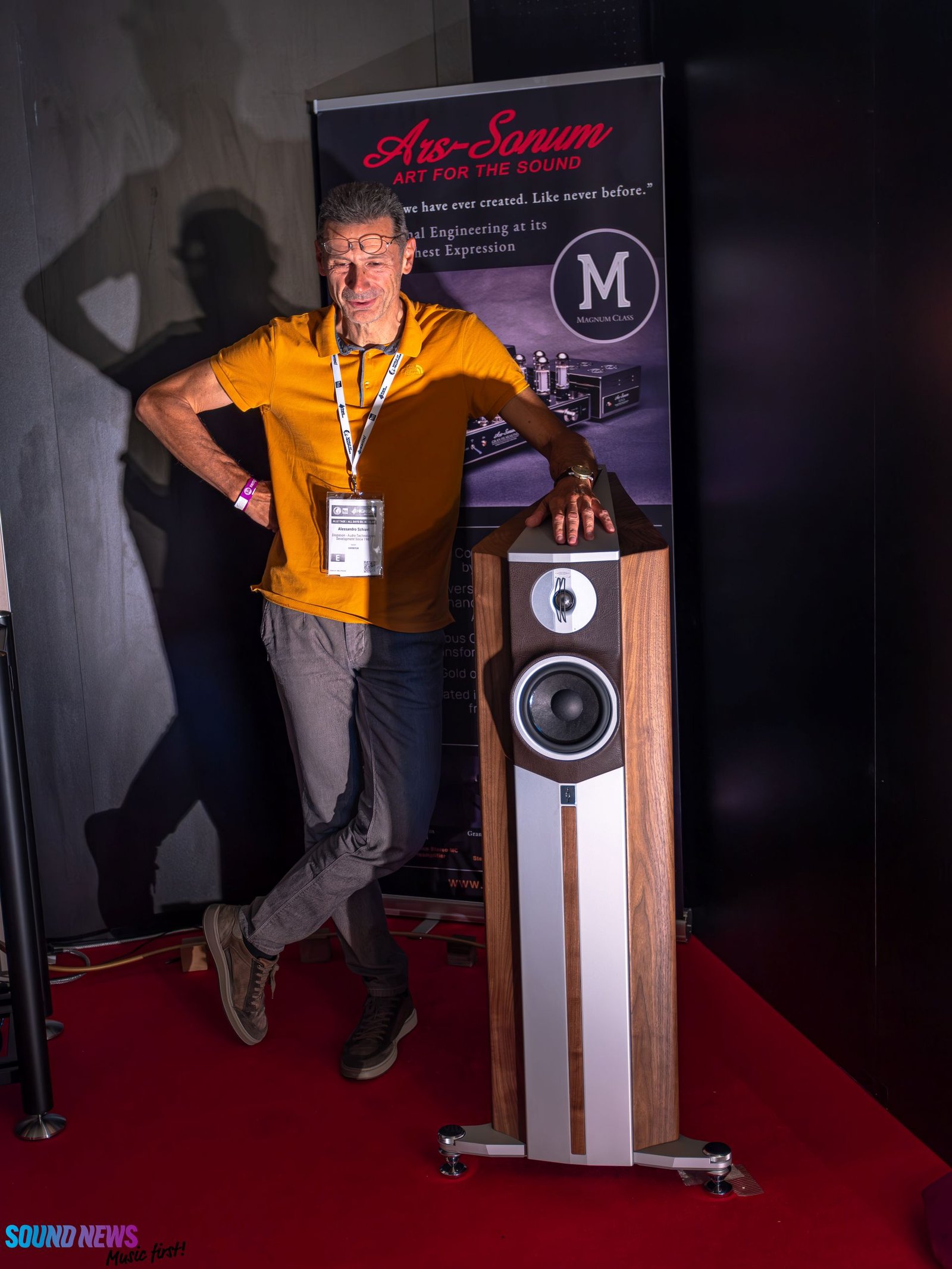
After 40 years of spectacular stand mounters, Diapason decided it was time for something new, something more complete and more elevated. As you will read in the upcoming interview with the founders and designers of Diapason, featured here on Sound News, they will never start something just for novelty or to make more money from customers. Their iconic bookshelves are decades old, with no changes to the cabinets or the speaker drivers. That says a lot about the right decisions and the respect shown to their customers.
But it was time for a new product, born of new ideas, not a price game. And we had the pleasure of listening to Didascalia, their first floor standers. We will reveal more in the coming days about the technology and the reasoning behind it, but for now, let’s return to the sound from the Diapason room.
Powered by a tube-integrated amplifier and playing vinyl in a more humane way than the other state-of-the-art rooms, the sound was so natural and refined that we credited it entirely to the Didascalia speakers. The naturalness was overwhelming, the pure tone, and the finest details were so fluent, so unforced and believable that we were instantly in love with Diapason’s new speakers. Well… still costly at around 60K, but far from the ten-times-costlier systems that could not even touch the idyllic character and musicality of Didascalia. A truly highly refined speaker with an ingrained musical character, almost like a real instrument.
Spectacular, refined, and natural. All of this together in such a beautiful way. We will follow up on this new discovery for sure and stay close for a very interesting upcoming interview.
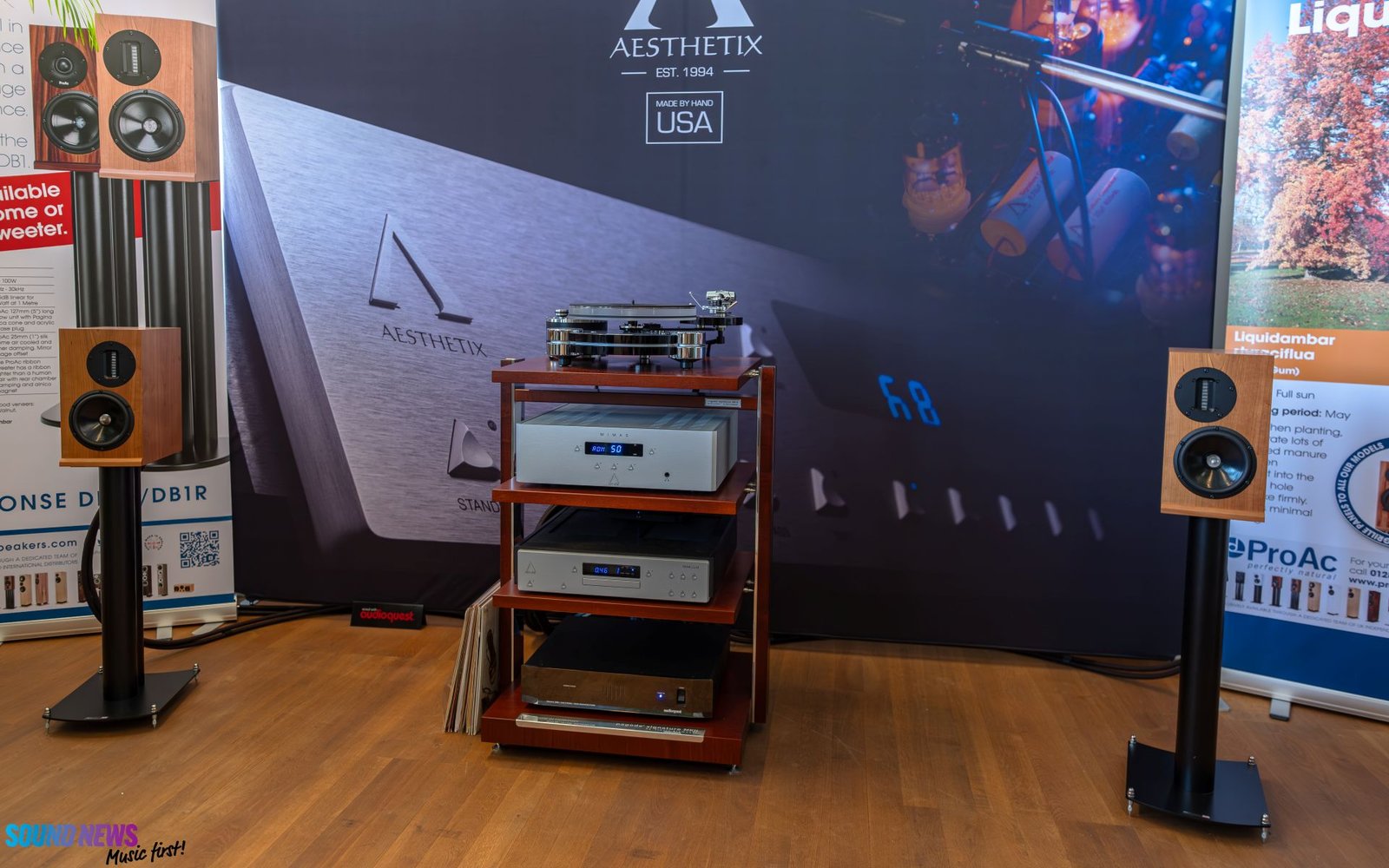
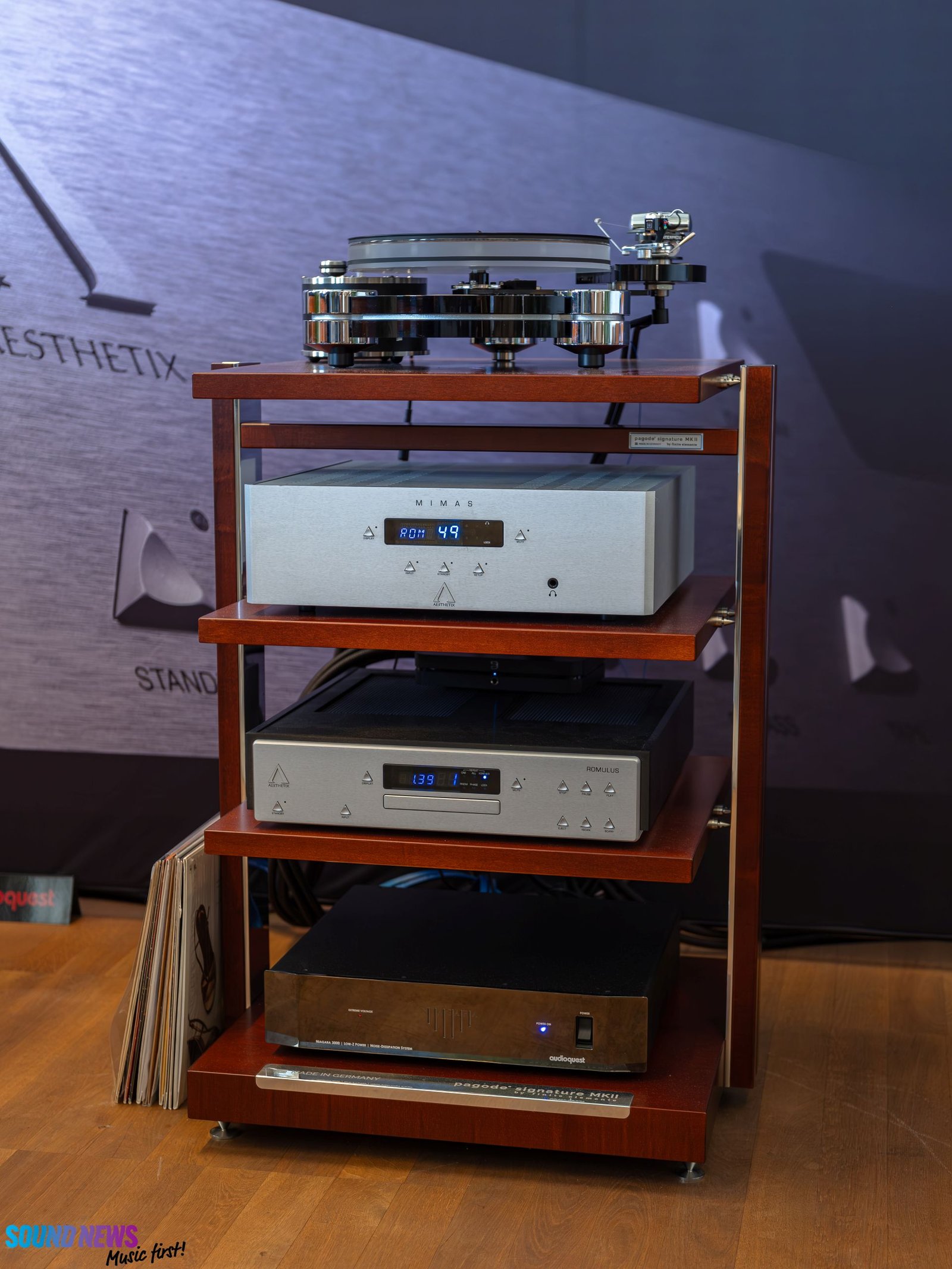
Aesthetix
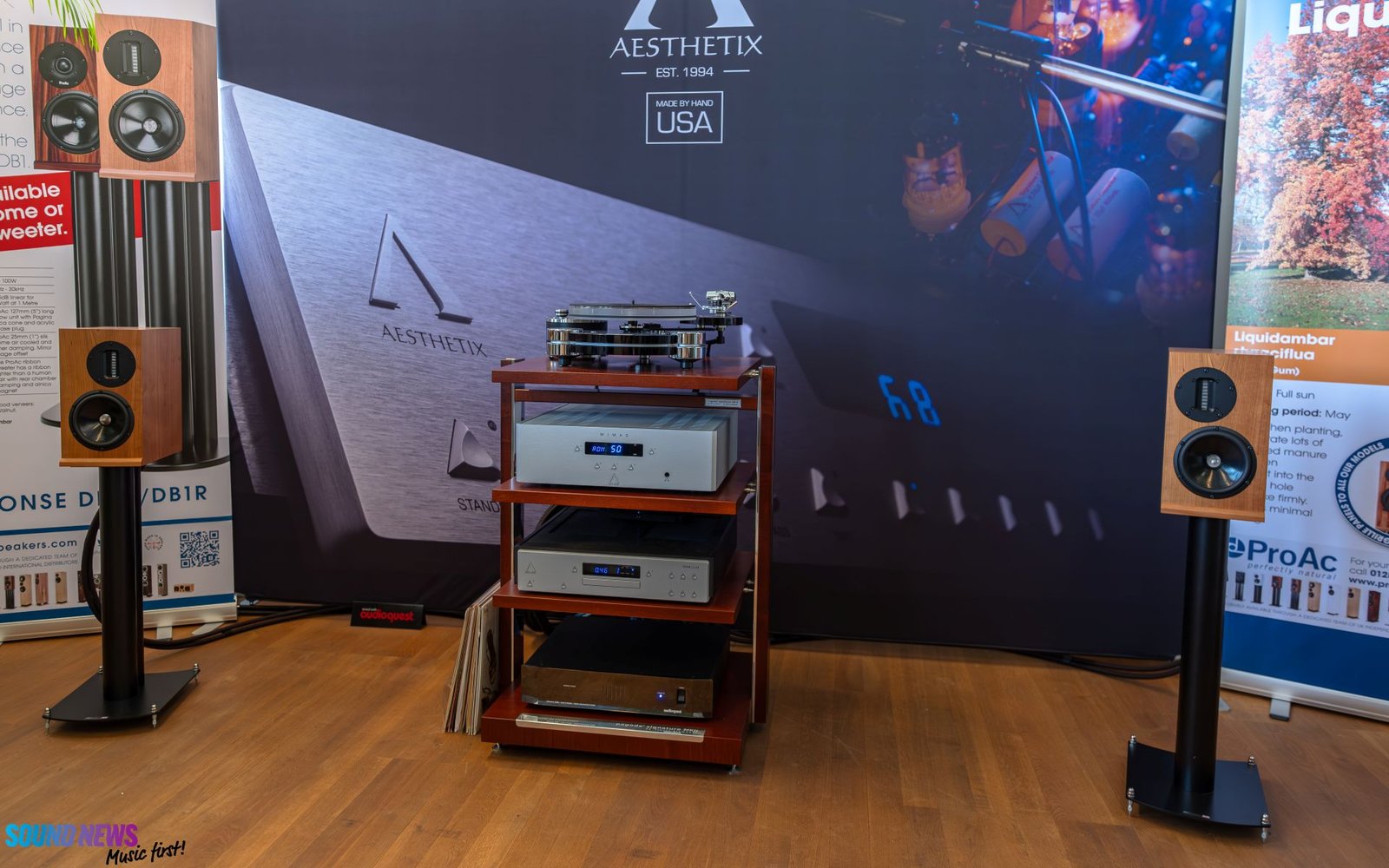
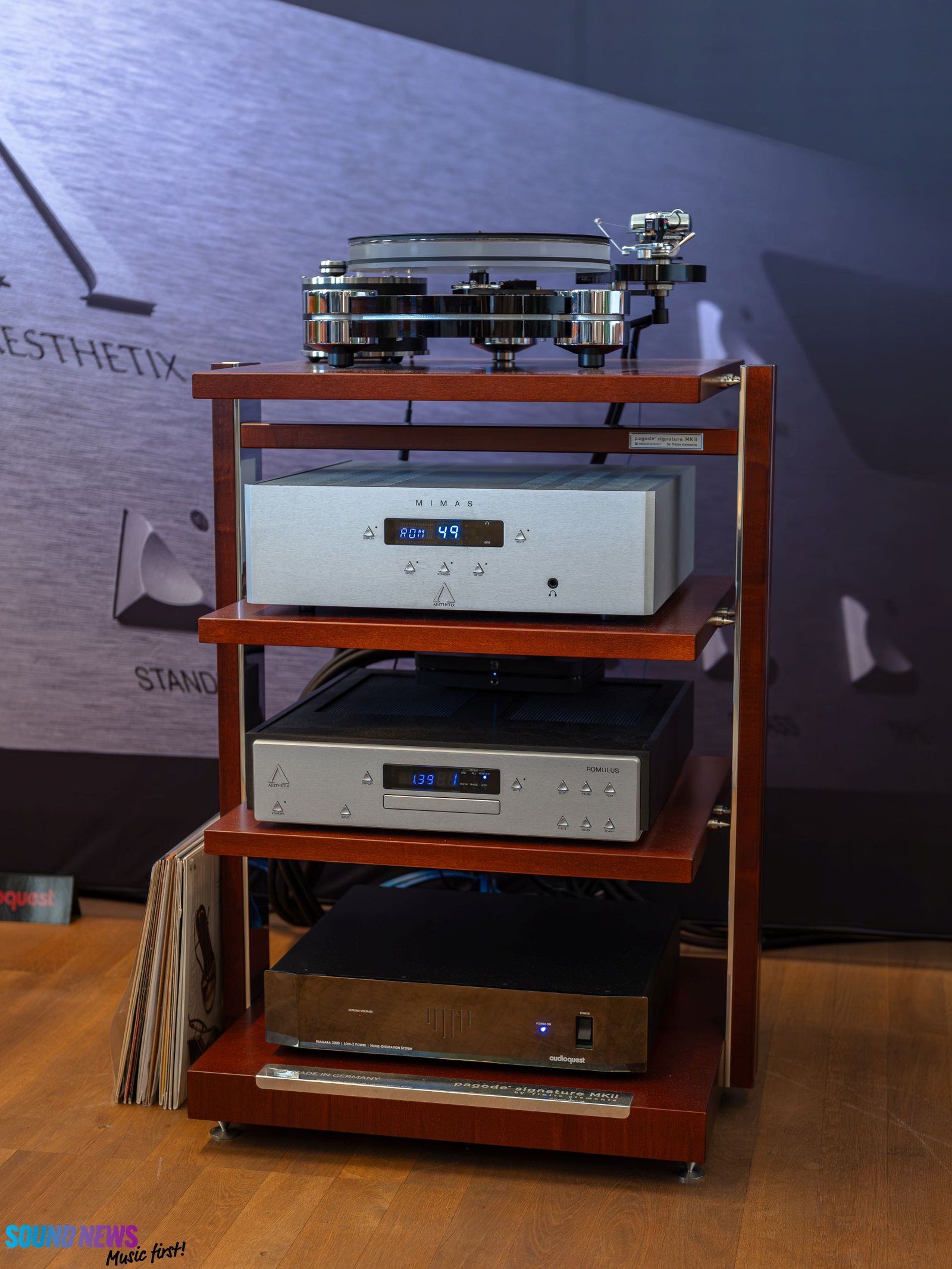
Can’t clearly remember the speakers… could have been ProAC? I am sorry about that, but I was so impressed by the dynamics and fluency of Aesthetix’s mid-range electronics that I totally forgot to look more closely. They were also very small. The smallish stand floors that I have seen. And still, the Mimas integrated amplifier, together with the Romulus DAC and CD transport, completely filled the room with music, rhythm, color, and beauty.
With proper muscularity, especially for those miniature speakers, the nice dispersion in the room, musicality, and color were just superb. Lesson learned again that it is not always about huge amounts of money, weight, and dimensions. It is about a good recipe, one that Aesthetix has been refining for over 30 years. Of course, the recipe has been passed down from their higher breeds, but it still works beautifully.
The pure tube character was well preserved, and the sweetness and beautiful harmonics filled the room. What more could you want from such well-built electronics, designed to partner with you for a lifetime? And all this at a fair price.
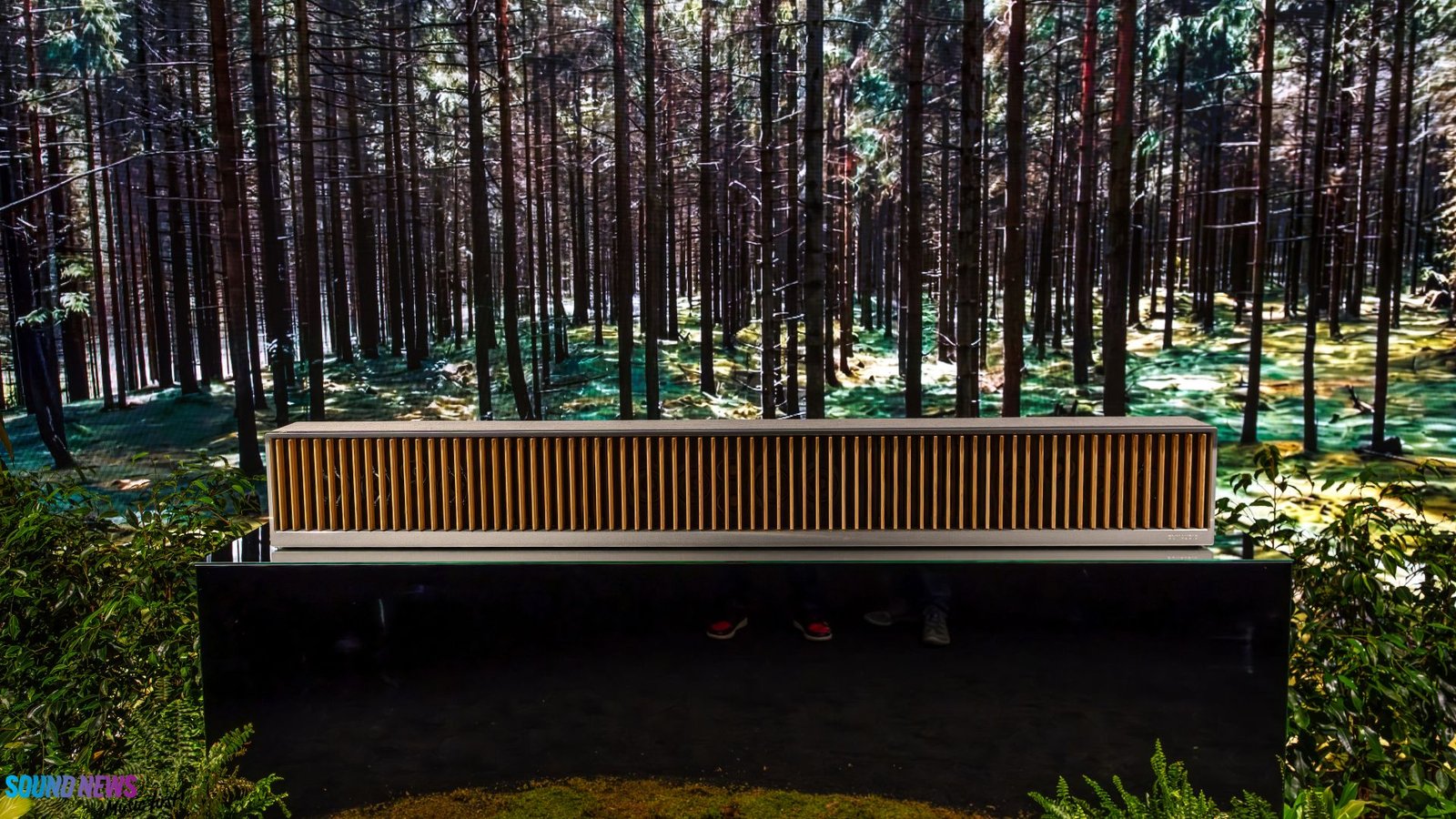
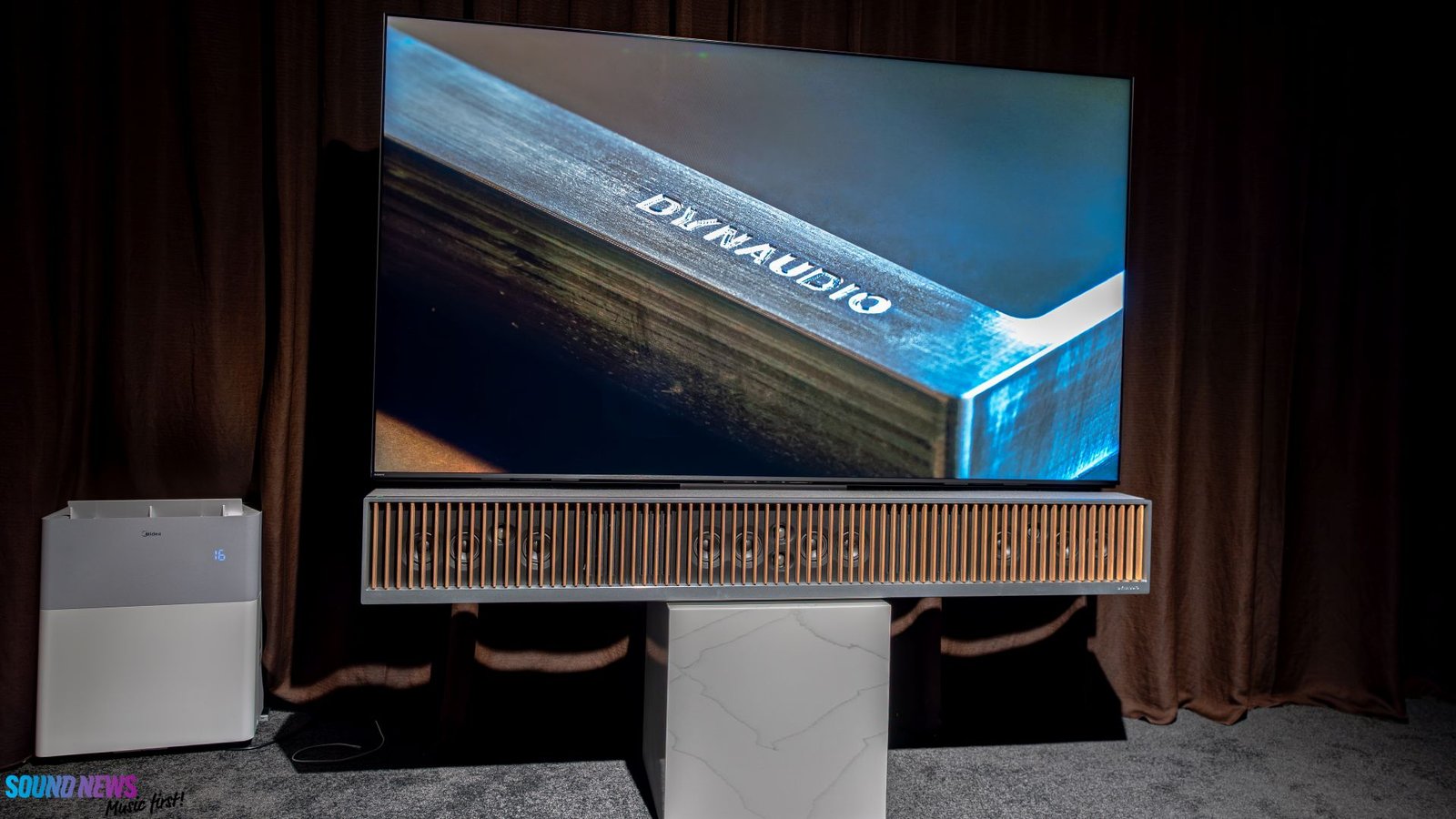
Dynaudio Symphony Opus One
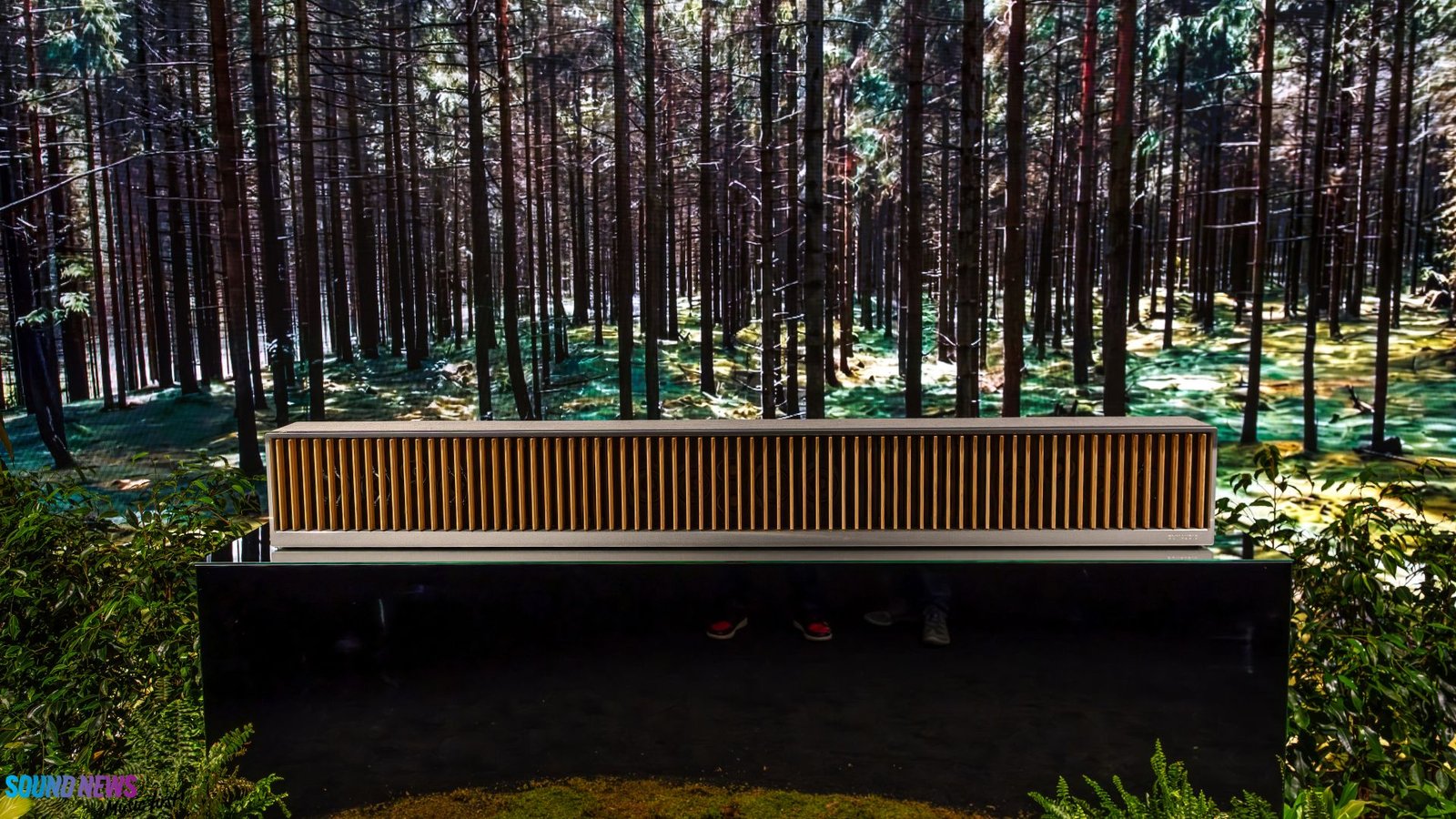
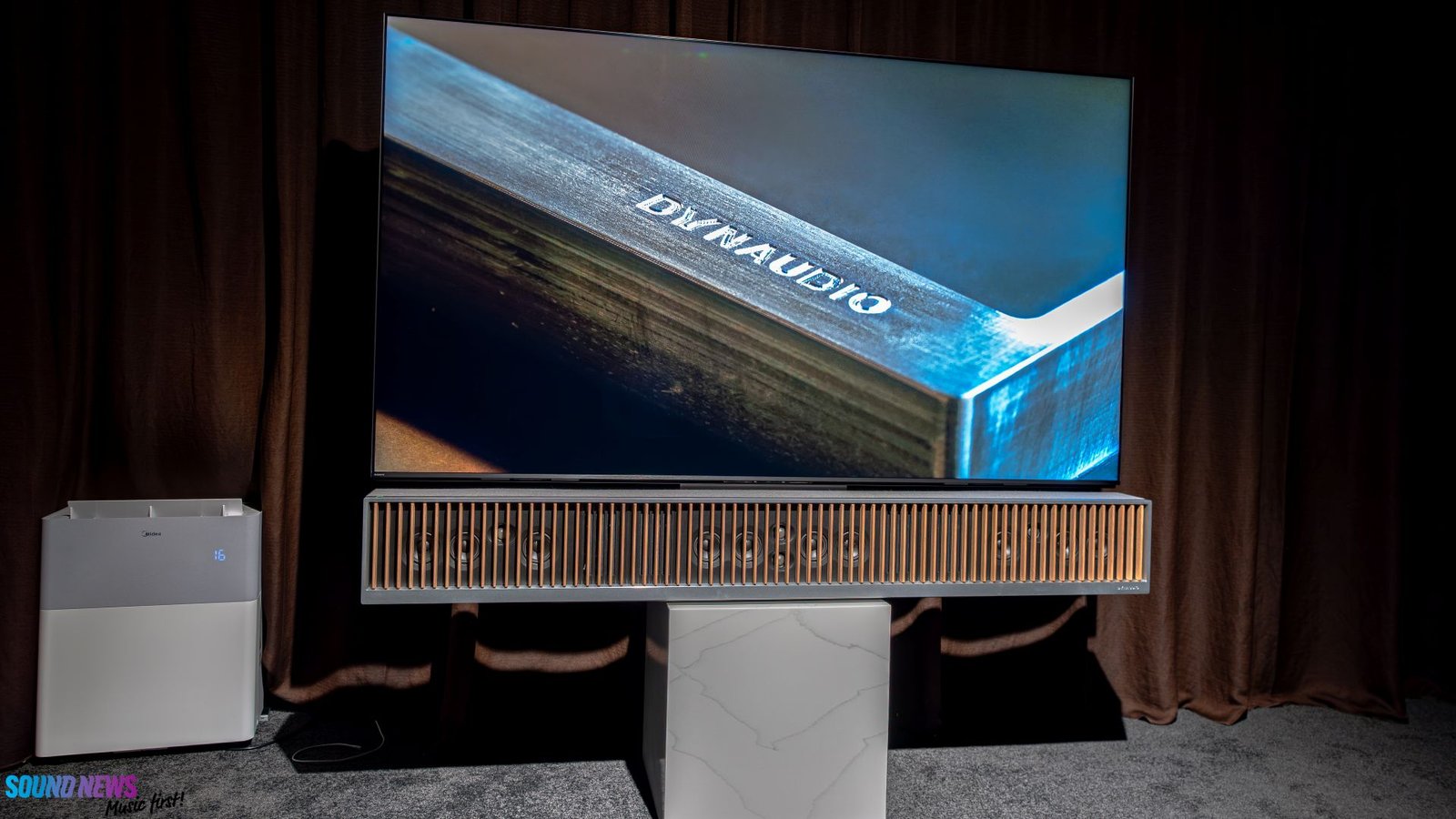
Dynaudio’s groundbreaking luxury soundbar, the Symphony Opus One, is a massive, design-forward, all-in-one home cinema and hi-fi solution for screens 83 inches and larger. Priced at around $20,000, it features 24 high-performance drivers and 72 motorized wooden fins that move in response to the audio mode. Got your attention?
Entering the Dynaudio jungle (for real, it was at the entrance of their room… definitely a statement), we were met by the new Symphony Opus One soundbar playing… jungle vibes. One could tell at a glance that it was something never encountered before. Absolutely huge in dimensions, it features 72 motorized white-oak fins that shift to indicate the active sound mode and hide the speaker drivers when the unit is powered down. It also features 6 soft-dome tweeters (including up-firing units for height channels), 14 MSP mid-bass drivers, and 4 dual-diaphragm subwoofers driven by 1,500 watts of power.
Four listening modes cover almost any need: Authentic: true stereo for pure hi-fi music listening; Soundstage: widens the stereo mix for a grander cinematic scale; Immersive: renders native Dolby Atmos using sound-beaming techniques; DeepDive: uses advanced algorithms to beam sound directly to a specific seated position, creating a spatial acoustic bubble even with standard stereo tracks.
With Room Adapt Calibration and different mounting options, it is a real dream for any cinephile or even music lover with a double personality. Entering the listening room where Symphony Opus One was mounted below a Sony Bravia 85′ screen, the real capabilities of this outstanding new product from Dynaudio were truly revealed. Incredibly powerful and requiring no separate subwoofer, Opus One delivers a complete, enveloping, very high-quality sound with perfect spatiality and separation, proving it can be the ultimate soundbar. There is no exaggeration here. If you are looking for the ultimate solution, I do not think there is anything else on the market that comes close to Symphony Opus One. It is big, designed for 85′ screens, but other than that, really beautiful, extremely smart, incredibly powerful, and minimalistic if you think that it can replace a multi-speaker and subwoofer configuration. And it can with flying colors!
Outstanding product design demonstration from Dynaudio! Remarkably beautiful product! A wet dream for all movie lovers and music aficionados from time to time.
III. Honorable Mentions (Cosmin & Răzvan’s picks)
Wharfedale
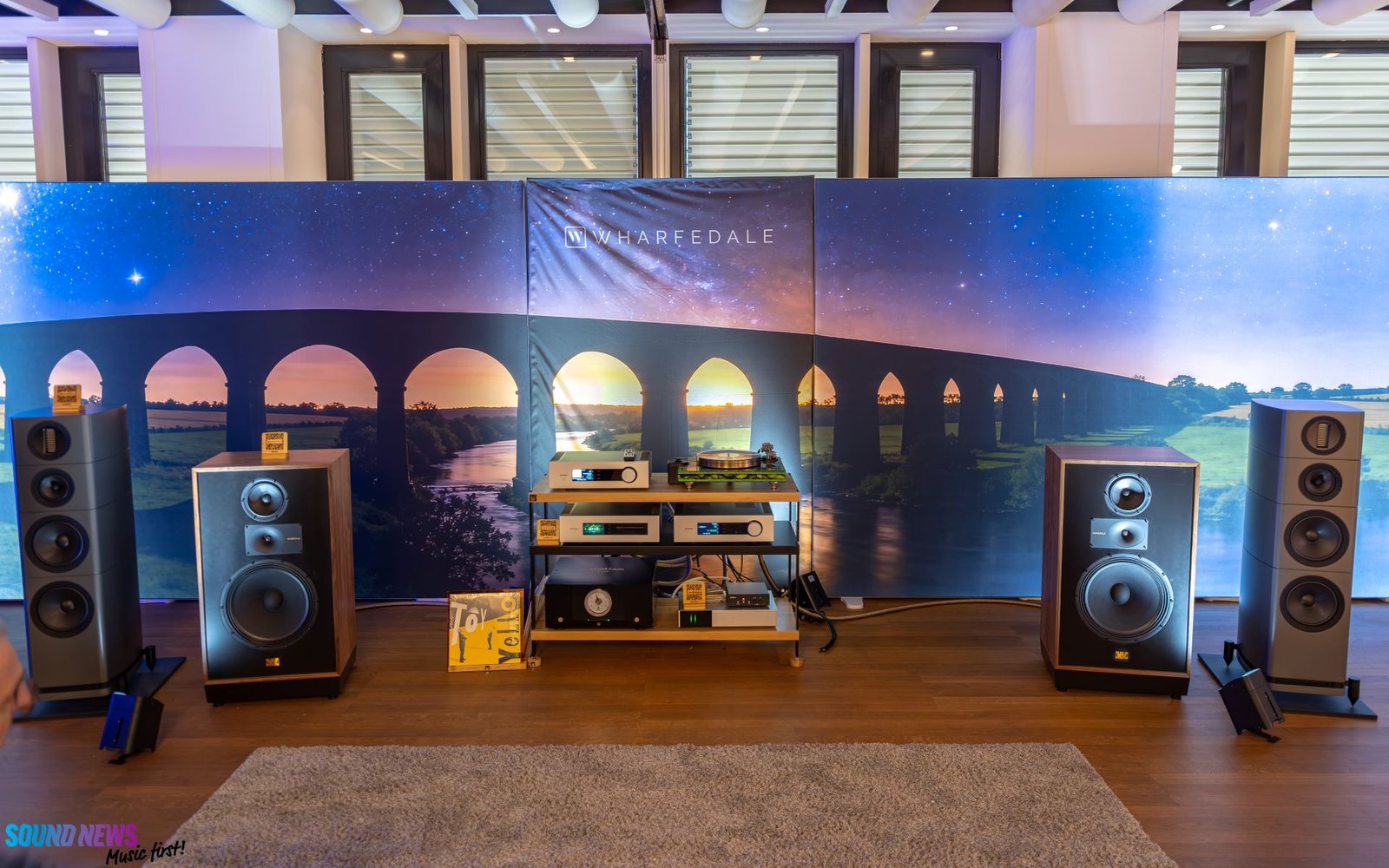
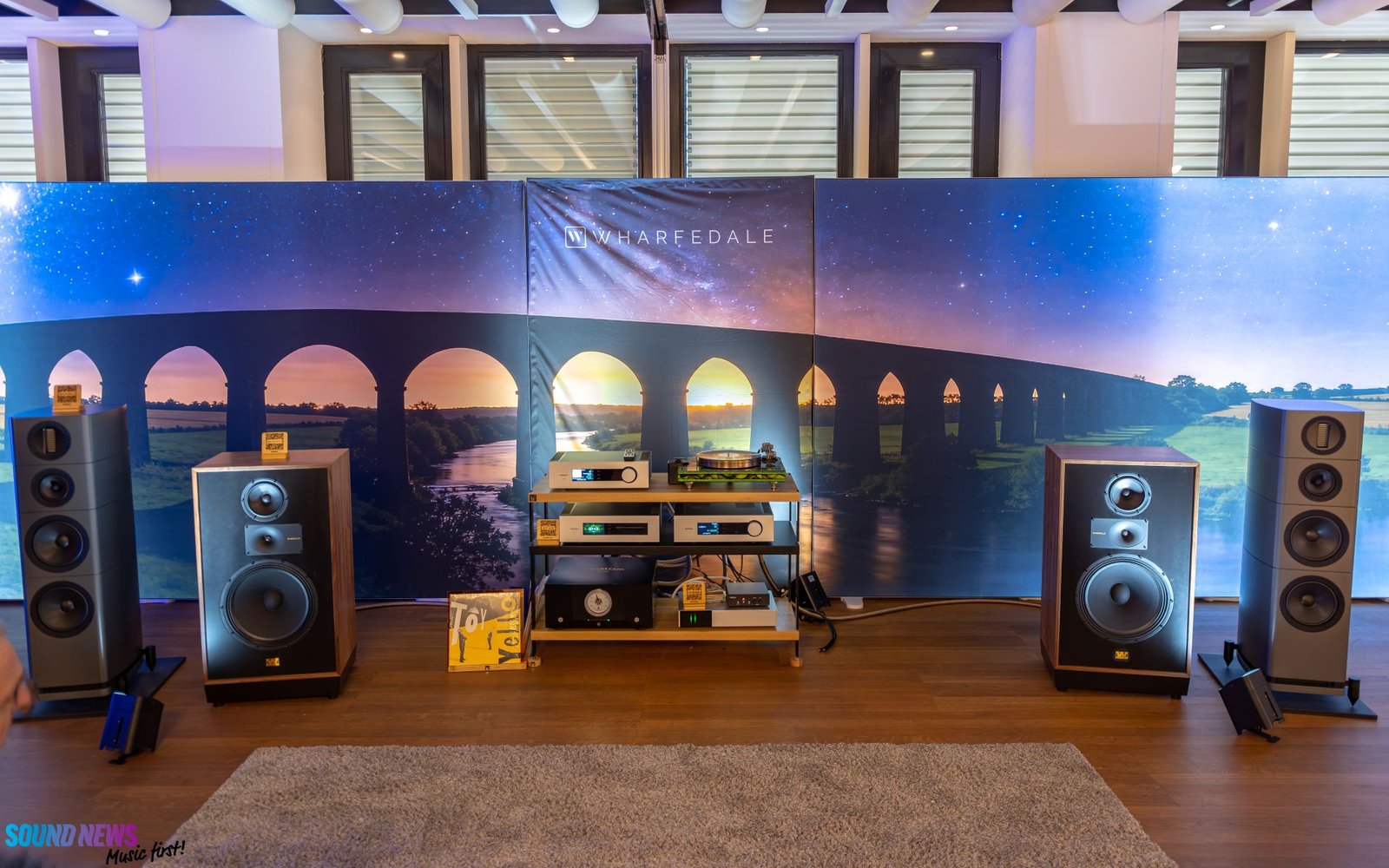
Wharfedale was one of the sweetest surprises of the show, and maybe one of those rooms that we entered with childlike curiosity and left with a stupid smile on our faces. The new Rosedale looks vintage and classic, almost old school in confidence, you know, the type of loudspeaker that does not try to look like it landed from Mars. Wood, proportion, size, presence, the whole visual language tells you that Wharfedale knows exactly where it comes from. At the same time, we would also state that the sound is far more serious than the styling might suggest. The sound is much deeper than nostalgia dressed nicely for a show. This is a proper serious loudspeaker, with a serious voice and with a level of maturity that surprised us in a very good way.
From what we were told, Rosedale uses a ScanSpeak Ellipticor bass driver, one of the most ambitious modern ideas coming from Danish driver engineering after more than five decades of development. We look forward to the official unveiling and to the technical specs being detailed, because there is clearly something interesting happening inside that cabinet. We always believed that bass drivers tell you a lot about the ambition of a loudspeaker. A good bass driver can bring weight, scale, physicality and rhythm, while a truly great one can do all of that while keeping texture, speed and tone intact. In the Rosedale room, the bass had exactly that confident feeling. It was full, round and generous, yet it had very nice texture and enough grip to keep the whole presentation clean.
The Rosedale also had tone, warmth, body, and a beautiful integration of all three. Voices sounded rich and human, with that slight warmth that makes you relax into the music. Bass had weight and texture, highs had the air and transparency we so much look for, desire and love, and most importantly, the whole presentation felt coherent in a natural, easy way. Nothing felt forced.
The final price is still unknown, so we will keep price conclusions for later. Still, as we were sitting there, the Rosedale sounded like a product that could easily embarrass many expensive loudspeakers if the price lands in a sane place. The most important part for us was how easily it made people stay in the room. As a side note, George, our jazz musician friend, simply refused to leave the room even after 5 full tracks, and honestly, we understood him perfectly. When a man who played instruments for decades and produced music with his own hands does not want to move, you just accept the message.
We also heard about the new Elysian 4R, with Peter Comeau briefly explaining the revisions: new binding posts, new internal wiring, new crossover PCB, new crossover parts, and revised internal bracing. In normal words, this felt like a Super Saiyan Elysian. We already liked the Elysian idea, that big, refined, generous Wharfedale sound, with scale and sweetness, and the 4R sounded even more focused, more awake and more serious. It still carried that relaxed character, that big body and that musical flow, while there was more cleanliness in the background, more grip in the bass and a more polished feeling across the whole frequency range.
We look forward to reviewing it in the autumn and doing a proper deep dive into why it sounded so damn good. Wharfedale came to Vienna with very strong statements. One of them was a classic-looking loudspeaker that sounded much more ambitious than expected. Another one was a revised Elysian that felt like the same recipe cooked longer, with better ingredients and more confidence. A very good room, a very human room, and one of those places where we remembered why British loudspeaker design still has a beautiful soul.
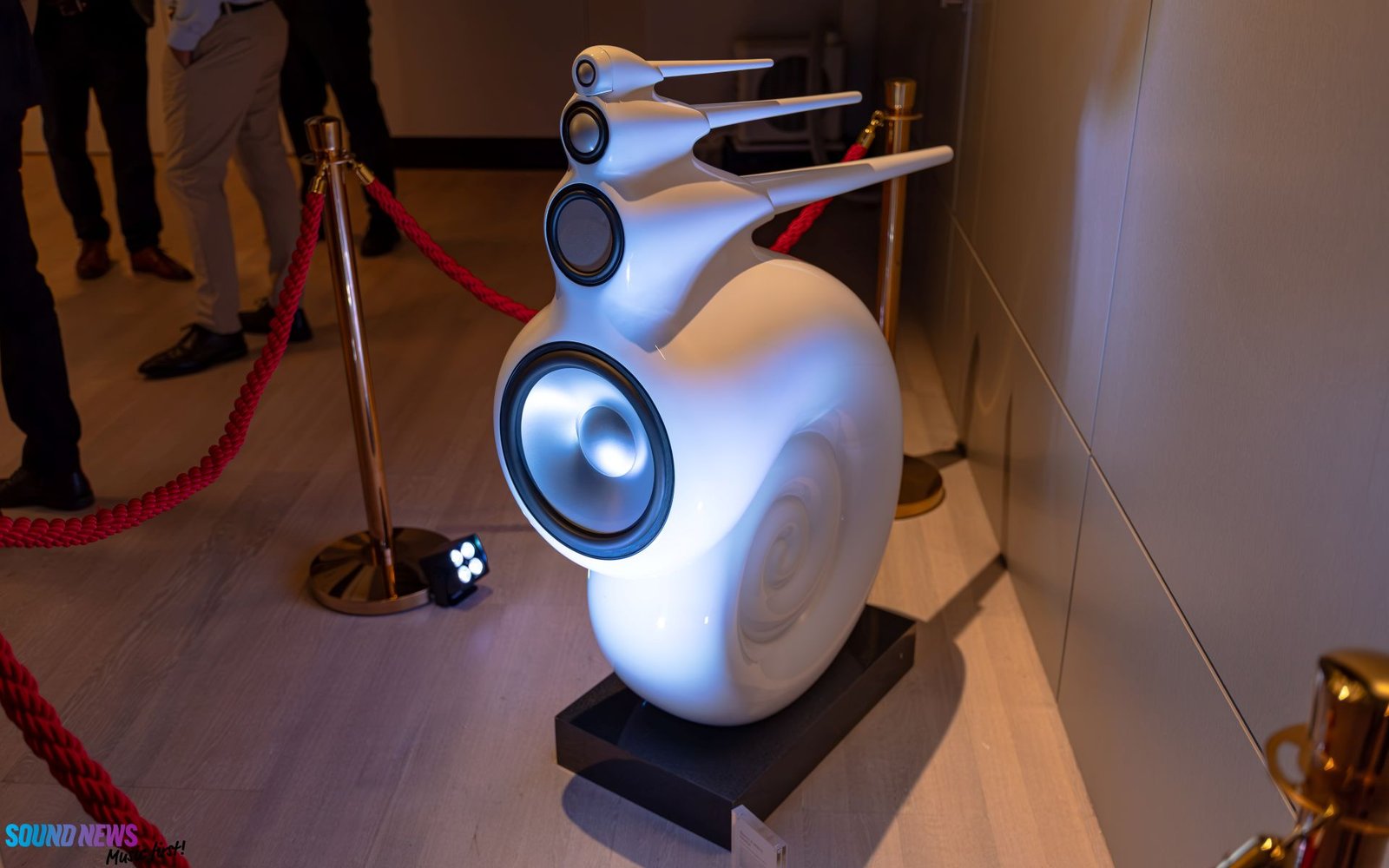
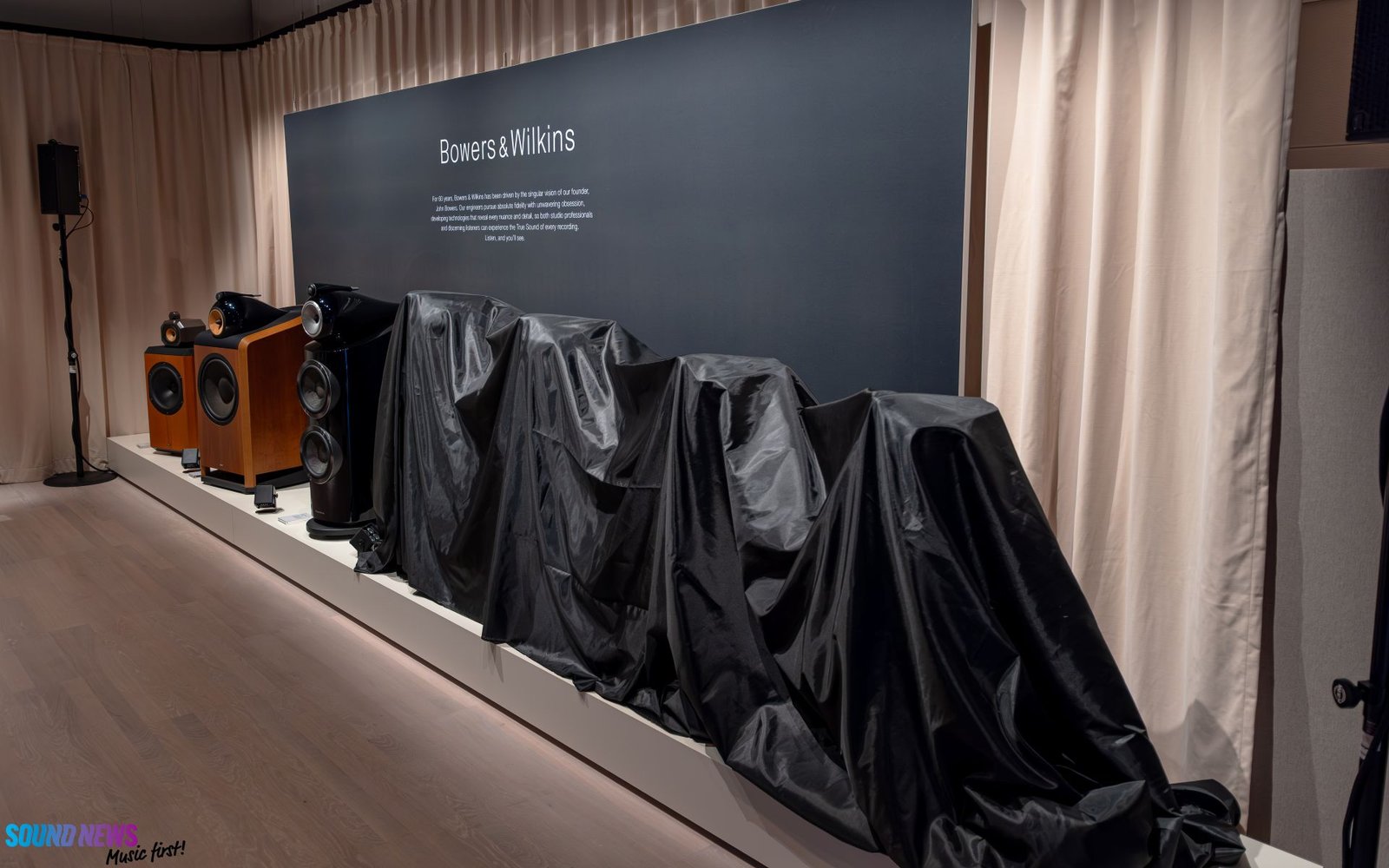
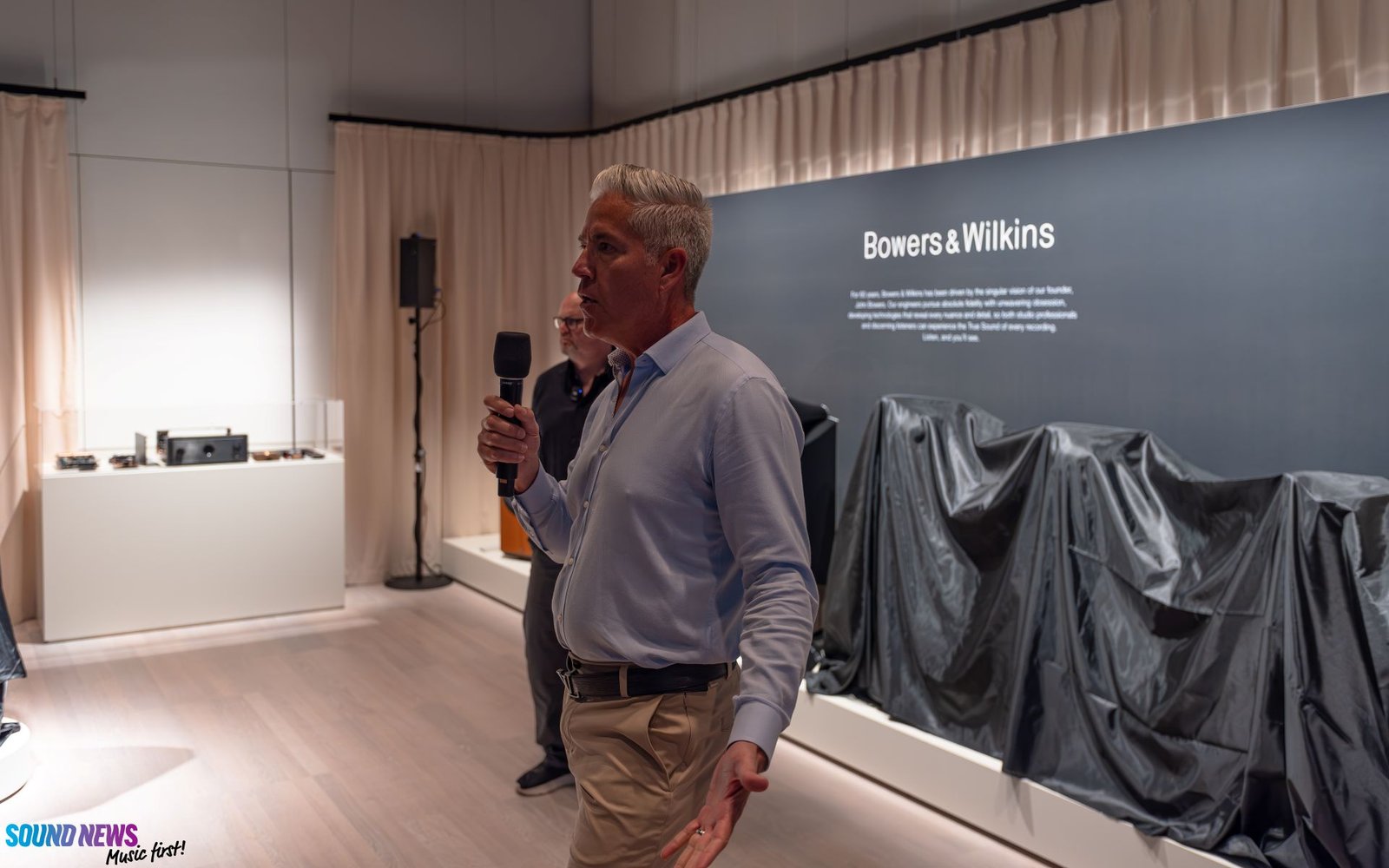
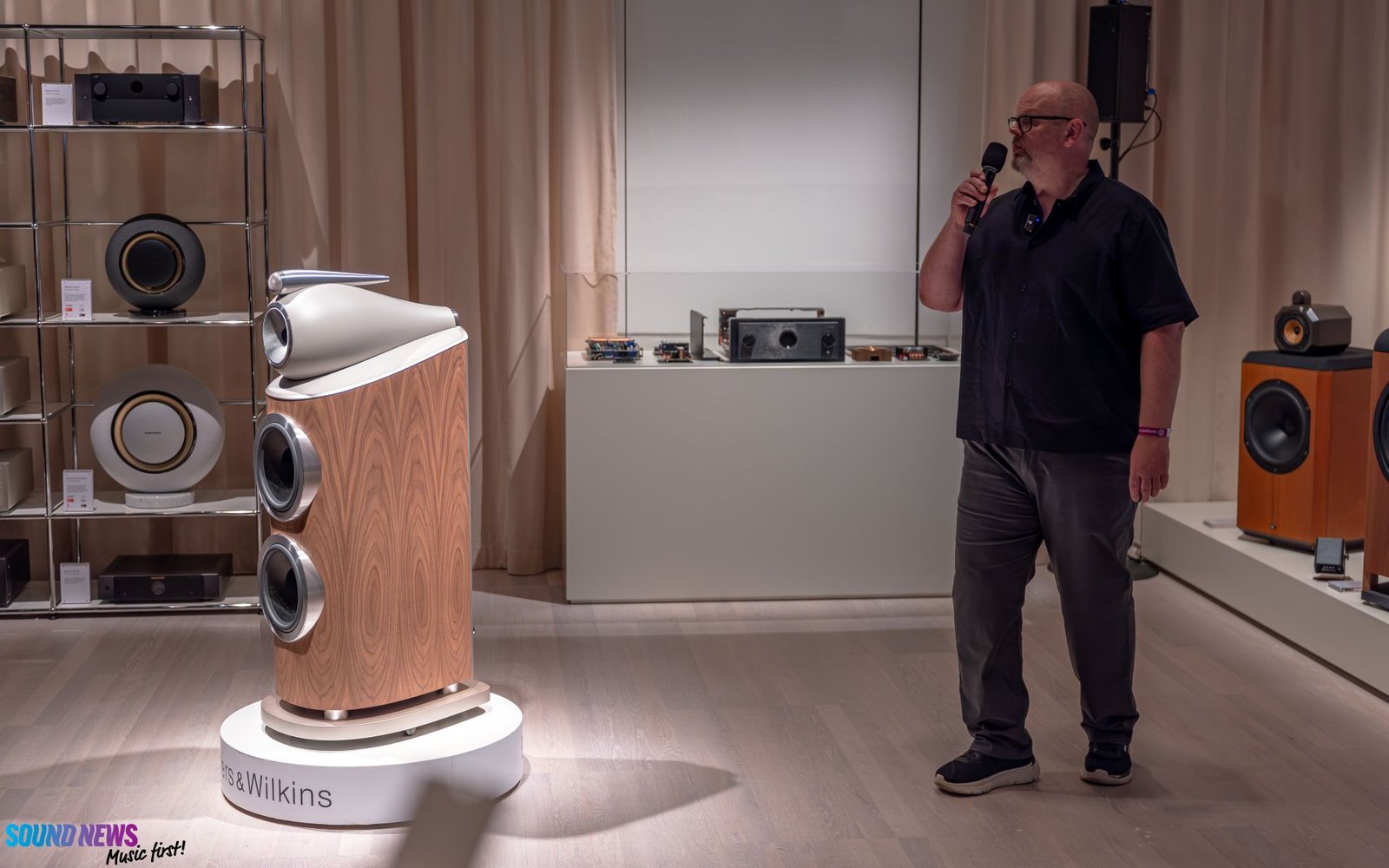
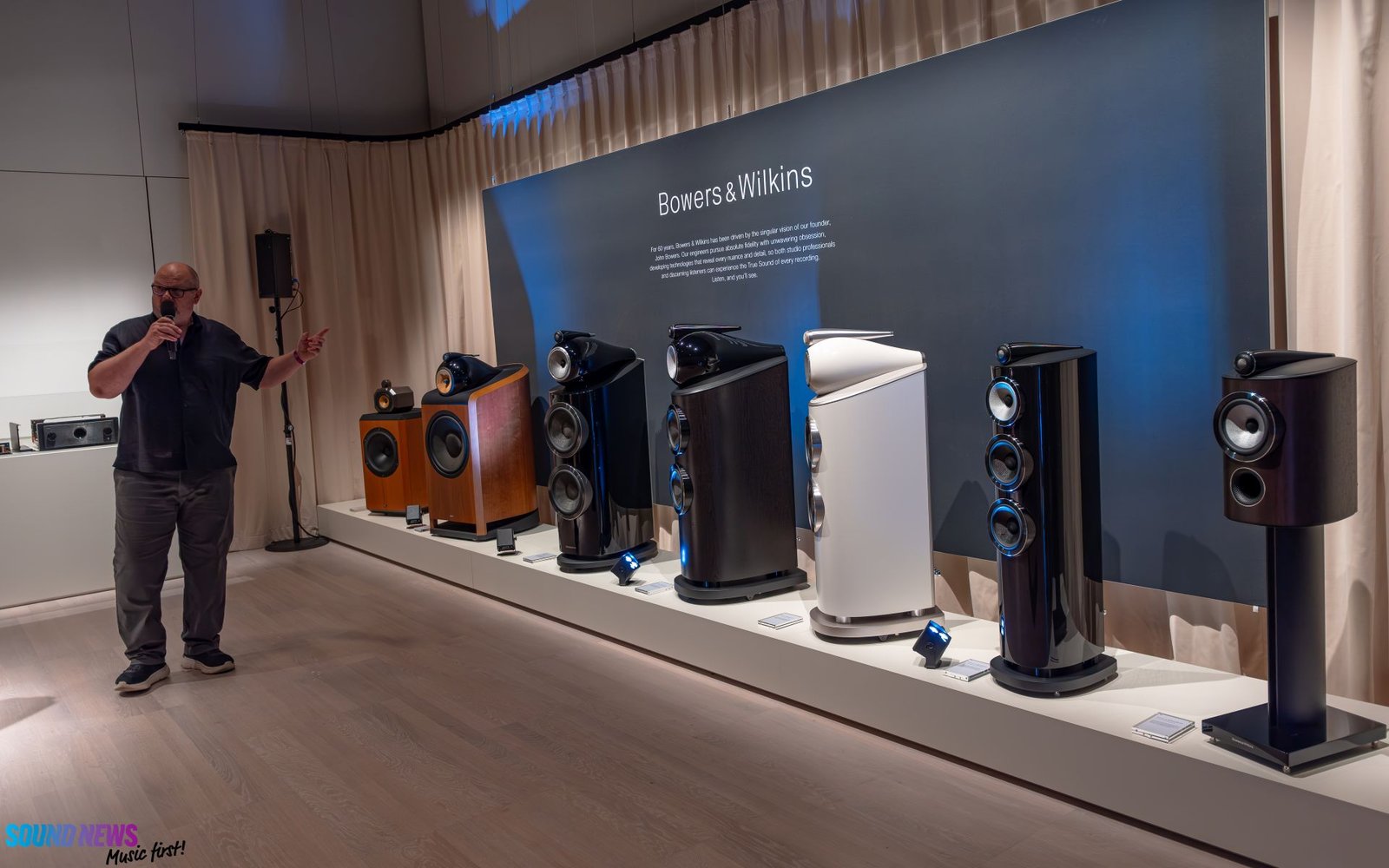
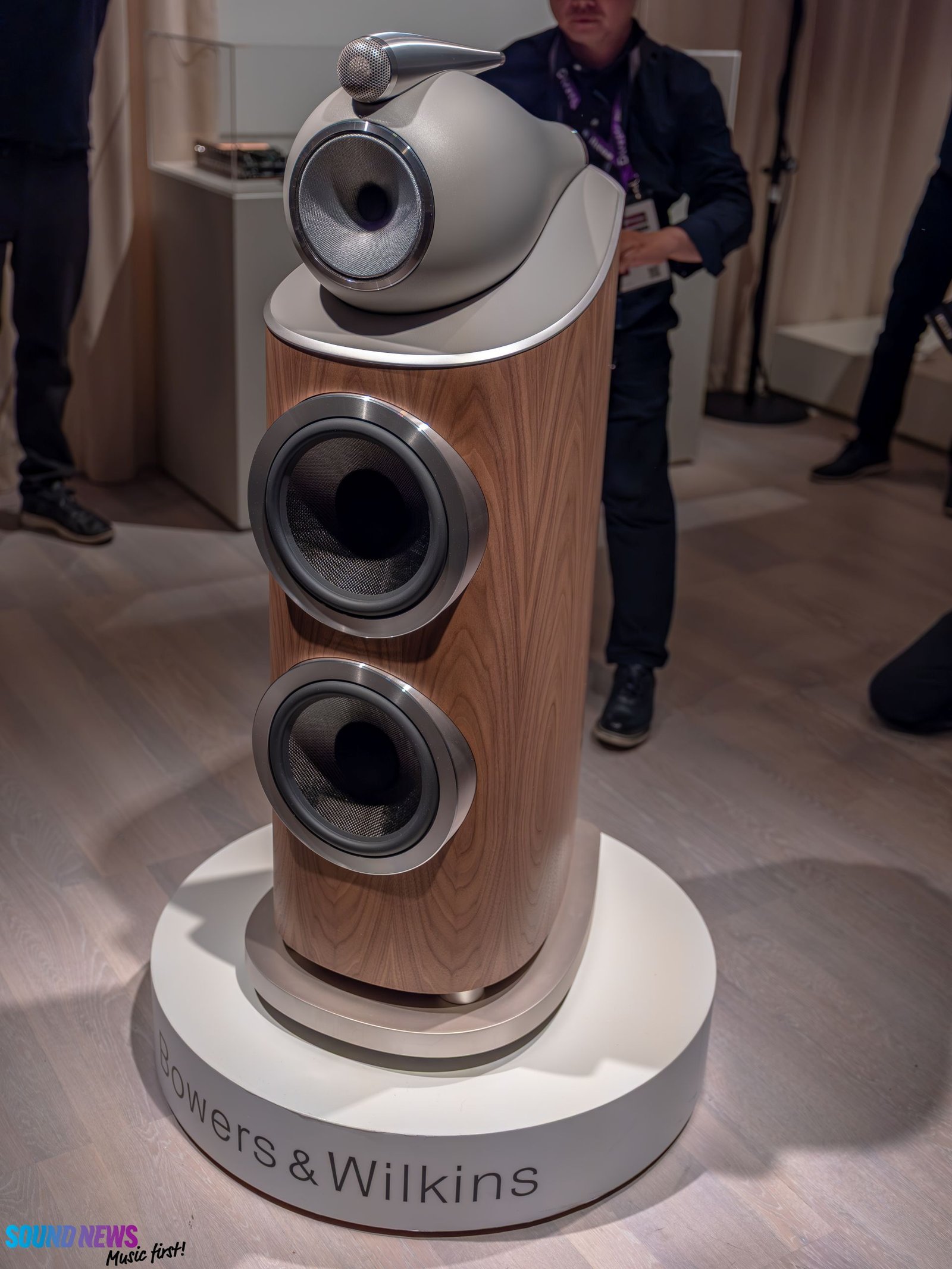
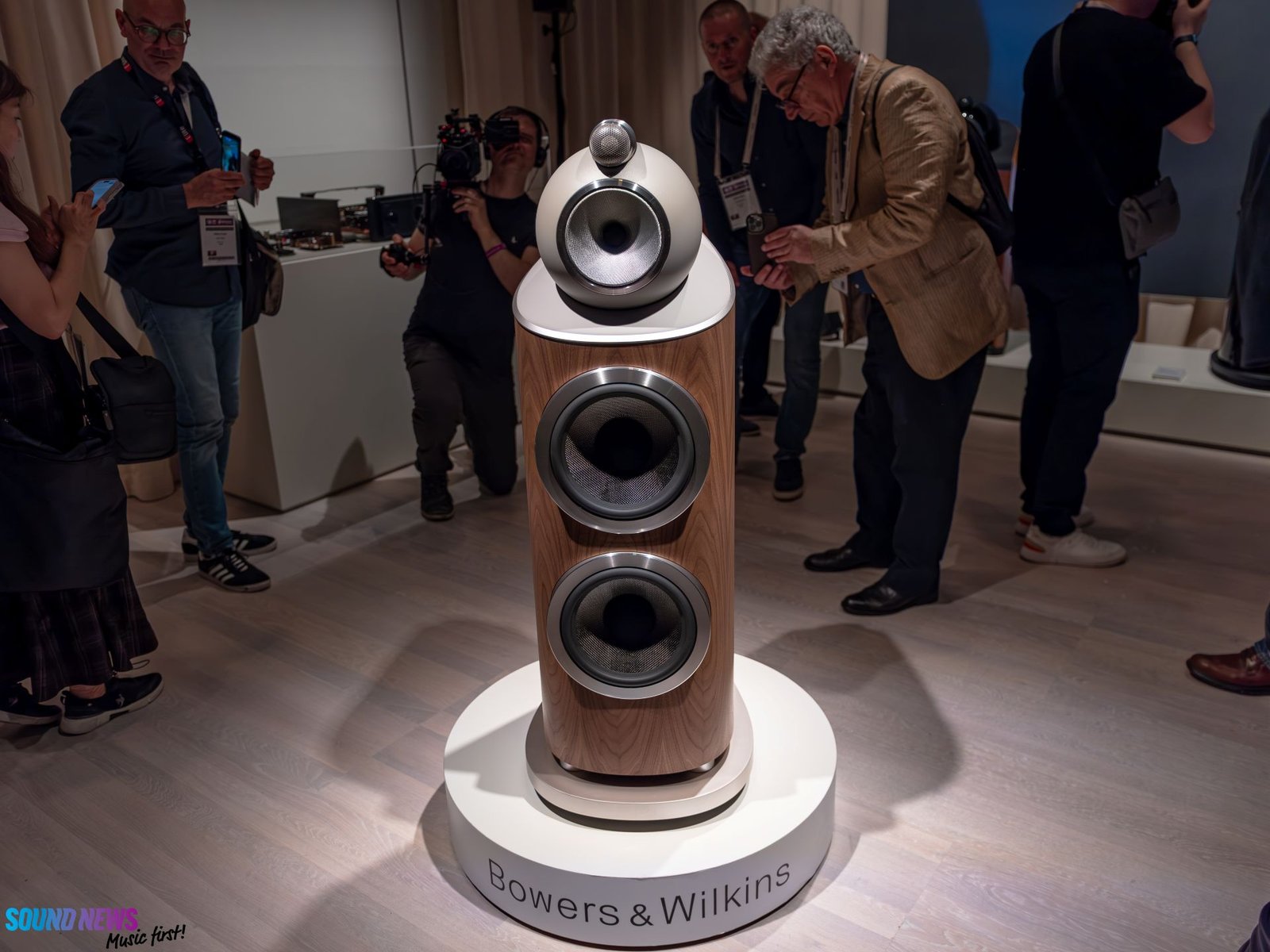
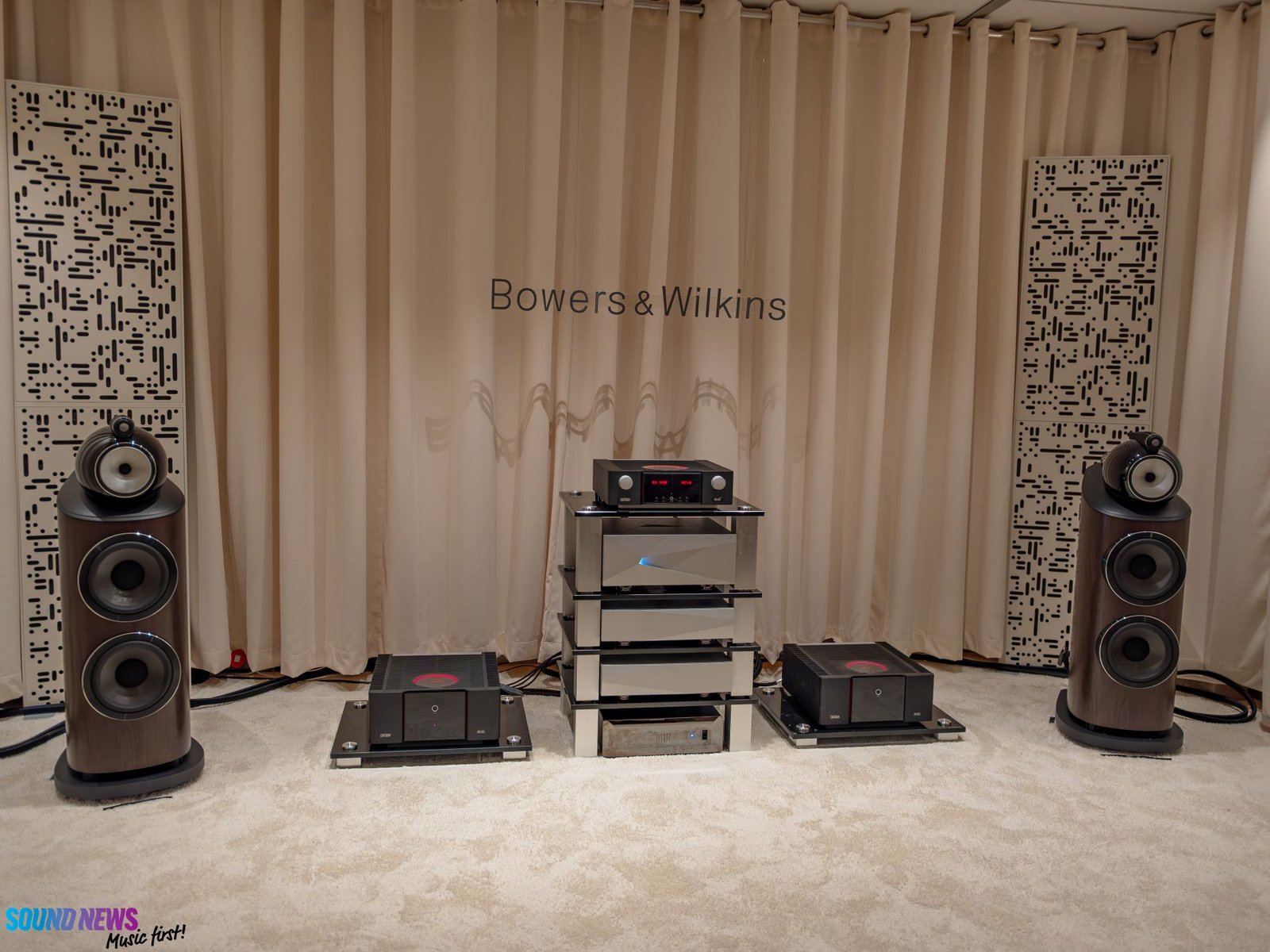
Bowers & Wilkins
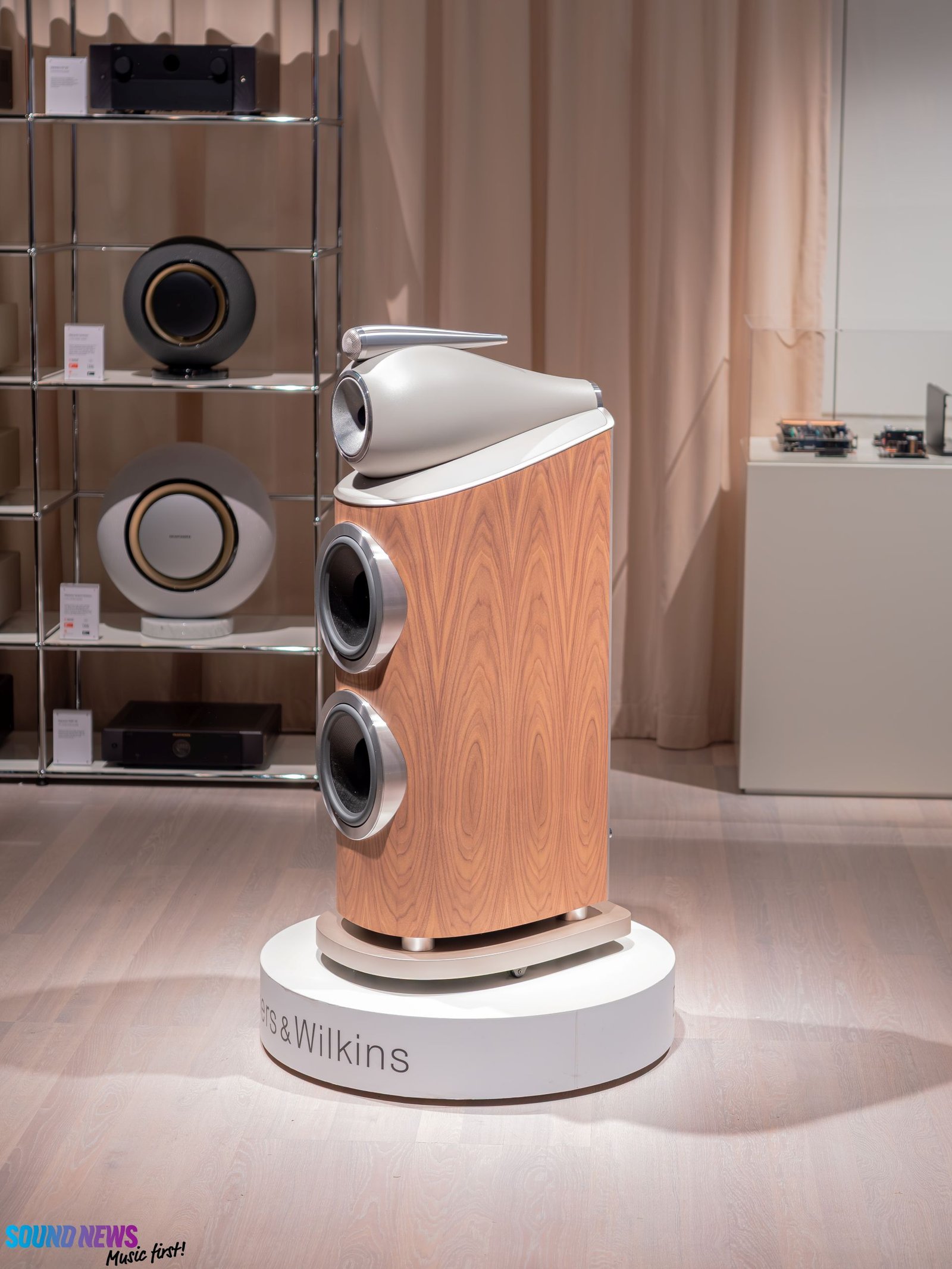
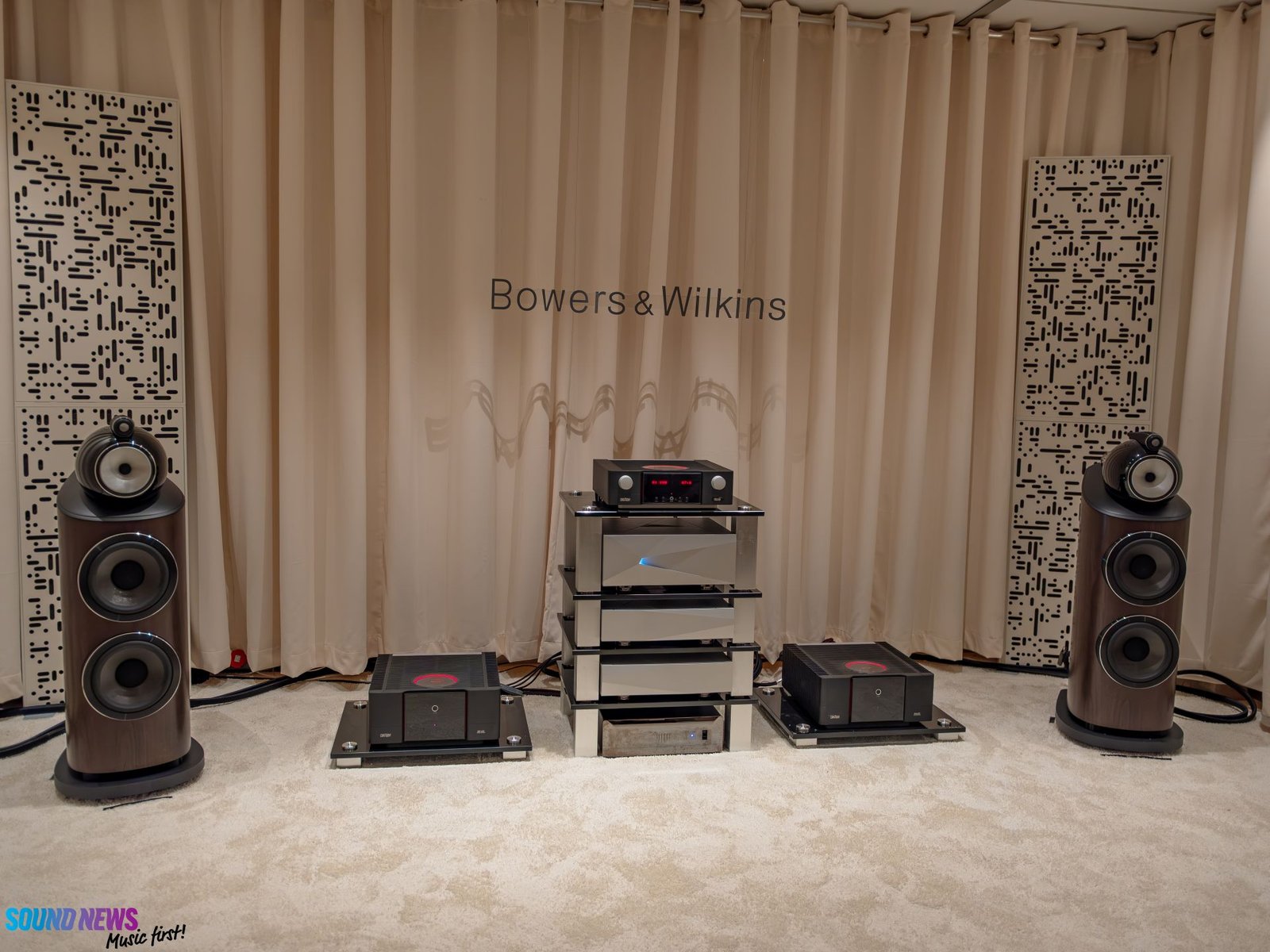
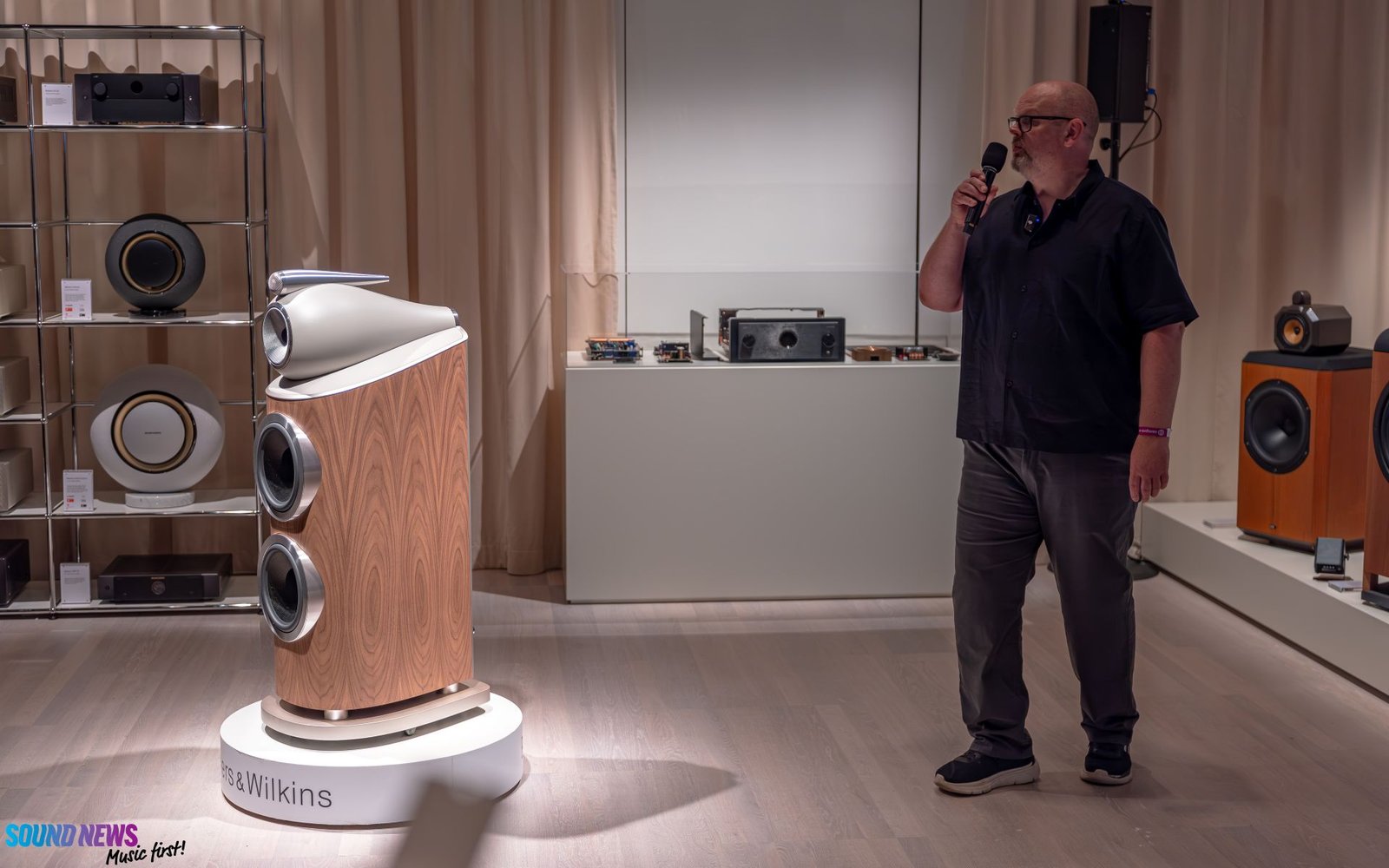
The new 800 Series Diamond D5 showed up with a clear and very welcome evolution. Bowers & Wilkins is one of those brands that comes with huge expectations attached to the name. People know the shape, the tweeter on top, the turbine head, the curved cabinet, the luxury finish, the studio history, the whole big brand aura. With that kind of history, every change is judged harshly, maybe even unfairly at times. Still, the D5 series made sense to us very quickly, because the improvements were easy to hear and, more importantly, easy to understand emotionally.
From a technical standpoint, Bowers & Wilkins reworked the internal bracing, midrange enclosure, crossover, wiring, and drivers, and we can wholeheartedly say those changes were audible in the room. The sound felt more coherent, smoother, and more relaxed, with a cleaner, more fluid midrange and less grain than before. This is important because the midrange is where our attention usually settles after the first audiophile fireworks have faded. Voices need to breathe properly. Piano needs weight and harmonic richness. Saxophone needs texture. Guitars need wood, strings and body. On the D5, the midrange felt a bit more organic, with less of that dry edge that could make some previous Bowers demonstrations sound a bit too serious for their own good.
The highs were also sweeter, more open and pleasant, with extra air and sparkle, while managing to keep fatigue at bay, which we paid close attention to, since we have always felt the Bowers tweeters to be somewhat difficult to live with in the long run. That Diamond tweeter can be spectacular, of course. It can open a room, throw light on the recording, and make details appear with almost surgical precision. At the same time, in the wrong setup, with the wrong electronics, in a reflective room, it can also become a little too much. In Vienna, the D5 sounded better balanced in this regard. There was still light, sparkle, and detail, while the treble felt somewhat more integrated into the music and less inclined to prove a point every 2 seconds.
Bass also moved in the right direction. It had better punch, better articulation, and stronger rhythmic control. We heard more grip, more definition, and a more confident sense of timing. Bass lines were easier to follow, kick drums had better shape, and the whole presentation had more forward motion. This matters a lot to us, because a large high-end loudspeaker should do more than sound big. It should sound organized. Size with control becomes music, and the D5 clearly moved in that direction.
Overall, the D5 keeps the Bowers identity, that sense of scale, precision and luxury engineering, while moving the sound toward a more mature and more musical direction. It still sounds like Bowers & Wilkins and still has that clean, structured, high-resolution character. The difference is that the new version felt easier to enjoy, easier to trust, and easier to imagine in a long listening session. We believe that is a very important shift. A loudspeaker can impress at a show, yet the real question is whether you would want to live with it every evening after work, when the brain is tired, and the music needs to heal something.
At the end of the experience, the D5 room gave us that feeling of refinement. The system sounded expensive, of course, because everything around it looked expensive, felt expensive, and probably required a financial conversation with your family before any purchase fantasy could even begin. Beyond the luxury aspect, the sonic changes felt meaningful, and we appreciated that the update preserved the 800 Series’ personality.
We greatly enjoyed the improvement and definitely look forward to reviewing and deep-diving into a floorstanding loudspeaker from the new D5 range. There is a lot to unpack there, especially in a controlled room, with our music, our electronics, and enough time to understand if this new smoothness holds across many genres. From what we heard in Vienna, Bowers & Wilkins is moving in a direction we appreciate. More coherence, more refinement, more comfort, and finally, a treble that made us curious in the best possible way, without making us cautious from the first minute.
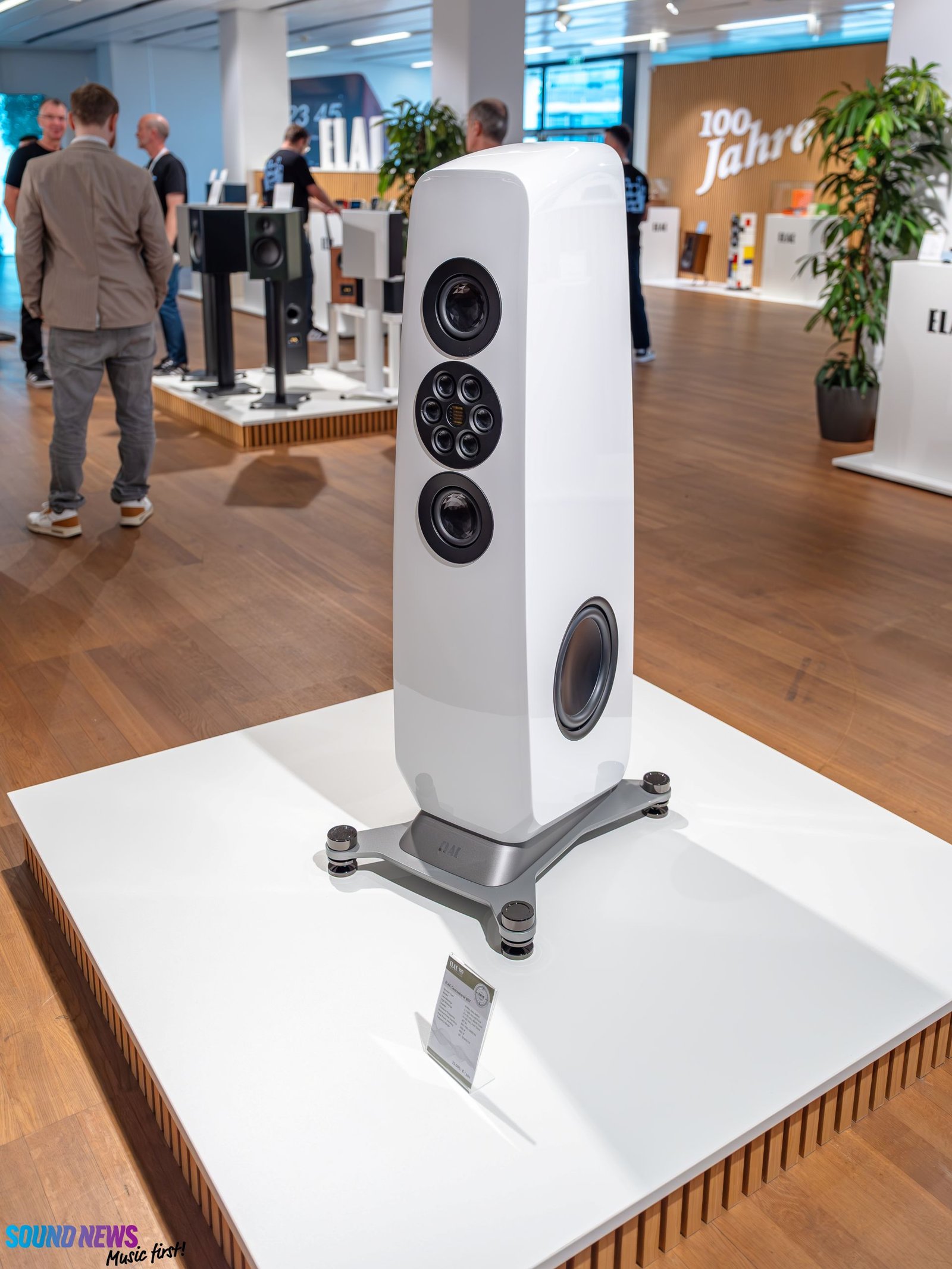
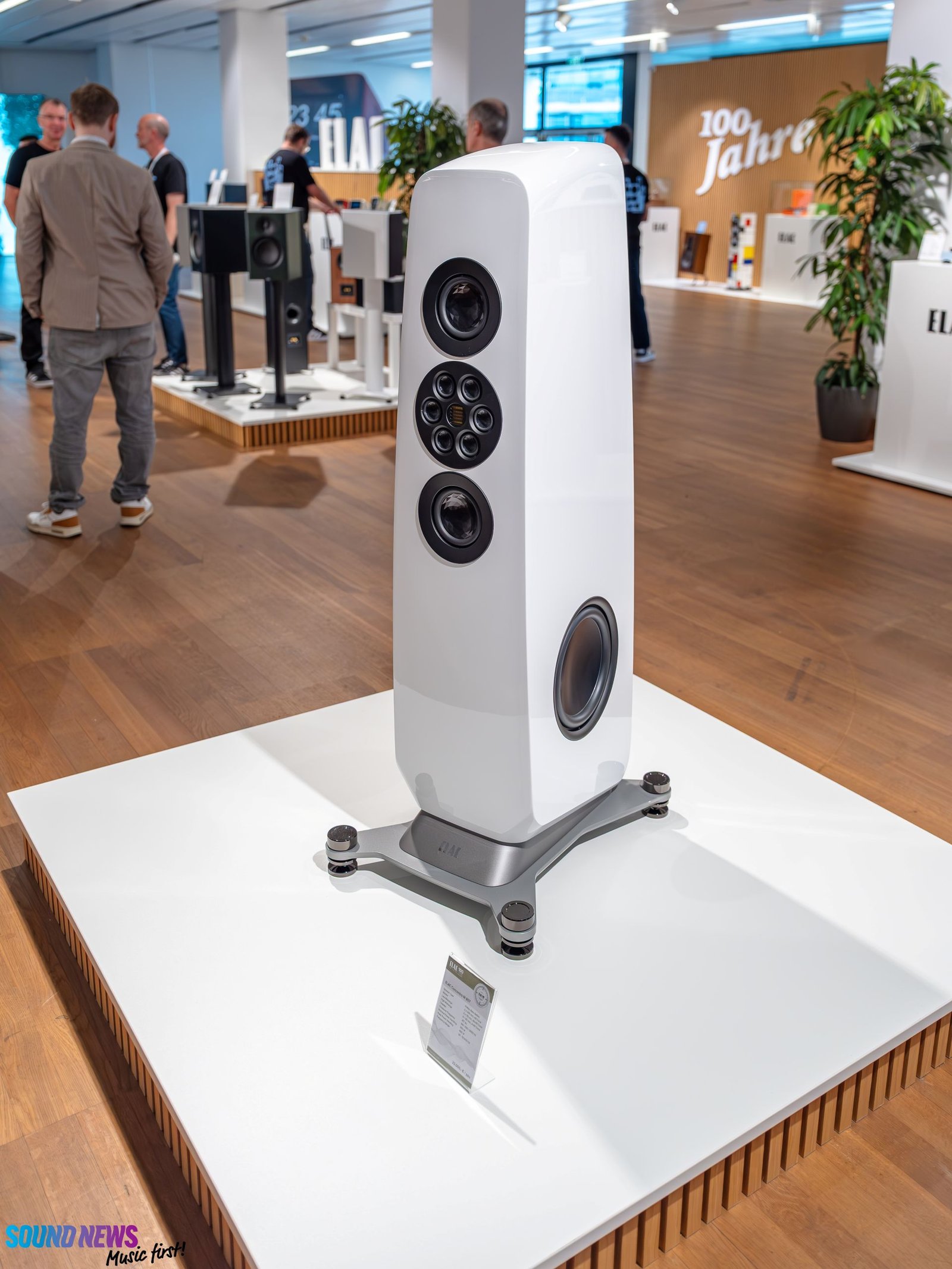
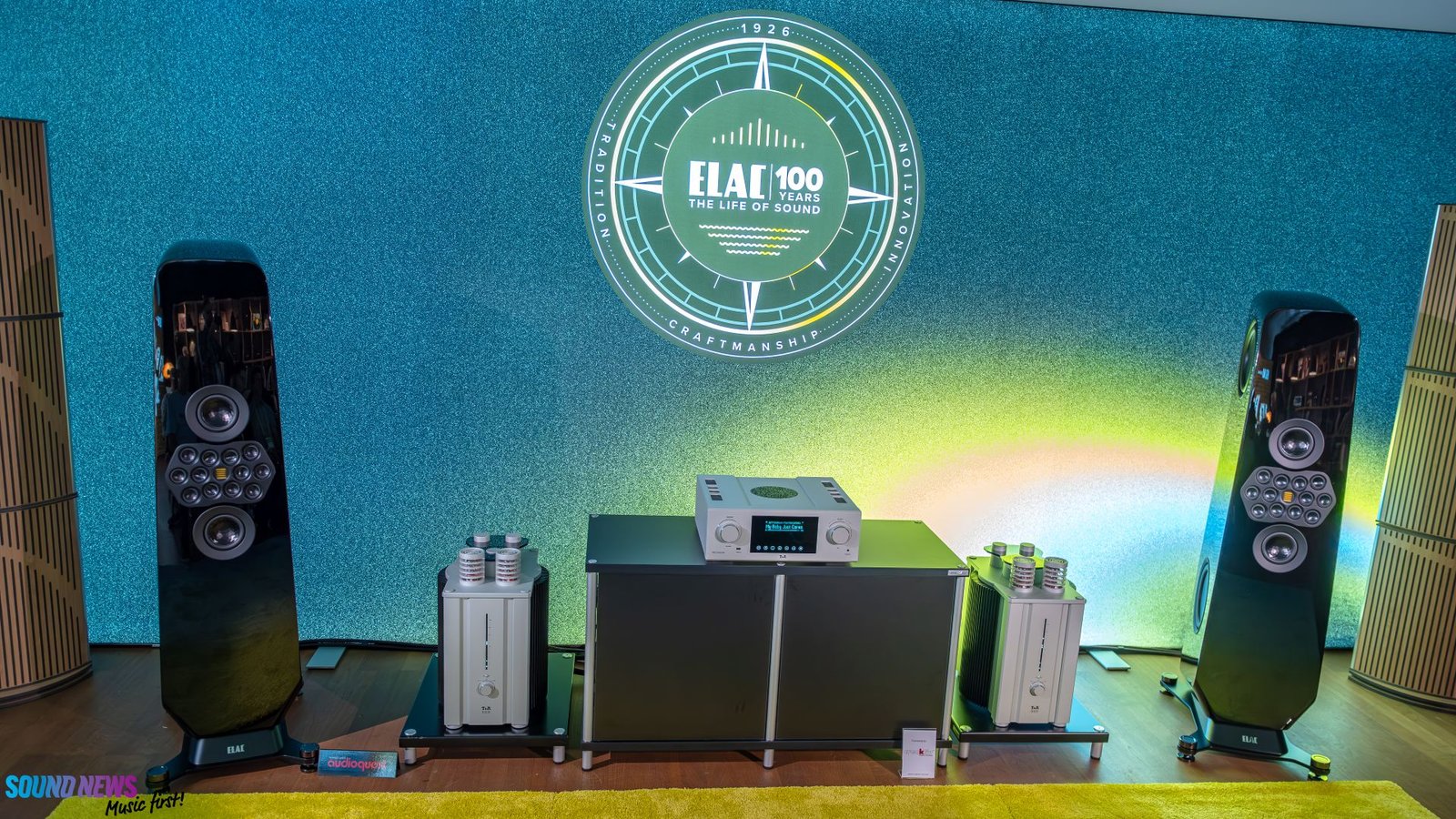
ELAC
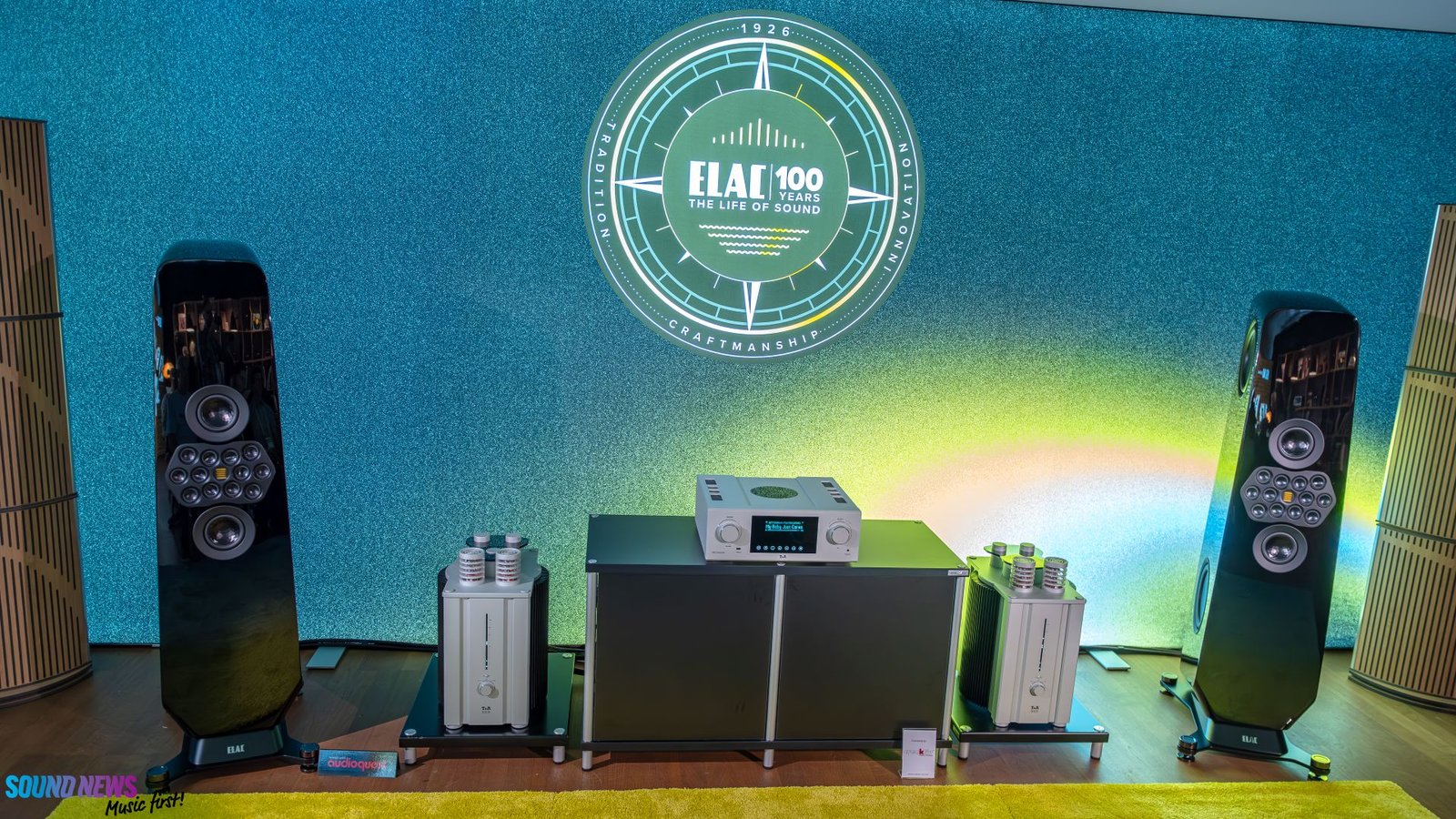
The ELAC Concentro M809 sounded like a proper flagship loudspeaker made for big rooms and serious systems. We can say this is a product that enters the room with scale, ambition and a very clear message: give me space, give me power, give me a proper setup, and I will show you what a large loudspeaker can do. In Vienna, the M809 sounded clean, detailed and very controlled, with a composed personality that never pushed detail in an aggressive or tiring way.
What we liked most was the combination of resolution and comfort. Many large loudspeakers can impress with information. They can flood the room with details, edges, air, textures and bass pressure. The hard part is keeping all that information civilized. The M809 managed that quite well. It showed plenty of focus, scale, and separation while keeping the sound smooth and fatigue-free. The presentation had a certain calmness to it, a feeling that the loudspeaker was working well within its limits and that the room was allowing it to breathe.
Bass had authority, as expected from such a large flagship design, yet the more important part was the control. It felt tight and fast and in no way loose or overblown. The midrange was clean and open, with good separation between instruments, and the treble gave enough air to keep the whole sound transparent. Every instrument seemed to have enough space around it, so as to give breathing room to the sound. As we have spoken many times, silence around notes can be just as important as the notes themselves, and it seemed that ELAC knows that very well.
It is clearly a niche product, one that needs space, power, and very careful matching. In a smaller or nervous room, a loudspeaker like this can become too much very quickly. In the right space, with the right electronics and a listener looking for scale, control, and a polished flagship-type sound, the M809 makes a lot of sense. With everything considered, we believe that in the right room, the M809 has the potential to sound huge, clean, and very sophisticated.
This was one of those rooms where we appreciated the ambition, even if the product is clearly aimed at a very specific type of listener.
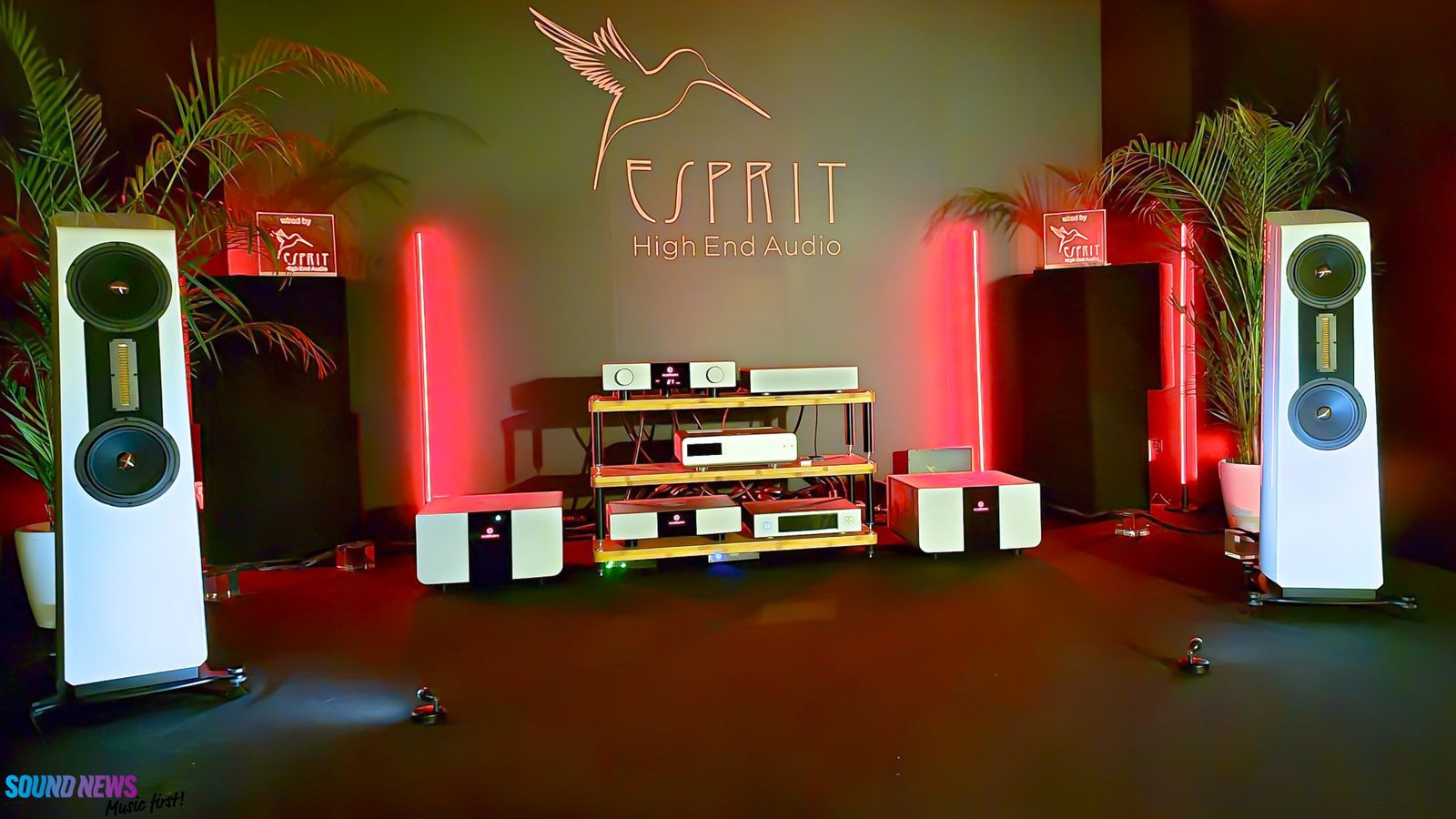
ESPRIT High End Audio
Esprit Lisa delighted us with one of the show’s best soundstages. The three-dimensional imaging, stereophony, and depth were excellent, and the entire listening room felt like a lesson in positioning, matching, and using the listening space properly, to the advantage of the system playing. This system impressed us with its spaciousness, focus, and the beautiful illusion of musicians clearly placed before us.
The first thing that caught our attention was how well the speakers disappeared. The center image was lifelike, the sides opened nicely beyond the loudspeakers, and the depth had that layered feeling that makes recordings very believable. We always look for that moment when the soundstage stops being a flat line between two boxes and becomes a space you can almost walk into with your mind. The Esprit Lisa room came very close to that feeling. There was air between instruments, good separation and a very strong sense of stereo precision.
The sound was a bit on the lean side for our taste, and personally we would have welcomed more body, more density and more meat on the bones, as they say. Even so, the detail retrieval, engagement and spatial precision were strong enough to keep us hooked and listening for more. The presentation was clean, quick and very communicative. It gave us a clean window into the recording, with the soundstage doing most of the emotional work.
Expensive gear is nice, of course; we all love shiny boxes and scary prices because apparently we chose this disease willingly. Still, a well-positioned system can sometimes teach a much more valuable lesson than a room full of expensive chaos.
For us, Esprit Lisa deserves mention because the room had a clear purpose and we feel it somehow achieved it. It gave us one of the strongest spatial experiences of the show, and that stayed with us.
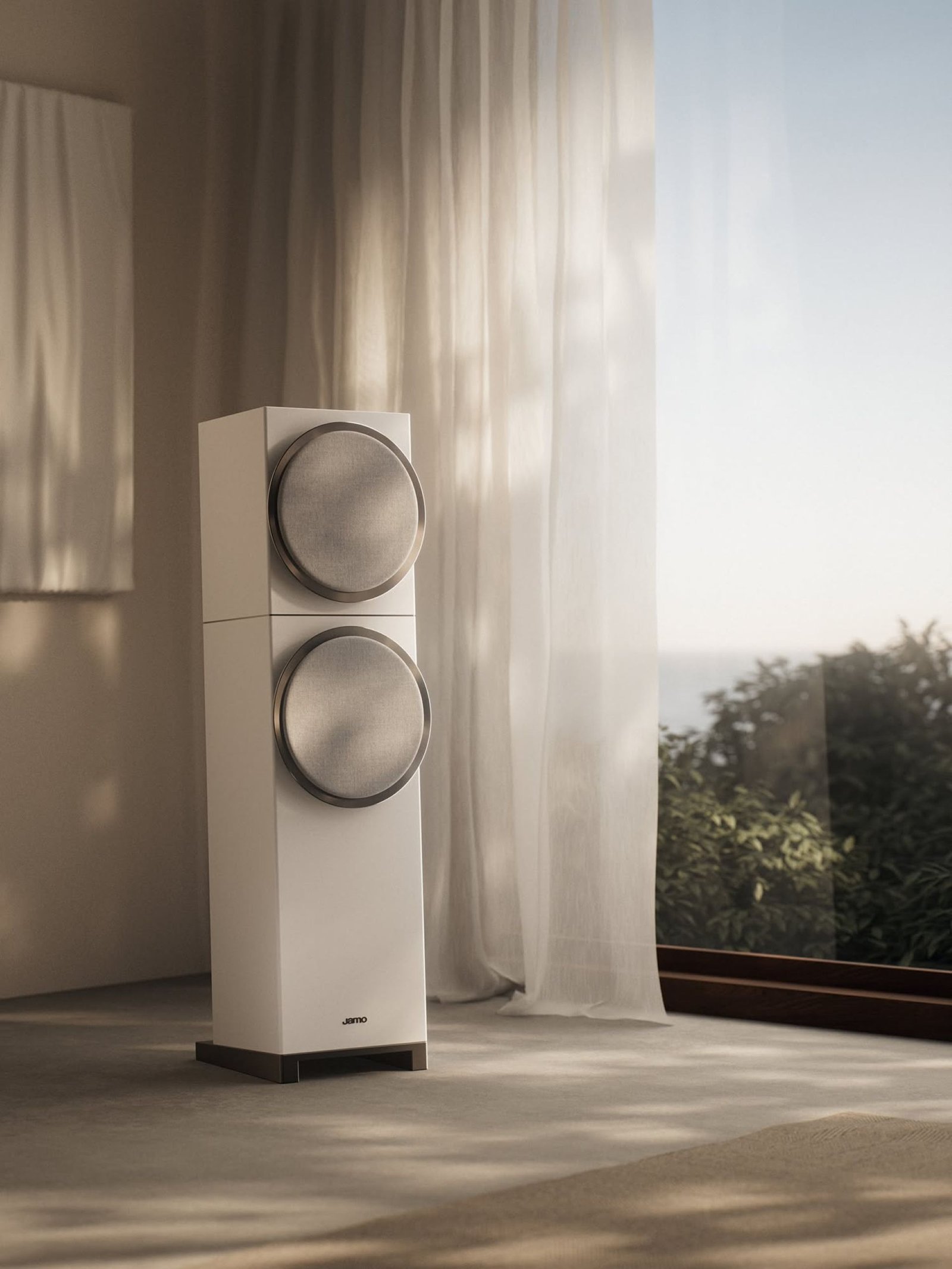
Jamo Concert Element 70
Jamo Concert Element 70 deserves our Best Entry Level Sound of the Show. At around €2000, these speakers sounded shockingly correct. Tonally, they were very well balanced; the voices presented an amazing palette of color, and detail retrieval was far above what we expected at that price level. This was one of those demonstrations where we sat down with modest expectations and then started looking at each other like something went wrong with the price tag. Bat shit crazy feeling.
The sound was honest, musical, and very easy to enjoy. It had balance, good energy, and no useless drama. The Concert Element 70 played music pleasantly, with a level of tonal correctness that many more expensive systems should probably emulate. Voices had body and color, instruments made sense, and the whole presentation felt natural enough to keep us in the room.
Bass was also excellent, helped by smart placement and effective use of room boundaries. Another good lesson for some other colleagues who should learn a thing or 2 about positioning. This is something we keep repeating: the room is part of the system. The Jamo team understood that and used it well. The bass had support, weight, and enough punch to make the presentation feel much more expensive than expected.
Of course, ultimate transparency, air, sub-bass extension, and articulation belong to higher categories. Even so, for the money, we were amazed. The important part is that the speaker did the essential things right. Tone, balance, musicality, enjoyment. At this price level, we dare say that matters more than trying to fake expensive audio fireworks. Jamo gave us a proper reminder that affordable audio can still be very, very good when the people behind the room know what they are doing.
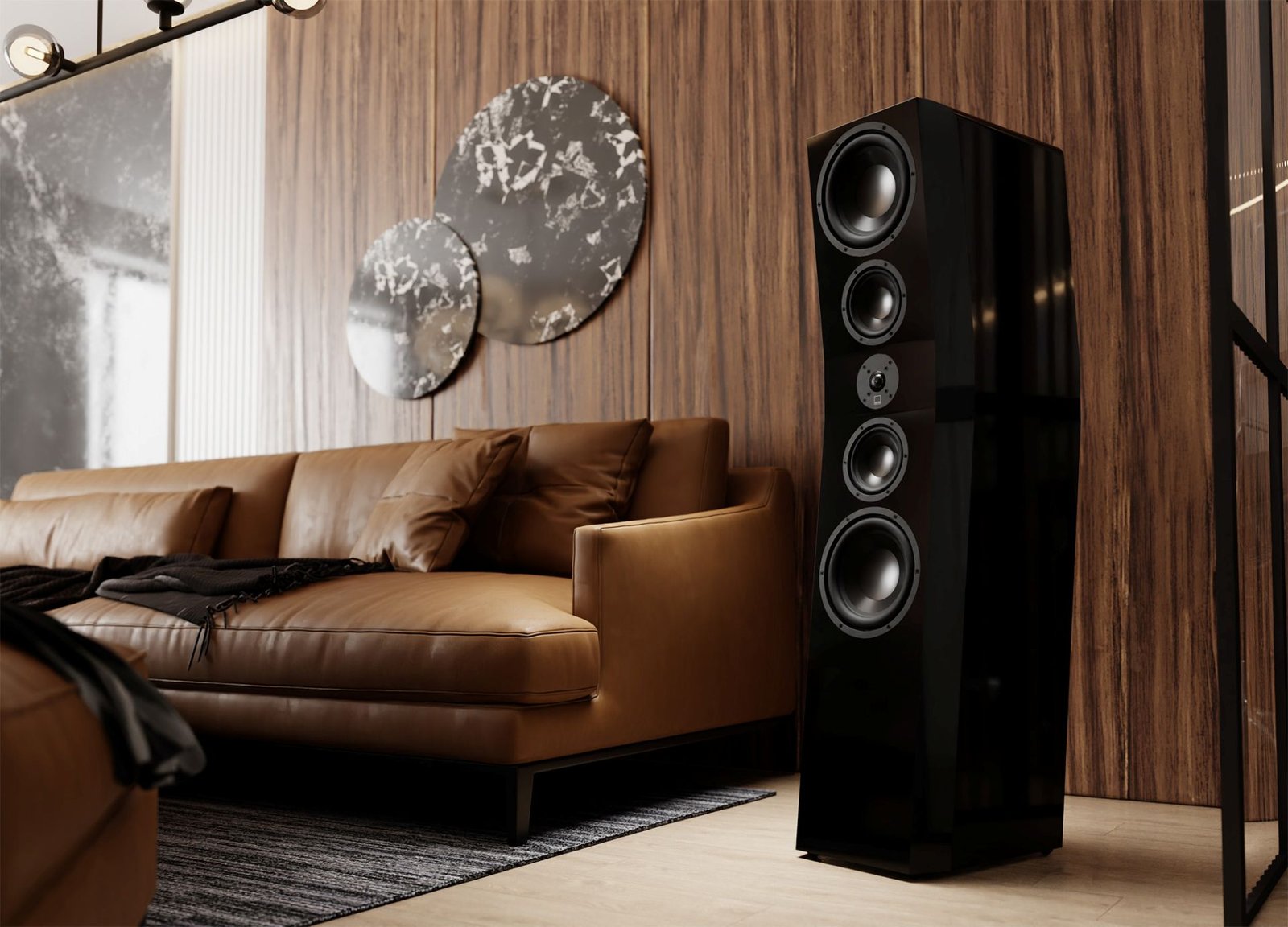
SVS Ultra Evolution Pinnacle
SVS Ultra Evolution Pinnacle was playing with the Hegel H600, and the result was just pure fun. The Hegel H600 is one of those amplifiers that makes you wonder how many loudspeakers would wake up under its control, and the SVS sounded big, powerful, and relaxed. There was no mystery here, no abstract audiophile poetry required in the first 30 seconds. The system started playing, and our bodies understood the message instantly.
We threw jazz, country, hip-hop, house, classical, and even psytrance at it, and the system handled everything with confidence. This matters a lot because a loudspeaker that responds only to polite audiophile music tells us only half the story. The SVS seemed happy with real, energetic, bass-heavy music, and tracks that can easily expose a system that loses control. Scale was amazing, bass authority was huge, and the whole presentation had that direct, physical energy that makes you stop taking notes for a while and just enjoy.
The bass was obviously a major part of the experience. Big, punchy, powerful, room-filling, with the kind of physical confidence that makes electronic music and hip hop feel alive. At the same time, with the Hegel controlling things, the bass did not collapse into a messy wall of low-frequency enthusiasm. The sound had drive, grip, and that large-smile factor we sometimes forget to value enough. We believe fun is a very important part of life and music. We can speak all day about transparency, resolution, decay, soundstage, and detail, while the best compliment is often very simple: we had a damn good time.
The SVS did that in a very direct way, by playing with scale, authority, and confidence, by keeping the experience relaxed enough to avoid becoming tiring. Country tracks had very nice, physical body and rhythm, jazz had ample space to breathe and rich enough harmonic details to tell the story, hip hop had pressure and sub-bass presence, and psytrance gave us that ridiculous grin that serious audiophiles try to hide when the bass is simply too enjoyable and starts moving your clothes.
Fun is the main word here. The SVS Ultra Evolution Pinnacle combined with the Hegel reminded us of that in a very direct, physical, almost childish way, the good kind of childish where you stop pretending to be serious and just enjoy the stupid thing. In a show full of very expensive systems trying to prove how refined they are, the SVS room reminded us that music also needs blood, movement, and a little bit of bad behavior.
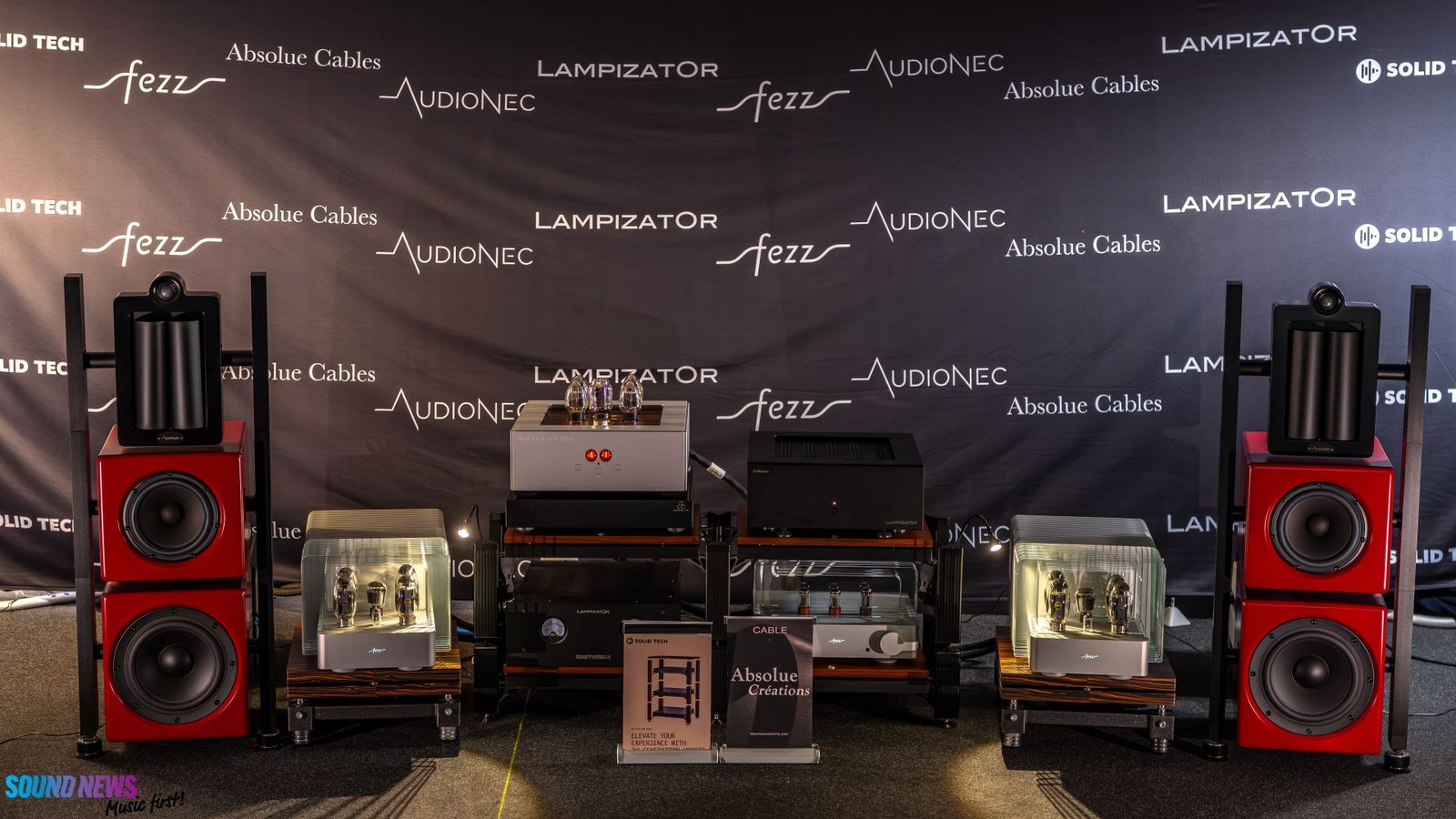
AudioNec
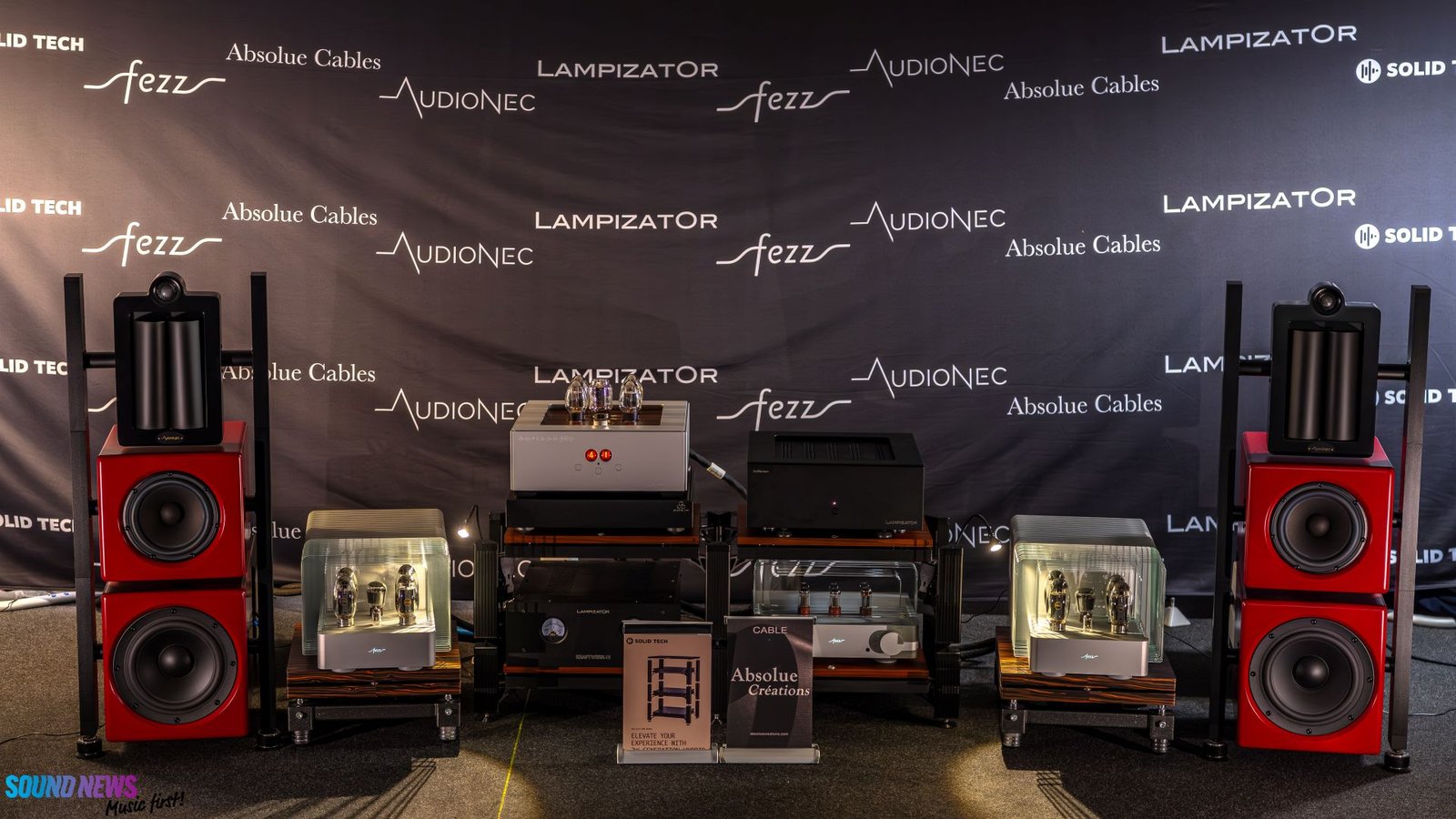
The AudioNec room deserves a very special mention and, in our books, clear praise for amazement and awe. We were no strangers to AudioNec, having previously auditioned their loudspeakers in other venues and setups, so we entered the room with a certain idea in mind. We knew the concept, the unusual driver approach; we knew these speakers can do things that normal loudspeakers have a very hard time doing. Even so, this particular match and setup in Vienna told us something very important: AudioNec can also be versatile, match-friendly with a wide range of electronics, room-friendly, and an absolute blast when everything clicks.
The system around them also seemed built exactly for this kind of experience. Lampizator, Fezz, Ayon, Absolute Cables and Solid Tech were all part of that room, and the whole setup looked like a proper high-end laboratory where tubes, clever engineering, serious cabling and massive support structures were all invited to the same party. It was one of those systems where we felt that every component had a role in building the final illusion, from the electronics to the stands, from the cables to the way the speakers were positioned and set up in the room.
Straight to the point, the first thing that hit us was the microdetail. The AudioNec room had one of the highest levels of microdetail we heard in almost any room at the show, and it presented that information in a warm, physical, and very pleasant way. We believe this is important specifically because microdetail can easily become a cold audiophile exercise. Here it felt alive and tactile. Piano notes had a natural feeling of string, body, hammer, wood, and air around them. At one point, the sensation was so physical and so present that we felt the piano was there in the room with us, vibrating somewhere between the speakers and our slightly tired brains.
We strongly believe that a big part of this magic comes from that huge surface area working through the critical midrange and presence region. AudioNec uses one of the most unique driver concepts in high-end audio, the Duopole as they call it, and you hear that very quickly. There is scale and ease in the midrange that feels somewhat different, in a very good way. Voices and instruments gain size, weight, and texture, and also move with speed and precision. It is one of those speakers that an audiophile has to hear to believe, because the written description always sounds a bit exaggerated until you sit down and experience it.
And once it hooks you, it almost never lets you go. That is maybe the most dangerous part. The sound pulls you in through microdetail, then keeps you there through warmth, body and coherence. The presentation was beautifully connected, with no feeling of separate drivers doing separate jobs. The music flowed with ease, while the bass seemed almost out of this world in control, extension and physical presence. It had that strange combination of power and cleanliness that makes you look around the room and wonder how the hell it is doing that.
The tweeter integration was also excellent. There was sparkle, air, and light in the upper register, to the point where we almost started looking for a ribbon somewhere. That kind of shimmer can be addictive when it is done with taste. It gave the room life, openness, and freshness while keeping its warm, physical character intact. Together with the huge midrange presence and that massive, almost unbelievable bass behavior, the whole thing felt special from top to bottom.
AudioNec did something truly amazing in Vienna. The presentation felt emotional and memorable. Kudos and big pluses here. Hands down, one of those rooms that reminded us how strange, creative, and deeply satisfying high-end audio can still be when someone follows a very personal engineering path and makes it work.
End Words
As usual, we didn’t have enough time to visit every room, listen to every pair of loudspeakers, experience every headphone setup, sample every schnitzel, or scientifically evaluate every Austrian beverage available within city limits. There was simply too much to see, too much to hear, and far too many old friends waiting for a handshake, a hug, or a quick chat about the latest audio discoveries.
Four days disappeared in the blink of an eye. We laughed, listened, learned, photographed, met manufacturers, caught up with friends from all over the world, and, most importantly, enjoyed the hobby that brought us all together in the first place.
I’ll be honest, saying goodbye to Munich last year felt strange. For many of us, HIGH END and Munich were inseparable, and yet, after spending several days in Vienna, I can confidently say that the future of HIGH END is in good hands. The city welcomed us with open arms; the atmosphere was fantastic; the organization was excellent; and the quality of the rooms reminded us why this remains the most important HiFi event on the planet.
Vienna didn’t try to replace Munich. It simply started writing its own story. We already miss the people, the laughter, the music and the endless conversations. Fortunately, we won’t need to wait too long before doing it all over again. Before you continue scrolling through the hundreds of photos waiting below, Cătălin, Cosmin and Răzvan have prepared their own discoveries and impressions from the show. Once you’re done with those, grab a coffee and enjoy the photo gallery.
Until next time, folks. Sandu signing off! 🤜🤛 And Vienna? We’ll see you again next year.